Python for Scientists
- 270 páginas
- 10 horas de lectura
Scientific Python is taught from scratch in this book via copious, downloadable, useful and adaptable code snippets.



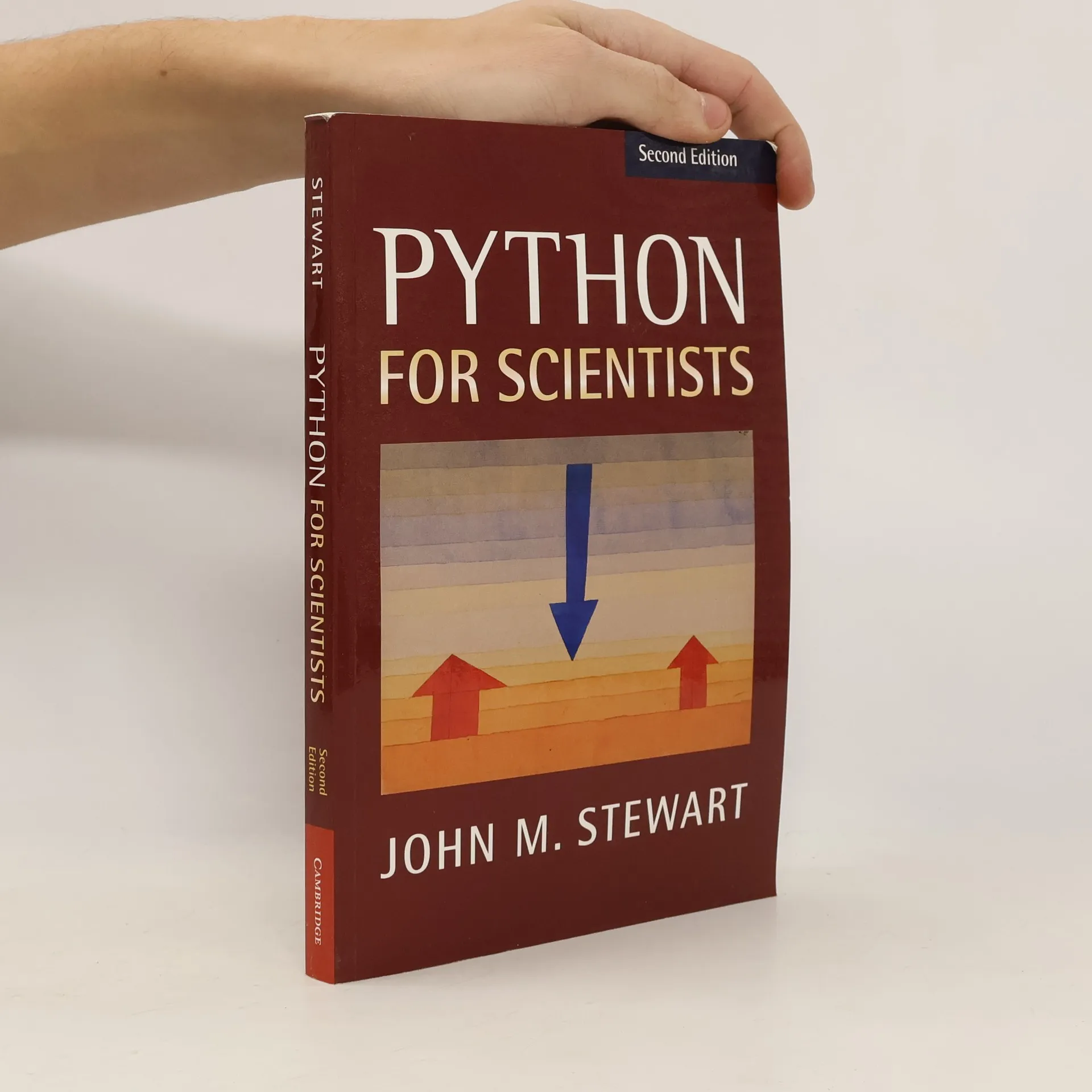
Scientific Python is taught from scratch in this book via copious, downloadable, useful and adaptable code snippets.
Nordic Classicism presents the first English-language survey of an important yet short-lived movement in modern architectural history. It was through the Nordic classical movement that Scandinavian architecture first attracted international attention. It was the Nordic Pavilions, rather than Le Corbusier's modernism, which generated most admiration at the 1925 World Fair, and it was the Nordic classical architects – including Gunnar Asplund, Sigurd Lewerentz, and Alvar Aalto – who went on to establish Scandinavia's reputation for modern design. Yet this brief classsical movement was quickly eclipsed by the rise of international modernism, and has often been overlooked in architectural studies. The book explores the lives and works of various key contributors to Nordic classicism – with eleven chapters each focussing on a different architect and on one of the period's outstanding works (including the Stockholm Central Library, the Resurrection Chapel, and the Woodland Cemetery). Famous architects and their works are examined alongside many lesser-known examples, to provide a comprehensive and in-depth account. As we approach the centenary of many of the events to which the book refers, now is a timely opportunity to explore the key themes of the Nordic classical movement, its architects, their buildings and the social and cultural changes to which they were responding.
Das vorliegende Buch ist eine verständliche und kompakte Einführung in die Grundfragen der Philosophie. Dabei geht es weniger darum, alle wichtigen Themen abzudecken, sondern gezielt einige derjenigen grundlegenden Fragen anzugehen, die in der Geschichte der Philosophie einen besonderen Platz einnehmen. Grundsätzlich richtet sich das Buch an alle philosophisch interessierten Personen, ganz gleich ob sie keinerlei Erfahrungen mitbringen oder bereits einen ersten Kontakt mit Philosophie hatten. Es sind keine Fachkenntnisse erforderlich, da alles in verständlicher Weise erklärt wird. Die Kapitel geben jeweils einen kurzen Überblick über einige der spannenden Fragen der Philosophie und sollen dabei zum Mit- und Weiterdenken anregen.
Das vorliegende Buch ist nicht nur ein anspruchsvoller philosophischer Ratgeber mit Blick auf das gute Leben in Zeiten der Orientierungslosigkeit, sondern eine Hommage an die Philosophie und die Relevanz des philosophischen Denkens fur unser alltagliches Leben. Der antike Philosoph Sokrates hat einmal gesagt, dass ein Leben, das nicht hinterfragt wird, nicht lebenswert sei. Damit meint er, dass man seine eigenen Handlungen und die ethisch-moralische Ausrichtung seines Lebens bzw. seiner eigenen Lebensweise stets kritisch hinterfragen muss. Was soll ich tun? Wie kann ich ein gutes Leben fuhren? Welche Handlungen sollte ich vermeiden und wie werde ich ein moralisch besserer Mensch? Was sind die Grundlagen der Moral? In welchem Staat gedeiht das beste Leben am besten? Diese und ahnliche Fragen stehen im Mittelpunkt des Buches.