
Bookbot

Timothy Snyder

    18 agosto 1969

    Timothy Snyder es un historiador cuyo trabajo se centra en la historia moderna de Europa del Este, particularmente en la historia política y la dinámica de la violencia. Su investigación profundiza en las intrincadas conexiones entre nacionalismo, ideologías totalitarias y catástrofes históricas. Snyder examina cómo se desarrollaron eventos como el Holocausto y las masacres en Europa y cómo pueden servirnos como advertencias para el presente. Su estilo de escritura es analítico pero accesible, enfatizando la comprensión de los procesos históricos que moldearon el siglo XX.

    Timothy Snyder
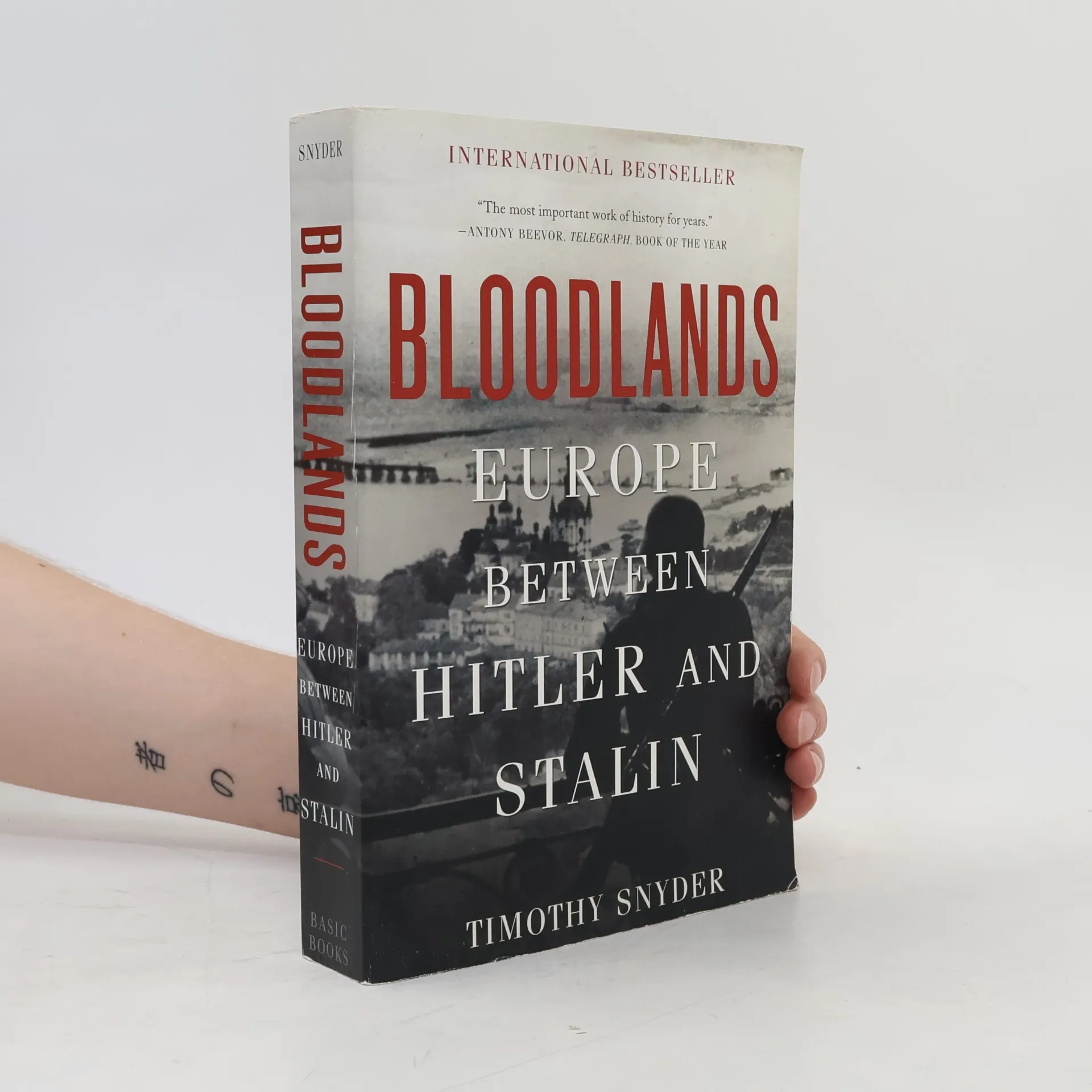
    Bloodlands, English edition
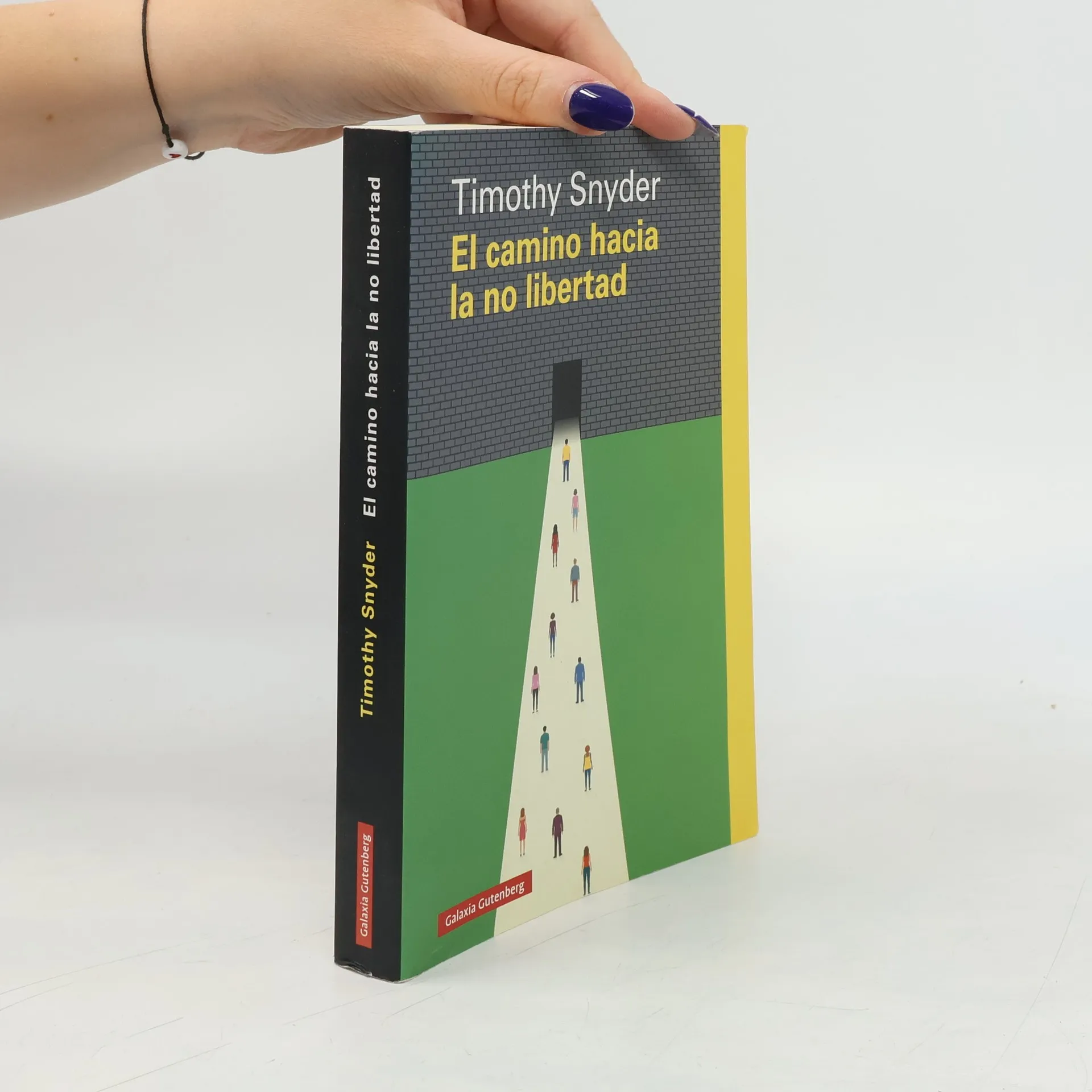
    The road to unfreedom : Russia, Europe, America
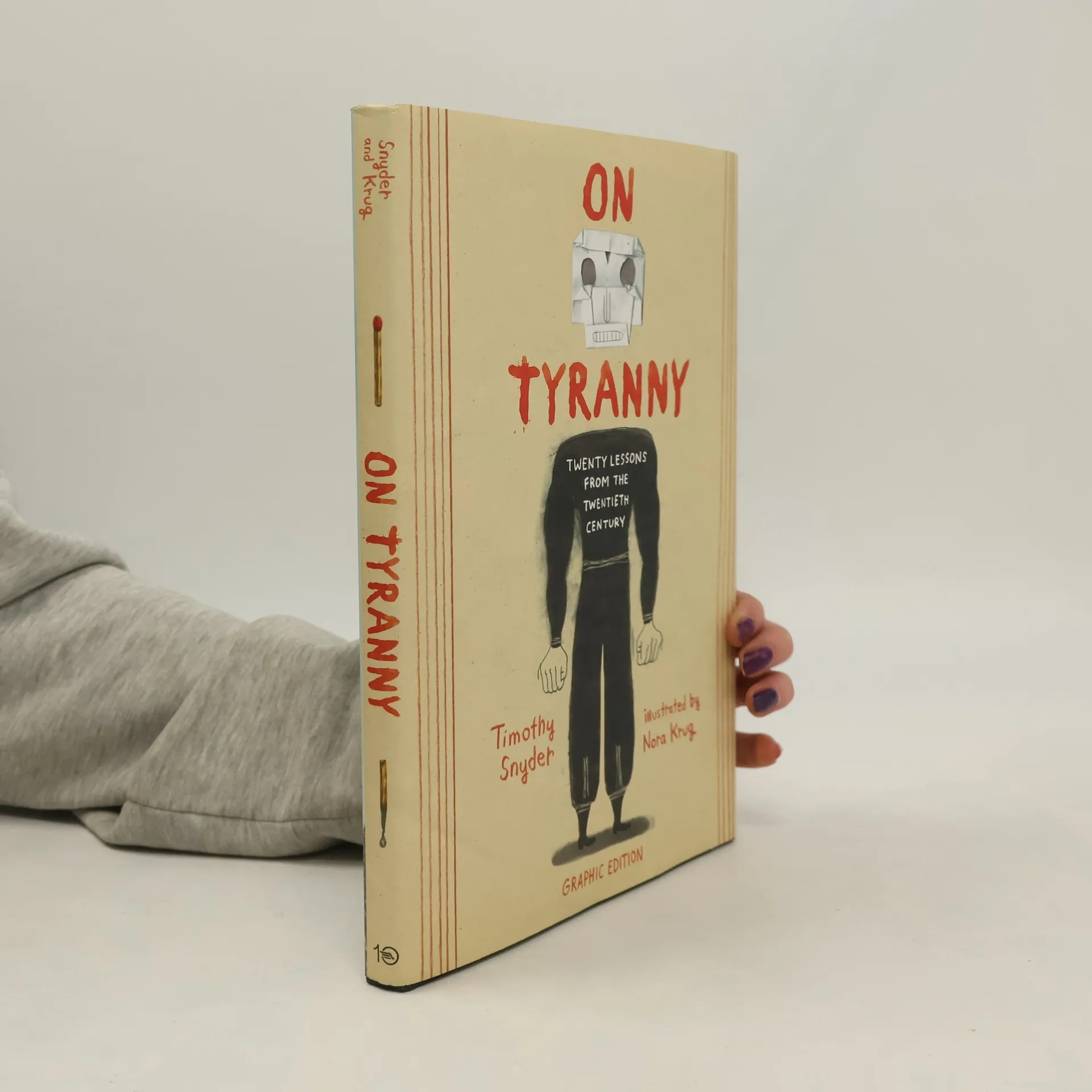
    On Tyranny Graphic Edition
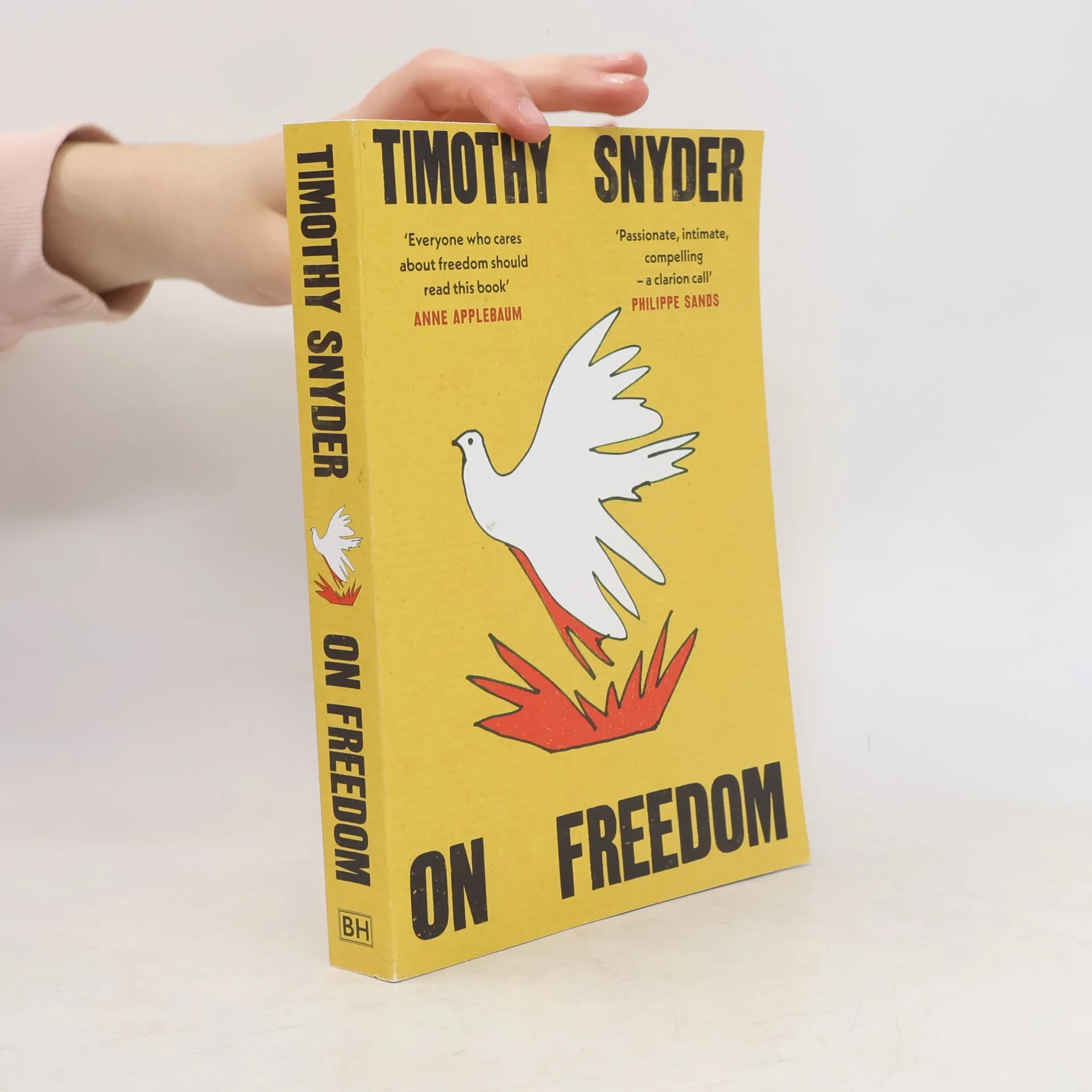
    On Freedom
    Bloodlands : Europe between Hitler and Stalin
    On Tyranny : Twenty Lessons from the Twentieth Century (Graphic Edition)
    • This graphic edition of Timothy Snyder’s bestselling work presents vital lessons for resisting America's drift toward authoritarianism, enhanced by renowned illustrator Nora Krug's visual storytelling. Snyder draws on the darkest moments of the twentieth century, from Nazism to Communism, to convey twenty lessons on modern resistance. Key lessons include recognizing the impact of symbols on the future (“4: Take responsibility for the face of the world”), the necessity of independent research (“11: Investigate”), and the importance of using personalized language rather than clichés (“9: Be kind to our language”). Krug's inventive art style, reminiscent of her work in Belonging, transforms Snyder’s historical insights into a visually striking guide. This edition serves as a poignant reminder of the need for active, conscious participation in resisting authoritarianism during uncertain times.

      On Tyranny : Twenty Lessons from the Twentieth Century (Graphic Edition)
      4,5
    • Under Hitler and Stalin the Nazi and Soviet regimes murdered fourteen million people in the bloodlands between Berlin and Moscow. The killing fields extended from central Polads to western Russia. For twelve savage years, on this bloodsoaked soil an average of one million individuals - mostly women, children and the aged - were murdered every year. Though in 1939 these lands became battlefields, not one of these fourteen million was killed in combat. They were victims of a murderous policy, not casualties of war. Int his deeply unsettling and revelatory book, Timothy Snyder gives voice to the testimony of the victims through the letters home, the notes flung from trains, the diaries on corpses. It is a brilliantly researched, profoundly humane and authoritative bok that demands we pay attention to those that history is in danger of forgetting.

      Bloodlands : Europe between Hitler and Stalin
      4,5
    • On Freedom

      • 368 páginas
      • 13 horas de lectura

      Exploring the concept of freedom, the book emphasizes that true liberty involves active goodness rather than merely the absence of oppression. It argues that freedom is not a gift but a shared responsibility, highlighting the importance of solidarity in achieving genuine freedom for all. The interconnectedness of individual and collective freedom is a central theme, suggesting that one's liberty is inherently tied to the freedom of others.

      On Freedom
      5,0
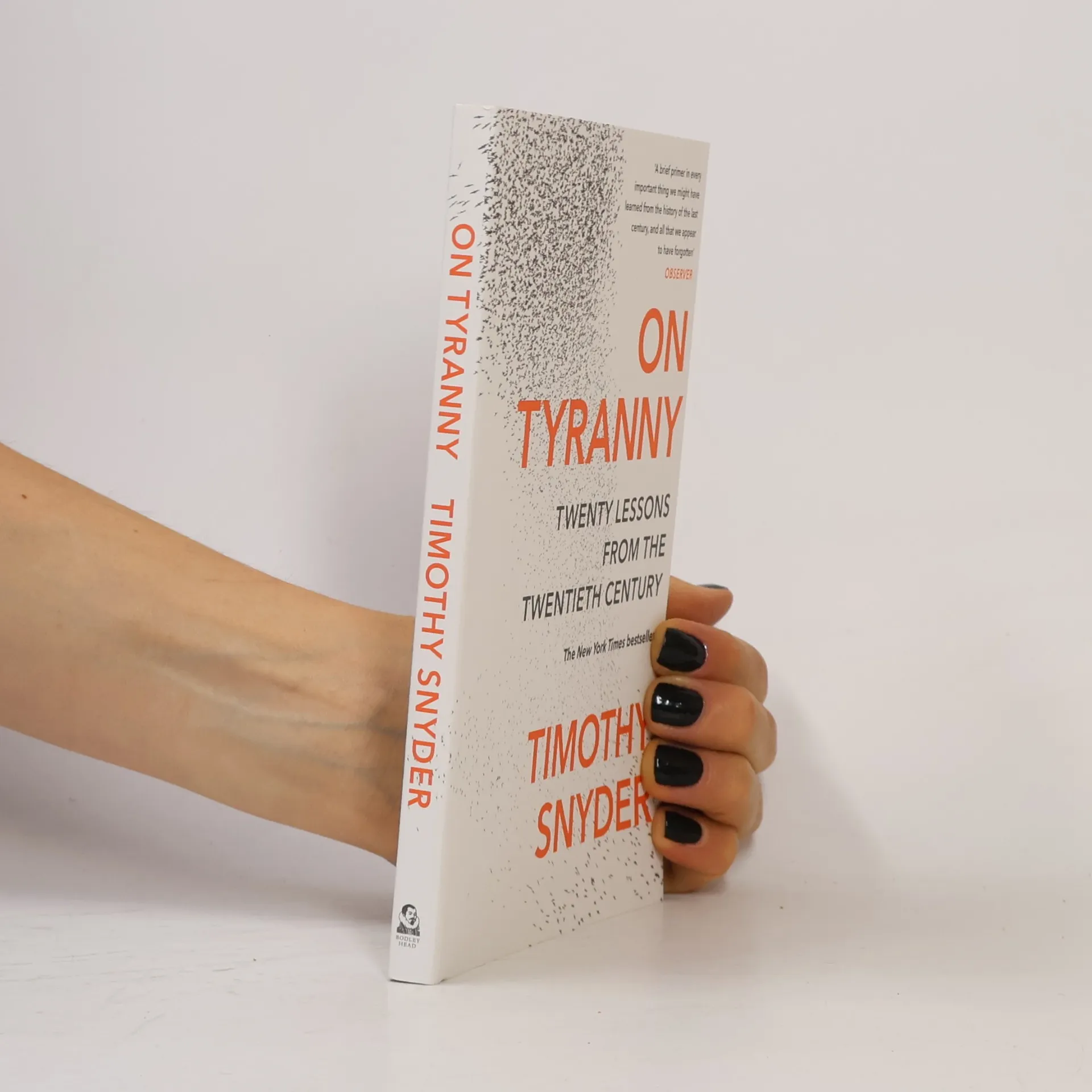
    • On Tyranny Graphic Edition

      • 128 páginas
      • 5 horas de lectura

      Timothy Snyder's New York Times bestseller On Tyranny uses the darkest moments in twentieth-century history, from Nazism to Communism, to teach twenty lessons on resisting modern-day authoritarianism. Among the twenty include a warning to be aware of how symbols used today could affect tomorrow ("4: Take responsibility for the face of the world"), an urgent reminder to research everything for yourself and to the fullest extent ("11: Investigate"), a point to use personalized and individualized speech rather than clichéd phrases for the sake of mass appeal ("9: Be kind to our language"), and more.0In this graphic edition, Nora Krug draws from her highly inventive art style in Belonging--at once a graphic memoir, collage-style scrapbook, historical narrative, and trove of memories--to breathe new life, color, and power into Snyder's riveting historical references, turning a quick-read pocket guide of lessons into a visually striking rumination. In a time of great uncertainty and instability, this edition of On Tyranny emphasizes the importance of being active, conscious, and deliberate participants in resistance

      On Tyranny Graphic Edition
      4,4
    • Bloodlands, English edition

      • 524 páginas
      • 19 horas de lectura

      Under Hitler and Stalin the Nazi and Soviet regimes murdered fourteen million people in the bloodlands between Berlin and Moscow. The killing fields extended from central Polads to western Russia. For twelve savage years, on this bloodsoaked soil an average of one million individuals - mostly women, children and the aged - were murdered every year. Though in 1939 these lands became battlefields, not one of these fourteen million was killed in combat. They were victims of a murderous policy, not casualties of war. Int his deeply unsettling and revelatory book, Timothy Snyder gives voice to the testimony of the victims through the letters home, the notes flung from trains, the diaries on corpses. It is a brilliantly researched, profoundly humane and authoritative bok that demands we pay attention to those that history is in danger of forgetting.

      Bloodlands, English edition
      4,4
    • 'A brilliant and disturbing analysis, which should be read by anyone wishing to understand the political crisis currently engulfing the world' YUVAL NOAH HARARI, author of SAPIENS The past is another country, the old saying goes.

      The Road to Unfreedom
      4,4
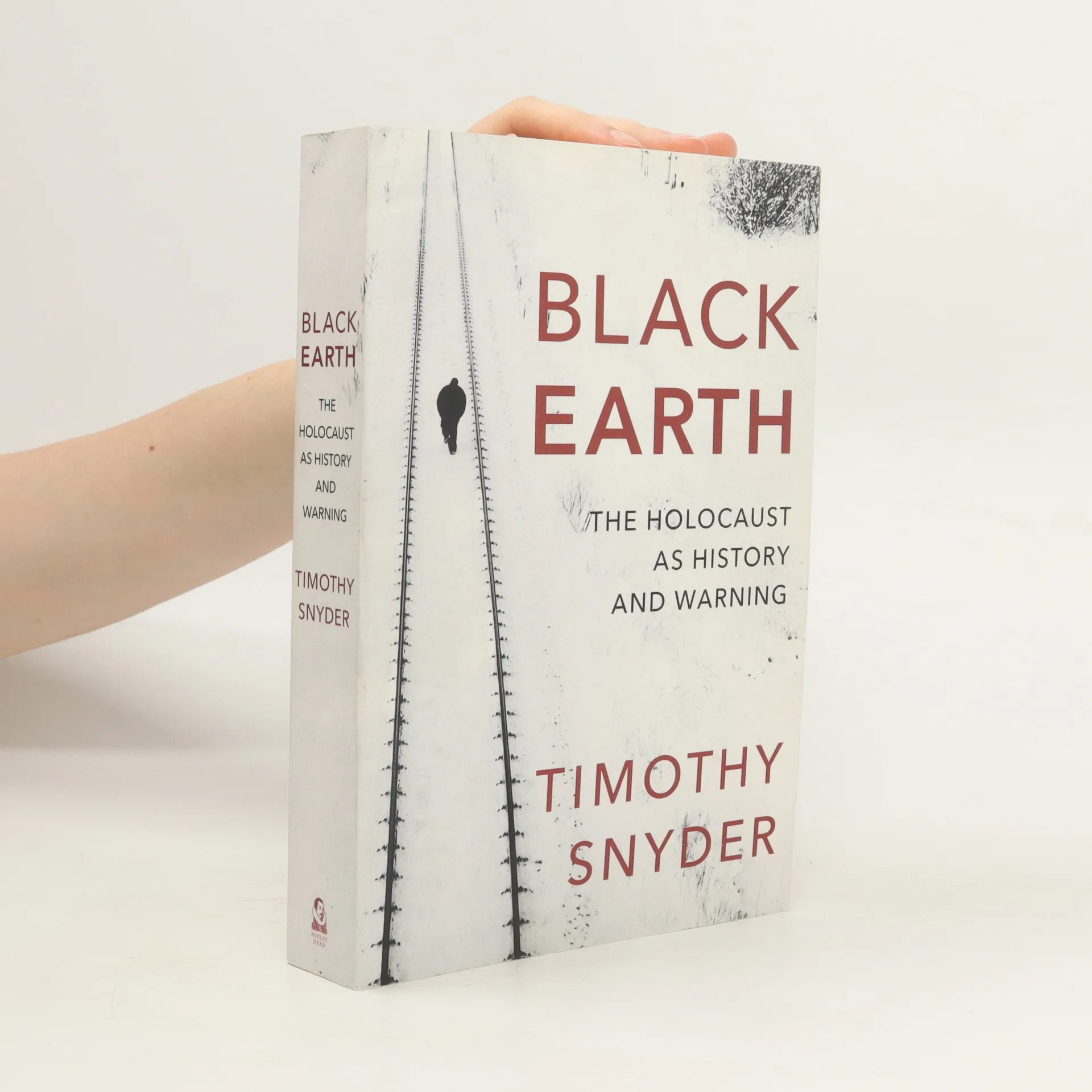
    • Bloodlands

      • 524 páginas
      • 19 horas de lectura

      Describes how fourteen million people were murdered by Hitler's and Stalin's regimes in the area between Germany and Russia during the time when both men were in power and examines the motives and methods behind the mass murders.

      Bloodlands
      4,4
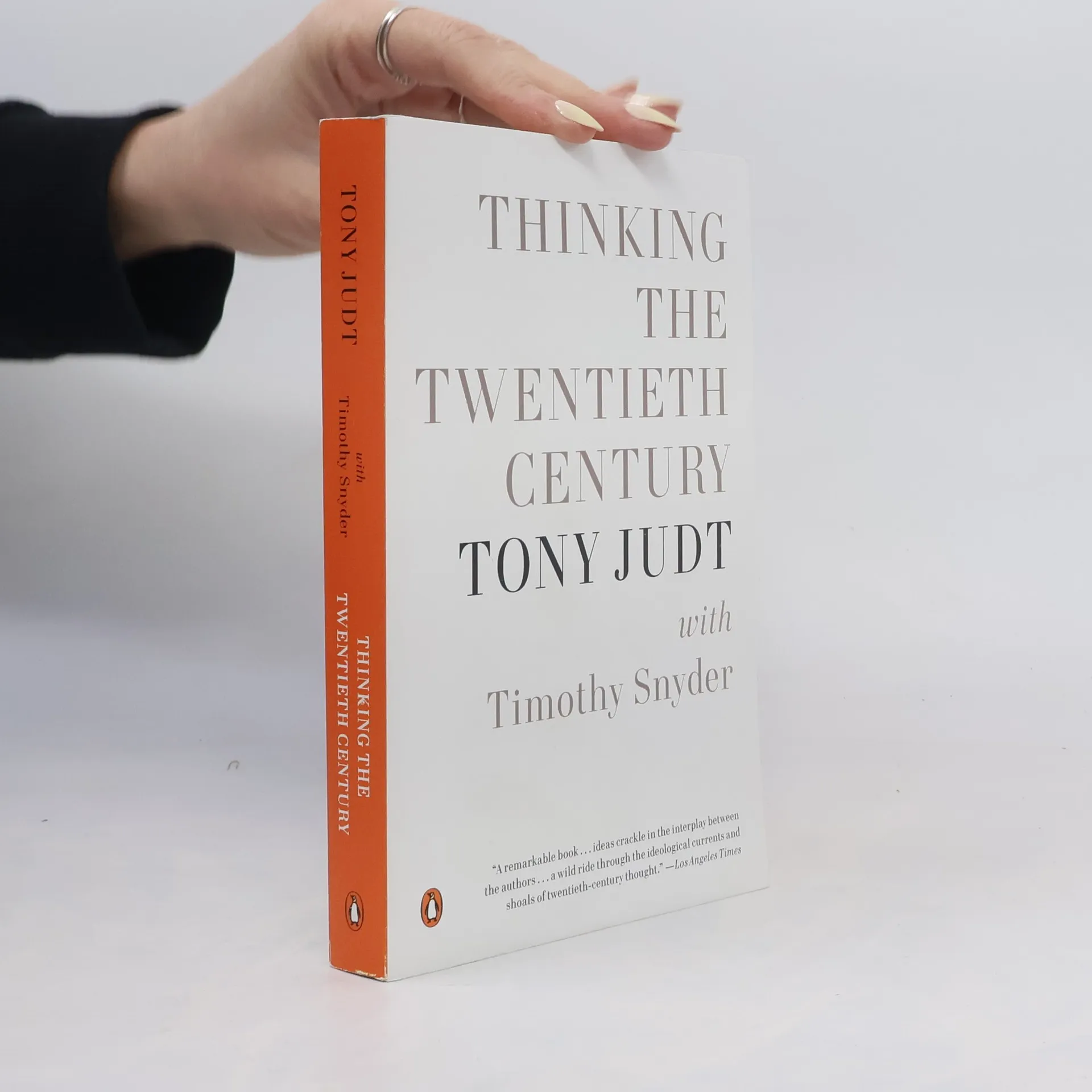
    • Thinking the twentieth century

      • 432 páginas
      • 16 horas de lectura

      Thinking the Twentieth Century maps the issues and concerns of a turbulent age onto a life of intellectual conflict and engagement. Tony Judt presents the triumphs and the failures of prominent intellectuals, adeptly explaining both their ideas and the risks of their political commitments.--[book jacket].

      Thinking the twentieth century
      4,3
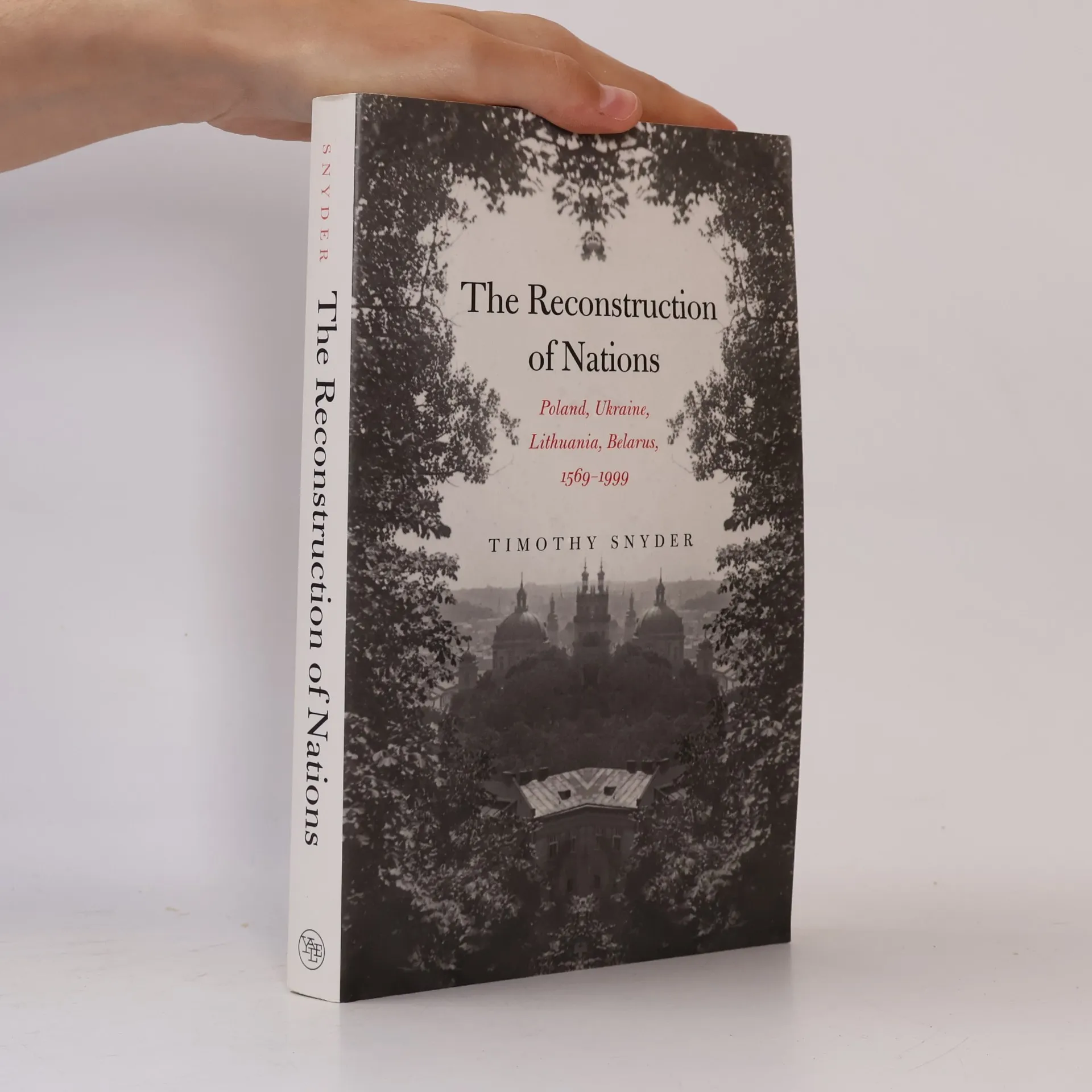
    • The Reconstruction of Nations

      • 384 páginas
      • 14 horas de lectura

      Timothy Snyder traces the emergence of four rival modern nationalist ideologies from common medieval notions of citizenship.

      The Reconstruction of Nations
      4,3