
Bookbot

Quintus of Smyrna

    Quintus Smyrnaeus fue un poeta épico griego cuya obra continúa la gran tradición narrativa homérica. Su Posthomerica retoma la narración de la Guerra de Troya después de los sucesos relatados en las epopeyas de Homero, profundizando en los aspectos a menudo no contados del conflicto. Smyrnaeus buscó revivir los antiguos estilos épicos, centrándose en vívidas representaciones de hazañas heroicas y los giros dramáticos del destino en las etapas finales de la guerra. Su poesía ofrece a los lectores una rica expansión del mito de la Guerra de Troya, mostrando una continuación magistral de la épica clásica.

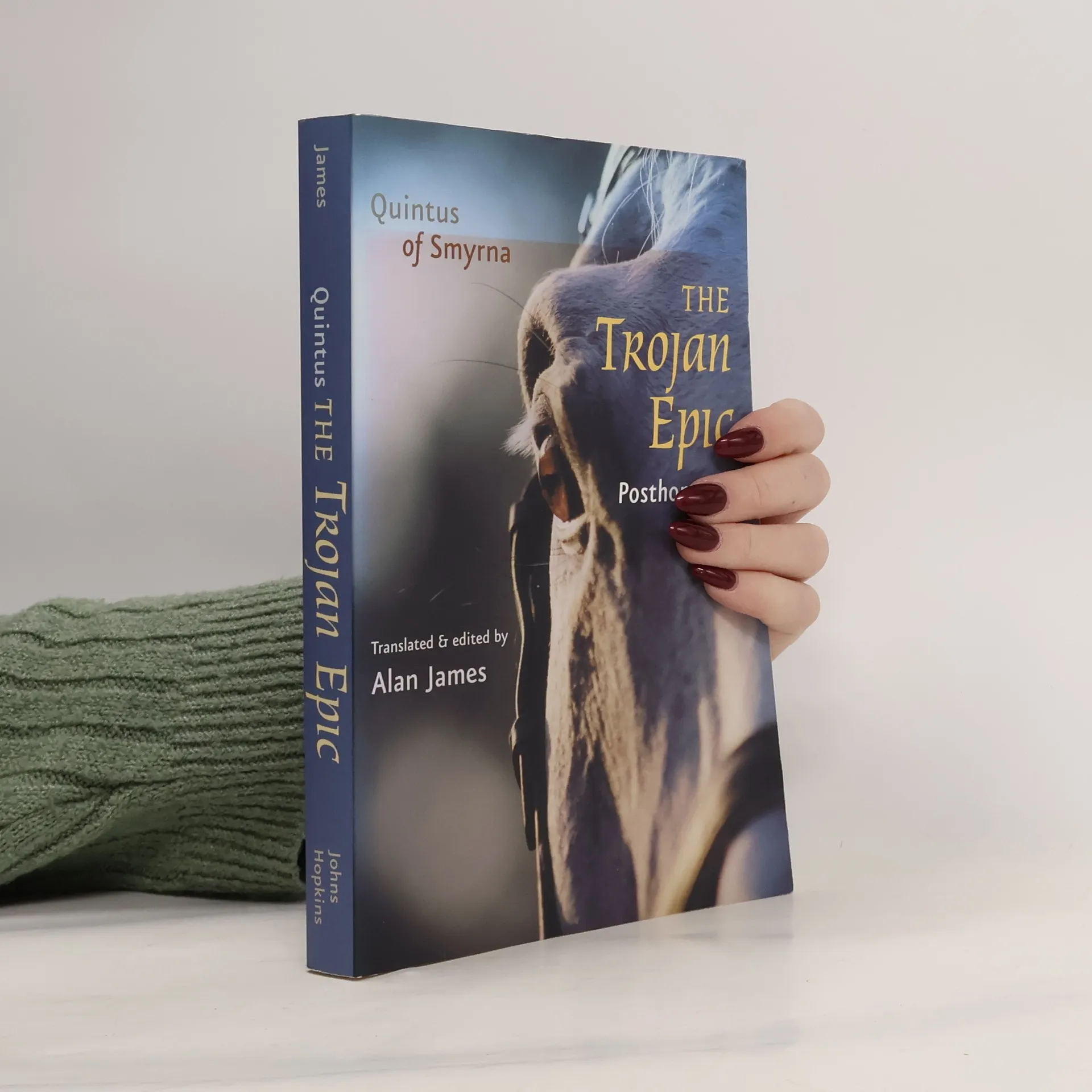
    Johns Hopkins New Translations from Antiquity: The Trojan Epic
    The Fall of Troy
    • 2024

      The Fall of Troy

      • 262 páginas
      • 10 horas de lectura

      Continuing the narrative of the Trojan War, this ancient epic poem explores the aftermath of Hector's death and the fall of Troy. It vividly recounts events such as the Greeks' cunning wooden horse and the ensuing sacking of the city. Quintus Smyrnaeus enriches the original tales from Homer with new perspectives, while weaving in themes of tragedy, romance, and divine intervention. The work serves as a bridge between classical Greek epics and later literary traditions, solidifying its significance in the broader context of epic storytelling.

      The Fall of Troy
    • 2007

      Johns Hopkins New Translations from Antiquity: The Trojan Epic

      Posthomerica

      • 408 páginas
      • 15 horas de lectura

      Composed in the third century A.D., the Trojan Epic is the earliest surviving literary evidence of many traditions surrounding the Trojan War from ancient Greece. Known as the Posthomerica, it chronicles the war's events following the burial of Hektor, Troy's greatest hero. Written by Quintus, an educated Greek in Roman Asia Minor, the epic features legendary moments such as Achilles' death, the Trojan Horse, and Troy's destruction. Despite its richness, Quintus's imitation of Homer's style has led some scholars to view it as mere pastiche. However, the Trojan Epic is significant for its insights into older, now-lost Greek epics of the Trojan War, collectively known as the Epic Cycle, which recount events absent from the Iliad and the Odyssey. Alan James's vibrant new translation highlights the work's literary-historical importance and narrative strength. His line-by-line English verse captures the tale's excitement and eloquence, focusing on themes of gods, heroes, bravery, cunning, hubris, and brutality. The edition includes a substantial introduction, a detailed annotated summary, commentary on sources, and an index of proper names. Revitalized by James, this epic will attract readers interested in Greek mythology and the legend of Troy.

      Johns Hopkins New Translations from Antiquity: The Trojan Epic