Gustave Flaubert Libros
Gustave Flaubert es considerado uno de los más grandes novelistas occidentales. Sus peculiares métodos de composición, que implicaban una intensa soledad y una búsqueda incesante de la frase y el adjetivo perfectos, lo distinguen. El estilo de Flaubert, celebrado por su extraordinaria fuerza y exactitud, se convirtió en un referente para escritores posteriores de diversas corrientes. Inicialmente recibido con escándalo, su obra gradualmente ganó reconocimiento por su retrato escrupulosamente veraz de la vida y su magistral dominio del lenguaje, influyendo profundamente en el realismo y más allá.

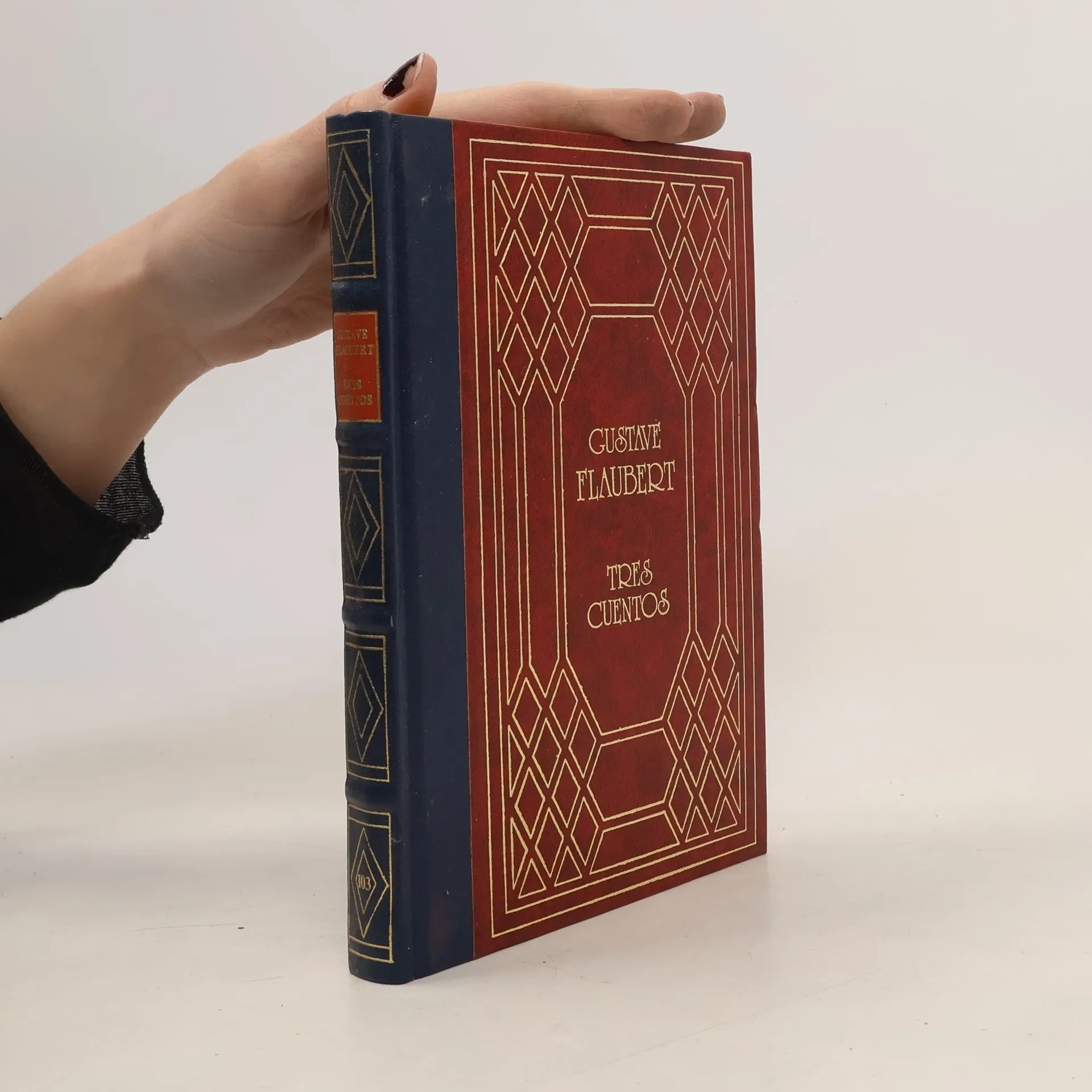
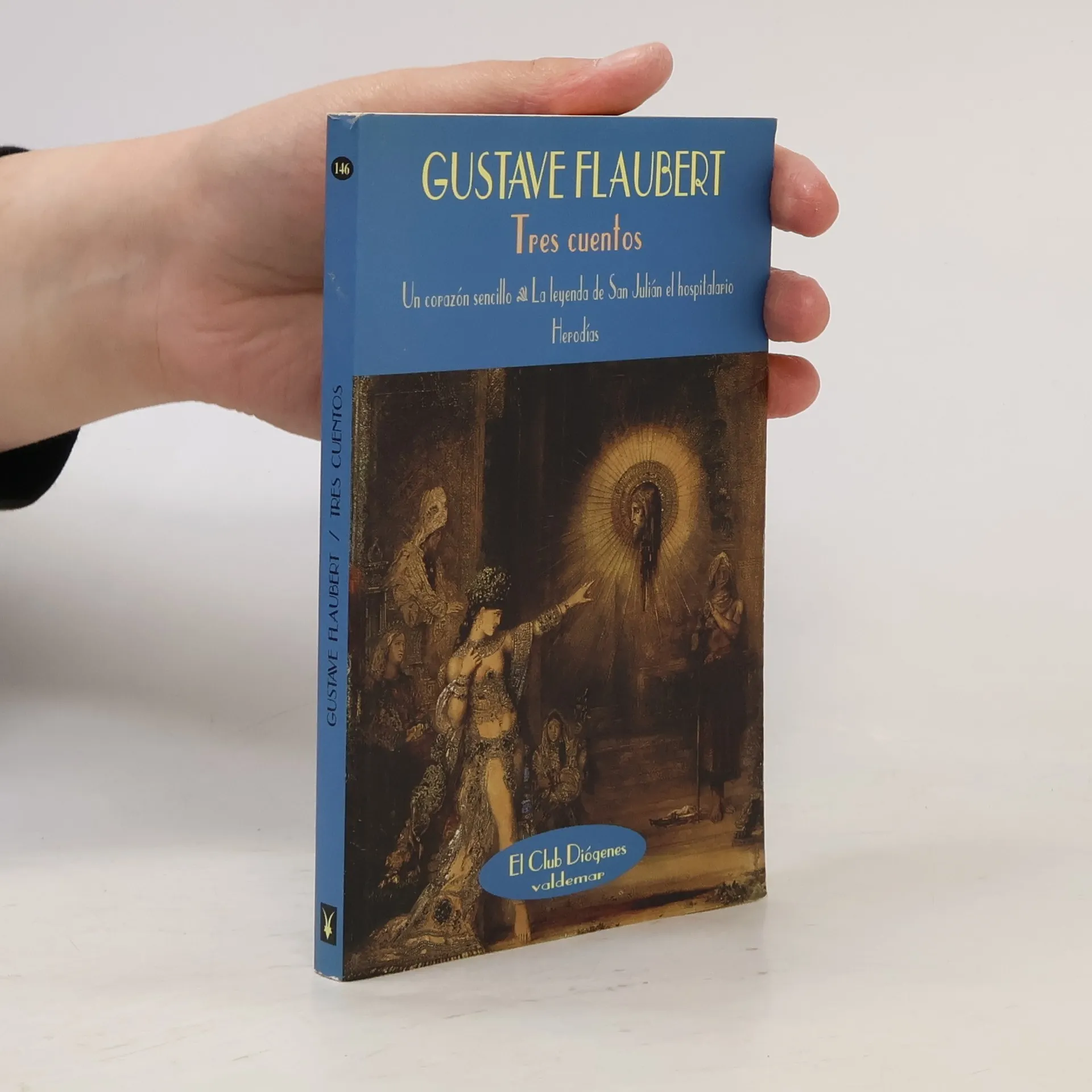
El Club Diógenes - 146: Tres cuentos
- 176 páginas
- 7 horas de lectura
Publicado en 1877, Tres cuentos es el último libro aparecido en vida de Gustave Flaubert (1821-1880). En su momento fue calurosamente por la critica parisina (Théodore de Banville calificó a sus tres textos de "obras maestras perfectas y absolutas"). Los precisos detalles y la atmósfera gris evocada en "Un corazón sencillo", el peculiar patetismo y la impasibilidad parnasiana de la adaptación de "La leyenda de San Julián el Hostpitalario", y la sutil reconstrucción histórica de "Herodias" muestran cualidades y tonos esenciales de la narrativa del autor de Madame Bovary , decisiva en el surgimiento de la la literatura contemporánea.
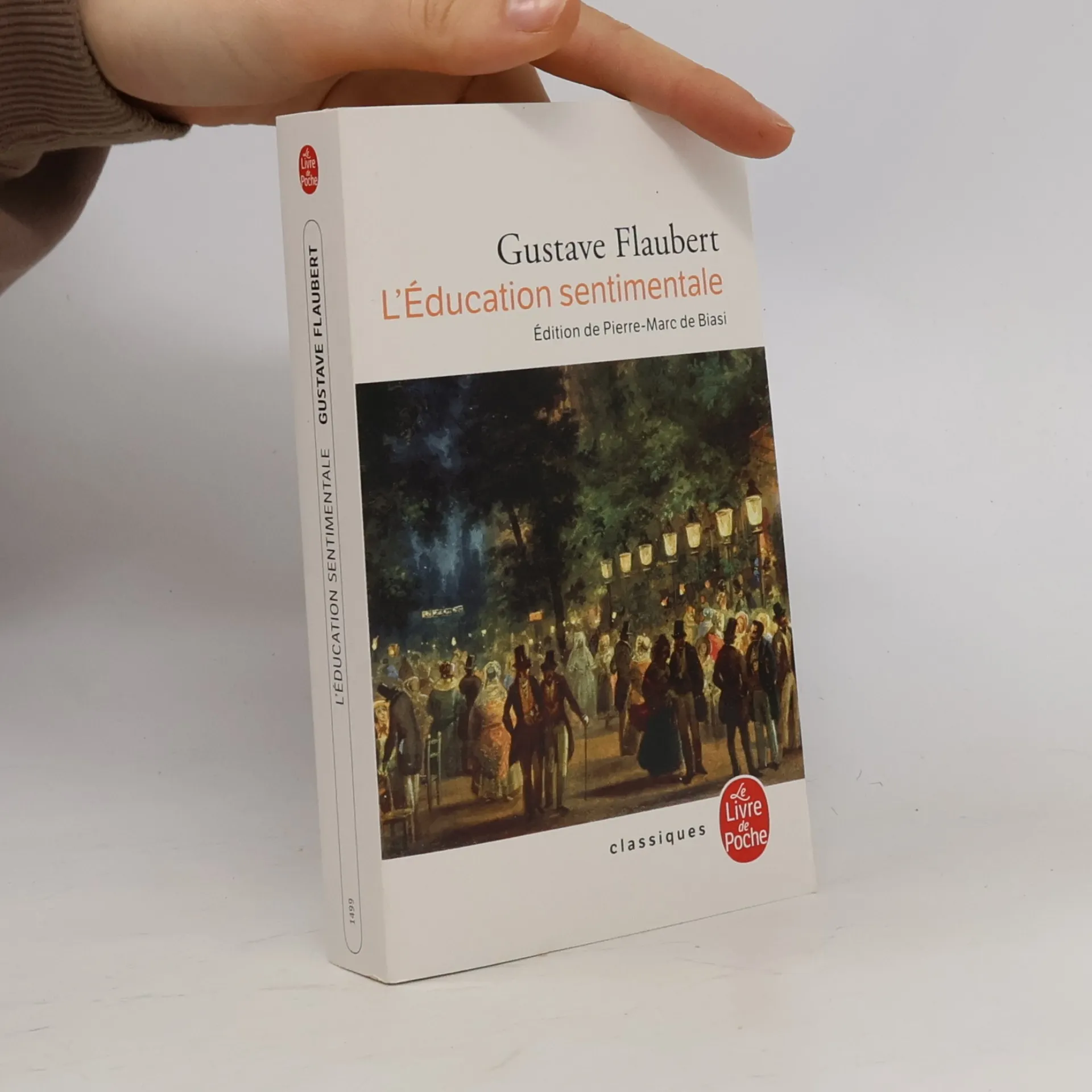
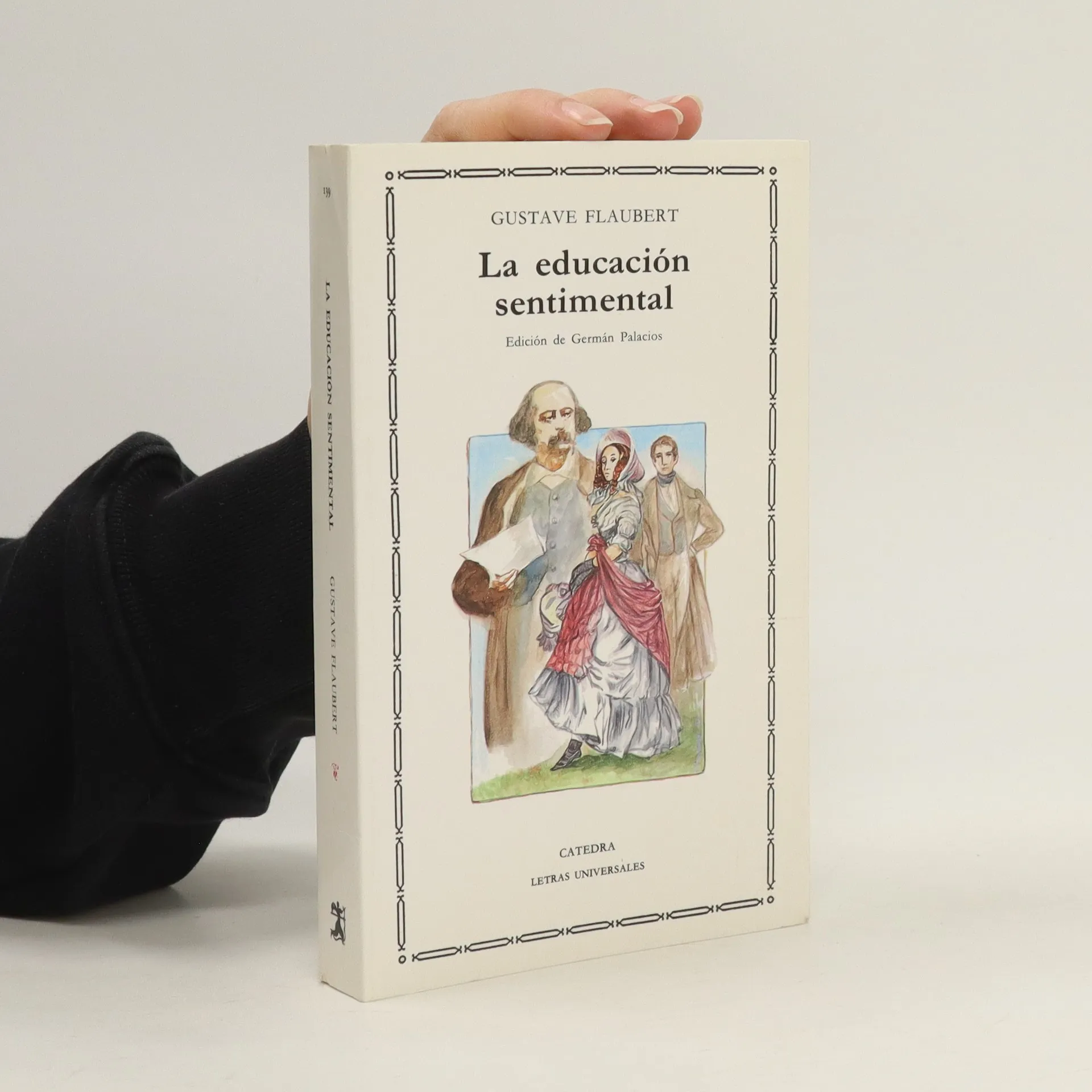
La educación sentimental
- 520 páginas
- 19 horas de lectura
La educacion sentimental es, en palabras del propio autor, "la historia moral o mas exactamente sentimental" de los hombres de su generacion. De todos los libros del autor, este es el que mejor representa sus rasgos caracteristicos, en el que nos narra experiencia de su propia vida: la trasposicion literaria de la pasion que el escritor sintio por Elisa Foucault.
Tres cuentos
- 160 páginas
- 6 horas de lectura
Aclamado por Italo Calvino como "uno de los viajes espirituales más extraordinarios jamás realizados fuera de cualquier religión", "Tres cuentos" (1877) fue la última de las obras de Flaubert publicadas durante su vida. El ambicioso rango de las historias — "Un corazón simple", "La leyenda de San Julián Hospitallero" y "Herodías" — abarca desde el propio siglo del autor hasta la Edad Media y la antigua Israel. "Un corazón simple", en palabras de Flaubert, "es solo el relato de una vida oscura, la de Felicité, una pobre campesina, piadosa pero mística, silenciosamente devota y tan tierna como el pan fresco... Quiero despertar la compasión de la gente, hacer llorar a las almas sensibles, ya que yo soy una de ellas." La historia intermedia, "La leyenda de San Julián Hospitallero", narra la vida de un cazador y guerrero sediento de sangre cuyas tentativas de escapar de una profecía terrible lo llevan a un estado de gracia. "Herodías", el relato final, se basa en las leyendas que rodean al rey Herodes, Salomé y Juan el Bautista.
Memorias de un loco
- 79 páginas
- 3 horas de lectura
En el verano de 1836, en la playa de Trouville, el joven Flaubert se enamora perdidamente y en secreto de una joven llamada Elisa Schlesinger. Este amor fatal lo marcará de manera indeleble y lo perseguirá a lo largo de su vida. Los fantasmas de Trouville, el profundo sentido de soledad, abandono y falta, así como la "revuelta", ya se vislumbran en estas páginas, escritas poco después del evento y culminadas en 1838. A través de esta "confesión", Flaubert explora otros aspectos de su adolescencia. En estas "memorias" compuestas de ideas, recuerdos, impresiones, caprichos, sueños, entusiasmos y desánimos, nace el escritor Flaubert. La escritura, la poesía y la creación literaria se convierten para él en una cruz y una delicia, en desdicha y compensación, un espacio donde encontrarse y comprenderse, al tiempo que experimenta un tormento existencial.
Salambó
- 172 páginas
- 7 horas de lectura
Salambó, de Gustave Flaubert, es una novela histórica ambientada en la antigua Cartago durante la Primera Guerra Púnica. La obra narra la historia de amor prohibido de la princesa Salambó, con una prosa exquisita y una detallada representación de la sociedad cartaginesa, destacando intrigas y luchas de poder.
For lovers of timeless classics, this series of beautifully packaged and affordably priced editions of world literature encompasses a variety of literary genres including theater, novels, poems, and essays. Los lectores tomar�n un gran placer en descubrir los cl�sicos con estas bellas y econ�micas ediciones de literatura famosa y universal. Esta selecci�n editorial cuenta con t�tulos que abarcan todos los g�neros literarios, desde el teatro, la narrativa, la poes�a y el ensayo.
Novelas inmortales 7. Salambo
- 476 páginas
- 17 horas de lectura
Appearing in a single volume for the very first time, an illuminating and enrichingly annotated selection of correspondence from one of Western literature’s most revered writers. “If there is one article of faith that dominates the Credo of Gustave Flaubert’s correspondence,” Francis Steegmuller writes in the introduction to this selection of Flaubert’s letters, “it is that the function of great art is not to provide ‘answers.’” The Letters of Gustave Flaubert is above all a record of the intransigent questions—personal, political, artistic—with which Flaubert struggled throughout his life. Here we have Flaubert’s youthful, sensual outpourings to his mistress, the poet Louise Colet, and, as he advances, still unknown, into his thirties, the wrestle to write Madame Bovary. We hear, too, of his life-changing trip to Egypt, as described to family and friends, and then there are lively exchanges with Baudelaire, with the influential critic Sainte-Beuve, and with Guy de Maupassant, his young protégé. Flaubert’s letters to George Sand reveal her as the great confidante of his later years. Steegmuller’s book, a classic in its own right, is both a splendid life of Flaubert in his own words and the ars poetica of the master who laid the foundations for modern writers from James Joyce to Lydia Davis. Originally issued in two volumes, the book appears here for the first time under a single cover.
The George Sand-Gustave Flaubert Letters
- 484 páginas
- 17 horas de lectura
The correspondence between George Sand and Gustave Flaubert spans 13 years, offering an intimate glimpse into the lives and thoughts of these iconic 19th-century French authors. Their letters delve into various topics, including politics, art, and personal matters, showcasing a deep mutual respect and support for each other's literary endeavors. The candid discussions about their writing challenges and creative processes provide valuable insights, making this collection a captivating resource for readers and scholars interested in the dynamics of literary collaboration and the personal lives of these influential figures.
Flaubert is renowned for his contribution to literary realism, emphasizing a neutral presentation of reality through meticulous style. His debut novel, Madame Bovary, showcases his commitment to formal perfection and aesthetic values. Flaubert's influence extends to notable figures like Guy de Maupassant, his protégé, highlighting his lasting impact on literature. His works, including his Correspondence, reflect his dedication to style and the complexities of human experience.
Featuring the works of a prominent French novelist, this collection includes Gustave Flaubert's five most significant novels, showcasing his mastery of narrative and character development. Flaubert's writing is celebrated for its precision and depth, exploring themes of love, society, and the human condition. This compilation offers readers a comprehensive glimpse into his literary genius, making it an essential addition for fans of classic literature and those interested in the evolution of the novel.
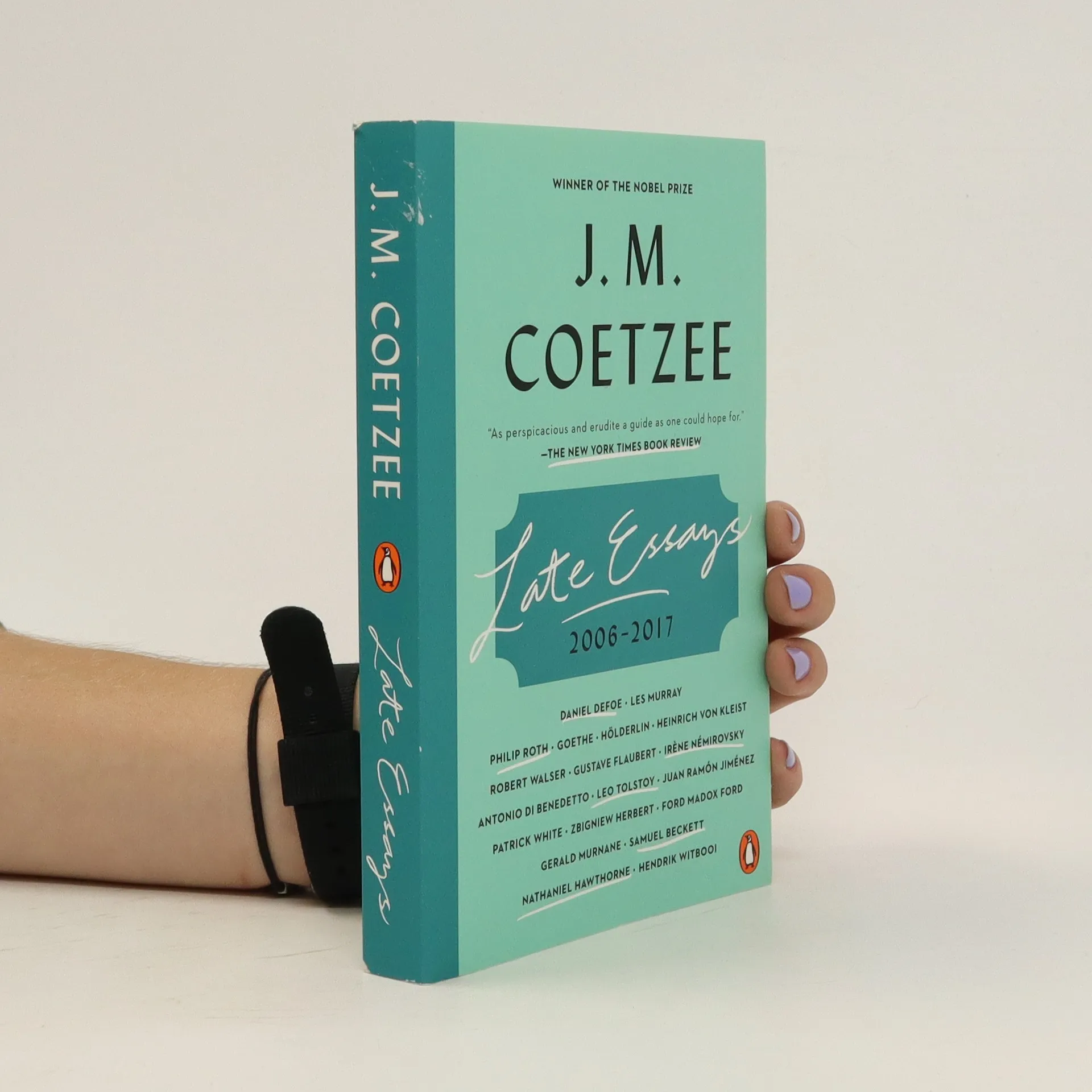
Late Essays, 2006-2017
- 304 páginas
- 11 horas de lectura
A new collection of twenty-three literary essays from the Nobel Prize–winning author. J. M. Coetzee’s latest novel, The Schooldays of Jesus, is now available from Viking. J. M. Coetzee is not only one of the most acclaimed fiction writers in the world, he is also an accomplished and insightful literary critic. In Late Essays: 2006–2016, a thought-provoking collection of twenty-three pieces, he examines the work of some of the world’s greatest writers, from Daniel Defoe in the early eighteenth century to Goethe and Irène Némirovsky to Coetzee’s contemporary Philip Roth. Challenging yet accessible, literary master Coetzee writes these essays with great clarity and precision, offering readers an illuminating and wise analysis of a remarkable list of works of international literature that span three centuries.
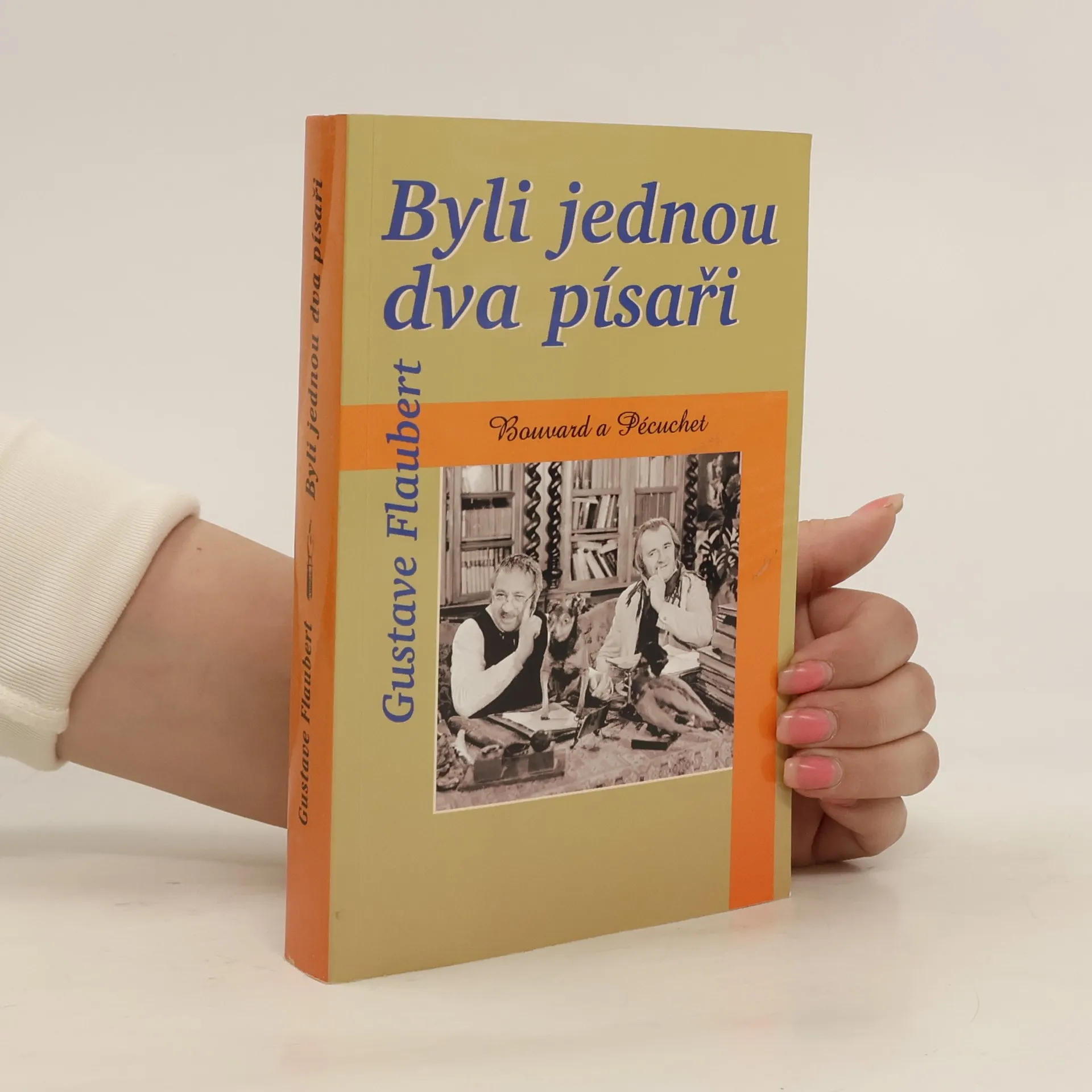
Bouvard and Pécuchet
- 168 páginas
- 6 horas de lectura
"Bouvard and Pécuchet" by Gustave Flaubert is a satirical novel about two clerks exploring various hobbies and professions in search of fulfillment. Through sharp wit and keen social commentary, Flaubert critiques societal pretensions and the absurdity of human endeavors, making it a timeless exploration of the quest for meaning in life.
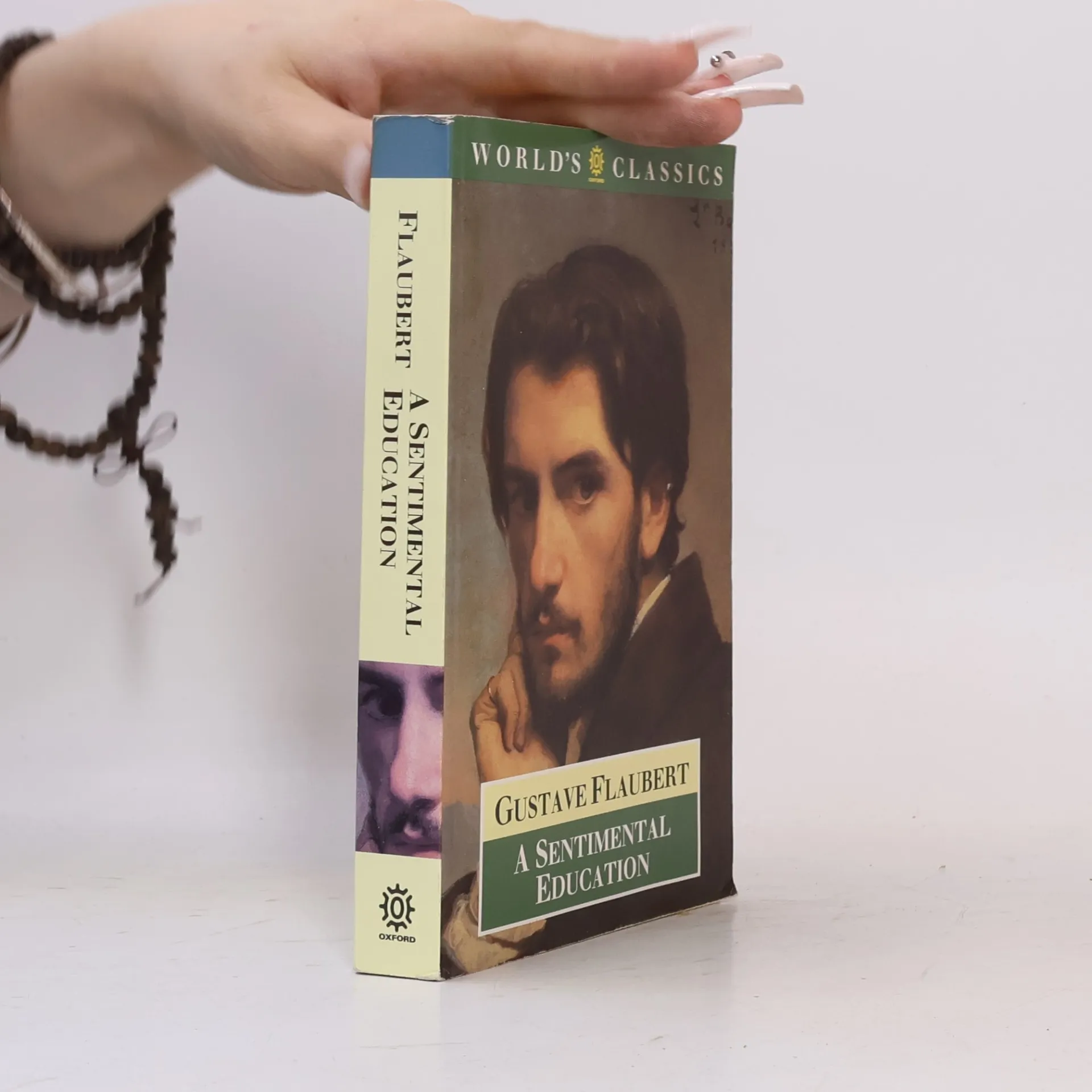
Oxford World's Classics: A Sentimental Education
The Story of a Young Man
- 560 páginas
- 20 horas de lectura
"I want to write the moral history of the men of my generation—or, more accurately, the history of their feelings," declared Gustave Flaubert, who envisioned "a book about love, about passion; but passion such as can exist nowadays—that is to say, inactive." First published in 1869, this novel fulfills Flaubert's conception with a realistic, ironic portrait of bourgeois lives played out against France's tumultuous revolution of 1848 and the founding of its Second Empire. Frédéric Moreau, a law student in Paris, dreams of achieving success in art, business, journalism, and politics. His aspirations take a romantic turn upon a chance encounter with a married woman, who inspires a lifelong obsession. Frédéric befriends his idol's husband, an influential art dealer, and quickly finds himself seduced by society life—and bedeviled by financial problems, ideological conflicts, and betrayals of trust. Blending romance, historical authenticity, and satire, Flaubert's Sentimental Education ranks among the nineteenth century's great novels.
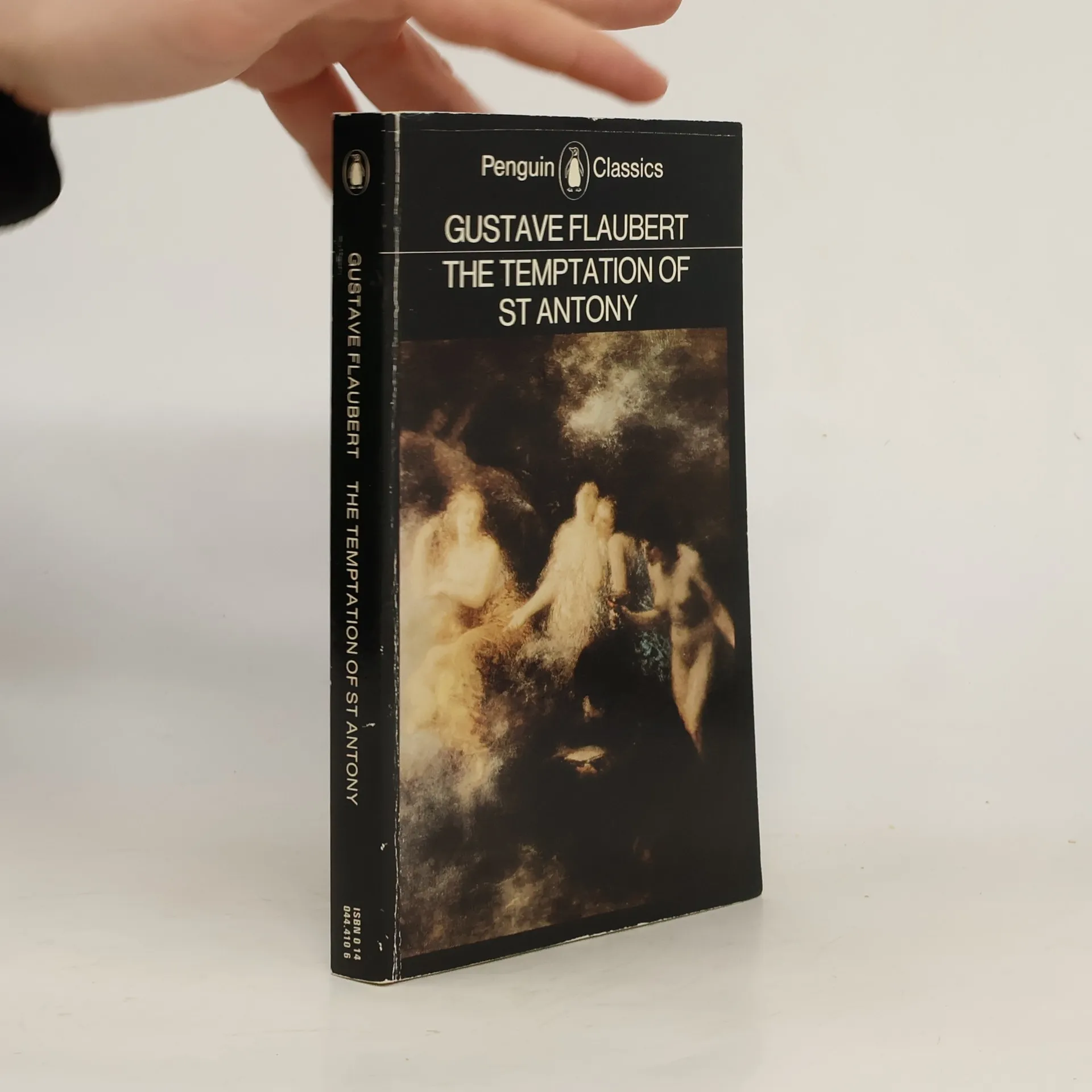
A book that deeply influenced the young Freud & was the inspiration for many artists, The Temptation of Saint Anthony was Flaubert's lifelong work, 30 years in the making. Based on the story of the 3rd-century saint who lived on an isolated mountaintop in the Egyptian desert, it's a fantastical rendering of one night during which Anthony is besieged by carnal temptations & philosophical doubt. This edition features the distinguished Lafcadio Hearn translation, which translator Richard Sieburth calls a splendid period piece from one of America's premier translators of 19th-century French prose. In Lafcadio Hearn's Latinate rendering, Flaubert's experimental drama of the modern consciousness reads as weirdly as its oneiric original.
At once a classic of travel literature and a penetrating portrait of a sensibility on tour, Flaubert in Egypt wonderfully captures the young writer's impressions during his 1849 voyages. Using diaries, letters, travel notes, and the evidence of Flaubert's traveling companion, Maxime Du Camp, Francis Steegmuller reconstructs his journey through the bazaars and brothels of Cairo and down the Nile to the Red Sea.
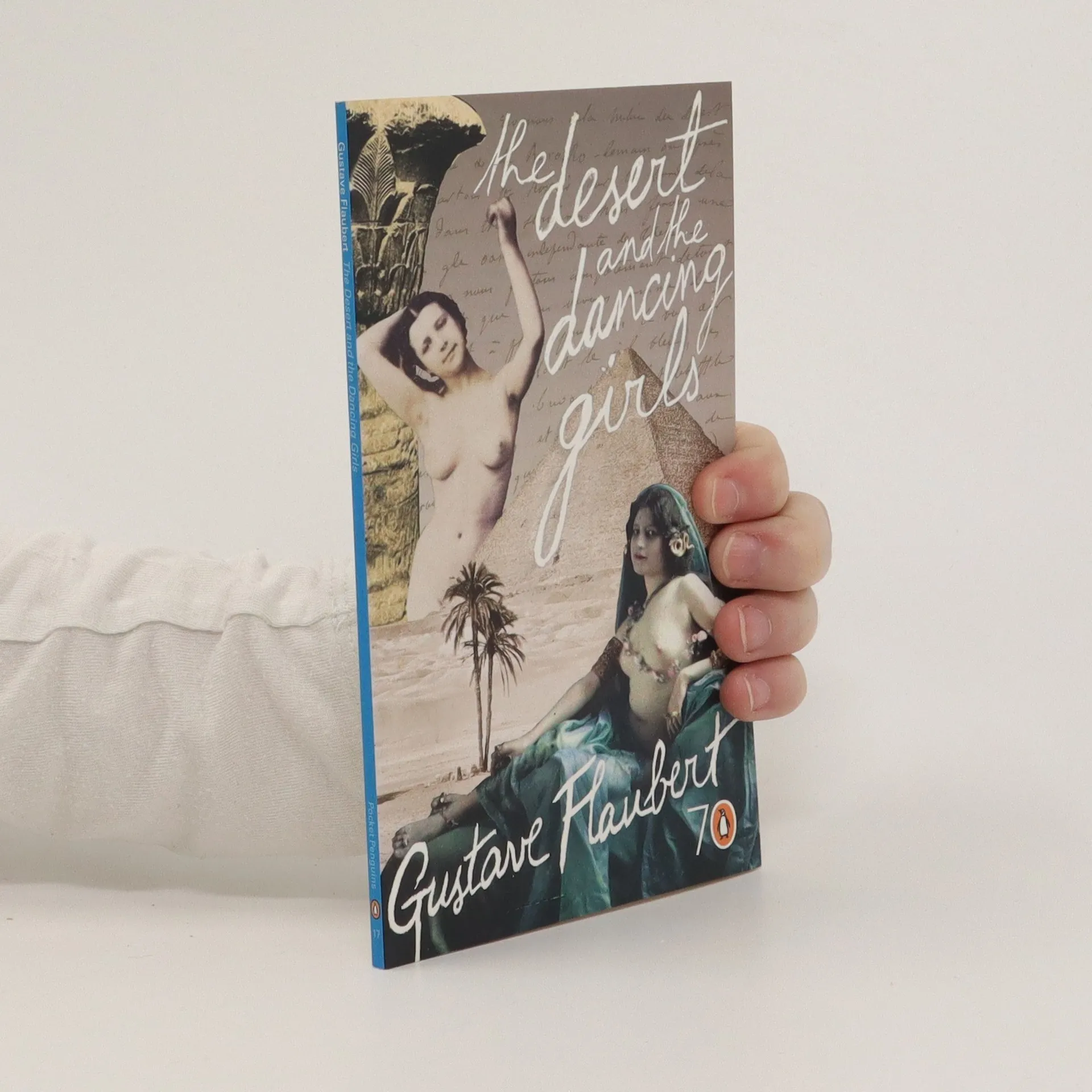
The desert and the dancing girls
- 64 páginas
- 3 horas de lectura
Every book tells a story . . . And the 70 titles in the Pocket Penguins series are emblematic of the renowned breadth and quality that formed part of the original Penguin vision in 1935 and that continue to define our publishing today. Together, they tell one version of the unique story of Penguin Books. Gustave Flaubert transformed French literature and caused an outcry when his novel Madame Bovary, portraying a woman trapped in an unhappy marriage, was published in 1857. Combining letters to his mother and friends with personal notes, this volume reconstructs Flaubert's formative journey to Egypt as a young man, beautifully portraying his sense of wonder and decadent surrender to the sensual delights of nineteenth-century Cairo.
Herodias: Opera in Five Acts
- 50 páginas
- 2 horas de lectura
This thrilling musical adaptation of Gustave Flaubert's classic novel brings the drama and passion of the original to life. With lush, sweeping melodies, unforgettable performances, and a hauntingly beautiful libretto, Herodias is a masterpiece.
Focusing on accessibility, this publication by Megali offers a large print reproduction of a historical work, catering specifically to individuals with impaired vision. The aim is to enhance readability and ensure that important historical texts remain available to a wider audience.
Madame Bovary (Royal Collector's Edition) (Case Laminate Hardcover with Jacket)
- 292 páginas
- 11 horas de lectura
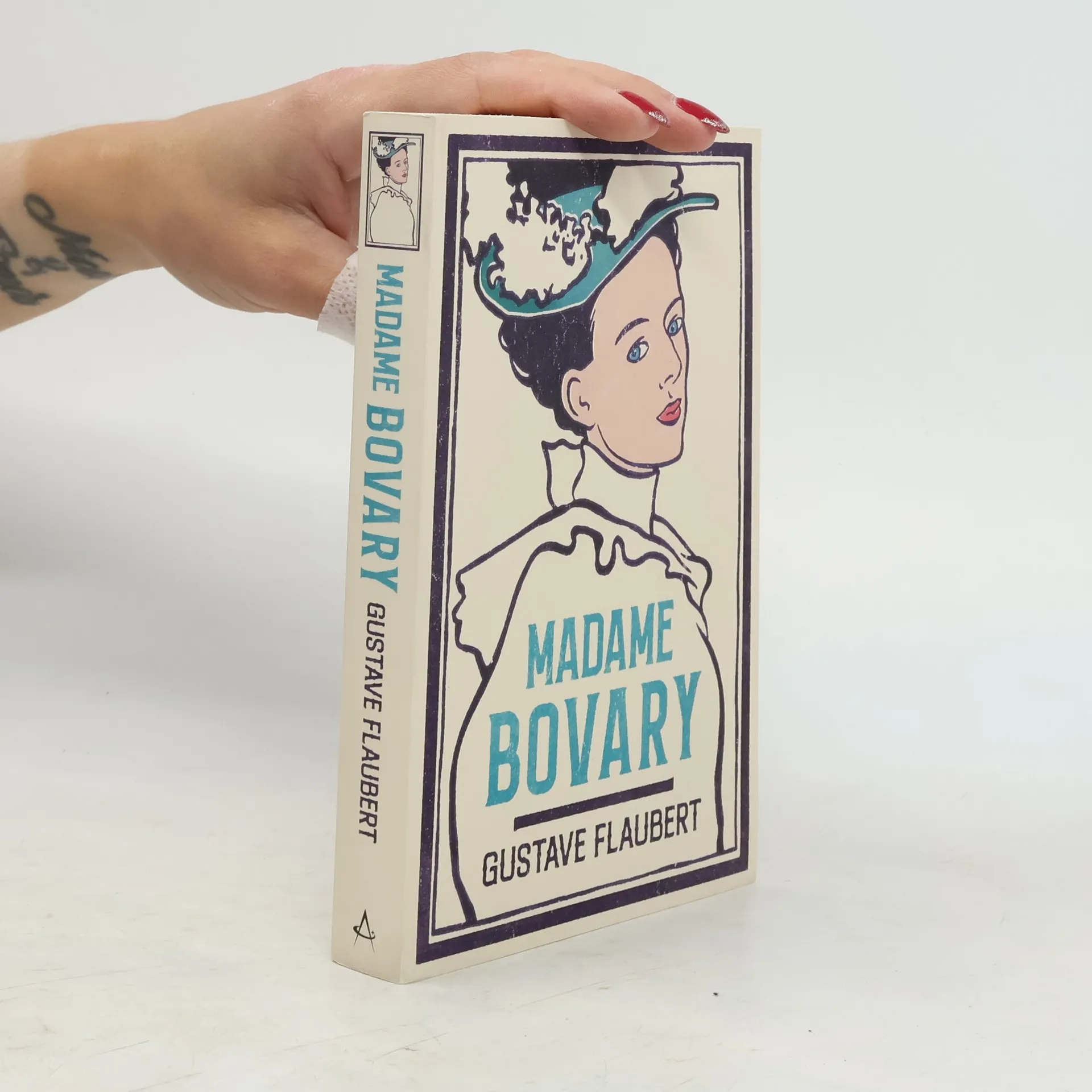
The story centers on Emma Bovary, a doctor's wife who seeks to escape the monotony of her provincial existence through passionate affairs and extravagant spending. Her pursuit of romance and luxury leads to a series of personal crises, highlighting themes of desire, disillusionment, and the constraints of societal expectations. Emma's struggles reflect a deep yearning for fulfillment in a world that ultimately disappoints her.
The Collected Letters of George Sand and Gustave Flaubert: Collected Letters of the Most Influential French Authors
- 190 páginas
- 7 horas de lectura
Flaubert's correspondence reveals a deep friendship with George Sand, despite their differing temperaments and artistic styles. Both influential figures in French literature, Flaubert's commitment to realism contrasts with Sand's romantic escapades and her relationships with notable artists. Their exchanges reflect a blend of literary insight and personal reflection, showcasing their mutual respect and concern for societal issues. The excerpt highlights Flaubert's critical perspective on patriotism and the complexities of human folly, emphasizing the nuanced discussions they shared.
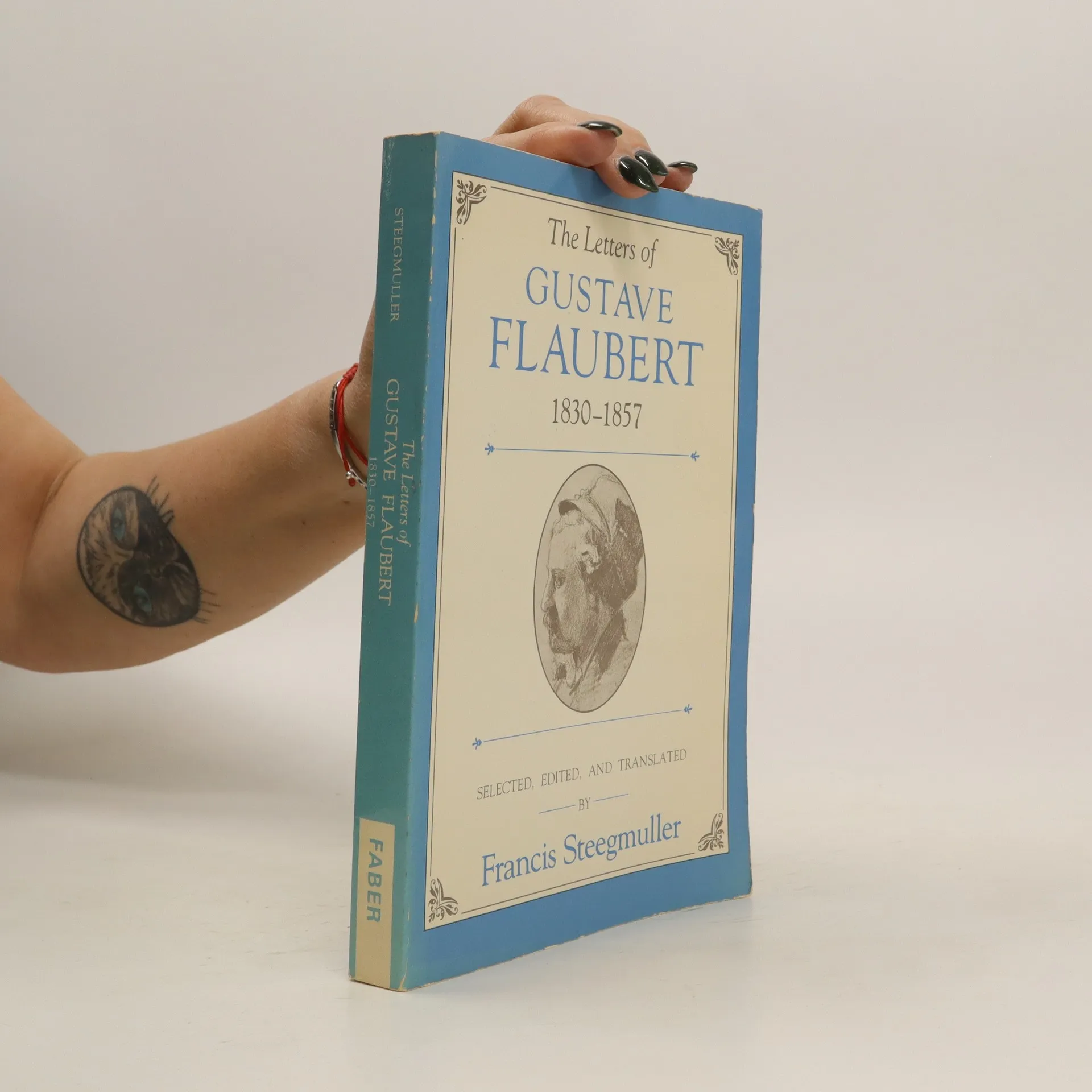
The Letters of Gustave Flaubert 1830-1857
- 270 páginas
- 10 horas de lectura
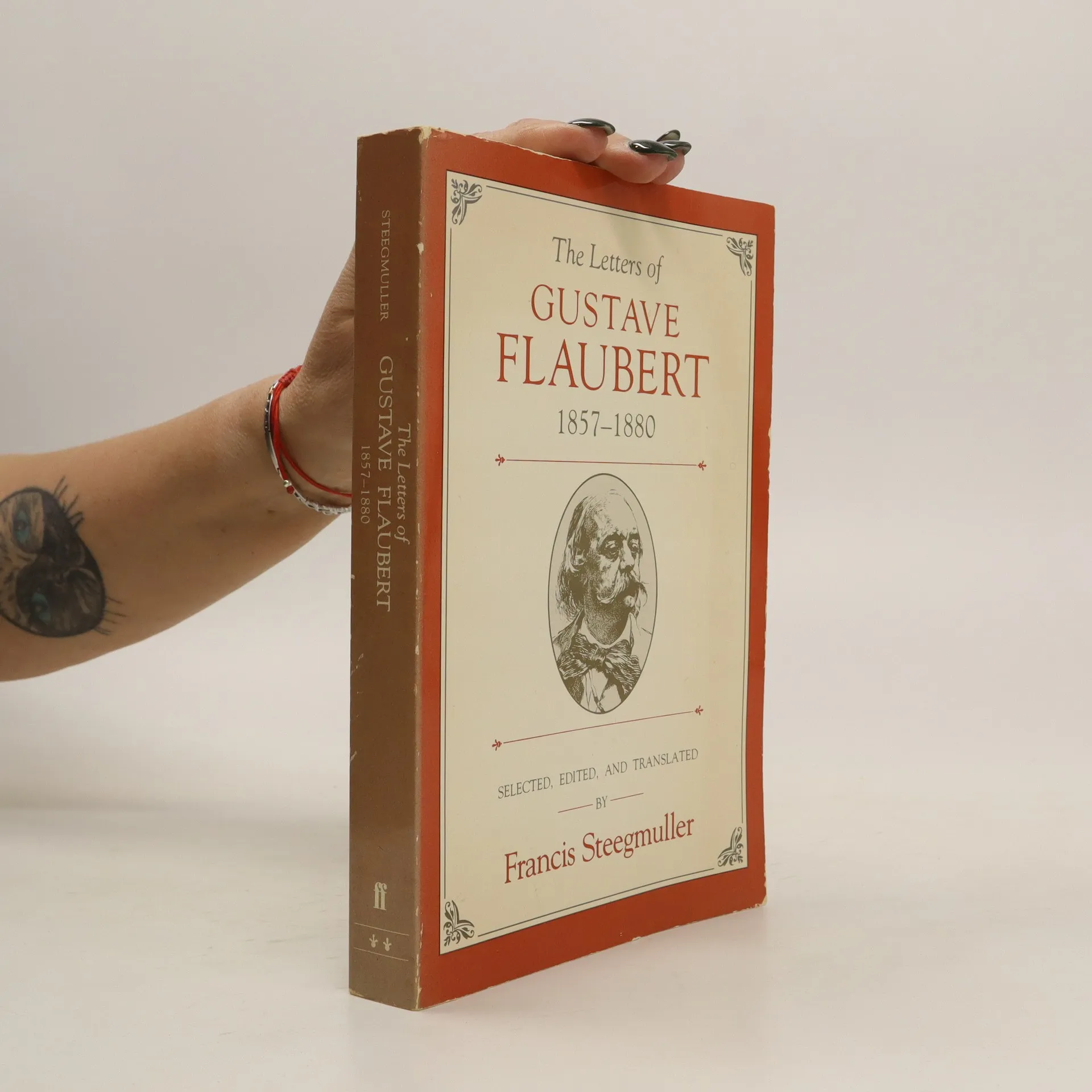
The Letters of Gustave Flaubert, 1857-1880
- 310 páginas
- 11 horas de lectura
After being acquitted of charges related to "outrage of public morals and religion" following the publication of Madame Bovary, Gustave Flaubert emerged as a celebrated literary figure in 1857. Francis Steegmuller's collection of Flaubert's letters from this transformative period has been praised for its insightful editing and annotations, providing an intimate glimpse into the evolution of a writer who reshaped the novel. In this second volume, we witness Flaubert during his years of fame, as he creates notable works like Salammbô, L’Éducation sentimentale, The Temptation of Saint Anthony, Three Tales, and the unfinished Bouvard and Pecuchet. While adhering to his belief that an author should be omnipresent yet invisible in their work, Flaubert's letters reveal his emotional depth and strong opinions on various issues. His travels to Tunisia inspire Salammbô, while his reflections on the Revolution of 1848 and the romantic entanglements of Frederic Moreau in L’Éducation sentimentale highlight his literary prowess. Flaubert's connections with the Second Empire Court and his friendship with Princess Mathilde Bonaparte are notable, but it is his correspondence with the sympathetic George Sand that stands out, showcasing a rich dialogue on life and literature. Despite personal losses, including the deaths of loved ones and financial troubles, Flaubert's later years are illuminated by friendships with contemporaries like Guy
Herodias
- 44 páginas
- 2 horas de lectura
Gustave Flaubert is renowned for his role in establishing literary realism in France, emphasizing formal perfection and a neutral presentation of reality. His most famous work, Madame Bovary, showcases his meticulous attention to style and aesthetics. Flaubert's influence extended to his protégé, Guy de Maupassant, and his extensive Correspondence reflects his dedication to literary craft. His legacy is marked by a commitment to the values of realism, making him a pivotal figure in 19th-century literature.
Finding herself stifled by marriage, Emma Bovary throws herself into a desperate love affair and by doing so, sows the seeds of her own downfall.
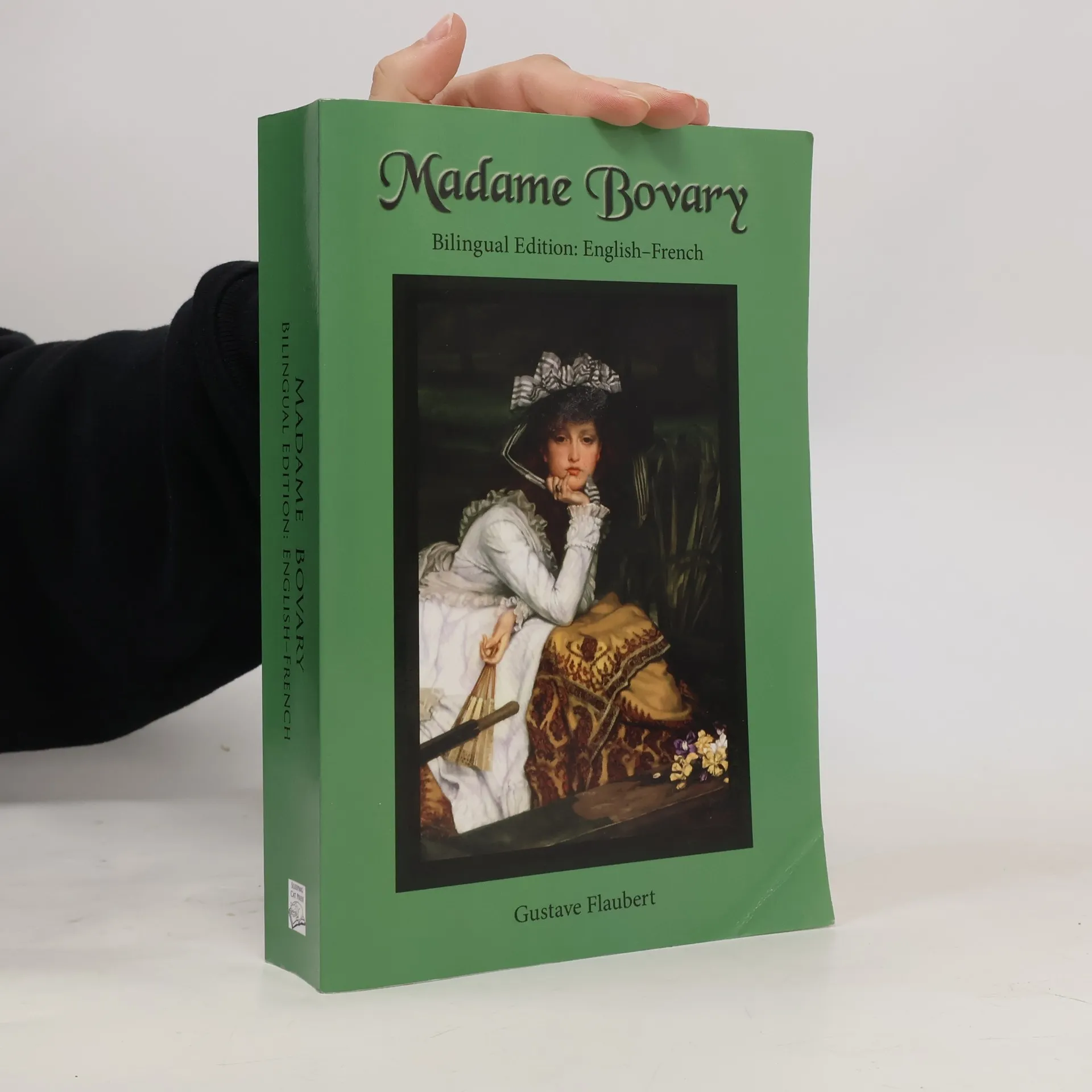
Madame Bovary (Bilingual Edition : English-French)
- 689 páginas
- 25 horas de lectura
Gustave Flaubert was born on December 12, 1821 in Rouen, France. After briefly studying law in Paris, he returned to Rouen, and in 1850 began writing his first published novel, Madame Bovary. It took him five years to complete and was met with outrage from public prosecutors for obscenity, virtually guaranteeing its success among the reading public. This bilingual edition is designed to assist those learning French. The English translation appears on the left-hand pages of the book, with the corresponding original French text on the right-hand pages. Other bilingual books available from Sleeping Cat Press: The Picture of Dorian Gray Selected Works of Edgar Allan Poe The Fables of Jean de La Fontaine Candide Shakespeare's Sonnets New Fairy Tales for Small Children The Tales of Mother Goose The Count of Monte Cristo (Unabridged, Vols 1-4) The Last of the Mohicans
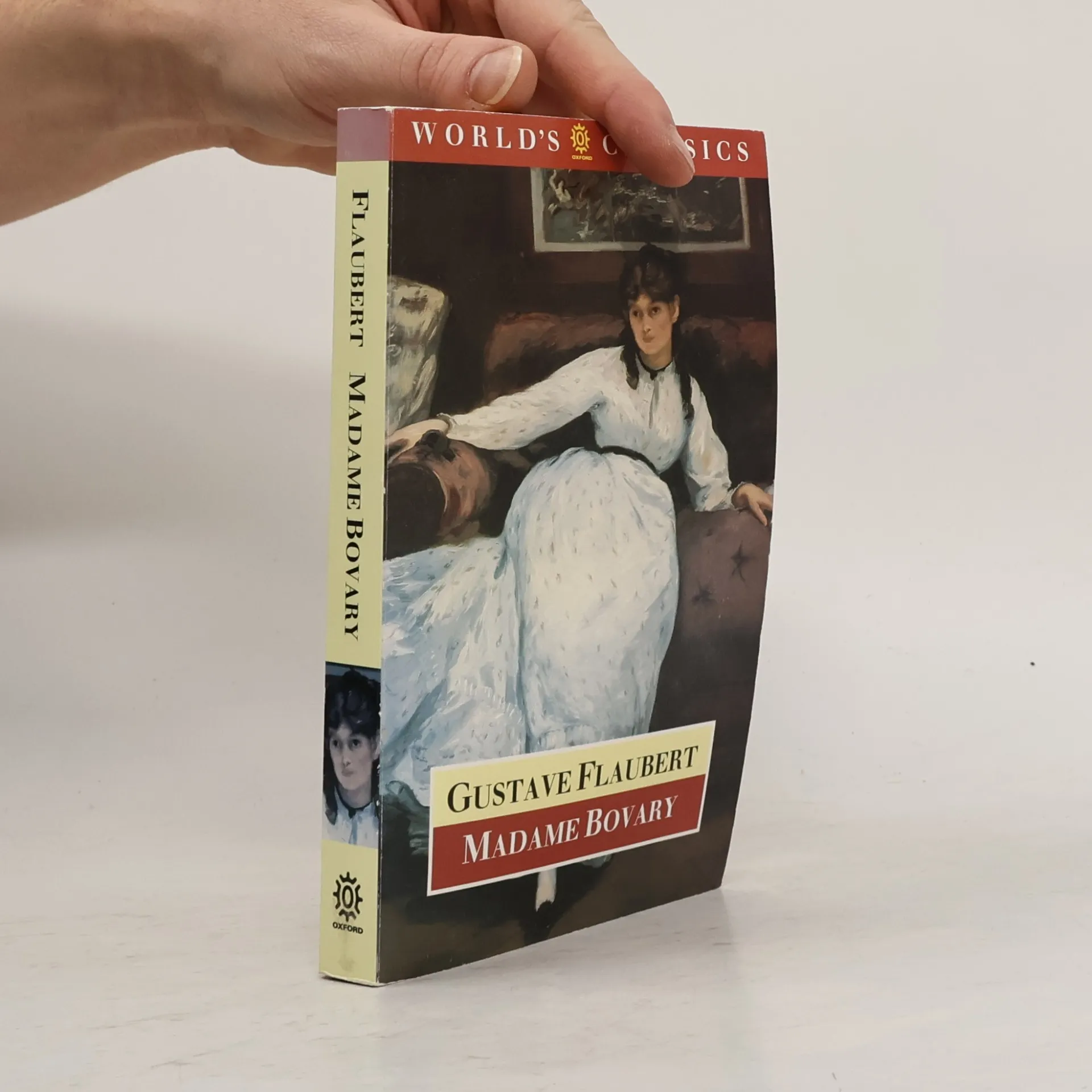
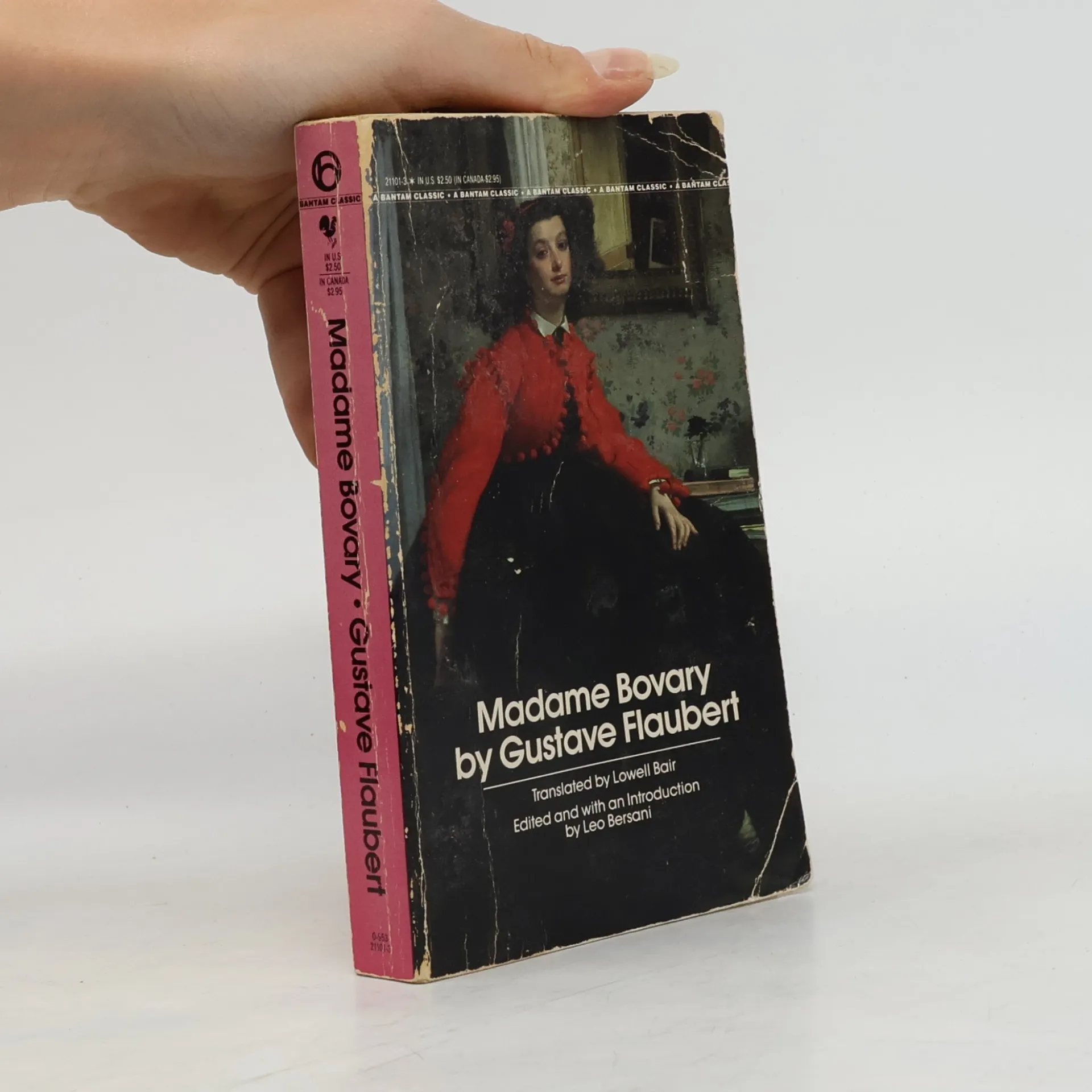
'Emma found in adultery nothing but the platitudes of marriage.' Observations like this provoked a scandalized reception for Flaubert's first published novel, and he was put on trial for offending public morality. Madame Bovary is the story of a young country doctor's wife who seeks escape from the boredom of her existence in love affairs and romantic yearnings, and who is doomed to disillusionment. By his brilliant evocation of Emma, a figure both absurd and pathetic, and of the petty provincialism that surrounds her, Flaubert established the realistic novel in France; but his concern was with more than mere description. His preoccupation with style and with the aesthetic transformation of a mundane and vulgar reality is what gives the novel its lasting fascination and its place as a landmark in world literature. (back cover)
Bantam Classic: Madame Bovary
- 454 páginas
- 16 horas de lectura
The text of this Norton Critical Edition is based on Eleanor Marx Aveling's celebrated translation, revised by Paul de Man.
Beautiful Emma Rouault yearns for the life of wealth, passion and romance she has encountered in popular sentimental fiction, and when her doctor, the well-meaning but awkward and unremarkable Charles Bovary, begins to pay her attention, she imagines that she may be granted her wish. However, after their marriage, Emma soon becomes frustrated with the boredom of provincial life and finds herself seeking escape and contemplating adultery. As Emma’s efforts to make a reality of her fantasies become more dangerous, both she and those around her must face the shattering consequences of her actions. Causing widespread scandal when it was published in 1857, Madame Bovary is Gustave Flaubert’s masterpiece and one of the landmark works of nineteenth-century realist fiction.
Correspondance IV. 1869 -1875
- 1504 páginas
- 53 horas de lectura
Le Flaubert qui s'exténua à produire une uvre rare et précieuse est, exactement, le Flaubert de la légende et (si les quatre volumes de sa correspondance ne nous trompent pas) celui de l'histoire aussi. Et ce Flaubert est plus important que l'importante littérature qu'il prémédita et réalisa - Flaubert, premier Adam d'une espèce nouvelle : celle de l'homme de lettres comme prêtre, comme ascète et comme martyr.»«Don Quichotte et Sancho sont plus réels que le soldat espagnol qui les inventa, mais aucune créature de Flaubert n'est aussi réelle que Flaubert. Ceux qui prétendent que son uvre capitale est sa Correspondance peuvent arguer que dans ces volumes virils se trouve le visage de son destin. Ce destin s'est reproduit, mystérieusement magnifié et varié, en celui de Mallarmé, de Henry James et en celui de l'Irlandais enchevêtré et presque infini qui trama Ulysse.»Jorge Luis Borges,
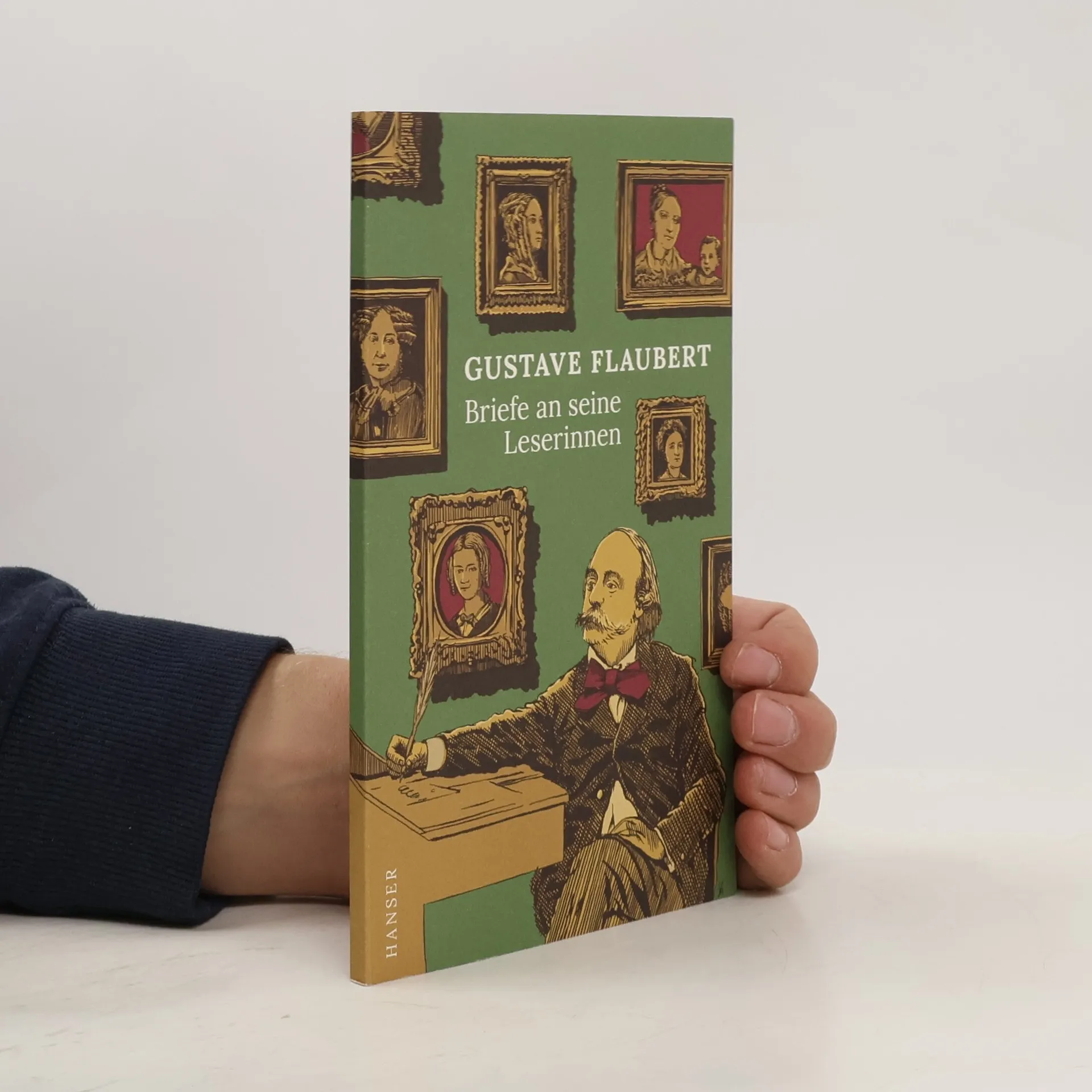
Briefe an seine Leserinnen
- 64 páginas
- 3 horas de lectura
Výběr z korespondence Gustava Flauberta (1821–1880) opisuje křivku umělcova života – dopisy sestře Karolíně, Chevaliérovi, Alfrédovi le Poittevinovi, Maximovi du Campovi, matce, strýci Parainovi, Louise Coletové…, z cest po Palestině, Sýrii, Řecku, Itálii, Turecku…, vznikající a související s jeho románovou tvorbou, umožňují rozkrýt pozadí Flaubertova díla, pochopit jeho metodu. Jednotlivé oddíly souvisejí vždy s prací na některém ze základních románových opusů. Flaubertova korespondence nabízí úchvatný a leckdy nečekaný pohled do originálního myšlenkového světa velkého realisty, jeho ostré komentáře často překvapí svou otevřeností, ať již jde o postoje k literárním současníkům nebo na svou dobu velmi otevřené zmínky o vlastních „choulostivých“ nemocech. Právě tato úchvatná kombinace velmi intimních detailů s literárně-filozofickými úvahami a postřehy činí z autorových dopisů strhující četbu.
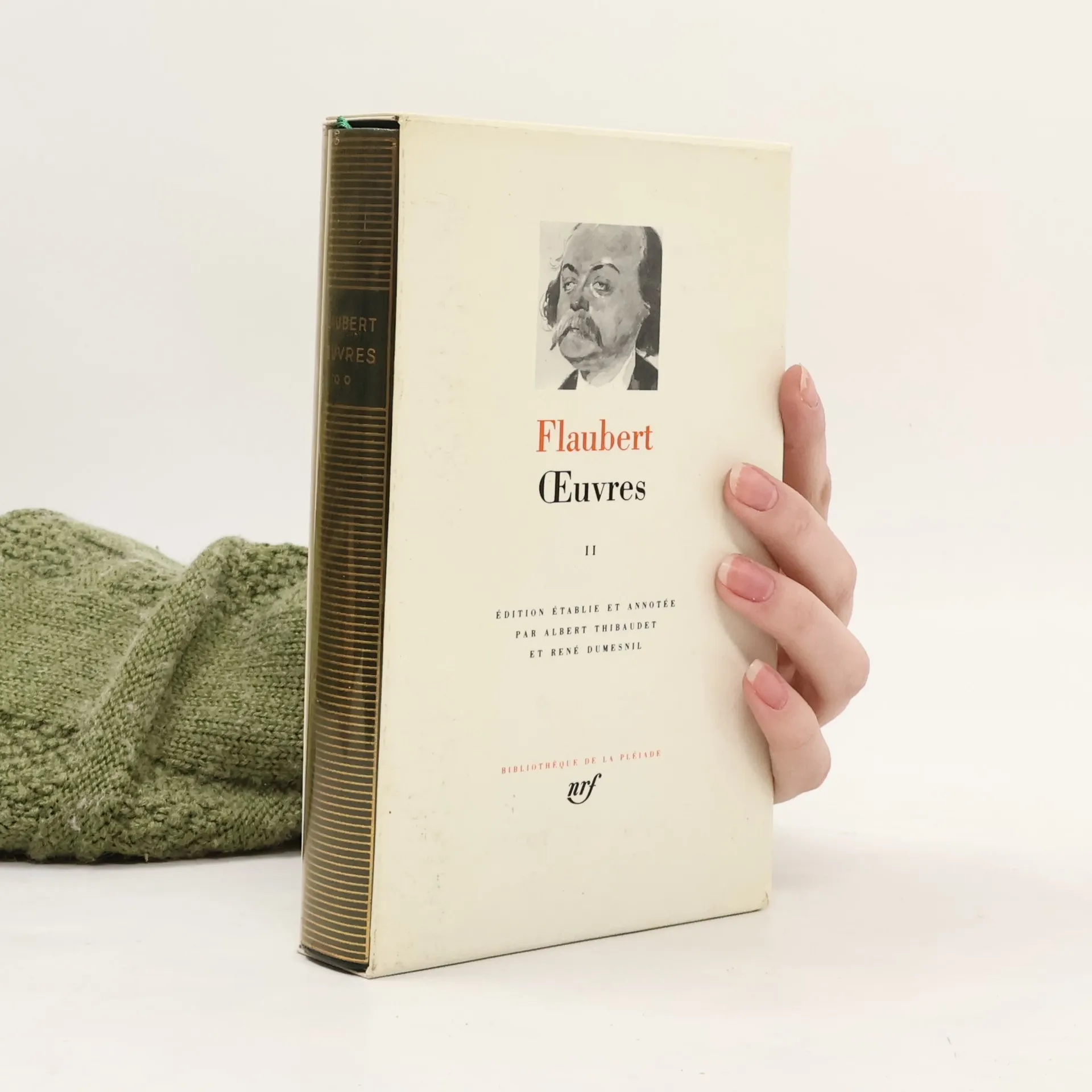
Oeuvres II
- 1051 páginas
- 37 horas de lectura
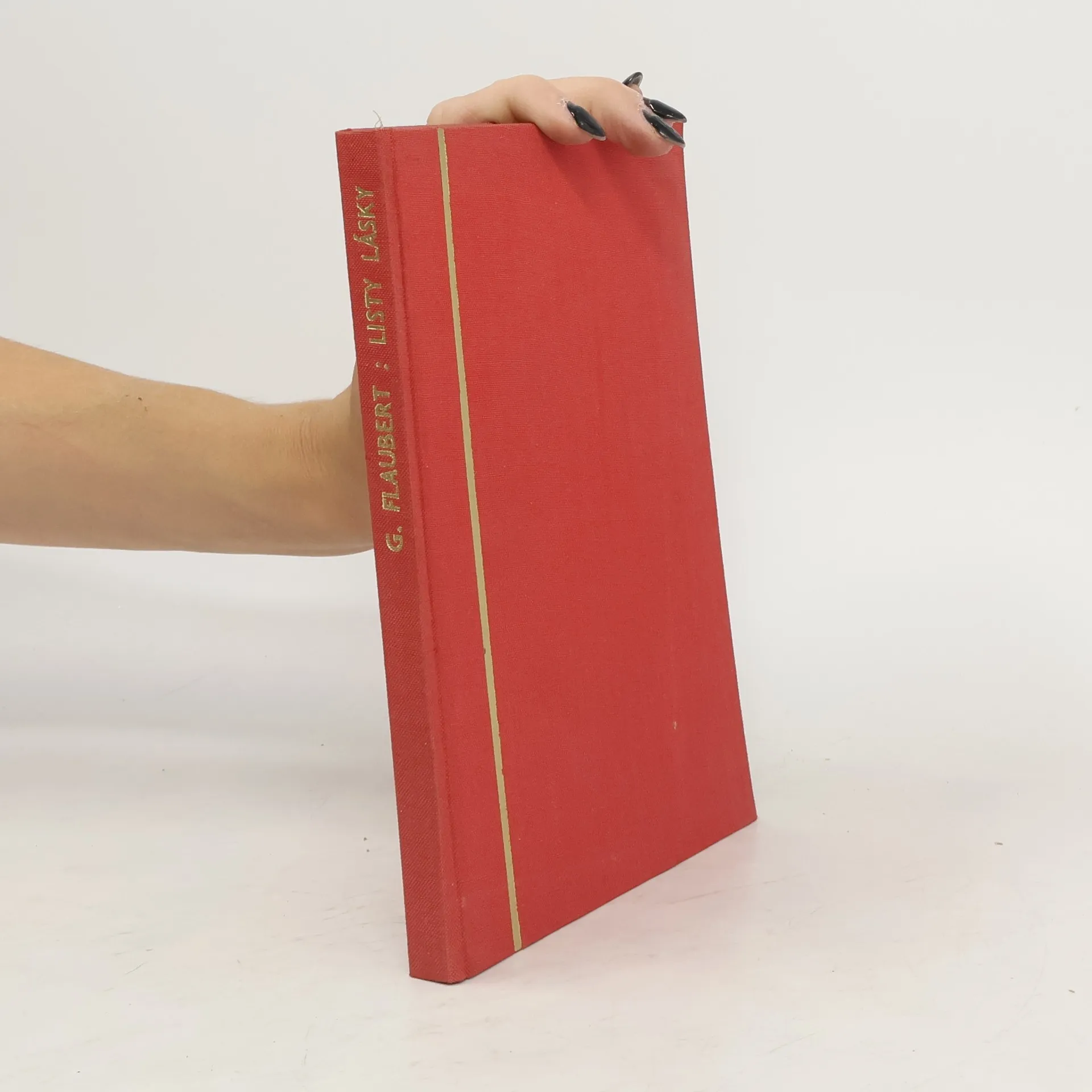
Listy lásky : Výbor z korespondence s paní X, 1923.
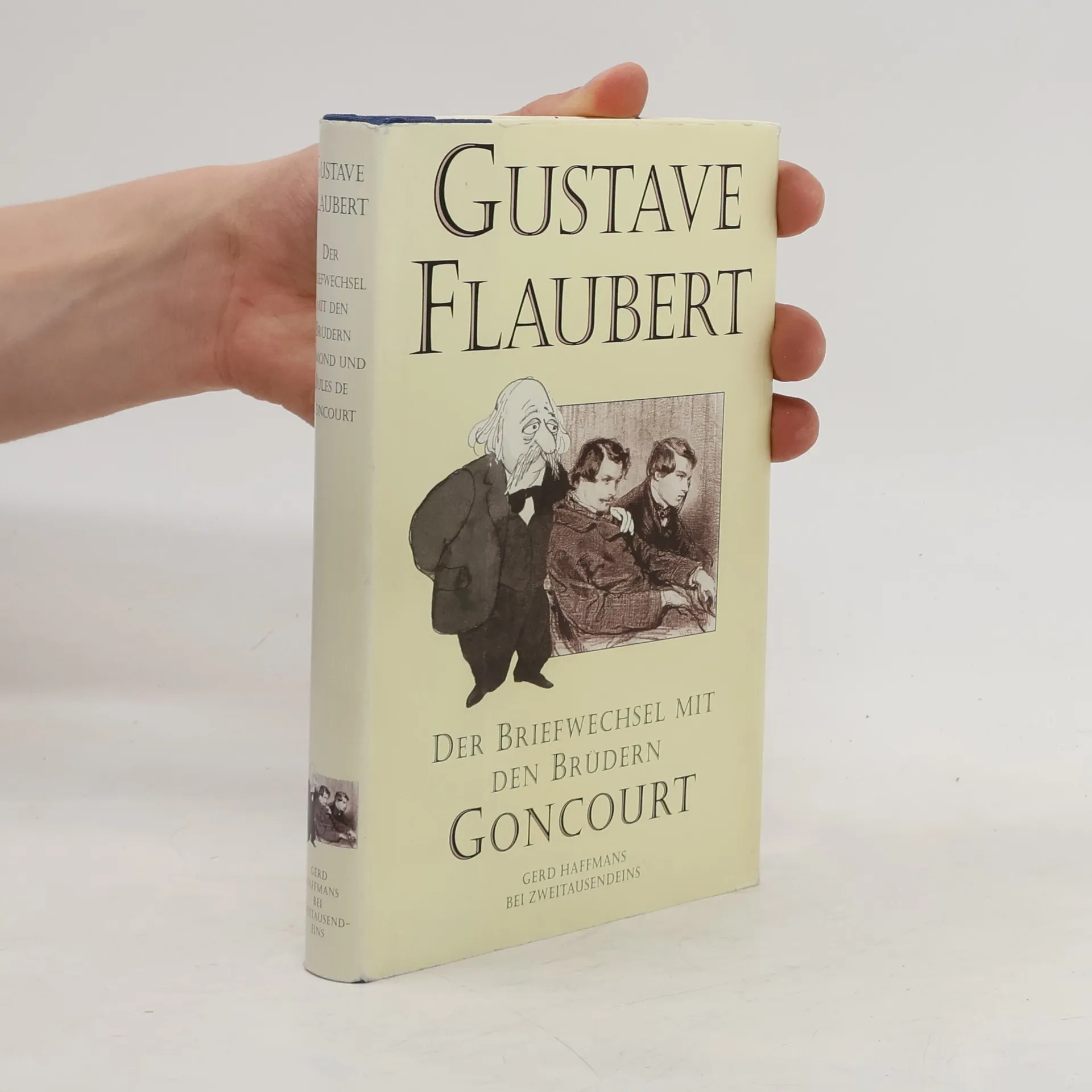
„Glänzend unterhaltsam“ und erstmals auf Deutsch: Flauberts Briefwechsel mit den Brüdern Edmond und Jules de Goncourt. Die Goncourts, Pariser Dandys, lebten von einer Erbschaft und verwandelten ihre symbiotische Existenz in Literatur. Ihre berühmten Tagebücher, in denen sie 5.000 Zeitgenossen mit scharfen Kommentaren porträtieren, zeigen sie als brillante, boshaft-witzige Anekdotenerzähler und scharfsichtige Beobachter. Sie waren unbestechlich, es sei denn, man schmeichelte ihren Talenten oder ihrer Drogensucht. Zudem sind sie durch den Prix Goncourt, Frankreichs angesehensten Literaturpreis, bis heute präsent. Trotz spitzer Bemerkungen verband Flaubert eine intensive Freundschaft mit den Goncourts. In ihrem Tagebuch reflektieren sie: „Der Künstler, der Mann, der nur für seine Kunst lebt, findet sich immer seltener. Wir kennen nur noch drei: Flaubert und uns.“ Ihr Briefwechsel spiegelt das intellektuelle Paris von 1857 bis 1880 wider und bietet einen klaren Kommentar zu Flauberts Werk. So wird dieser Austausch nicht nur zu einem unterhaltsamen Stück literarischer Kultur, sondern auch zu einer Herzensbildung jenseits der Fiktion. Die deutsche Erstausgabe ist „in virtuoses Deutsch gebracht“ und enthält Anmerkungen, Chronik, Bildteil und Register.
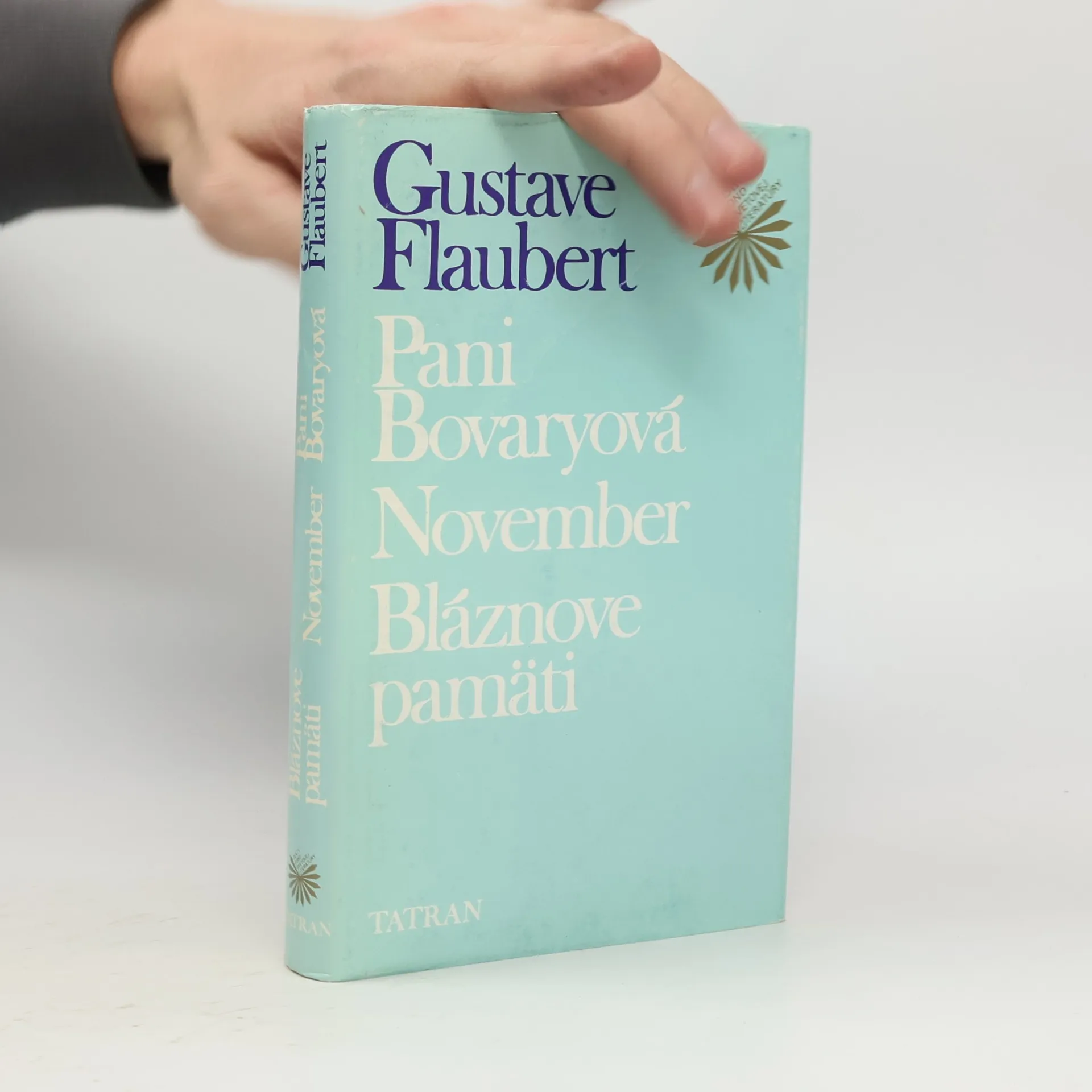
Pani Bovaryová - November - Bláznové pamati
- 423 páginas
- 15 horas de lectura
Predmluva - Panslavistický farár - Dva dni v Chujave - Faustiáda - Šofránkovci - Chruňo a Mandragora - Frndolína - Mrzutá - Kulifaj - Jurát - Hlovík medzi vzbúreným ľudom - Mroč
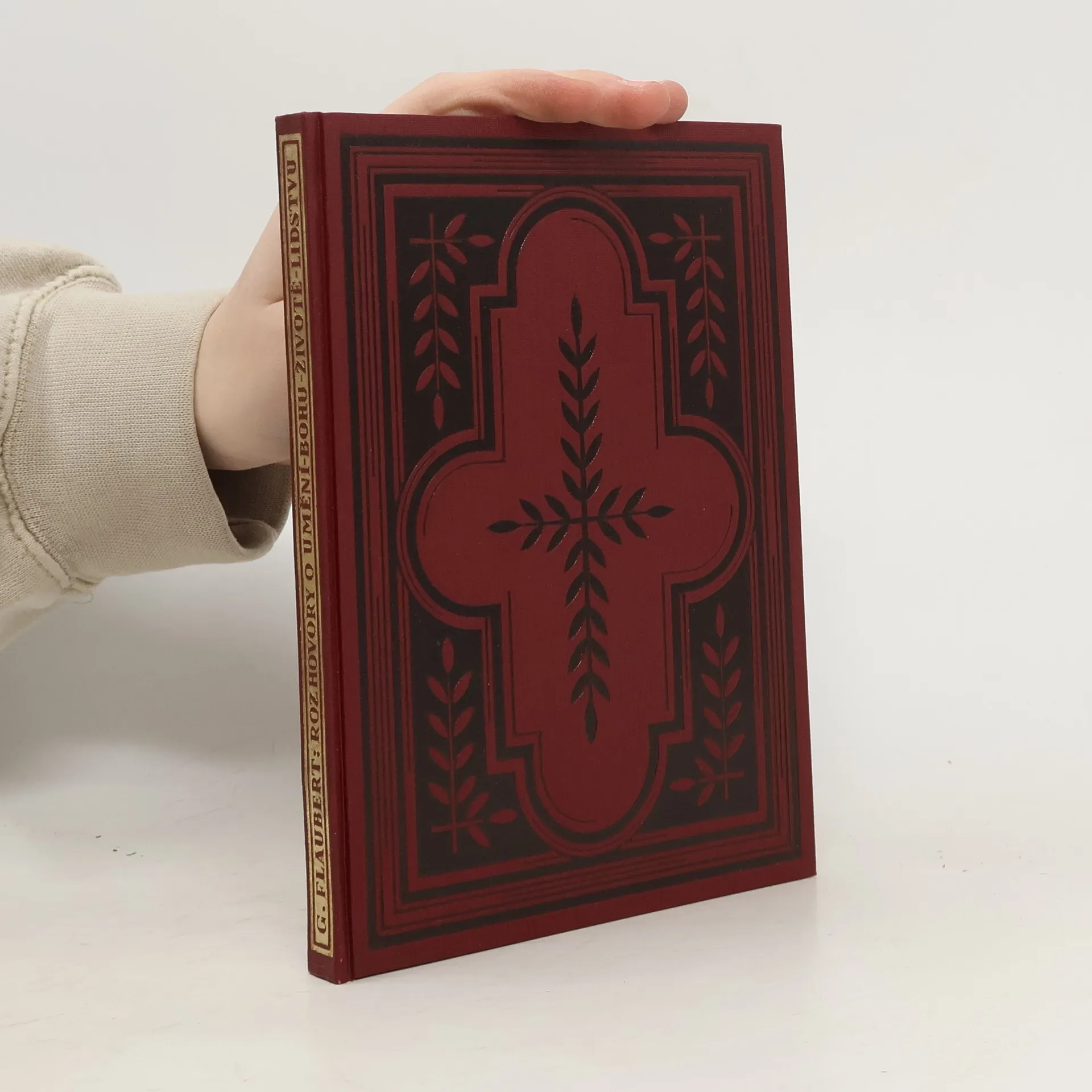
kniha filosofických úvah, které autor vybral ze svého díla. Jsou na témata - umění, bůh, život, lidé. Jsou psány jako zpověď či vyprávění v první osobě.
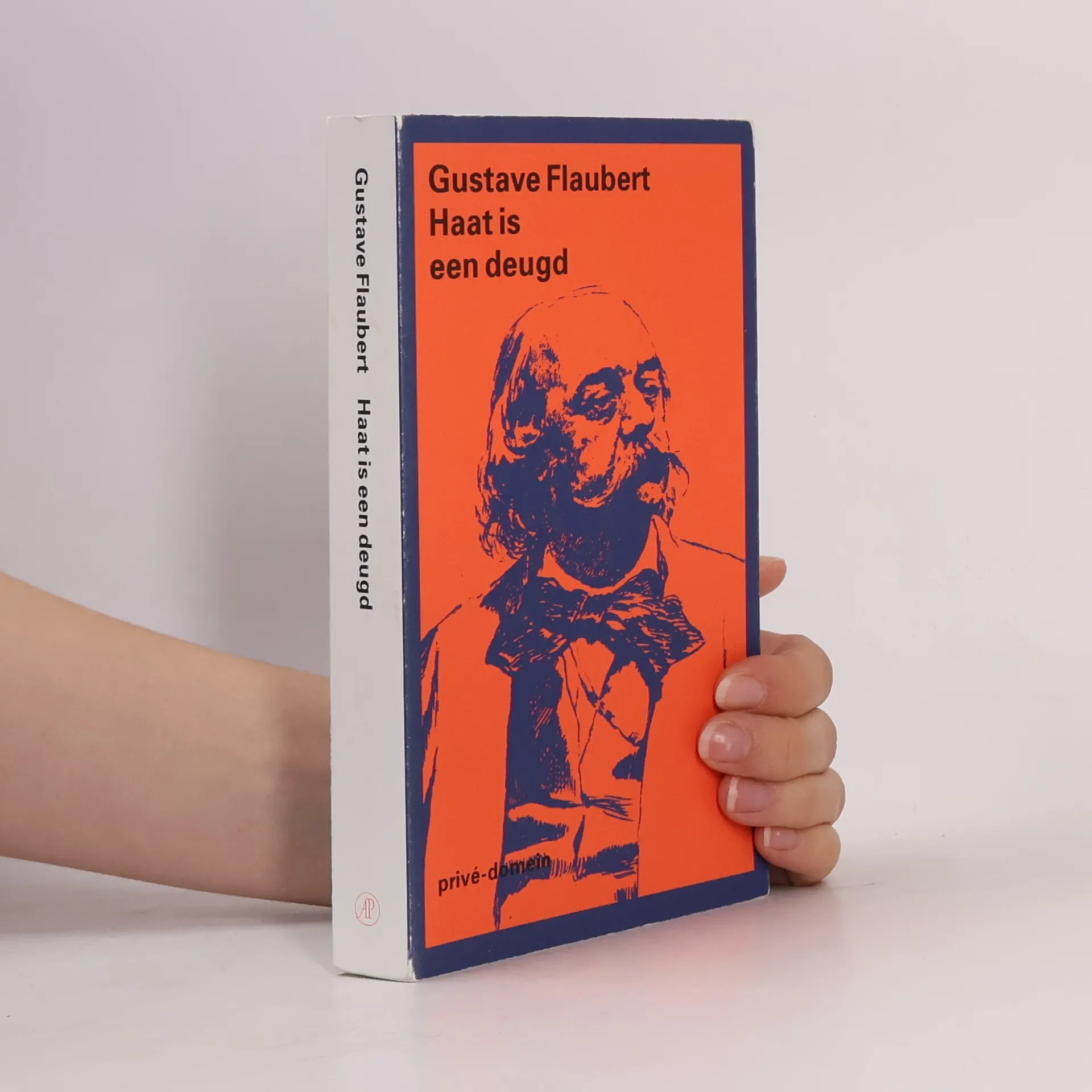
Privé-domein - 56: Haat is een deugd
Een keuze uit de correspondentie - druk 1
- 288 páginas
- 11 horas de lectura
Gustave Flaubert geldt als een van de grootste prozaïsten in het algemeen en uit de Franse literatuur van de negentiende eeuw in het bijzonder. Een van zijn opvattingen was dat een schrijver zich in romans en verhalen diende te onthouden van elke persoonlijke mening. Hij diende in zijn schepping overal aanwezig te zijn maar nergens zichtbaar. Inderdaad is de auteur van Madame Bovary, De leerschool der liefde en Drie Verhalen, afgezien van enkele vage sympathieën en vooral antipathieën, onzichtbaar gebleven. We zouden alleen via memoires en getuigenissen van anderen iets over zijn leven geweten hebben, ware het niet dat Flaubert de gewoonte had om na zijn dagelijkse 'worsteling met de stijl' geregeld een of meer brieven te schrijven om het contact met de buitenwereld te onderhouden.Van deze omvangrijke correspondentie, die door sommigen als hét meesterwerk van Flaubert wordt beschouwd, is het overgrote deel bewaard gebleven. Het vormt een van de meest ontroerende, tragische, komische en leerzame brievenverzamelingen die er bestaan.
Flaubert ist bekannt für den modernen Roman, doch seine Jugendwerke, die zwischen 1836 und 1839 entstanden, zeigen einen ungestümen, romantischen und unvollkommenen Autor. Diese Erzählungen sind entscheidend für seine Entwicklung.
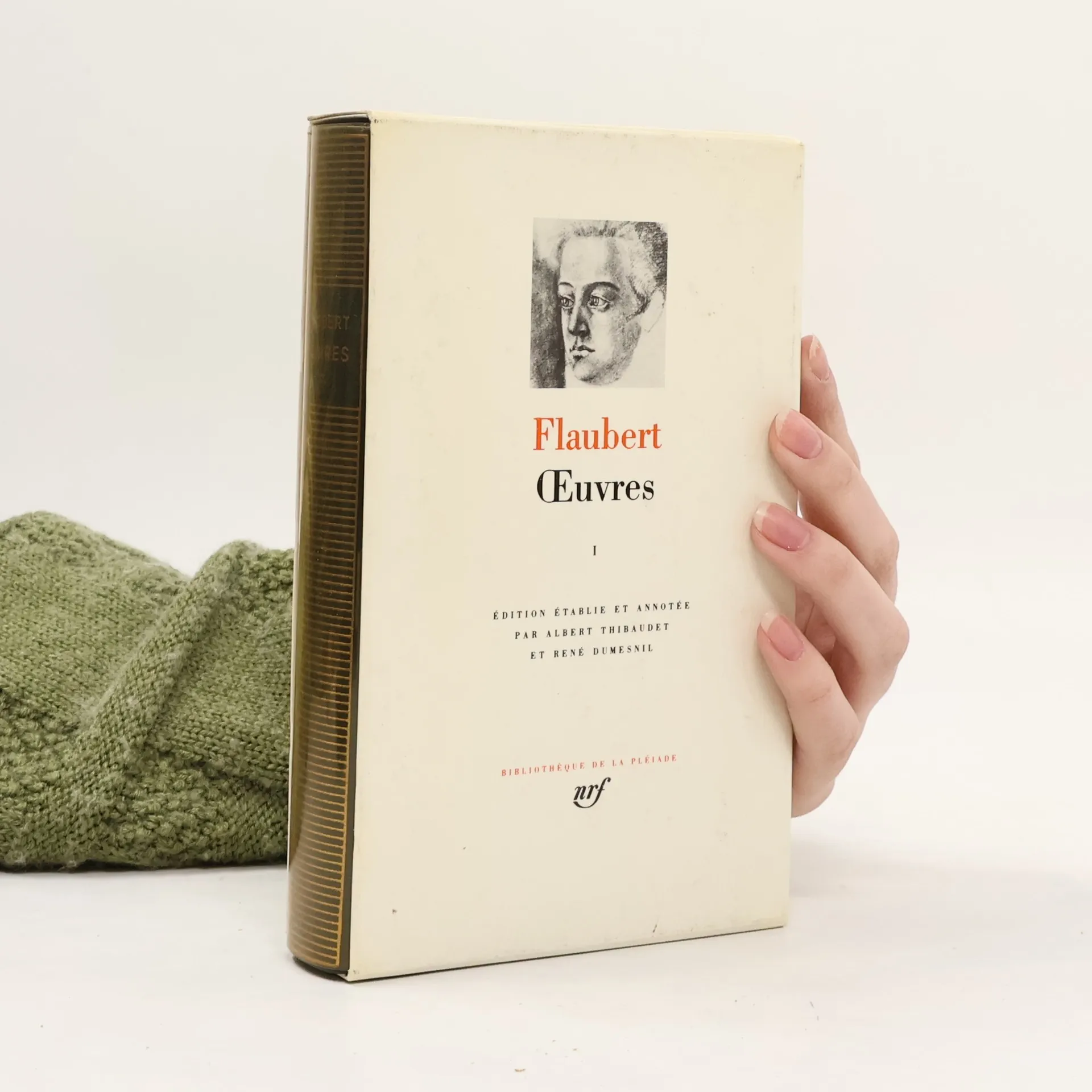
Oeuvres 1
- 1072 páginas
- 38 horas de lectura
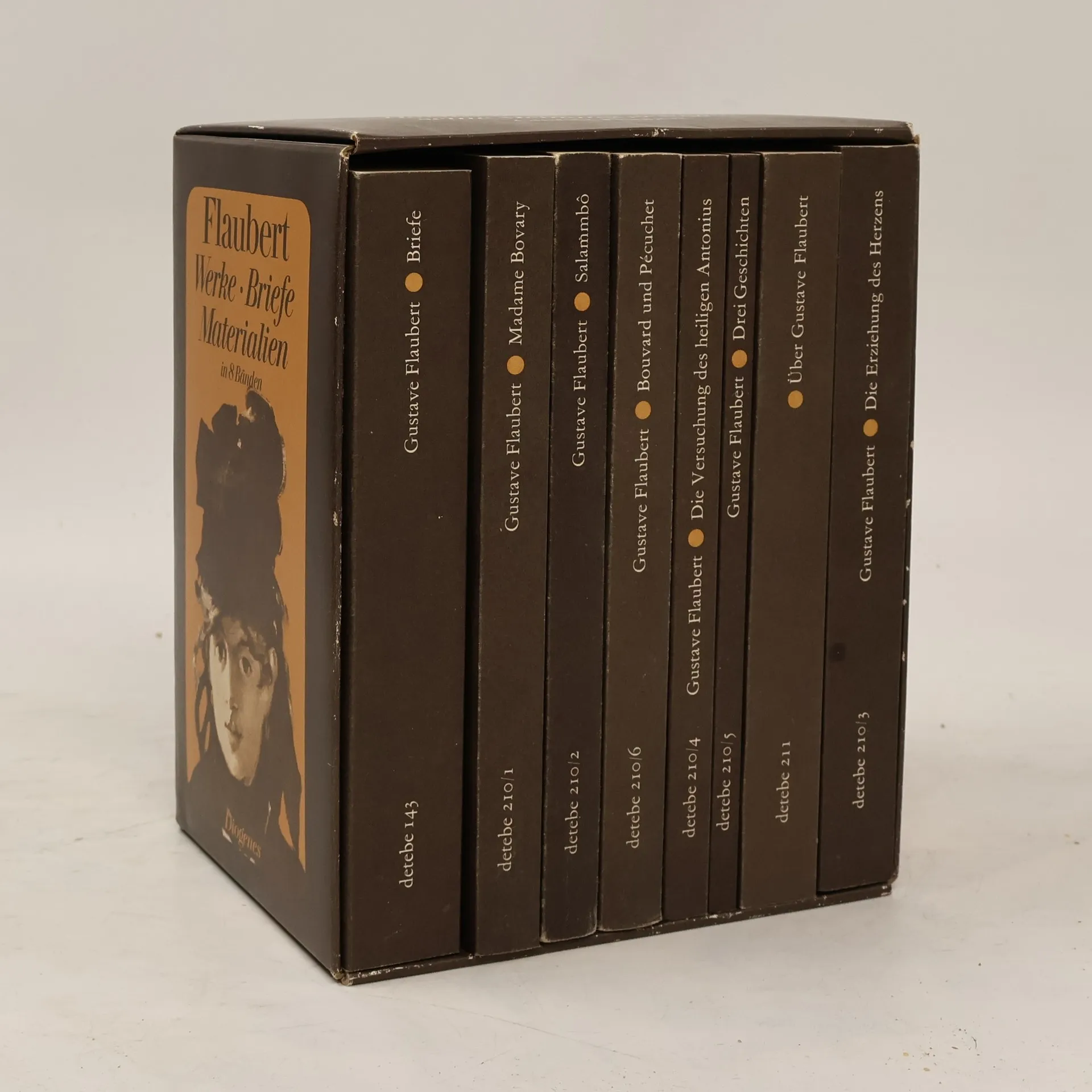
Werke in 8 Bänden in Kassette
- 2880 páginas
- 101 horas de lectura
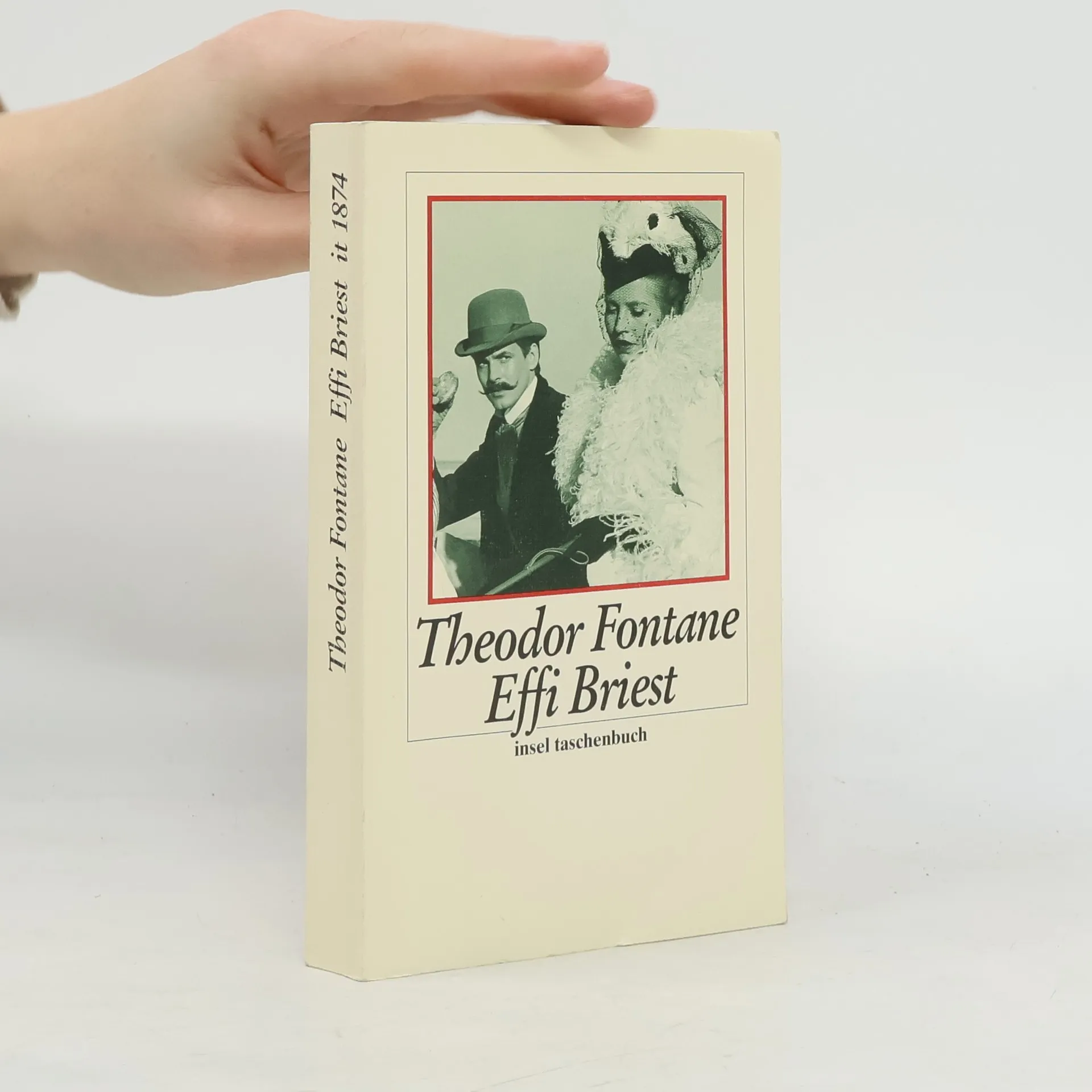
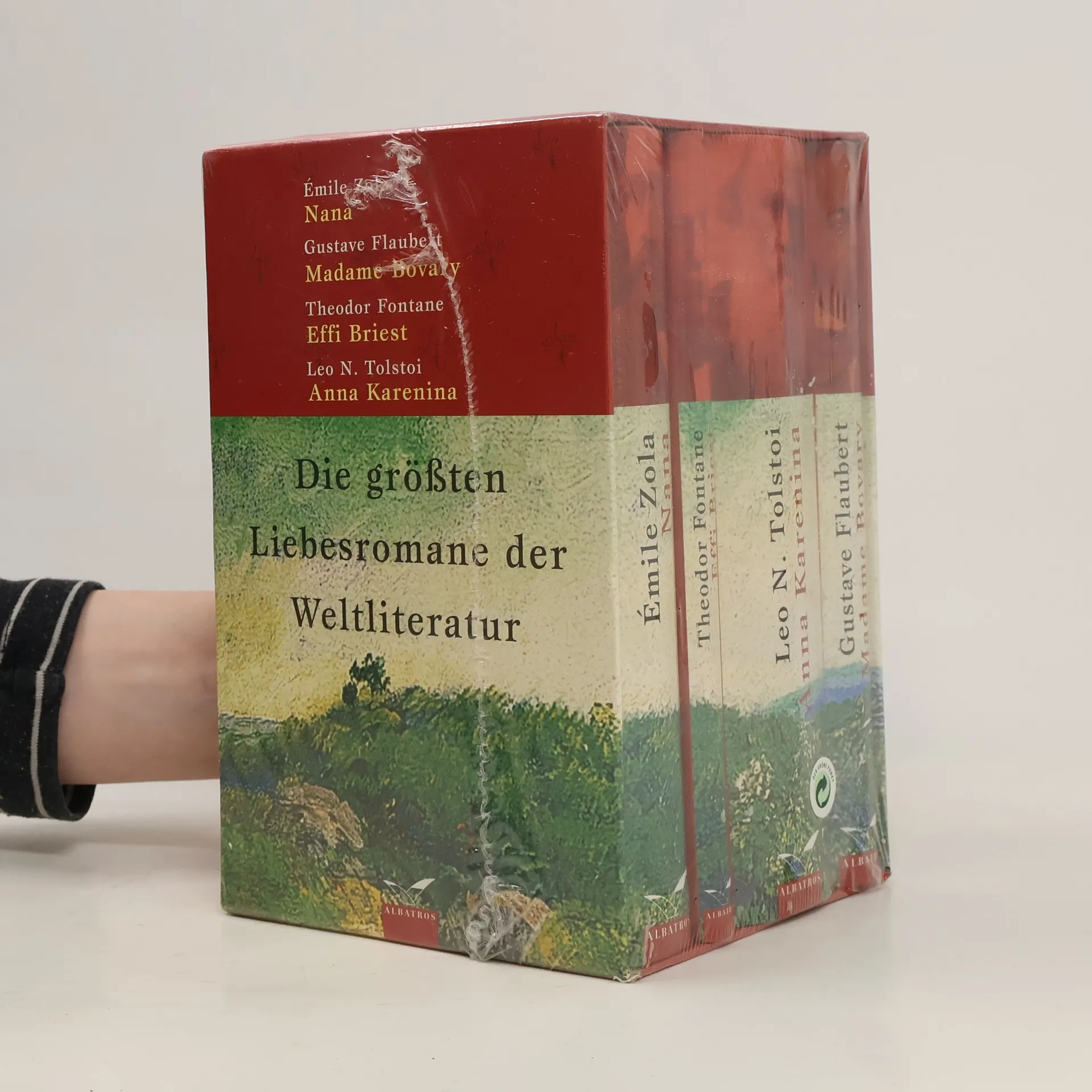
Drei Romane (Frauen) - Effi Briest / Madame Bovary / Anna Karenina
- 676 páginas
- 24 horas de lectura
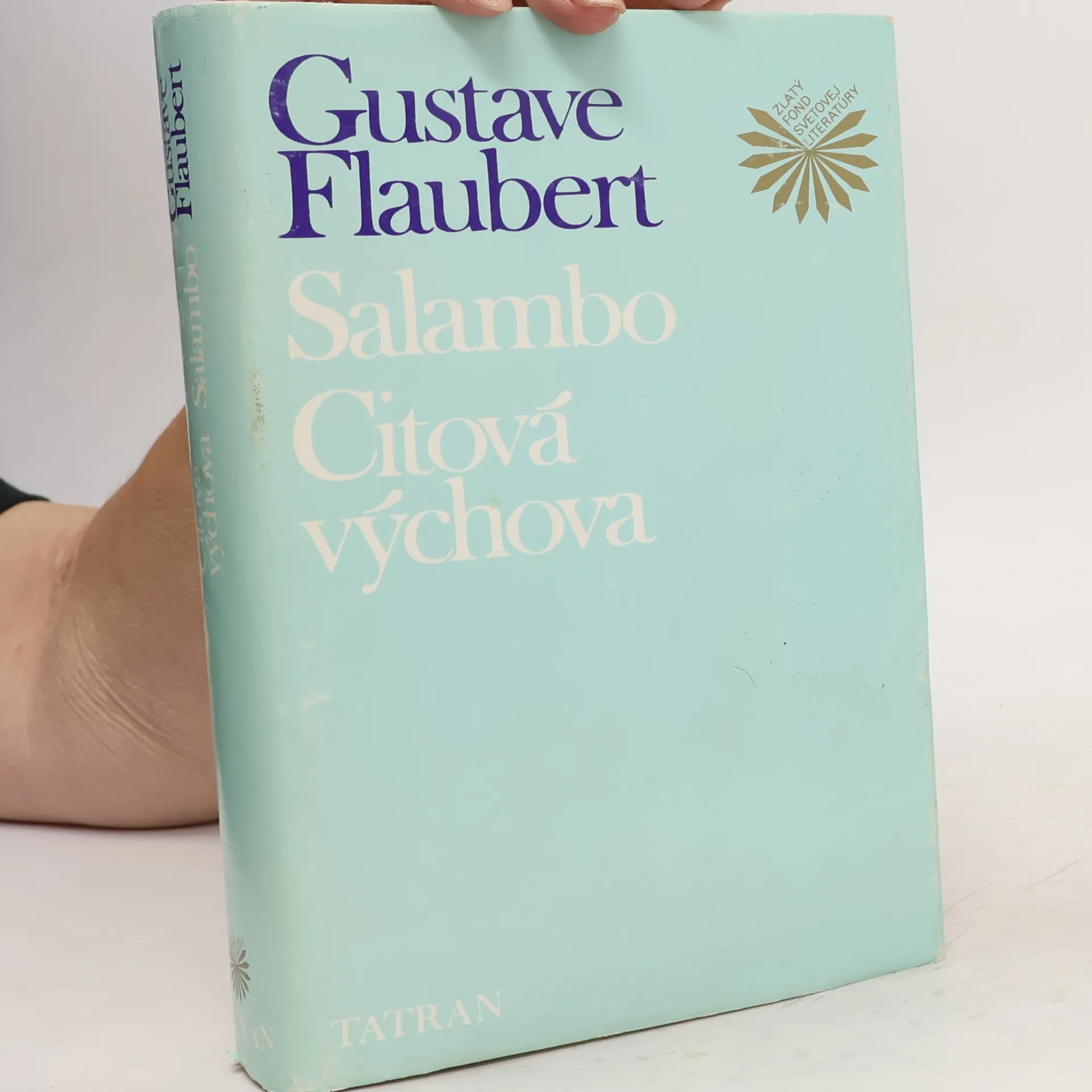
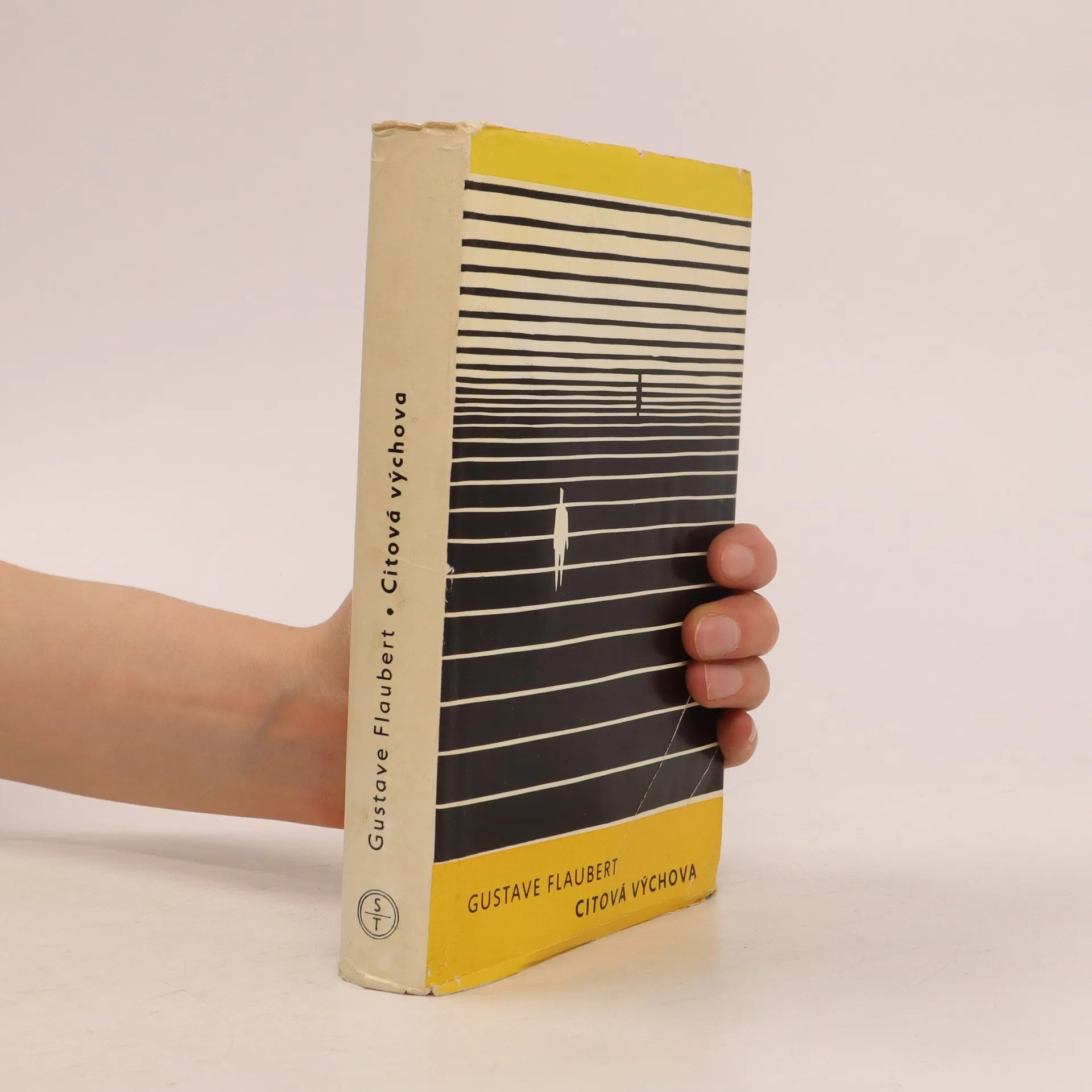
Salambo. Citová výchova
- 640 páginas
- 23 horas de lectura
Právě skončila první punská válka (264-241 př.n.l.) a před branami poraženého a vyčerpaného Kartága stojí armáda žoldnéřů žádajících svou mzdu. Salambo, dcera legendárního velitele Hamilkara Barky, pro ně uspořádá v zahradách otcova paláce usmiřovací hostinu. Zde ji poprvé spatří Matho, pozdější vůdce vzbouřených barbarů. Tak začíná jeden z nejslavnějších historických válečných románů. Flaubertův román překypuje barvami, je plný světel, záblesků i stínů, mistrně líčí bitvy a vojenská tažení, ohromuje davovými záběry i scénami strhujícími svou krutostí. Román patří k zlatému fondu světové literatury a oblíbily si jej generace čtenářů.
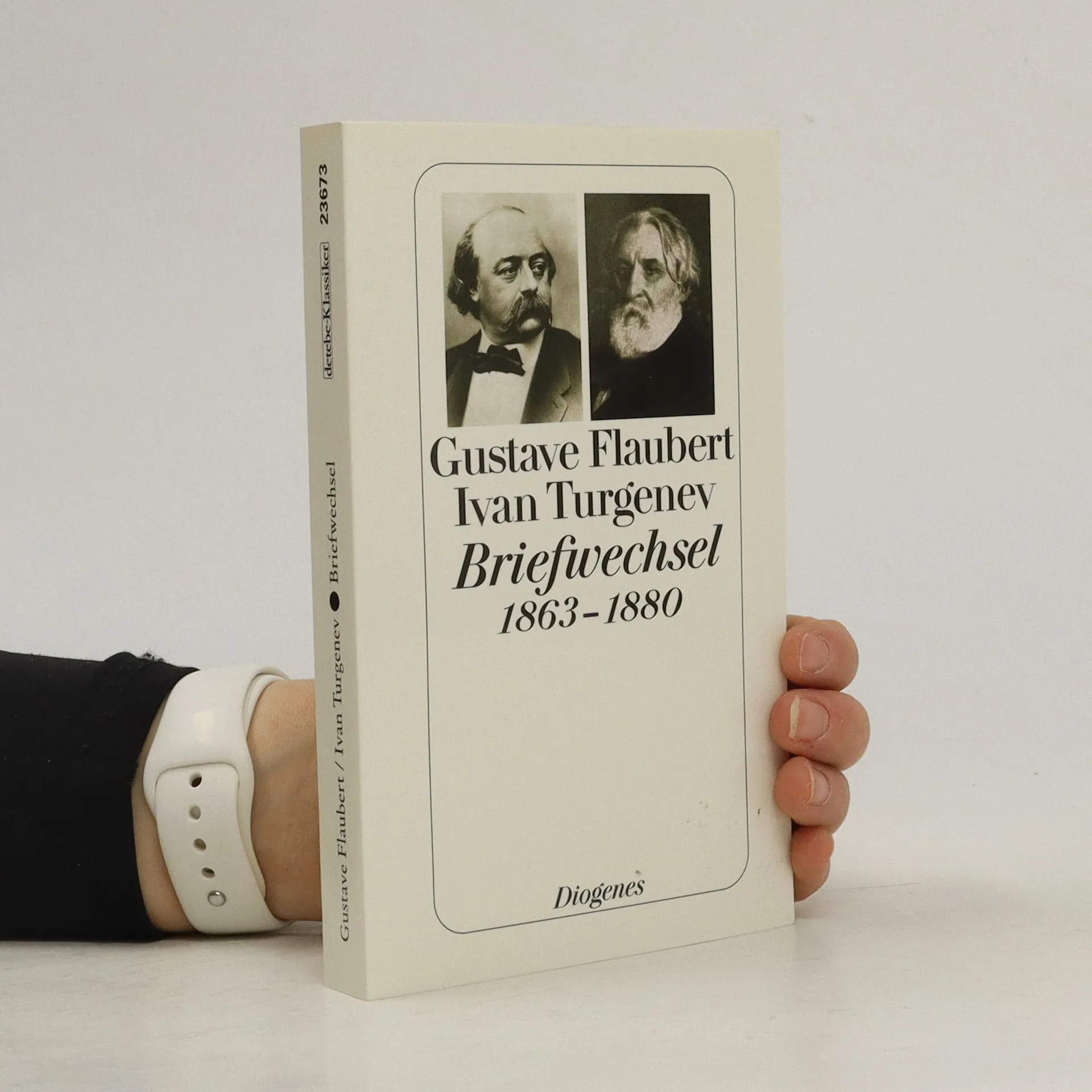
17 Jahre lang, bis zum Tode Flauberts, dauert diese Freundschaft, 235 Briefe wandern in dieser Zeit zwischen den beiden Schriftstellern hin und her. Sie handeln von den Büchern und der Gicht, dem Altern und der Dummheit und immer wieder von der gegenseitigen Zuneigung: »Ein seltener Beleg dafür, dass zwei große Schriftsteller einander von Herzen zugeneigt sind.« (Julian Barnes)
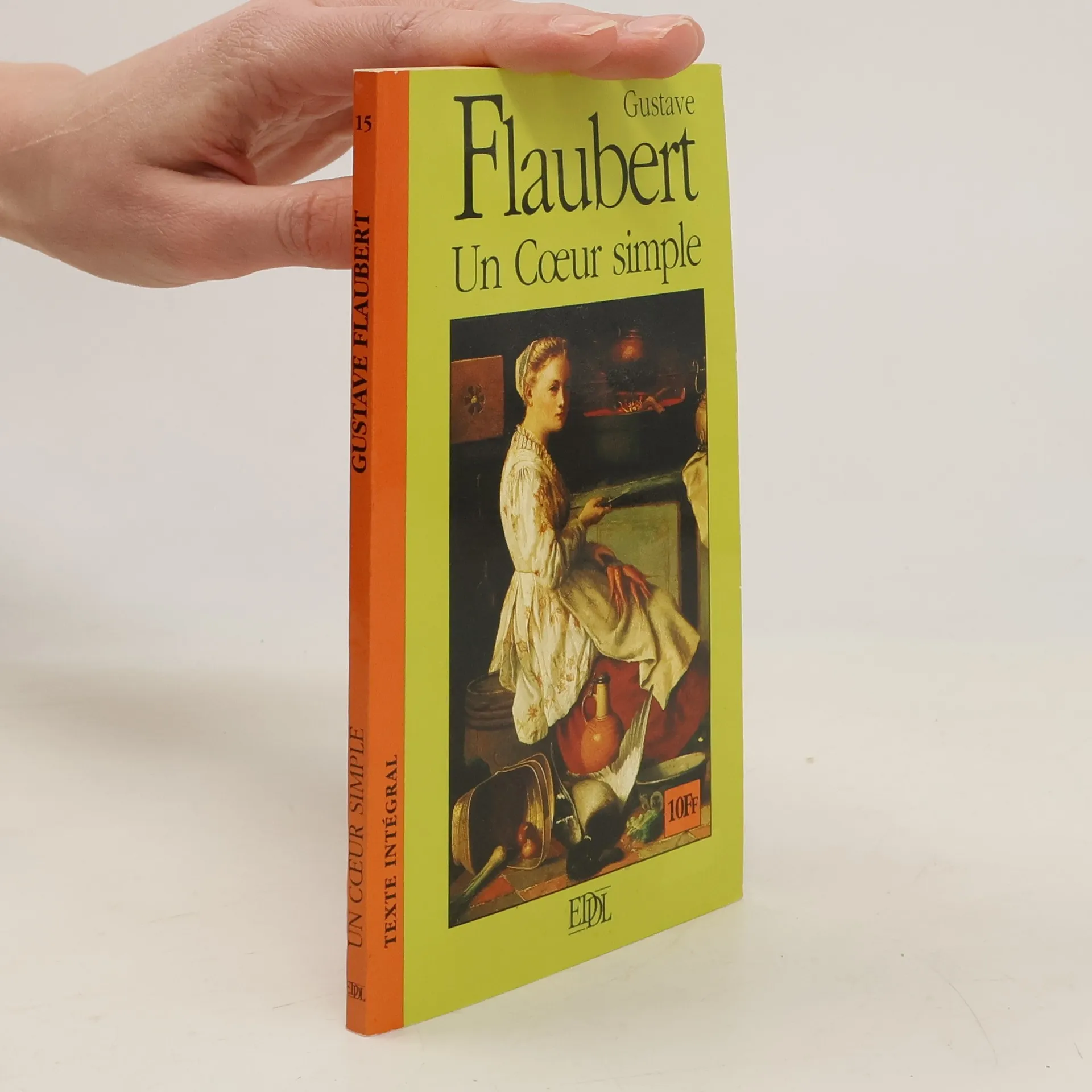
« Pendant un demi-siècle, les bourgeoises de Pont-l'Evêque envièrent à Mme Aubain sa servant Félicité. Pour cent frans par an, elle faisait la cuisine et le ménage, cousait, lavait, repassait, savait brider un cheval, engraisser les volailles, battre le beurre, et resta fidèle à sa maîtresse, -- qui cependant n'était pas une personne agréable. »
Die größten Liebesromane der Weltliteratur
Nana, Madame Bovary, Effi Briest, Anna Karenina
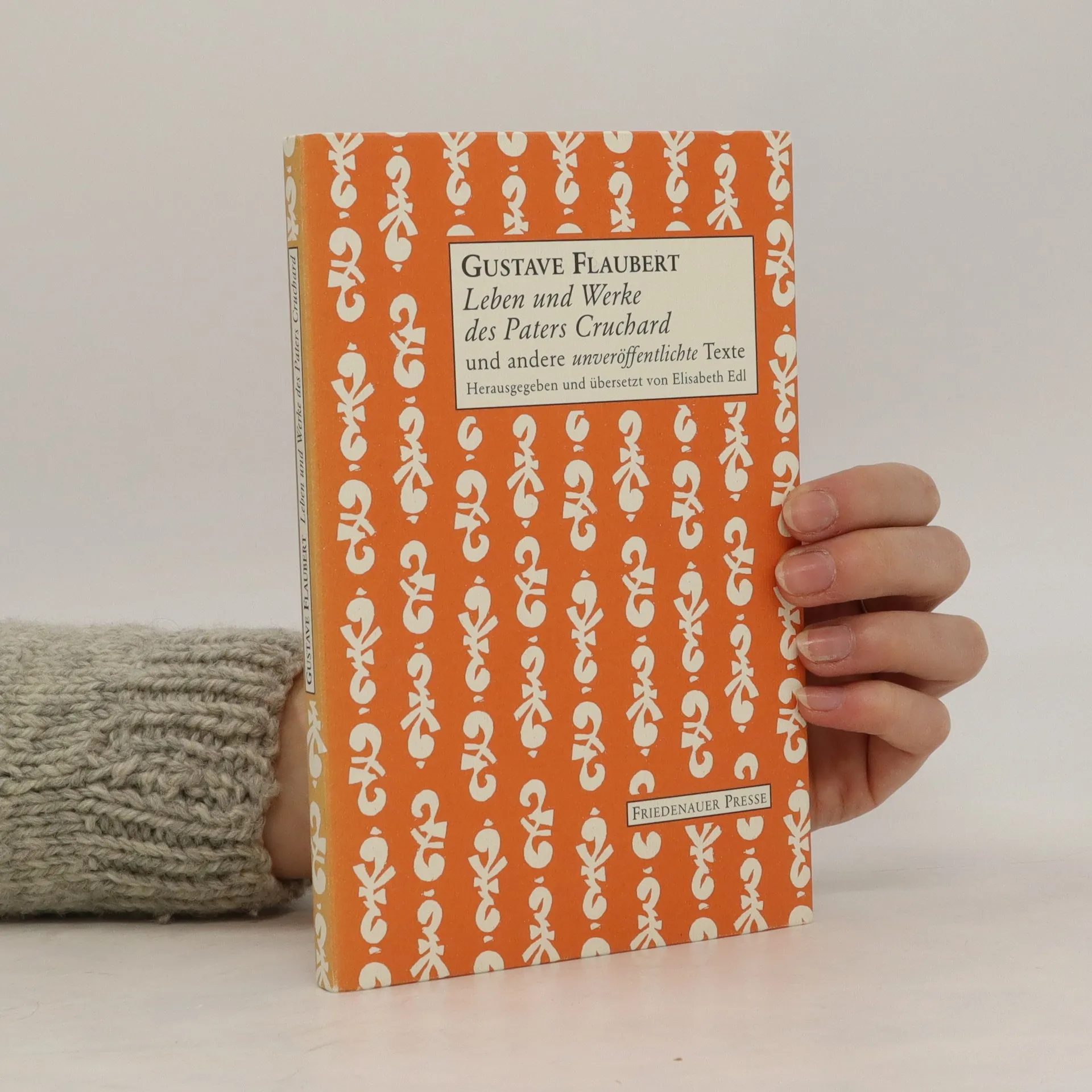
Immer wieder tauchen bei Auktionen unbekannte Briefe und Notizen Flauberts auf. Die in Leben und Werke des Paters Cruchard versammelten vier Texte zeichnensich durch eine Besonderheit aus: Es sind persönliche, autofiktionale Aufzeichnungen – eine Entdeckung, weiß man um Flauberts Abneigung gegen Autobiografisches. Was bewegt einen Mann, der sich sonst nur in Briefen über sein Privatleben äußert, »seine tiefsten Eindrücke für sich selbst« aufzuschreiben? Der Tod des Freundes Alfred Le Poittevin, dem Flaubert Madame Bovary widmete, scheint nach einer persönlichen, intimeren Trauerarbeit verlangt zu haben. Zu den Notizen über den Ball für Zar Alexander II. im Juni 1867 hat Flaubert etwas anderes bewegt: Er plante einen Roman über das Leben unter Napoleon III. – ein immer wieder aufgeschobenes und letztlich nie finalisiertes Projekt. Am wenigsten autobiografisch scheint die Vita des Paters Cruchard. Cruchard nannte sich Flaubert auch selbst, in Briefen später an George Sand, der der Text auch gewidmet ist. Nach ihrem Tod unterschrieb er einen Brief an Sands Kinder: »Für Sie Cruchard, für das Menschengeschlecht Polycarpe, für die Literatur Gustave Flaubert«.
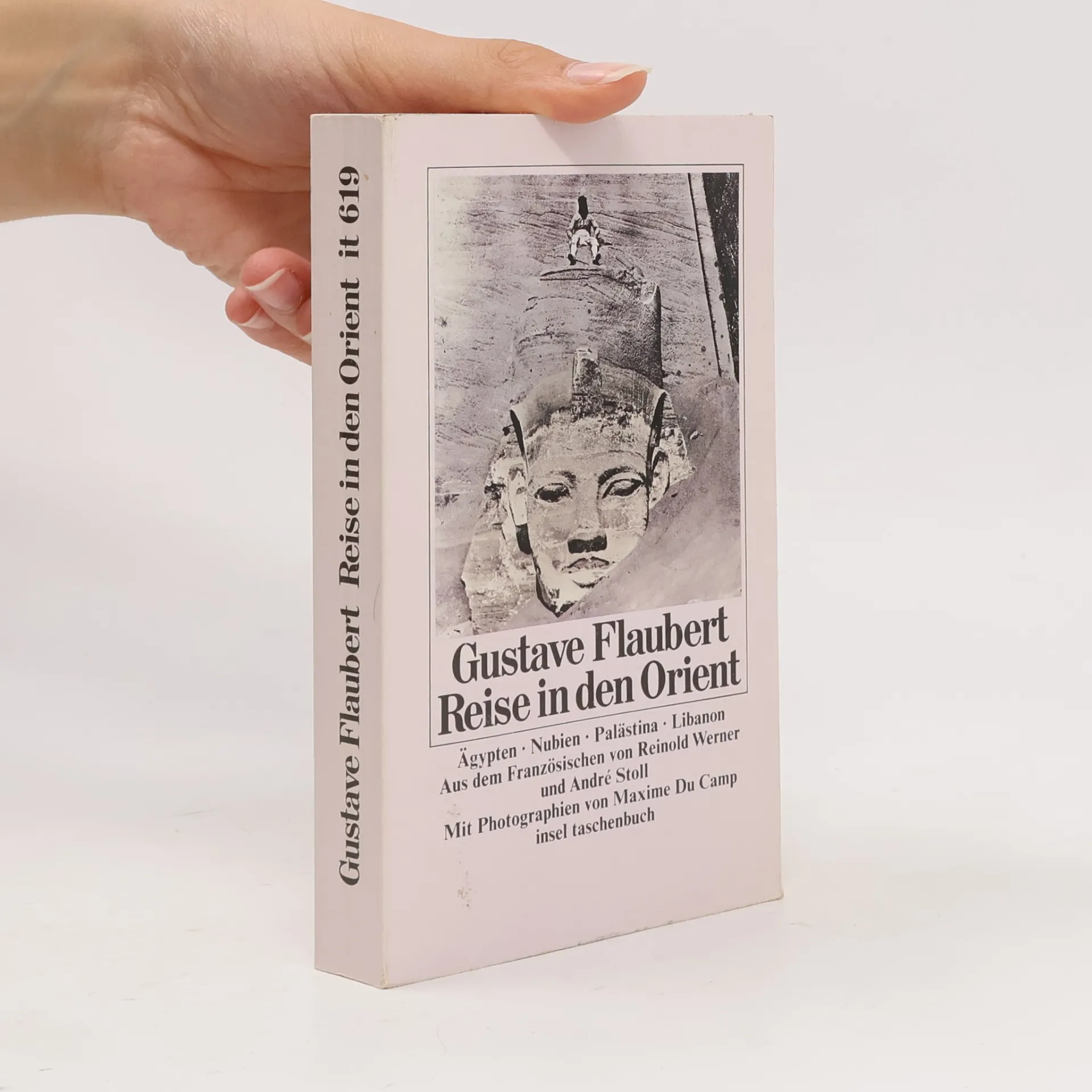
Reise in den Orient
- 421 páginas
- 15 horas de lectura
Gustave Flaubert wurde am 12. Dezember 1821 in Rouen als Sohn eines Chirurgen geboren. Bereits im Kindesalter unternahm er erste Schreibversuche. Eine wichtige Inspirationsquelle seiner Kreativität war eine jahrelang unerfüllte Liebe zu einer älteren Frau, Elisa Schlesinger, die er 1836 kennenlernte. Sein Vater drängte ihn 1840 zum Jurastudium, das er 1844 nach einem epileptischen Anfall aber abbrach. Fortan widmete er sein Leben nur noch dem Schreiben. Nach einigen Reisen in den Vorderen Orient, u. a. nach Ägypten, kehrte Flaubert wieder auf den Familiensitz in Croisset nach Rouen zurück, wohin er sich, abgesehen von einem regen Briefwechsel mit seiner Geliebten, der Schriftstellerin Louise Colet, und vereinzelten Reisen nach Paris, in die Isolation zurückzog. Flaubert war ein unverbesserlicher Perfektionist im Umgang mit Sprache und hegte eine jahrelange Zurückhaltung, was eine Veröffentlichung seiner Manuskripte anbelangte. Madame Bovary war der erste Roman Flauberts, er erschien 1856. Der Roman zog unmittelbar einen Prozess wegen Sittenlosigkeit nach sich, Flaubert wurde aber 1857 von den Vorwürfen freigesprochen. Flaubert gilt als einer der großen europäischen Romanciers und gehört neben Stendhal und Balzac zu den großen realistischen Erzählern der französischen Literatur. Flaubert starb am 8. Mai 1880.
Autor opisuje šedý, obyčajný, bezútešný život buržoáznej spoločnosti.
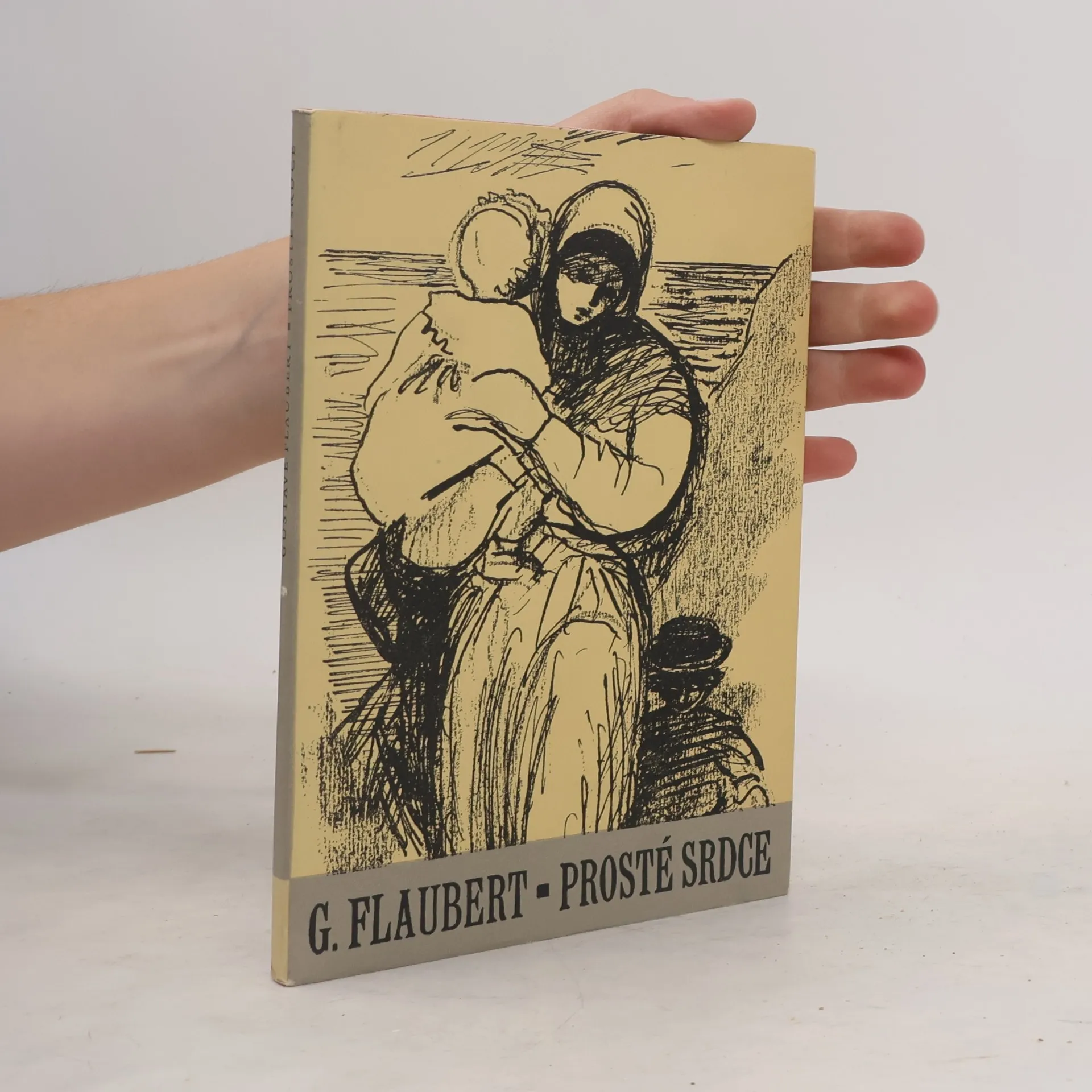
Příběh prosté venkovské ženy-služky, která sražena životním neštěstím na dno ponížení a sociální bezbrannosti, nachází smysl svého bytí jen v tom, že ustavičně něčemu slouží a žije pro druhé.
Im Jahr 1857 erschien Madame Bovary, der erste Roman von Gustave Flaubert, mit dem er seinen Ruhm begründete. Doch bereits zwanzig Jahre zuvor, im Februar 1837, hatte der Schüler Flaubert in einer kleinen Zeitung seiner Heimatstadt Rouen eine erste Erzählung veröffentlicht: die Geschichte des Buchhändlers Giacomo, der aus Liebe zu den Büchern sein Leben aufs Spiel setzt.
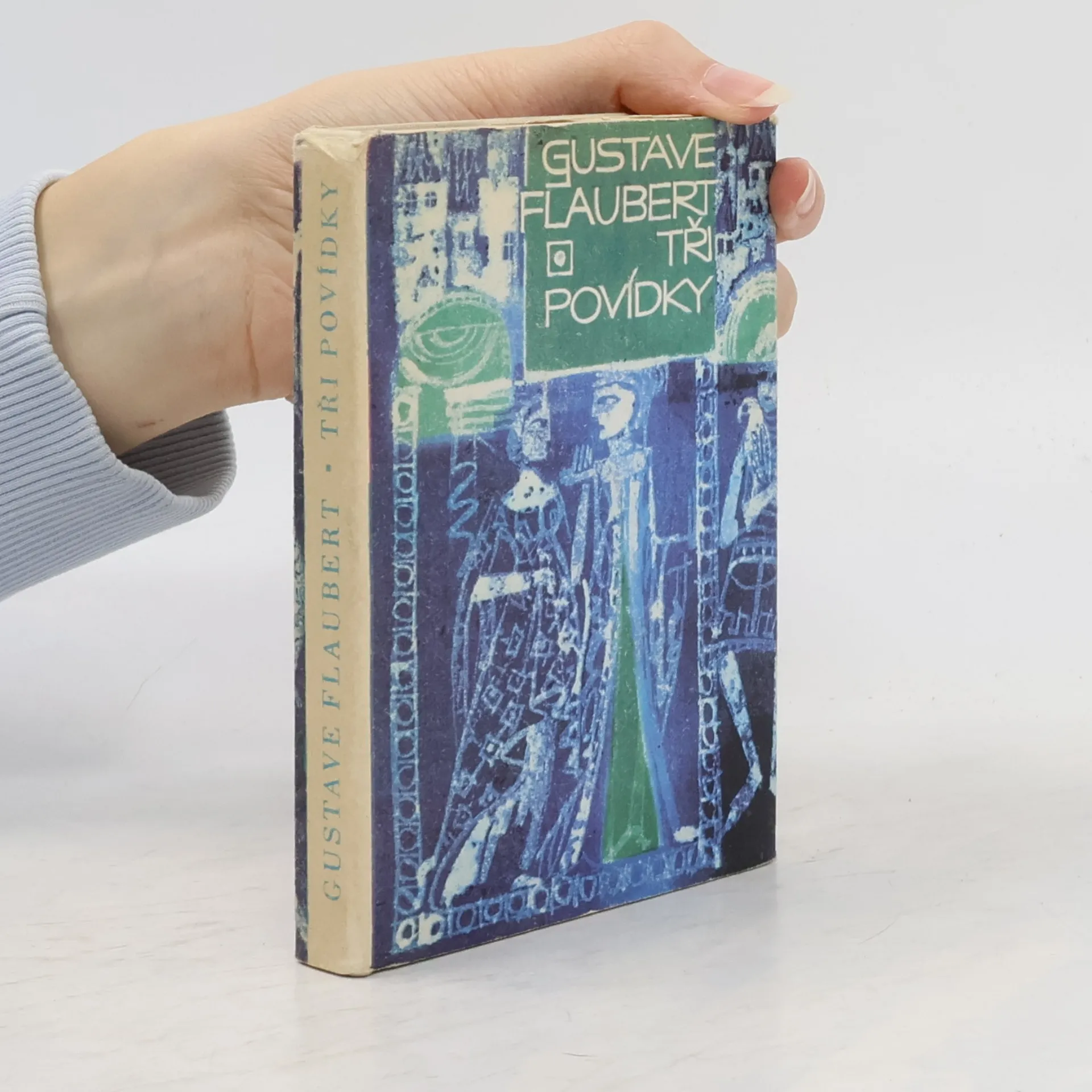
První povídka – Prosté srdce – je příběhem života chudé venkovské dívky. Legenda o svatém Juliánu Pohostinném je středověkou legendou, kterou viděl Flaubert zpodobenou na barevných oknech chrámu. Herodias zachycuje rozporuplnou situaci společnosti, v níž se zrodilo křesťanství. Poslední povídka je zpracováním biblického příběhu o krásné a kruté orientální tanečnici.
A coleção apresenta uma variedade de contos e lendas suecas que refletem a fantasia e a cultura da época. Entre as histórias, encontram-se narrativas conhecidas como "O Anel do Peixe" e "A Fuga para o Egito", que são permeadas por temas morais e místicos. Obras menos conhecidas como "Sangue Romano" e "A Mão Fantasma" também estão incluídas e oferecem um profundo insight na folclore sueca. Selma Lagerlöf consegue, com sua narrativa sensível, transportar os leitores para um mundo encantado.
Eine Meisternovelle Gustave Flauberts (1821-1880) und zugleich die Neuerzählung einer mittelalterlichen Legende in französisch-deutschem Paralleldruck Der Fürstensohn Julian ist ein Erwählter: strahlender ritterlicher Jüngling, rauschhaft leidenschaftlicher Jäger und Schütze mit Hang zur Grausamkeit, halb unbewusster Mörder seiner Eltern – und unerhört hingebungsvoller Büßer. Diese Erzählung von Verbrechen und Heiligkeit ist in einer bis ins letzte ausgefeilten, makellosen Sprache geschrieben, die dennoch die Erregung des Erzählers spüren lässt.
folio2€: Le Dictionnaire des idées reçues
- 144 páginas
- 6 horas de lectura
"Il y a à parier que toute idée publique, toute convention reçue, est une sottise, car elle a convenu au plus grand nombre". Exergue du Dictionnaire des idées reçues - oeuvre inachevée aux multiples manuscrits -, cette maxime de Chamfort en donne le ton incisif. "Actrice", "mélancolie", "pédantisme", "voyageur", "candeur", "duel", "laboureurs", "religion"... Sur des sujets aussi variés, Flaubert y relève en effet pensées figées et lieux communs, traquant la vacuité avec une ironie mordante.
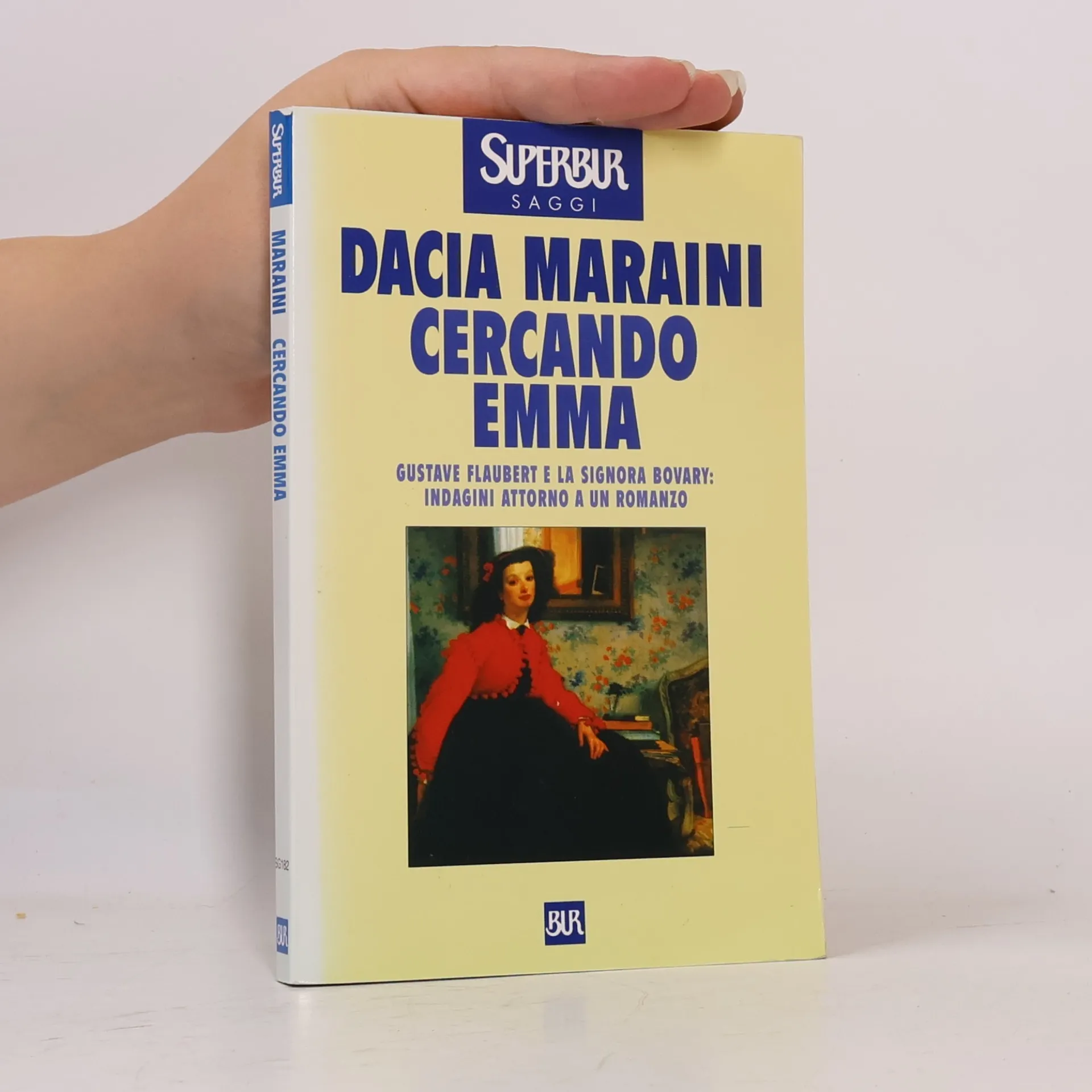
BUR Supersaggi - 182: Cercando Emma
Gustave Flaubert e la signora Bovary: indagini attorno a un romanzo
- 180 páginas
- 7 horas de lectura
La storia di madame Bovary è una delle più conosciute e amate, soprattutto dalle donne, che in questo personaggio vedono il baluardo della loro rivolta sessuale ed esplosiva, contro la costrizione soffocante della famiglia e di un ambiente provinciale e meschino. Eppure Emma Bovary non è stata amata dal suo autore, Gustave Flaubert, che con lei si è sempre mostrato intollerante e ostile. Dacia Maraini, scrittrice e donna, ripercorre la vicenda del romanzo per capire il suo fascino e svelarne il mistero.
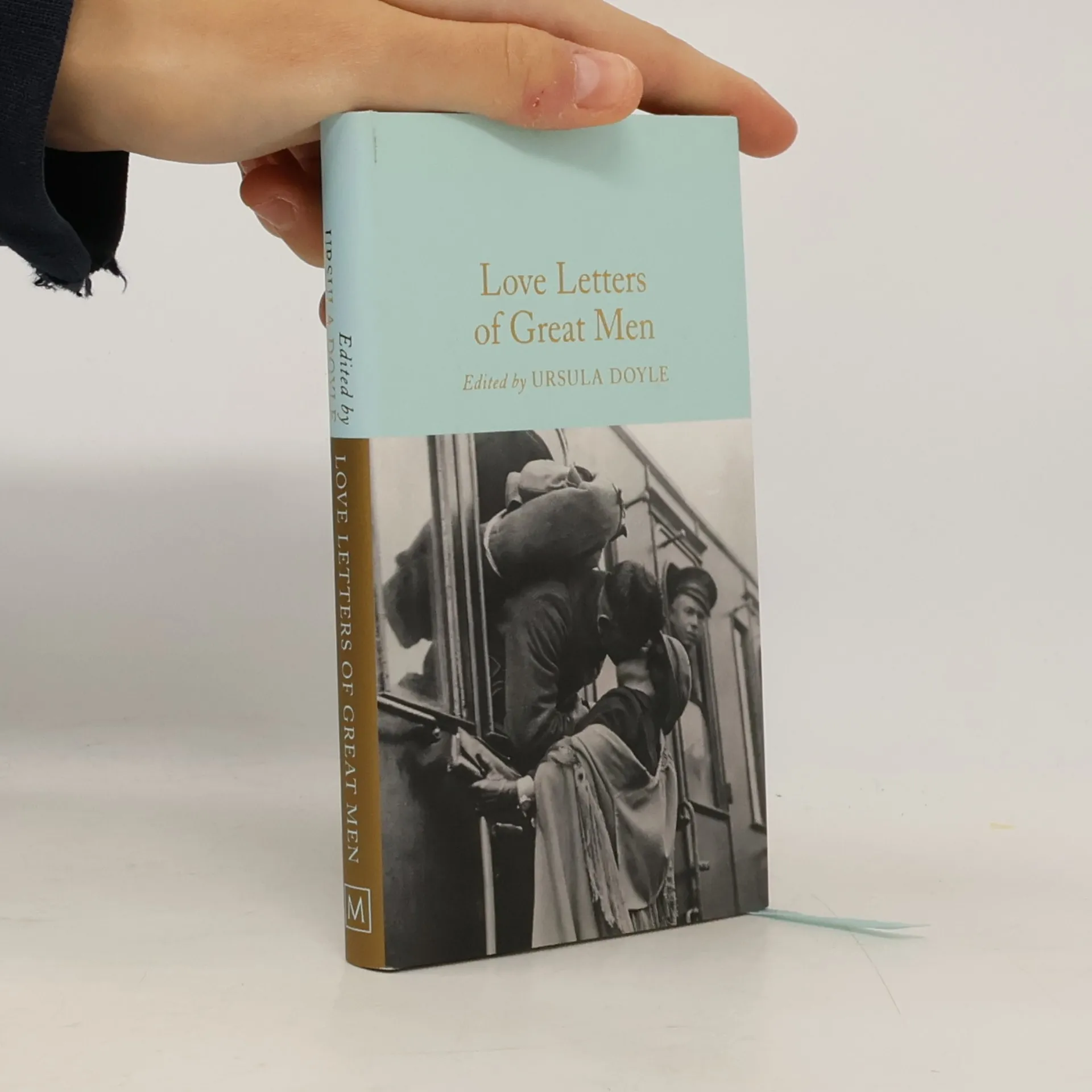
Love Letters of Great Men
- 144 páginas
- 6 horas de lectura
Remember the wonderfully romantic book of letters by Beethoven, Byron and Napoleon that featured in the Sex and the City film? That collection didn't actually exist, but all of the letters referenced in the film were real; so Macmillan decided to create Love Letters of Great Men . . .
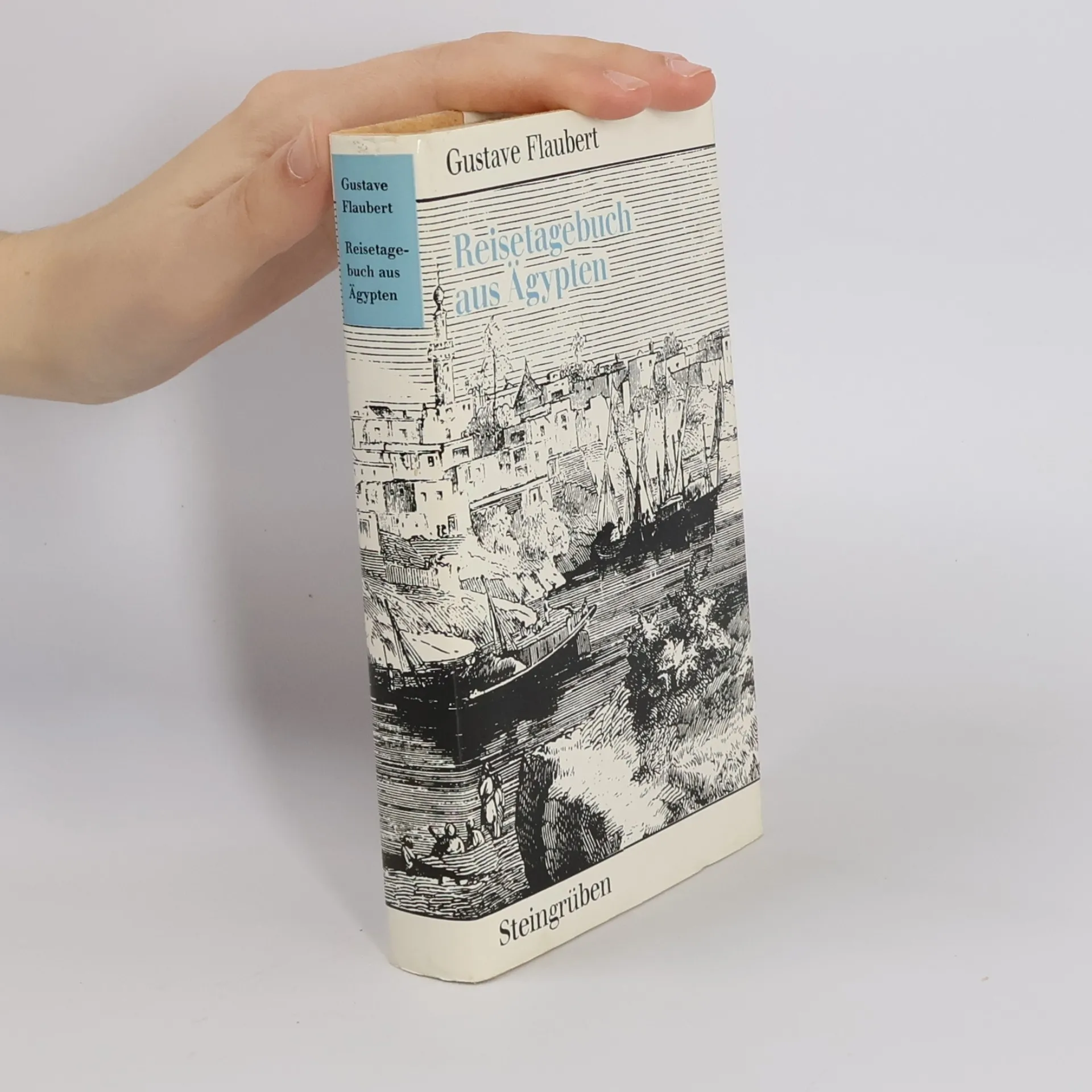
1849 bricht der 28jährige Flaubert, lange bevor er durch 'Madame Bovary' berühmt wurde, in Begleitung seines Freundes Maxime Du Camp nach Ägypten auf. Wie widerwillig Flaubert auch reiste, es wurde die Reise seines Lebens: reich an Sinneseindrücken und Erfahrung.
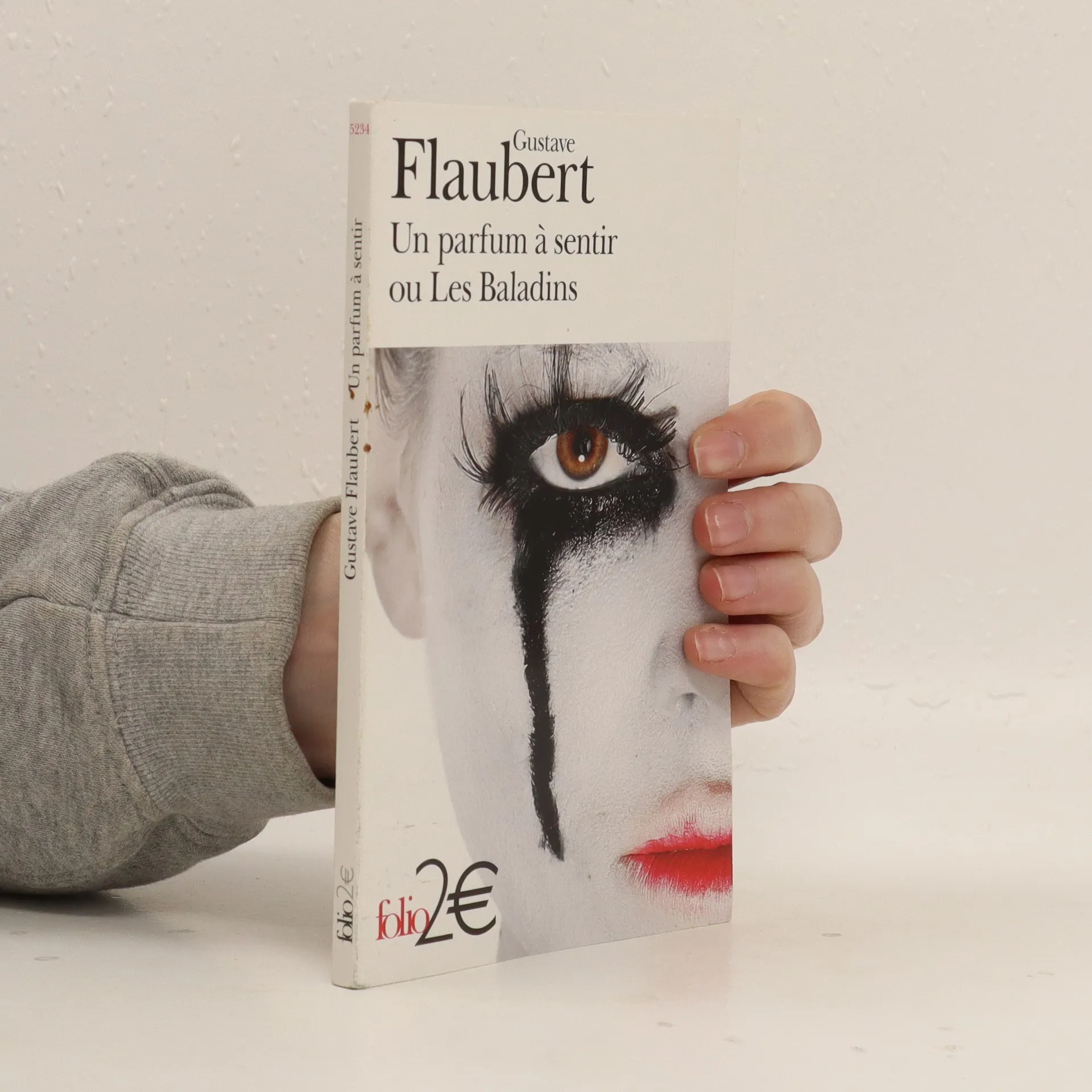
Un parfum à sentir ou Les baladins
- 112 páginas
- 4 horas de lectura
Marguerite, prématurément vieillie et usée, délaissée par son mari qui lui préfère la vive et fraîche Isabellada, ne sait que faire pour reconquérir l’homme qu’elle aime. Malgré sa bonté et sa générosité, le combat est trop inégal... Mazza, douce et rêveuse jeune femme, mariée et mère de deux enfants, succombe au charme d’un arriviste. Aveuglée par la passion, elle se transforme en une criminelle sans merci pour s’enfuir avec son amant. Dans ces deux textes méconnus, Gustave Flaubert, alors tout jeune écrivain, nous offre deux magnifiques portraits de femmes qui annoncent déjà l’inoubliable Emma Bovary. Ces nouvelles sont extraites des Oeuvres de jeunesse (Bibliothèque de la Pléiade).
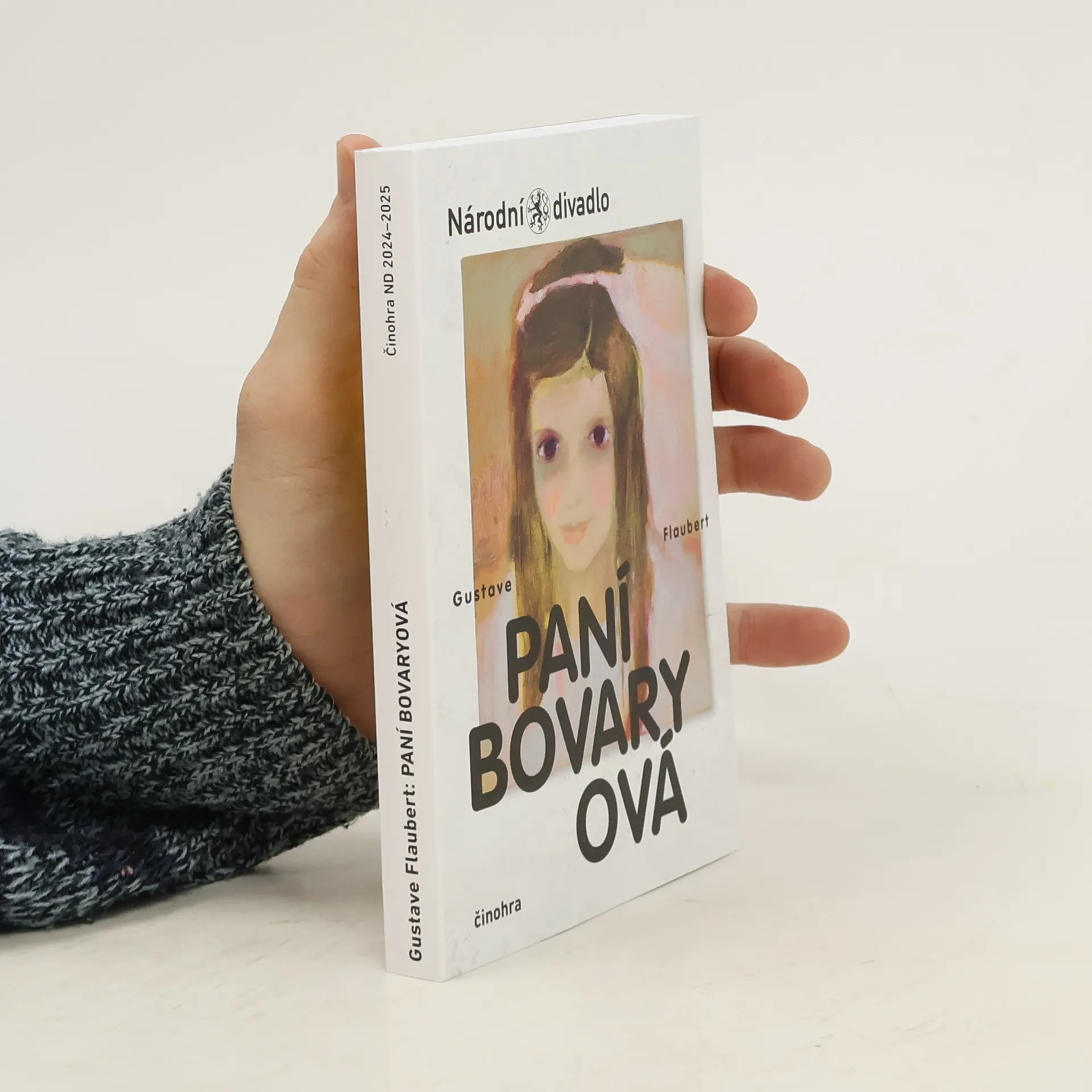
Paní Bovaryová
Divadelní program
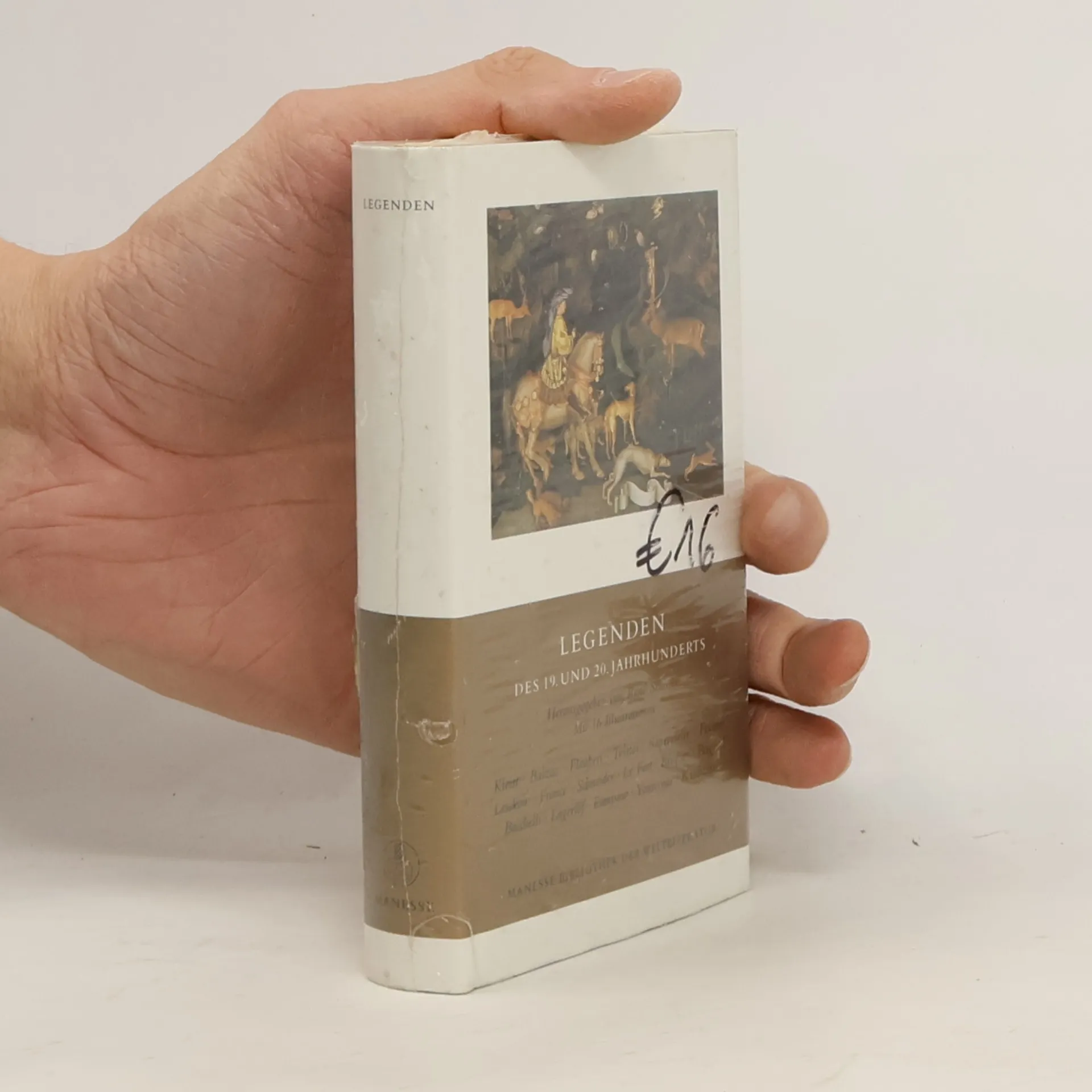
Legenden des 19. und 20. Jahrhunderts
- 493 páginas
- 18 horas de lectura