The origins of Western warfare can be traced back to classical Greece, particularly on the battlefields of Marathon, Delion, and Koroneia, where the Greeks developed a brutal and decisive form of combat involving armed men of all ages. This study presents a fresh interpretation of Greek warfare, arguing that the same principles that shaped democracy—immediate resolution of conflict—also contributed to the horrific nature of hoplite phalanx battles. The narrative draws from a wide range of sources, including Greek poetry, drama, and historical records, to depict the mechanics of classical warfare. Focusing on the infantryman's perspective, it delves into the brutal realities of spear-thrusting and shield-pushing, the challenges of fighting in bronze armor, and the psychological turmoil of mass panic. It examines the physical condition, age, and morale of soldiers and their commanders, as well as their weapons and capabilities. Additionally, it explores the social and political dimensions of the soldier's experience, illustrating how the intense and brutal nature of infantry battles profoundly impacted their relationships with family, community, and country. This account raises new questions and challenges existing assumptions about the fundamental reasons for war.
John Keegan Libros
Un historiador militar británico exploró la naturaleza del combate a lo largo de los siglos y en diversas formas de guerra, desde la terrestre hasta la de inteligencia. Sus obras profundizaron en la psicología de la batalla, examinando cómo evolucionó el conflicto y cómo respondieron los individuos. Keegan ofreció profundas perspectivas sobre la historia de la guerra.

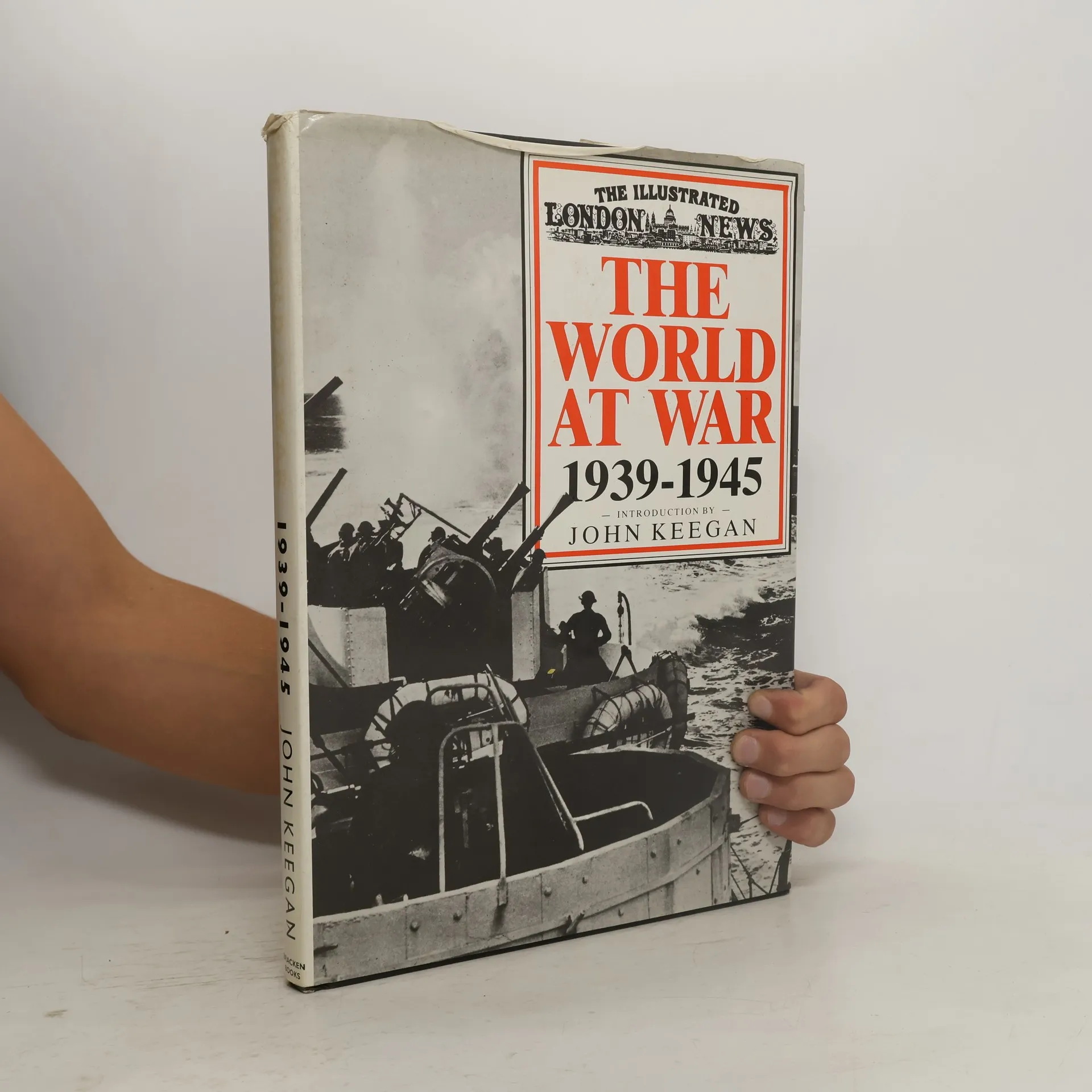

World War II involved the fighting forces and civilian populations of every continent on the globe, The Illustrated London News, had been chronicling international events for almost a hundred years before Hitler's invasion of Poland in 1939. The World At War covers those momentous years with an immediacy that a mere written record cannot supply. Taking both pictures and comments as they were first set down over fifty years ago. Includes more than 750 incredible black and white photographs. Follows events week by week as they unfolded, from German attack on Danzig in 1939, to the dropping of atomic bombs on Hiroshima and Nagasaki in 1945.
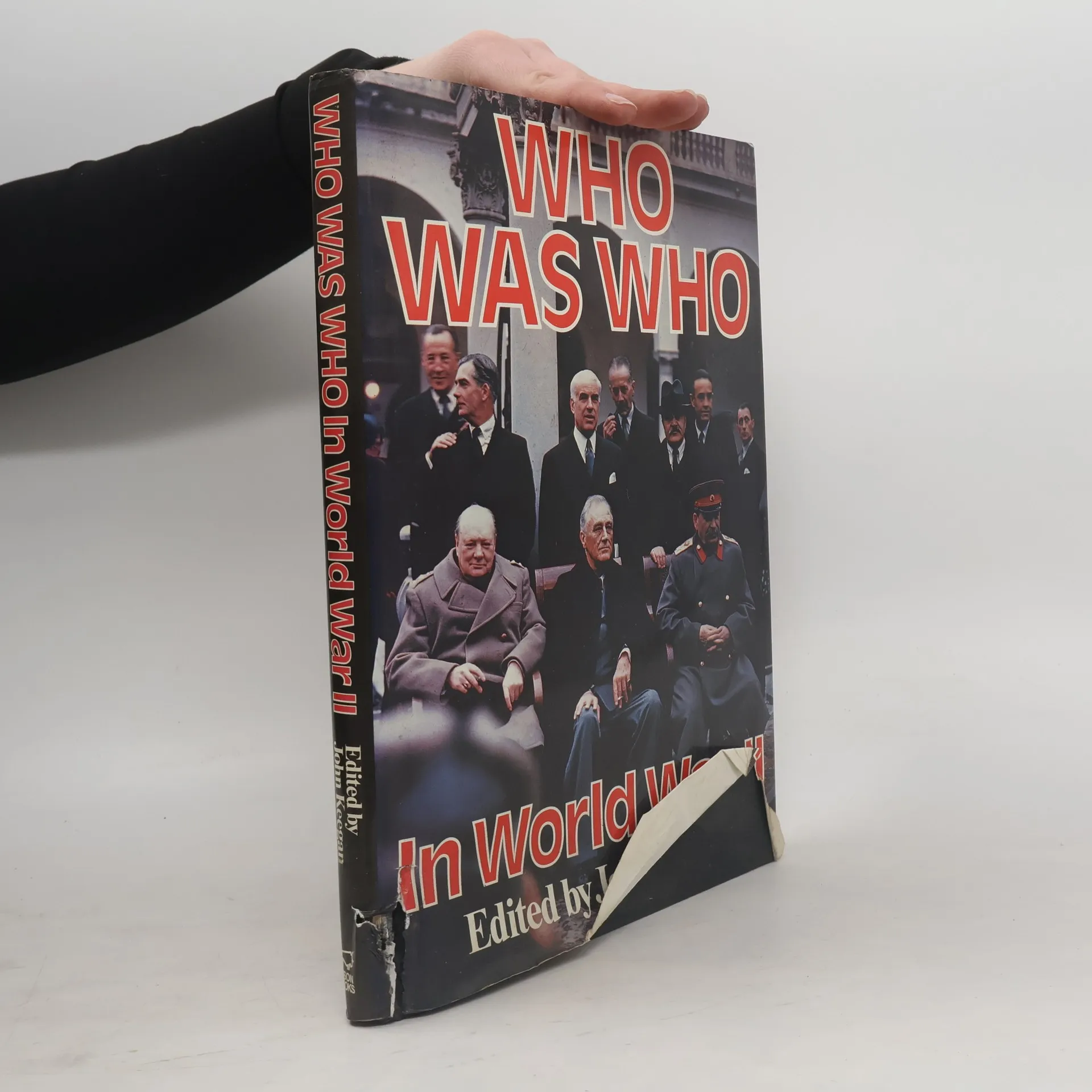
Who was who in World War II
- 224 páginas
- 8 horas de lectura
Who's Who in the Second World War is a completely original view of World War II, as seen from the human, rather than military, viewpoint. This fascinating and authoriative guide assembles the most important and significant characters from amongst the vast array of those involved in this monumental conflict. World War II, unlike World War I, was truly a global conflict, fought in every one of the five continents, and by combatants from every continental region. It was also, as World War I had not been, a conflict of ideologies. As a result its most significant figures have a particular richness and depth, including not only soldiers and statesmen of orthodox background but three dictators of world stature, and a host of politicians, heroes, martyrs, idealists, and traitors. From the British minister Duff Cooper to the dictator Joseph Stalin, from Nancy Fiocca of the French Resistance to Hitler in all his manifestations, every angle of the war is represented in intriguing detail. Each entry conveys not only the salient facts about the life and career of each figure but also the flavor of their individuality. Full of meticulous research and up-to-date scholarship, and including a thorough chronology of the war, Who's Who in the Second World War in an invaluable aid to an understanding of the characters, as well as the action, of the Second World War.
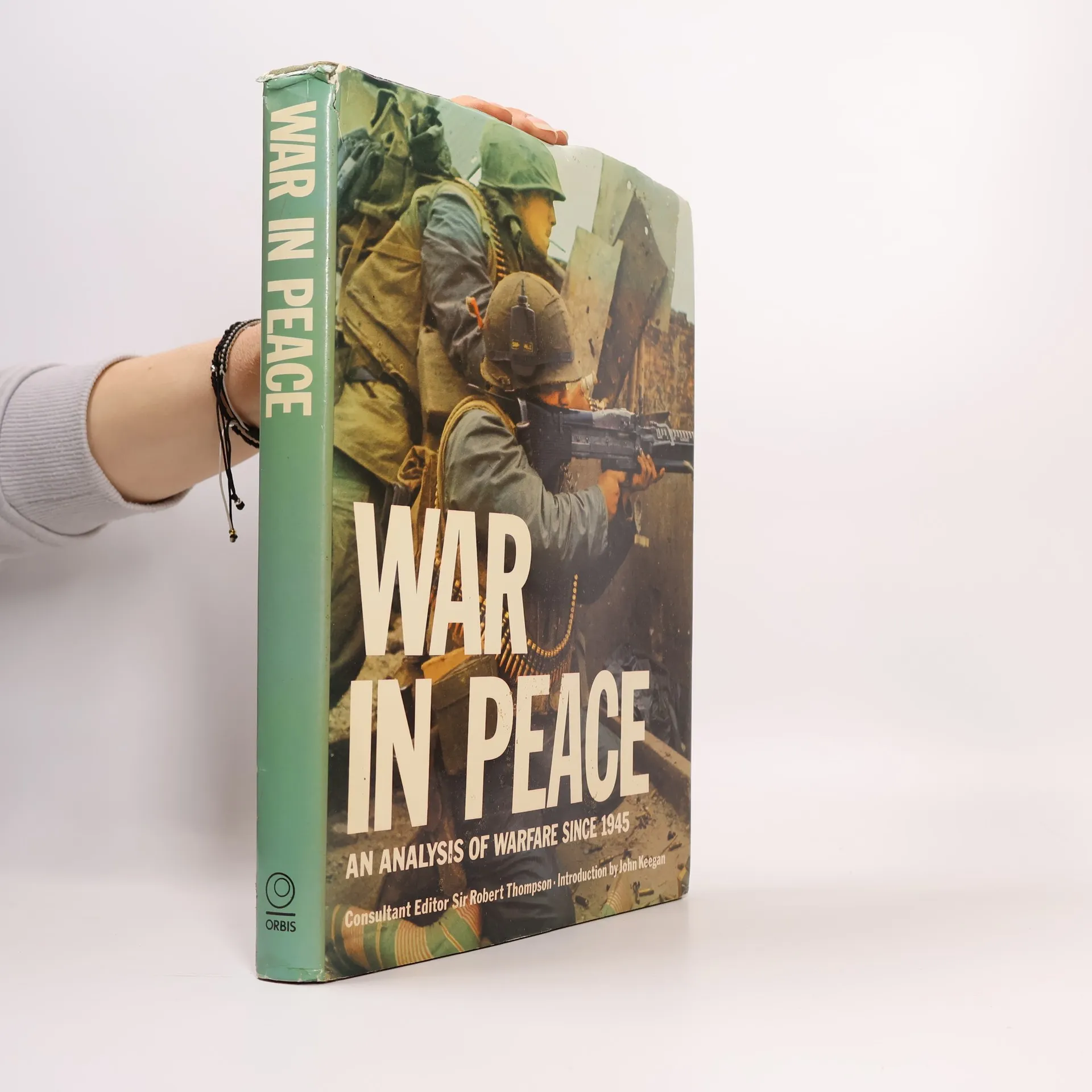
RO60071049. WAR IN PEACE, AN ANALYSIS OF WARFARE SINCE 1945. 1981. In-4. Relié. Etat d'usage, Couv. convenable, Dos satisfaisant, Fortes mouillures. 312 pages. Photo en couleur en frontispice et page de titre. Illustré de nombreuses photos et cartes en noir et blanc et en couleur dans le texte. Texte sur 3 colonnes. Jaquette défraîchie.. Avec Jaquette. . . Classification Dewey : 420-Langue anglaise. Anglo-saxon
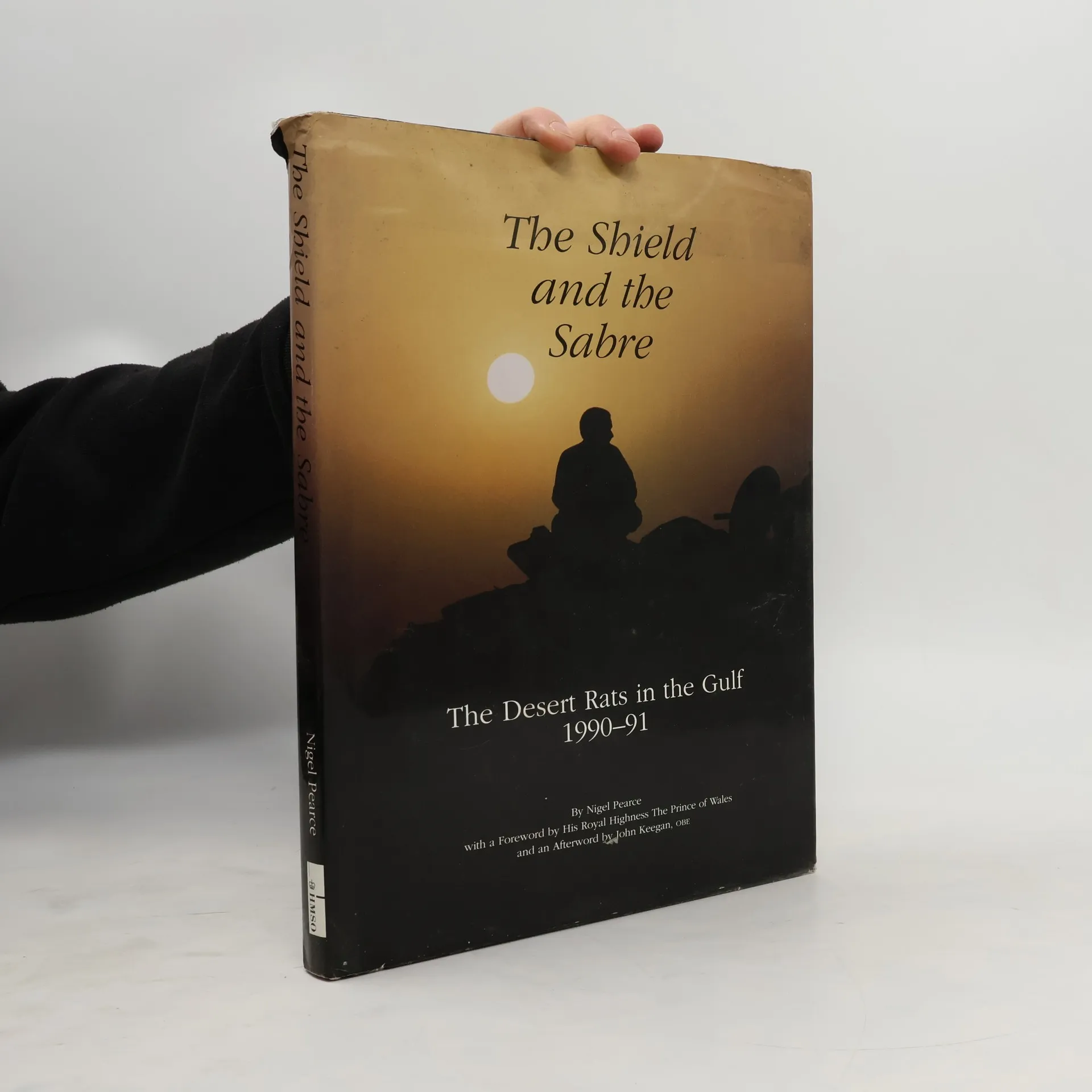
Book by Pearce, Nigel
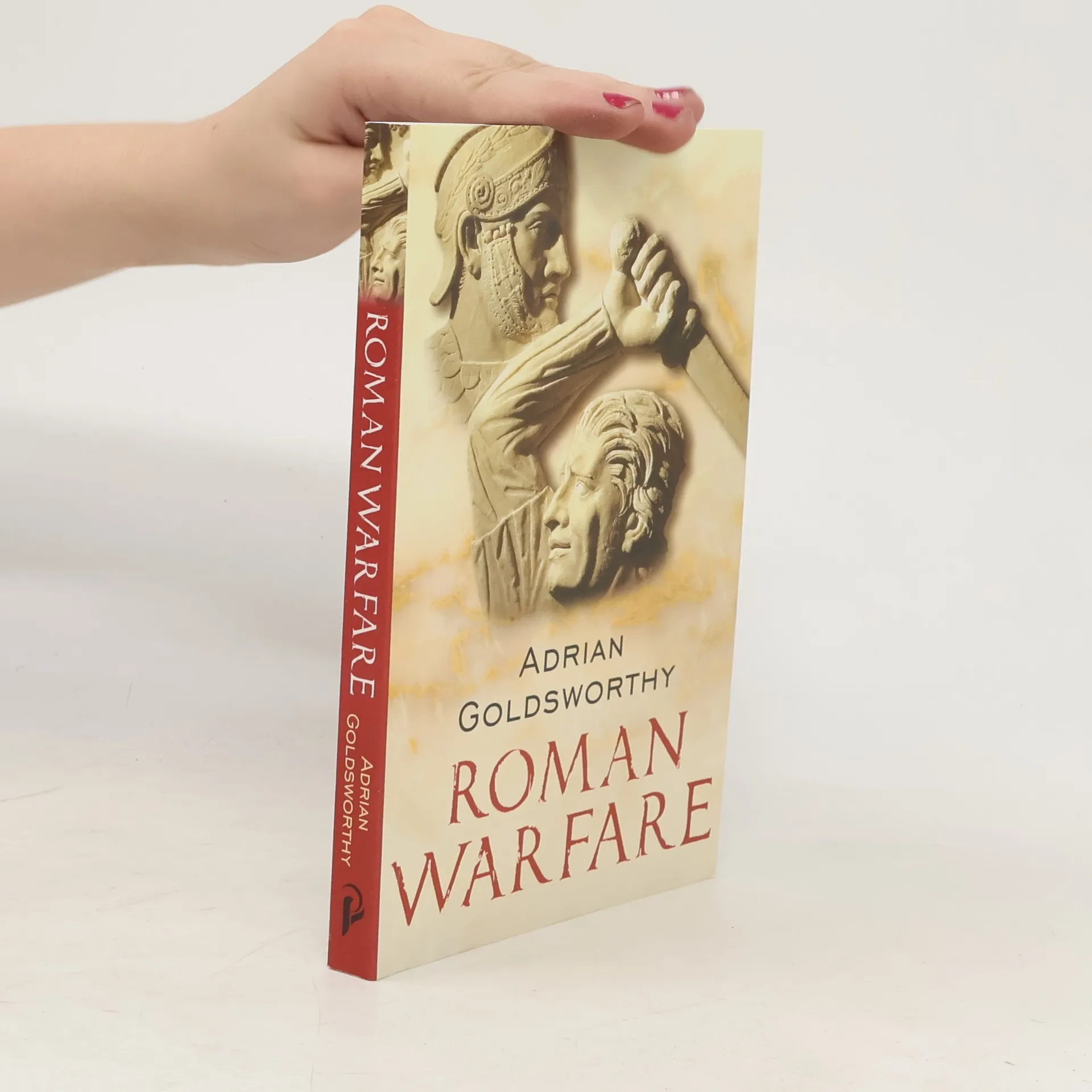
Roman Warfare
- 240 páginas
- 9 horas de lectura
The Romans built perhaps the greatest empire of all time, forged with an unequalled skill in warfare. Accompany these unparalleled Roman troops from the conquest of Italy through to world conquest. Watch as defeated armies became allies and future soldiers of the Empire. Consider the irony of extreme brutality and repression leading to peace and prosperity. All the techniques and the organization of this amazingly advanced fighting force come into focus, from the emphasis on drills to its superior technology and bureaucracy.
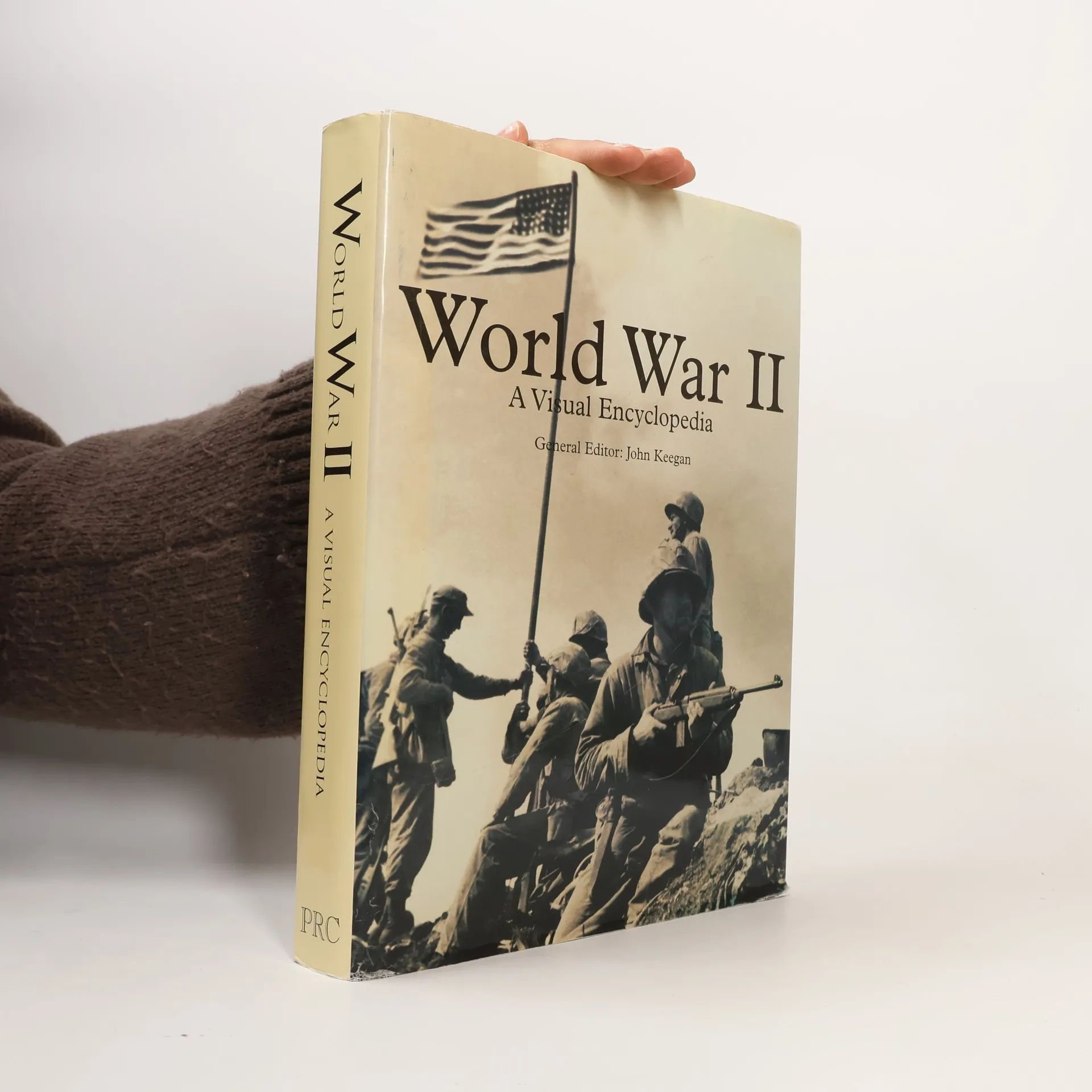
Details on major weapons, ships, vehicles, aircraft, tanks, along with a recounting on every major campaign and battle, and hundreds of biographies of military and civilian leaders are collected in this visual encyclopedia of World War II. Illustrations.
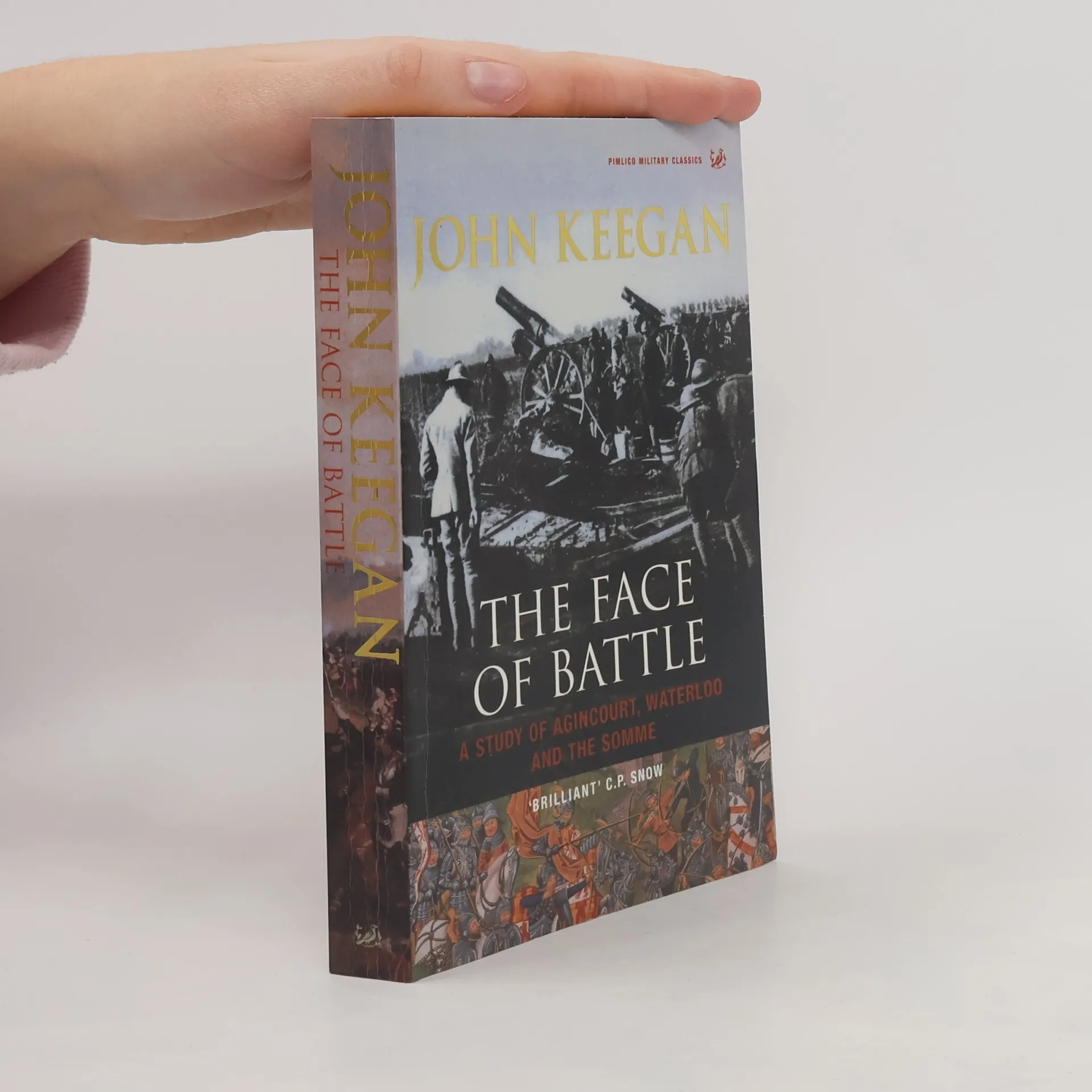
The Face of Battle is military history from the battlefield: a look at the direct experience of individuals at 'the point of maximum danger'. It examines the physical conditions of fighting, the particular emotions and behaviour generated by battle, as well as the motives that impel soldiers to stand and fight rather than run away. In his scrupulous reassessment of three battles, John Keegan vividly conveys their reality for the participants, whether facing the arrow cloud of Agincourt, the levelled muskets of Waterloo or the steel rain of the Somme.
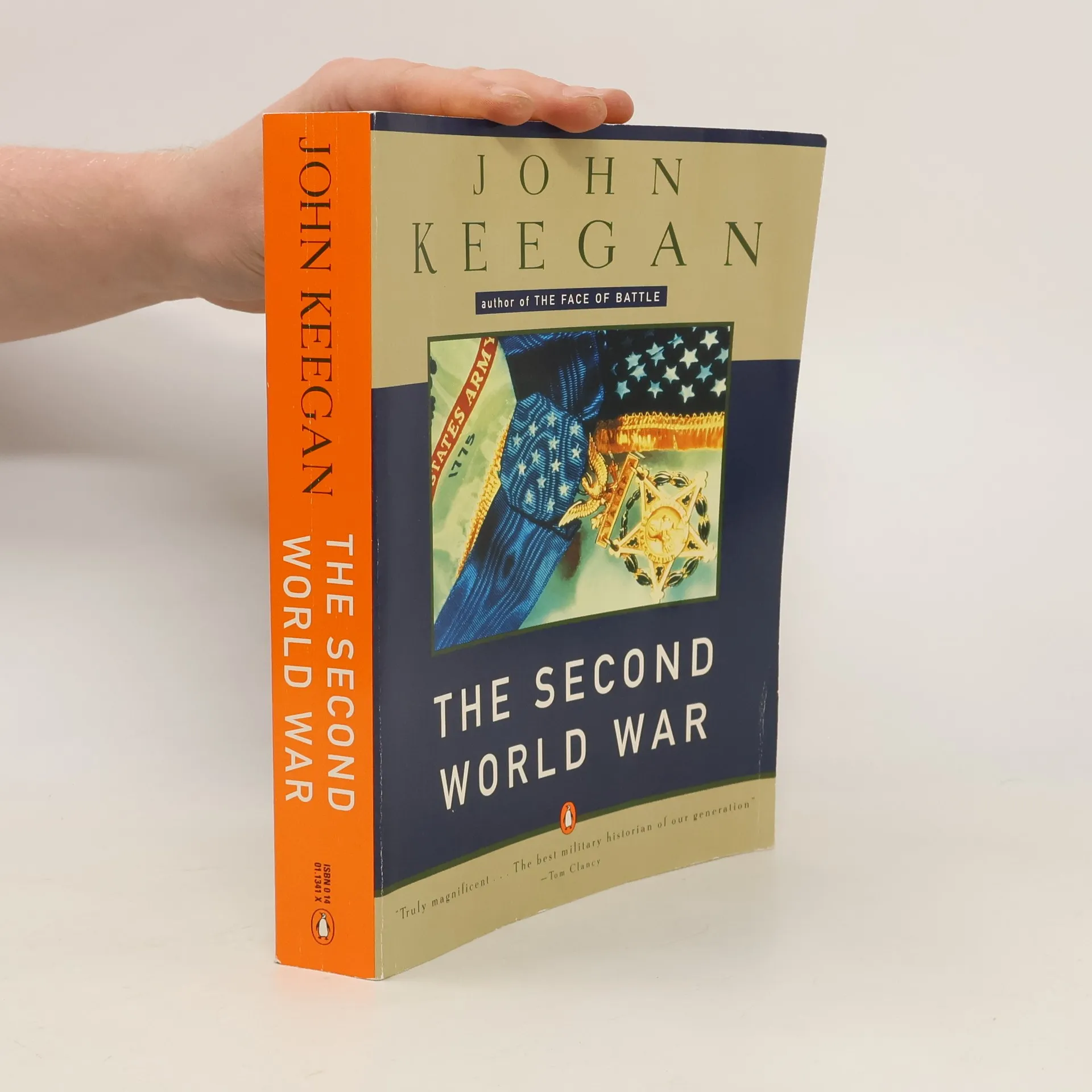
A chronological history of each theater of the war, analyzing five battles for their distinctive kind of warfare of the period.
excellent illustrated history
Atlas of the Second World War
- 254 páginas
- 9 horas de lectura
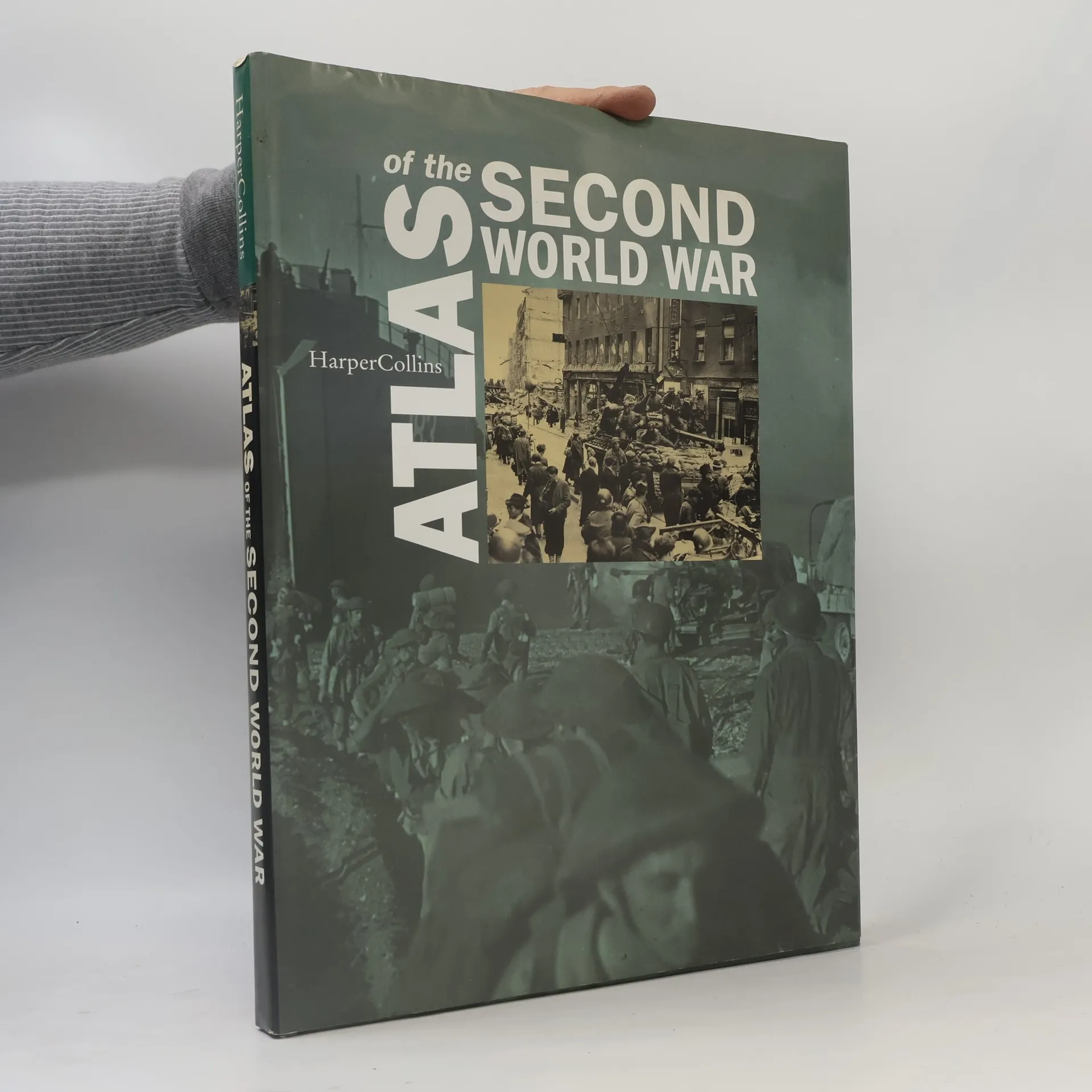
This Atlas plots, on the ground, at sea and in the air, the exact course of the war--including the political, economic and strategic background. The finest, specially designed cartography is combined with standard NATO military symbols to denote armies and fleets of every type and size. Every theatre of war is delineated from the cities of Europe to the vast expanses of the Pacific, from the deserts of North Africa and the steppes of Russia to the dense jungles of Burma and South-east Asia. Edited by the leading military historian, John Keegan, with the participation of many eminent experts in their field, The Times Atlas of the Second World War provides hundreds of maps, charts and commentaries to enable the reader to trace the course of the world's greatest conflict.
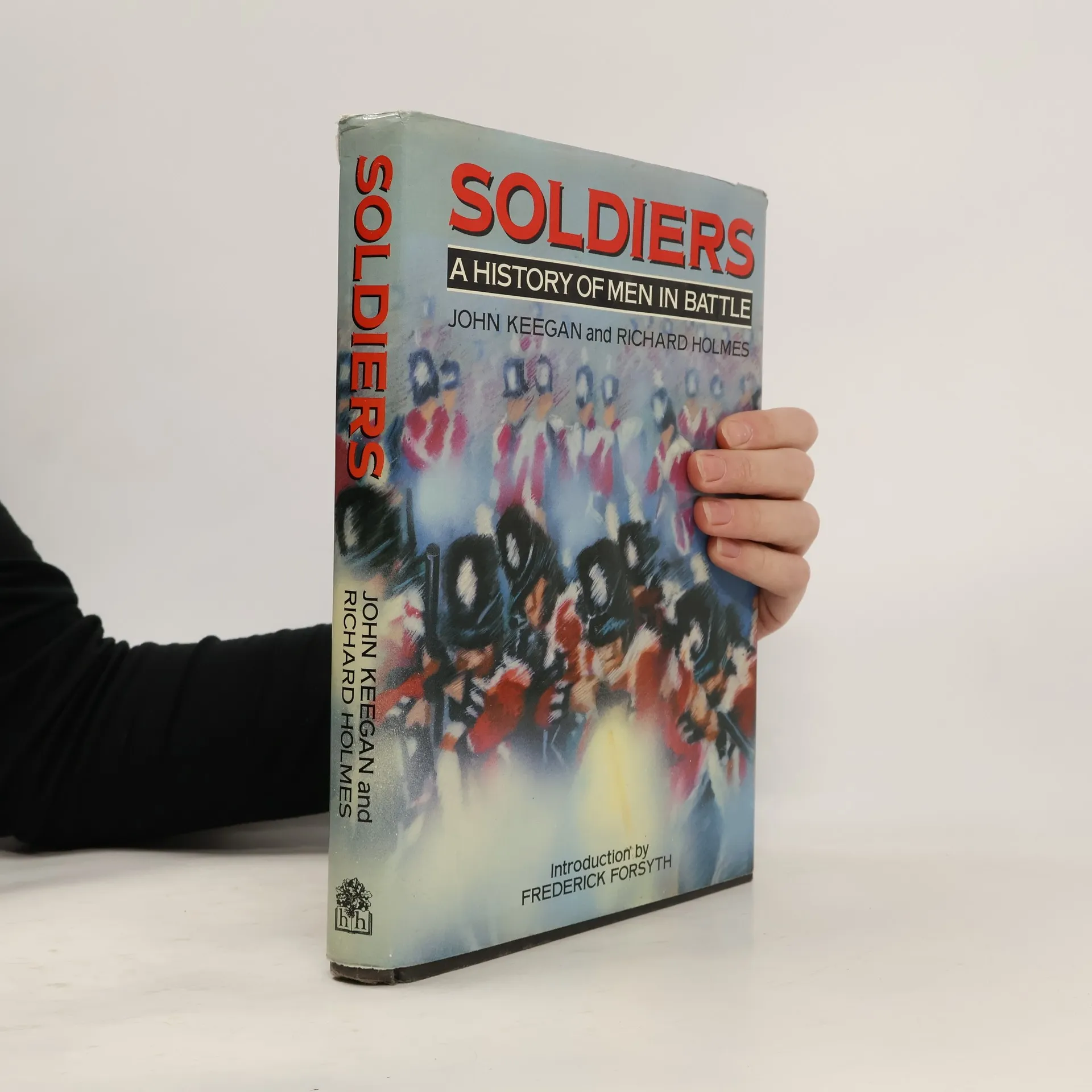
Celebrated military historian, John Keegan, and co-author, Richard Holmes, chart the changes in the conduct of warfare through history with an instructive combination of analysis and illustration. In the process they reveal that what has not changed is that an army ultimately has to depend on the courage and determination of its fighting men. With an introduction by Frederick Forsyth.
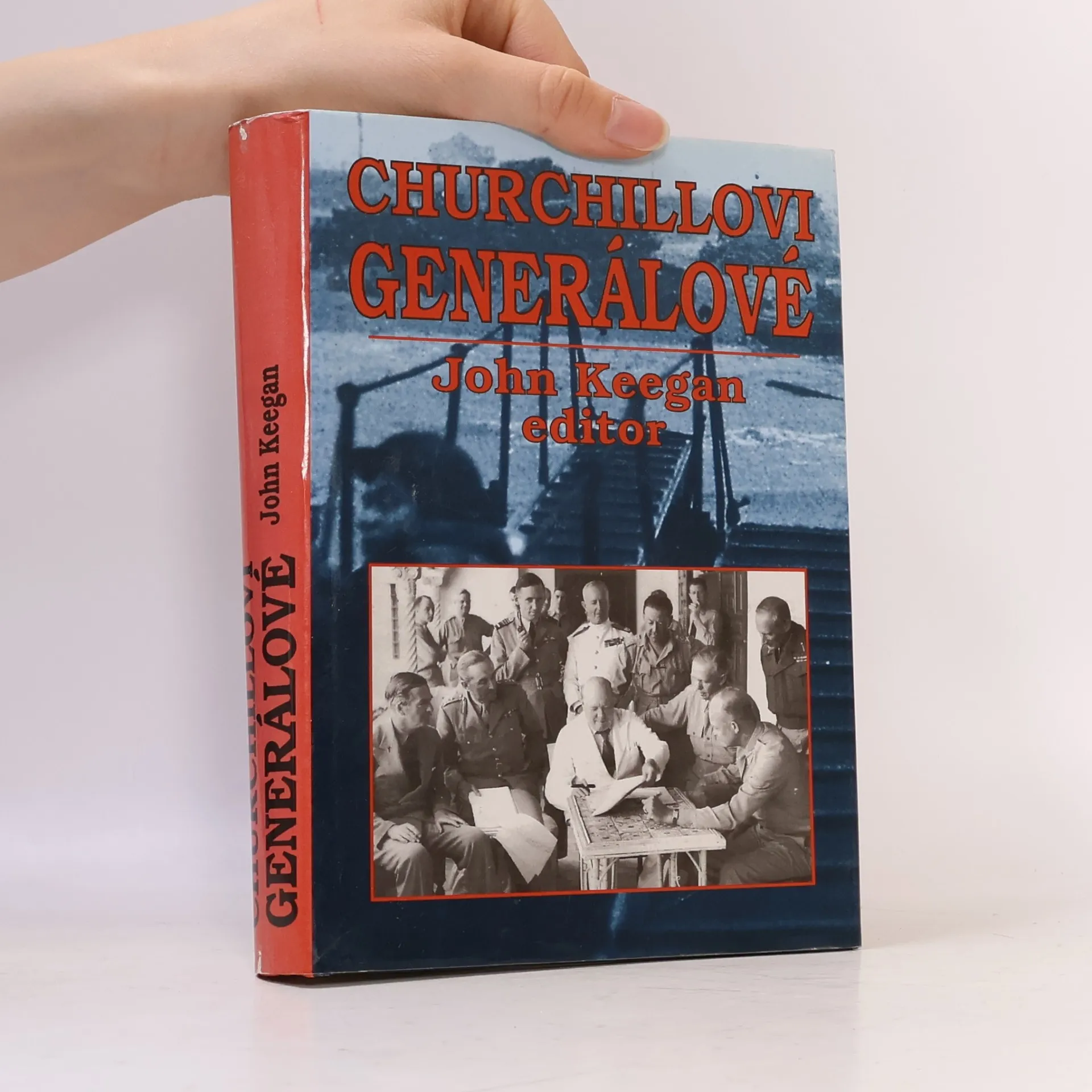
Churchill's generals
- 368 páginas
- 13 horas de lectura
A group of military historians examine the careers of 20 key generals who served under Winston Churchill in World War II. John Keegan's introduction examines Churchill's strategic cast of thought and working methods. Intolerant of failure, he sacked his generals ruthlessly and, according to the text, came to be sesrved by men of exceptional abillty as leaders, field commanders or specialists in irregular warfare.
Mask of Command
- 336 páginas
- 12 horas de lectura
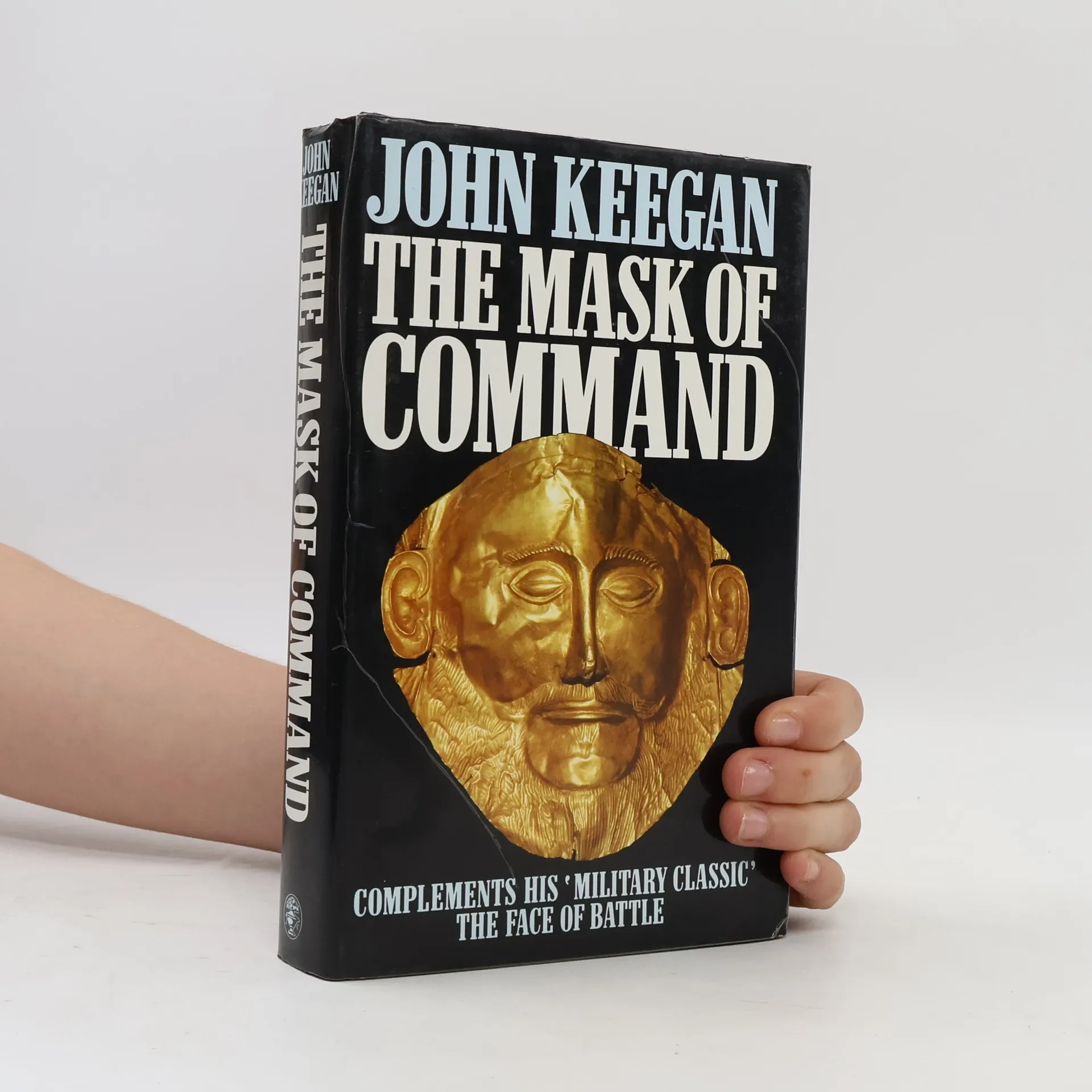
The Mask of Command is about generals: who they are, what they do and how they affect the world we live in. Grant and the false heroic of Hitler - John Keegan propounds the view of heroism in warfare as inextricable linked with the political imperative of the age and place.
The First World War
- 500 páginas
- 18 horas de lectura
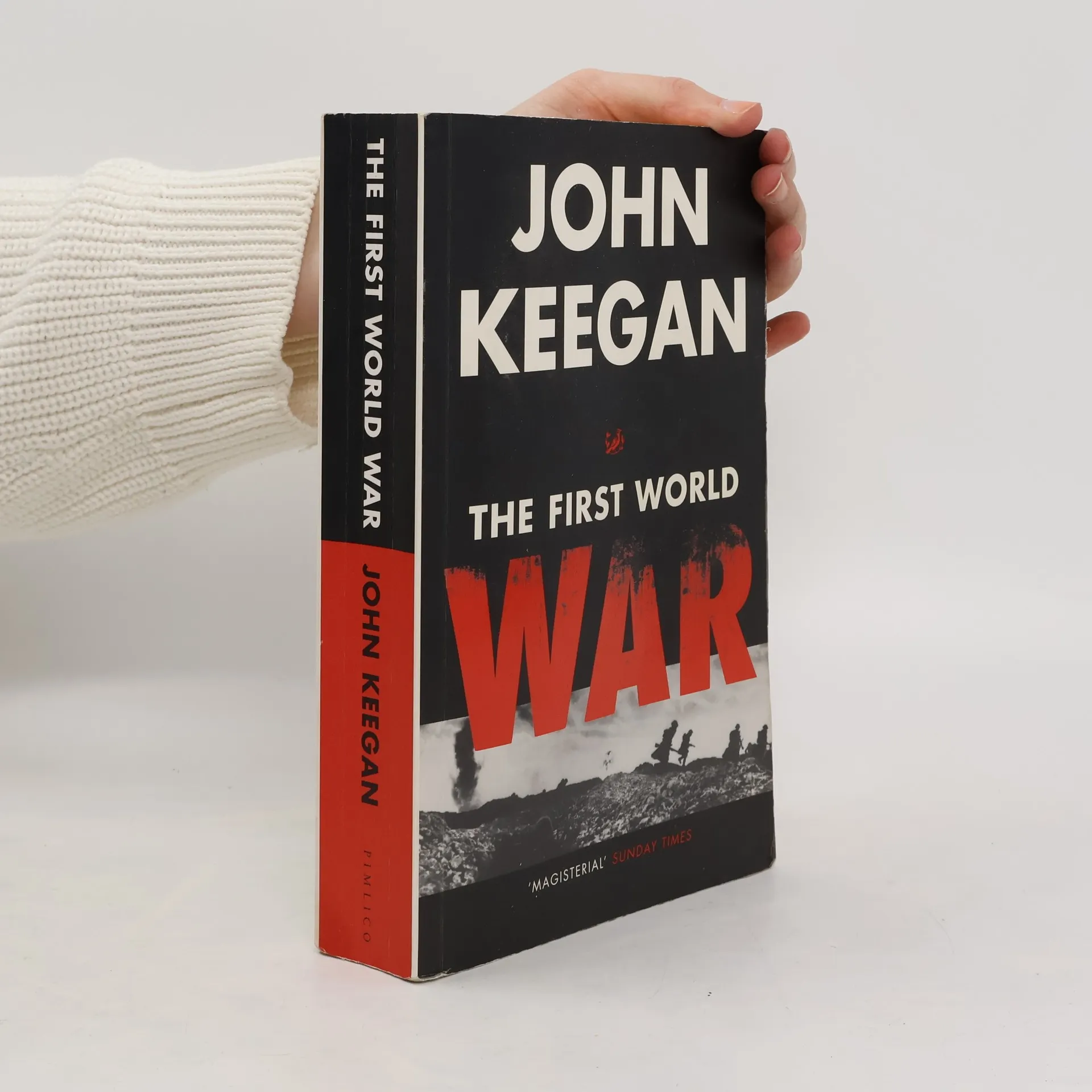
The First World War created the modern world. A conflict of unparalleled ferocity which extended far beyond its European epicentre, it broke the century of relative peace and prosperity which we associate with the Victorian era and unleashed the demons of the twentieth century - pestilence, military destruction and mass death - and also the ideas which continue to shape our world today - modernism in the arts, new approaches to psychology and medicine, and radical ideas about economics and society. It was of course foremost a military conflict, and the battles on land, sea and in the air form the narrative heart of his study, with some fascinating new interpretations of the military events. But the war also acted as a formidable engine for change throughout the world, and this too is revealed in his new book. At its heart, however is the terrible human cost of this unparalleled conflict, the loss which, however vastly extended, remains personal and individual.
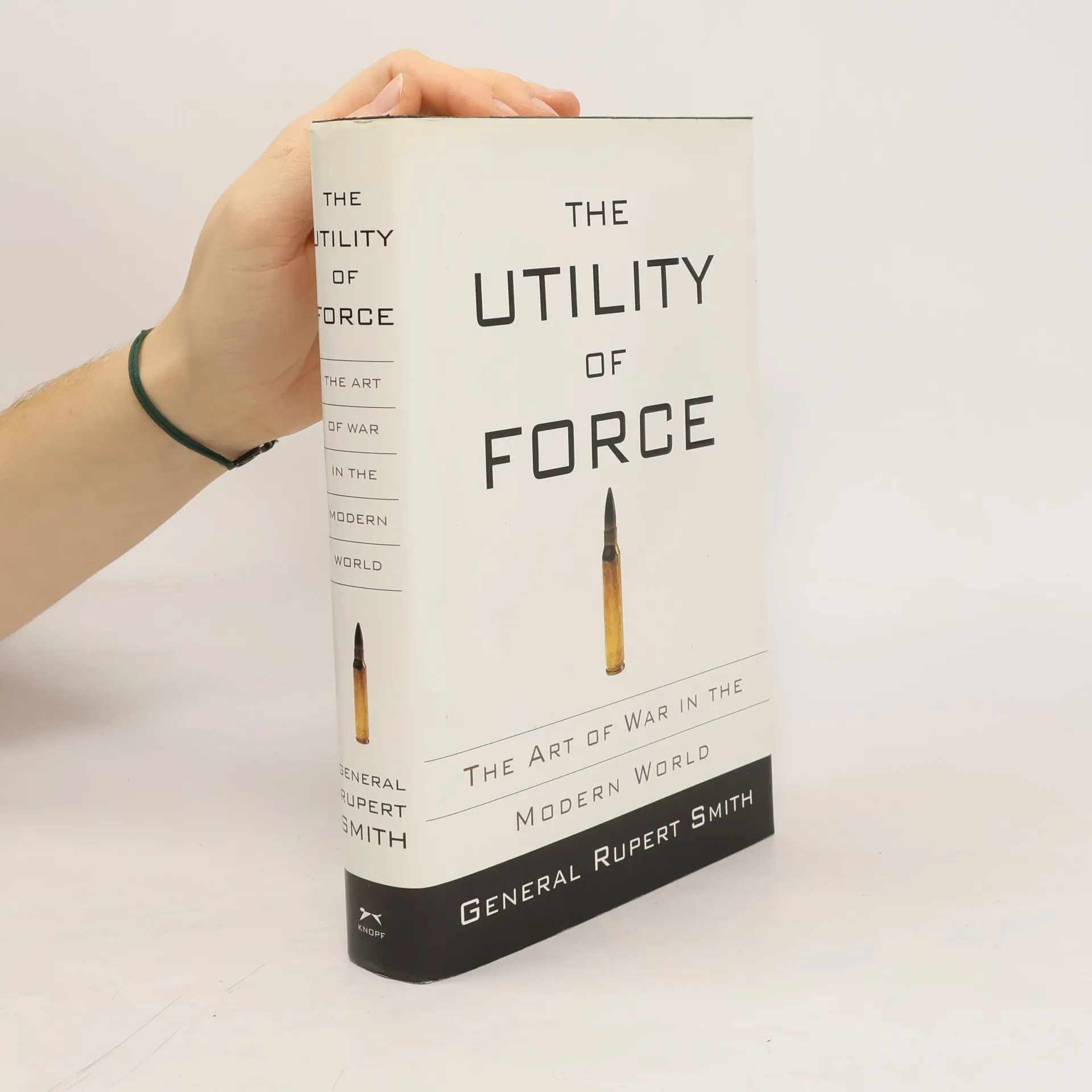
The Utility of Force
- 448 páginas
- 16 horas de lectura
“War no longer exists,” writes General Sir Rupert Smith, powerfully reminding us that the clash of mass national armies—the system of war since Napoleon—will never occur again. Instead, he argues in this timely book, we must be prepared to adapt tactics to each conflict, or lose the ability to protect ourselves and our way of life.General Smith draws on his vast experience as a commander in the 1991 Gulf War, in Bosnia, Kosovo and Northern Ireland, to give us a probing analysis of modern war and to call for radically new military thinking. Why, he asks, do we use armed force to solve our political problems? And how is it that our armies can win battles but fail to solve the problems?From Iraq to the Balkans, and from Afghanistan to Chechnya, Smith charts a stream of armed interventions that have failed to deliver on promises of resolution. He demonstrates why today’s conflicts must be understood as intertwined political and military events. He makes clear why the current one-size-fits-all model of total war, fought out on battlefields, that politicians still cling to must be abandoned in favor of new strategies that take into account the fact that wars are now fought among civilian populations. And he offers a compelling new model for how to fight these battles—and secure our world.Clear, incisive and provocative, The Utility of Force will fundamentally change the way we understand war.
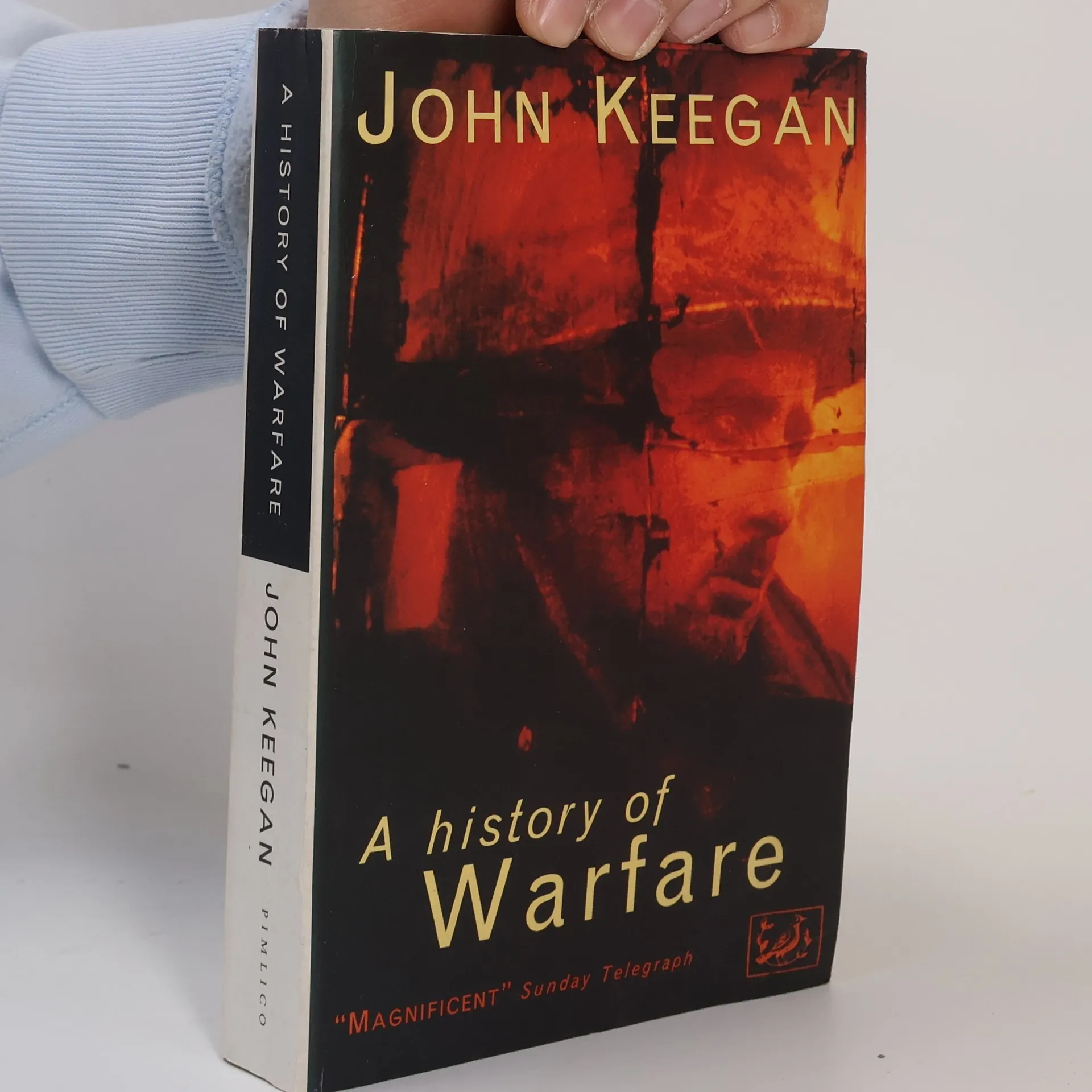
A History of Warfare
- 448 páginas
- 16 horas de lectura
The author has been preparing to write this book during thirty years of reading, research, teaching and commenting on military affairs. It brings together in a single volume the themes explored in his earlier bestselling books and adds to them the insights gained in his visits to many of the world's major battlefields, a lifetime's friendship with soldiers of different armies and his more recent experience as a war correspondent in the Lebanon and the Gulf. 'Our foremost military historian. . . It is the breadth of his grasp of civilisation, as well as the soldier's art, that makes this book so formidable. ' EVENING STANDARD 'A book of breathtaking scope. . . . a tour de force DAILY MAIL 'Swarms with brilliant analysis ans an unrivalled command of military history'. FINANCIAL TIMES
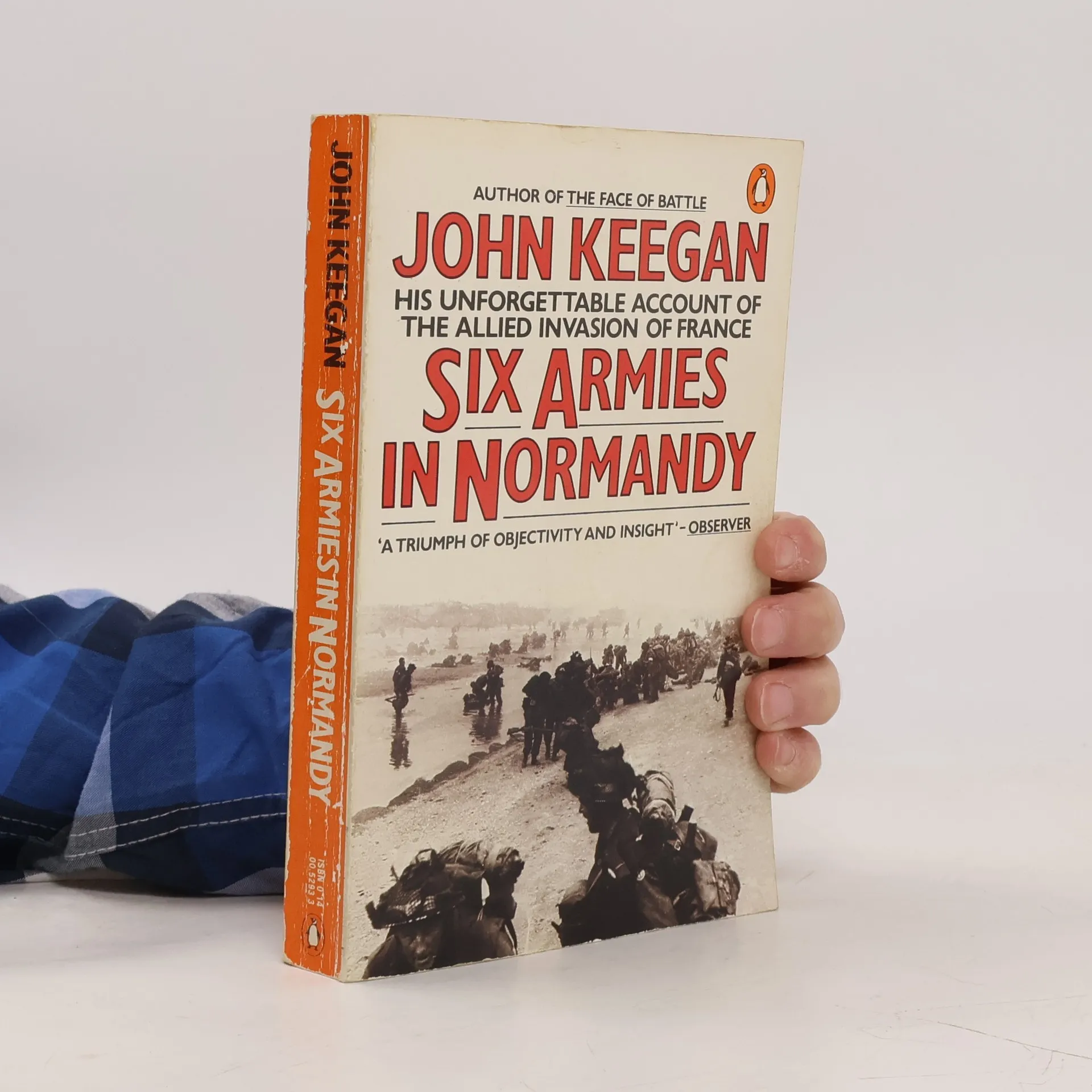
The Allied assault on Normandy beaches was an almost flawless success, but it was to take three months of bitter fighting before the German defence of Normandy finally collapsed and Paris was liberated. While transcending conventional military history, it provides an intensely vivid picture of one of the Second World War's most crucial campaigns.
Winston Churchill
- 208 páginas
- 8 horas de lectura
One of the greatest historians writing today gives us a defining portrait of the incomparable Winston Churchill In his landmark biography of Winston Churchill, acclaimed historian John Keegan offers a very human portrait of one of the twentieth century's enduring symbols of heroic defiance. From Churchill's youth as a poor student to his leadership during World War II, Keegan reveals a man whose own idea of an English past—eloquently embodied in his speeches—allowed him to exhort a nation to unprecedented levels of sacrifice. The result is a uniquely discerning look at one of the most fascinating personalities in history. “The best military historian of our generation.” –Tom Clancy
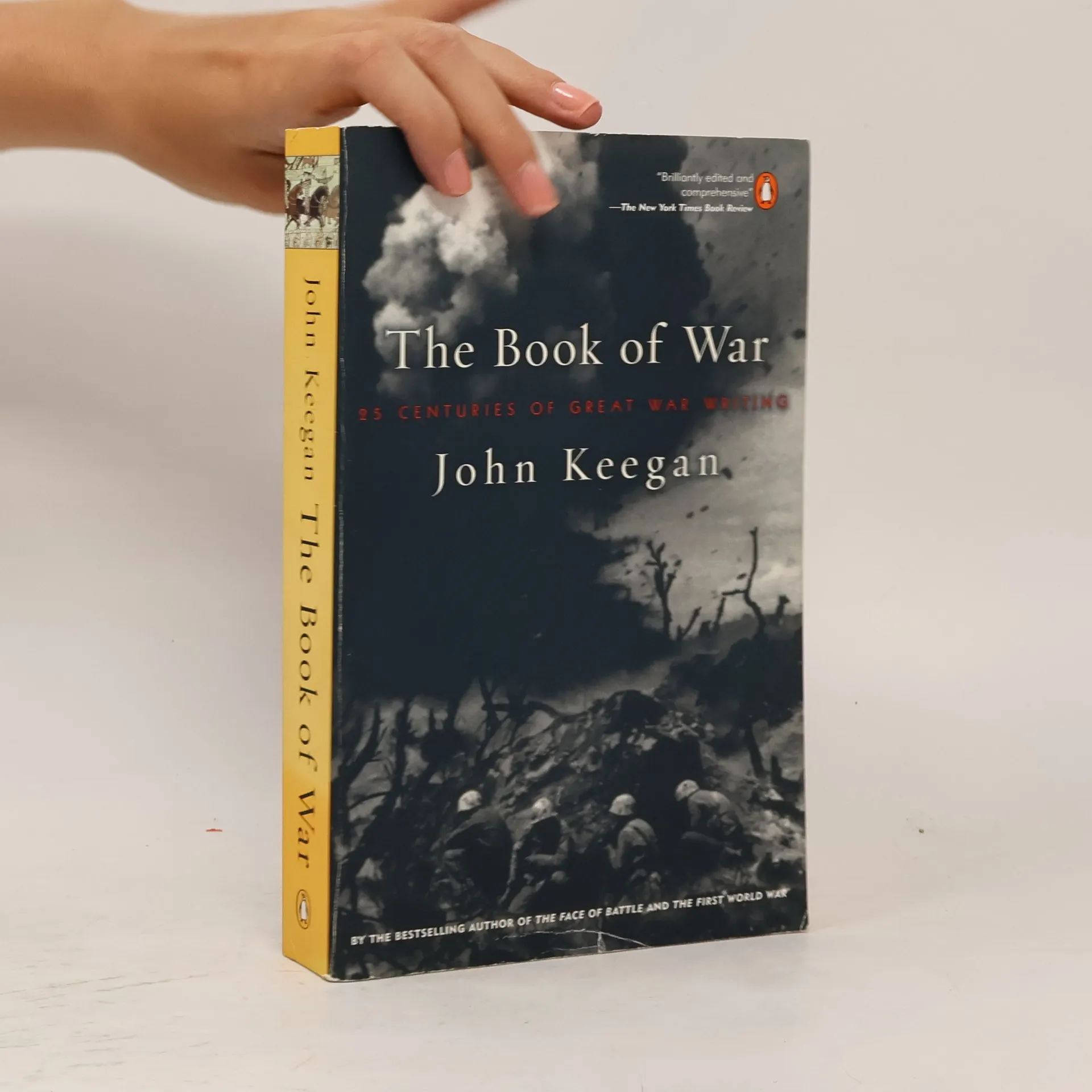
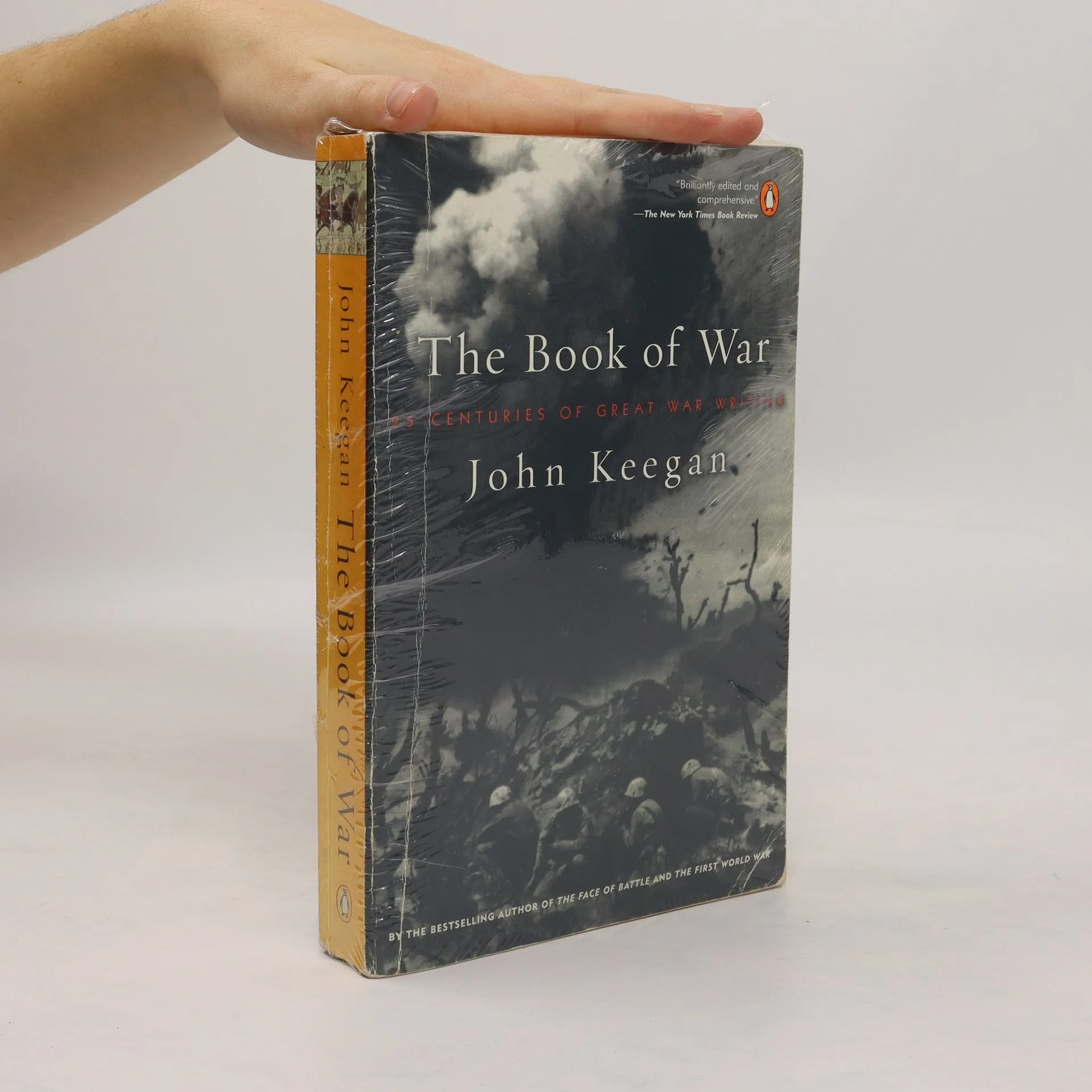
This anthology offers a comprehensive collection of war writing spanning 25 centuries, curated by acclaimed military historian John Keegan. It showcases diverse perspectives on warfare, exploring the evolution of battle narratives and the human experience of conflict. The selection includes notable works that reflect the complexities of military history, providing readers with insights into the strategies, emotions, and consequences of war throughout the ages.
The American Civil War : a military history
- 396 páginas
- 14 horas de lectura
Analyzes many puzzling aspects of the Civil War, from its mismatched sides to the absence of decisive outcomes for dozens of skirmishes, and offers insight into the war's psychology, ideology, and economics while discussing the pivotal roles of leadership and geography
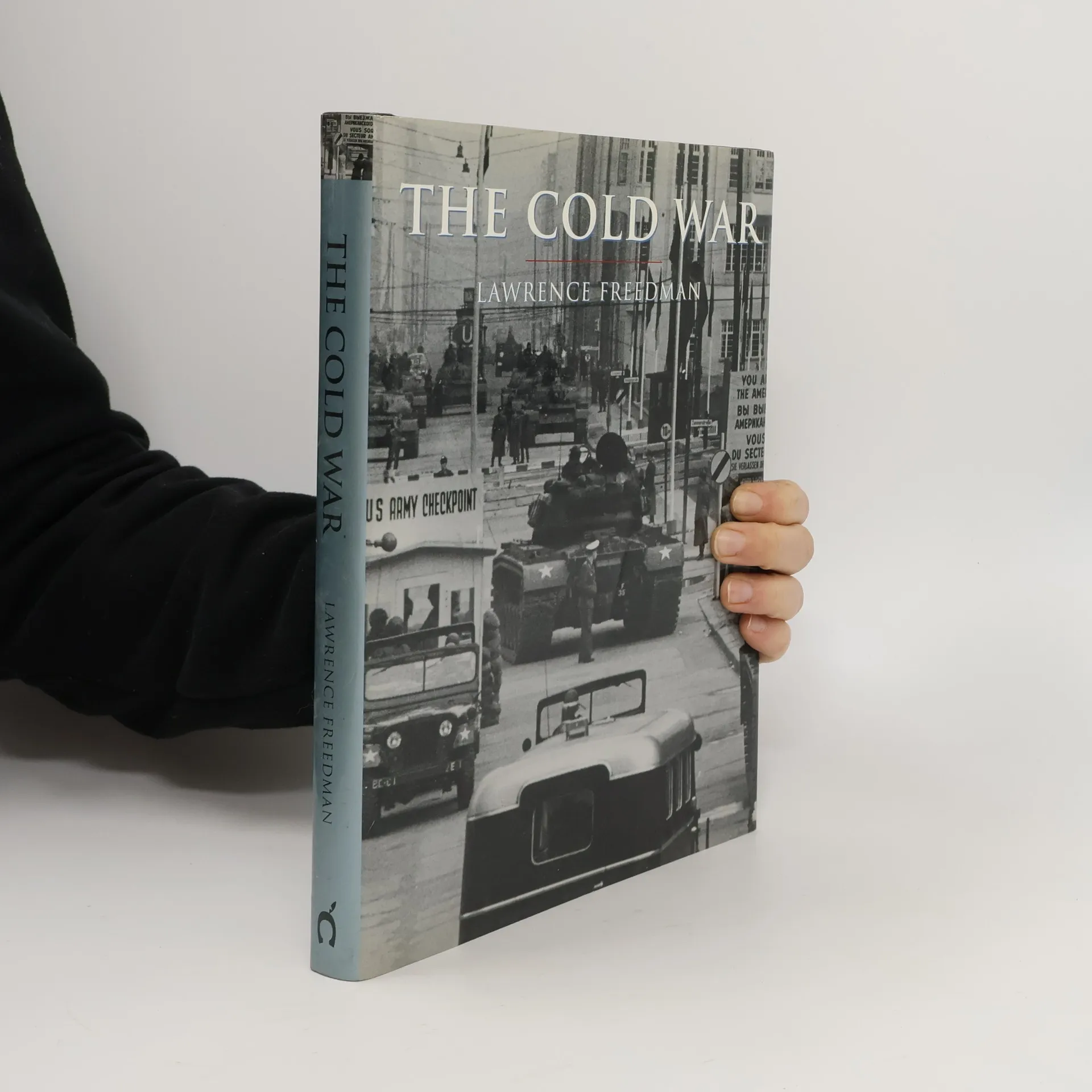
World War Two left two compelling, indelible images that colored the decades to come: the immense force of the Soviet Union's Red Army and the horrific devastation wrought by the atomic bombing of Hiroshima/Nagasaki. For the next half-century, the great powers prepared themselves for another, deadlier international conflagration...one that never happened. Politicians and strategists devoted time, intellectual energy, and financial resources figuring out how to fight--or avoid--nuclear war; meanwhile the industrial complex dedicated itself to producing ever more complex weaponry. Through thoughtful analysis and striking photography, follow the changing expectations during this period, and how these expectations were influenced by the actual experience of limited warfare. From the evolution of nuclear strategy and technology to the effect of Korea and Vietnam to contemporary conflicts like Desert Storm, you'll see how a revival of conventional strategy has raised the possibility of a revolution in military affairs.
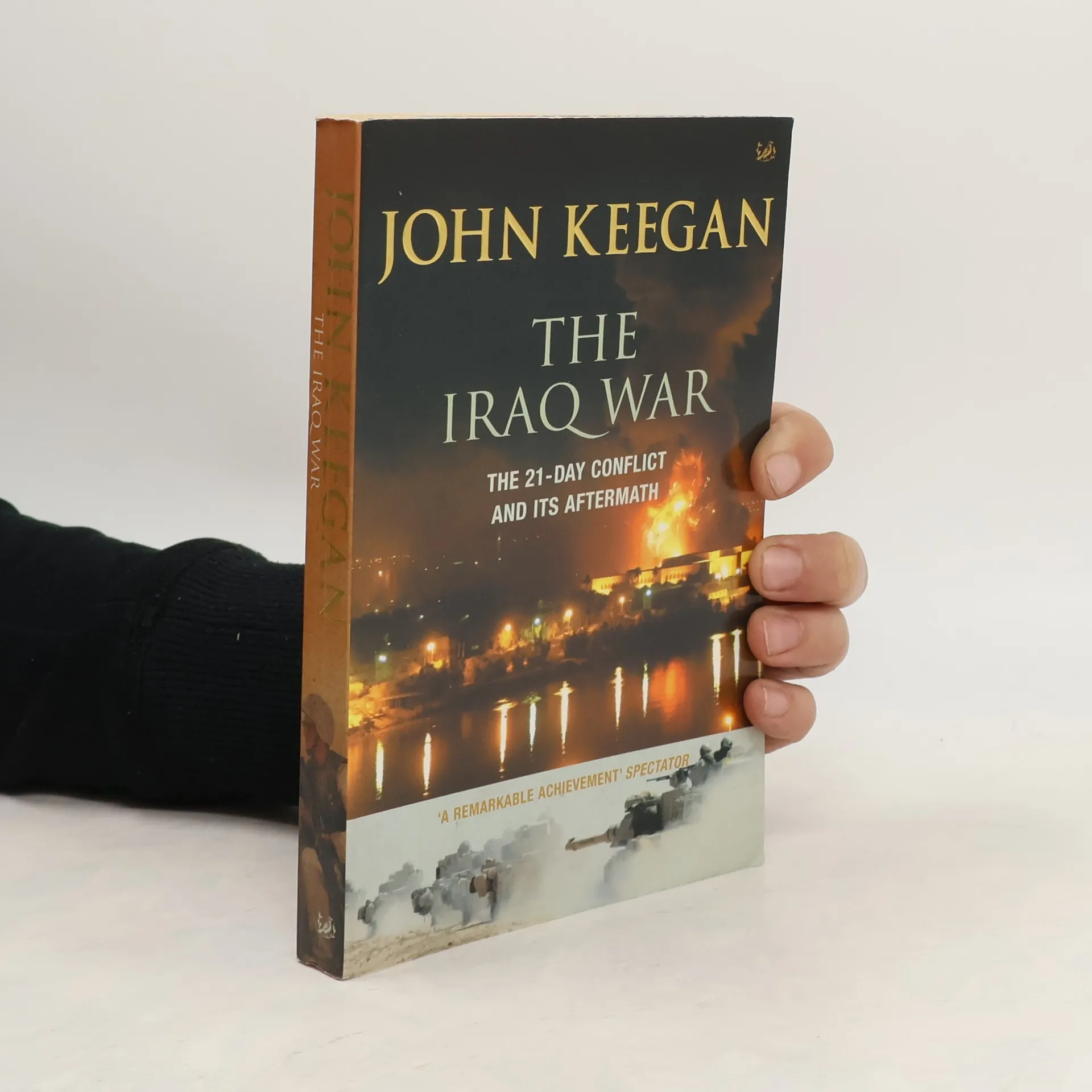
The Iraq War
- 260 páginas
- 10 horas de lectura
The Iraq War remains highly controversial, but in all the uncertainty about weapons of mass destruction, the use and misuse of intelligence, it remains an awesome military and political event and a formidable exercise in American power aided by the British army. Throughout the war and beyond it, John Keegan's analysis proved more accurate than any other commentator's, and now he brings his unrivalled knowledge of military history to bear on the war, its conduct and consequences. Written with special access to new sources of information, this book is the most authoritative and challenging account of a war which could both set the pattern for military conflicts in the 21st century and significantly affect the world political order.
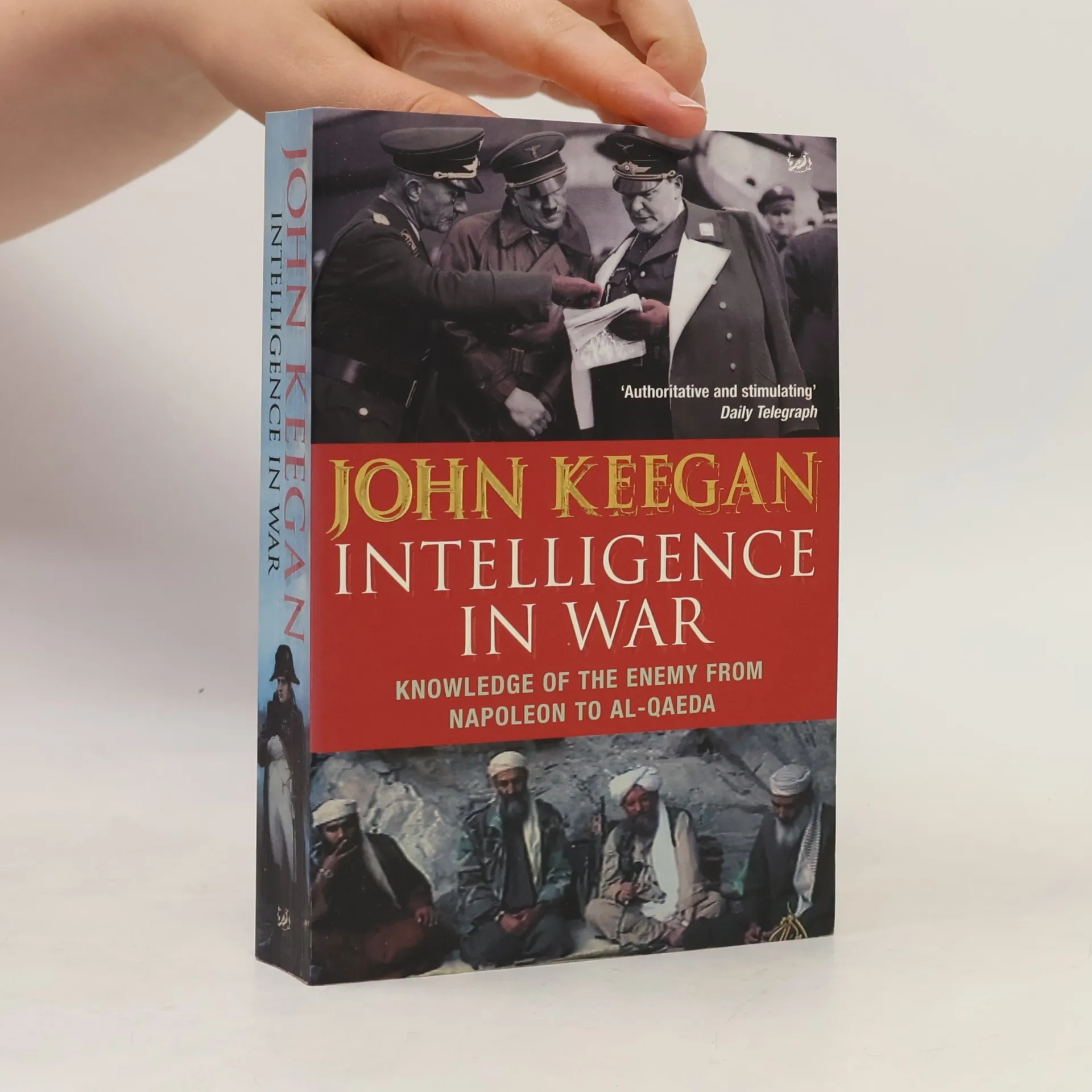
'No war can be conducted successfully without early and good intelligence,' wrote Marlborough, and from the earliest times commanders have sought knowledge of the enemy, his strengths and weaknesses, his dispositions and intentions.
War and our world
- 87 páginas
- 4 horas de lectura
War has afflicted the life of mankind in this century as it has done in no other. The First World War killed ten million people, the Second fifty million, and wars since 1945 have killed millions more. Nuclear weapons, a product of the Second World War, have the potentiality not only to destroy lives on a scale greater than any yet explained or even imagined but to obliterate organised society itself. Because the story of war is intertwined with that of mankind from the earliest recorded times, no short book can encompass its whole history. John Keegan therefore concentrates in significant themes: the impact of war on our century and the forms it has taken; the origin of war in human nature and history; the adoption and use of war by states as an instrument of policy; the experience of war by individuals and human groups and its effect on their existence; and, finally, the future of war, particularly the question whether there can now be an end to it.
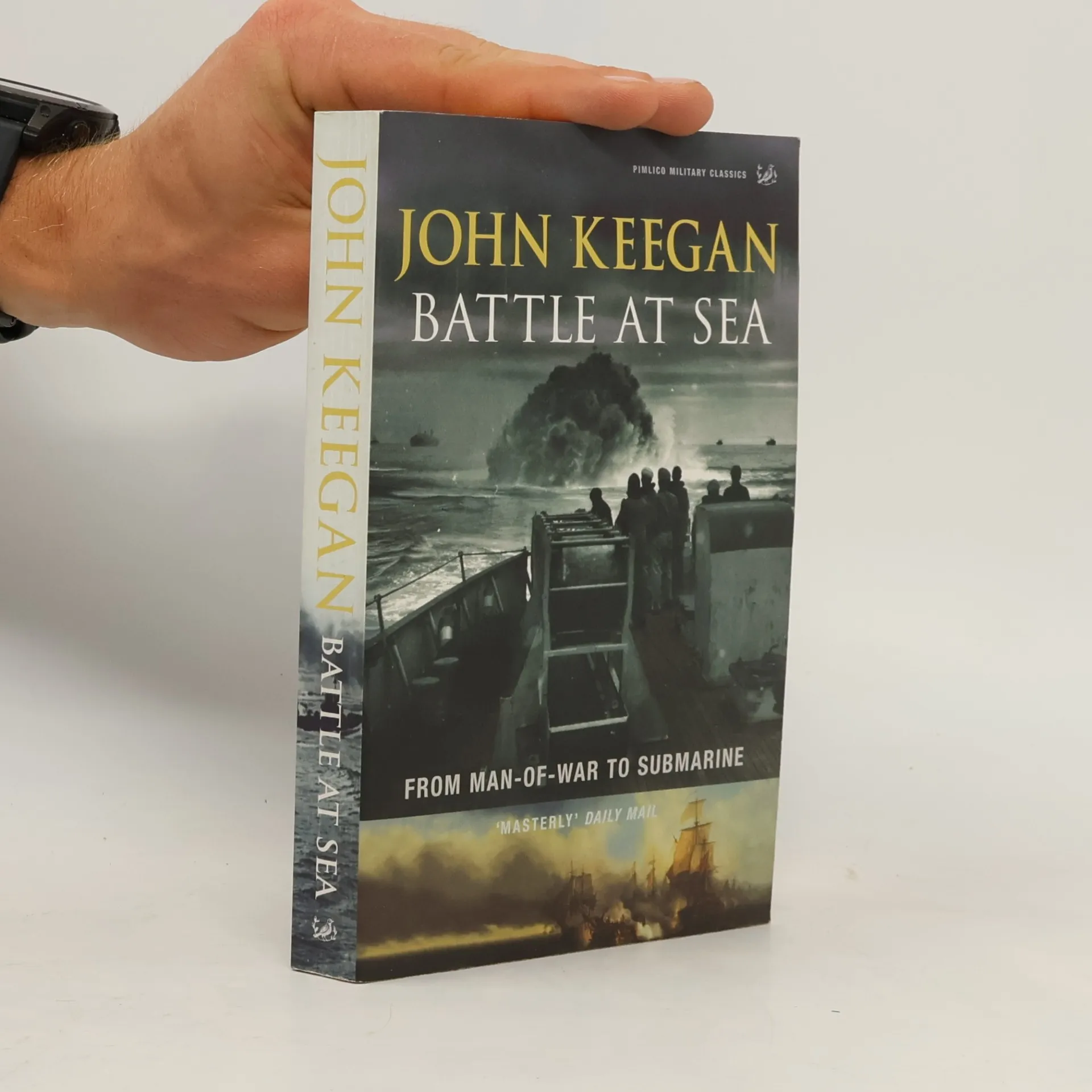
In Battle at Sea, Sir John Keegan applies to maritime warfare the technique that he put to such brilliant effect in his classic of war on land, The Face of Battle. He concentrates on four key conflicts: Trafalgar, Jutland, Midway and the Battle of the Atlantic.
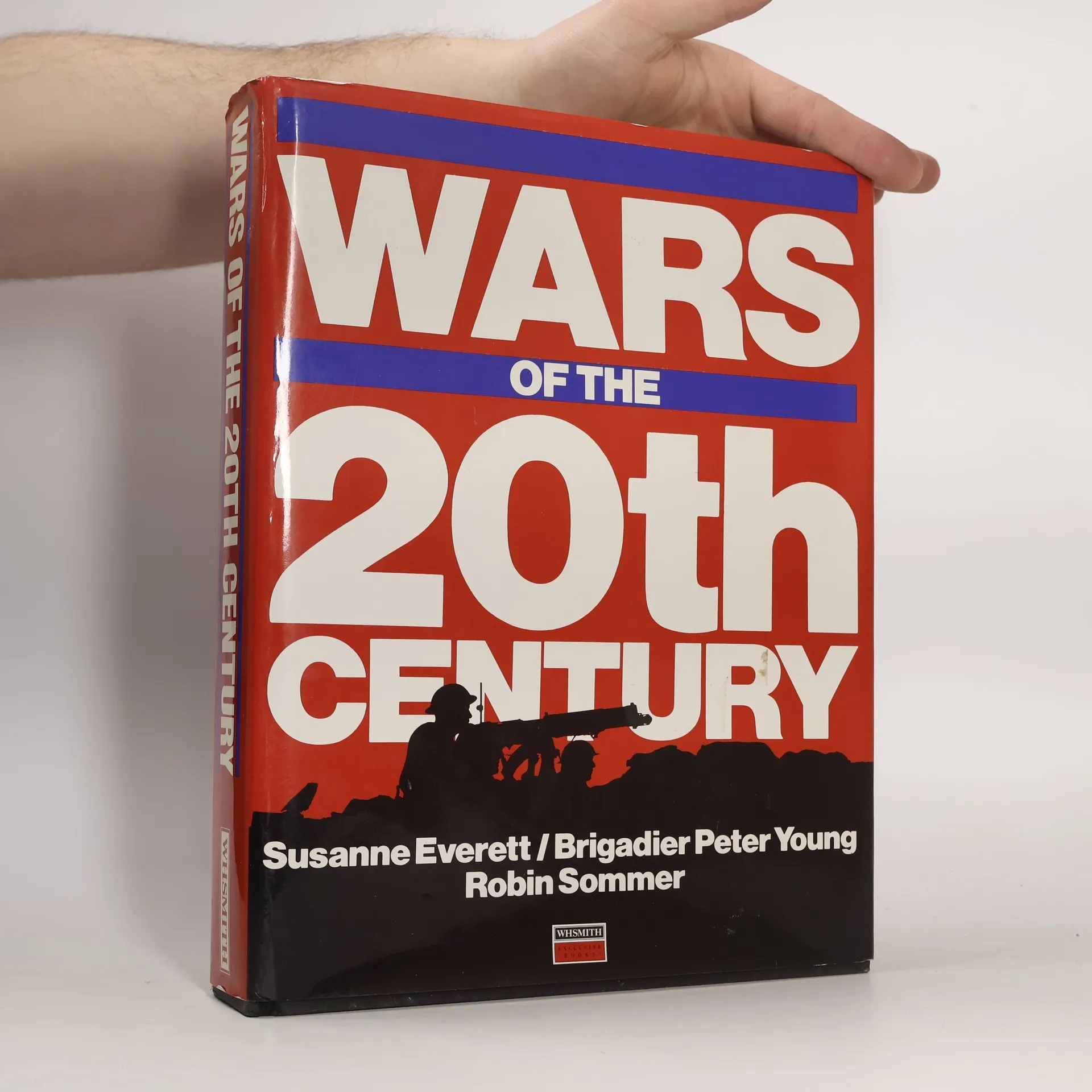
Wars of the 20th Century
- 560 páginas
- 20 horas de lectura
This book is illustrated by over 800 photos, many of them in color, maps, technical illustrations and tabular material that help convey the full import of the struggles of our time.
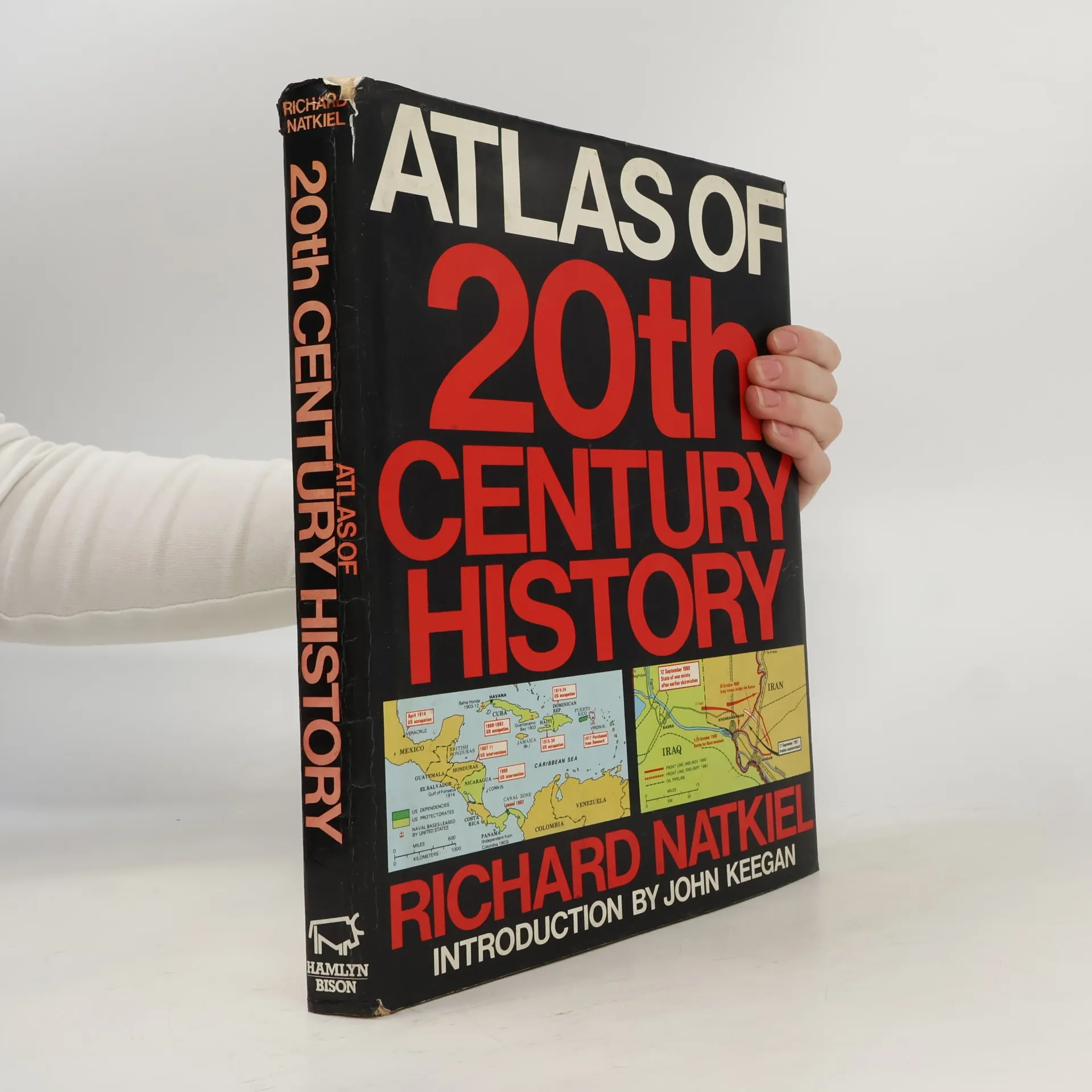
Atlas of 20th Century History
- 256 páginas
- 9 horas de lectura
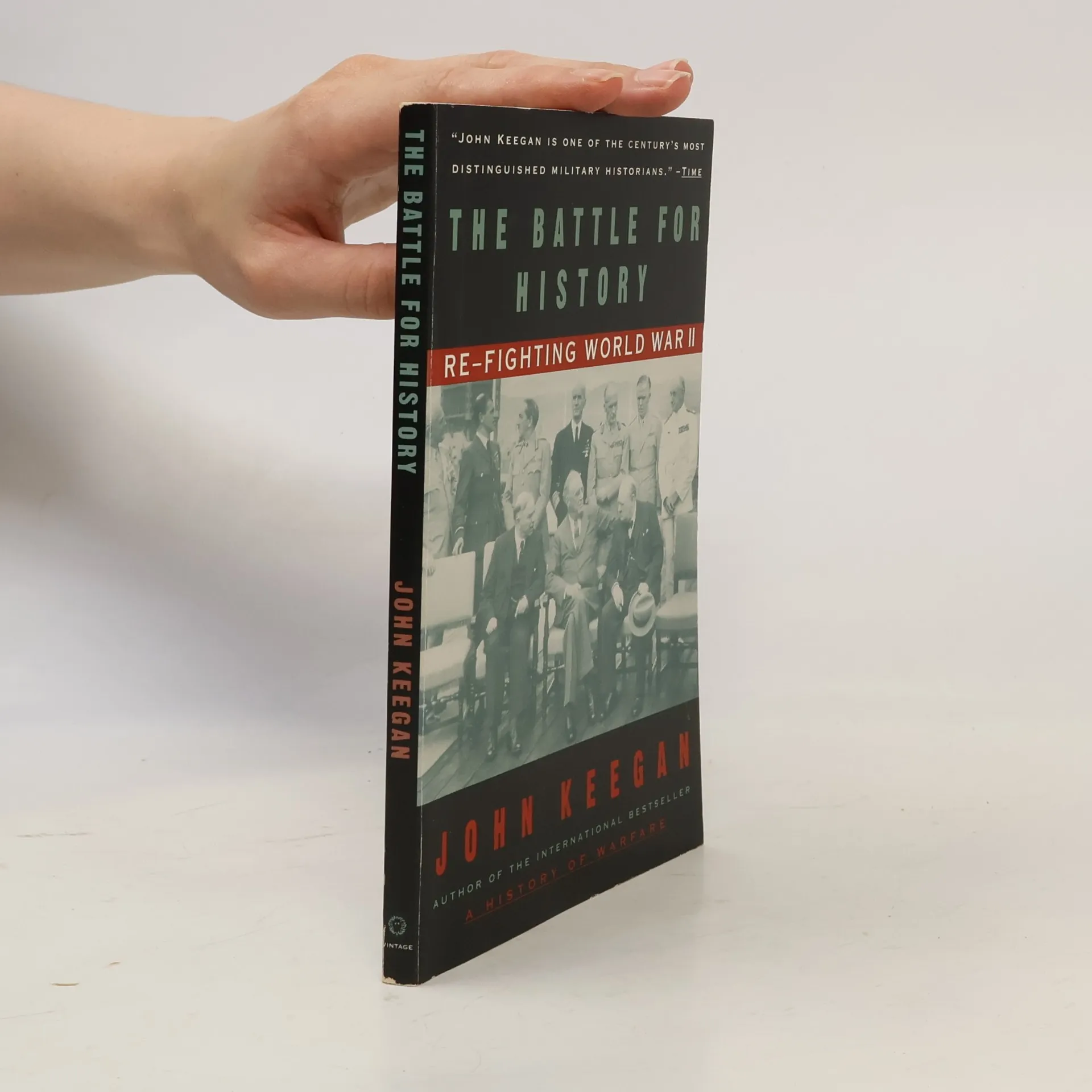
With the same erudition, discernment, and crisp prose that made his A History of Warfare an international bestseller, Keegan surveys the literature of World War II, identifying the works he finds most important and illuminating while examining the sometimes savage controversies raised by two generations of the war's historians.
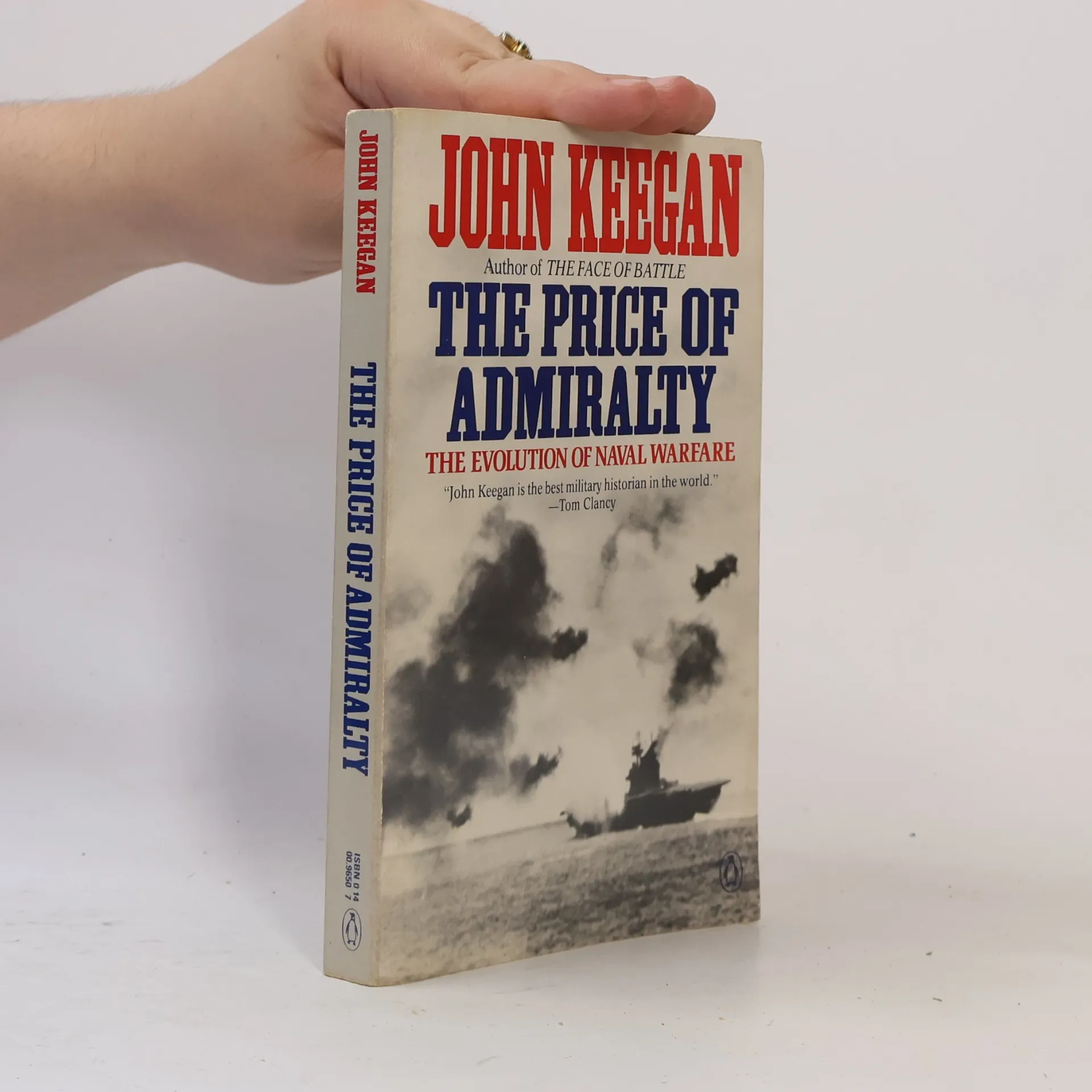
The Price of Admiralty
The Evolution of Naval Warfare from Trafalgar to Midway
- 353 páginas
- 13 horas de lectura
Military historian John Keegan’s gripping history of naval warfare’s evolution. In The Price of Admirality, leading military historian John Keegan illuminates the history of naval combat by expertly dissecting four landmark sea battles, each featuring a different type of warship: the Battle of Trafalgar, the Battle of Jutland in World War I, the Battle of Midway in World War II, and the long and arduous Battle of the Atlantic. “The best military historian of our generation.”—Tom Clancy “The Price of Admirality stands alongside Mr. Keegan’s earlier works in its power to impart both the big and little pictures of war.”—The New York Times
Encyclopedia of World War II
- 256 páginas
- 9 horas de lectura
Militærhistorie, krigshistorie, verdesnhistorie, 2. Verdenskrig, 1939-1945 - bredt generelt engelsk opslagsværk, en encyklopædi, fra 1977, over 2. Verdenskrig. Beskriver kortfattet, men informativt krigens begivenheder, fronter, slag, kampe, felttog, generaler, politikere, hærførere, feltherrer, våben, hærstyrker, operationer, begreber, etc. Albabetisk ordnet, mange illustrationer, tekniske tegninger og definitioner, forklaringer, oplysninger og informationer, oversigter, m.m.
História druhej svetovej vojny - nástenná mapa
- 15 páginas
- 1 hora de lectura
História druhej svetovej vojny s viac ako 1000 položkami a 275 mapami a fotografiami zahŕňa všetky aspekty vojny podrobným a zrozumiteľným spôsobom. Vojnové udalosti aj medzinárodné dianie sú rozdelené do 13 oddielov. Pre lepšie pochopenie sa uvádza viac ako 45 ťažení, taktických plánov a udalostí podrobne spracovaných ako osobitné časti. Štrnásť farebných "panelov" (strán) poskytuje grafický dokument o dĺžke takmer 5 metrov.
Stručné životopisy vybraných britských generálů působících v období druhé světové války. Jde o sborník prací 16 autorů s úvodem Johna Keegana.
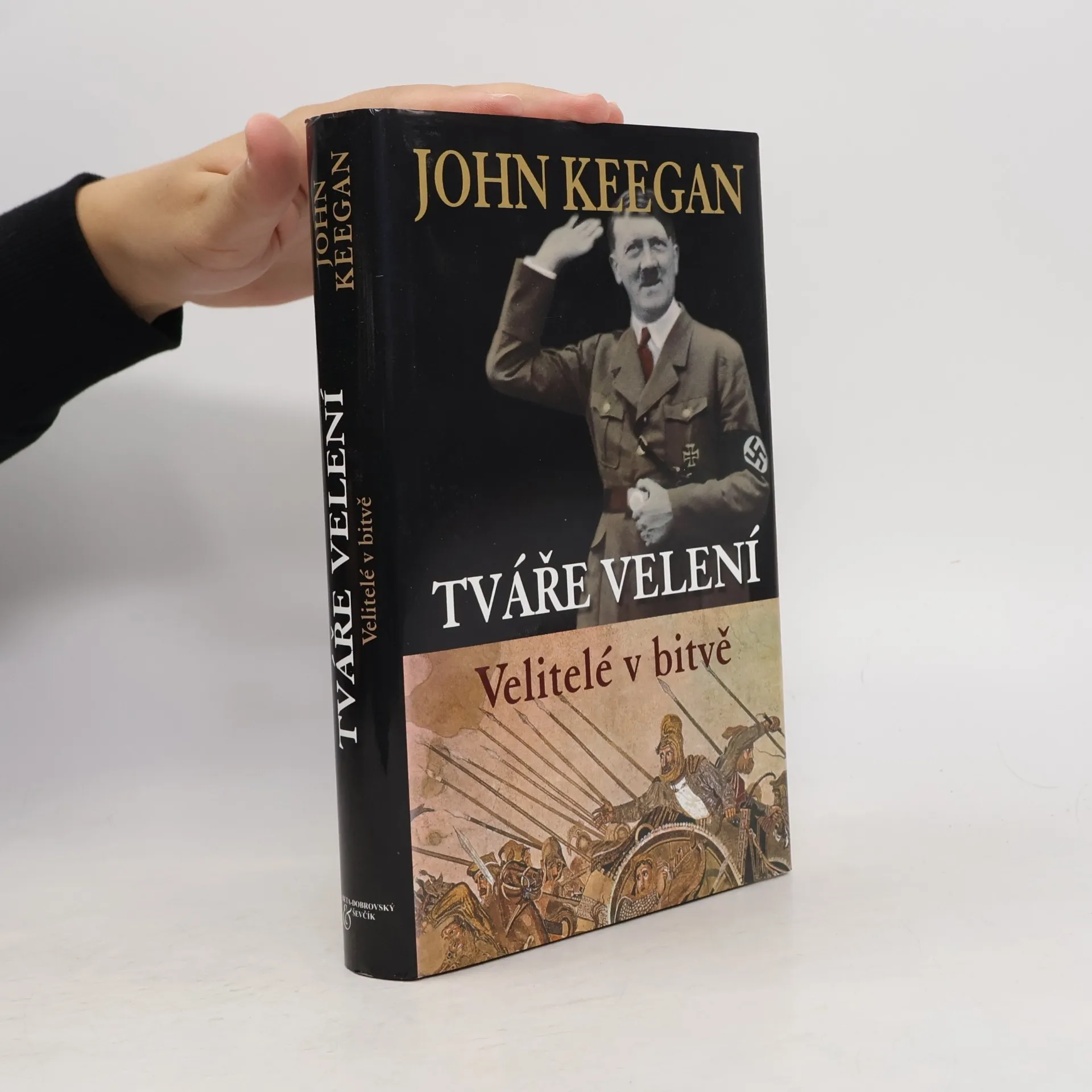
Tváře velení. Velitelé v bitvě.
- 311 páginas
- 11 horas de lectura
Tváře velení je kniha o generálech. Kdo byli, co dělali a jaký měli vliv na svět, ve kterém žijeme. Většina studií o špičkovém velení je zaměřena na charakter nebo chování dotyčných osob. Ačkoliv tyto otázky nejsou v této knize nijak opomíjeny, hlavní důraz je kladen na samotné válečné umění těchto velitelů. Jejich činy nám pak přinášejí klíč k porozumění jednotlivých historických epoch. Prostřednictvím portrétů čtyř vojevůdců - Alexandra Velikého, Wellingtona, U.S. Granta a Hitlera. John Keegan předkládá názor na hrdinství ve válečnictví jako fenomén spojený s politickým imperativem dané epochy a místa. Dokazuje, jak se role vojevůdce mění s ethosem společnosti, jež ho vytvořila a dochází k závěru, že ve světě jaderných zbraní není pro heroismus místo.
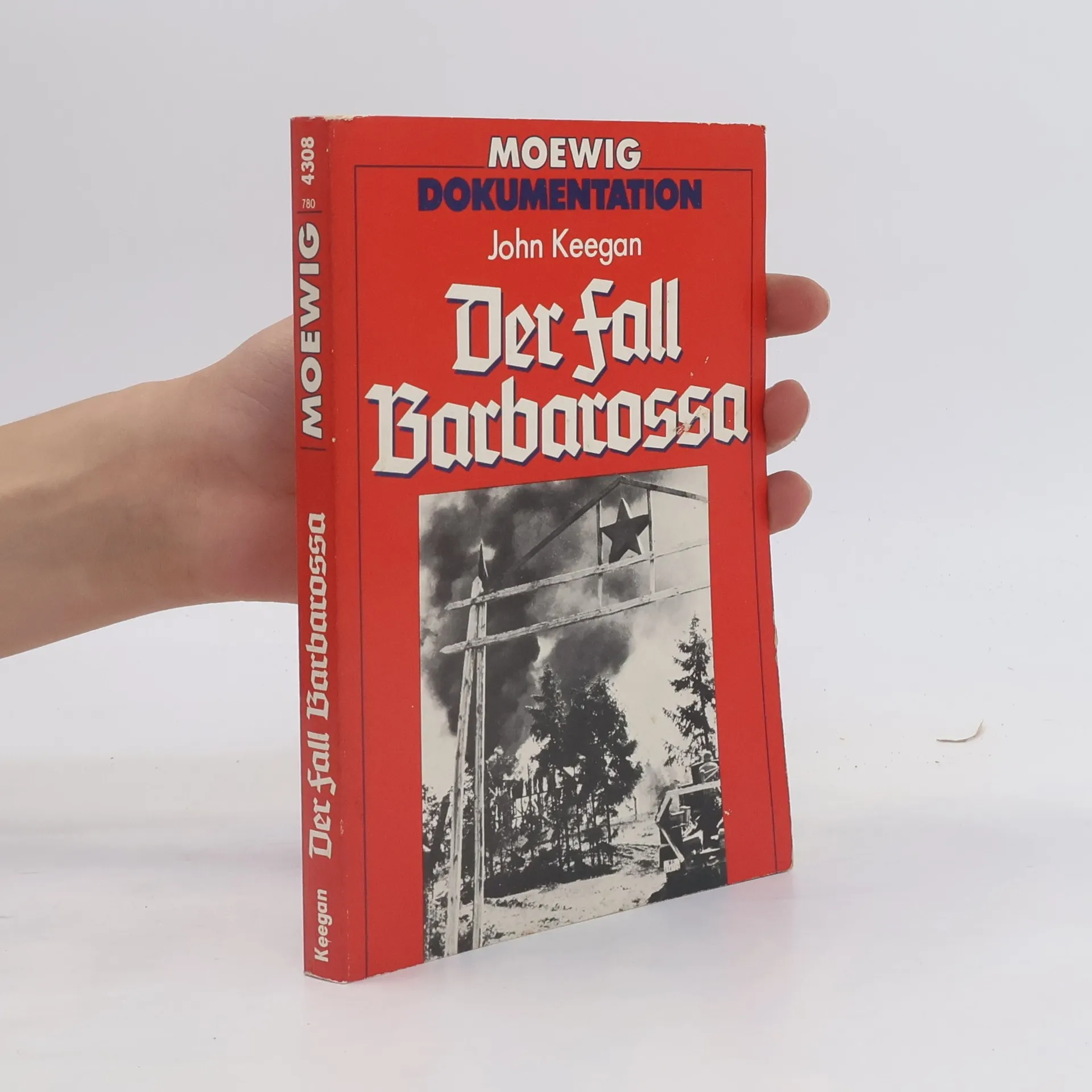
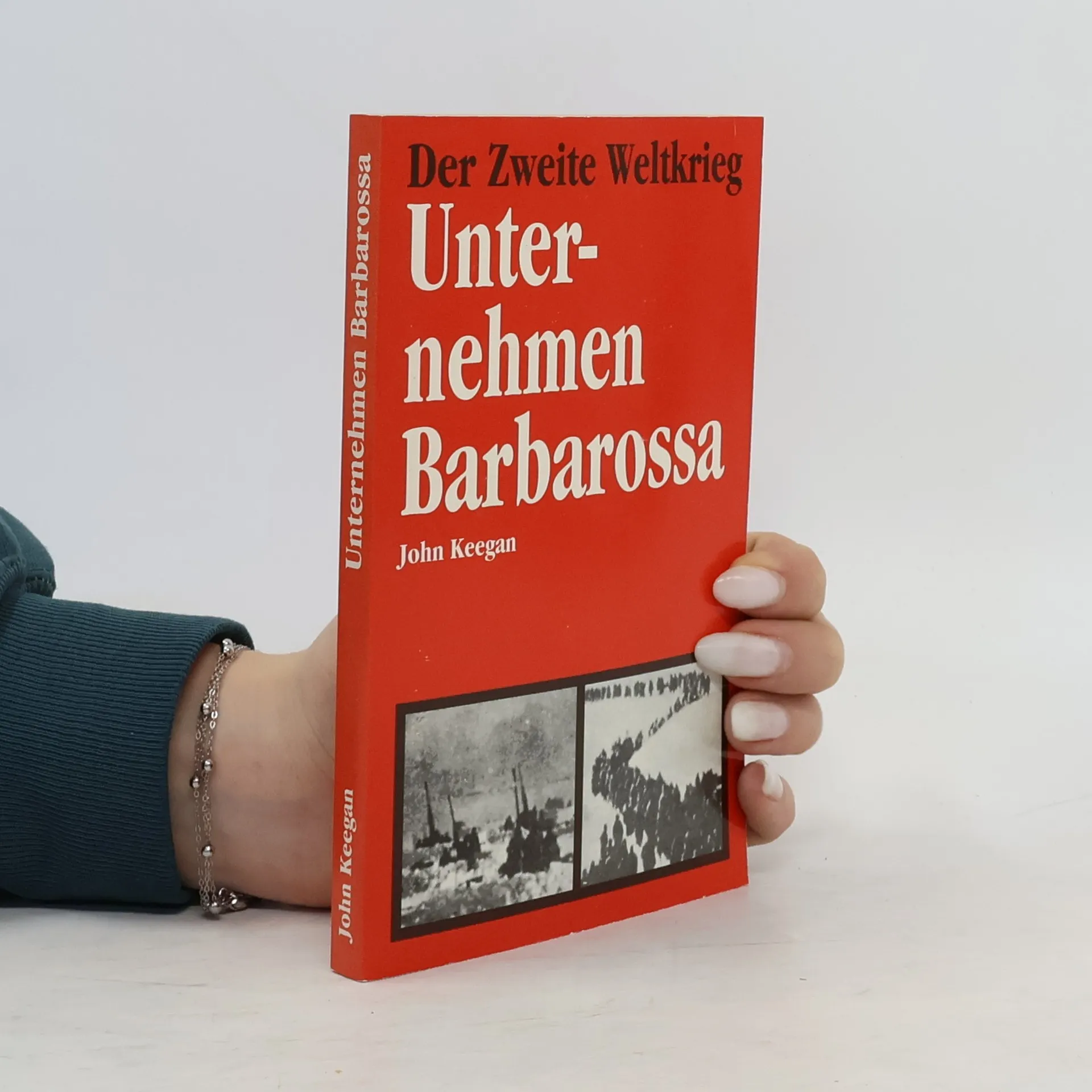
Der Fall Barbarossa
- 159 páginas
- 6 horas de lectura
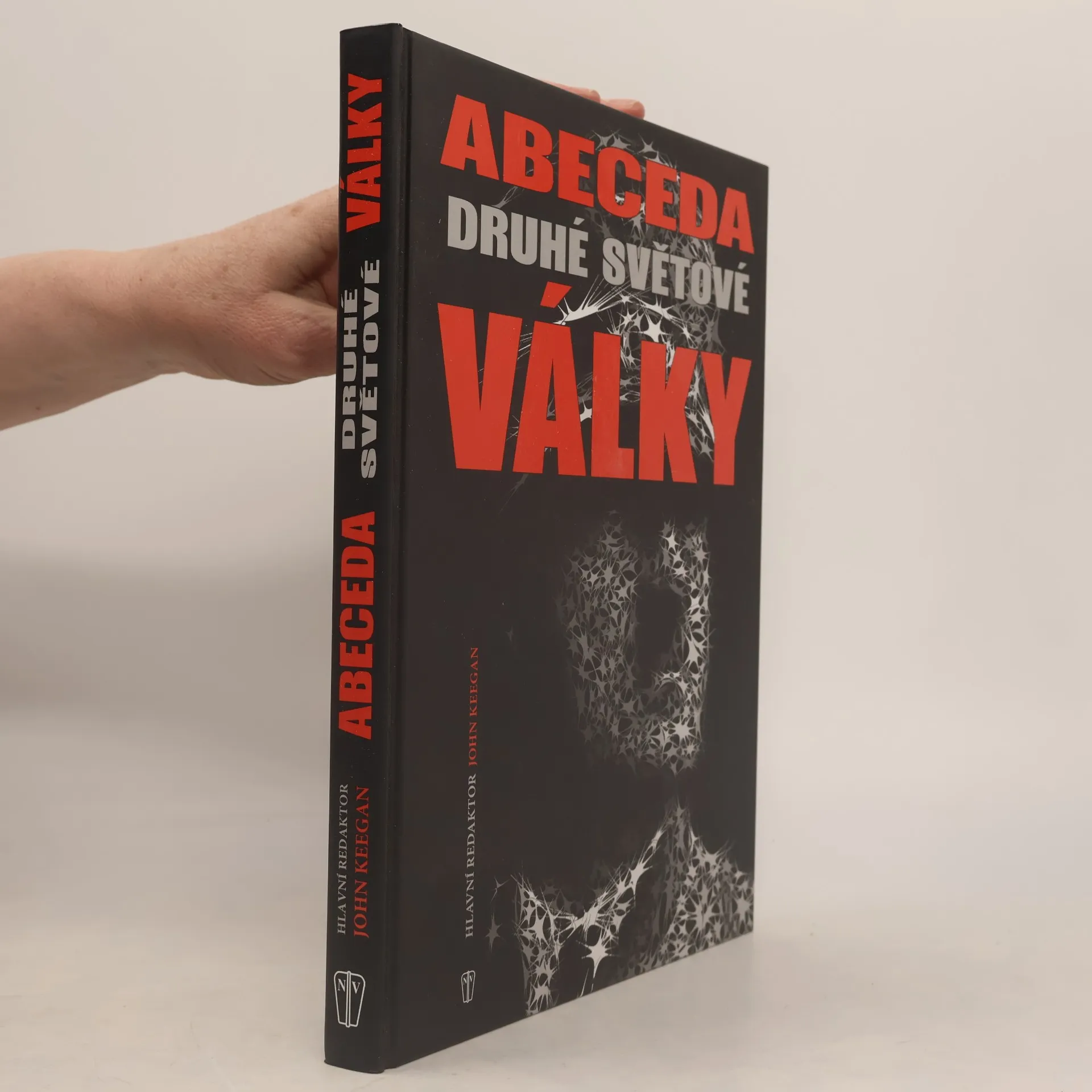
Abeceda druhé světové války
- 254 páginas
- 9 horas de lectura
Encyklopedie se zabývají především fakty a tahle Abeceda takovému pojetí odpovídá. Obsahuje podrobné popisy každé významné zbraně a zbraňového systému, používaných v průběhu války oběma bojujícími stranami: lodě a třídy lodí, letouny, tanky a obrněná vozidla, děla a ruční zbraně. Uvádí stovky stručných životopisů vojevůdců a významných osobností. Jsou v ní popsány přehledy hlavních tažení a bitev na všech frontách a vzájemné souvislosti jejich výsledků.
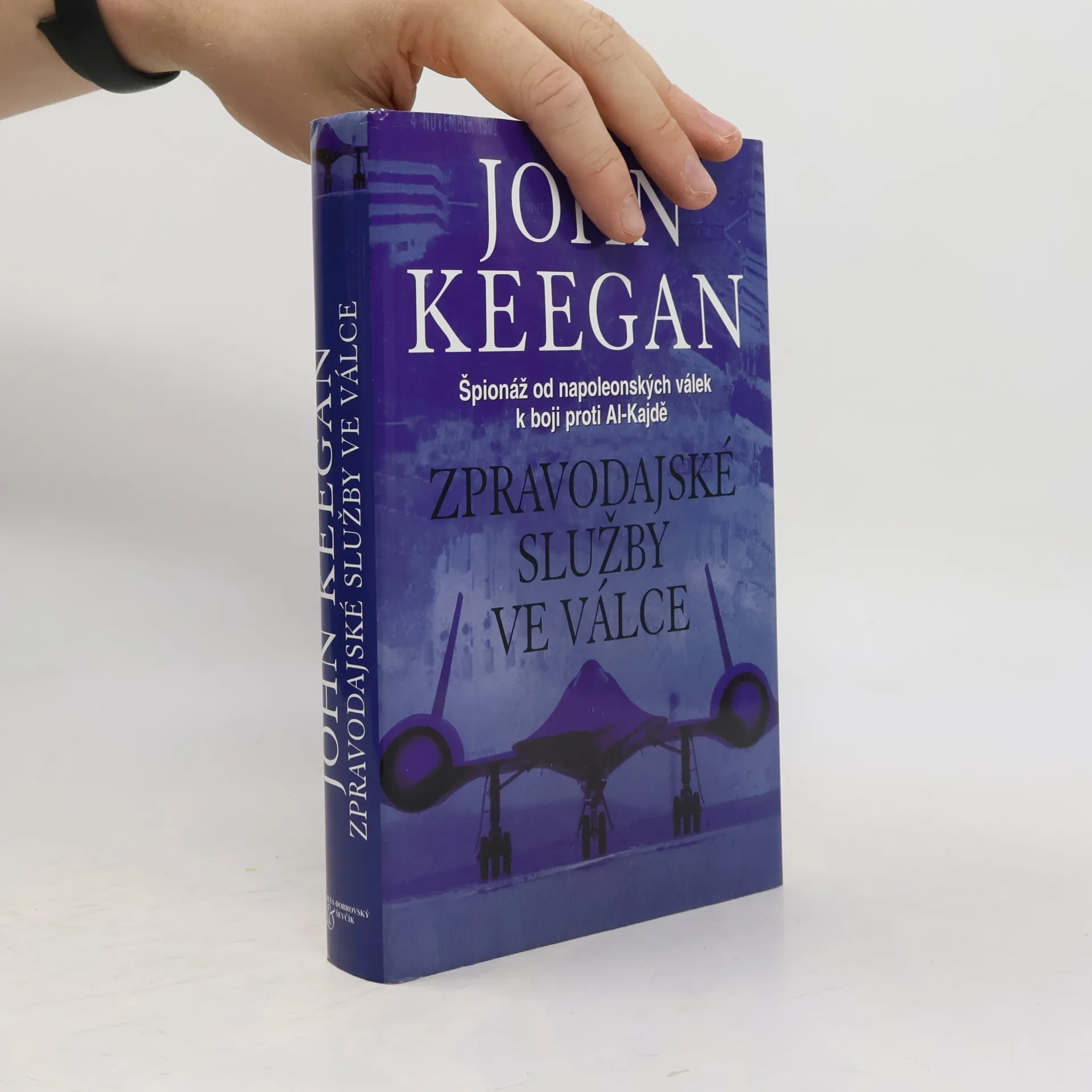
Zpravodajské služby ve válce. Pátrání po nepříteli od Napoleona k Al-Kajdě
- 348 páginas
- 13 horas de lectura
Pátrání po nepříteli od Napoleona k Al-Kajdě Žádná válka současnosti nemůže být vedena úspěšně bez dobré a pohotové zpravodajské služby. Už vojevůdci dávných časů potřebovali informace o nepříteli, o jeho síle a slabostech, o jeho dispozicích a úmyslech. Ale jaký skutečný význam mají tyto informace v praxi - uprostřed bitevního pole? Jeden z nejznámějších britských vojenských historiků se ve své knize zaměřil na sílu a cenu špionáže v průběhu velkých konfliktů v novodobých lidských dějinách. Od napoleonských bitev až po sofistikované elektronické války a boj proti terorismu současnosti. Keegan odkrývá zákulisí této činnosti a umožňuje pochopit význam a výsledek mnoha bojových operací.
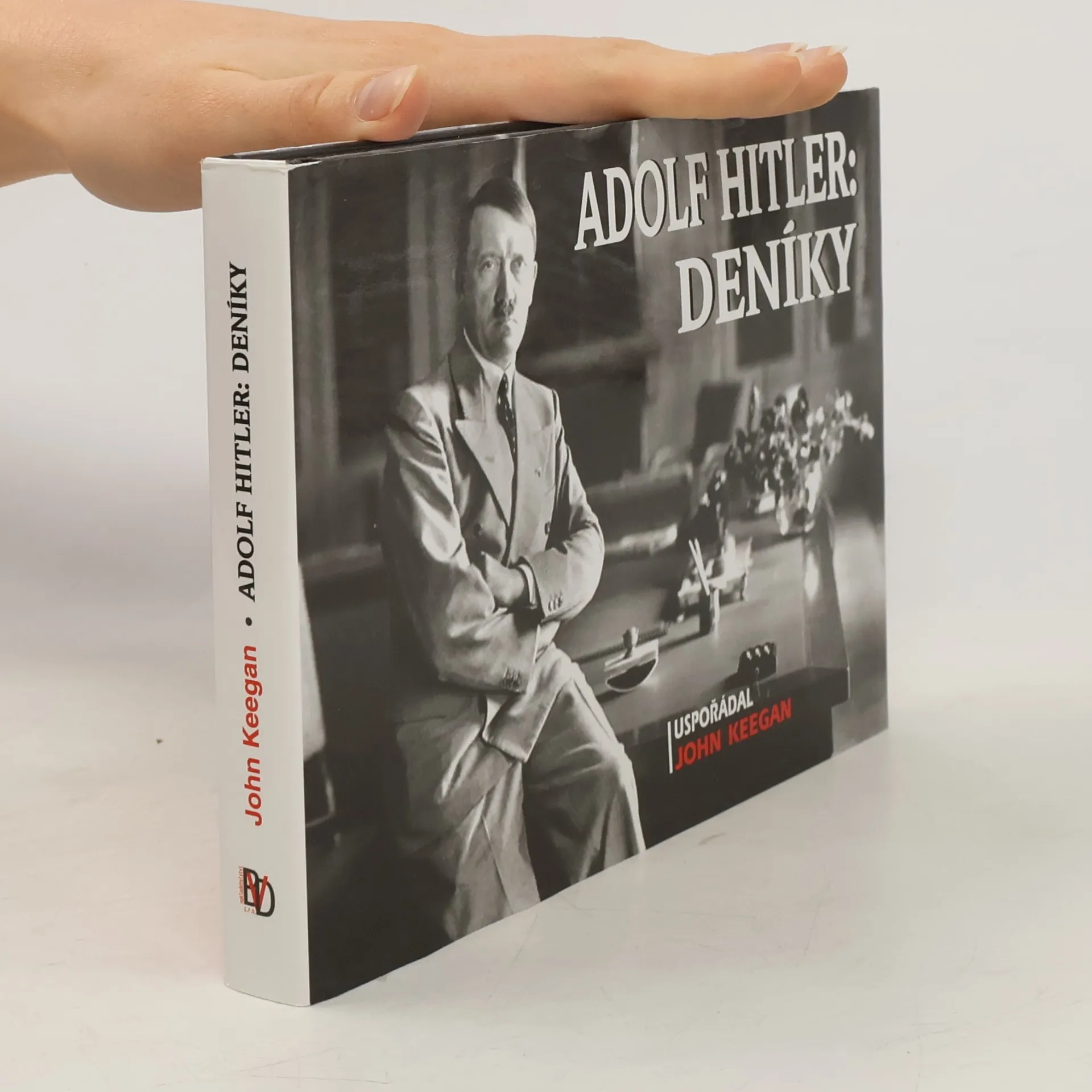
Unikátní svědectví událostí let 1938-1945 očima samotného Adolfa Hitlera pocházejí ze dvou zdrojů. Jednak z osobního archívu Vůdce, který zajistila na Berghofu v dubnu 1945 III. americká armáda, jednak z písemných záznamů osobního Hitlerova fotografa Heinricha Hoffmanna. Tyto neobyčejné cenné prameny skončily poválce v USA a teprve v posledních letech byly zpracovány do podoby, se kterou se má možnost seznámit i český čtenář. Úhel pohledu hlavního režiséra událostí, které ovlivnily život celé planety, je samozřejmě zcela odlišný od oficiálních výkladů historiků vítězných mocností.
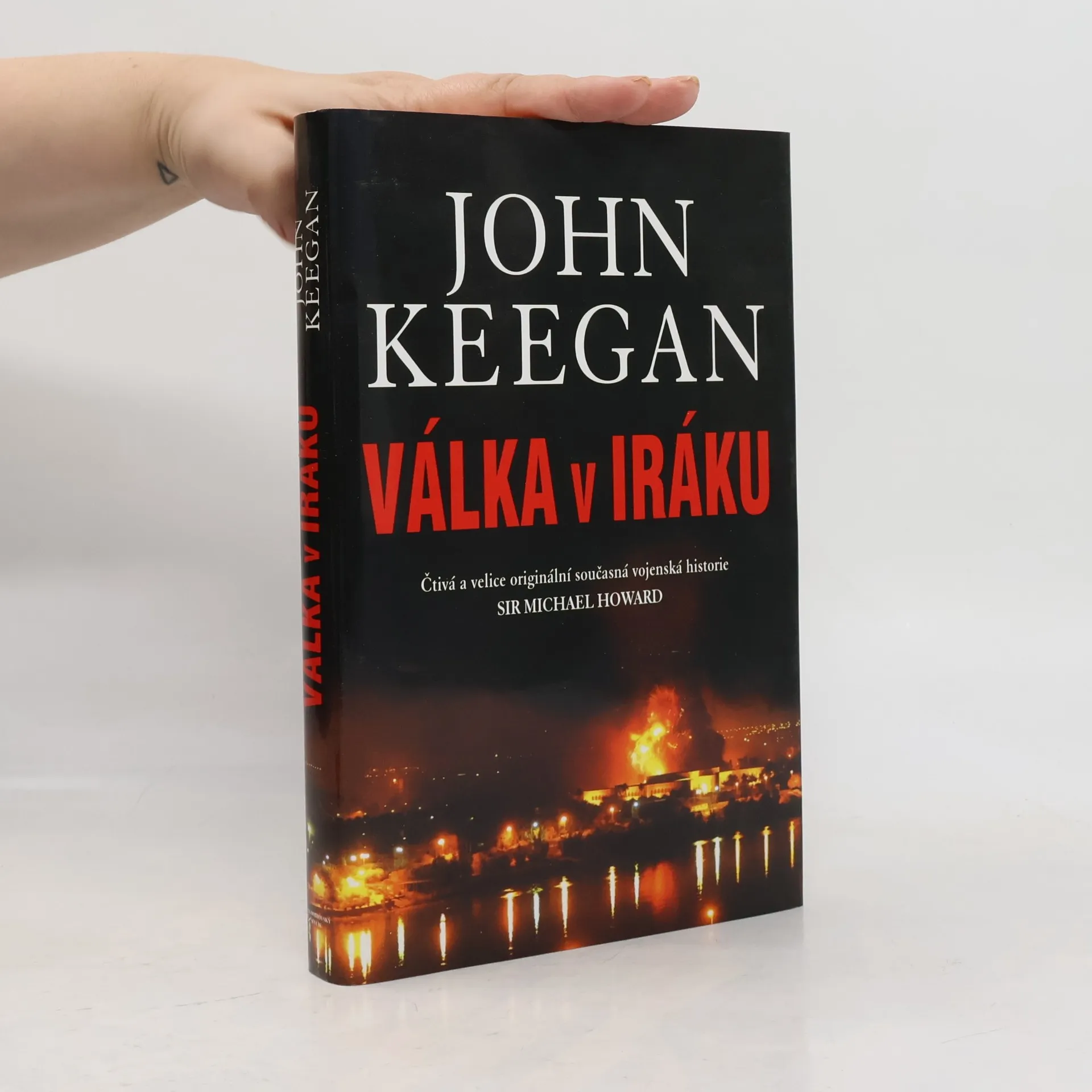
Válka v Iráku
- 204 páginas
- 8 horas de lectura
Je to přesvědčivá publikace o zpravodajských a jiných informačních zdrojů na jejímž podkladě Bush a Blair došli k závěru, že musí jít do války proti Iráku.
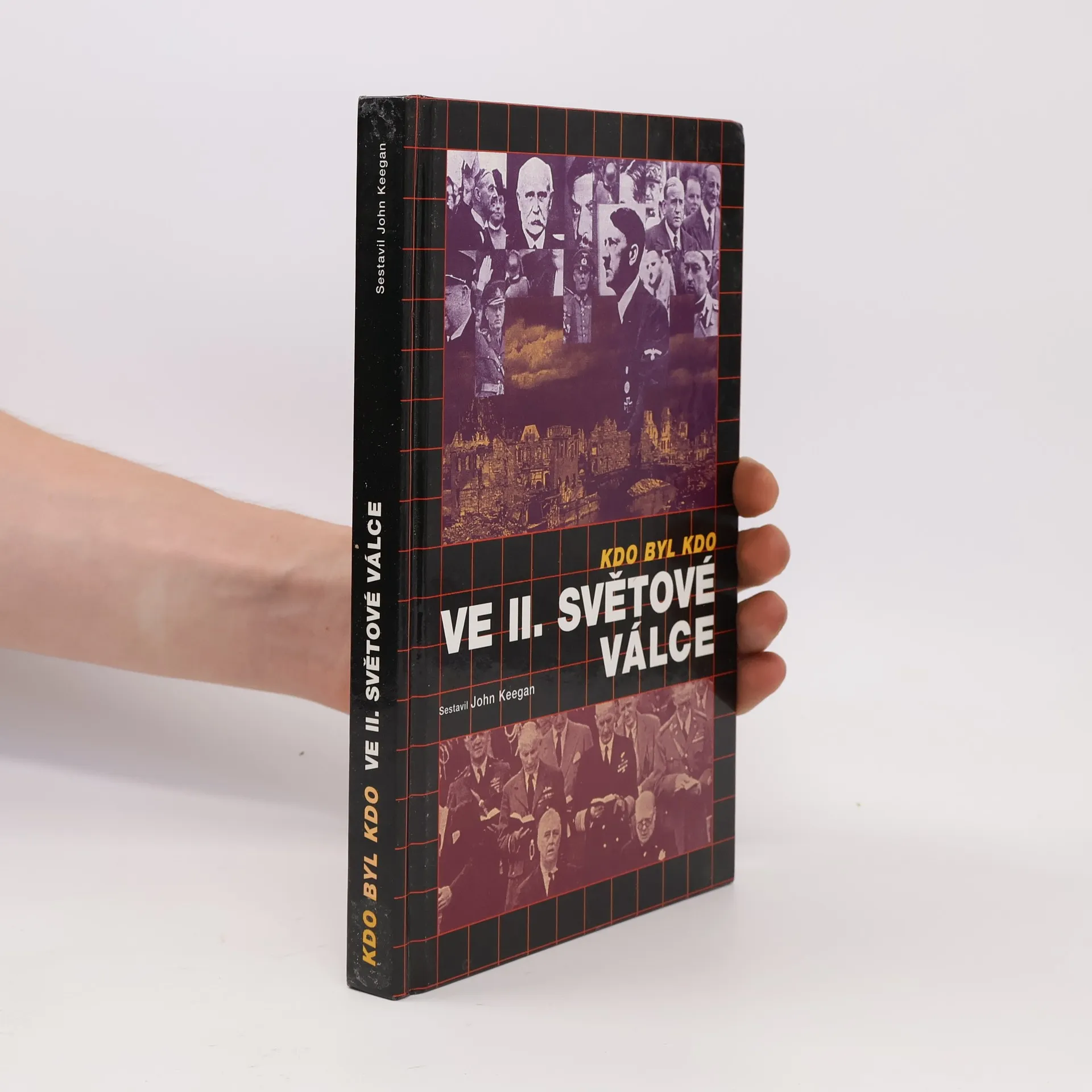
Kdo byl kdo ve druhé světové válce
- 214 páginas
- 8 horas de lectura
Encyklopedická příručka určená všem, kdo se zajímají o dějiny druhé světové války. Zachycuje hlavní události v životě a kariéře hlavních protagonistů tohoto válečného konfliktu a podává i charakteristiku jejich klíčových vlastností. Kromě politických představitelů je v knize možno nalézt i většinu generality německé, americké, anglické, sovětské a japonské armády. Doplněno dobovými fotografiemi.Druhé, doplněné vydání.
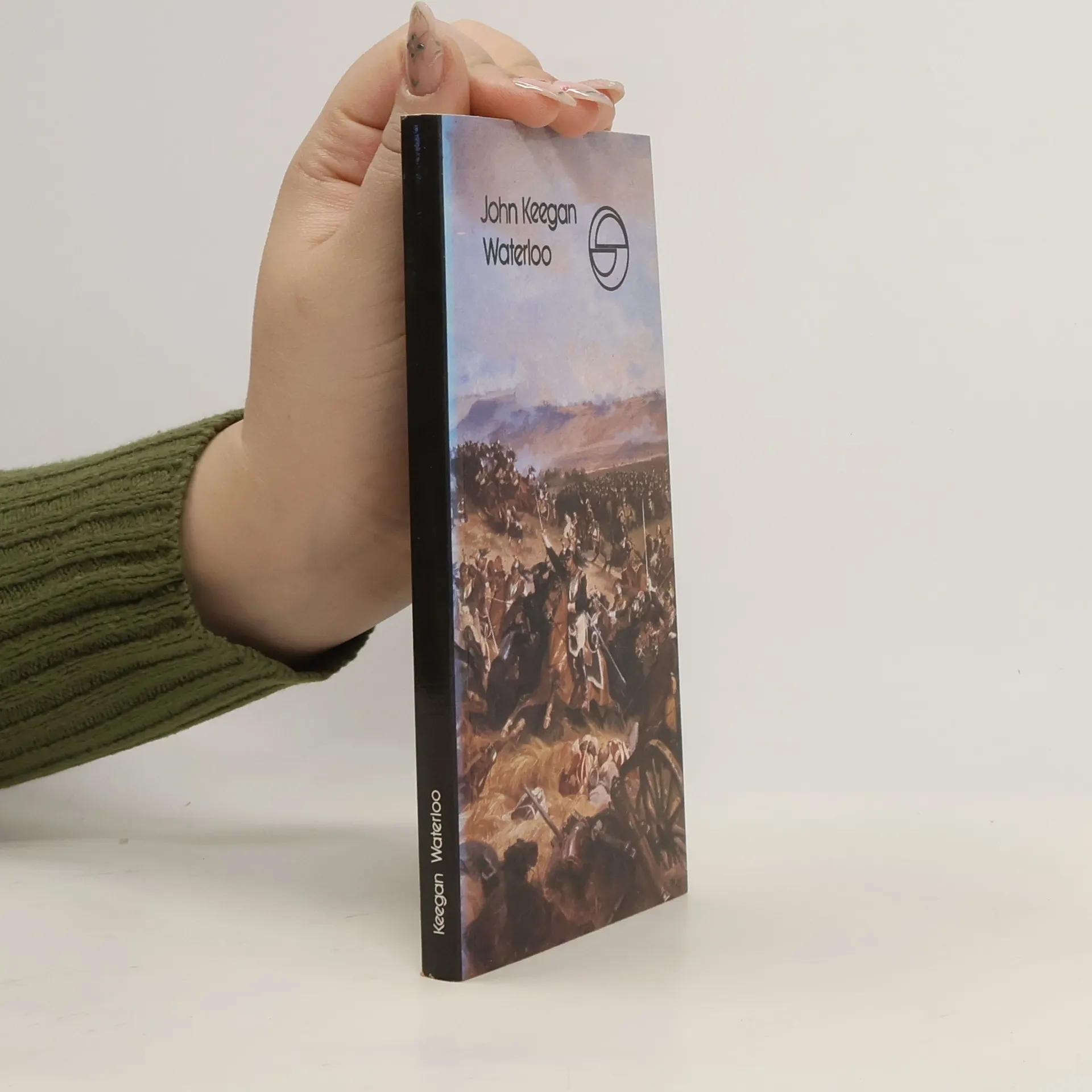
Waterloo
- 175 páginas
- 7 horas de lectura
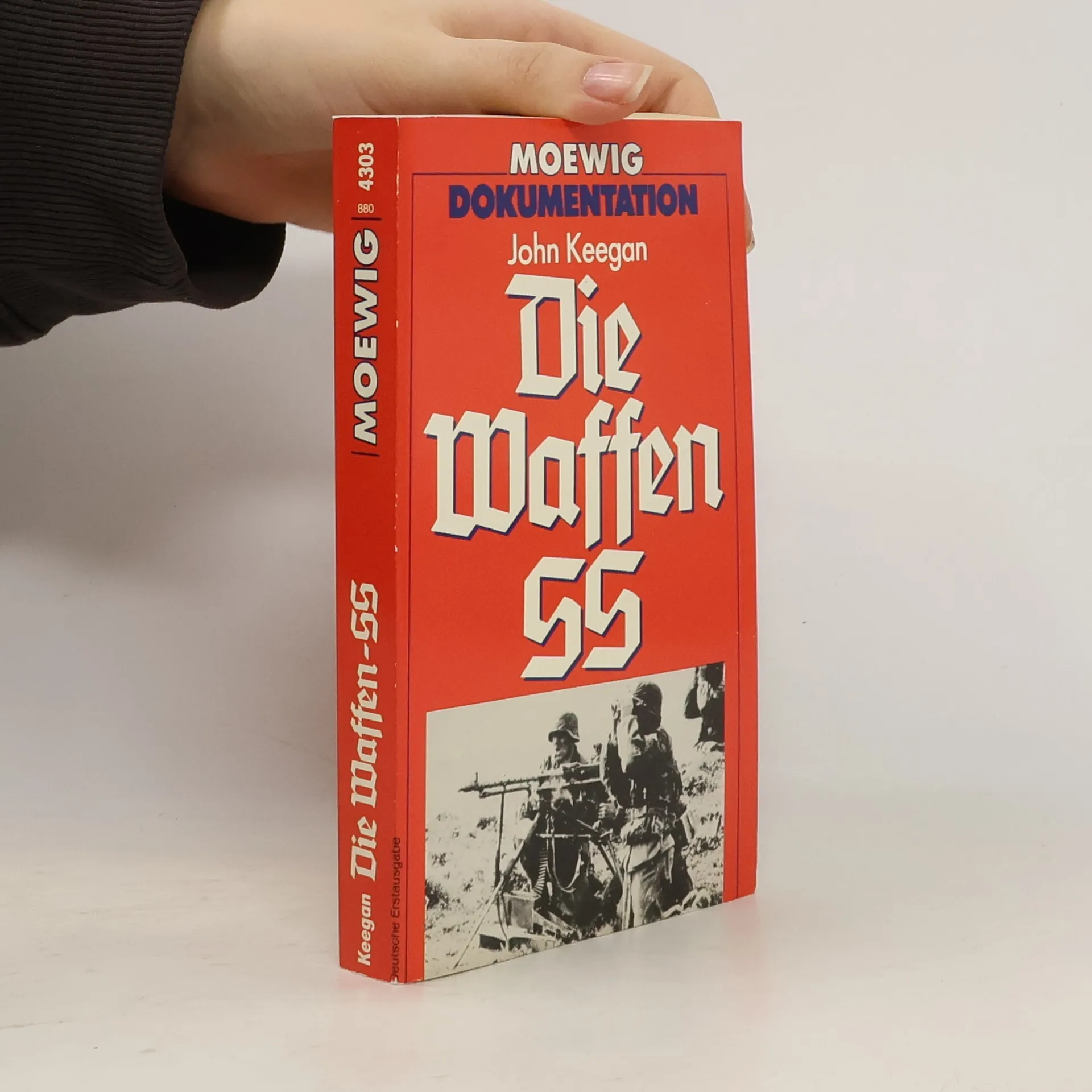
Die Waffen-SS
- 351 páginas
- 13 horas de lectura
Der Zweite Weltkrieg. Unternehmen Barbarossa
- 159 páginas
- 6 horas de lectura
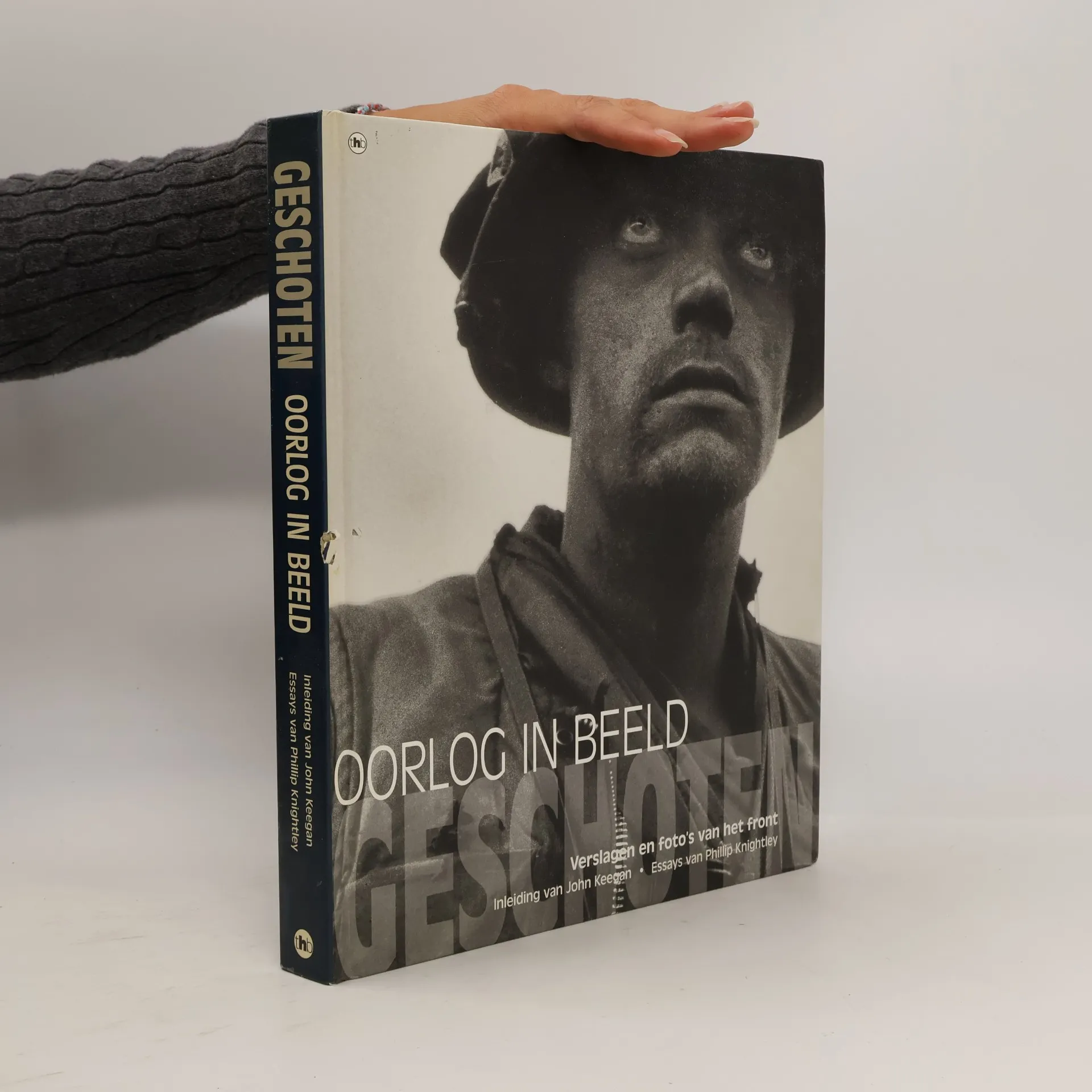
Door middel van 200 oorlogsfoto's, begeleid door geschreven getuigenissen, wordt een beeld gegeven van 150 jaar oorlogsfotografie.
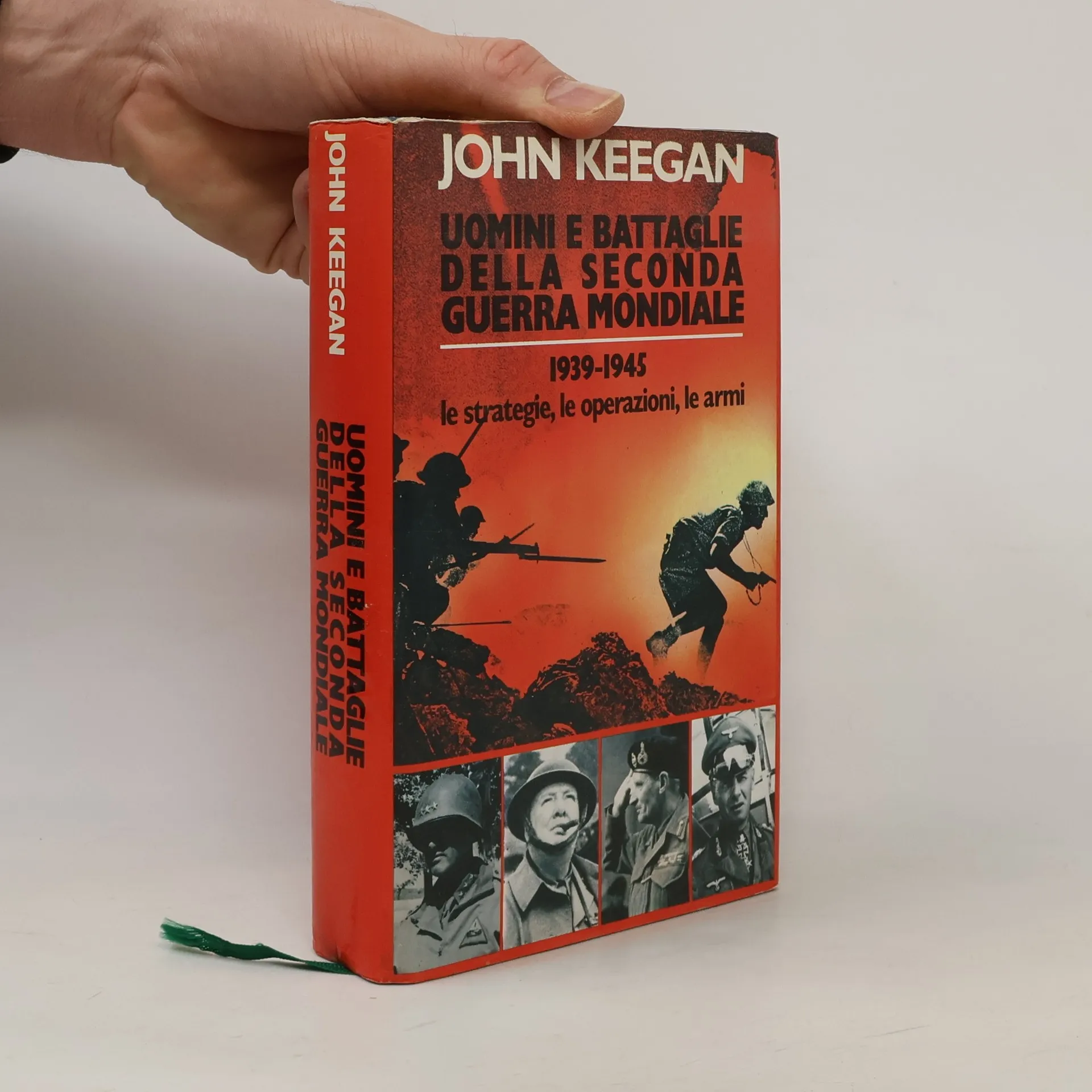
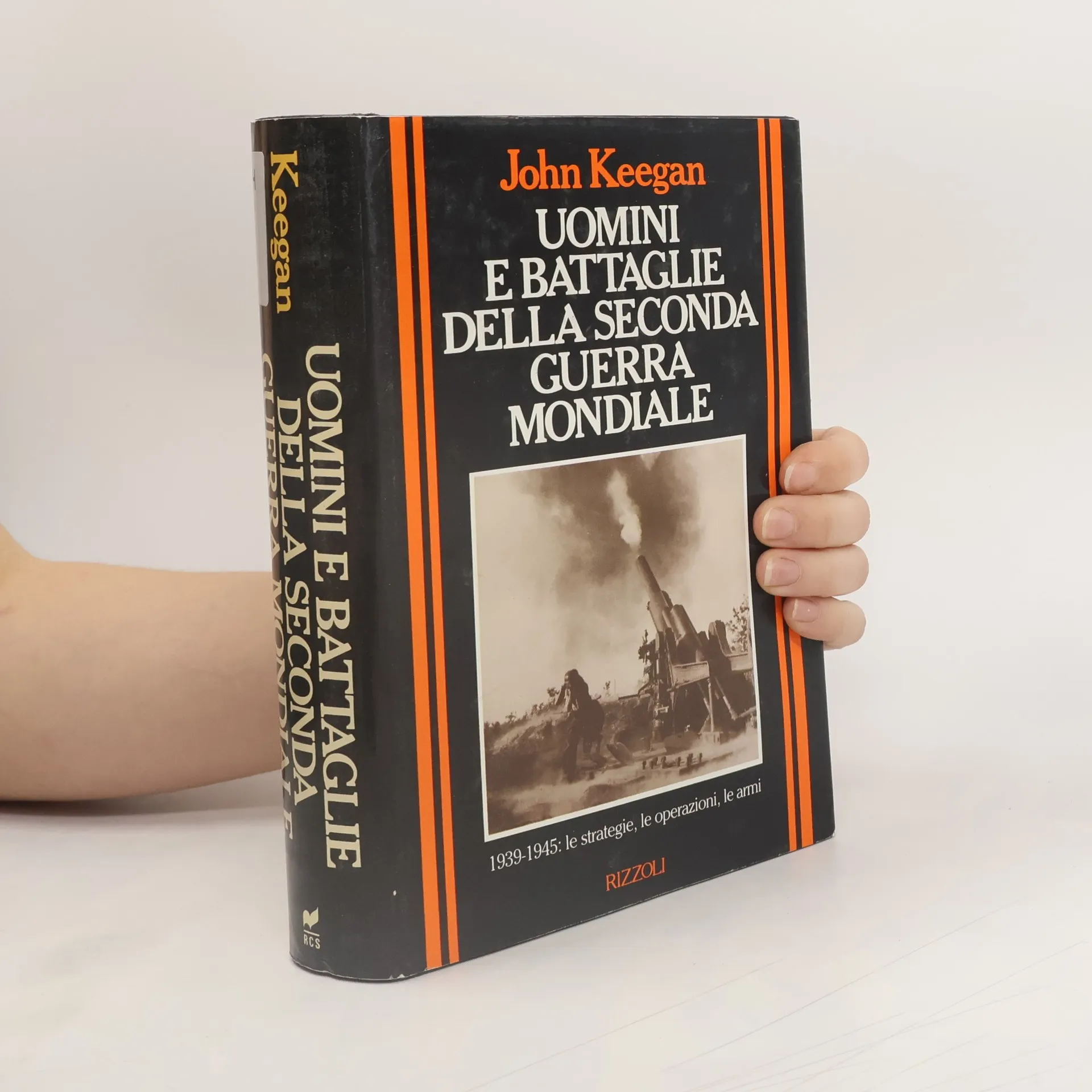
Uomini e battaglie della Seconda Guerra Mondiale
1939–1945, Le strategie, le operazioni, le armi
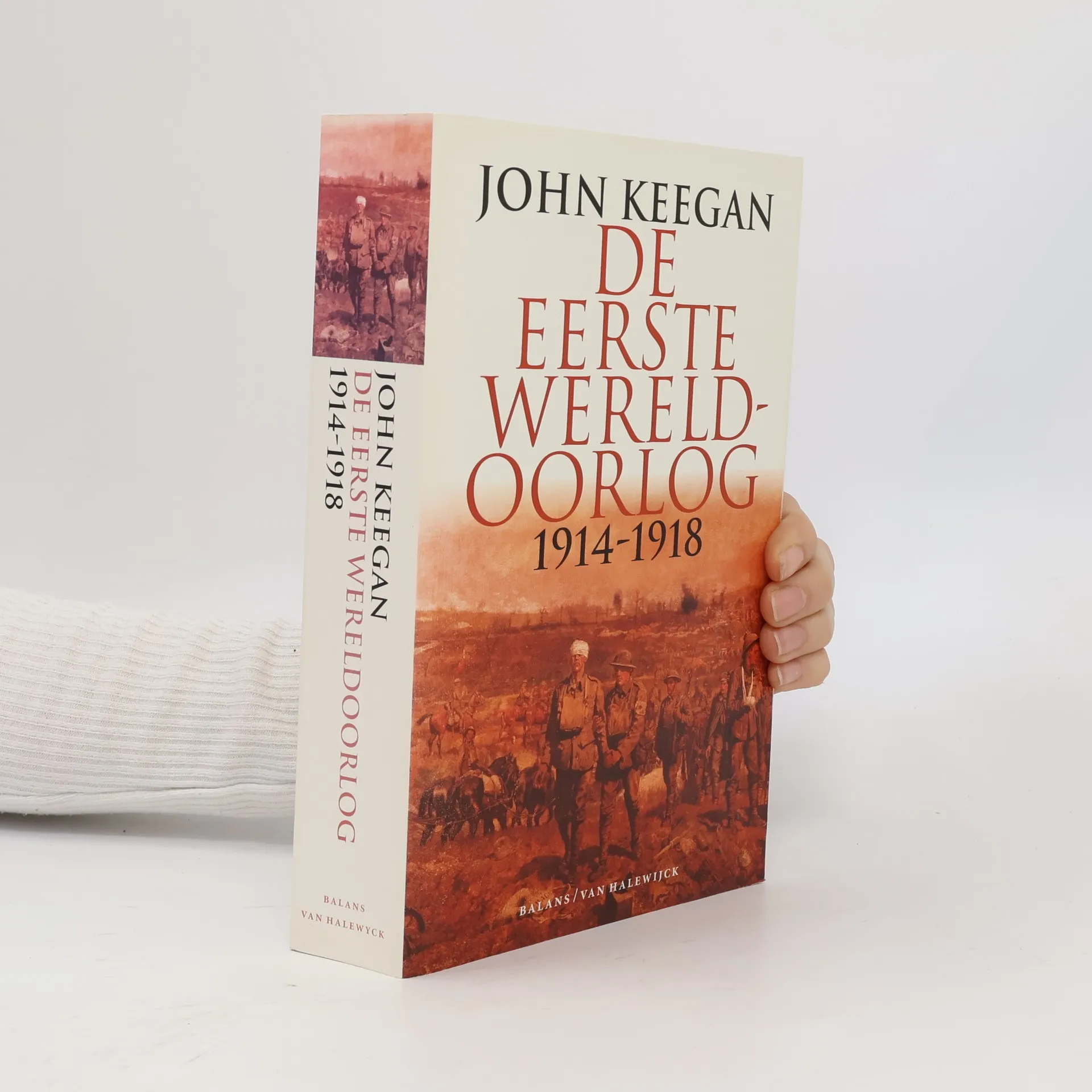
De Eerste Wereldoorlog 1914-1918
- 519 páginas
- 19 horas de lectura
Storica: Uomini e battaglie della Seconda Guerra Mondiale
- 656 páginas
- 23 horas de lectura
La Première guerre mondiale
- 255 páginas
- 9 horas de lectura
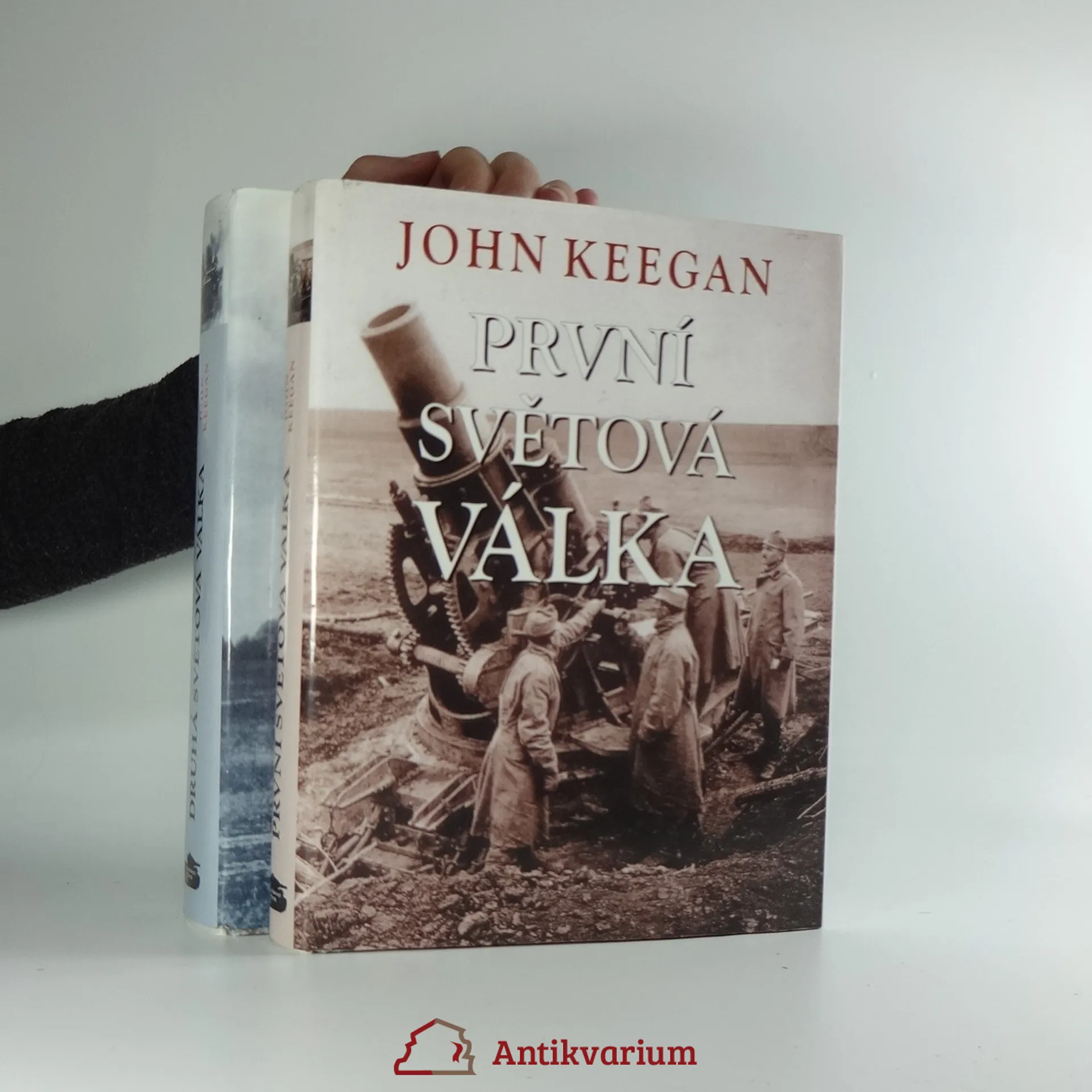
První světová válka, Druhá světová válka
- 2 volúmenes