El diablo en el cuerpo
- 152 páginas
- 6 horas de lectura
El autor de 17 años nos muestra el impúdico encanto de la adolescencia y todos sus mecanismos secretos. Otros lo consideran inmoral, cruel y cínico.


Raymond Radiguet fue un novelista francés que dejó una marca imborrable en el mundo literario a pesar de su corta vida. Sus obras, en particular sus novelas, se hicieron conocidas por su audaz exploración de las relaciones ilícitas y la decadencia moral. Radiguet examinó las complejidades del deseo humano y las expectativas sociales a través de su prosa aguda y su perspectiva objetiva. Aunque joven, creó una literatura con un atractivo atemporal que continúa provocando y fascinando a los lectores.

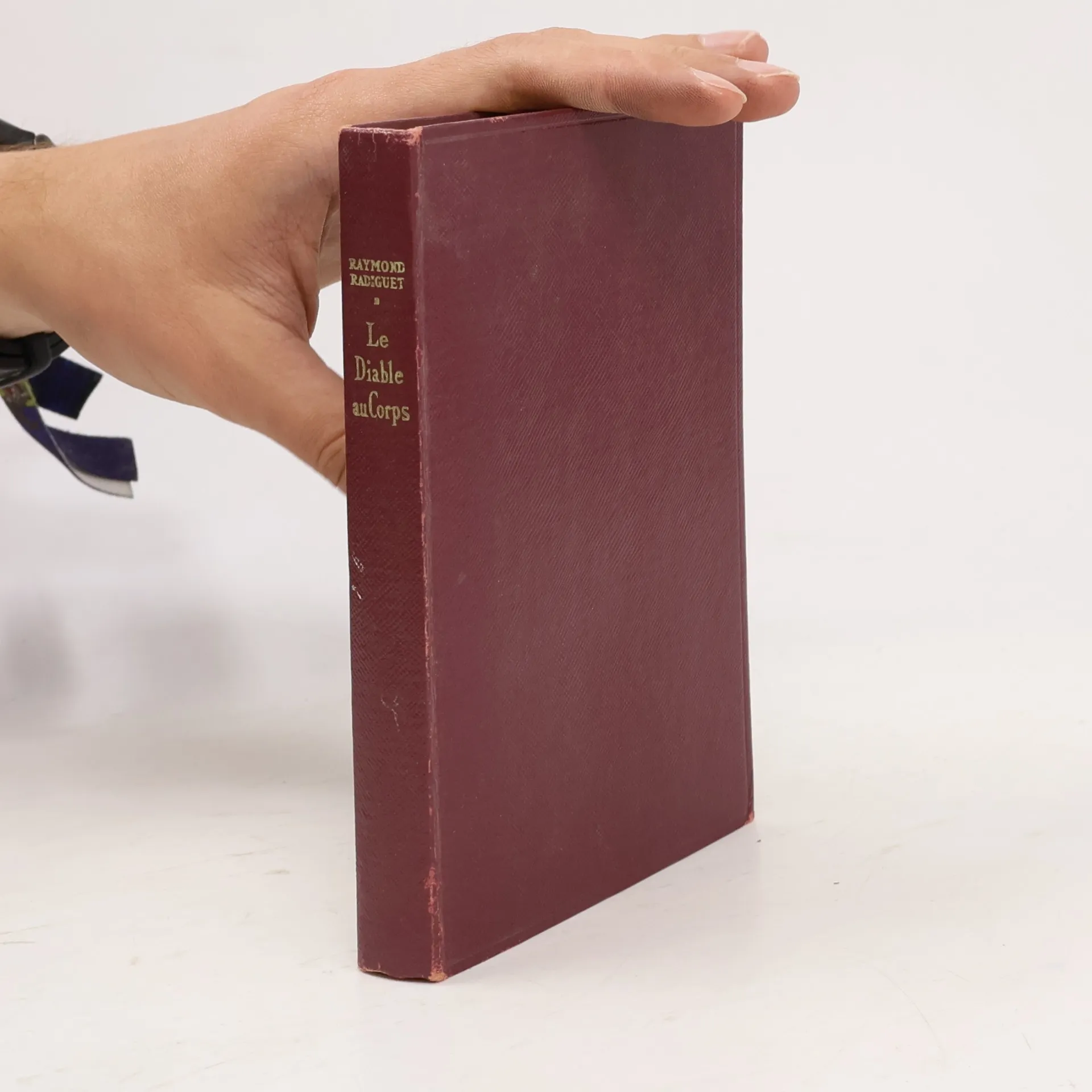



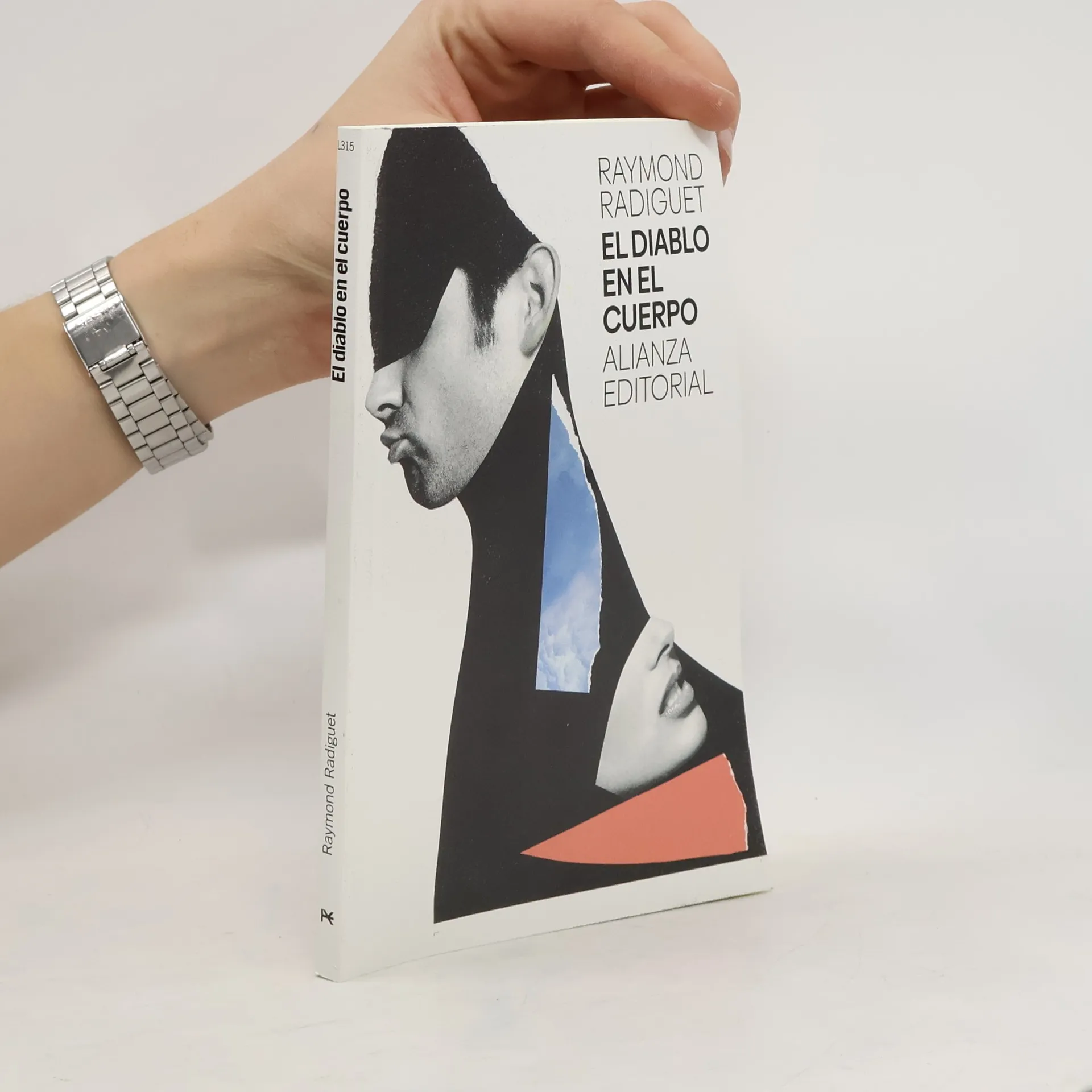
El autor de 17 años nos muestra el impúdico encanto de la adolescencia y todos sus mecanismos secretos. Otros lo consideran inmoral, cruel y cínico.
Count d'Orgel is handsome, charming, and carefree, a model of cool aristocratic aplomb. His wife, the Countess, is beautiful and pure, and loves her husband more than anything in the world. But from the moment the d'Orgels meet and befriend the clever young François de Séryeuse backstage at the circus, all three of these supremely civilized and witty people are caught up in an ever more intricate and seductive dance of deception and self-deception. At Count d'Orgel's masquerade ball, the real disguises are those of the human heart.Completed just before Raymond Radiguet's death at the age of twenty, Count d'Orgel's Ball is a love story that is as disturbing as it is delicious.
Shortly before his death at the age of twenty, the young literary sensation Raymond Radiguet compiled a volume of his poetry, composed between the ages of fourteen and eighteen. Presented here, this prodigious oeuvre is notable as much for its homage to classical style as it is for its risqu� and even licentious undertones: it is, by Radiguet's own admission, an interpretation of ""the birth of Venus,"" a depiction of the awakening of the senses. Based on the authoritative 1925 text, this dual-language edition also contains Radiguet's foreword to the collection, providing an invaluable insight into the history and interpretation of the works.
Radiguet, das Wunderkind der französischen Prosa, schrieb Der Teufel im Leib mit neunzehn Jahren und Der Ball des Comte d'Orgel mit zwanzig Jahren. Mit einundzwanzig Jahren lebte er bereits nicht mehr. Der Teufel im Leib erregte großes Aufsehen in Frankreich, obwohl die Novelle den bereits gut bekannten Traditionen des französischen psychologischen Romans folgt und das Thema – die ehebrecherische Liebe – in der französischen Literaturszene, die an Aufregungen und Skandalen gewöhnt ist, nichts Neues darstellt. Wahrscheinlich ist es die erstaunlich scharfe und frische, literarische Konventionen nicht kennende, nicht beschönigende und dennoch bemerkenswert geübte und präzise Ausdrucksweise des genialen Teenagers, die für die Aufmerksamkeit und die ungewöhnlich schnelle Anerkennung verantwortlich ist. Der Ball des Comte d'Orgel ist eine würdige Fortsetzung des großartigen Debüts.