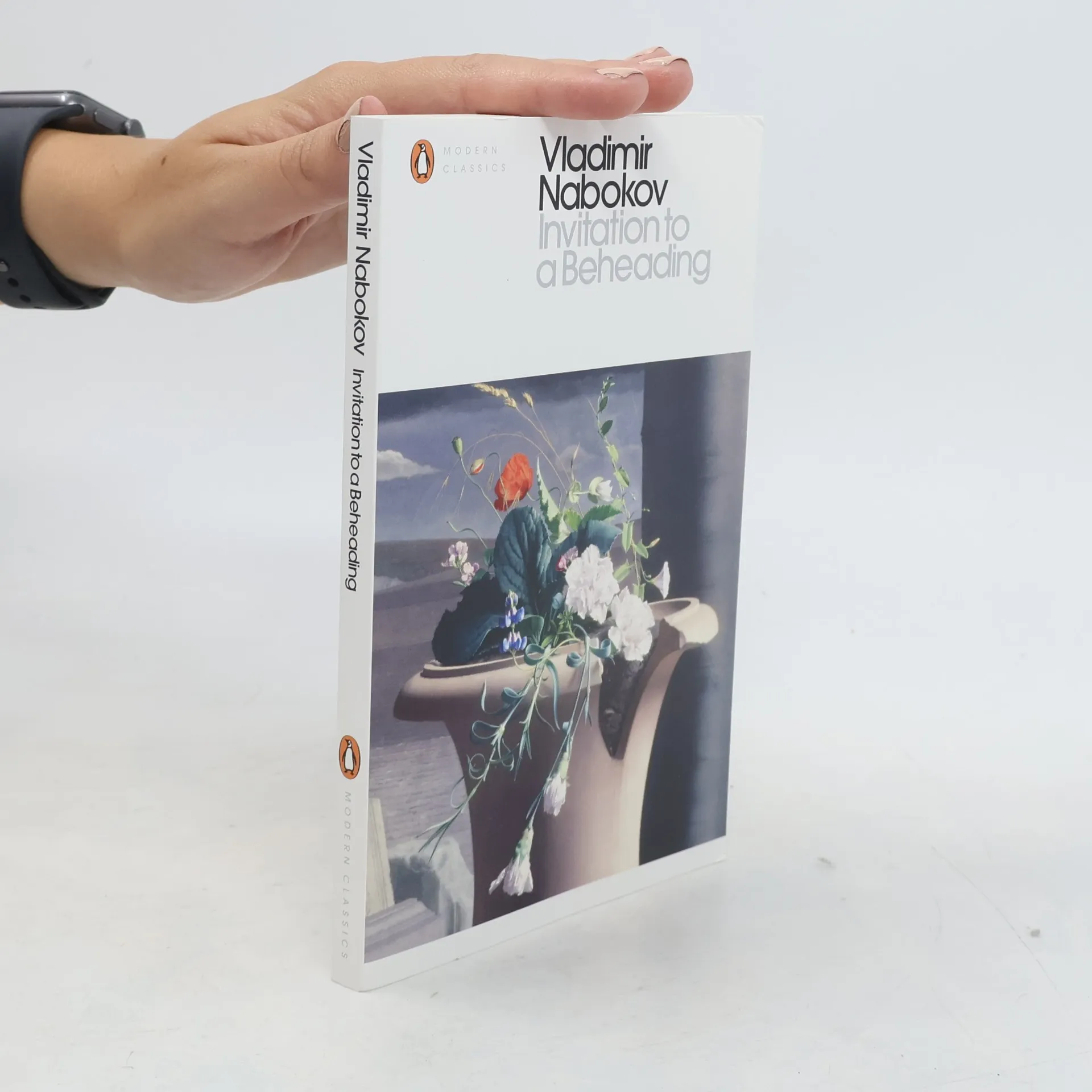
Penguin Modern Classics: Invitation to Beheading
- 192 páginas
- 7 horas de lectura
Takes us into the prison-world of Cincinnatus, a man condemned to death and spending his last days in prison not quite knowing when the end will come. schovat popis





Takes us into the prison-world of Cincinnatus, a man condemned to death and spending his last days in prison not quite knowing when the end will come. schovat popis
A novel by the author of Mary, The Eye, The Real Life of Sebastian Knight, Transparent Things and Lolita.
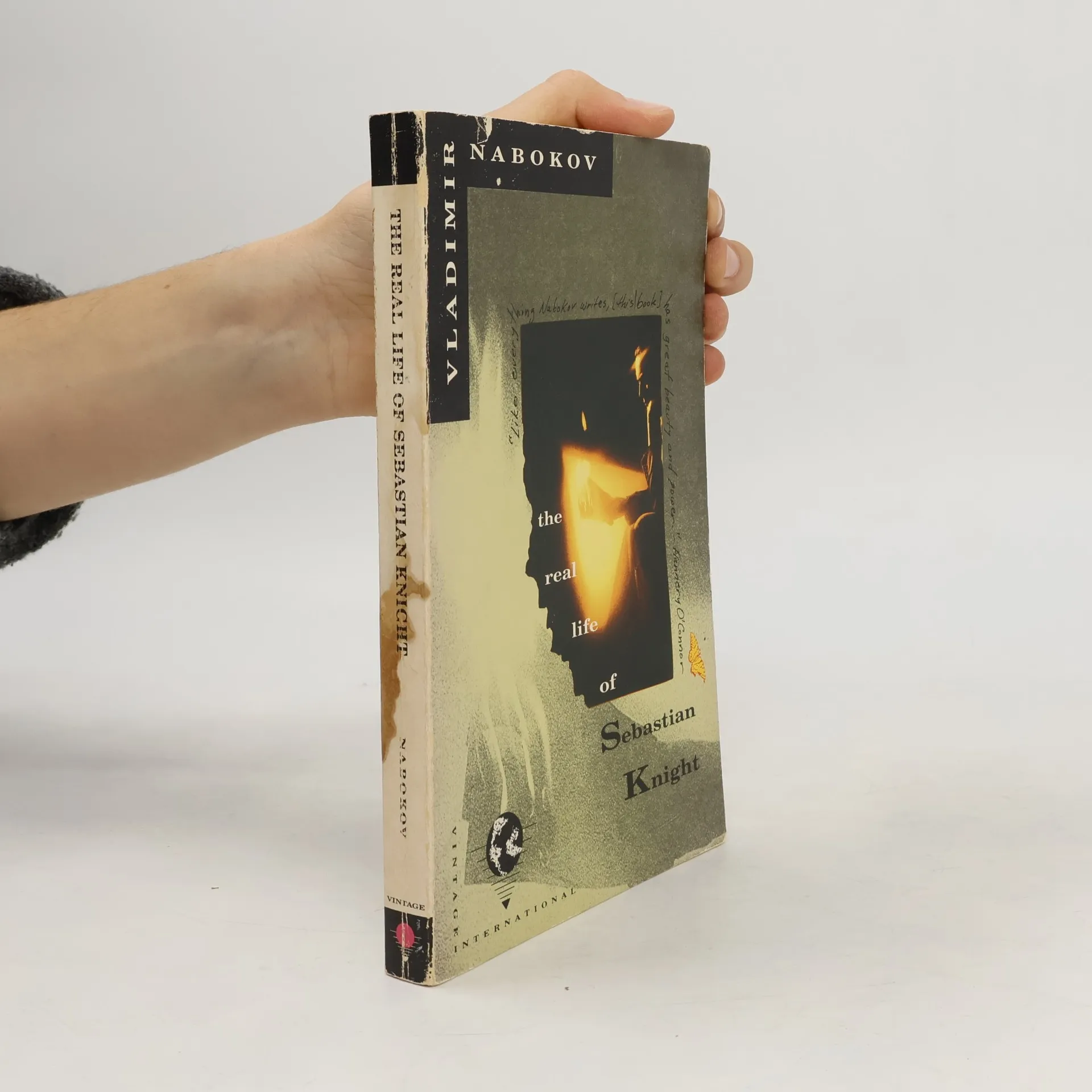
Following the death of a famous novelist, his half brother sets out to uncover the truth behind the two great loves of the man's life -- and uncovers more than the enigmatic legacy of the writer
Neznámí pachatelé vyhodí do vzduchu jachtu profesora Meyera. Při výbuchu zahynou tři lidé, mezi nimi profesorova neteř, která se před nedávnem vdala. Vypátrat viníky se snaží dlouholetý profesorův přítel Travis McGee, který postupně shromažďuje fakta a rozplétá složitý příběh podvodníka. Nakonec odhaluje prohnaného několikanásobného vraha, jenž pod různými jmény sváděl a zabíjel ženy, aby získal jejich peníze.
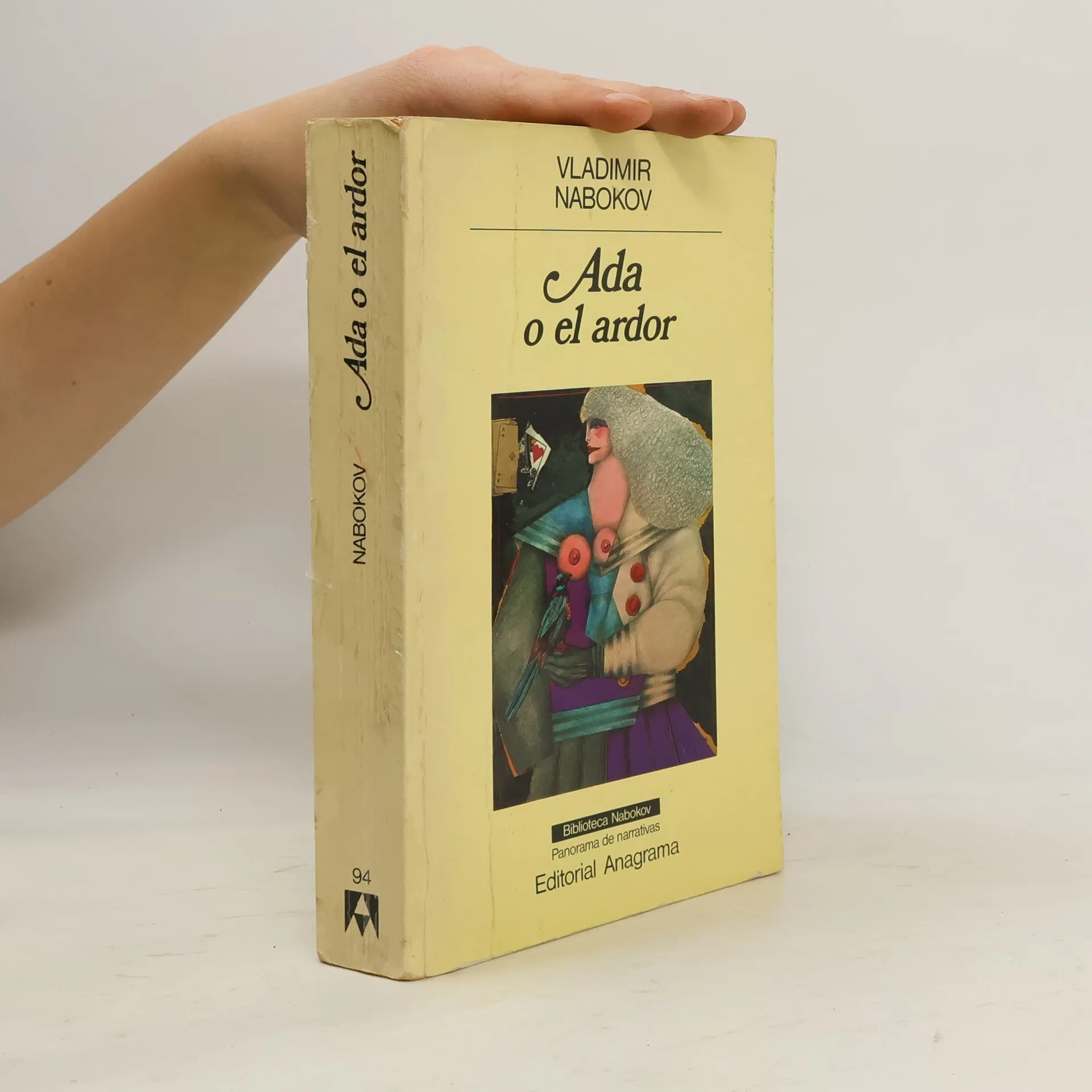
Publicada dos semanas después del setenta aniversario de Nabokov, "Ada o el ardor" supone la cumbre de la narrativa de uno de los autores más relevantes del siglo XX. En ella se aborda la singular crónica familiar e historia de amor (incestuoso), de Ada y Veen, dos hermanos que, habiendo crecido separados creen que su parentesco es más lejano del que en realidad es y por ello, siendo ambos adolescentes, se atreven a cruzar la línea y mantener un encuentro sexual en la finca familiar de Ardis (el Jardín del Edén), que supone el inicio de un idilio que a lo largo de los años será rico en encuentros y desencuentros. Con motivo del noventa y siete cumpleaños de Van, inmersos en la más placentera nostalgia, contemplan los distintos avatares de su amor convencidos de que la felicidad y el éxtasis más ardoroso están al alcance de la mano de todo aquel que conserve el arte de la memoria. Además de dicha historia, enmarcada en un país imaginario que es una mezcla de Estados Unidos y Rusia, este libro también es un tratado filosófico sobre la naturaleza del tiempo, una paródica historia del género novelesco, una novela erótica, un canto al placer y una reivindicación del Paraíso entendido como algo que no hay que buscar en el más allá, sino en la Tierra.
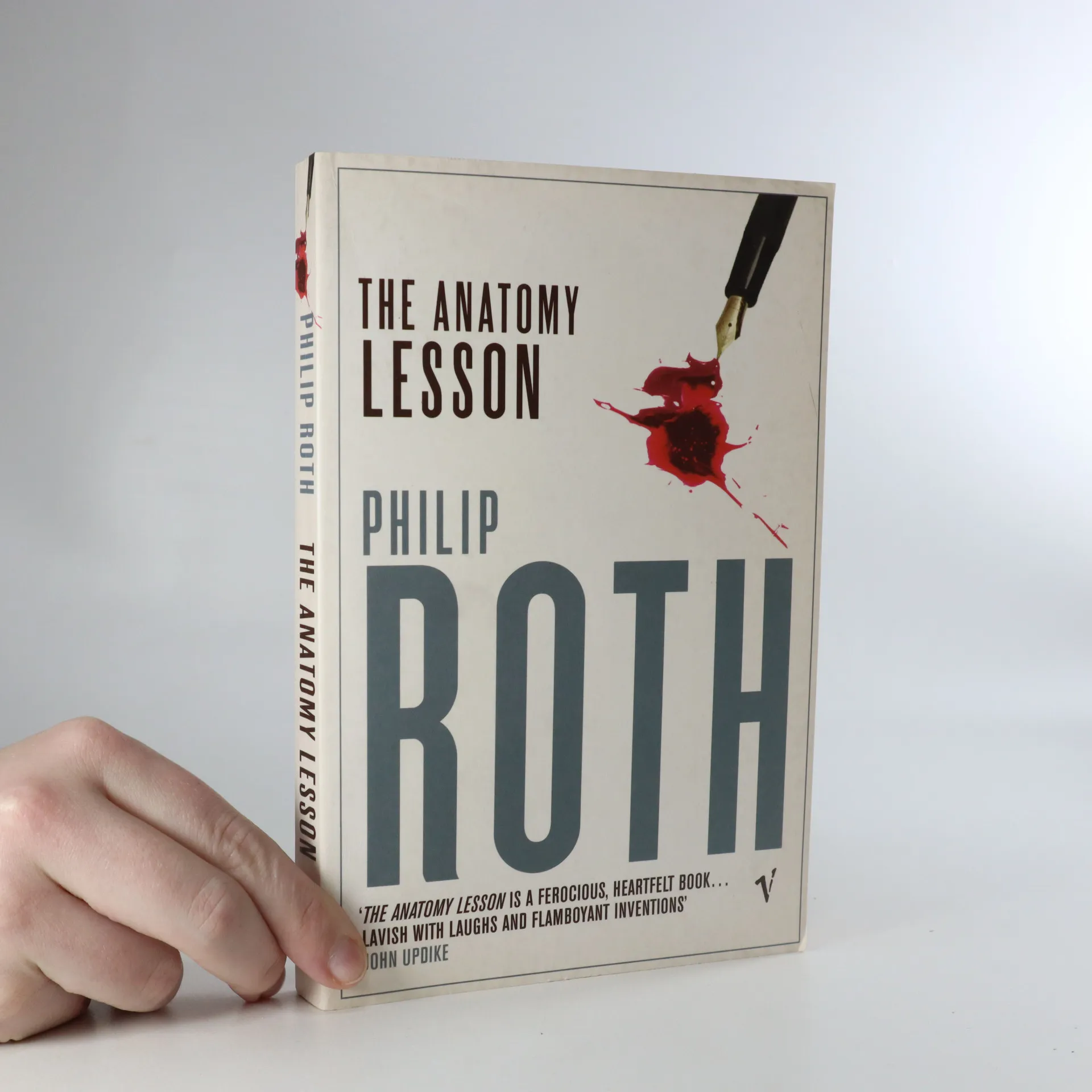
With his fortieth birthday receding into the distance, along with his hairline and his most successful novel, the writer Nathan Zuckerman comes down with a mysterious affliction - pure pain, beginning in his neck and shoulders, invading his torso, and taking possession of his spirit. What will it take for the pain to finally leave him alone?
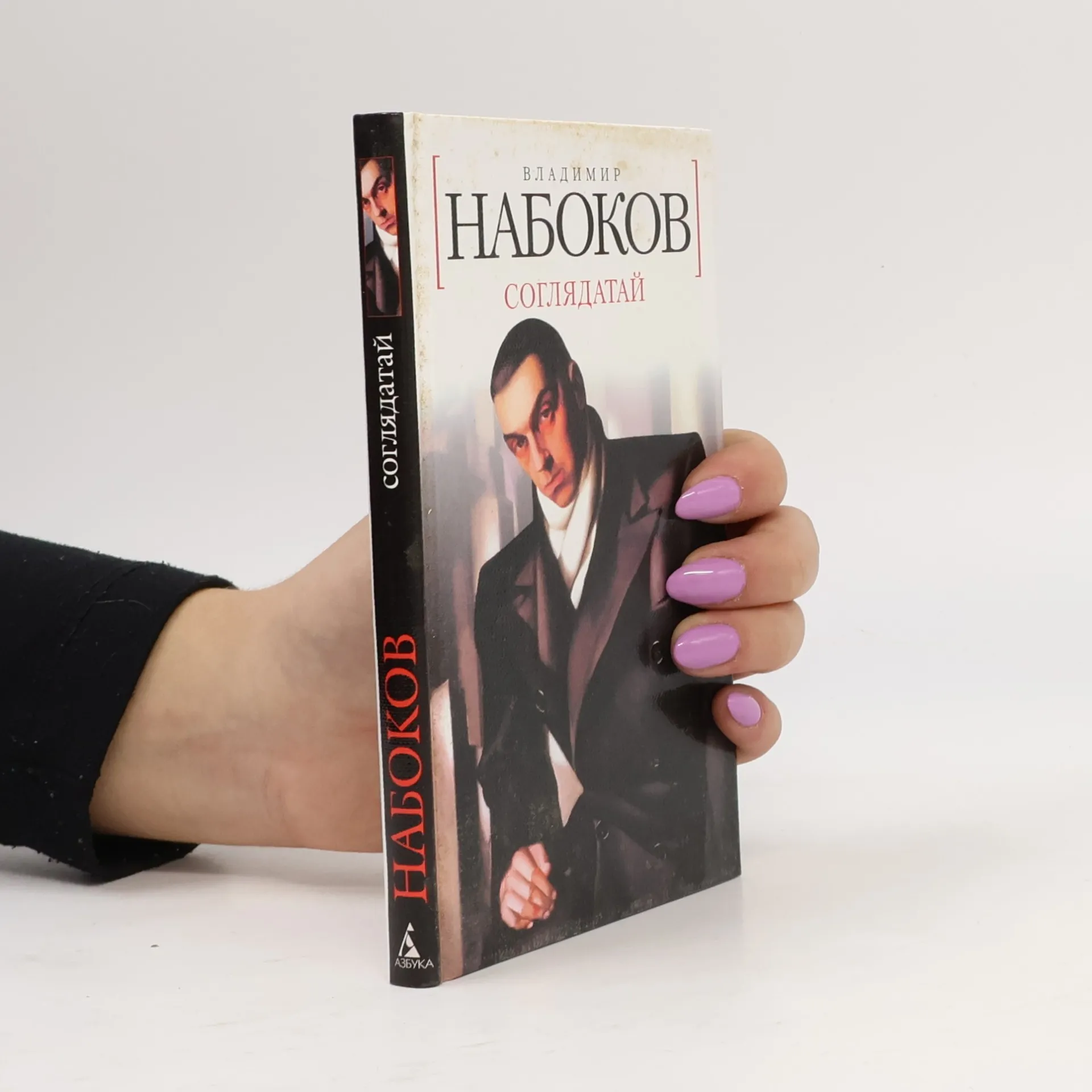
"Соглядатай" (1930) - повесть выдающегося русского писателя Владимира Набокова, иронично и виртуозно обыгрывающая давнюю литературную тему двойничества. Главный герой повествования, живущий в Берлине русский эмигрант, оскорбительным образом избит ревнивым мужем своей любовницы и, не в силах пережить унижения, решается на самоубийство. Однако и в "послесмертии" его не до конца умершее "я" продолжает существовать среди знакомых ему прежде людей, переживает неразделенную любовь и внимательно соглядатайствует за человеком по фамилии Смуров, загадку личности которого автор раскрывает лишь в самом конце повести.
Motivado por los diarios de Anaïs Nin, entonces inéditos, Henry Miller escribe su primera novela, que sería publicada en París en 1934, y en 1961 en los Estados Unidos, con más de sesenta juicios a propósito de su legalización. Trópico de Cáncer embiste contra el puritanismo y la moral burguesa y estremece desde la primera página: "Aquí estamos todos solos y muertos".
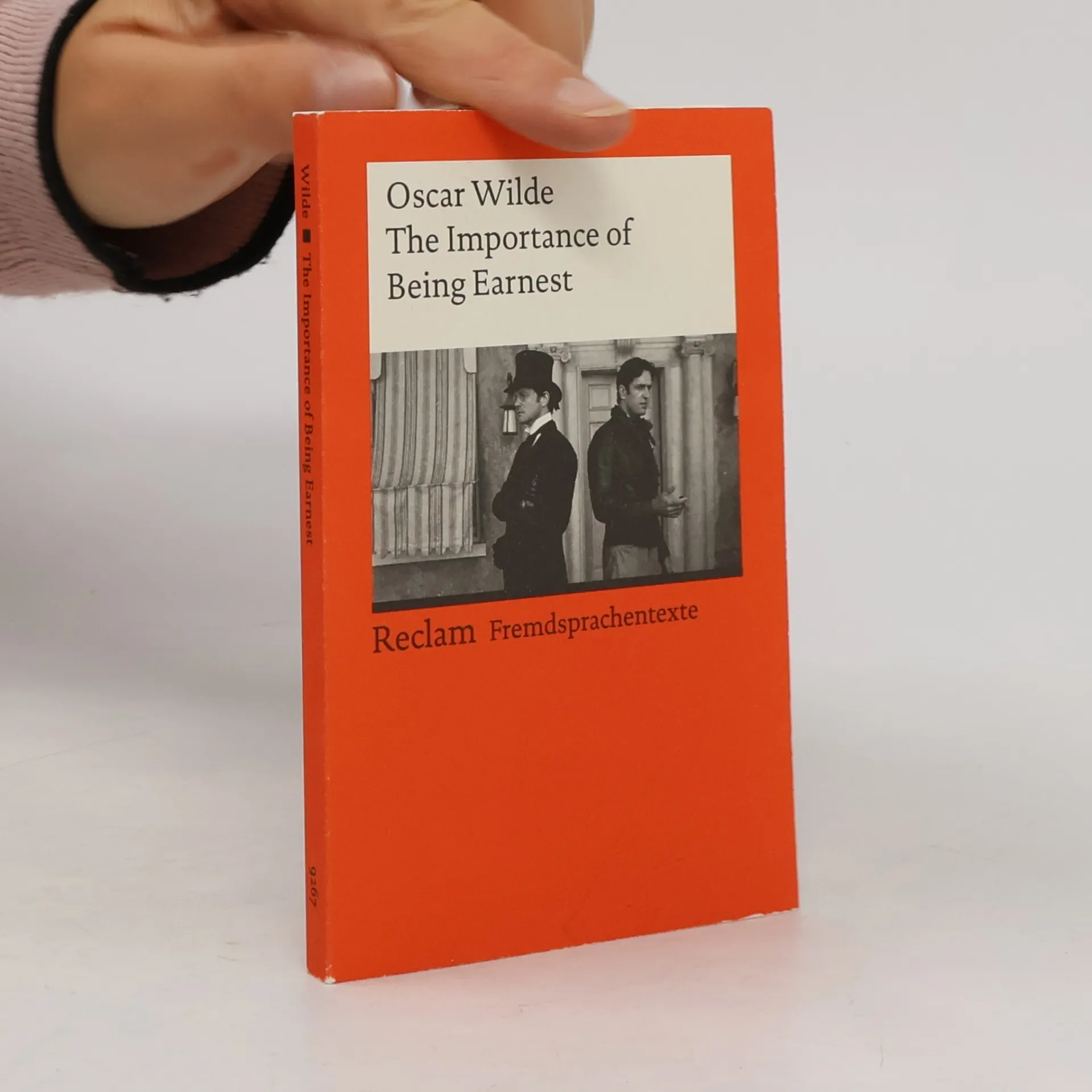
Englische Literatur in Reclams Roter Reihe: das ist der englische Originaltext – mit Worterklärungen am Fuß jeder Seite, Nachwort und Literaturhinweisen. »A Trivial Comedy for Serious People« lautet der Untertitel zu Wildes berühmtester und meistgespielter Gesellschaftskomödie, die auch unter dem Namen »Bunbury« bekannt ist. Ein brillantes, doppelbödiges Spiel voller Witz und Charme, nach dem Motto: »In matters of great importance, style, not sincerity is the vital thing.« Englische Lektüre: Niveau C1 (GER)
The thirty-nine short essays that make up Chesterton's delightful book are the result of "sitting still and letting marvels and adventures settle on him like flies." Actually, the author does move around quite a bit-to Germany, France, and on foot in England when he tires of waiting for a train. Everywhere he goes, Chesterton looks at ordinary things and asks us to see how extraordinary they are: the contents of his pockets, the items in a railway station, pedestrians in the street. What appear to be trifles are actually tremendous, and he uses them as a springboard to expound on Christianity, the nuclear family, democracy, and the like with supreme clarity and wit. The essays gathered here are a testament to G.K. Chesterton's faith-not his faith in religion or a higher power, but in the ability to discover something wonderful in the objects, the experiences, and the people that cross our paths every single day. With his unique brand of humor and insight, he demonstrates how the commonplace adds enormous value to the landscape of daily life. Full of both good sense and nonsense, Chesterton's commentaries-first published nearly a century ago-remain fresh today.
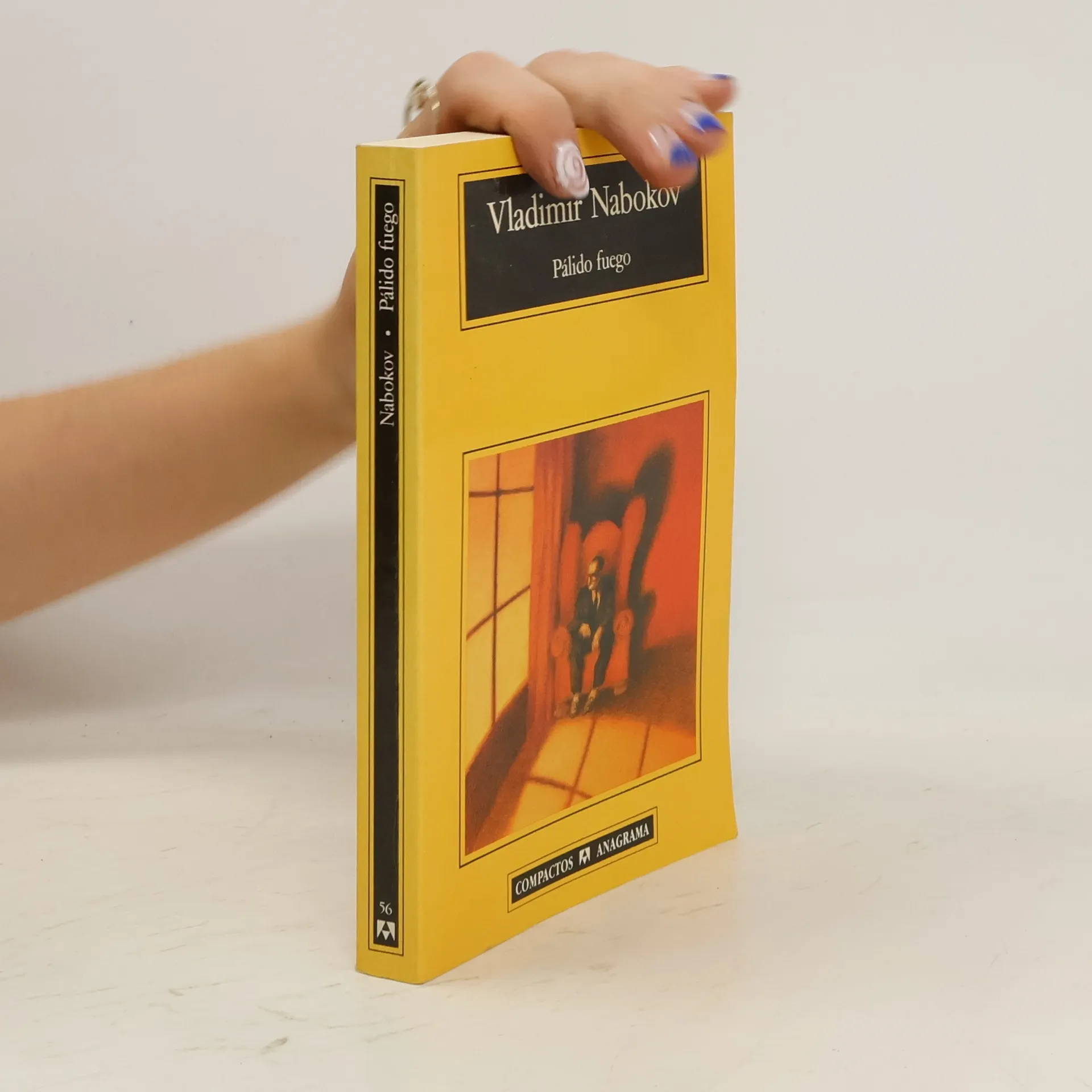
Nos hallamos ante una obra maestra, un «tour de force», una novela originalísima, desconcertante y diabólicamente divertida, que figura entre las preferidas de su propio autor y en la que refulge, de forma inigualable, su alambicada ironía y su mortífero humor. "Pálido fuego" se presenta como la edición póstuma de un largo poema escrito por John Shade, gloria de las letras norteamericanas, poco antes de ser asesinado. En efecto, la novela consta del susodicho poema, más un prólogo, un voluminosísimo corpus de notas y un índice comentado del editor, el profesor Charles Kinbote. A través de sus prolijos y entrometidos comentarios sobre el poema, sobre su amistad con Shade los meses anteriores a su muerte, y sobre el lejano reino de Zembla, que tan precipitadamente tuvo que abandonar, Kinbote va trazando un hilarante autorretrato, en el que acaba por delatarse como un individuo intolerante y altivo, excéntrico y perverso, un auténtico y peligroso chiflado. En este sentido, podría decirse que "Pálido fuego" es también una novela de intriga, en la que al lector se le invita a tomar el papel de detective.
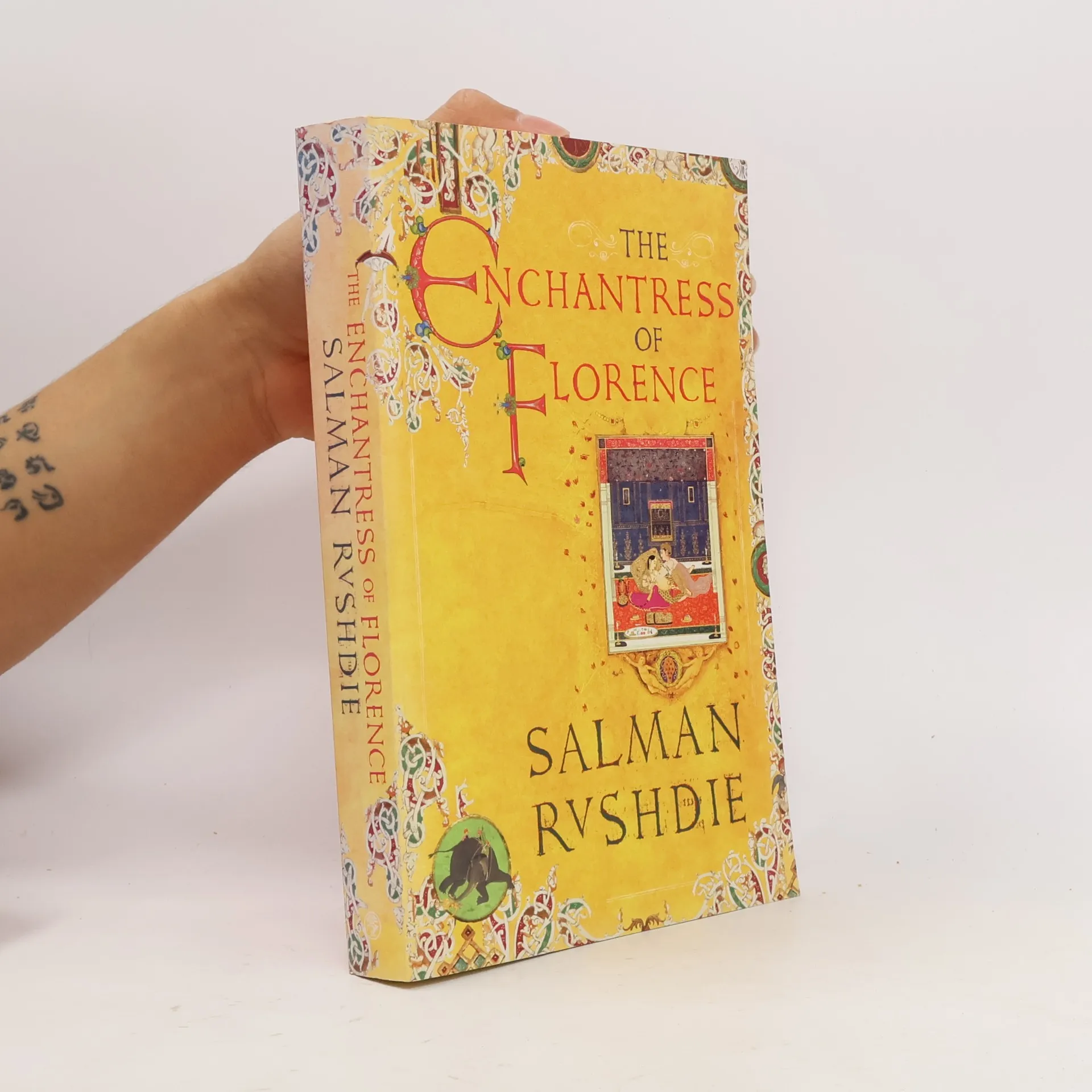
A tall, yellow-haired young European traveler, calling himself 'Mogor dell'Amore', arrives at the court of the Grand Mughal, Emperor Akbar, with a captivating tale that soon captivates the entire imperial capital. He claims to be the child of a lost Mughal princess, Qara K z, 'Lady Black Eyes', renowned for her beauty and rumored powers of enchantment. Captured by an Uzbek warlord and later the Shah of Persia, she ultimately becomes the lover of Argalia, a Florentine soldier of fortune and commander of the Ottoman Sultan's armies. When Argalia returns to Florence with his Mughal mistress, her presence mesmerizes the city, leading to a series of troubles. The narrative explores a woman's struggle for autonomy in a patriarchal society, juxtaposing the hedonistic Mughal capital, where Akbar grapples with belief, desire, and familial treachery, with the sensual yet brutal world of Florence, where Niccol Machiavelli learns about the harsh realities of power. Despite their geographical distance, these worlds reveal striking similarities, with the enchantments of women influencing both. The story raises questions about the truth of Mogor's claims and the fate of the lost princess, leaving readers to ponder the consequences of deceit.
Une audio-cassette accompagne le livre (60 mn). Appartient à la collection livre de poche et à la collection les langues modernes. Choix et annotations par William B. Barrie
'Vladimir Nabokov was a literary genius' David Lodge'Of all my novels this bright brute is the gayest', Nabokov wrote of King, Queen, Knave. Comic, sensual and cerebral, it dramatizes an Oedipal love triangle, a tragi-comedy of husband, wife and lover, through Dreyer the rich businessman, his ripe- lipped ad mercenary wife Martha, and their bespectacled nephew Franz. 'If a resolute Freudian manages to slip in' - Nabokov darts a glance to the reader - 'he or she should be warned that a number of cruel traps have been set here and there...
Nabokov's first novel is now available in a trade paper edition. Here is the dark tale of a handsome officer who lives next door to his lover's husband in a dreary Berlin boarding house.
Trópico de Capricornio es una novela semi-autobiográfica del escritor estadounidense Henry Miller, publicada en París en 1938. Se trata de una secuela de Trópico de Cáncer, de 1934. Ambientada en la Nueva York de la década de 1920, la novela es la historia del despertar espiritual de su protagonista y narrador, Henry V. Miller, empleado de la división de personal de la compañía telegráfica «Cosmodemonic». Gran parte de la trama gira alrededor de sus años conflictivos con su mujer June Miller, y el proceso de encontrar su voz como escritor. No obstante, aunque las experiencias de su alter ego narrador, con el que comparte el nombre, son muy cercanas a las que pudo tener el propio Miller cuando trabajó para la compañía telegráfica Western Union, la novela se considera una obra de ficción. Trópico de Capricornio estuvo prohibida en Estados Unidos hasta que el Departamento de Justicia en vigor declaró que su contenido no era obsceno.
Dvaadvacet próz, jež tvoří druhý ze tří svazků souborného vydání Nabokovovy povídkové tvorby, přesvědčivě dokládá rychlý rozvoj autorova prozaického nadání i schopnost vracet se v nových a nápaditých variacích ke klíčovým tématům a motivům. Vstup do druhého desetiletí berlínského pobytu přináší v Nabokovově díle nové obrazy života v emigraci a reminiscence dětství v předrevolučním Rusku, spolu s nimi však i rostoucí pozornost vůči zostřující se atmosféře nacistického Německa. Přes mimořádnou vnímavost k podrobnostem a proměnám okolního světa ale Nabokov zůstává i v prózách ze třicátých let především tvůrcem bytostně zaujatým obecnými tématy lidské existence a formálním a estetickým potenciálem literárního textu. Čtrnáct z textů svazku vychází česky vůbec poprvé, překlady ostatních byly pro nové vydání revidovány nebo nahrazeny dosud nepublikovanými.
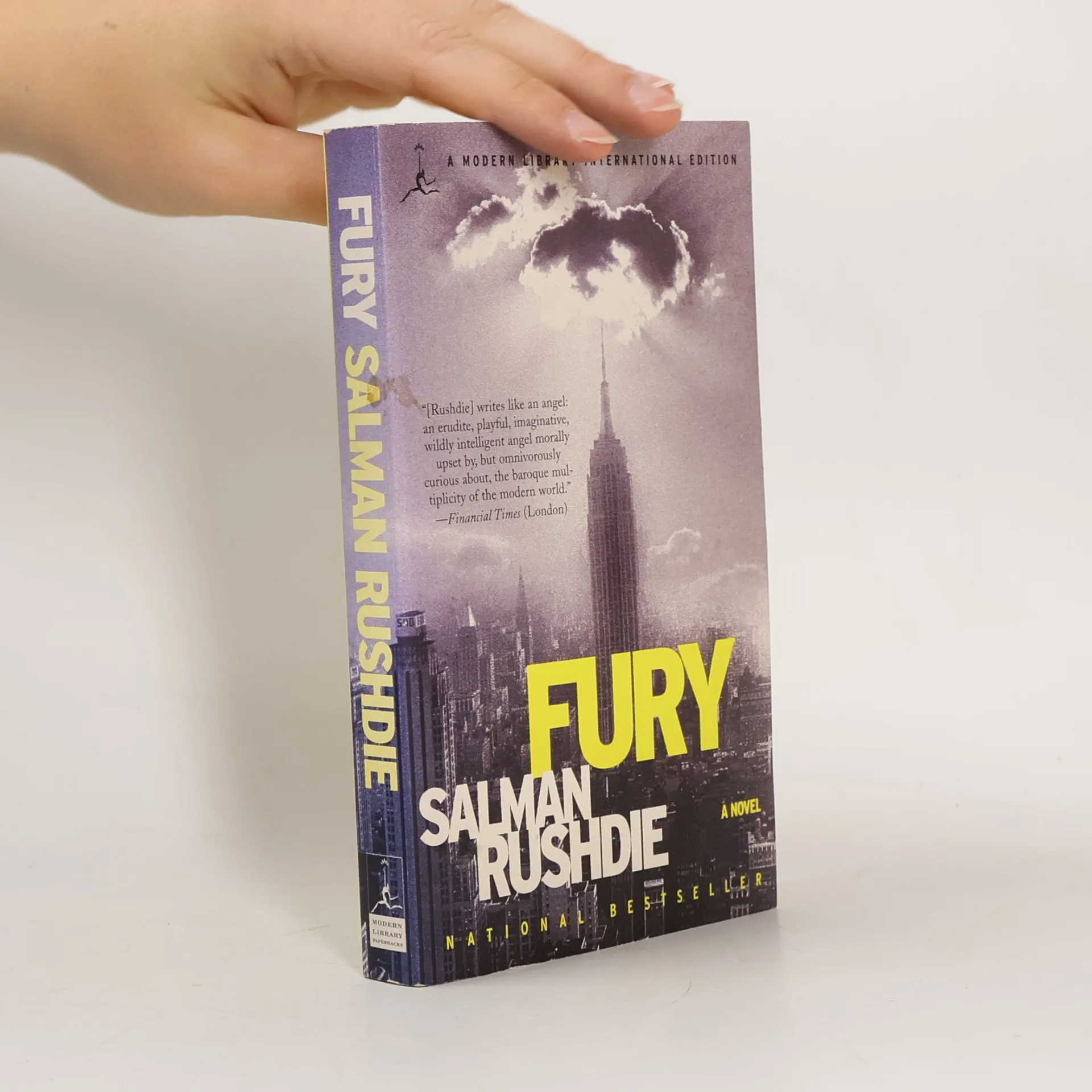
Fury is the story of a dollmaker whose dolls run wild, of living women turned into dolls and then broken, and of a revolt on the planet's far side led by an army of living dolls. Fury is a novel of an old, deep love gone wrong, of a second, twisted passion rooted in wrongness, and of a third, passionate love that just might turn out right. Fury is a novel of furious energy, a study of the workings of fury at the heart of human lives: the personal fury that poisons human relations, the psychotic fury that fuels murderers, the social fury born of our raised and disappointed hopes, the creative fury that sets free our greatest gifts, the political fury that starts revolutions and burns whole cities down. Fury is a novel of today, an utterly contemporary portrait of life at the beginning of the third millennium, life in New York during an apparently endless time of prosperity that is paradoxically also a time of barrenness in many people's lives, and also in the world-empire that America rules, although it barely knows where it is. (Fuente: Casa del Libro).
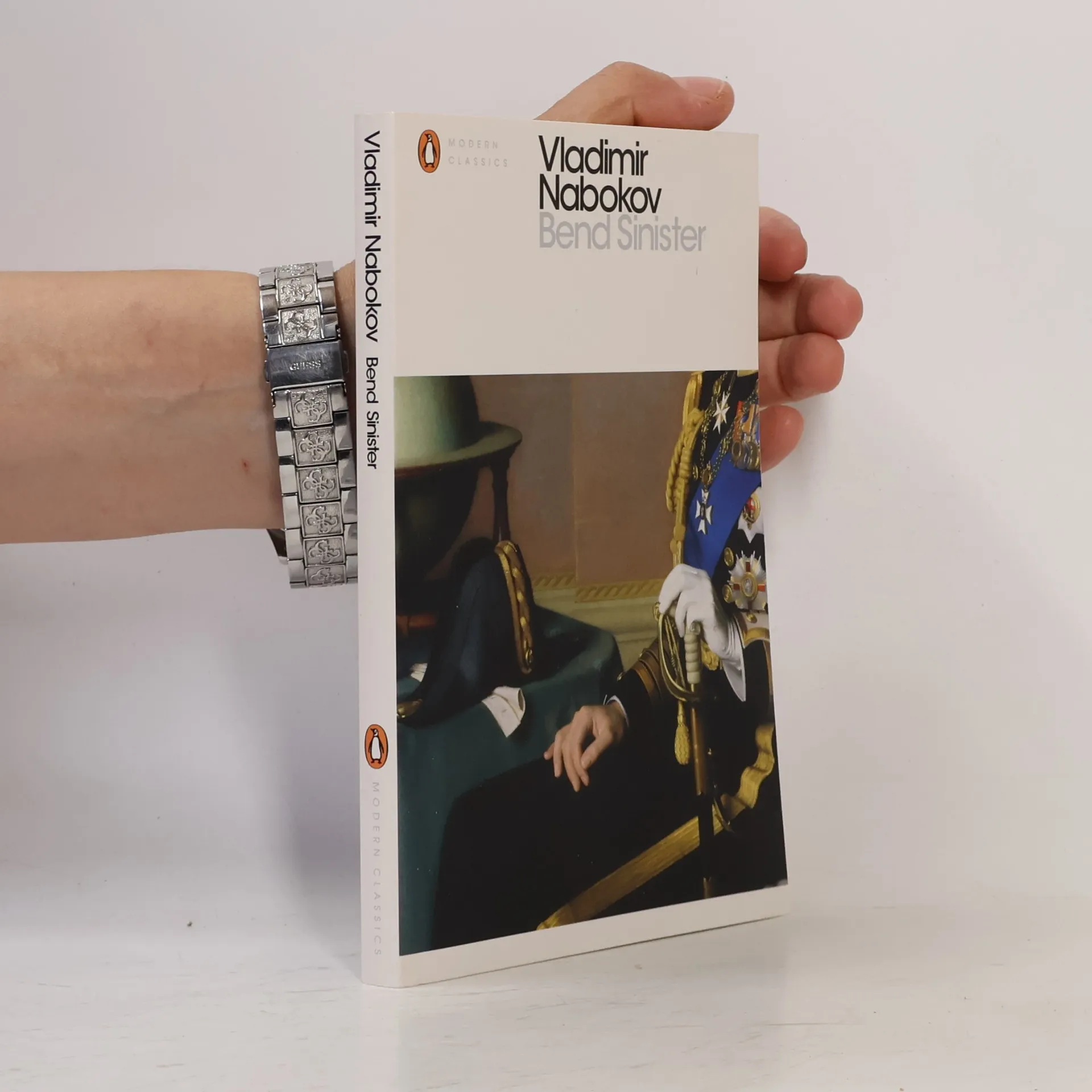
The state has been recently taken over and is being run by the tyrannical and philistine ‘Average Man’ party. Under the slogans of equality and happiness for all, it has done away with individualism and freedom of thought. Only John Krug, a brilliant philosopher, stands up to the regime. His antagonist, the leader of the new party, is his old school enemy, Paduk – known as the ‘Toad’. Grieving over his wife’s recent death, Krug is at first dismissive of Paduk’s activities and sees no threat in them. But the sinister machine which Paduk has set in motion may prove stronger than the individual, stronger even than the grotesque ‘Toad’ himself. The first novel Nabokov wrote while living in America and the most overtly political novel he ever wrote, Bend Sinister is a modern classic. While it is filled with veiled puns and characteristically delightful wordplay, it is, first and foremost, a haunting and compelling narrative about a civilized man caught in the tyranny of a police state. Professor Adam Krug, the country's foremost philosopher, offers the only hope of resistance to Paduk, dictator and leader of the Party of the Average Man. In a folly of bureaucratic bungling and ineptitude, the government attempts to co-opt Krug's support in order to validate the new regime.
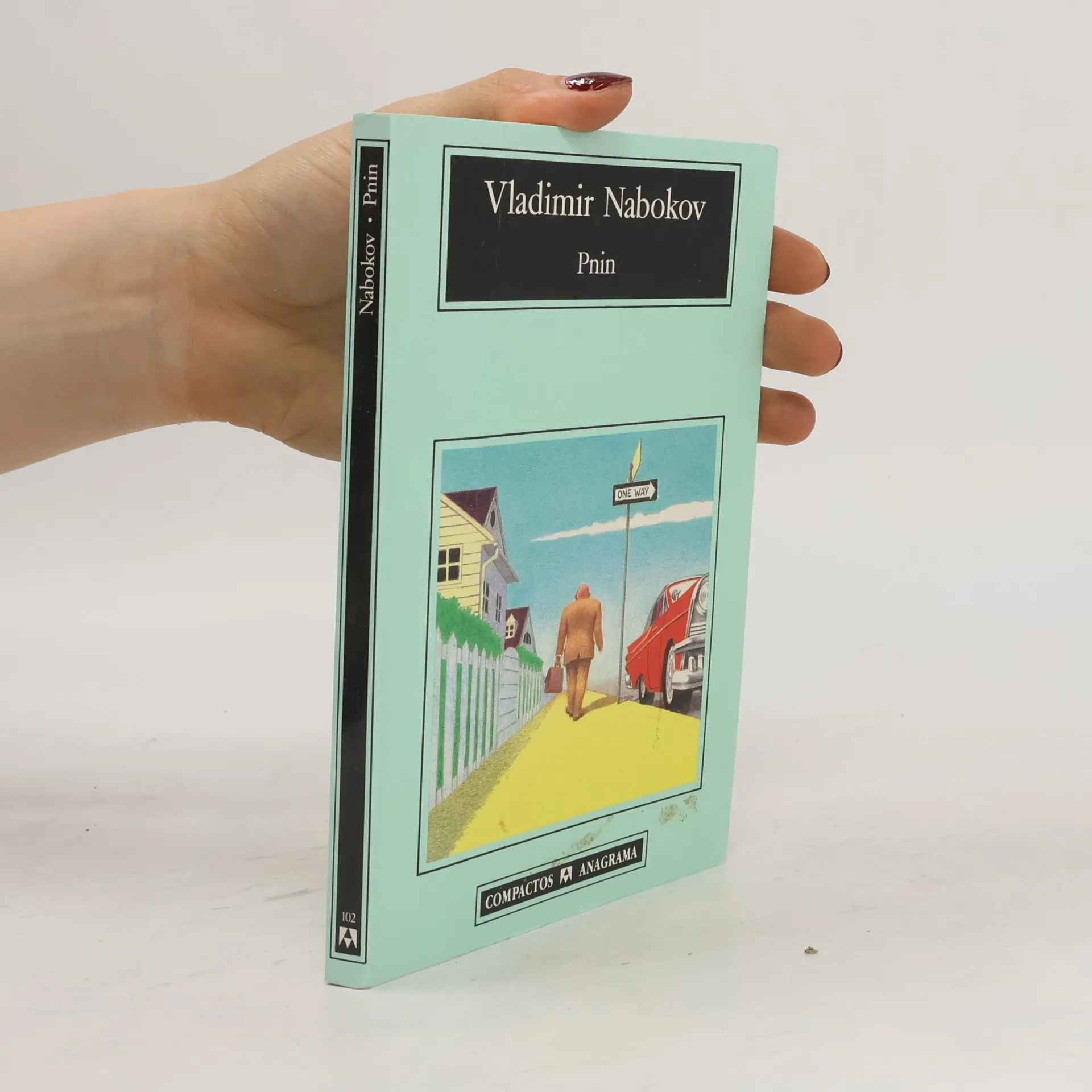
"Pnin" está considerada como «la más deliciosa de las novelas de Nabokov» (G.M. Hyde), «la más inmediatamente atractiva de sus obras» (Laurie Clancy) y, posiblemente, la más divertida de toda su obra, tan rebosante de humor. Su protagonista es el profesor Pnin, un ruso de la emigración que se gana la vida dando clases a media docena escasa de alumnos desganados que acuden a su aula como quien va a ver una película de Buster Keaton. Pero los verdaderos enemigos del inefable e infeliz Pnin son los extraños artilugios de la modernidad: coches, electrodomésticos y demás máquinas que, al menos a él, no le facilitan precisamente la vida. Y también los mezquinos intereses y la mediocridad de sus colegas, una pandilla de ambiciosos profesorzuelos que ponen a prueba su infinita paciencia. O los psiquiatras entre los que se mueve la que fue su esposa, una mujer que nunca le amó pero de la que sigue imperturbable y conmovedoramente enamorado. De modo que, al final, el ridiculizado Pnin acaba emergiendo como una figura casi heroica, un ser civilizado en medio de la incivilización industrial, el único que todavía conserva un resto de dignidad humana. Nabokov satiriza aquí un mundo que a él, como emigrado, le tocó sufrir, y pocas veces se le nota tan desenvuelto, tan feliz en el acto mismo de escribir, tan capaz de transmitir el placer que, a pesar de los pesares, le daba el simple hecho de estar vivo.
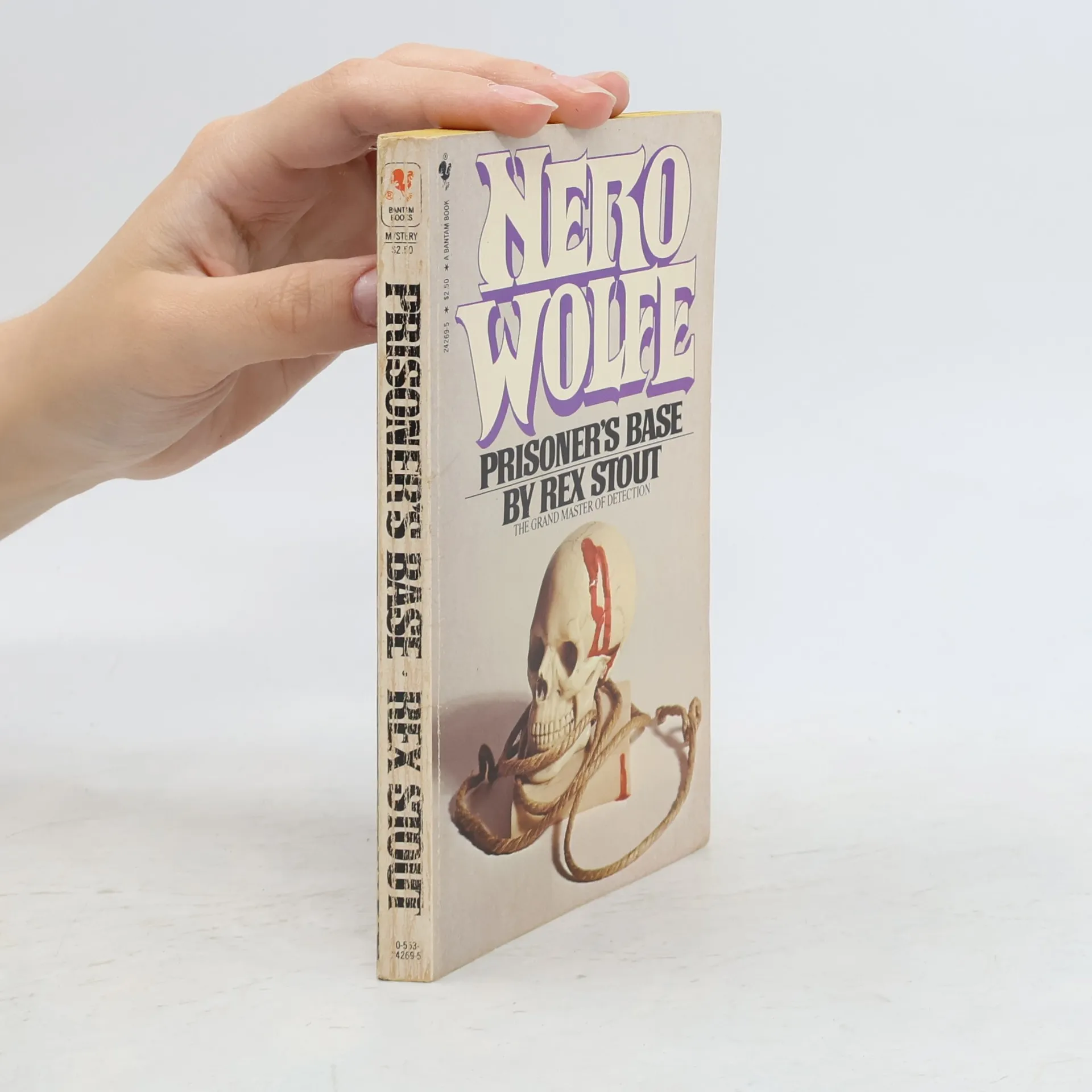
An automobile accident strands Nero Wolfe and Archie in the middle of a private pasture--and a family feud over a prize bull.The feud is about a restauranteur's plan to buy the stud and barbecue it as a publicity stunt. It may be in poor taste, but it isn't a crime . . . until Hickory Caesar Grindon, the soon-to-be-beefsteak bull, is found pawing the remains of a family scion. Wolfe is sure the idea that Caesar is the murderer is, well, pure bull. Now the great detective is on the horns of a dilemma as a veritable stampede of suspects--including a young lady Archie has his eye on--conceals a special breed of killer who wins a blue ribbon for sheer audacity.A grand master of the form, Rex Stout was one of America's greatest mystery writers, and his literary creation Nero Wolfe is one of the greatest fictional detectives of all time. Together, Stout and Wolfe have entertained--and puzzled--millions of mystery fans around the world. Along with Archie Goodwin, his perambulatory man-about-town, the arrogant, gourmandizing, sedentary sleuth Nero Wolfe stars in seventy-three cases of crime and detection.
Saludada por la crítica como la mejor obra de su autor hasta la fecha, El último suspiro del Moro crea, a partir del caos cultural de Bombay, una metáfora universal sobre la decadencia del mundo contemporáneo. Pero también un himno al amor y a la belleza del mundo. Y un alegato contra las fronteras que separan a los países y a los individuos...Utilizando de manera personalísima los recursos del realismo mágico esta saga familiar que recorre todo el siglo XX, combina genialmente lo cómico y lo fantástico, la invención y la narración histórica, y crea, con todo ello, un conjunto desbordante de vitalidad.
When Priscilla Eads, heiress to the fortune of a cotton towel company, implores Nero Wolfe to sort through a case buried in dirty laundry, Wolfe says no. But hours later, Mrs. Eads and her maid get strangled, and the stories of the suspects don't quite wash.To the dismay of a greedy board of directors and Mrs. Eads' gold-digging ex-husband, the astute Wolfe decides to scrub away the stain of murder.6 hrs. 23 min.
Como estudiante de ciencias naturales, Freddy Montgomery dejó Irlanda para hacer carrera en los Estados Unidos. Se casó con una americana, pero ambos abandonaron el mundo académico tras unos años, desperdiciando tiempo, dinero y talento. En una situación financiera crítica, se ve obligado a pedir dinero a un individuo sospechoso, quien lo presiona de manera intensa. Esto lo lleva a regresar a Irlanda en busca de la suma necesaria. Su antigua patria le resulta extraña, y los reencuentros con viejos conocidos desatan avalanchas de dudas y cuestionamientos sobre sí mismo. Para conseguir dinero, visita a un coleccionista de arte amigo, pero al intentar robar una pintura, es sorprendido por la sirvienta. En un forcejeo, la mata. Los días previos a su arresto los vive en un torbellino de desesperación, embriaguez y autodesprecio. Freddy Montgomery confiesa sin titubeos su culpabilidad en el asesinato y, a través de su declaración, busca relatar el camino de su vida.
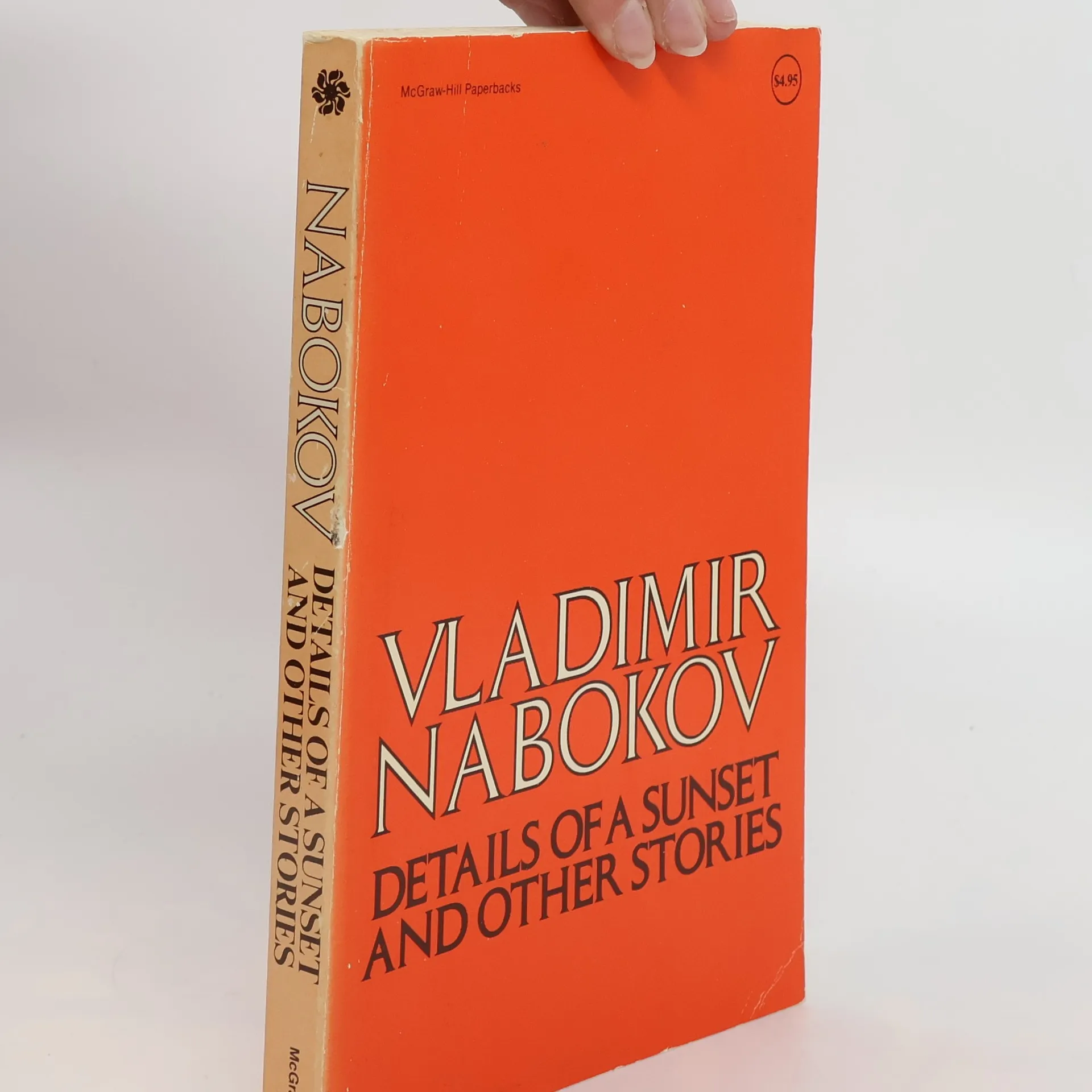
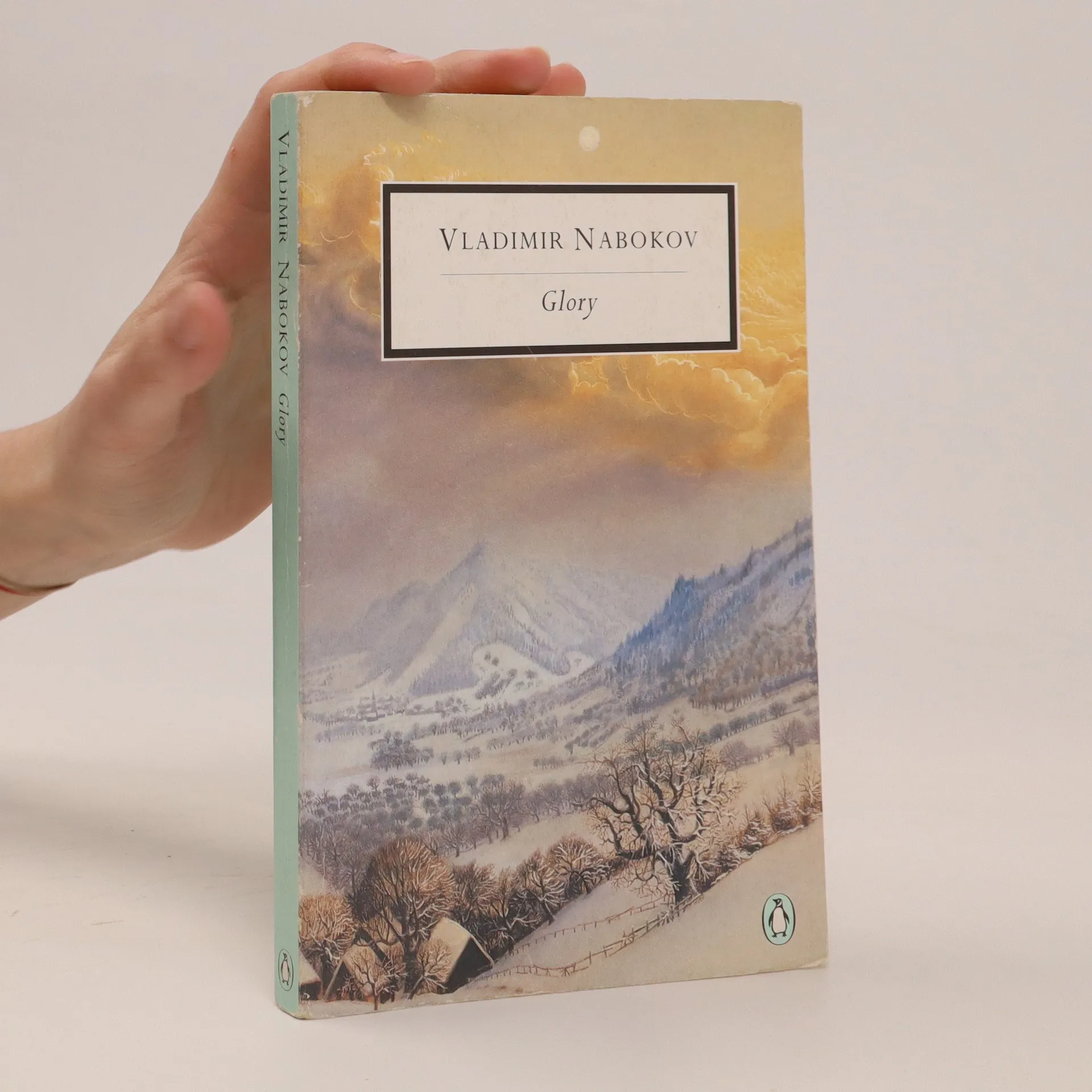
Details of a sunset --Bad day --Orache --Return of Chorb --Passenger --Letter that never reached Russia --Guide to Berlin --Doorbell --Thunderstorm --Reunion --Slice of life --Christmas --Busy man.
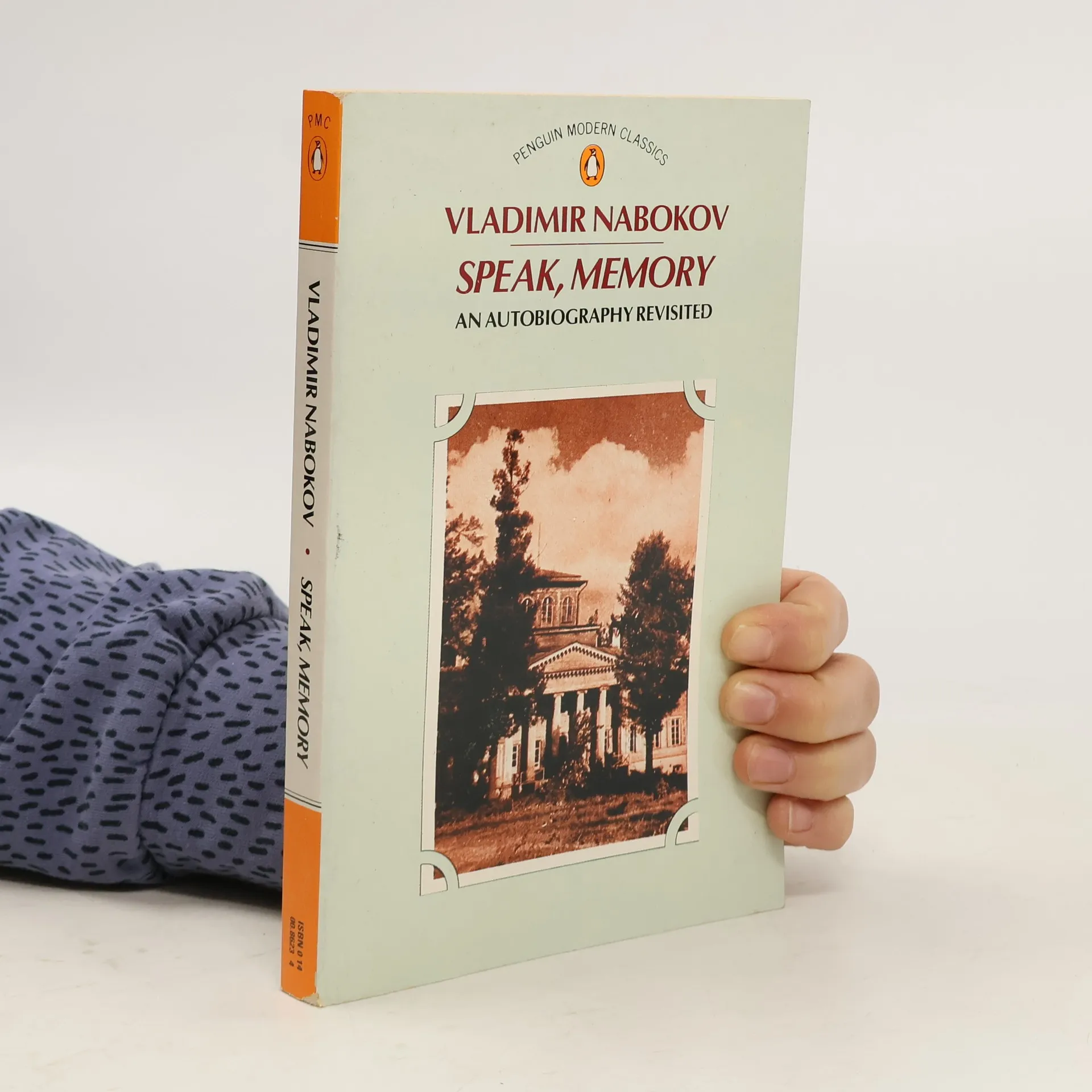
From one of the 20th century's great writers comes one of the finest autobiographies of our time. Speak, Memory, first published in 1951 as Conclusive Evidence and then assiduously revised in 1966, is an elegant and rich evocation of Nabokov’s life and times, even as it offers incisive insights into his major works, including Lolita, Pnin, Despair, The Gift, The Real Life of Sebastian Knight, and The Luhzin Defense. One of the 20th century’s master prose stylists, Vladimir Nabokov was born in St. Petersburg in 1899. He studied French and Russian literature at Trinity College, Cambridge, then lived in Berlin and Paris, where he launched a brilliant literary career. In 1940 he moved to the United States, and achieved renown as a novelist, poet, critic, and translator. He taught literature at Wellesley, Stanford, Cornell, and Harvard. In 1961 he moved to Montreux, Switzerland, where he died in 1977.
El libro Oriente, Occidente es una rareza en la obra de Salman Rushdie: aunque el autor es conocido principalmente por sus extensas novelas, en 1994 publicó una colección de relatos cortos. En estos textos magistralmente escritos, divididos en tres secciones, observa con distancia y de cerca dos mundos que forman parte de su identidad: la civilización oriental y la occidental. Desde la perspectiva de un marginado o nómada, que aparentemente no pertenece a ningún lugar, sigue su historia compartida y los malentendidos cómicos y trágicos que los unen. En los relatos, que demuestran la extraordinaria amplitud del talento de Rushdie, el autor —al igual que sus personajes— se deja atraer con conmovedora ternura alternativamente hacia uno y otro lado, pero finalmente se aferra obstinadamente a su dualidad y, a pesar de todo, se niega a elegir entre Oriente y Occidente. Este enfoque lo expresó de manera más adecuada al afirmar que "la parte más importante del título Oriente, Occidente es la coma. Me parece que esa coma soy yo".
Smurov, a fussily self-conscious Russian tutor, shoots himself after a humiliating beating by his mistress' husband. Unsure whether his suicide has been successful or not, Smurov drifts around Berlin, observing his acquaintances, but finds he can discover very little about his own life from the opinions of his distracted, confused fellow-emigres.
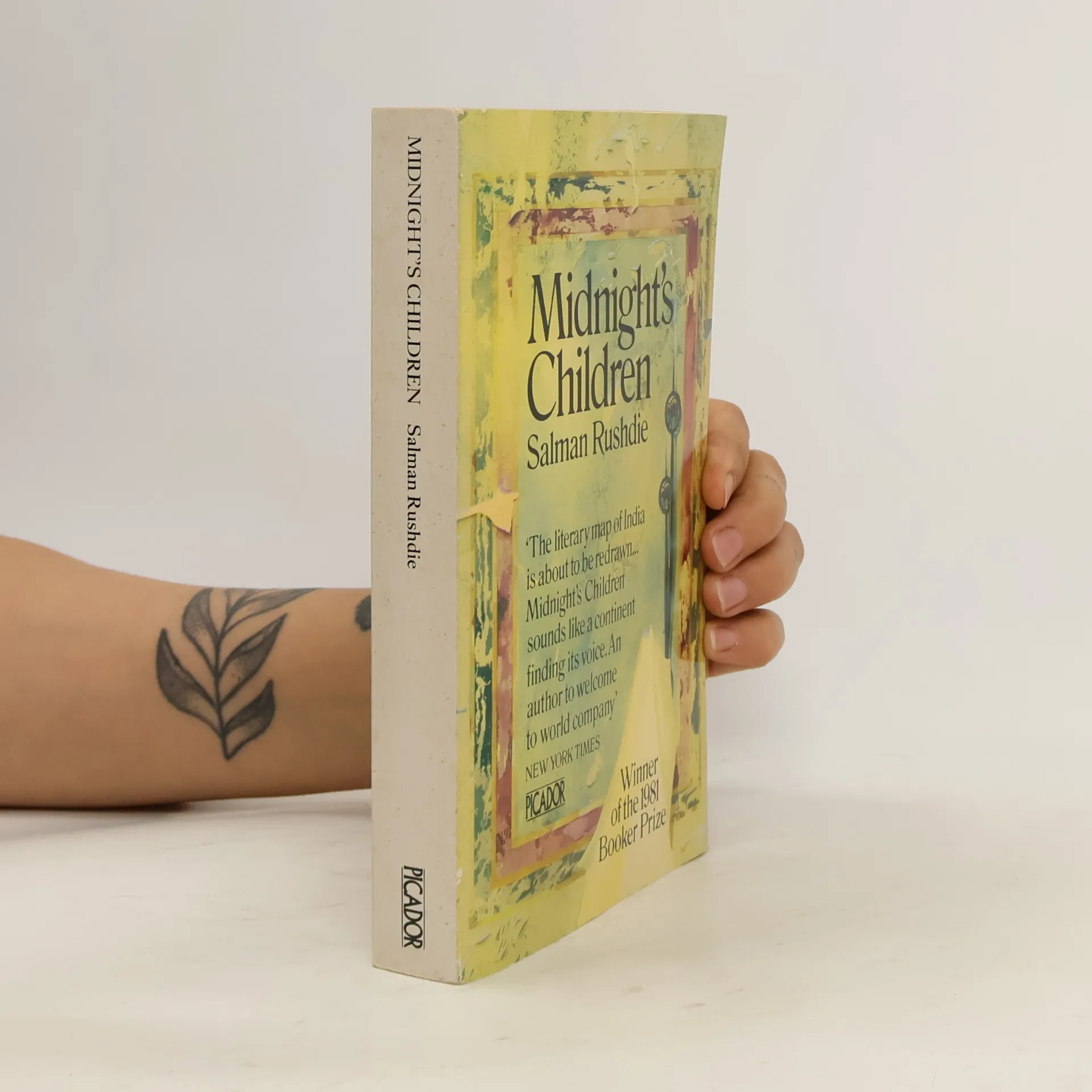
The life of a man born at the moment of India's independence becomes inextricably linked to that of his nation and is a whirlwind of disasters and triumphs that mirror modern India's course, in a twenty-fifth anniversary edition of the Booker Prize-winning novel
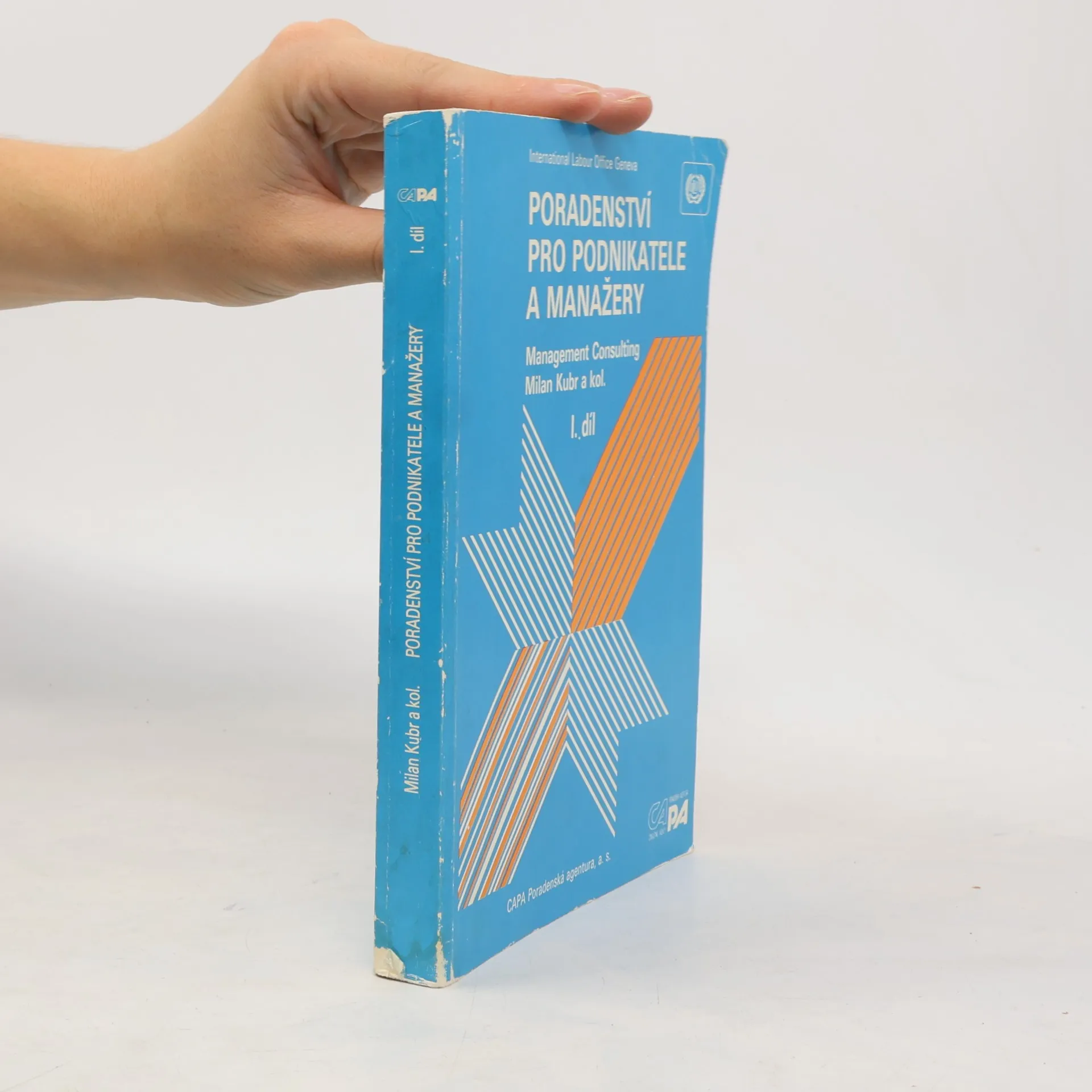
Rychlé a objektivní informace, zásady a zkušenosti pro uspění v podmínkách konkurence.
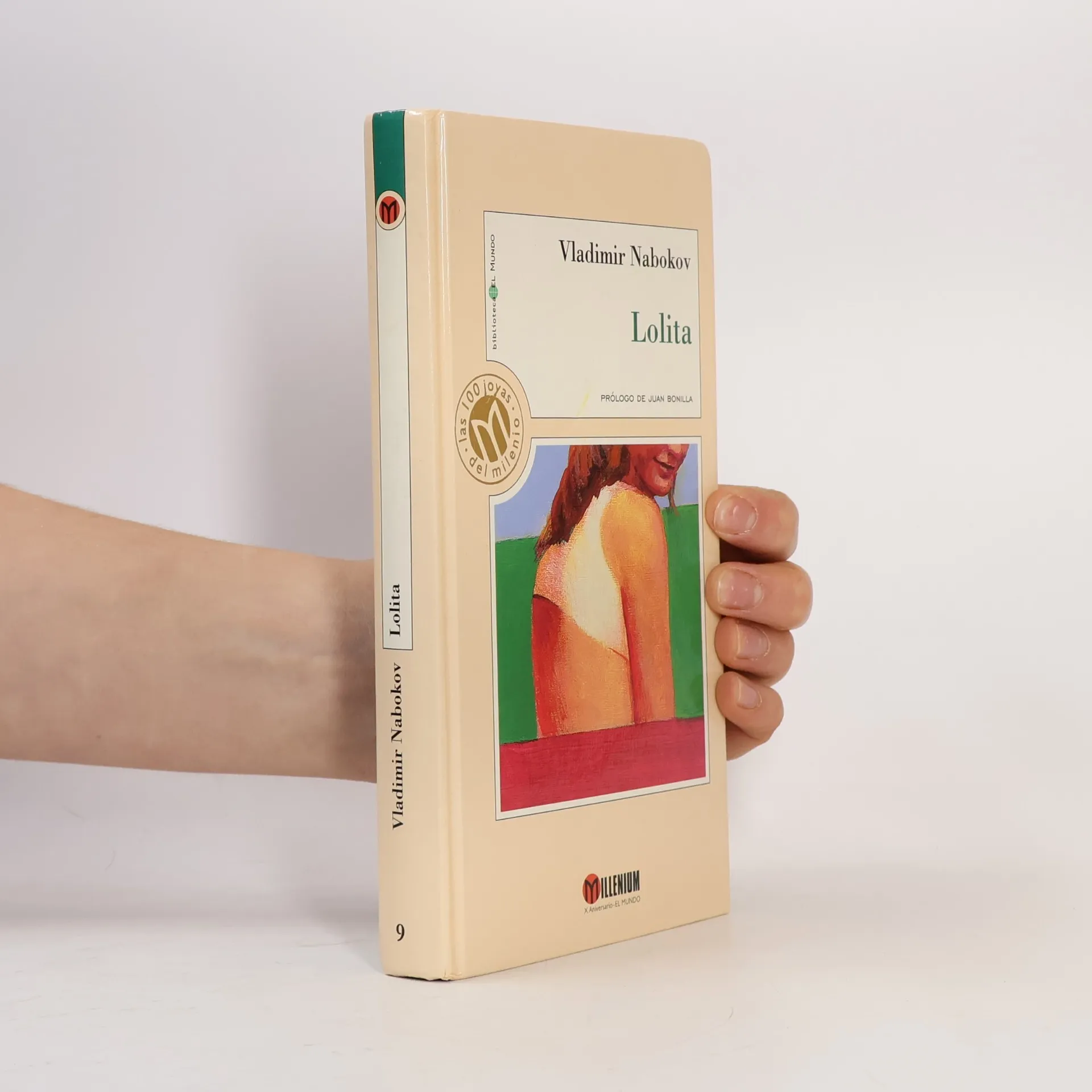
Lolita es la novela más conocida del escritor ruso Vladimir Nabokov publicada por primera vez en 1955 que trata sobre la obsesión sexual de un hombre de mediana edad por su hijastra de 12 años. No exenta de polémica, está considerada por muchos críticos y académicos como una obra maestra de la literatura universal contemporánea y un clásico moderno . Lo que no ha rescatado el recuerdo colectivo, frivolizado por la cultura popular y acentuado, pienso yo, por las dos películas basadas en la Lolita de Nabokov, es la situación de víctima que sufre la niña, Dolores Haze. La prosa es fascinante, perturbadora y muy bella, y el relato oscila entre el género erótico, la novela policial, el drama psicológico, y el alegato legal presentado como una tardía confesión. Esta riqueza narrativa produce cambios de ánimo en el lector quien modificará su sentir conforme avance en la lectura: rabia e impotencia ante el engaño urdido por el falso padre, sorpresa ante los avances de la niña, dolor por la impostura que tiene que tragarse Charlotte, desconsuelo ante los avatares que le depara la vida a Lolita, y en algunos momentos, hasta compasión por el pederasta. Todo ello expresado con un lenguaje impecable, de trazo fino, que refleja el buen gusto del narrador, hombre complejo, de una exquisita sensibilidad.
"Omar Khayyam Shakil had three mothers who shared the smptoms of pregnancy, as they did everything else, inseparably. At their six breasts, Omar was warned against all feelings and nuances of shame. it was training which would prove useful when he left his mothers' fortress (via the dumb-waiter) to face his shameless future. As captivating fairy-tale, devastating political satire and exquisite, uproarious entertainment, Shame is a novel without rival." -- Back cover.
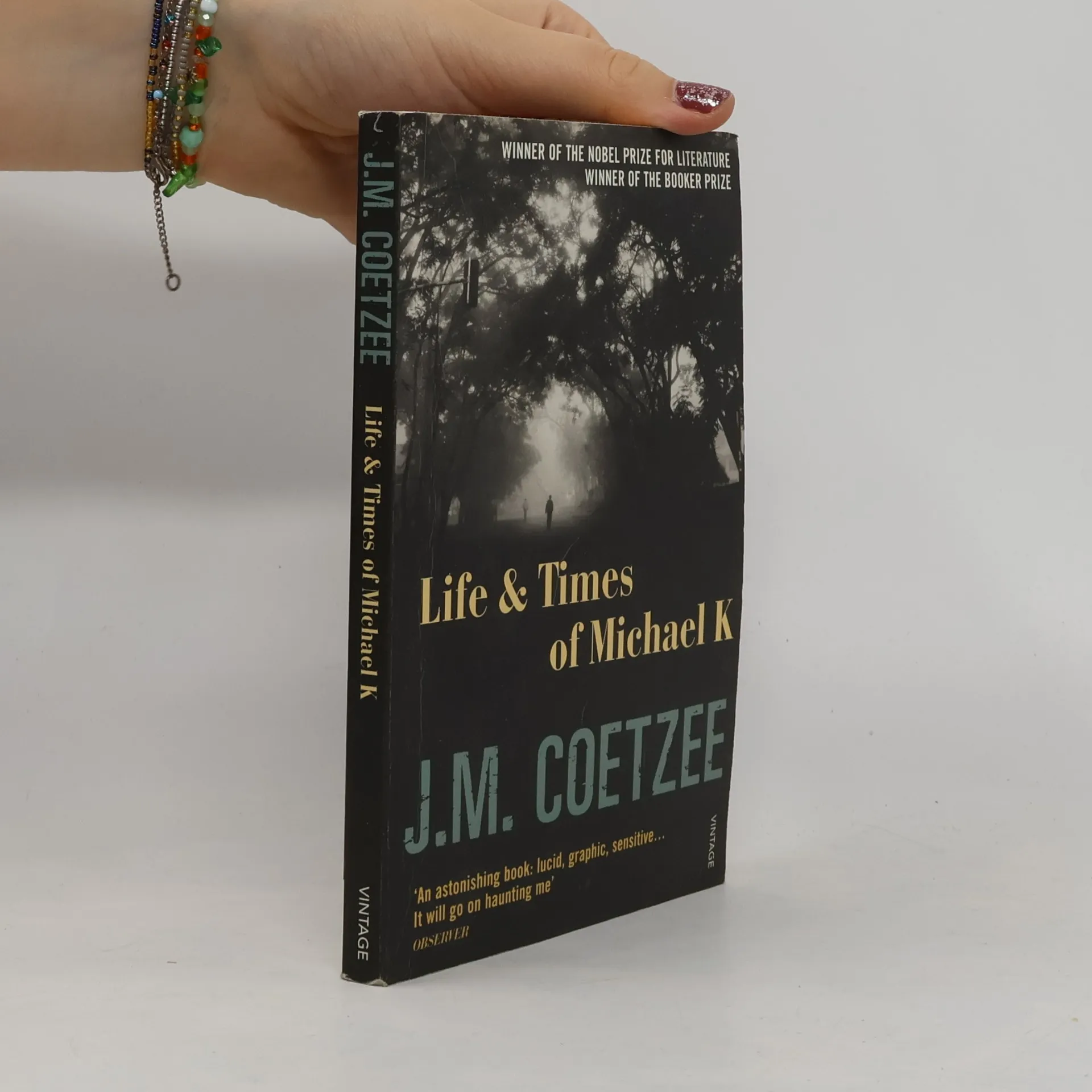
Coetzee here tells the story of a handicapped young man who has worked as a municipal gardener in Cape Town. His mother is dying, and she wishes to return to her birthplace out in the veldt. Without the required transit passes, mother and son set out on a journey that will end in death for her and in a new but temporary life on an abandoned farm for him. His respite in isolation and peace does not last long, however; grotesque reality soon returns to trouble this quiet new world. Against the solitude of this private drama, Coetzee paints an eloquent and pained picture of his homeland and of the bureaucrats, doctors, army deserters, and camp guards who reveal the stress and qualms of their existence and who uneasily sense that there is no conclusion to their troubles and no future for their lives.