

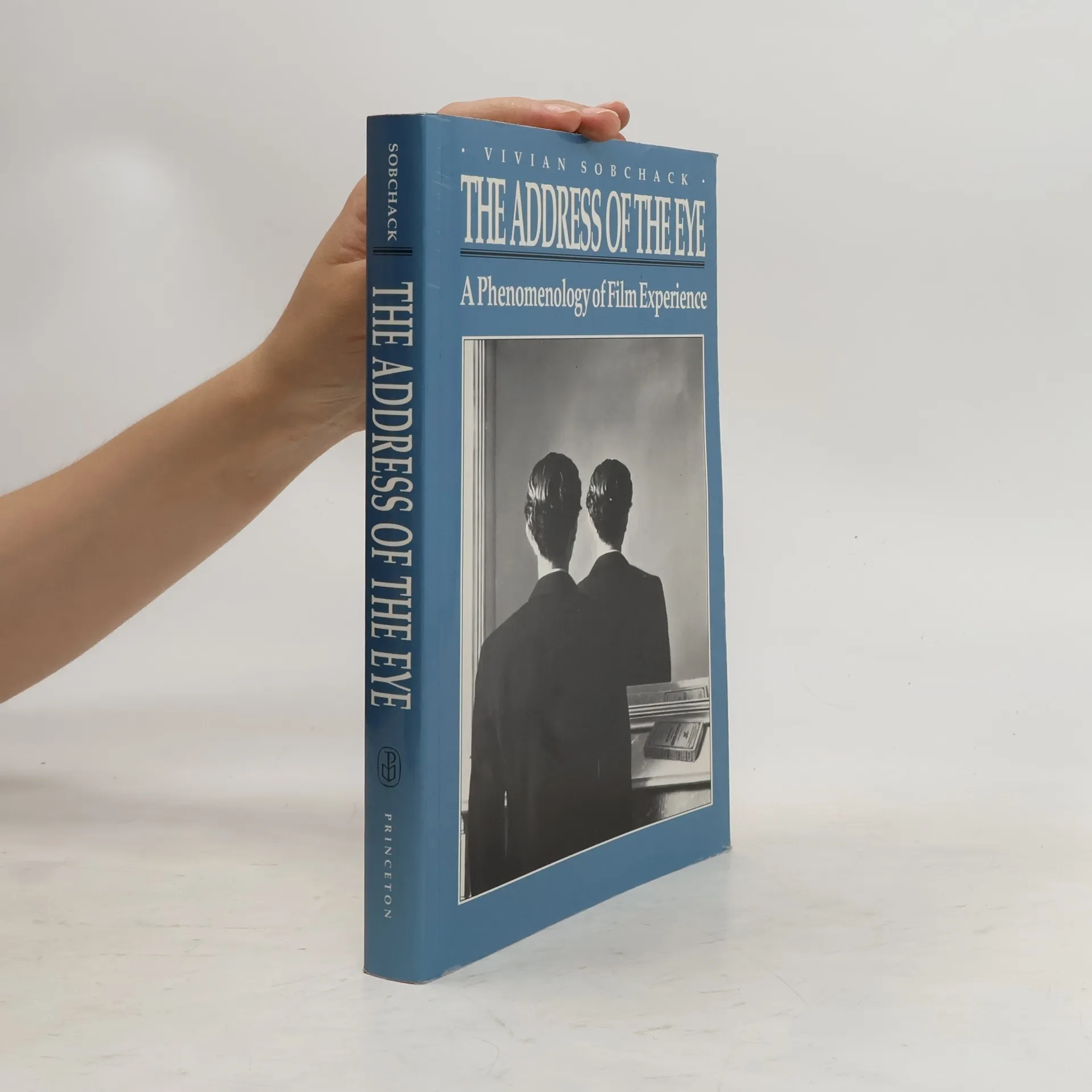
Cinema is a sensuous object, but in our presence it becomes also a sensing, sensual, sense-making subject. Thus argues Vivian Sobchack as she challenges basic assumptions of current film theory that reduce film to an object of vision and the spectator to a victim of a deterministic cinematic apparatus. Maintaining that these premises ignore the material and cultural-historical situations of both the spectator and the film, the author makes the radical proposal that the cinematic experience depends on two "viewers" viewing: the spectator and the film, each existing as both subject and object of vision. Drawing on existential and semiotic phenomenology, and particularly on the work of Merleau-Ponty, Sobchack shows how the film experience provides empirical insight into the reversible, dialectical, and signifying nature of that embodied vision we each live daily as both "mine" and "another's." In this attempt to account for cinematic intelligibility and signification, the author explores the possibility of human choice and expressive freedom within the bounds of history and culture.
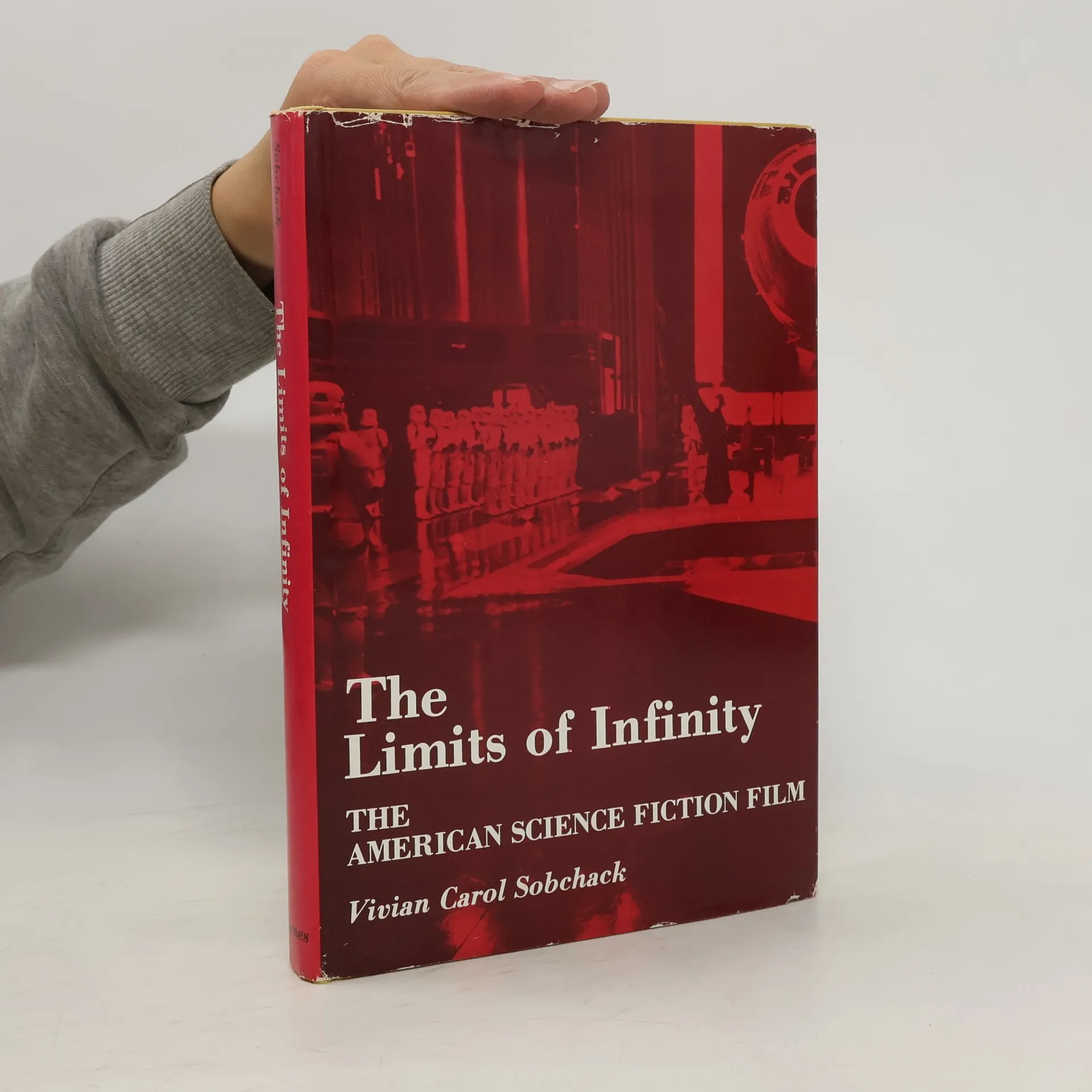
Vivian Sobchack Libros
Vivian Sobchack es una pensadora pionera en estudios de cine y medios, centrada en la fenomenología de la experiencia cinematográfica. Su obra profundiza en cómo el público percibe e interactúa con las imágenes en movimiento, a través de un análisis meticuloso de géneros cinematográficos y estudios culturales. Los influyentes ensayos y libros de Sobchack exploran la profunda conexión entre la corporeidad, la percepción y la cultura de la pantalla, iluminando cómo nuestra comprensión de la realidad está moldeada por los medios visuales. Su investigación ecléctica sintetiza filosofía, teoría cinematográfica e historia para ofrecer una perspectiva única sobre cómo el cine refleja e impacta nuestra visión del mundo.
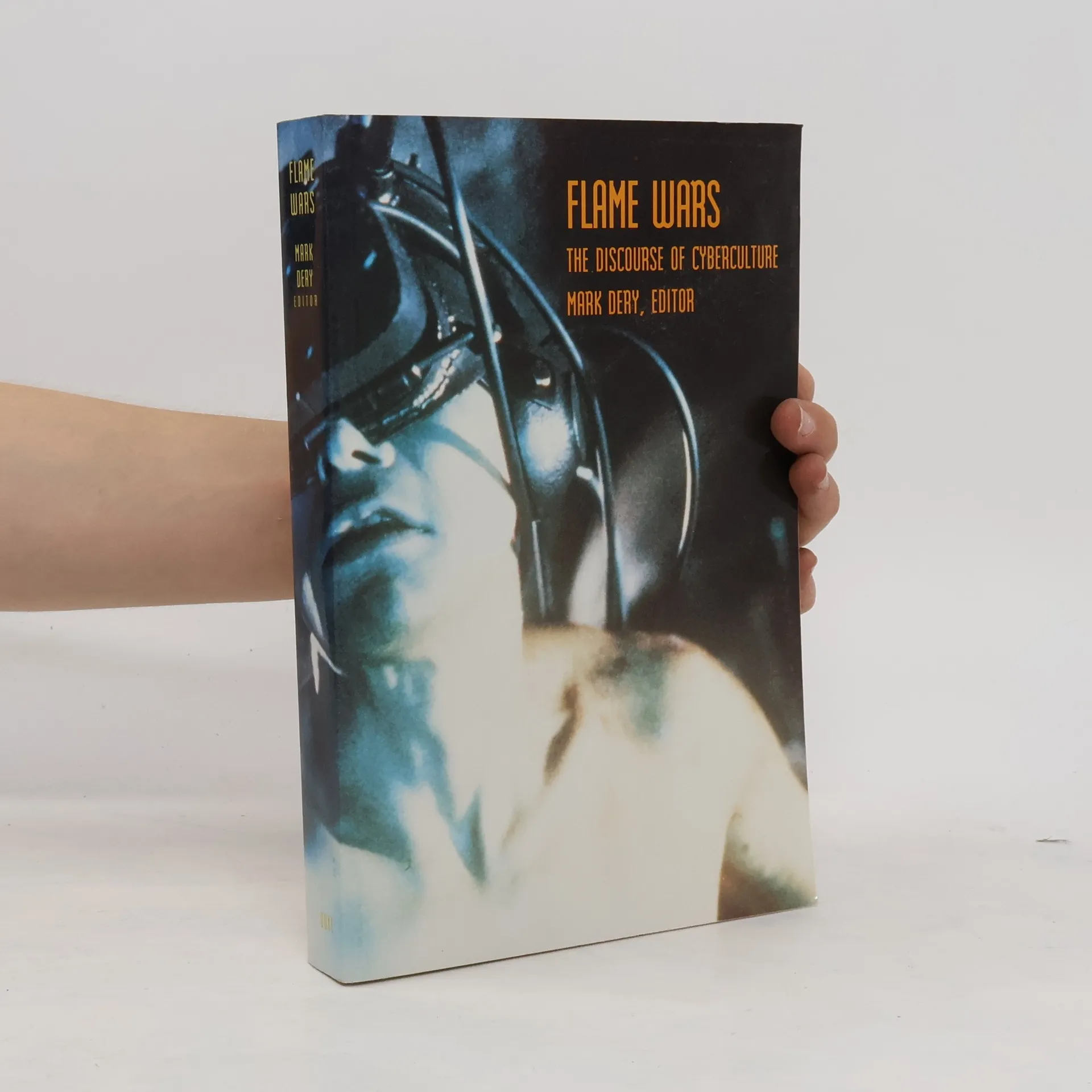
"Flame Wars" explores the verbal battles occurring on electronic bulletin boards, highlighting our growing reliance on technology for communication. As we engage more with machines, we become cyborgian hybrids, reflecting a shift towards a future where virtual communities are commonplace. The essays in this expanded edition reveal the complexities of fringe computer culture, showcasing a diverse array of figures, from flame warriors to technopagans who view computers as tools of the occult. Readers will encounter unique narratives, such as a short story by William Gibson featuring software that self-destructs after a single reading, and the story of Lady El, an African American cleaning woman transformed into a powerful cyborg. The anthology also delves into online swinging, mechanical performance art, and includes an interview with Samuel Delany. The contributors, inspired by Fredric Jameson’s vision of cognitive cartography, aim to map the intricacies of our increasingly wired world. With essays from notable voices like Anne Balsamo, Pat Cadigan, and Erik Davis, this collection offers a thought-provoking glimpse into the intersection of technology, culture, and identity.
The main aim of this textbook is to bring together and to put into perspective current knowledge of intra-cellular signalling systems in animals. Topics discussed include networks of signals, metabolites, nucleotides, calcium, oncogenes and GTP-and DNA-binding proteins.
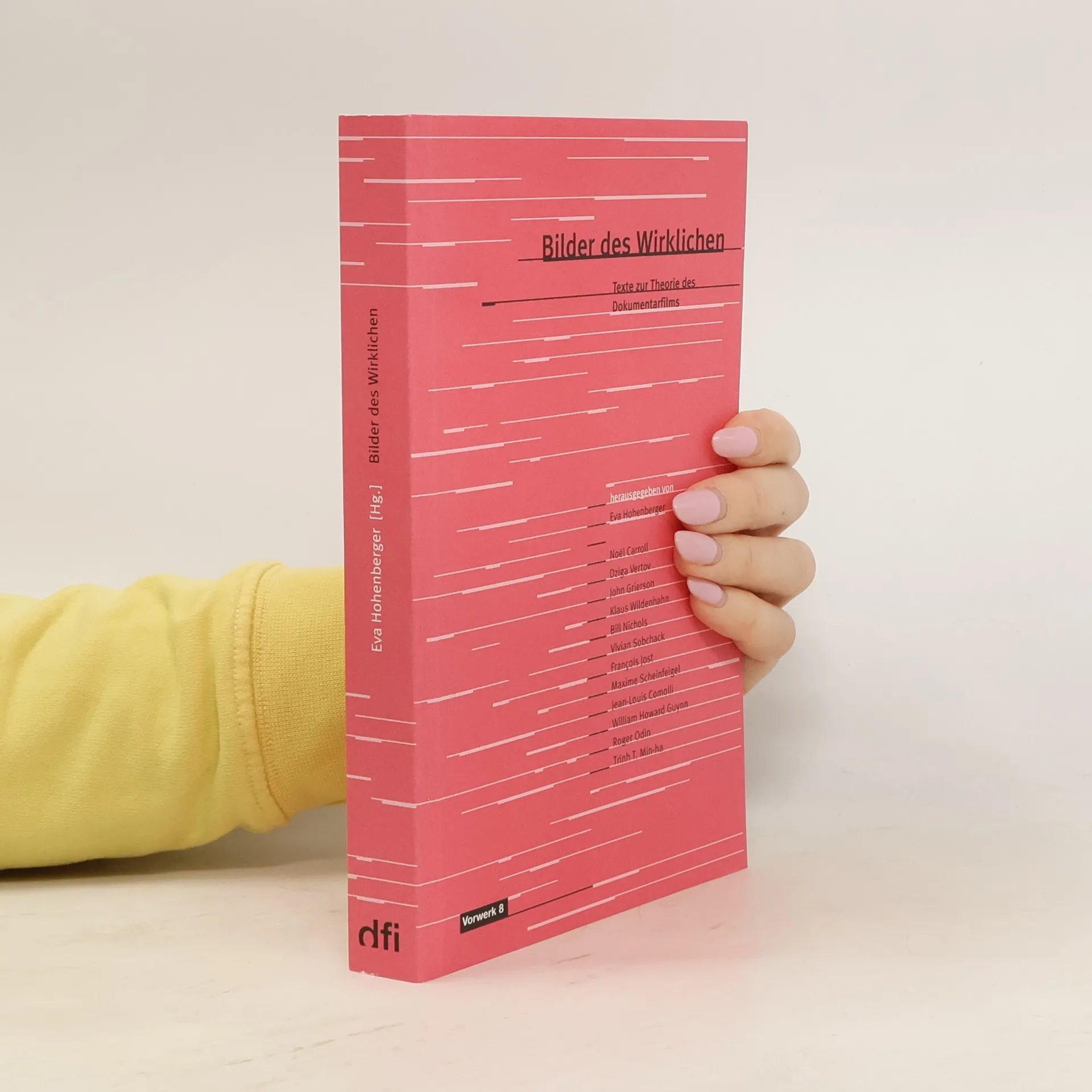
Diese spannungsreiche Anthologie enthält die wichtigsten Texte der letzten 70 Jahre zum Dokumentarfilm. Ein wertvoller Reader und ein fundierter Diskussionsbeitrag zu den aktuellen Fragen des Genres.