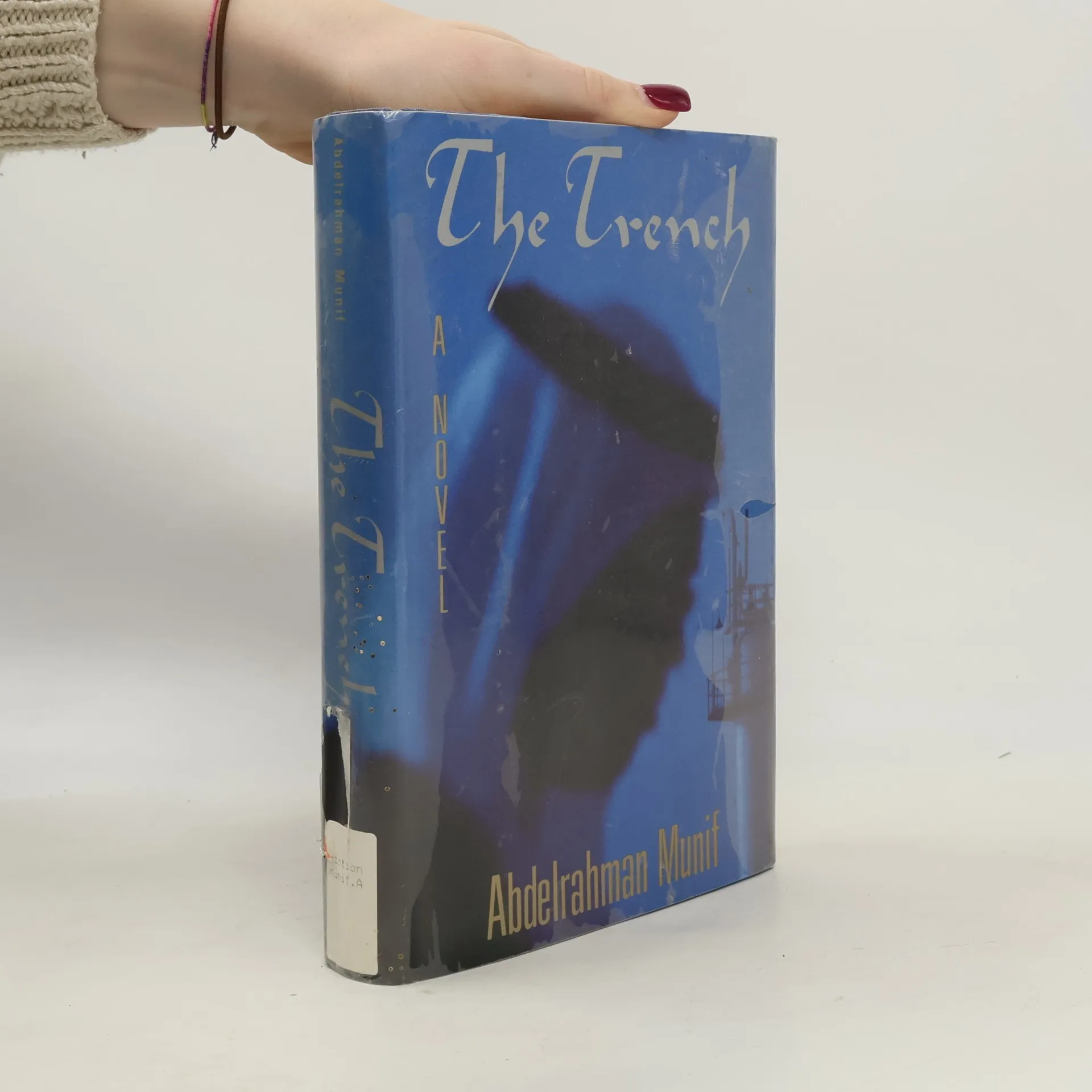
Abdul Rahman Munif es considerado uno de los novelistas árabes más importantes del siglo XX. En sus obras, captura magistralmente la realidad sociopolítica árabe y los violentos cambios culturales que barrieron la región del Golfo, especialmente debido al auge petrolero. Su experiencia como experto en petróleo le proporcionó una profunda comprensión de la economía del petróleo y las transformaciones fundamentales que la revolución petrolera provocó en el tejido mismo de las sociedades árabes del Golfo. La escritura de Munif se caracteriza por su perspicaz análisis y su sensible retrato del impacto de la modernización en la vida tradicional.
Set in an unnamed Persian Gulf kingdom in the 1930s, this remarkable novel tells the story of the disruption and diaspora of a poor oasis community following the discovery of oil there. The meeting of the Arabs and the Americans who, in essence, colonize the remote region is a cultural confrontation in which religion, history, superstition, and mutual incomprehension all play a part.Powerful political fiction that it is, CITIES OF SALT has been banned in several Arab countries, including Saudi Arabia. This novel, the first volume in a trilogy, has been translated from the Arabic to the English by Peter Theroux.
Set in a Middle Eastern kingdom during the 1950s, this second volume of a critically acclaimed trilogy explores the corrupting influence of oil, greed, and American values. The narrative unfolds in the sultanate of Mooran, where Sultan Khazael's reign is marked by petty conflicts and intrigues, particularly the Machiavellian scheming of Dr. Subhi Mahmilji, the sultan's chief advisor. Dr. Mahmilji wields significant power, establishing Hammad al-Mutawa as head of the secret police, but faces challenges from his wife Widad, who desires every man but him; his assistant Muhammed Eid, who wishes to marry his daughter Salma; and his son Ghazwan, whose experiences in the US expose him to Western decline. The story captures Mooran's gradual descent into capitalism through seemingly trivial episodes, including humorous business deals and family quarrels. The author maintains a close perspective on the characters' ambitions and fears, allowing their tragic absurdity to remain obscured until the inevitable backlash against the sultan's regime. This subtle satire may be challenging for some readers, yet it effectively illustrates the dangers of excessive wealth and power, reflecting the author's own loss of Saudi citizenship.