

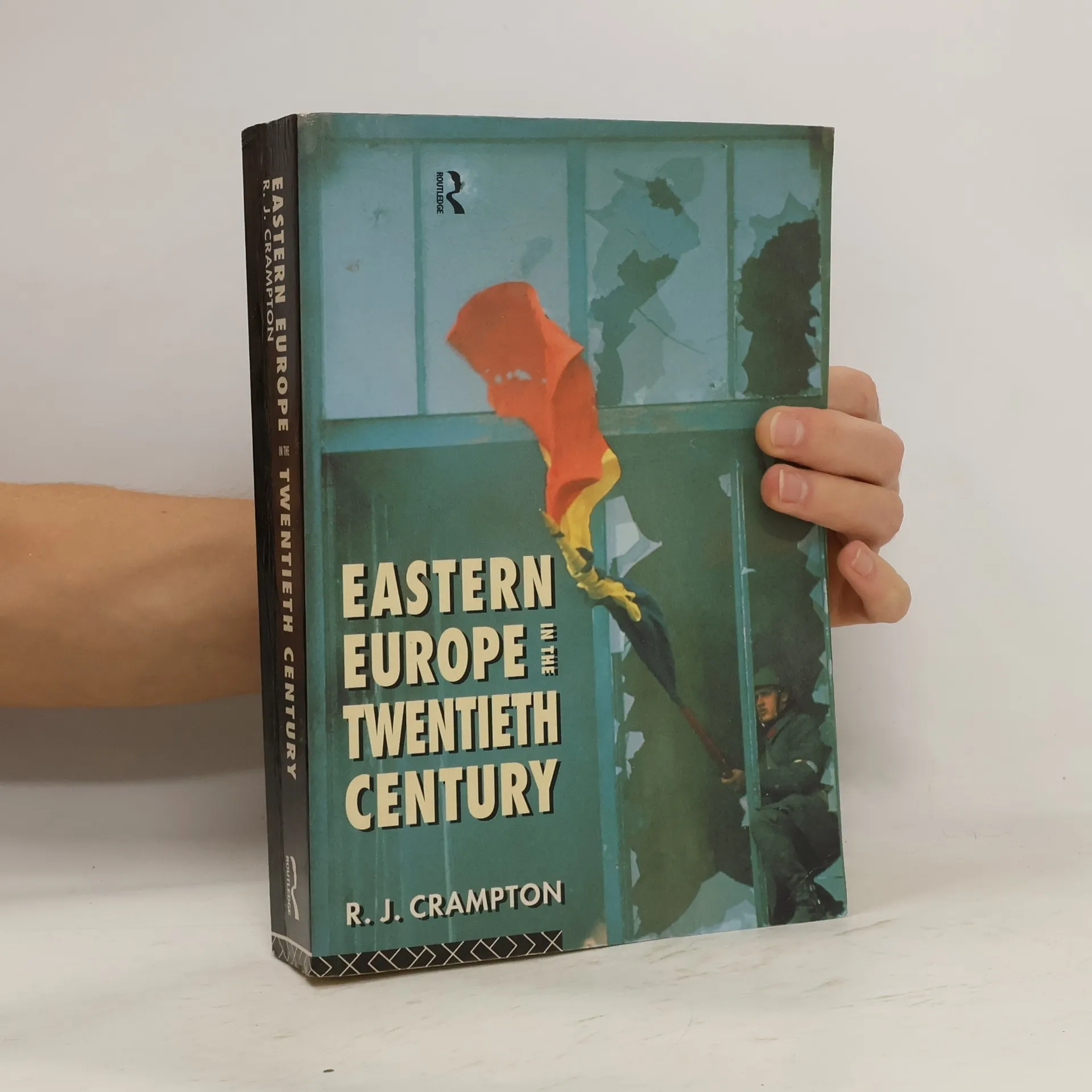
Covering all key Eastern European states and their history right up to the collapse of communism, this second edition of Eastern Europe in the Twentieth Century – And After is a comprehensive political history of Eastern Europe taking in the whole of the century and the geographical area. Focusing on the attempt to create and maintain a functioning democracy, this new edition examines events in Bosnia and Herzegovina includes a new consideration of the evolution of the region since the revolutions of 1989–91 surveys the development of a market economy analyzes the realignment of Eastern Europe towards the West details the emergence of organized crime discusses each state individually includes an up-to-date bibliography. Eastern Europe in the Twentieth Century – And After provides an accessible introduction to this key area which is invaluable to students of modern and political history.
R. J Crampton Libros
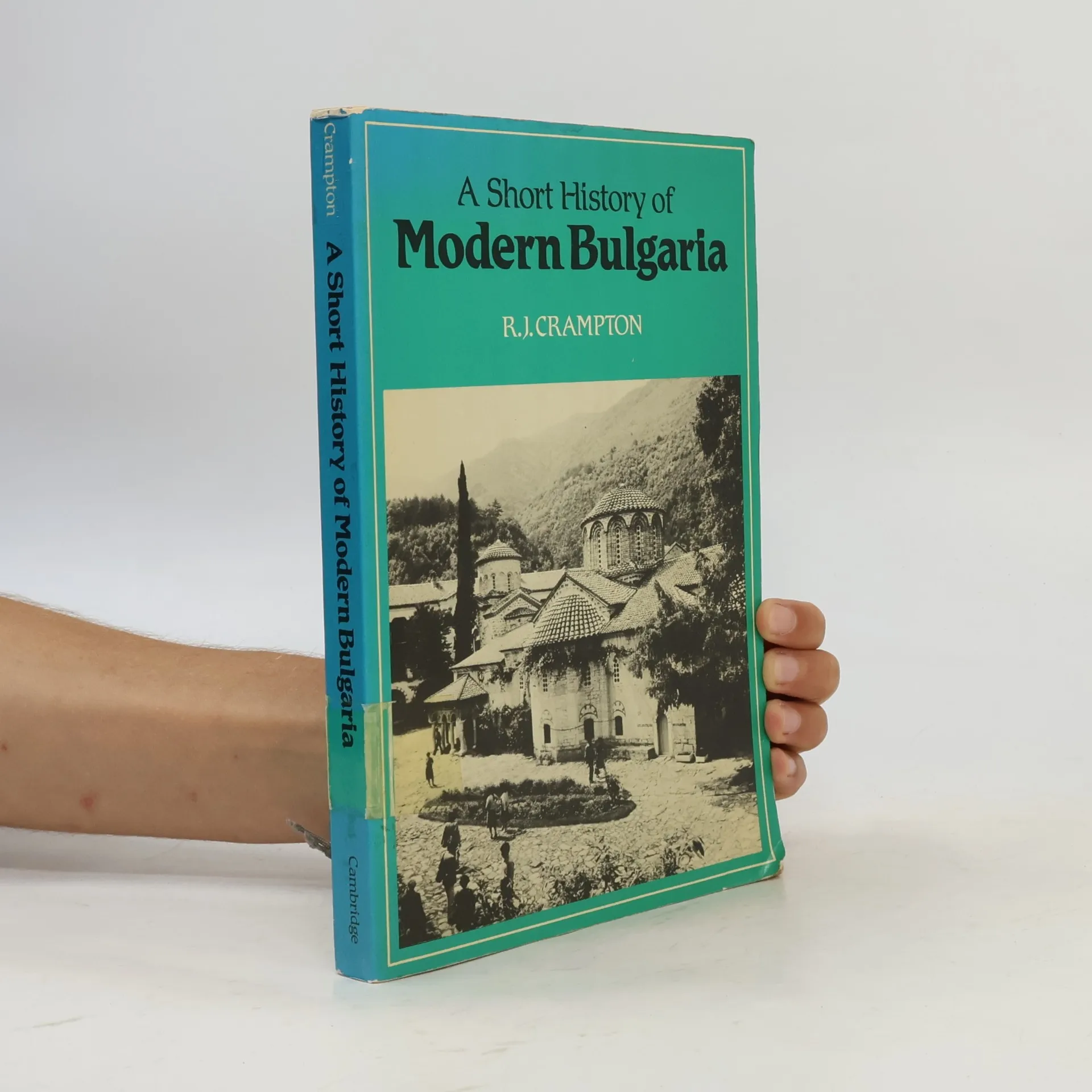

This second edition of the history of Bulgaria now includes the vital period from 1995 to 2004.
A Short History of Modern Bulgaria
- 236 páginas
- 9 horas de lectura
Since the Second World War, Bulgaria has been little known to the outside world. This survey of its history from its liberation from the Ottoman Empire in 1878 to 1985 offers an understanding of the country's present position and the recent past that has shaped it. Dr Crampton begins with a short introduction covering the period of Ottoman rule and then examines the political evolution of the new state. In 1915 the ruler, 'Foxy Ferdinard', chose to join the Germans in the First World War. During the 1920s and early 1930s Bulgaria suffered from political violence, though in the second half of the 1930s stability returned under the strong but not dictatorial rule of King Boris. In 1940 Bulgaria's leaders again chose the wrong side in the Second World War and violence returned as the Communists plotted a bloody path to power. From the mid-1950s the dictatorial rule of Todor Zhivkov ensured stability and, though grave problems remained, the rise in living standards was a considerable achievement.