

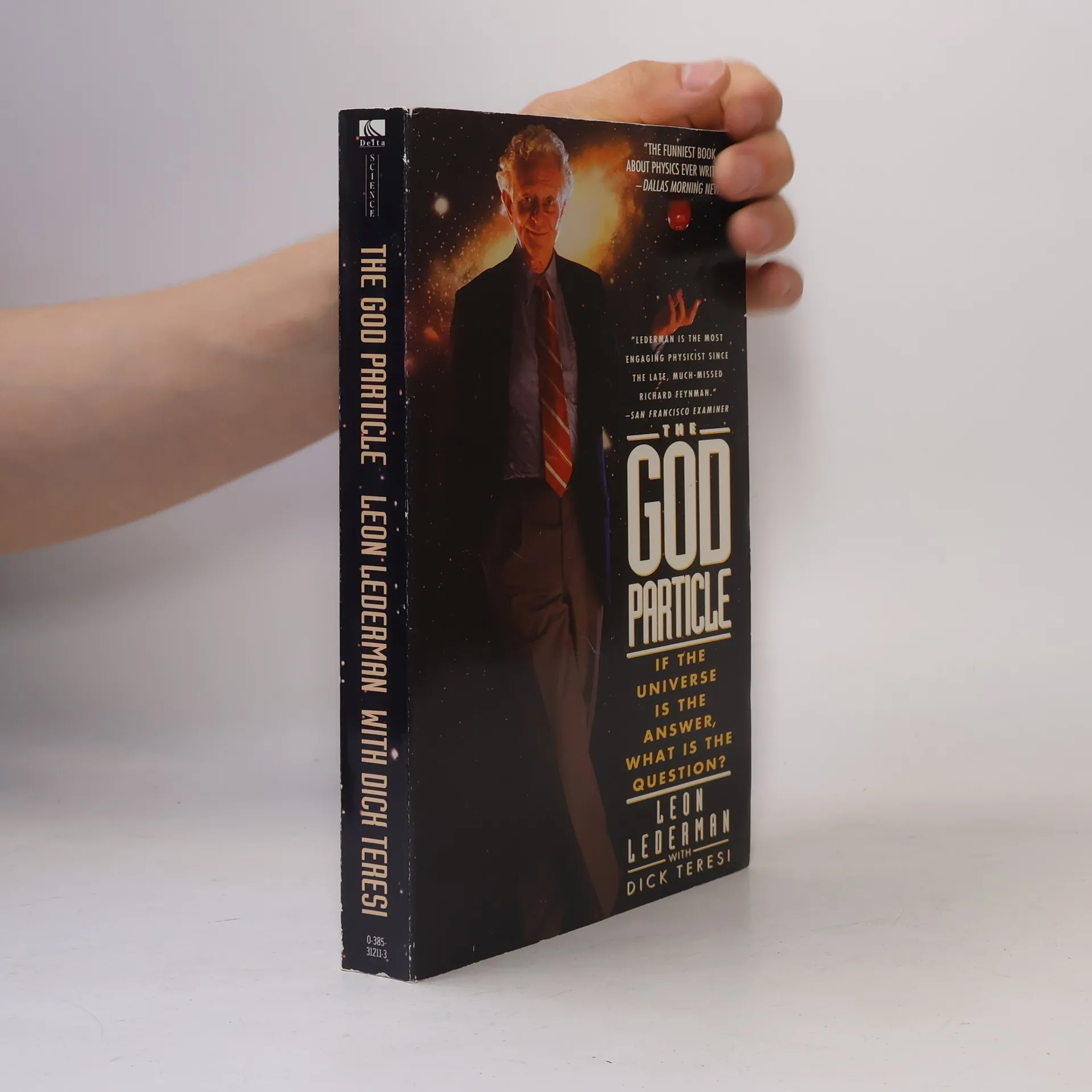
In this extraordinarily accessible and enormously witty book, the Nobel Prize-winning physicist Leon Lederman guides us on a fascinating tour of the history of particle physics. The book takes us from the Greeks' earliest scientific observations through Einstein and beyond in an inspiring celebration of human curiosity. It ends with the quest for the Higgs boson, nicknamed the God Particle, which scientists hypothesize will help unlock the last secrets of the subatomic universe. With a new preface by Lederman, The God Particle will leave you marveling at our continuing pursuit of the infinitesimal.
Christopher T. Hill Libros

Quantum Physics for Poets
- 340 páginas
- 12 horas de lectura
Focusing on the accessibility of quantum theory, Lederman and Hill aim to demystify this complex subject for general readers. They weave a historical narrative highlighting pivotal moments and figures in quantum physics, including Max Planck and Albert Einstein, who grappled with its counterintuitive principles. The book explores the bizarre phenomena at the subatomic level, such as particles acting as both particles and waves, and the observer effect. Additionally, it discusses modern applications and advanced concepts like field theory and string theory, making quantum physics engaging and relatable through vivid analogies.
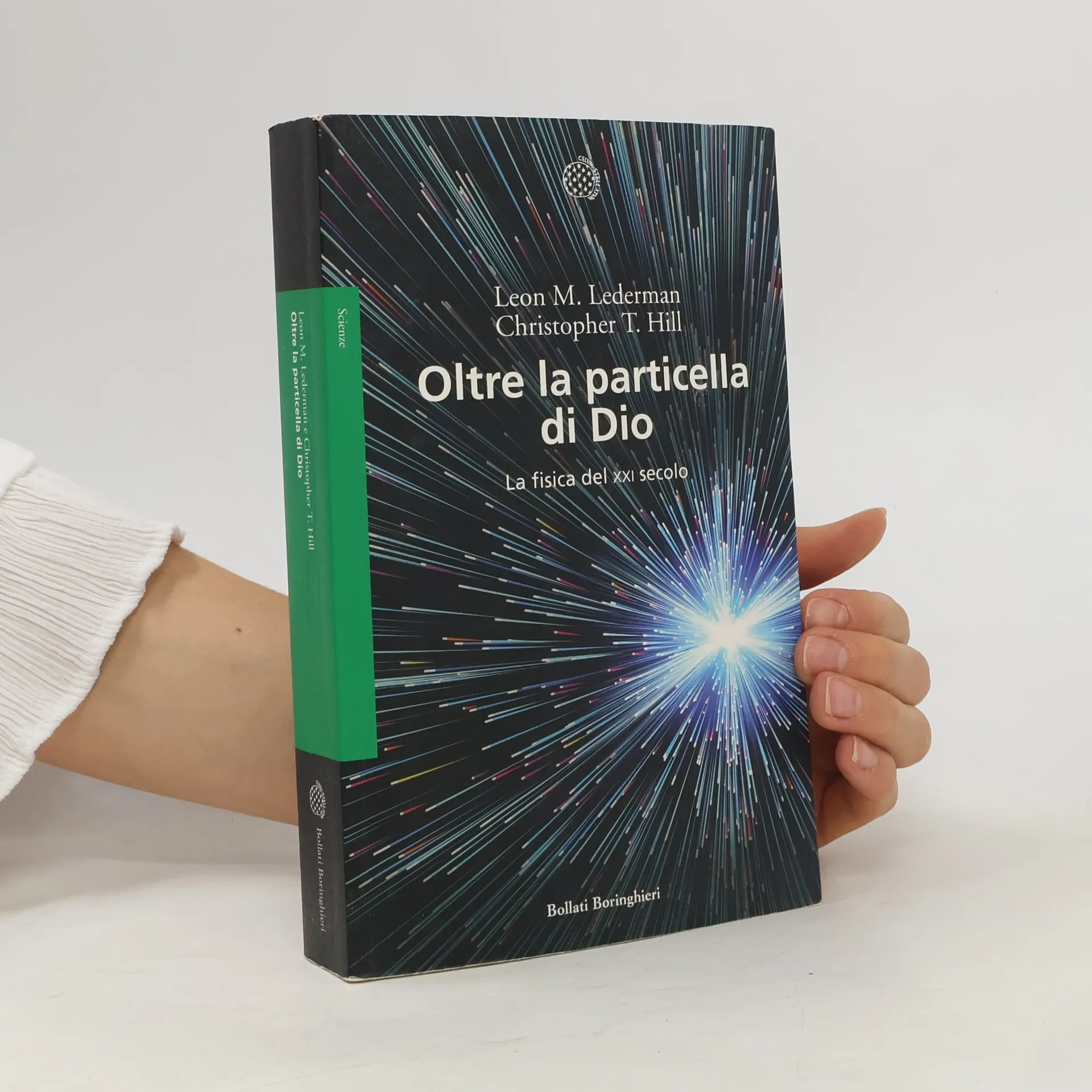
Dopo "Fisica quantistica per poeti", Christopher Hill e Leon Lederman - il premio Nobel che ha coniato l'espressione "particella di Dio" - tornano in libreria con questo nuovo libro per spiegarci, con la loro usuale chiarezza cristallina, cosa dobbiamo aspettarci dalla fisica dei prossimi anni. Come ormai tutti sanno, nel luglio 2012 il Large Hadron Collider (LHC) di Ginevra, il più potente acceleratore di particelle del mondo, ha finalmente svelato l'esistenza della più elusiva delle particelle subatomiche, il bosone di Higgs. L'impresa, davvero titanica, svolta dall'intera comunità scientifica europea presso il CERN (in cui l'Italia ha avuto un ruolo da protagonista assoluta) ha ottenuto enorme risonanza nei media, ben oltre l'ambito scientifico di riferimento. Il motivo di tanto interesse sta nel fatto che il bosone di Higgs, la particella che per tanto tempo era sfuggita ai nostri strumenti, determina un campo che permea l'intero Universo, creando con esso la massa delle particelle elementari, che a loro volta creano tutto ciò che esiste al mondo. Senza il bosone di Higgs non esisterebbe nulla. La sua scoperta ha dunque fornito molte risposte in un colpo solo, ma come spesso accade nella scienza ha anche portato un'infinità di nuove domande, alle quali i laboratori di tutto il mondo stanno ora cercando di dare nuove soluzioni.