My Trade Is Mystery
- 112 páginas
- 4 horas de lectura
An invaluable companion for any writer seeking to make the writing life a more complex and cooperative venture


Carl Phillips es un autor aclamado cuya poesía profundiza en las complejidades de la experiencia humana, particularmente en los ámbitos del deseo, el cuerpo y la espiritualidad. Sus poemas son conocidos por su dicción precisa y musical, y un tono reflexivo y a menudo meditativo que invita a los lectores a contemplar verdades universales a través de imágenes específicas. Phillips explora la tensión entre la realidad física y la búsqueda espiritual, tejiendo a menudo intrincados tapices de lenguaje que revelan los sutiles matices de las emociones y las relaciones. Su obra es un testimonio del poder del lenguaje para explorar los aspectos más íntimos de la existencia humana.

An invaluable companion for any writer seeking to make the writing life a more complex and cooperative venture
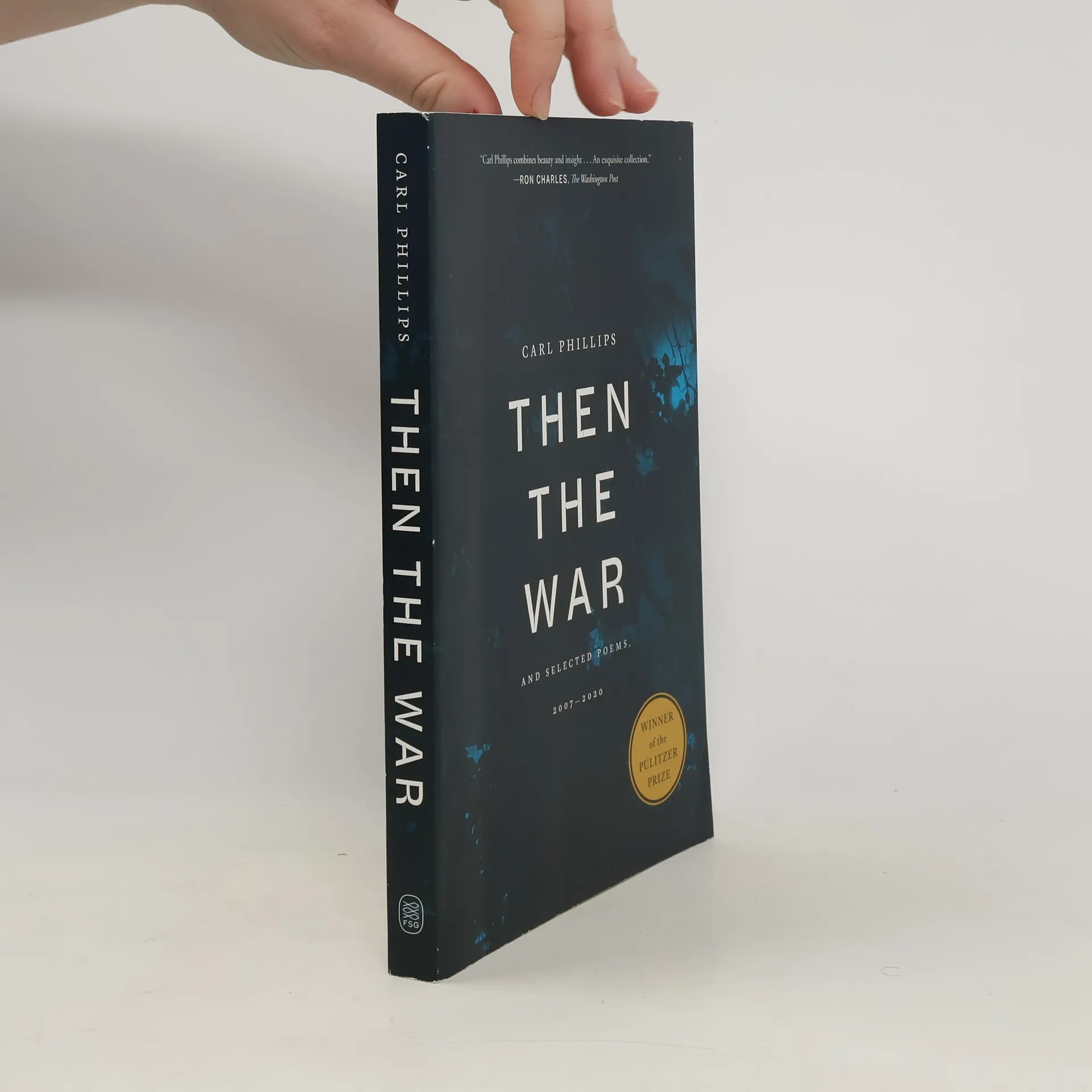
WINNER OF THE 2023 PULITZER PRIZE IN POETRY A new collection of poems from one of America’s most essential, celebrated, and enduring poets, Carl Phillips's Then the War I’m a song, changing. I’m a light rain falling through a vast darkness toward a different darkness. Carl Phillips has aptly described his work as an “ongoing quest”; Then the War is the next step in that meaningful process of self-discovery for both the poet and his reader. The new poems, written in a time of rising racial conflict in the United States, with its attendant violence and uncertainty, find Phillips entering deeper into the landscape he has made his own: a forest of intimacy, queerness, and moral inquiry, where the farther we go, the more difficult it is to remember why or where we started. Then the War includes a generous selection of Phillips’s work from the previous thirteen years, as well as his recent lyric prose memoir, “Among the Trees,” and his chapbook, Star Map with Action Figures. Ultimately, Phillips refuses pessimism, arguing for tenderness and human connection as profound forces for revolution and conjuring a spell against indifference and the easy escapes of nostalgia. Then the War is luminous testimony to the power of self-reckoning and to Carl Phillips as an ever-changing, necessary voice in contemporary poetry.
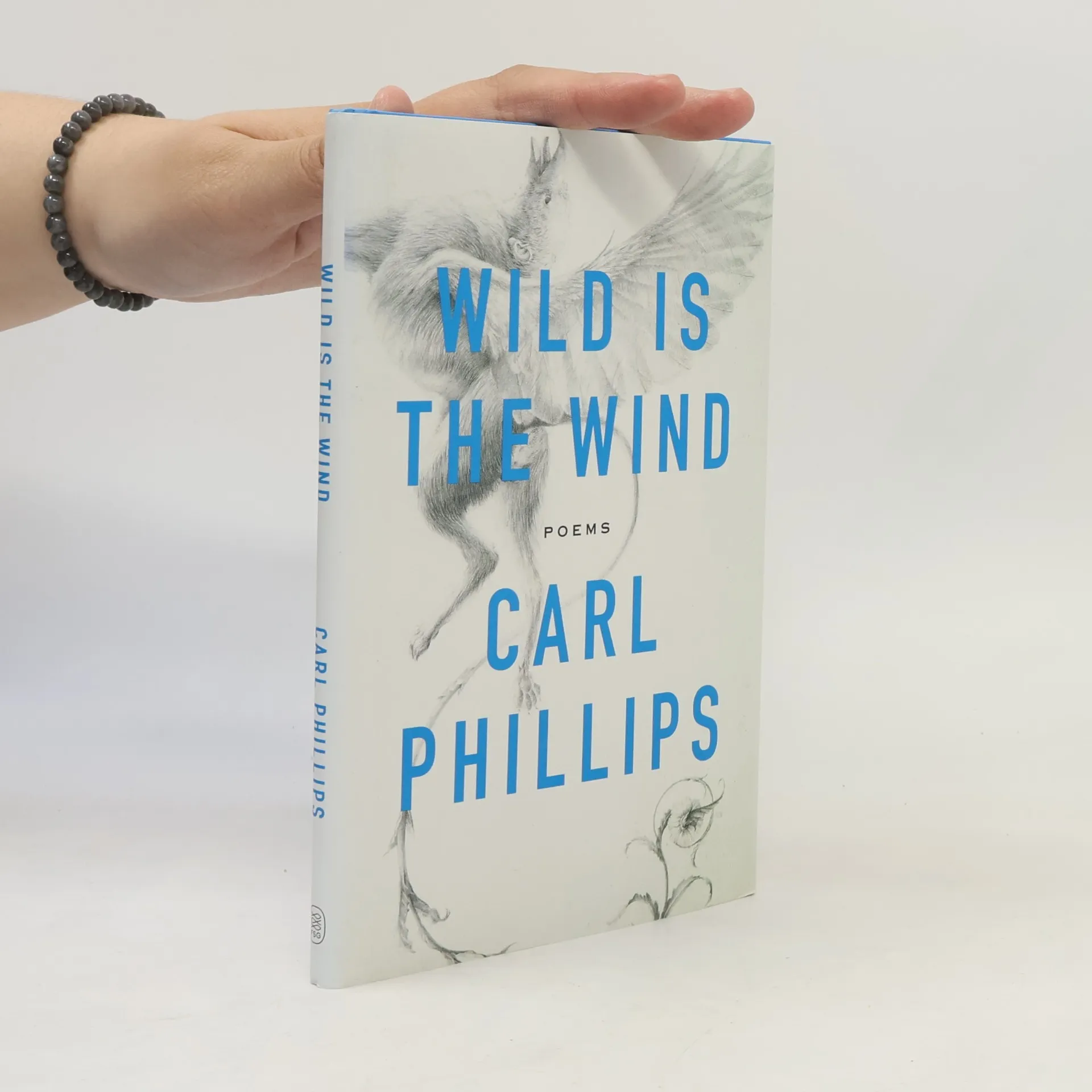
A powerful, inventive collection from one of America's most critically admired poets “What has restlessness been for?” In Wild Is the Wind , Carl Phillips reflects on love as depicted in the jazz standard for which the book is named—love at once restless, reckless, and yet desired for its potential to bring stability. In the process, he pitches estrangement against communion, examines the past as history versus the past as memory, and reflects on the past’s capacity both to teach and to mislead us—also to make us hesitate in the face of love, given the loss and damage that are, often enough, love’s fallout. How “to say no to despair”? How to take perhaps that greatest risk, the risk of believing in what offers no guarantee? These poems that, in their wedding of the philosophical, meditative, and lyric modes, mark a new stage in Phillips’s remarkable work, stand as further proof that “if Carl Phillips had not come onto the scene, we would have needed to invent him. His idiosyncratic style, his innovative method, and his unique voice are essential steps in the evolution of the craft” (Judith Kitchen, The Georgia Review ).