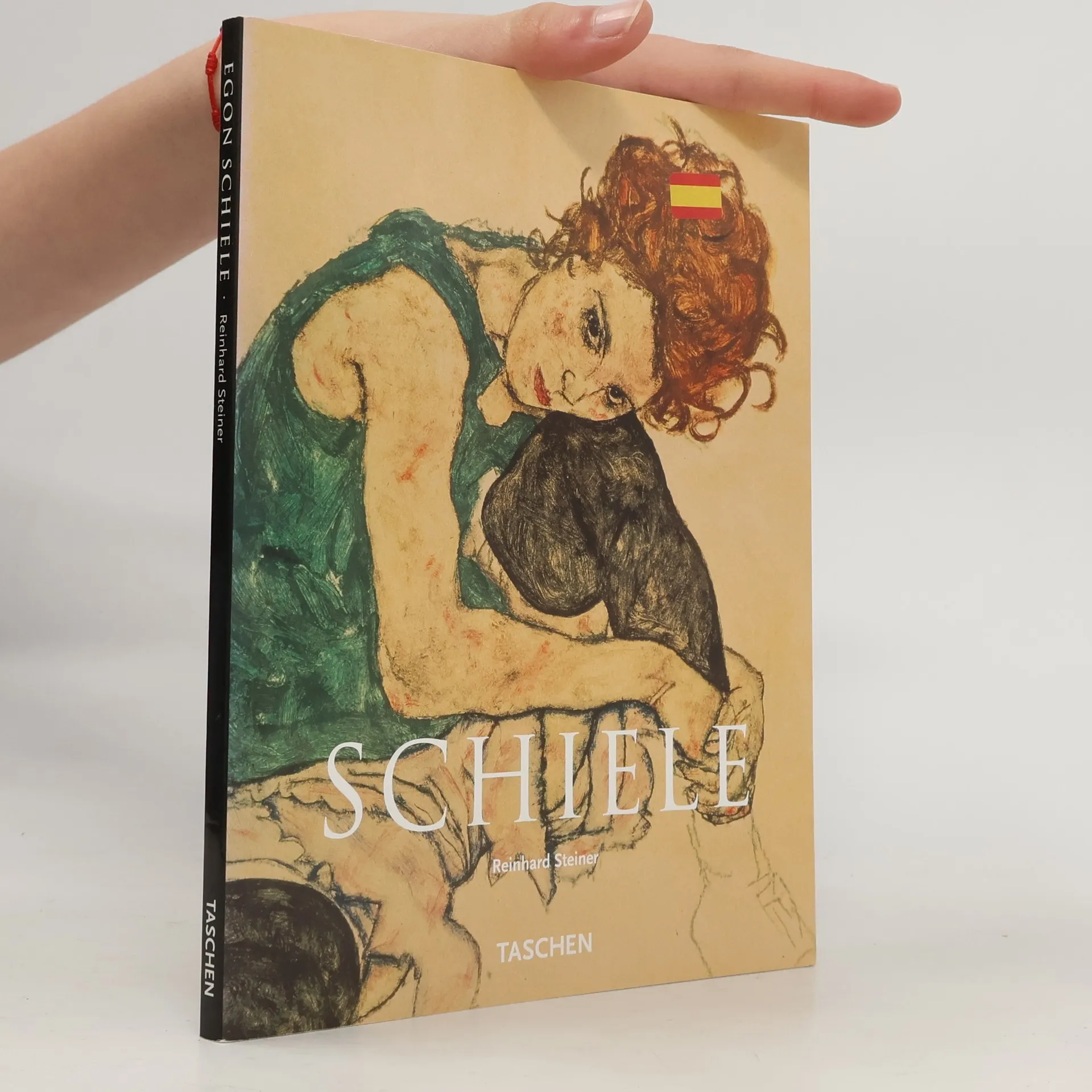
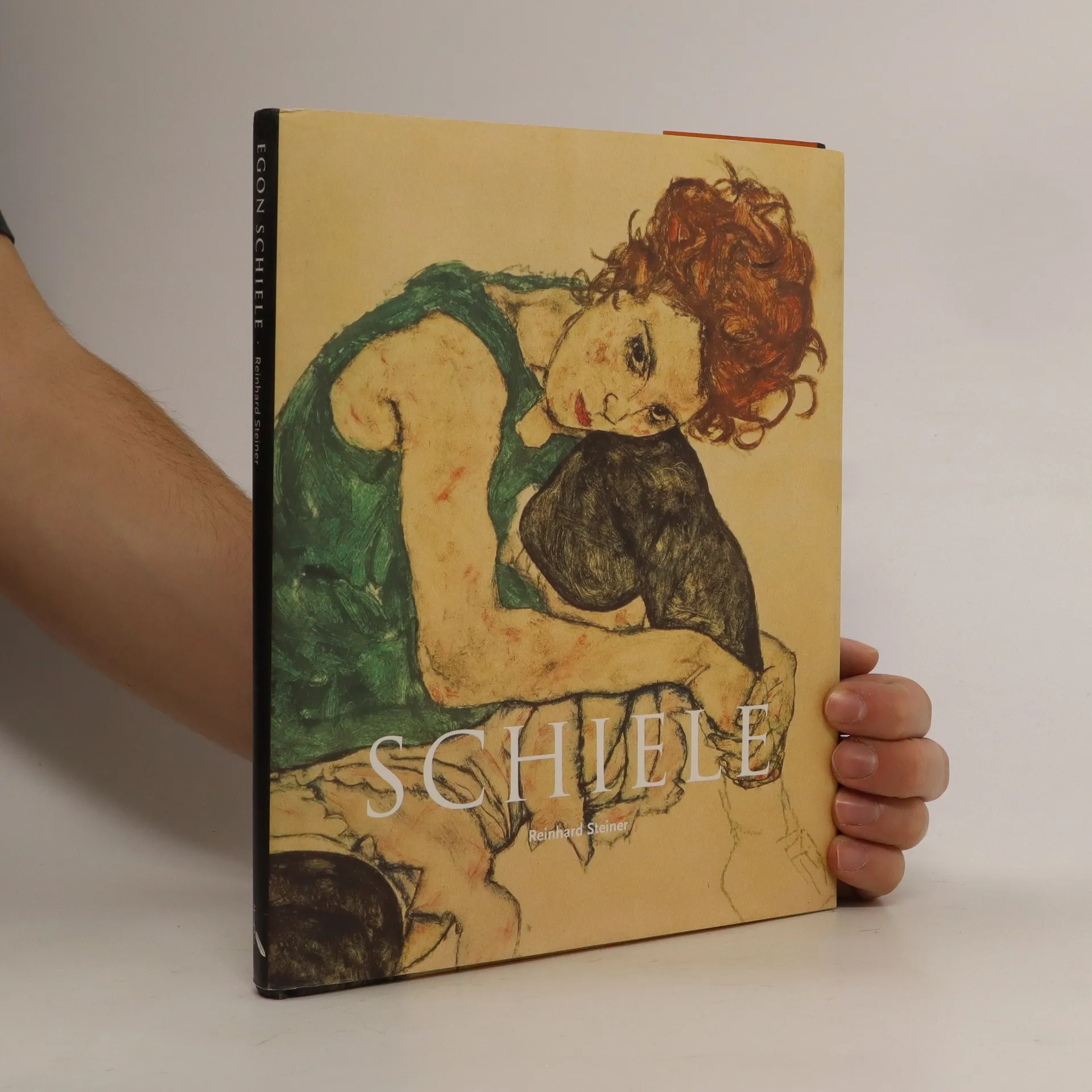
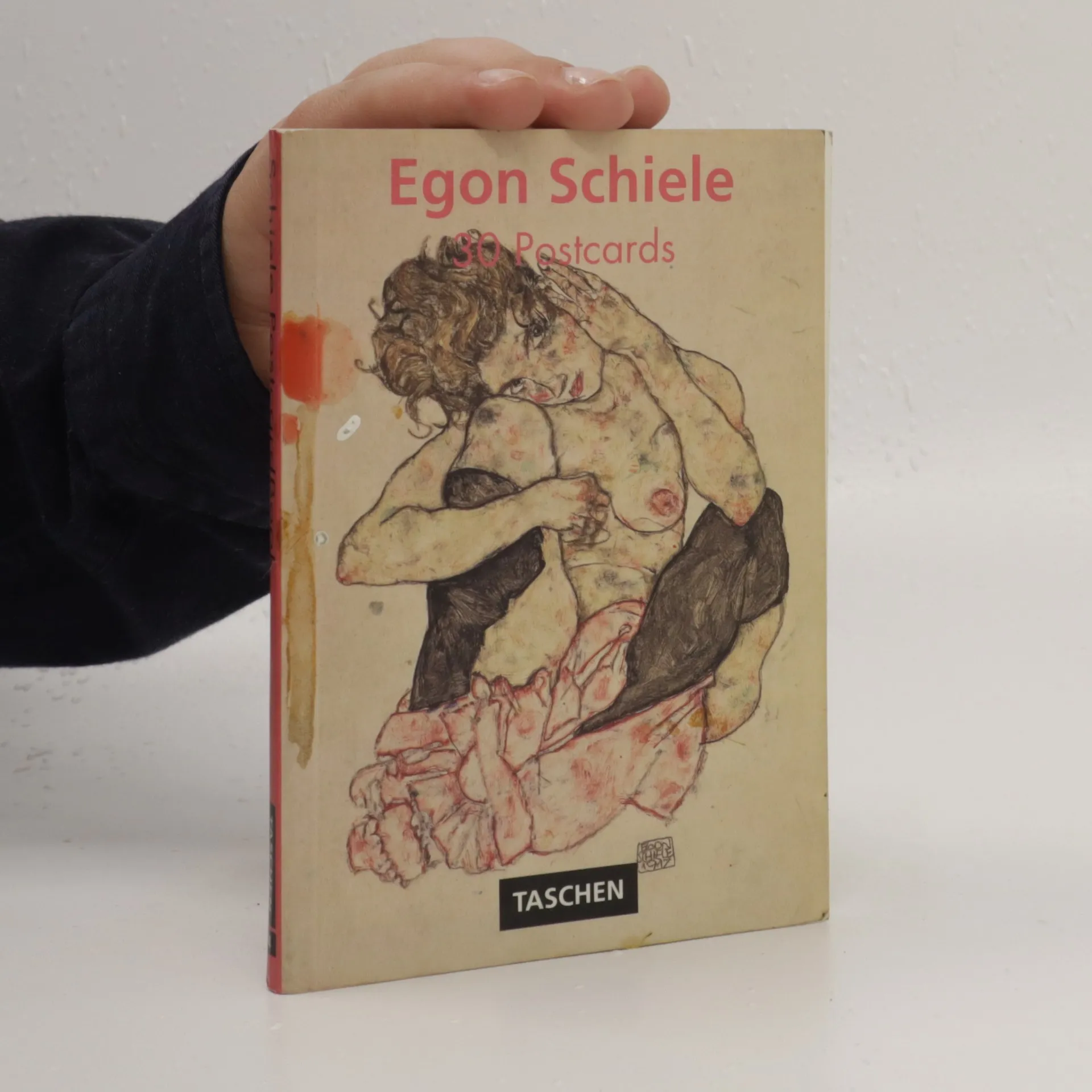
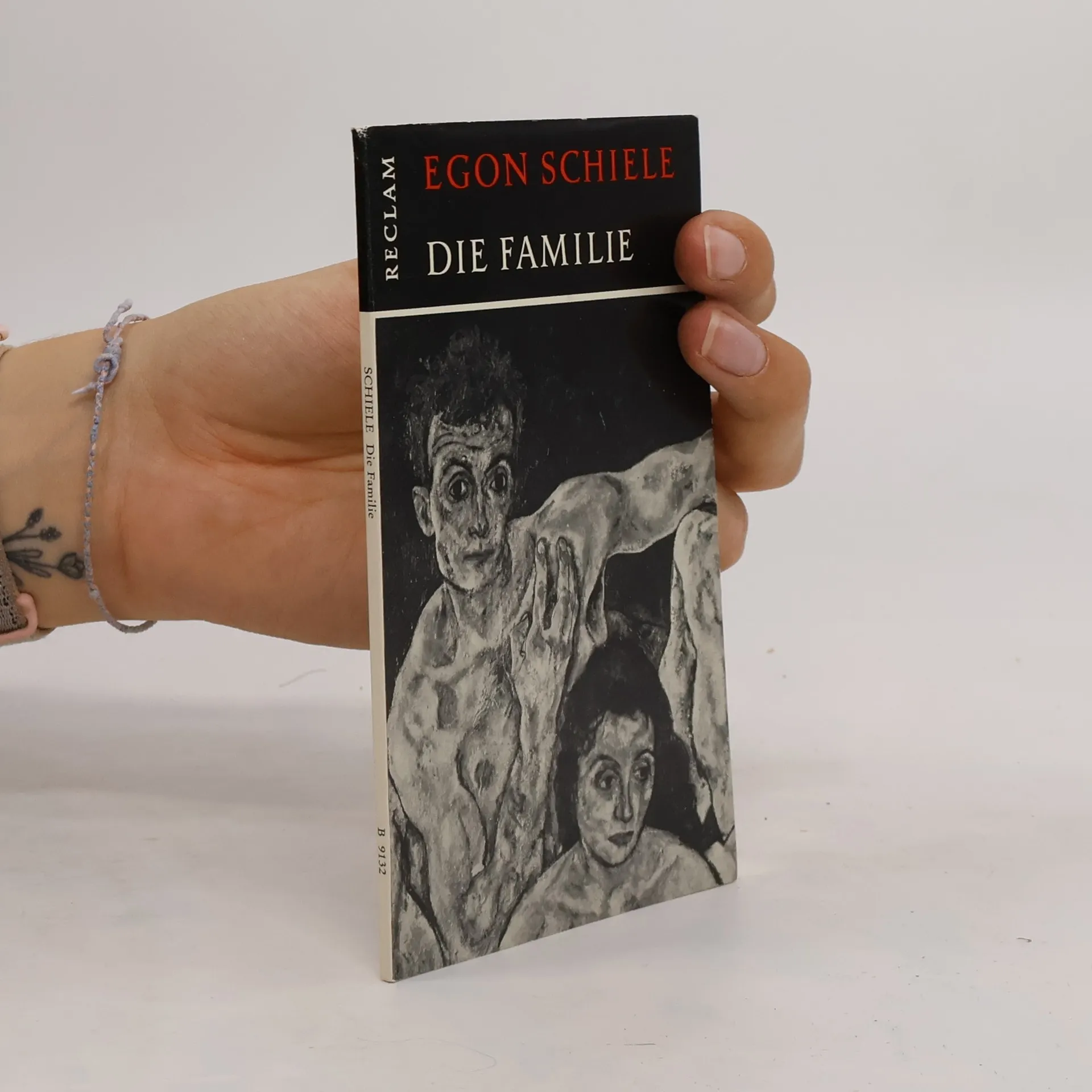
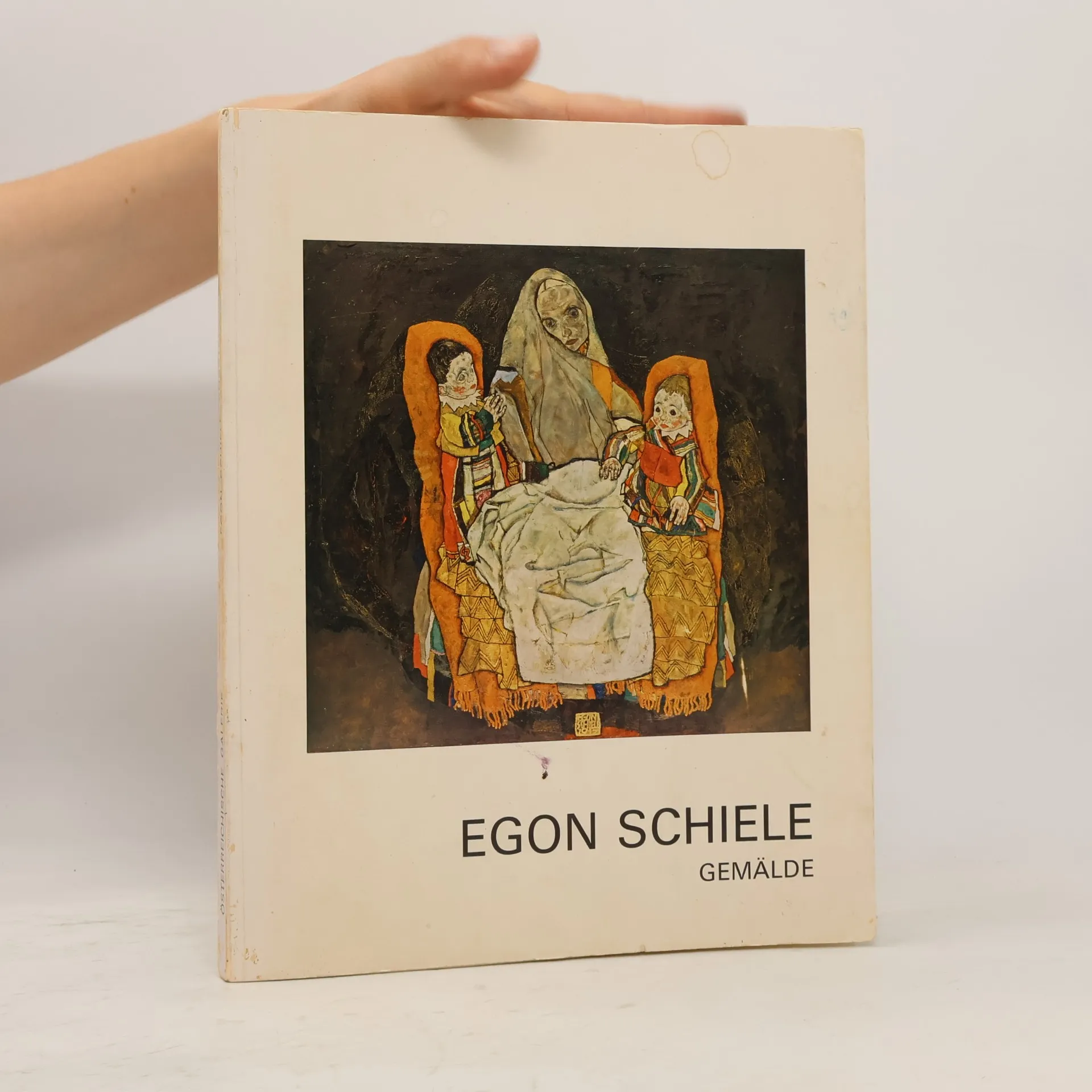
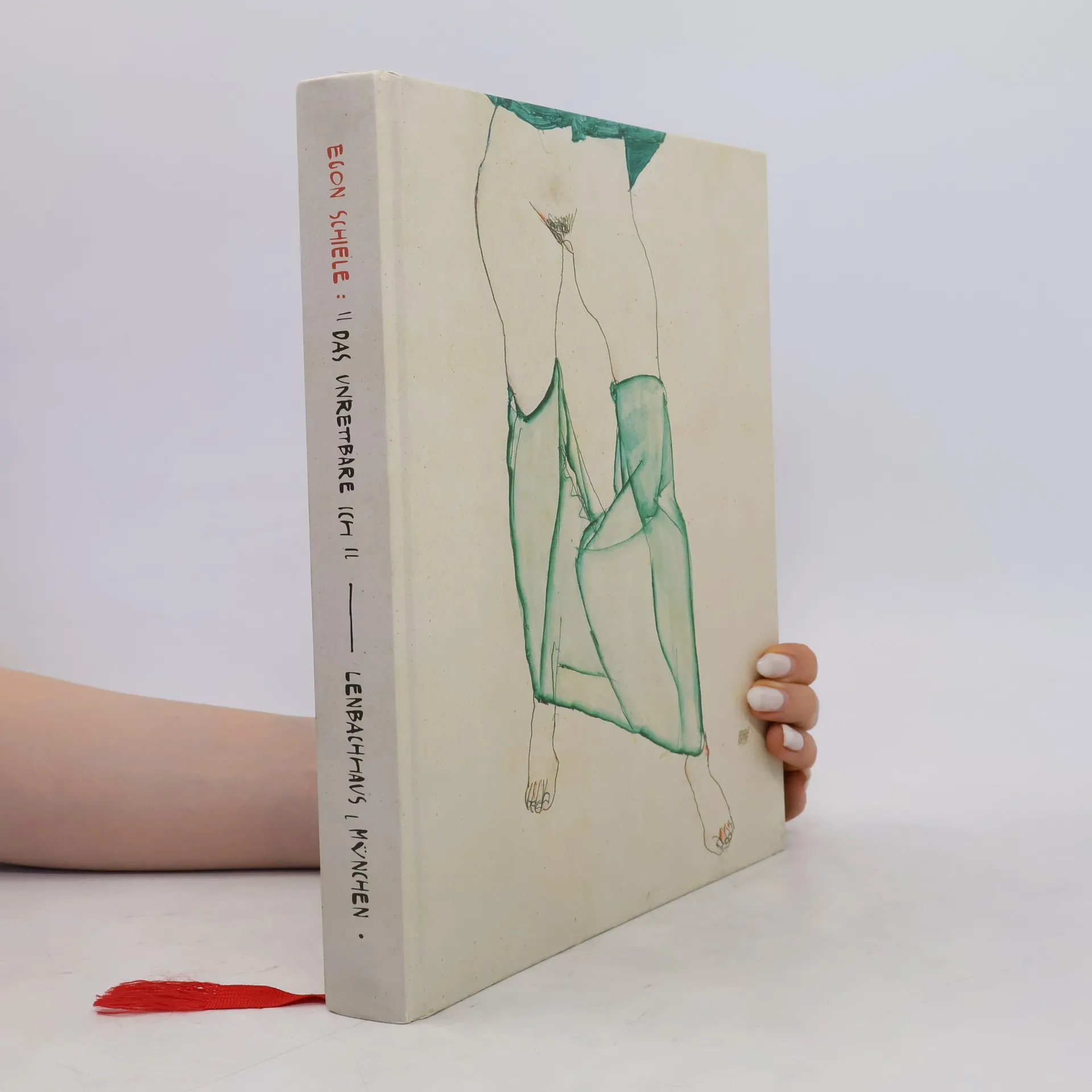
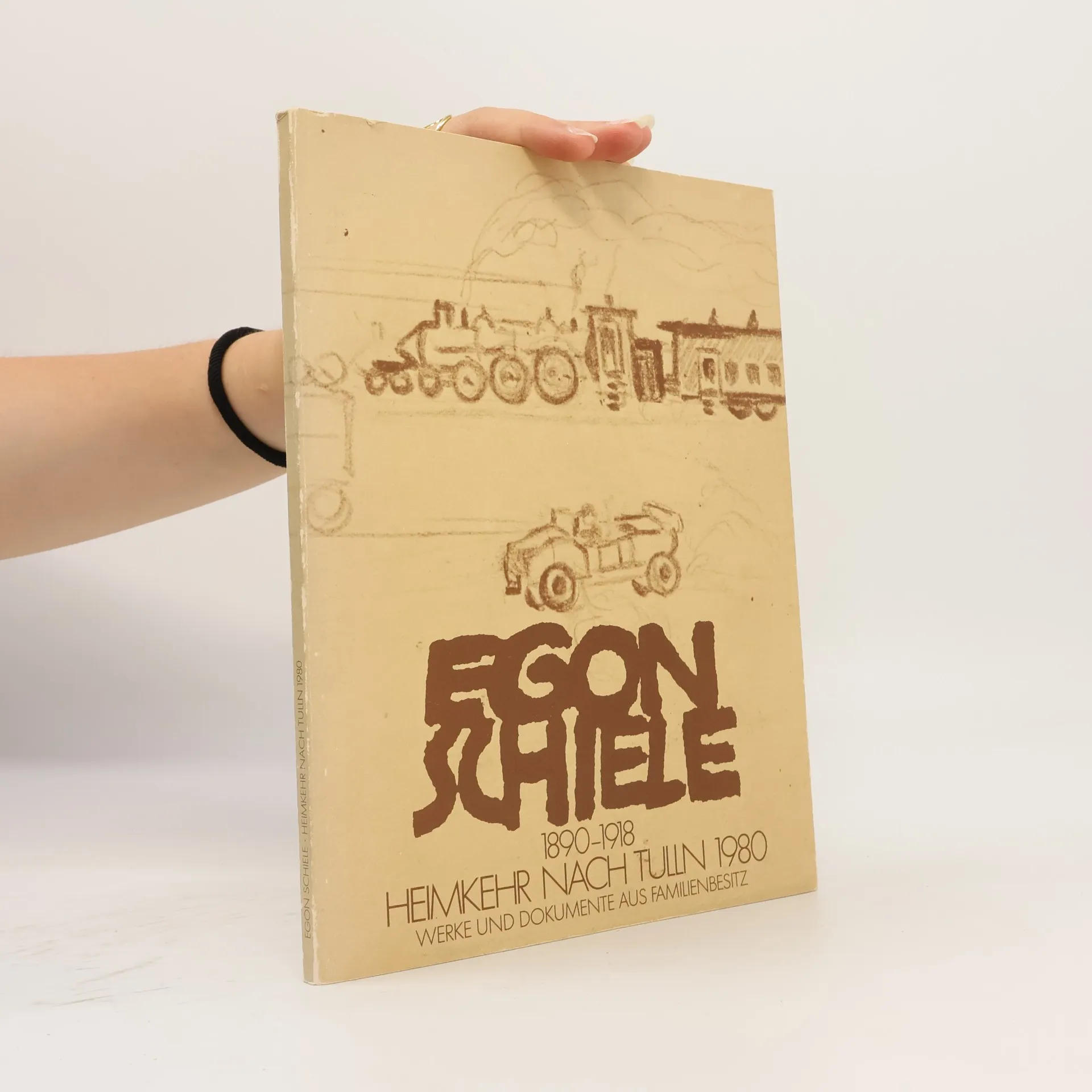
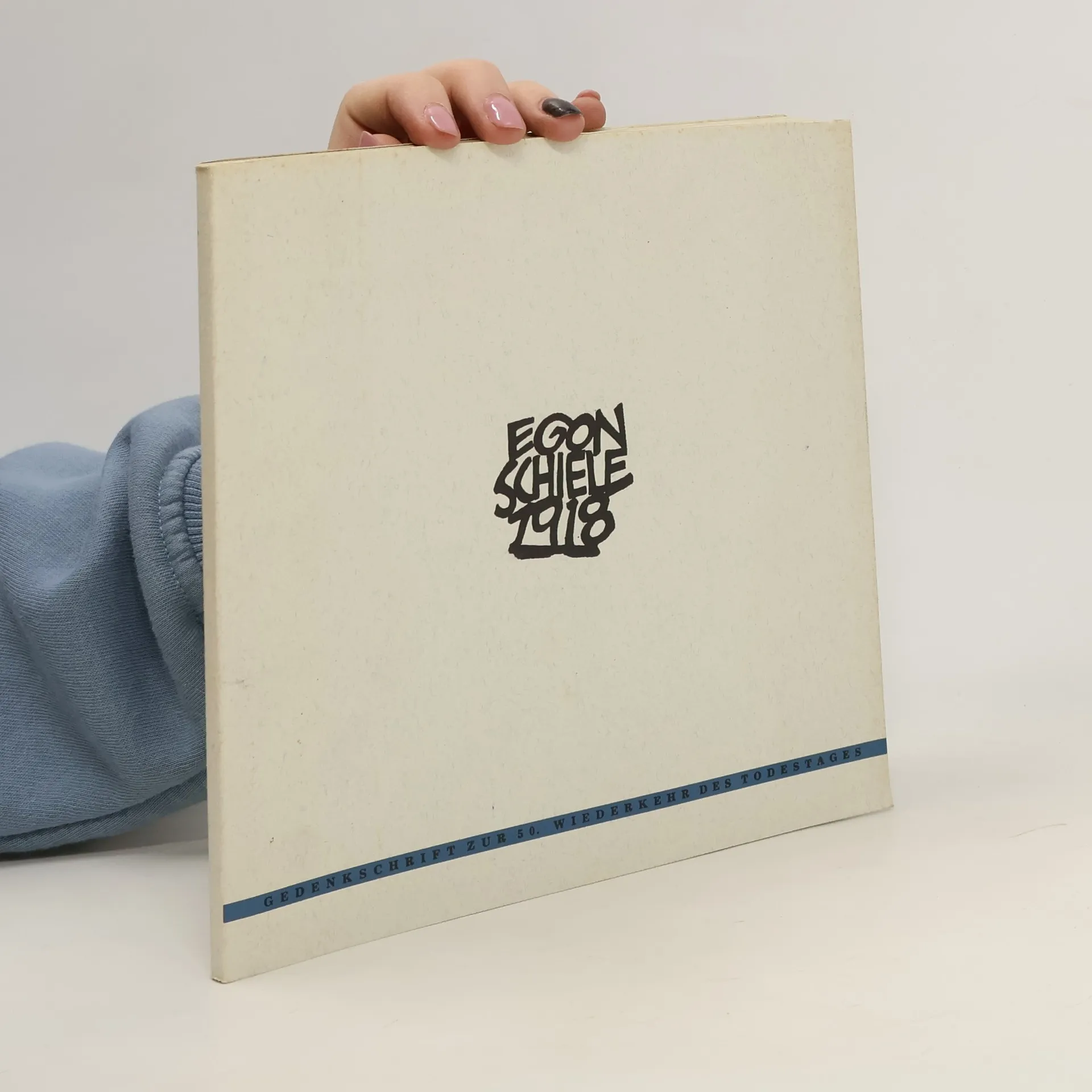
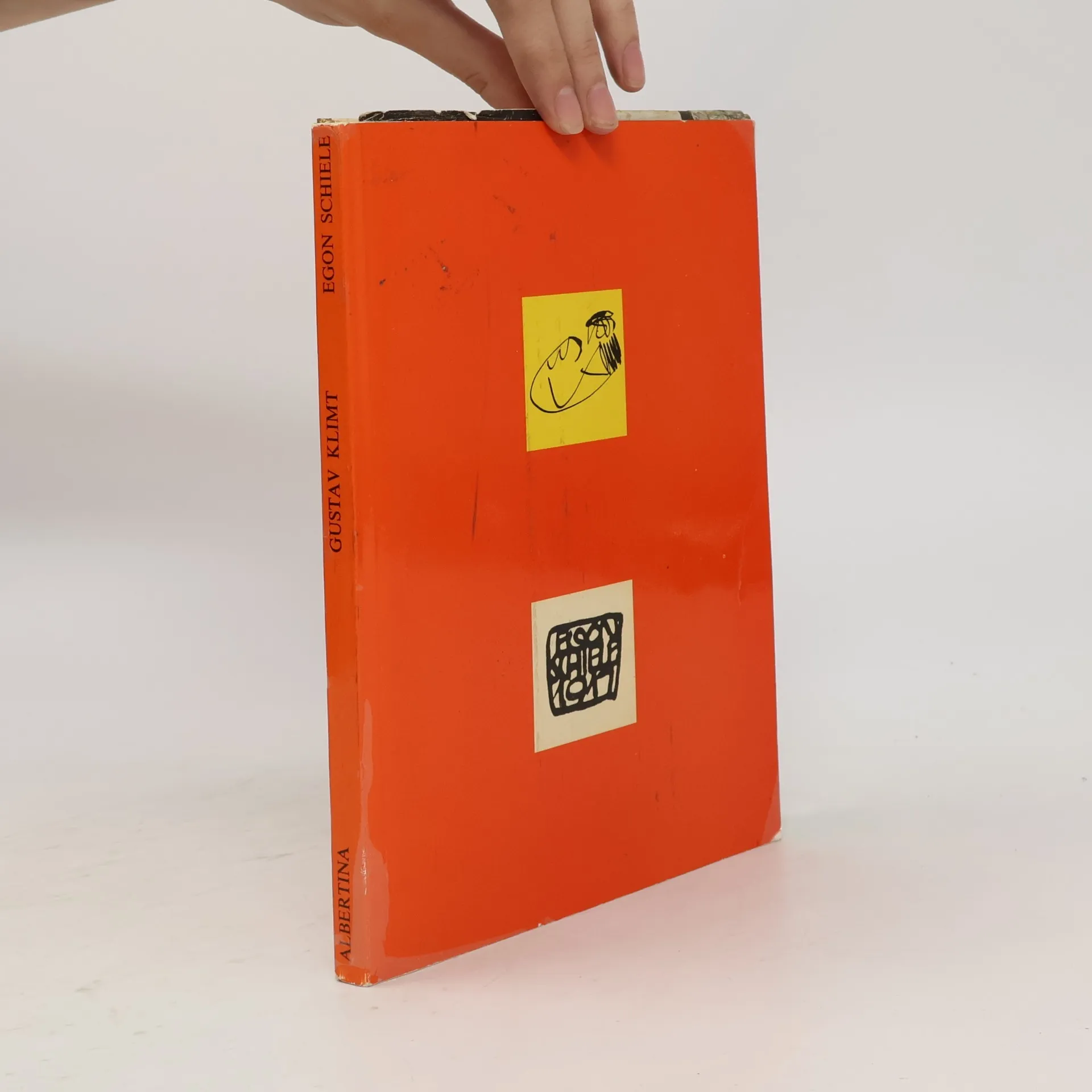
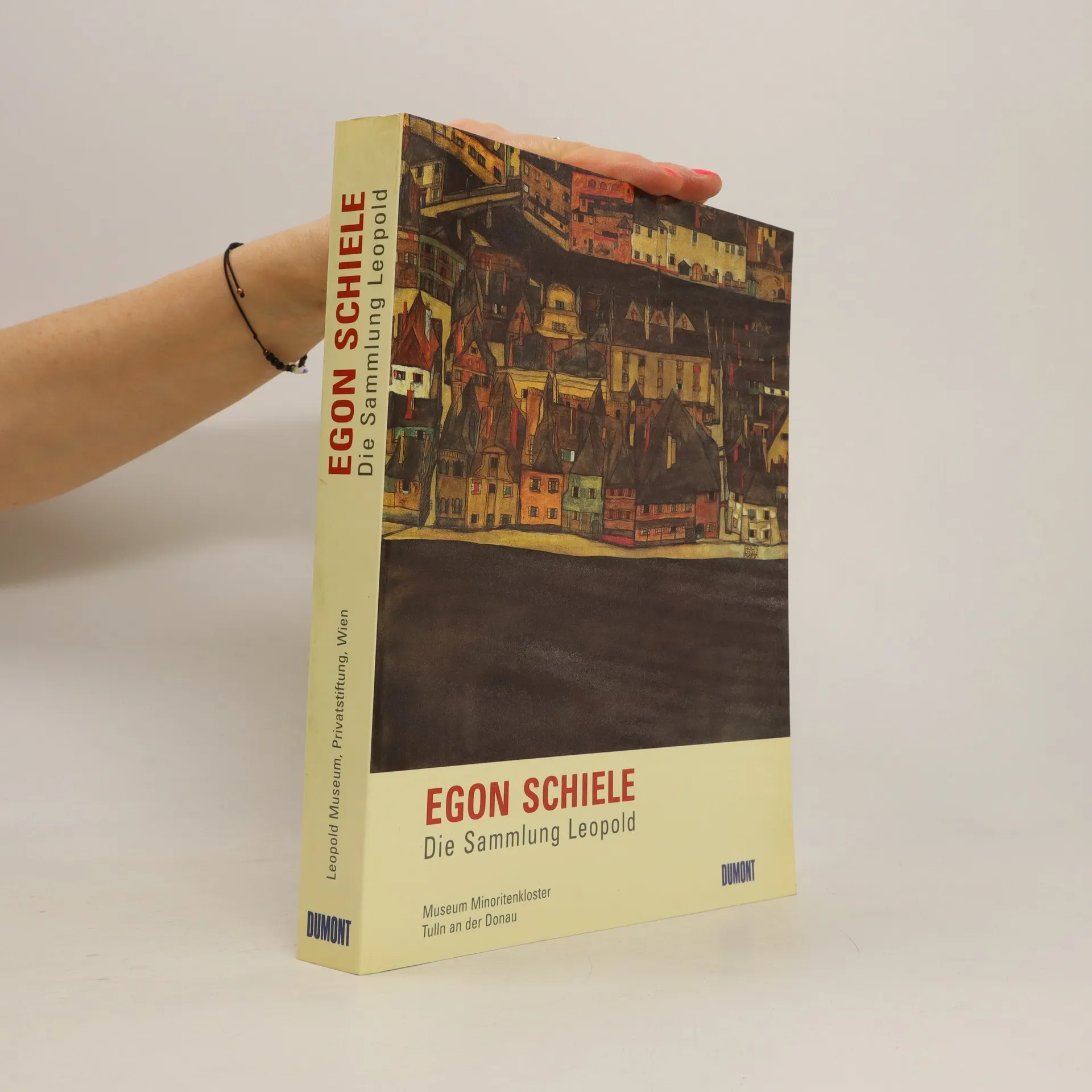
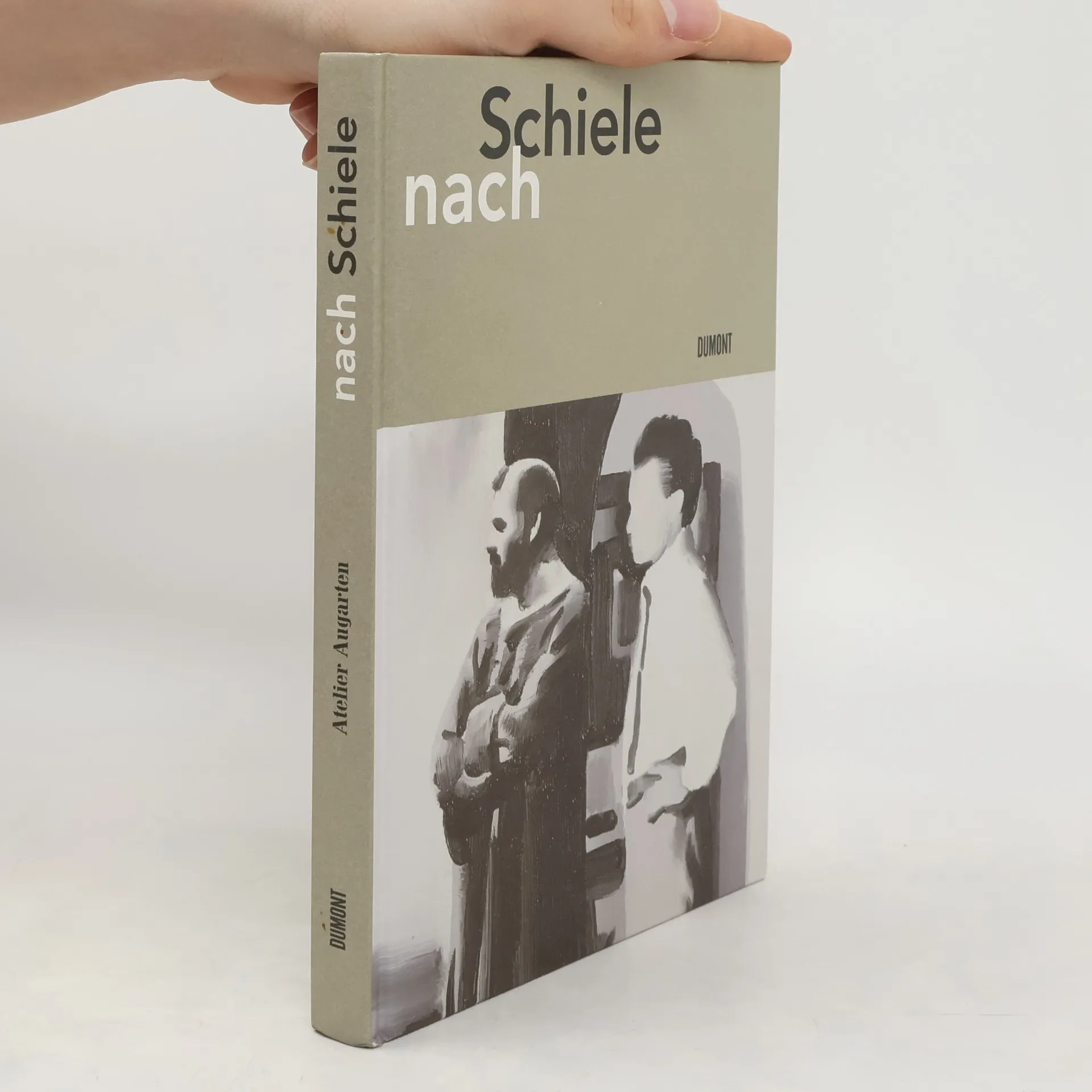
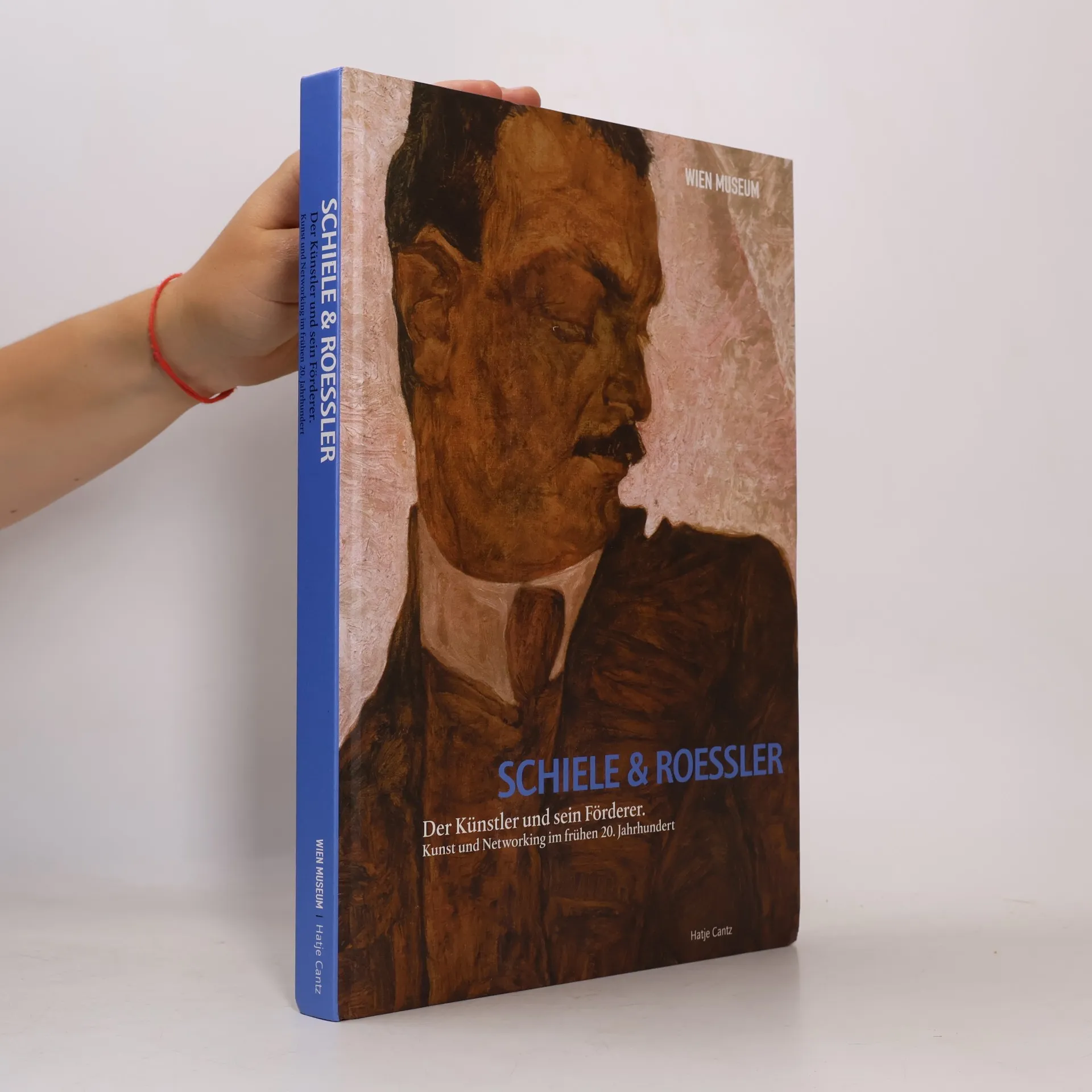
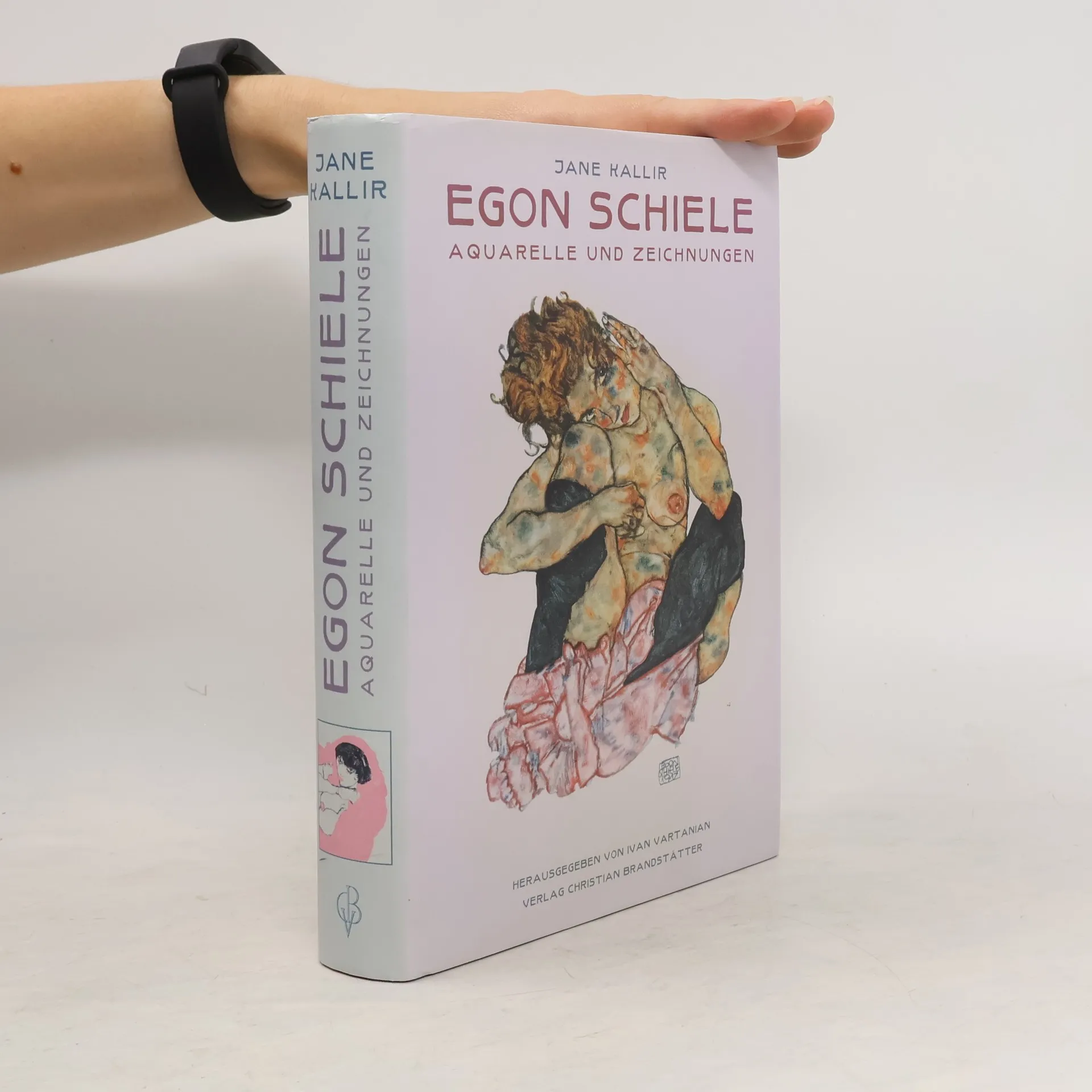
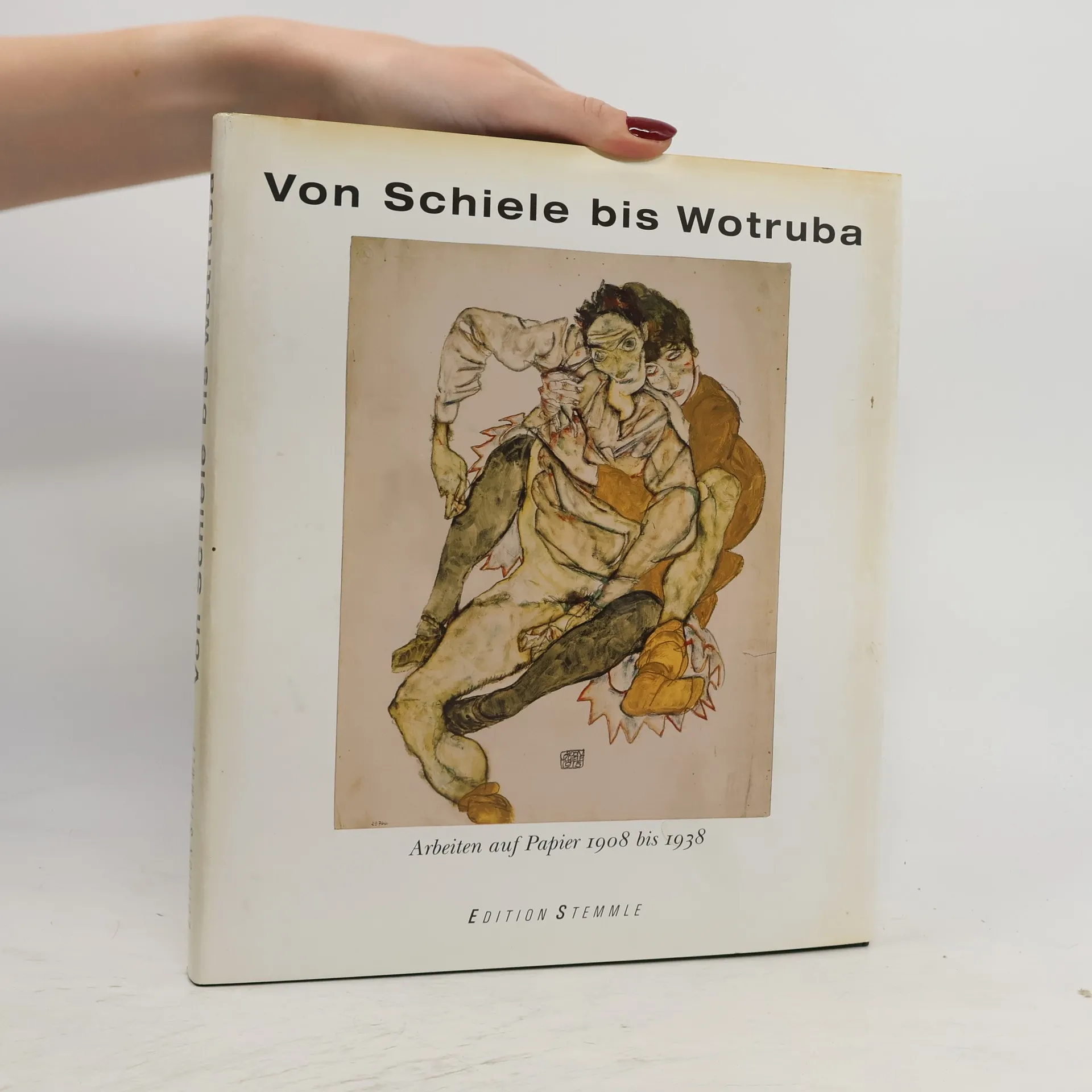
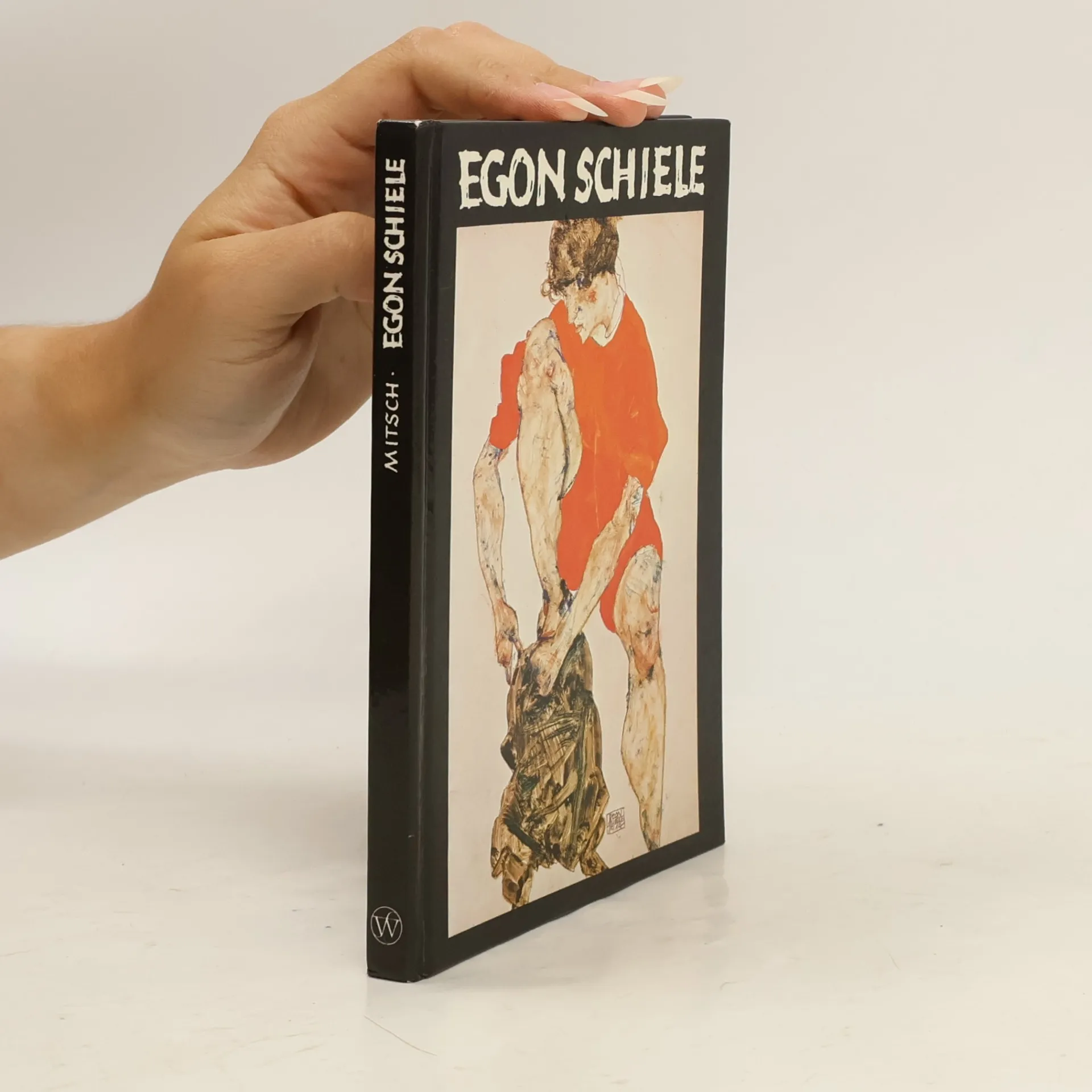
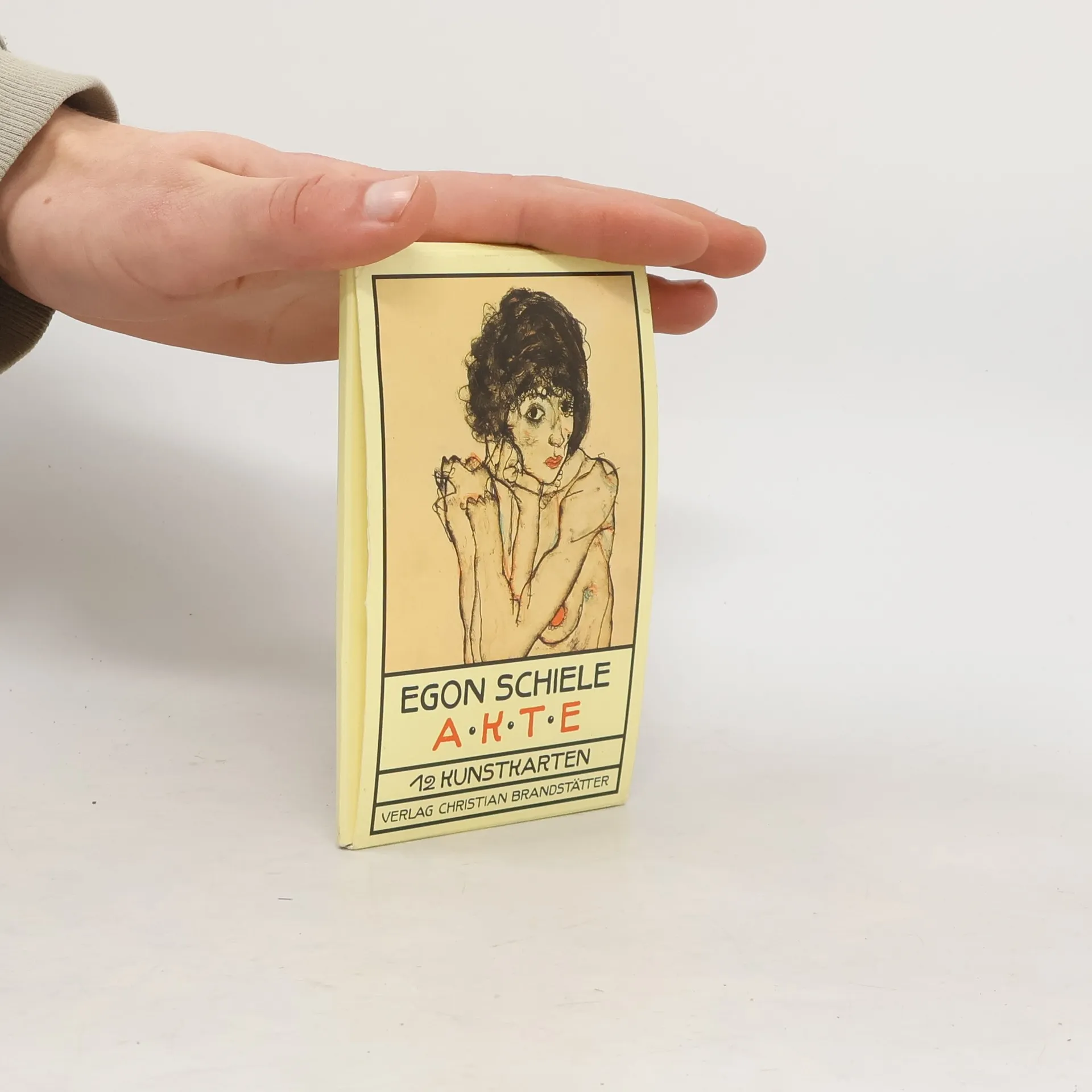
Egon Schiele fue un pintor austriaco fundamental y un importante artista figurativo de principios del siglo XX. Como protegido de Gustav Klimt, la obra de Schiele se distingue por su intensidad cruda y su prolífica producción de autorretratos. Su estilo expresionista, caracterizado por formas corporales distorsionadas, lo consolidó firmemente como un exponente notable del Expresionismo, dejando un impacto duradero en el mundo del arte.
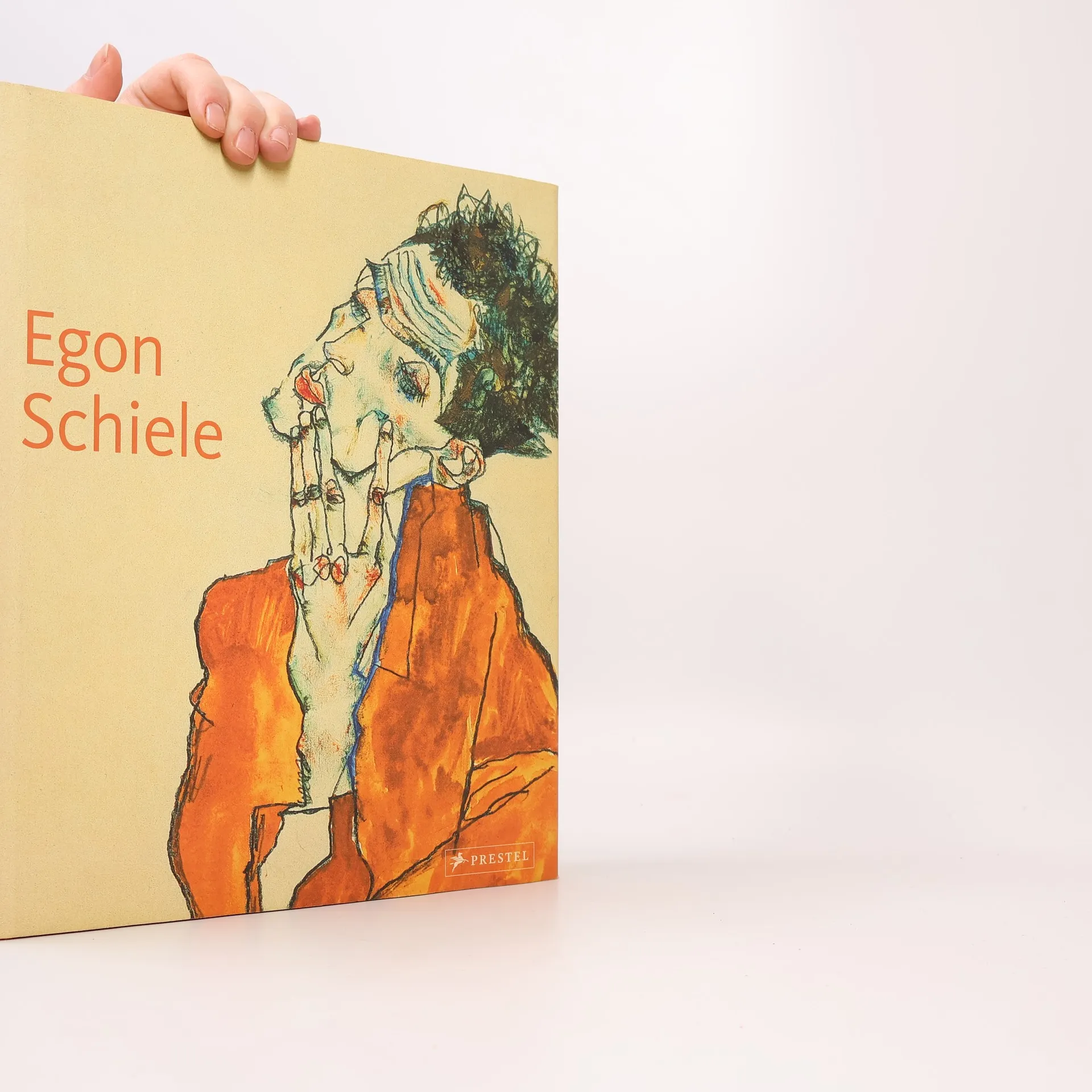
Egon Schiele (1890-1918) fue un pionero del expresionismo vienés y un notable retratista del siglo XX. Su estilo provocador y su rechazo a las convenciones de belleza desafiaron a la sociedad de su tiempo. Este libro explora su carrera intensa y su impacto en el arte moderno, influyendo en artistas contemporáneos como Tracey Emin y Jenny Saville.
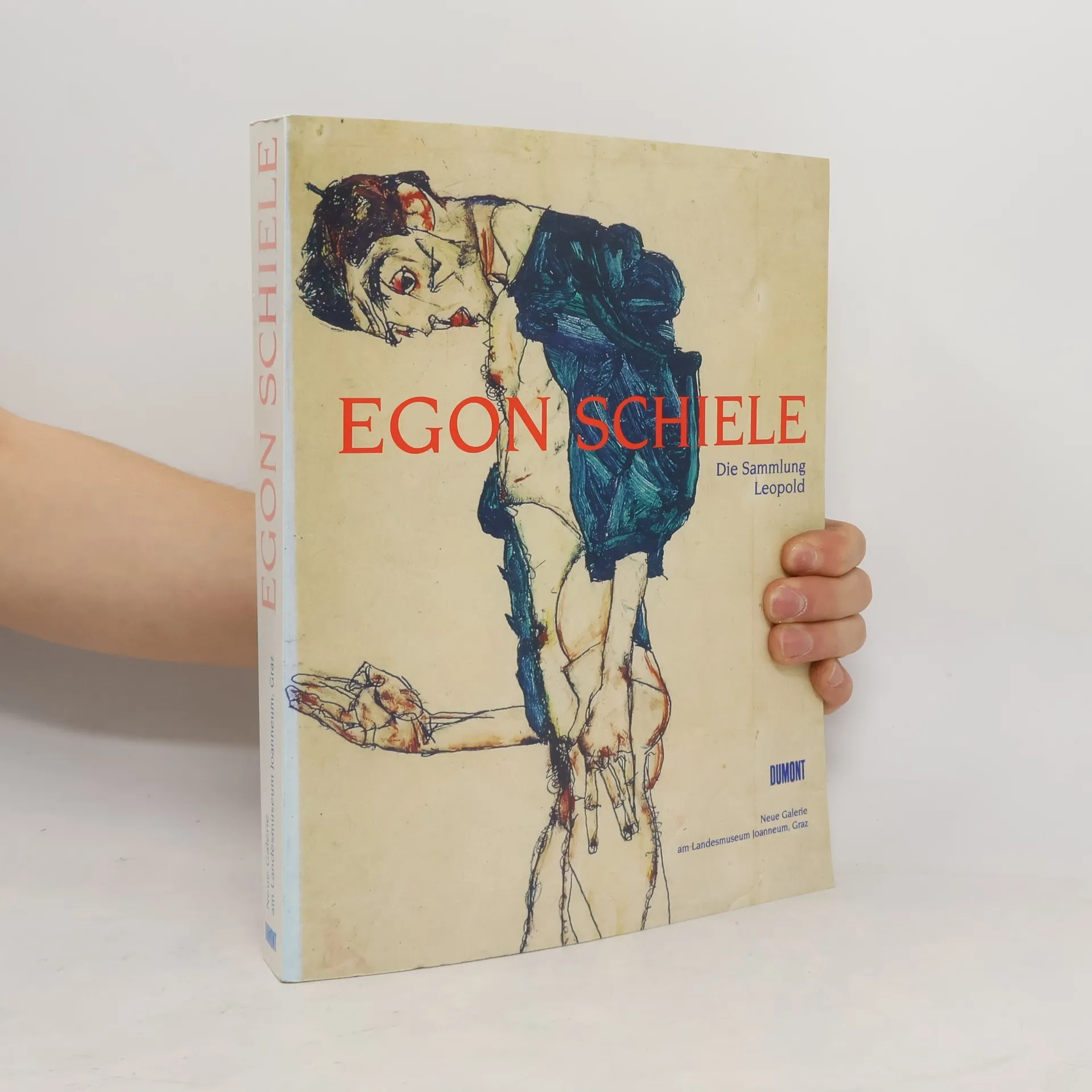
La exposición Egon Schiele propone una completa aproximación al universo de este gran expresionista austriaco, principalmente a través de sus dibujos, gouaches y acuarelas. Las obras sobre papel que integran la muestra proceden de la Albertina de Viena, institución que atesora una de las colecciones de obra gráfica más amplias y significativas del mundo
This book provides an overview of Egon Schiele's development from his earliest days at the Vienna Academy to his untimely death in 1918. Born in 1890, Schiele sloughed off the tradition of Viennese Art Nouveau and became the founder of Austrian Early Expressionism. Between 1910 and 1918 he created an oeuvre in which, for the first time in the history of art, the body in its explicit nakedness became the symbol of the human being's existential loneliness and homelessness. Nor, in his self-portraits, did Egon Schiele shy away from drastic uglification and obscene self-stigmatization.
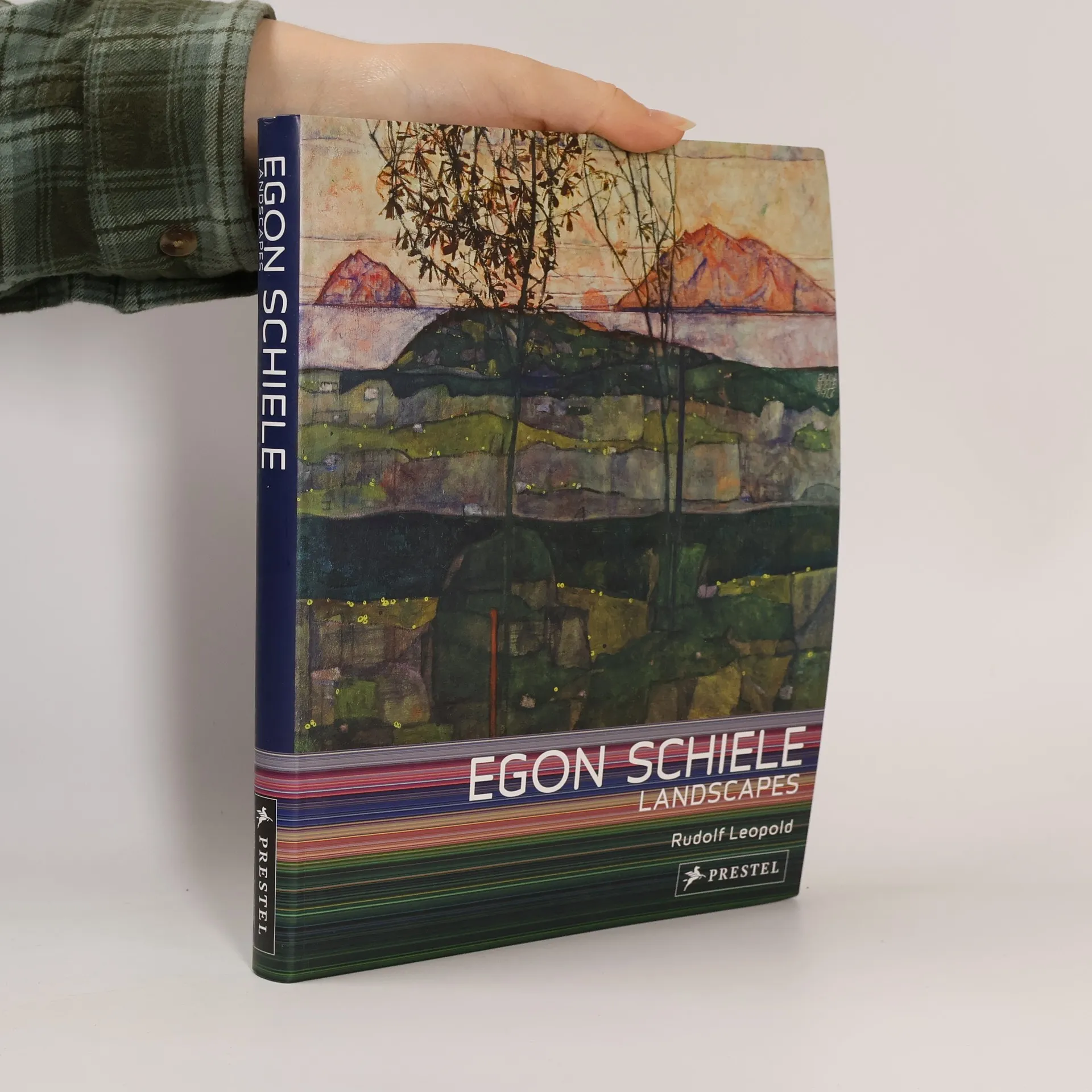
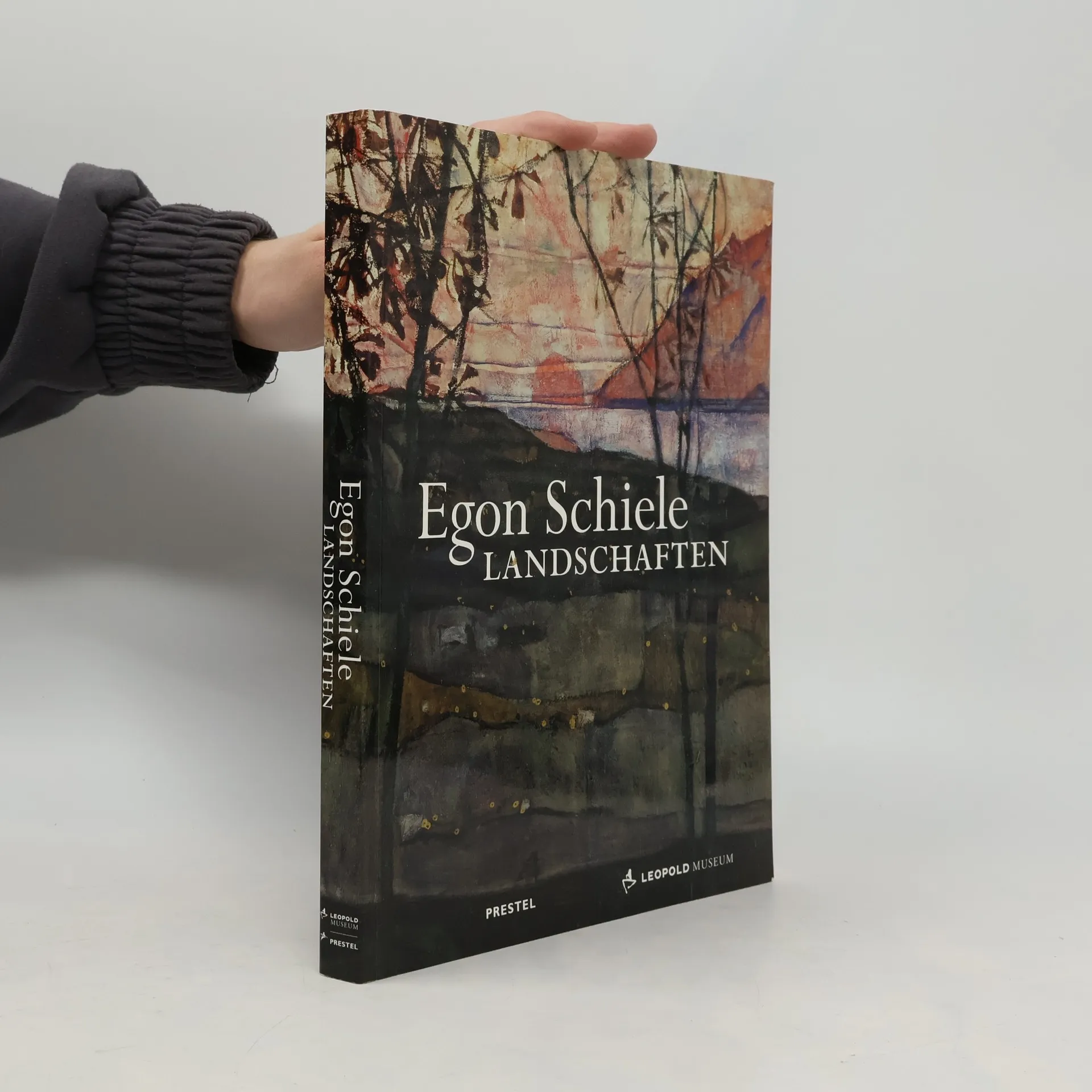
Kurztext Deutsch Nun im attraktiven Flexi-Cover erhältlich, beleuchtet diese Sammlung an Landschaftsbildern und -zeichnungen von Egon Schiele einen bislang nur wenig beachteten Aspekt aus dem Gesamtwerk des berühmten Malers. Bekannt ist Egon Schiele der in erster Linie für seine Porträt- und Aktdarstellungen, jedoch widmete er sich ebenso der Landschafts- und Naturmalerei sowie szenischen Darstellungen des alltäglichen Lebens. Zahlreiche Landschaftsbilder und Stadtansichten seines langjährigen Wohnortes Wien nehmen einen beachtlichen Teil seines Gesamtwerkes ein. In diesem Buch werden rund hundert hochwertig reproduzierte Landschaftsdarstellungen und Stadtszenen des Künstlers abgebildet, ergänzt durch zahlreiche Fotos der Originalschauplätze. Dieses Buch belegt eindrucksvoll, dass sich Schieles Können nicht nur auf die radikale, zum Teil provozierende Wiedergabe des menschlichen Körpers beschränkte. Es eröffnet dem Leser zugleich einen Zugang zu Themen, die sein gesamtes Werk durchziehen. Schieles Landschaftsbilder zählen zweifellos zu seinen bedeutsamsten Werken und liefern zudem einen wertvollen Beitrag zur europäischen Landschaftsmalerei.
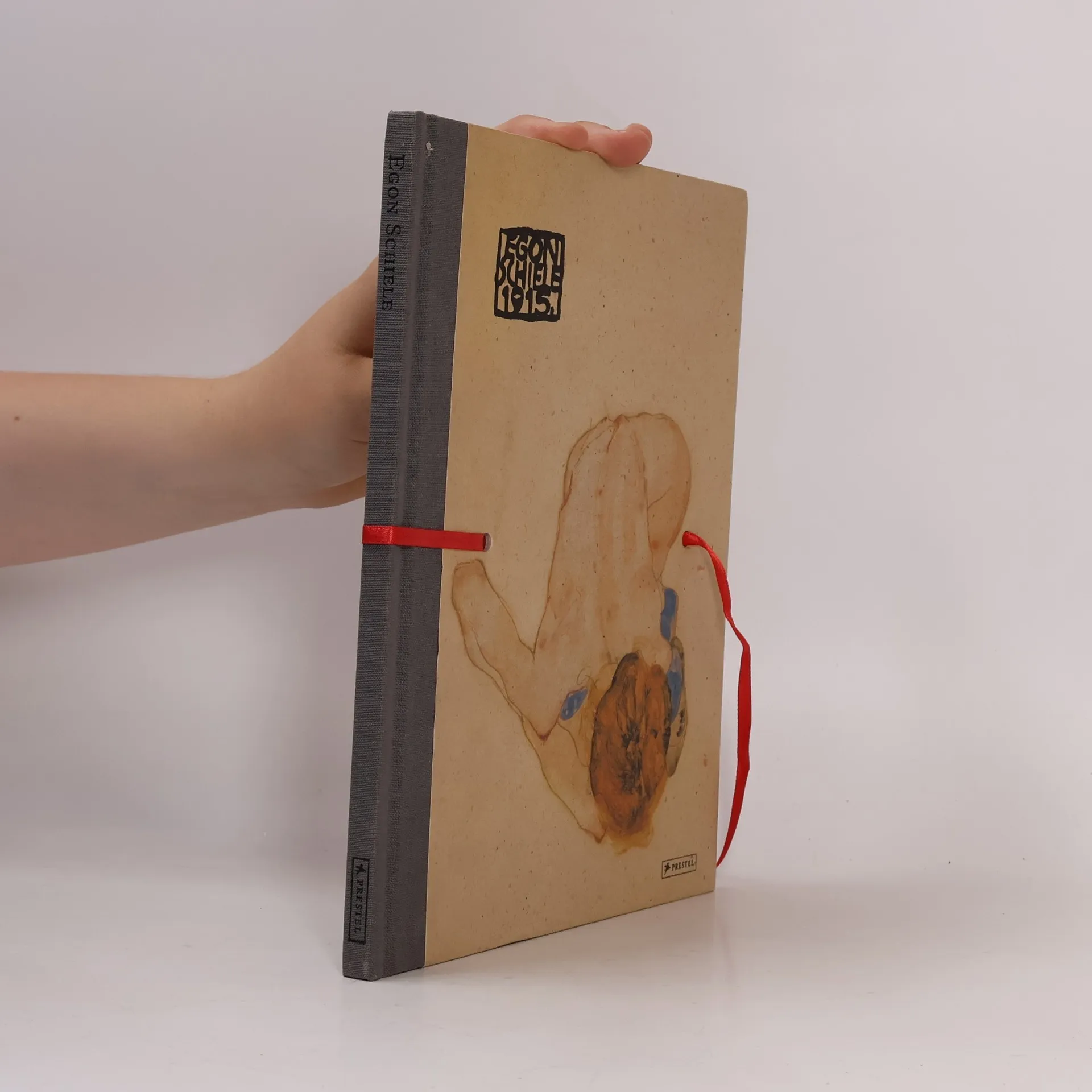
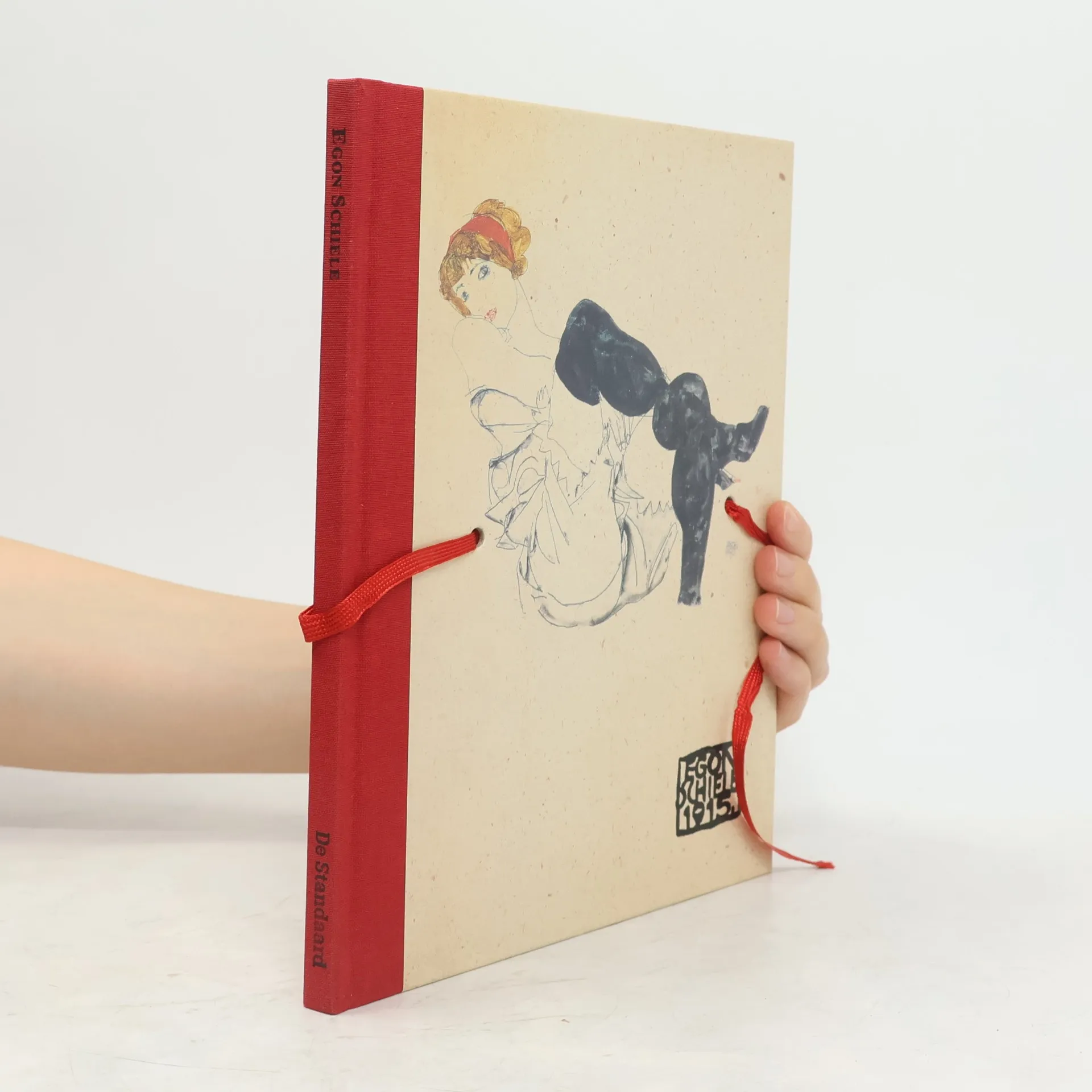
1912 wurde Egon Schiele - er war damals 22 Jahre alt - wegen Kindesmissbrauchs und Verbreitung von Pornografie angeklagt. Im Laufe des Prozesses verbrannte der Richter - der sich selbst einen „großen Freund der Kunst“ nannte - eine Aktzeichnung des jungen Künstlers, der Skandal war perfekt. Seit der Barockzeit gab es in der europäischen Kunst immer wieder erotische Darstellungen, die zunächst ausschließlich für den privaten Bereich gedacht waren. Erst im 20. Jahrhundert wurden solche Bilder öffentlich gezeigt, was zunächst - wie im Fall Schiele - noch auf große Empörung stieß. Dieses Buch zeigt die schönsten dieser Zeichnungen und Aquarelle in einer Buchform, die dem ursprünglichen Skizzenbuch des Künstlers sehr nahe kommt.
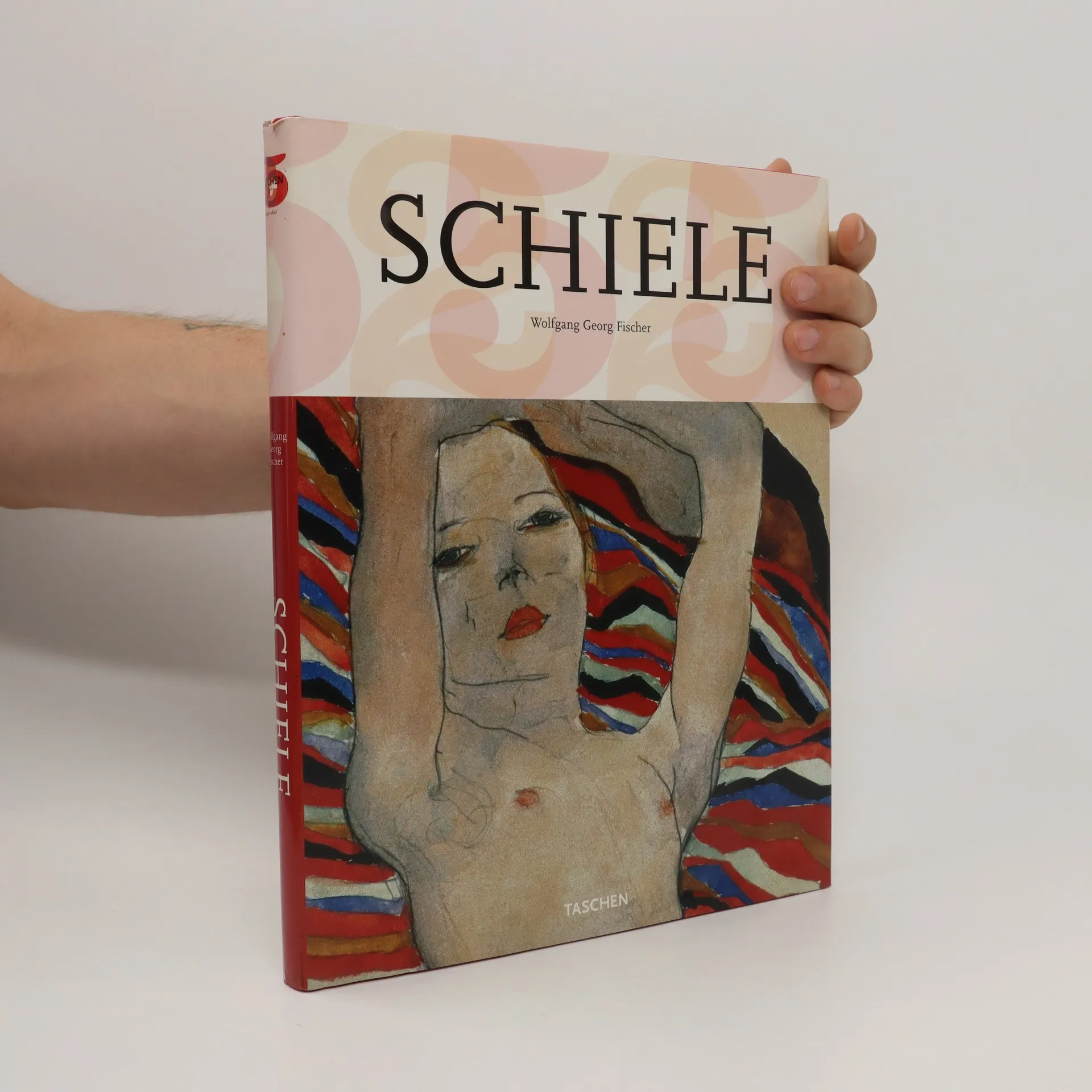
The World Art series is dedicated to the most significant figures in the history of art and their works. The beautifully designed books feature a wealth of high-quality color reproductions, allowing readers to gain a clear understanding of the artist's creations. Accompanying these images is a well-informed biographical text that summarizes not only essential information about the painter's life but also his attitudes, opinions, and general approach to art.
Egon Schiele (1890–1918) was a prominent Austrian expressionist painter and draftsman, a student of Gustav Klimt. He created a number of self-portraits and nudes that shocked his contemporaries with their erotic charge. Schiele's work is characterized by its raw emotional intensity and exploration of the human form, making him a pivotal figure in the expressionist movement. His art continues to provoke thought and discussion, reflecting the complexities of desire and identity.
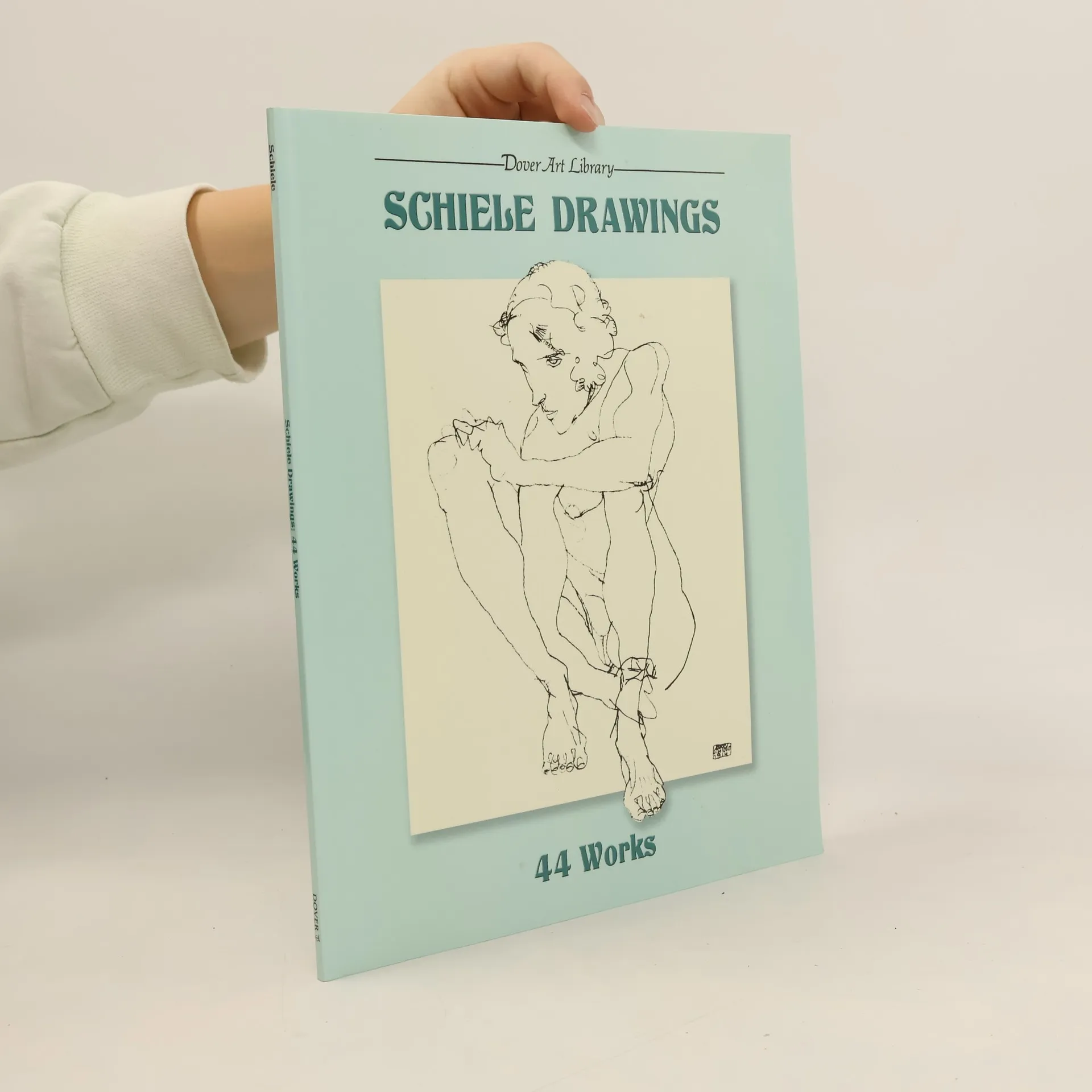
One of the most famous Expressionist artists of early-20th-century Vienna, Egon Schiele (1890–1918) evolved a highly personal art, strongly influenced by Art Nouveau. Focusing on the emotional state and hidden personality of his subjects, Schiele produced works that are not only models of psychological penetration but evidence of great technical mastery as well, notably in their impeccable line and superb composition.This volume contains 44 of his finest portraits, character studies, nudes, and more, all embodying the distinctive, angular expressivity that characterizes Schiele's art. Now these superb works are available in this inexpensive format, painstakingly reproduced to capture every nuance of line, shading, positions, and expression.
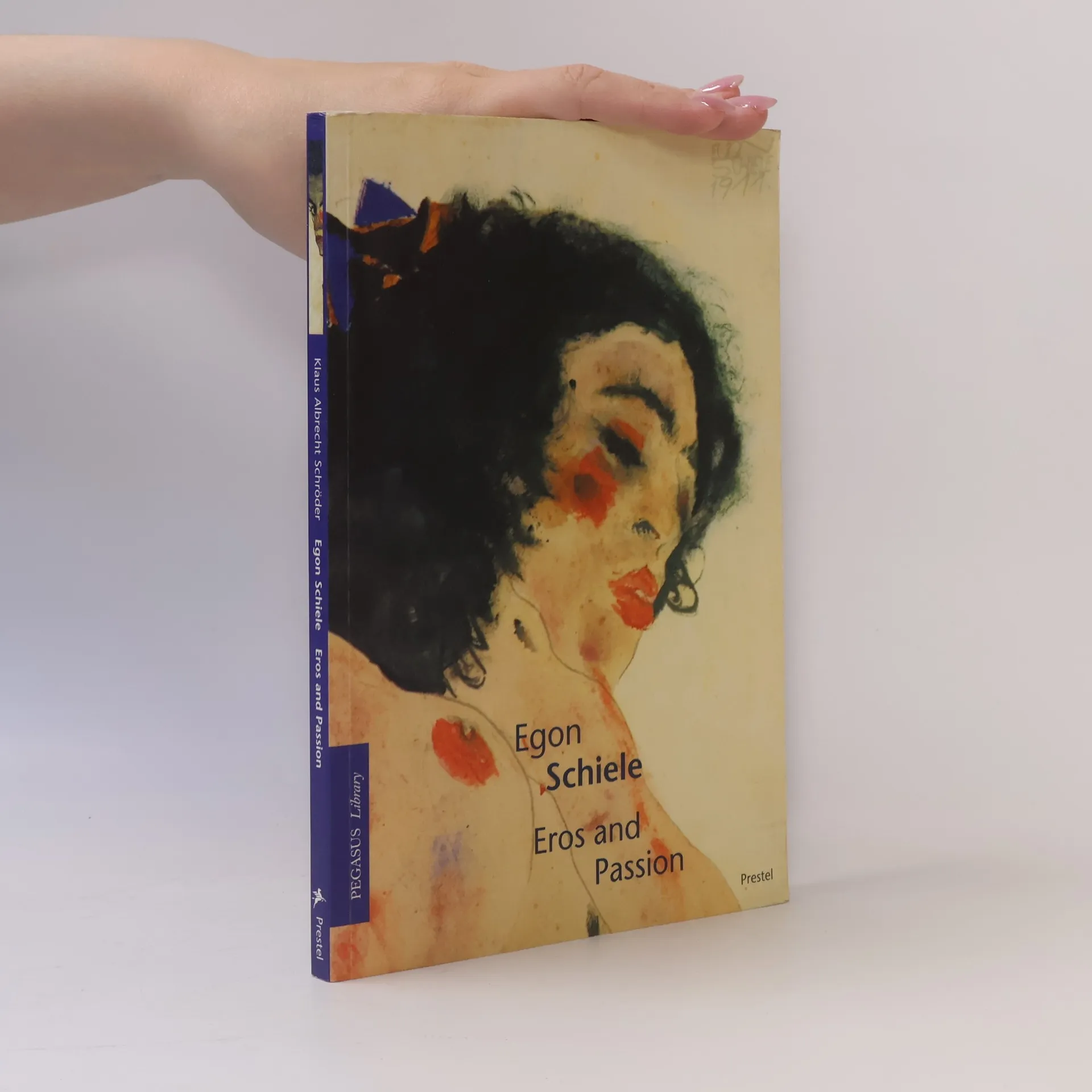
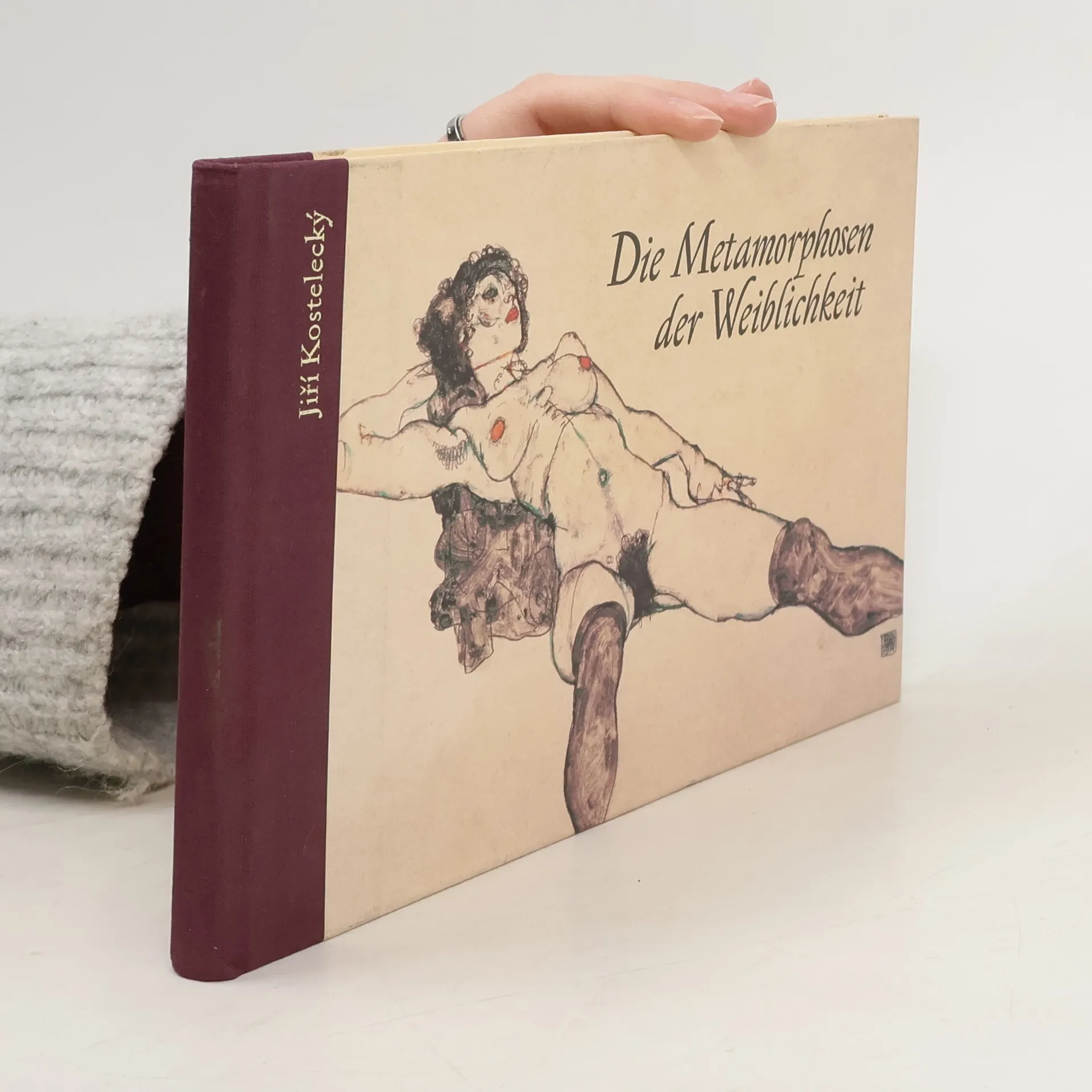
In this brilliant analysis, the erotic work of the Expressionist artist is examined within the perspective of history's shifting views concerning beauty, aesthetics, and decency. Egon Schiele's controversial nudes and self-portraits were fiercely reviled when they first appeared in the early decades of the twentieth century and, nearly one hundred years later, they still have the power to shock. Examining why Schiele's work elicits this response, the author explores the social constrictions of Schiele's generation and the role of the artist as a breaker of taboos. Incorporating superb reproductions of Schiele's works, those of his contemporaries, and historical photographs, the author offers a penetrating study of an artist whose idea of beauty transcended the morality of his time. Klaus Albrecht Schröder is Director of the Albertina Museum in Vienna, Austria.
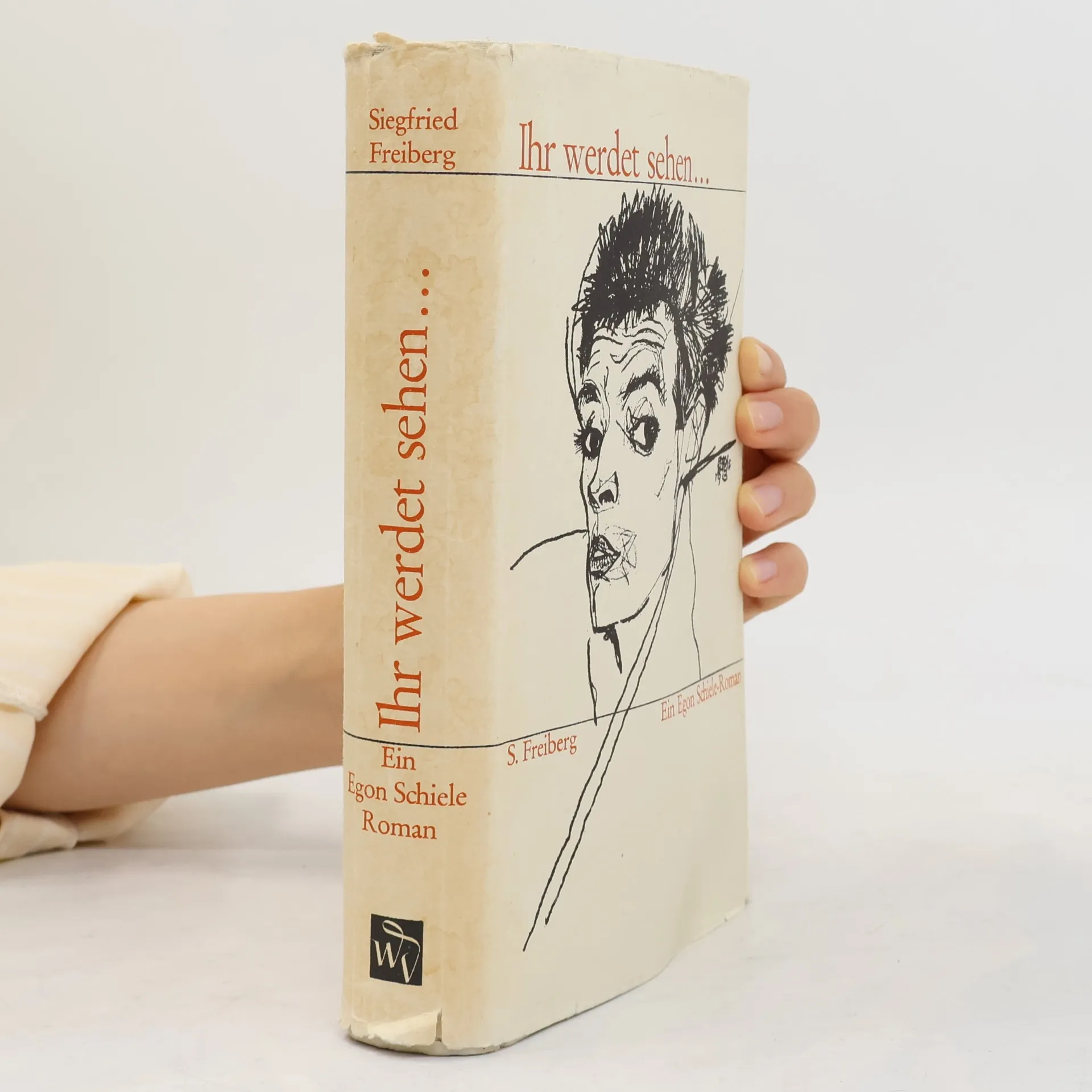
""Hindering the artist is a crime,"" wrote Egon Schiele in 1912. At the time he was in prison for disseminating immoral drawings. Throughout his work the note of defiance, provocation, and rebellion was sounded. Schiele's favorite subjects were female nudes and self-portraits, and he worked at his art with furious commitment, though it was not until shortly before his early death that he began to win real recognition. Today, with Oskar Kokoschka, he is seen as the most important of the Austrian artists who came after Klimt. This study examines the life and work of Egon Schiele through all the major oil paintings and many of his erotic drawings.
Expressive nudes, strange movements Egon Schiele (1890-1918) is the painter who had the most long-lasting influence on the Vienna art scene after the great era of Klimt came to a close. After a short flirtation with the style of Klimt, his mentor, Schiele soon questioned the aesthetic orientation to the beautiful surface of the Viennese Art Nouveau with his rough and not easily accessible paintings. Many contemporaries found Schiele's expressive nudes and self-portraits, with their strange movements and morbid colours, to be ugly and even morally objectionable—criticism which culminated in criminalizing the painter as 'obscene' and resulted in 1912 in an indictment and short jail sentence. However, not even his harshest critics could dispute the artist's extraordinary drawing talent. This book gives a concise overview of the brief, brilliant career of Egon Schiele.
Beautiful Sketches by Egon Schiele (Expressionism, Portraits, Figurative, Fine Art, History of Art, Self-Portraits, Sketch Books)
116 páginas
5 horas de lectura
This book provides a selected collection of 107 drawings by Egon Schiele. The images within are mostly figurative which include his models and self-portraits but also this book contains a few beautiful images of still life and landscapes within.This is a black and white print version. Most of the original sketches are also black and white, only some contain a hint of color. SAFE FOR ALL AGES? Maybe not! This book contains images that may be disturbing to some readers. Discretion is advised. That Egon Schiele what's he like, hey!?"Art cannot be modern. Art is primordially eternal." - Egon Schiele Related book subjects: (Expressionism/ Portraits/ Figurative, Fine Art/ History of Art/ Self-Portraits/ Sketch Books / Inspiring visual artists / Interesting visual artists/ greatest artists and painters / painters and sculptors / most interesting fine arts / Biographical life about famous artists / Interesting famous artists / The Life and Works of the World's Favorite painting art book/ modern artists / fine artist / fine artists oil painting / impressionism / portrait painting / still life paintings) _____________________________________________________Thank you for your purchase! We spent a long time building this book we hope you enjoy it. 'Drawings...' is a new series from The SECRET Libraries - New 1st EDITION for 2018
Nun in aktualisierter Neuauflage erhältlich, beleuchtet diese Sammlung an Landschaftsbildern und -zeichnungen von Egon Schiele einen bislang nur wenig beachteten Aspekt aus dem Gesamtwerk des berühmten Malers. Bekannt ist Schiele in erster Linie für seine Porträt- und Aktdarstellungen, jedoch widmete er sich ebenso der Landschafts- und Naturmalerei sowie szenischen Darstellungen des alltäglichen Lebens. Zahlreiche Landschaftsbilder und Stadtansichten seines langjährigen Wohnortes Wien nehmen einen beachtlichen Teil seines Gesamtwerkes ein. In diesem Buch werden rund hundert hochwertig reproduzierte Landschaftsdarstellungen und Stadtszenen des Künstlers abgebildet, ergänzt durch zahlreiche Fotos der Originalschauplätze. Dieses Buch belegt eindrucksvoll, dass sich Schieles Können nicht nur auf die radikale, zum Teil provozierende Wiedergabe des menschlichen Körpers beschränkte. Es eröffnet dem Leser zugleich einen Zugang zu Themen, die sein gesamtes Werk durchziehen. Schieles Landschaftsbilder zählen zweifellos zu seinen bedeutsamsten Werken und liefern zudem einen wertvollen Beitrag zur europäischen Landschaftsmalerei.
Although Austrian art stood in the international limelight during the last two decades before the First World War and took on renewed significance after 1945, the period between the wars has remained largely unknown - and with it the history of the drawing in Austria.The period which ended with Austria's political eradication and the inner and outward emigration of its artists witnessed a great variety of tendencies and the appearance of numerous significant artists, many of whom were prevented from developing their talents. This diversity of movements and personalities contributed to the formation of a complex and often contradictory stylistic image of the era. The spectrum of artistic approaches encompasses Constructivist positions, articulations of literary fantasy, echoes of fin de siecle and its characteristic eroticism, Austrian variations on the New Objectivity and Expressionist tendencies.This volume underscores the great significance of the drawing in the work of Austrian artists during the interim between World Wars. Aside from calling attention to undeservedly forgotten and neglected artists within the context of an overview of the period, this volume also endeavors to fill a blank space on the map of art with visible points of reference and to present materials from previously inaccessible private holdings and little-known public collections for the first time.
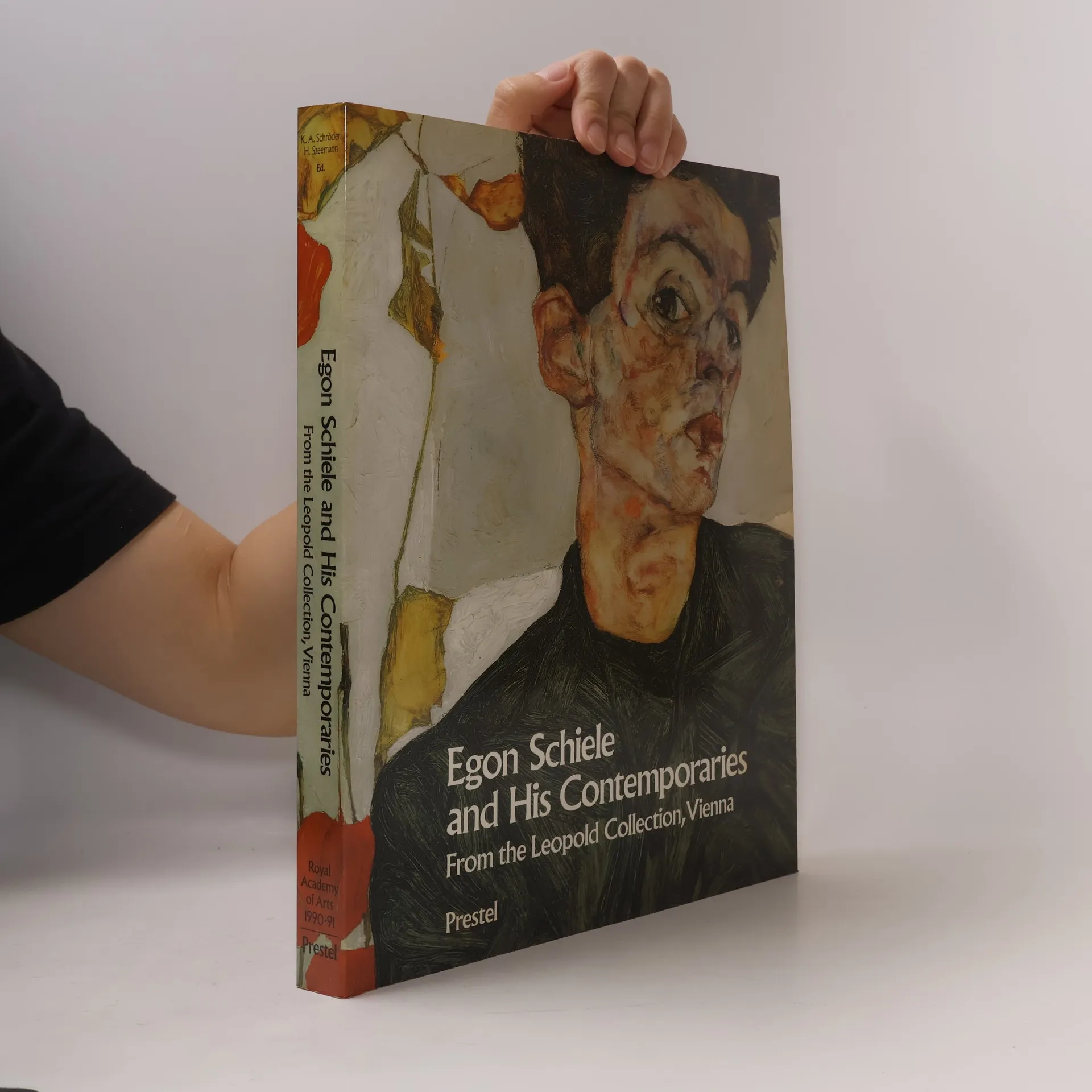
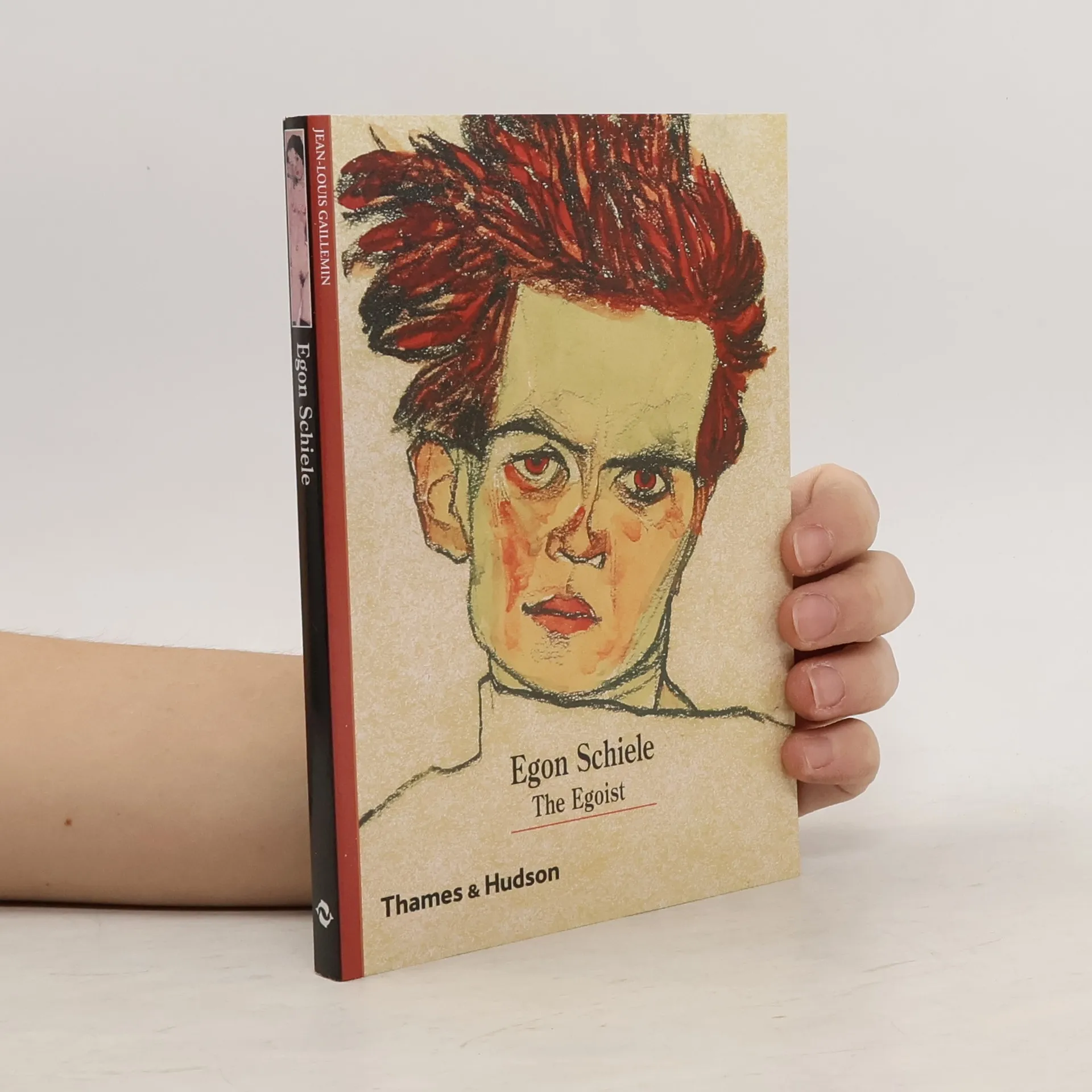
This illustrated book delves into both the controversial sexual themes and neglected aspects of Schiele's art, notably his formal experiments and his later expressionist portraits and allegorical paintings - works that reveal much about the importance of his short career.
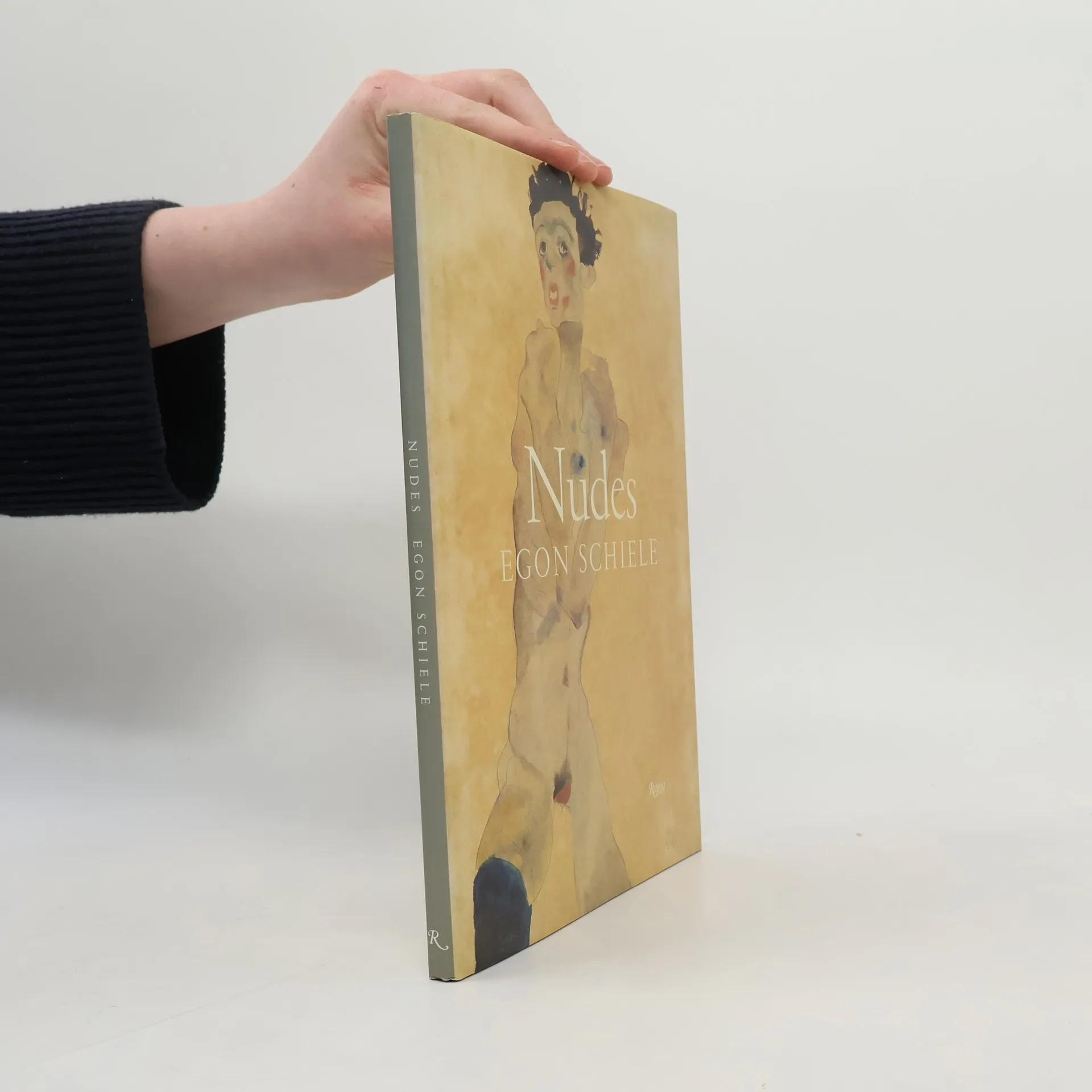
Perhaps the Robert Mapplethorpe of his day. Egon Schiele, who died at the age of twenty-eight, was one of the most innovative and controversial artists of the Vienna Secession. Schiele wished to shatter the hypocrisy of Viennese society's facade of propriety. He felt that, regardless of their erotic content, his drawings and watercolors were "still always works of art." Although he was imprisoned for the "immorality" of his art, the passage of time and revisions in modernist critical thinking have led to a significant reevaluation of Schiele's artistic achievement. This extraordinary book of Schiele's erotic drawings, watercolors, and gouaches of male and female nudes includes a selection of twenty-eight color and twelve black and white reproductions. Alessandra Comini's provocative essay, "Schiele's Nudes: Prudence or Pathos?," attempts to illuminate Schiele's psychic and sexuality and their relationship to his erotically charged work.
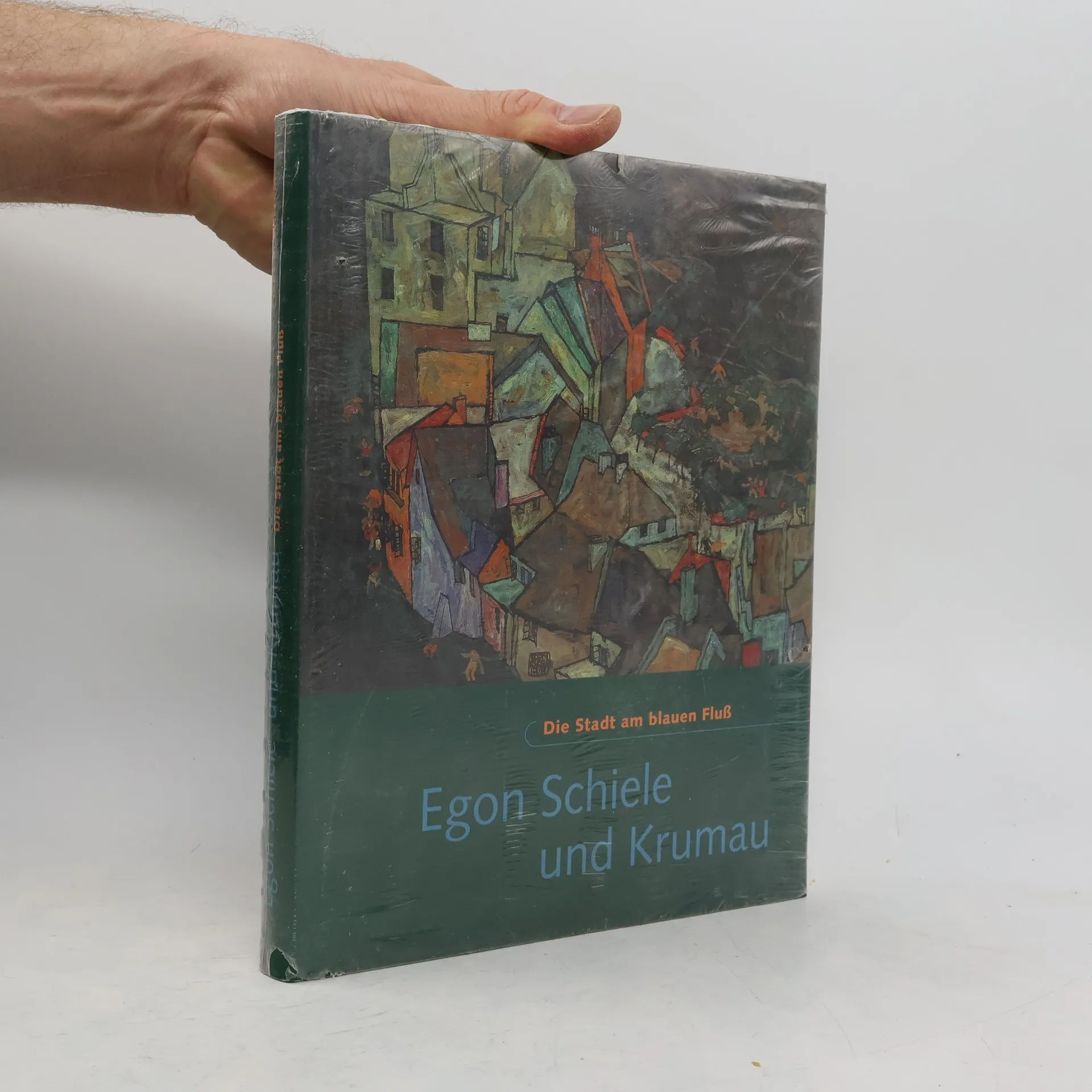
Bekannt ist Egon Schiele vor allem für seine eindrucksvollen, oft schockierenden Porträts und seine nicht minder provozierenden erotischen Darstellungen. Gegenwärtig sind es jedoch seine Landschaften, die sich immer größerer Beliebtheit erfreuen - so erzielte jüngst eine Ansicht von Krumau 20 Millionen US-Dollar. Auch in seinen Landschaften ist der österreichische Künstler provozierend, und setzt damit neue Maßstäbe. Der reich bebilderte Band zeigt, welche Bedeutung die Darstellung der Landschaft im Werk Schieles besaß und warum er mit ihnen die Kunstwelt zu Beginn des 20. Jahrhunderts aufrüttelte und veränderte.
Catalogo della mostra tenuta a Milano presso la Fondazione Mazzotta, 24 settembre 2000-14 gennaio 2001. Il percorso di questa mostra - dedicata all'espressionismo pittorico che si sviluppò in Austria grazie all'opera di Egon Schiele, Alfred Kubin, Richard Gerstl, Oskar Kokoschka ed Erbert Boeckl - copre un arco temporale di diciassette anni, dal 1908 al 1925: un periodo breve ma denso di avvenimenti per la storia e per l'arte del Novecento.
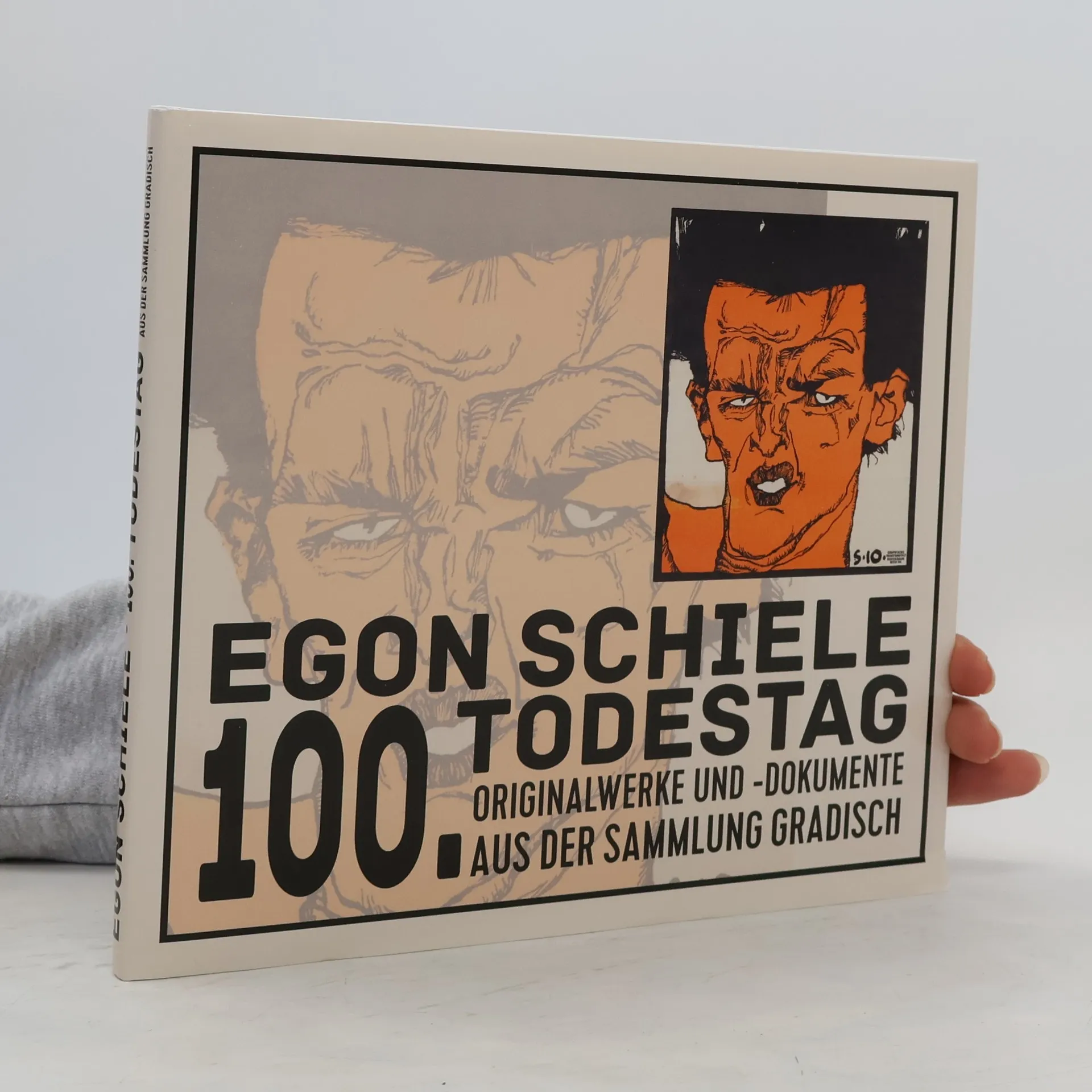
Egon Schiele (1890–1918), ein herausragender Zeichner und Maler, fiel im Oktober 1918 der Spanischen Grippe zum Opfer, was das tragische Ende eines leidenschaftlichen Lebens markierte. Wie Mozart und Schubert hinterließ Schiele ein umfangreiches, einzigartiges und innovatives Œuvre, das weit über seine Zeit hinaus Bedeutung hat.
Als Sohn eines Eisenbahnbeamten war Wien für Schiele sowohl Segen als auch Fluch. Hier traf er wichtige Entscheidungen, als er die Akademie der bildenden Künste verließ, und erhielt Unterstützung von Gustav Klimt. Gleichzeitig sah er sich auch vehementer Ablehnung gegenüber, etwa in der Neuen Freien Presse, die seine Fähigkeiten herabsetzte.
Nach Aufenthalten in Ceský Krumlov, wo einige seiner zentralen Werke entstanden, und Neulengbach, wo er eine traumatische Gefängnisstrafe verbüßte, kehrte er nach Wien zurück. Während des Ersten Weltkriegs arbeitete er im Heeresgeschichtlichen Museum und bezog sein letztes Atelier in Hietzing, nahe Klimts Studio, dessen Totenmaske er am Todestag des Malers abnahm.
Wien war zudem die Stadt seiner Mäzenen, die sein kreatives Potenzial früh erkannten. Schiele zählt zu den bedeutenden Künstlern des frühen 20. Jahrhunderts, einer Zeit des künstlerischen Wandels und tiefgreifender soziokultureller Veränderungen. In diesem Buch wird seine außergewöhnliche Geschichte neu erzählt, unterstützt durch zahlreiche Fotografien und Werkabbildungen, die die Rolle der Hauptsta
Nachdem sich Egon Schiele (1890–1918) von seinem Mentor Gustav Klimt befreit hatte, blieben ihm zehn Jahre, um sich mit einer unverwechselbaren Handschrift in die Geschichte der Moderne einzuschreiben, bevor er der Spanischen Grippe zum Opfer fiel. Als früh überzeugtes Wunderkind und Provokateur fiel ihm das nicht schwer. Seine ausgezehrten, überdehnten Figuren und die drastische Darstellung der Sexualität, sowie seine Selbstporträts, in denen er sich zwischen Genie und Wahnsinn inszenierte, standen im krassen Gegensatz zur dekorativen Qualität von Klimts Werken. Schiele war von brutaler Direktheit und provozierte die Wiener Gesellschaft erfolgreich. Obwohl seine Werke später als „entartet“ diffamiert wurden und zeitweise in Vergessenheit gerieten, beeinflussten sie Generationen von Künstlern wie Günter Brus und Francis Bacon. Heute erzielen seine damals missverstandenen Werke auf dem internationalen Kunstmarkt exorbitante Preise. In diesem umfangreichen neuen Buch werden 221 Gemälde und 146 Zeichnungen aus Schieles fruchtbarem letzten Jahrzehnt illustriert, wobei viele Werke neu fotografiert wurden. Zudem enthält der Band Auszüge aus seinen Schriften und Gedichten sowie Essays, die seinen Einfluss im Kontext des europäischen Expressionismus beleuchten.
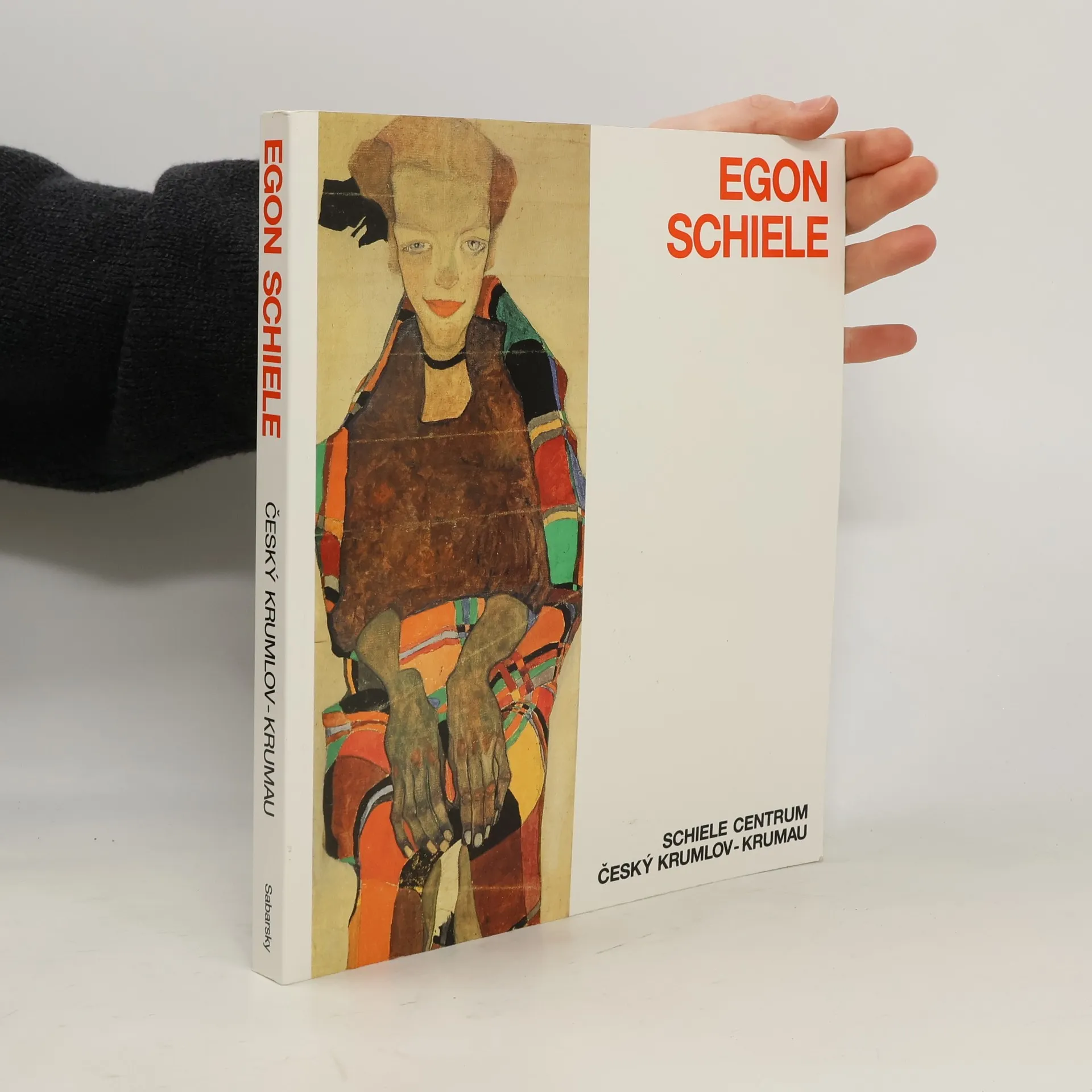
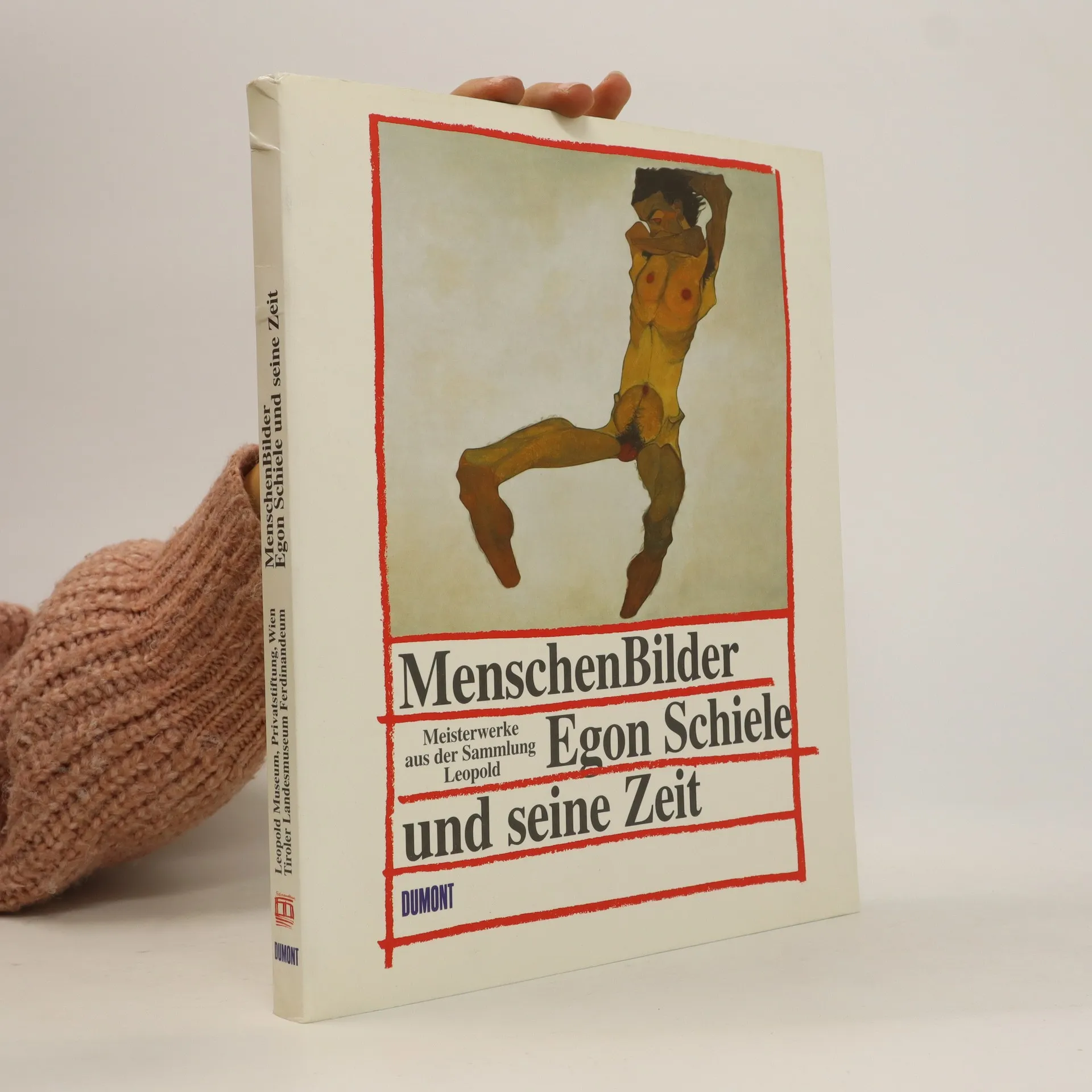
La vita e l'opera di Egon Schiele (1890-1918), uno dei più celebri esponenti della pittura espressionista, presentate attraverso una selezione di lavori di grande interesse, che allargano l'usuale sguardo monografico attraverso l'indagine di relazioni e amicizie con alcuni giovani artisti d'avanguardia come Oskar Kokoschka, Max Oppenheimer, Anton Kolig e più di ogni altro Gustav Klimt, suo amico fraterno e mentore. Il volume raccoglie 120 opere provenienti dall'Österreichische Galerie Belvedere di Vienna e altri prestigiosi musei austriaci e tedeschi - fra dipinti, disegni e sculture, molti dei quali inediti - offrono l'occasione per approfondire il percorso pittorico del grande artista austriaco e conoscere l'ambiente culturale della Vienna di inizio secolo scorso attraverso le opere di quel gruppo che, con Schiele, diedero vita al rinnovamento dell'arte moderna e che lo accompagnò lungo il percorso artistico che dallo Jugenstil giunse ad "aprire" all'Espressionismo viennese. Gustav Klimt (1862-1918), è certamente una figura centrale, il perno dell'evoluzione artistica del giovane Schiele che alla sua arte si era ispirato ma che presto ne aveva abbandonato le linee ondulate e impreziosite da decorazioni auree e vegetali per raggiungere un più crudo realismo, aspro e duro espresso soprattutto nei ritratti e nei corpi nudi.
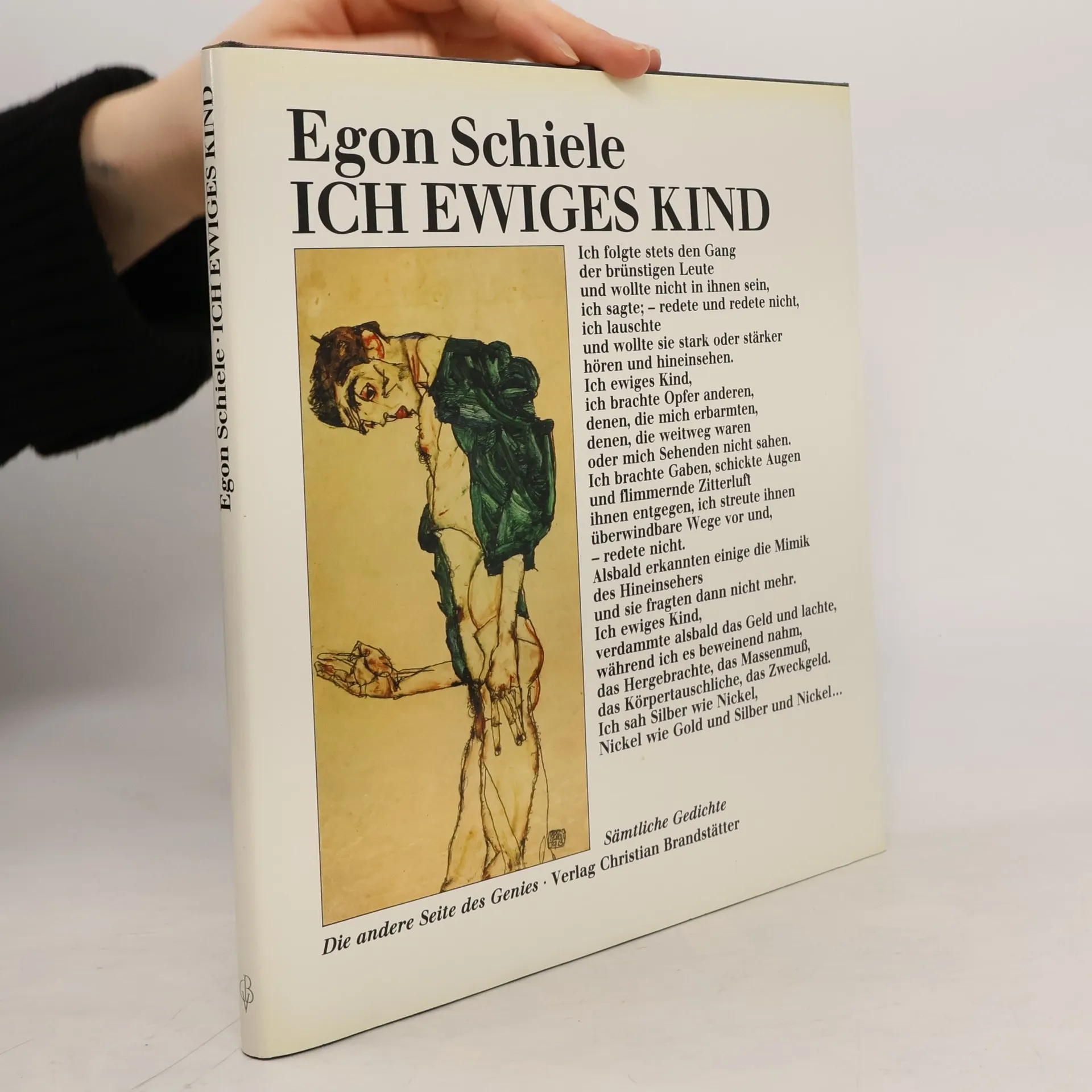
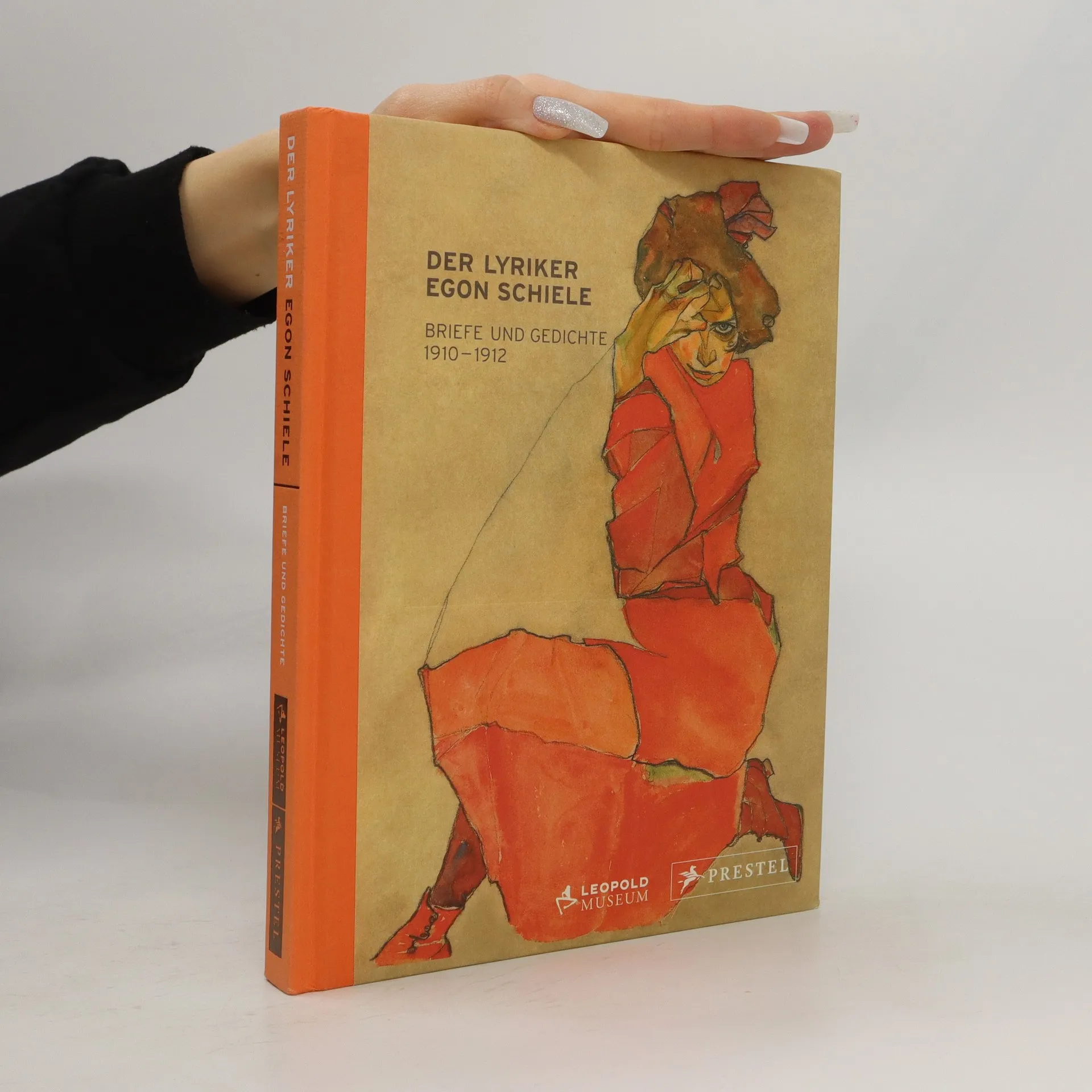
In diesem exklusiven Bildband werden ausgewählte Kunstwerke von Egon Schiele seinen Gedichten und Briefen gegenübergestellt, die noch nie veröffentlicht wurden. Schieles Bilder im Kontext seiner eigenen Schriften zu erleben, ermöglicht einen neuen, tiefgreifenden Einblick in seine Gedankenwelt, die von leidenschaftlicher Auseinandersetzung mit Leben und Tod, der Vergänglichkeit, Liebe und Erotik geprägt war.
Die ALBERTINA ehrt Adrian Ghenie mit einer revolutionären Ausstellung, die auf Ciprian Adrian Barsans Konzept basiert. Ghenie erweckt die verlorenen Werke Egon Schieles, die nur durch Schwarz-Weiß-Fotografien bekannt sind, zu neuem Leben. Rund ein Viertel von Schieles Gemälden bleibt bis heute unauffindbar oder wurde zerstört. Diese verlorenen Bilder, die Themen wie Tod, Sexualität und Melancholie behandeln, existieren nur noch als schattenhafte Fotografien. Das Projekt 'Egon Schiele Schattenbilder' nimmt die Zuschauer mit auf eine metaphysische Reise durch Zerfall und Neuschöpfung. Ghenie transformiert die Schattenbilder in lebendige Manifestationen des Farbspektrums und lässt die Grenzen zwischen Realität und Abstraktion verschwimmen. Die Ausstellung findet vom 11. Oktober 2024 bis 9. Februar 2025 in der ALBERTINA statt. Ghenie beschreibt seine Verbindung zu Schiele nicht im Stil, sondern in der Haltung: „Sobald man die traditionellen Zwänge der Anatomie hinter sich lässt, kann die Art und Weise, wie man die menschliche Form deformiert, zu einem Porträt des Charakters oder der inneren Psyche auf einer tieferen Ebene werden.“ Adrian Ghenie, geboren 1977 in Rumänien, ist bekannt dafür, persönliche, politische und kunsthistorische Themen zu verschmelzen und die Möglichkeiten seines Mediums zu erkunden. Schiele, geboren 1890, zeigte früh außergewöhnliches Talent, erlangte 1918 Ruhm und starb tragisch mit 28 Jahren an der Spanisc
Im Schaffen von Egon Schiele, einem der prägendsten Künstler der Wiener Moderne, steht die menschliche Gestalt im Mittelpunkt. Er erkundet stets das Neue, provoziert ‒ lebt die »Freiheit des Ich«? Der Band beleuchtet die Rolle der von Freud eröffneten psychologischen Auseinandersetzung mit dem vom Unterbewusstsein bestimmten Ich im Œuvre des Künstlers. Egon Schiele (1890‒1918) nutzt den Körper als Gestaltungselement und Ausdrucksmittel innerer Vorgänge; sein Stil ist unverkennbar, teilweise verstörend. Was treibt ihn an? Zum einen lehnt er sich an kunsthistorische Vorbilder oder an die Natur an, zum anderen ist er inspiriert von der expressiven Gestik des Theaters und des frühen Films. Einen Impuls erfährt die künstlerische Einordnung duch das Einbeziehen der psychologischen Betrachtungen Sigmund Freuds zu Persönlichkeit, Ich und Unterbewusstsein. Zudem wird die These untersucht, dass die Kriegsfotografie der Balkankriege und des Ersten Weltkrieges die Körperdarstellung Schieles beeinflusst.
„nach Schiele" … ist ein Buch in Rücksicht. Der Band widmet sich der Beschäftigung mit dem Werk des Egon Schiele in der bildenden Kunst der Gegenwart. Zu sehen sind Referenzen der Moderne, Aneignungen und Fortschreibungen des Historischen im doppelten Sinne des Wortes. Künstler der Gegenwart folgen Schiele im zeitlichen Sinne nach, lassen sich von seinem außerordentlichen Werk inspirieren, bekunden Anerkennung und Nähe, sind demnach „nach Schiele“ auch im Sinne von „gemäß“ und „entsprechend“ und als bildnerische Hommage. Auffälligste Nachwirkung gewinnt die bildnerische Intensität. Viele der zeitgenössischen Künstlerinnen und Künstler zeigen sich beeindruckt von Schieles sicherem Talent der Strichführung, seiner Kunstfertigkeit und dem leidenschaftlichen Sendungsbewusstsein. Andere bearbeiten die Probleme der Reproduzierbarkeit, der extensiven Verbreitung oder zeigen eher kritische Distanz, wie Sherrie Levine in ihrer berühmten Serie after Schiele, in der die Klischees des Stils und die kommerzielle Verwertung zutage treten.
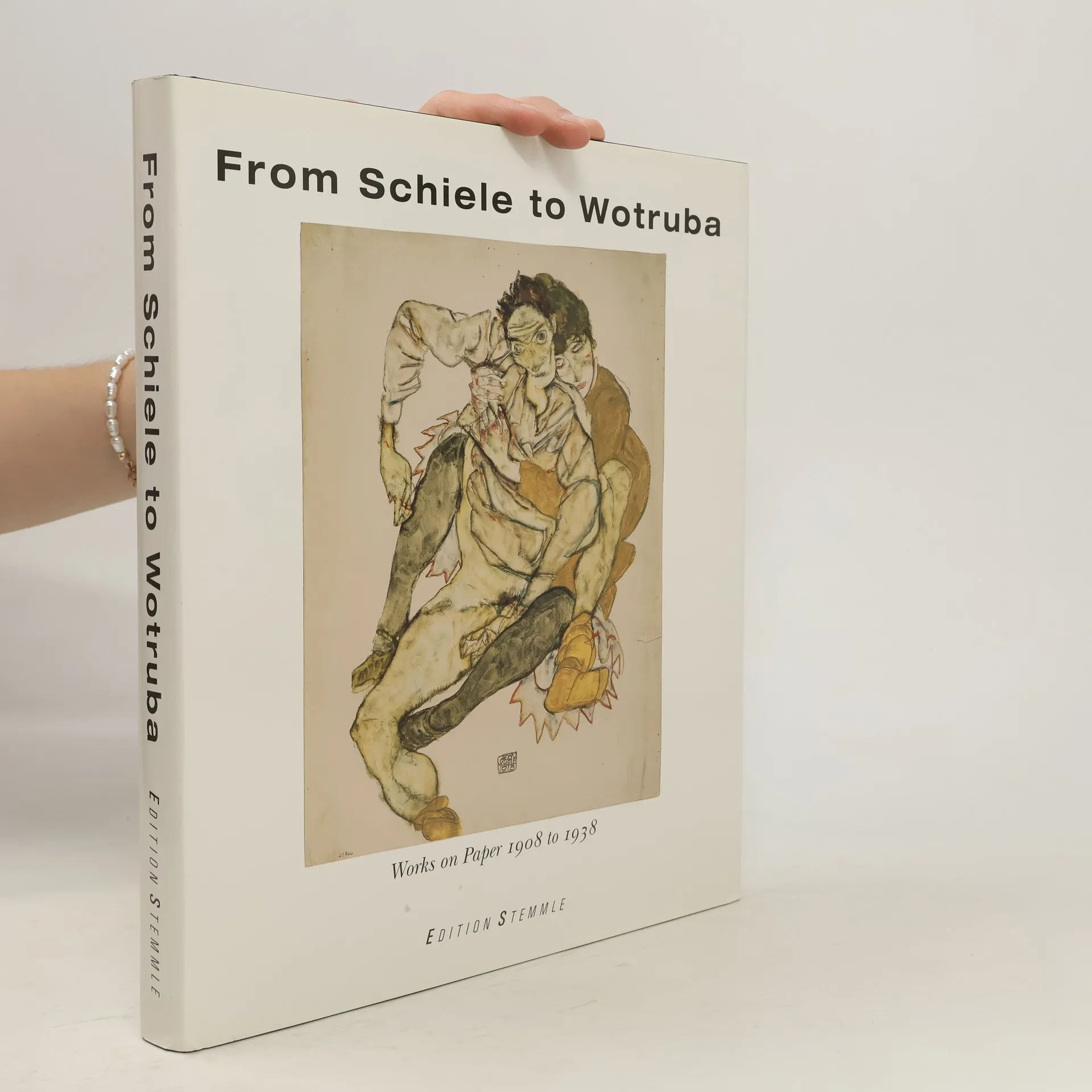
Mit einem umfassenden Überblick über die Arbeiten auf Papier bietet dieses Buch die einzigartige Gelegenheit, die rasante künstlerische Entwicklung dieses Meisters des Zeichnens im Verlauf seiner kurzen, nur zwölf Jahre währenden Karriere nachzuvollziehen. Es behandelt alle Themen von Schieles Werk, darunter Porträts, Landschaften, Akte, erotische Darstellungen und Selbstporträts. Mehrere Werke in diesem Buch sind erstmals in Farbe abgebildet.
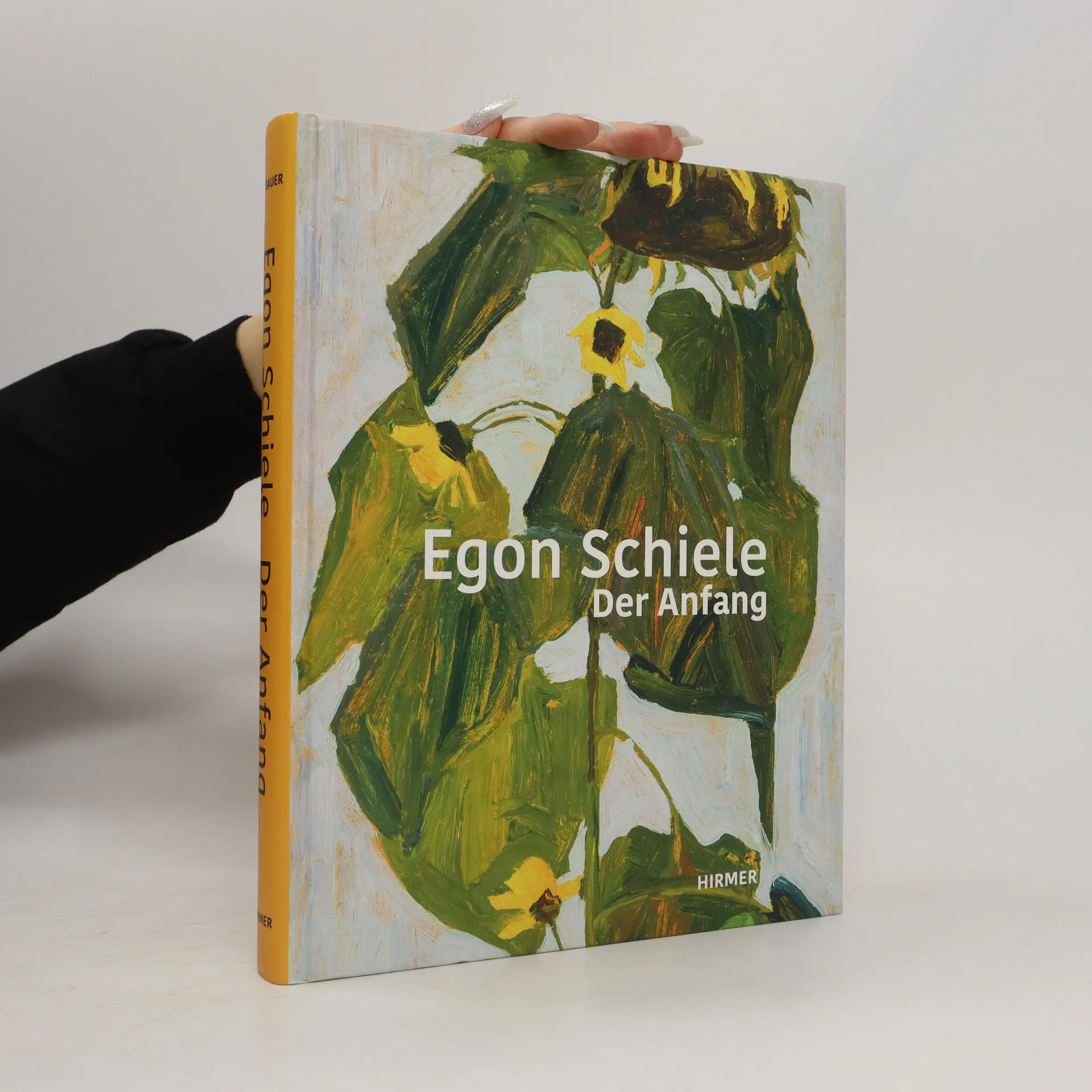
Egon Schiele ist bekannt für seine Frauenakte und Selbstporträts und gilt als herausragender Künstler des Expressionismus. Das Egon-Schiele-Museum in Tulln zeigt nun eine Ausstellung über die Anfänge des Malers. Der begleitende Katalog bietet Einblicke in Schieles Kindheit und Jugend und präsentiert teilweise unveröffentlichte Werke. Schon als Siebenjähriger beobachtete Schiele fasziniert die Züge am Tullner Bahnhof und zeichnete unermüdlich, was oft zu Konflikten mit seinen Eltern führte. Viele seiner frühen Werke sind verloren gegangen, doch einige sind im Katalog abgebildet. Diese frühen Arbeiten legten den Grundstein für sein späteres Schaffen, das durch einen technischen Blick und systematisches Vorgehen geprägt war.
Bereits mit 16 Jahren interessierte sich Schiele für die menschliche Darstellung und malte unzählige Porträts von Verwandten und Freunden. Im Sommer 1906 entschloss er sich, Künstler zu werden, und bereitete sich intensiv auf die Kunstakademie in Wien vor. In einem Skizzenbuch hielt er fest, wie er sich als dandyhaften Künstler sah.
Der Katalog dokumentiert Schieles Entwicklung bis 1909, von seiner Kindheit in Tulln über die Schulzeit bis zur Gründung der Neukunstgruppe. Rund 150 Abbildungen seiner frühen Werke, darunter Porträts und Landschaften, zeigen die Vielfalt seines Schaffens. Experten kommentieren sein Frühwerk und stellen Verbindungen zu seinem späteren Schaffen her. Eine Kurzbiografie mit Fotogra