Leon Battista Alberti fue un polímata humanista del Renacimiento cuyos intereses abarcaban desde el arte y la arquitectura hasta la filosofía y la lingüística. Su obra desafía una categorización singular, reflejando las exhaustivas exploraciones de Alberti a través de diversas disciplinas. Investigó y conectó profundamente varios campos del saber, dejando una marca imborrable en la cultura renacentista. Su vida y contribuciones están documentadas, presentándolo como una figura central de su época.
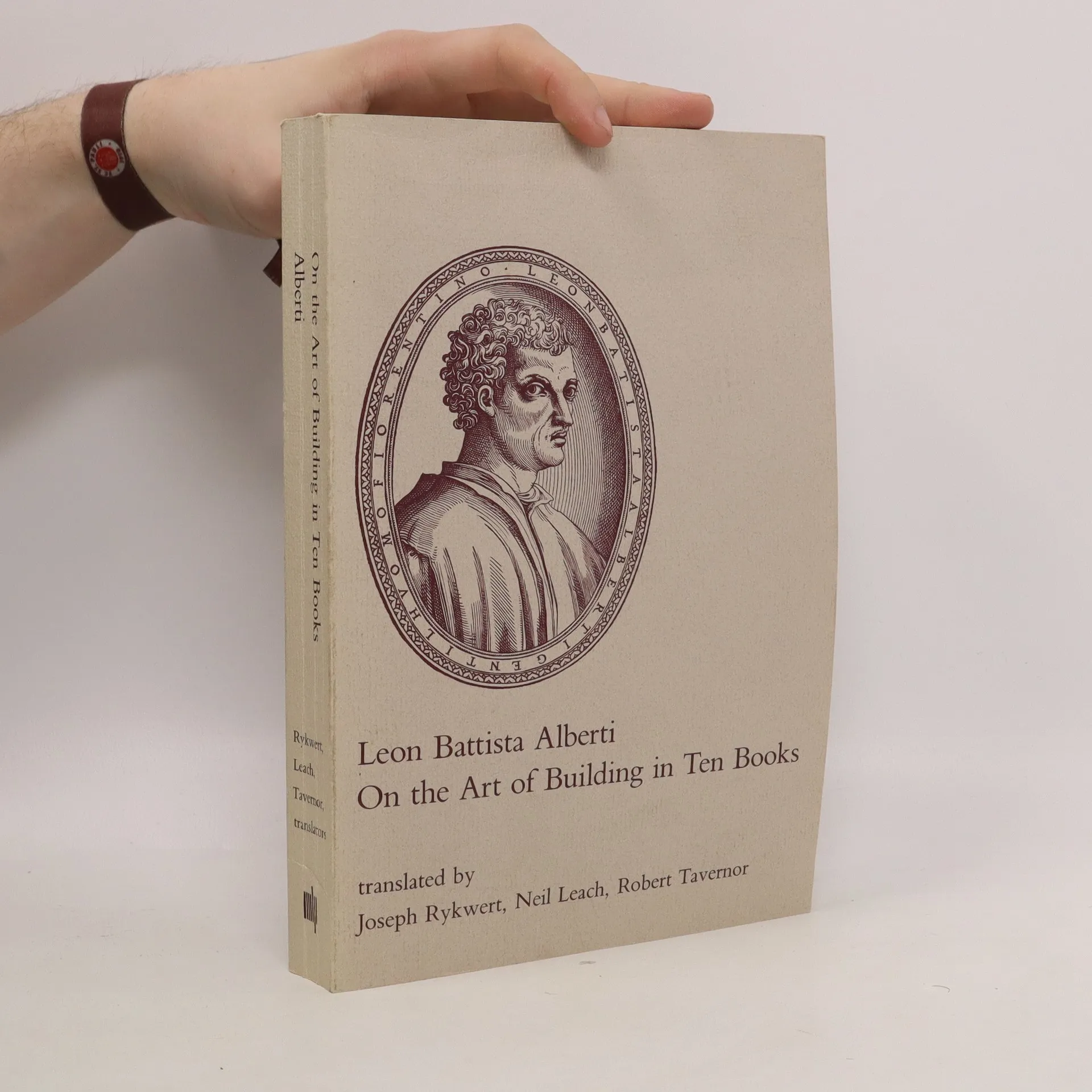
De Re Aedificatoria, by Leon Battista Alberti (1404-1472), was the first modern treatise on the theory and practice of architecture. Its importance for the subsequent history of architecture is incalculable, yet this is the first English translation based on the original, exceptionally eloquent Latin text on which Alberti's reputation as a theorist is founded.
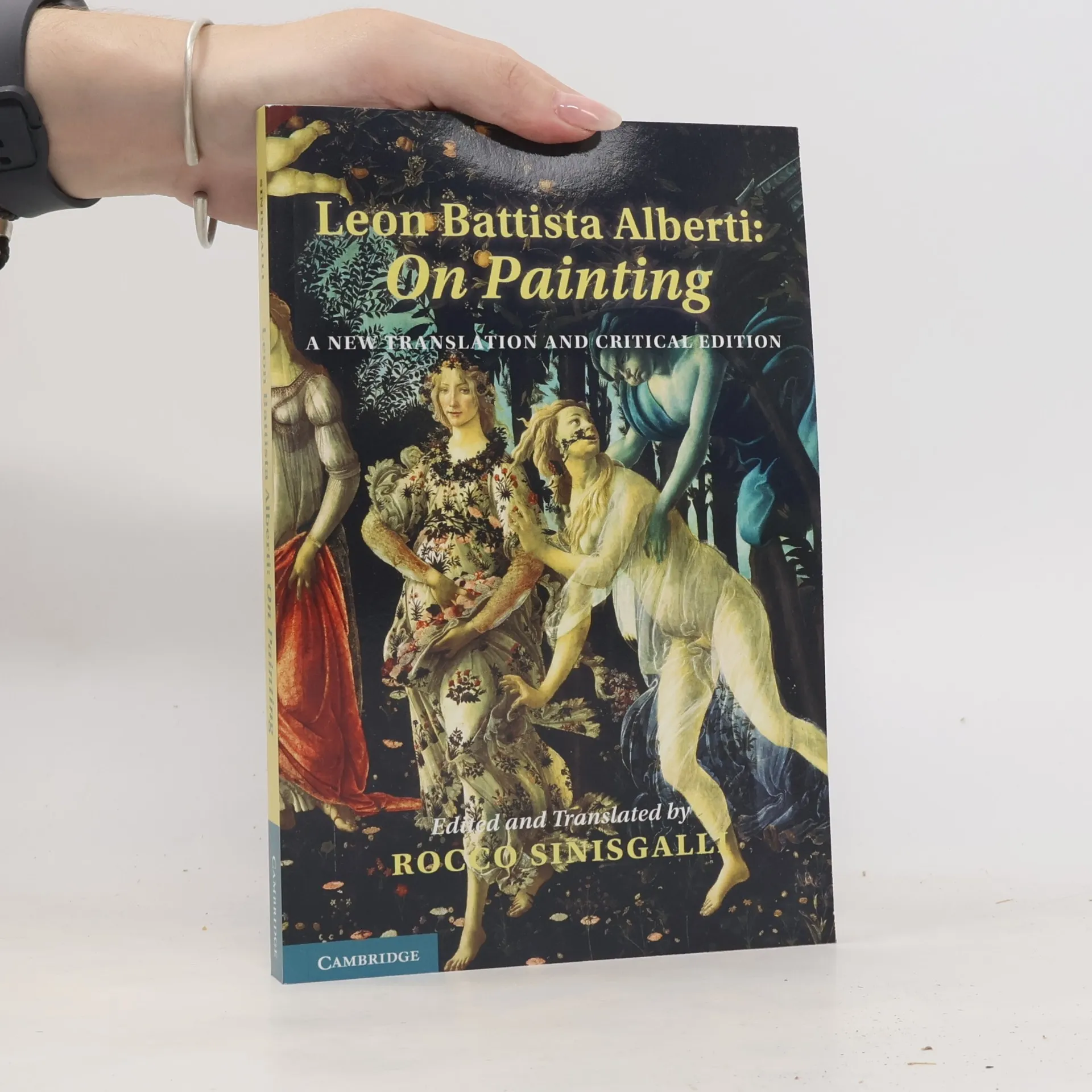
Leon Battista Alberti: On Painting is a cardinal work that revolutionized Western art. In this volume Rocco Sinisgalli presents a new English translation and critical examination of Alberti's seminal text. This volume is richly illustrated to help demonstrate how Alberti understood optics and art.
Featuring a blend of humor and insight, this collection of stories is designed for enjoyment during meals. Alberti's Dinner Pieces, or Intercenales, explore a wide range of subjects including politics, arts, and love, marking a significant contribution to comic literature. This edition offers a fresh translation alongside an authentic Latin text, enhancing the reading experience while showcasing Alberti's innovative storytelling.
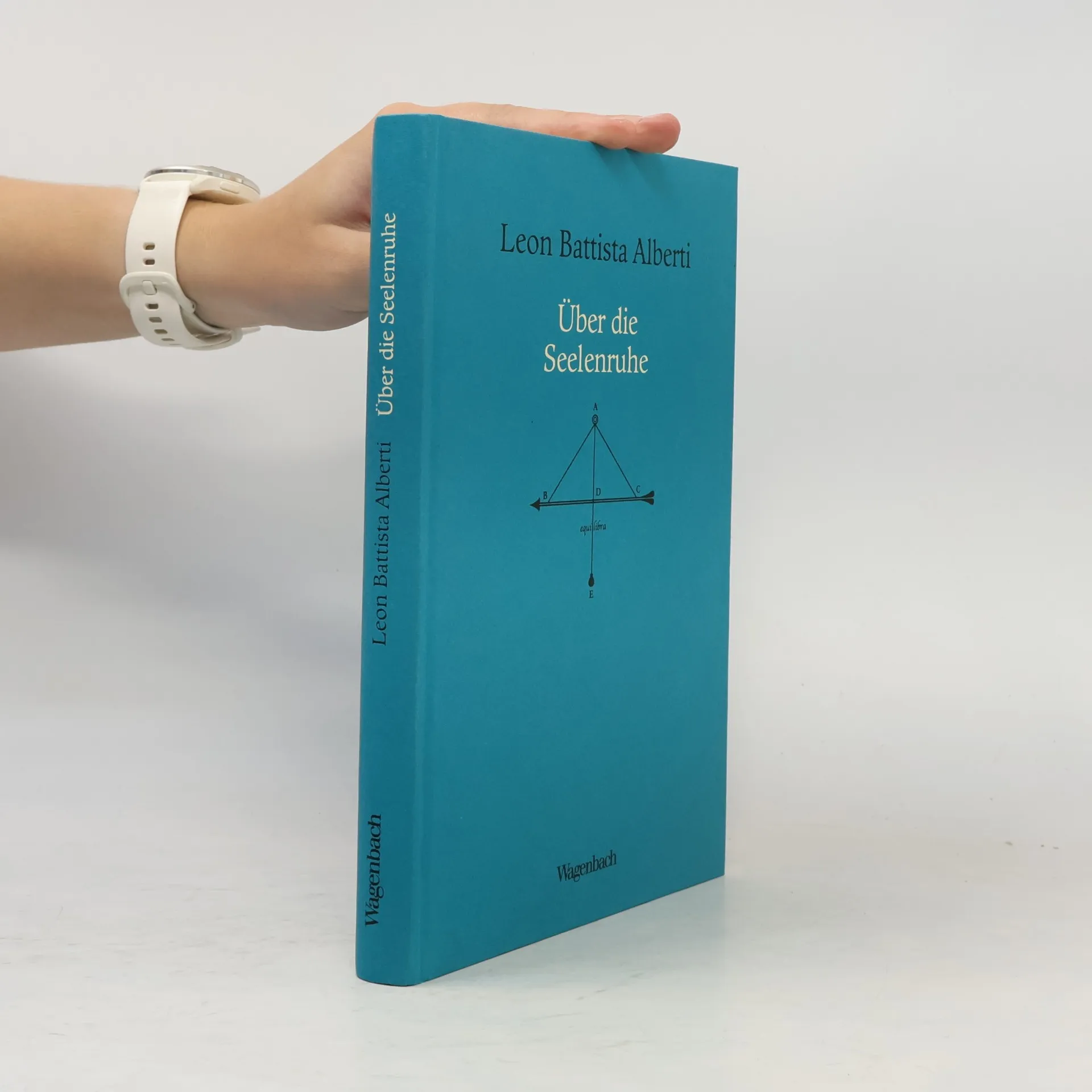
Seit der Antike kreist das philosophische Denken um die Frage nach dem guten Leben: Die Aufgabe einer gelungenen Existenz als Individuum und als aktiv gestaltendes Mitglied der Gesellschaft, die Suche nach praktischen Mitteln zur Vermeidung von Leid und die Erlangung des Seelengleichgewichts in einer krisenhaften Welt sind Themen von ungebrochener Aktualität. In seiner meisterlichen Schrift lotet der Renaissancegelehrte Leon Battista Alberti in der Form eines Dialogs die ganze Bandbreite menschlicher Emotionen aus und denkt über das ausgeglichene Selbst nach, das nur durch konstante Pflege und Übung erreicht werden kann. Geistsprühend, anspielungsreich und elegant zeigt Alberti, welch wichtige Rolle der sinnlichen Wahrnehmung, der ästhetisch-künstlerischen Erfahrung der Lebenswelt sowie der gemeinsamen Erkenntnissuche auf dem Weg zu einem ethischen und politischen Sein zukommt. Von der Vasari-Übersetzerin Victoria Lorini zum ersten Mal ins Deutsche übertragen und von Hana Gründler kenntnisreich eingeleitet und kommentiert, wird ein hierzulande noch unentdeckter Klassiker zugänglich gemacht, dessen Strahlkraft bis in unsere Zeit reicht.
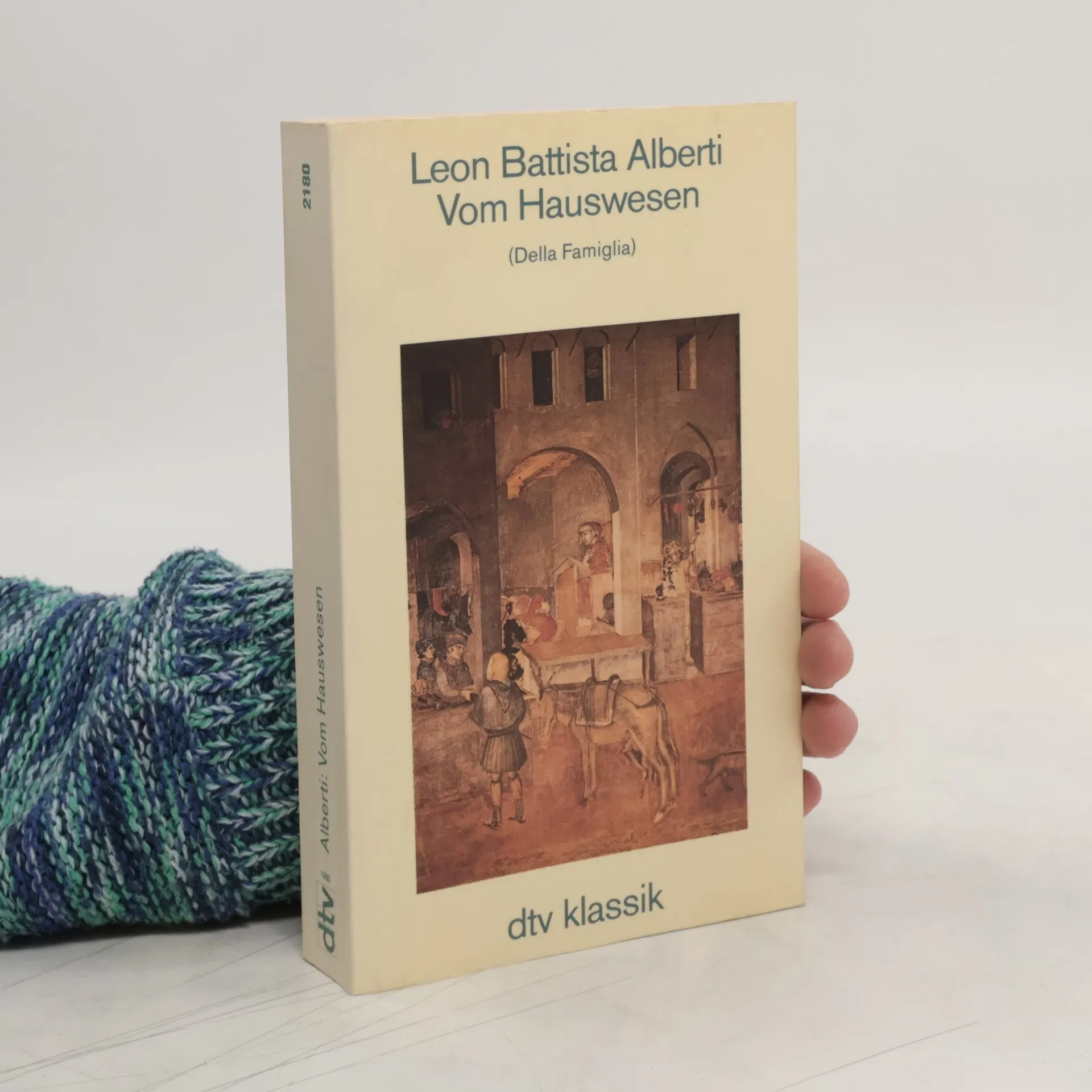
Die Dialoge Vom Hauswesen behandeln ein Thema, das heute ebenso aktuell ist wie vor sechshundert Jahren, als sie geschrieben wurden: das Funktionieren des sozialen Lebens in all seiner Komplexität, beginnend bei der Familie und ihrer Rolle bei der Prägung des Individuums im Sinne bestimmter persönlicher und bürgerlicher Werte. Hier finden wir nicht wenige innovative oder sogar schockierende Darstellungen, selbst für uns heute: die vollkommen säkulare Sicht auf das Leben und die Gesellschaft, das Lob des Geldes und im Allgemeinen des Reichtums, der jedoch die Ehre, den Ruf und den Ruhm unterstützen muss, die Zeit als Kapital, dessen gute Verwaltung von jedem Erfolg abhängt, die Idee von perfekter Organisation und Ordnung, die Voraussetzung für jedes erfolgreiche Unternehmen sowie für das Familienleben usw. Die Gesprächspartner der Dialoge haben nicht nur unterschiedliche Altersgruppen, Interessen und Meinungen, sondern auch unterschiedliche Ausdrucksweisen, die oft überraschen und den Leser wachhalten; dieser wird, während er zwischen den verschiedenen Perspektiven navigiert, absichtlich frei gelassen, um die eigene zu wählen – wie in einem authentischen und modernen offenen Werk.
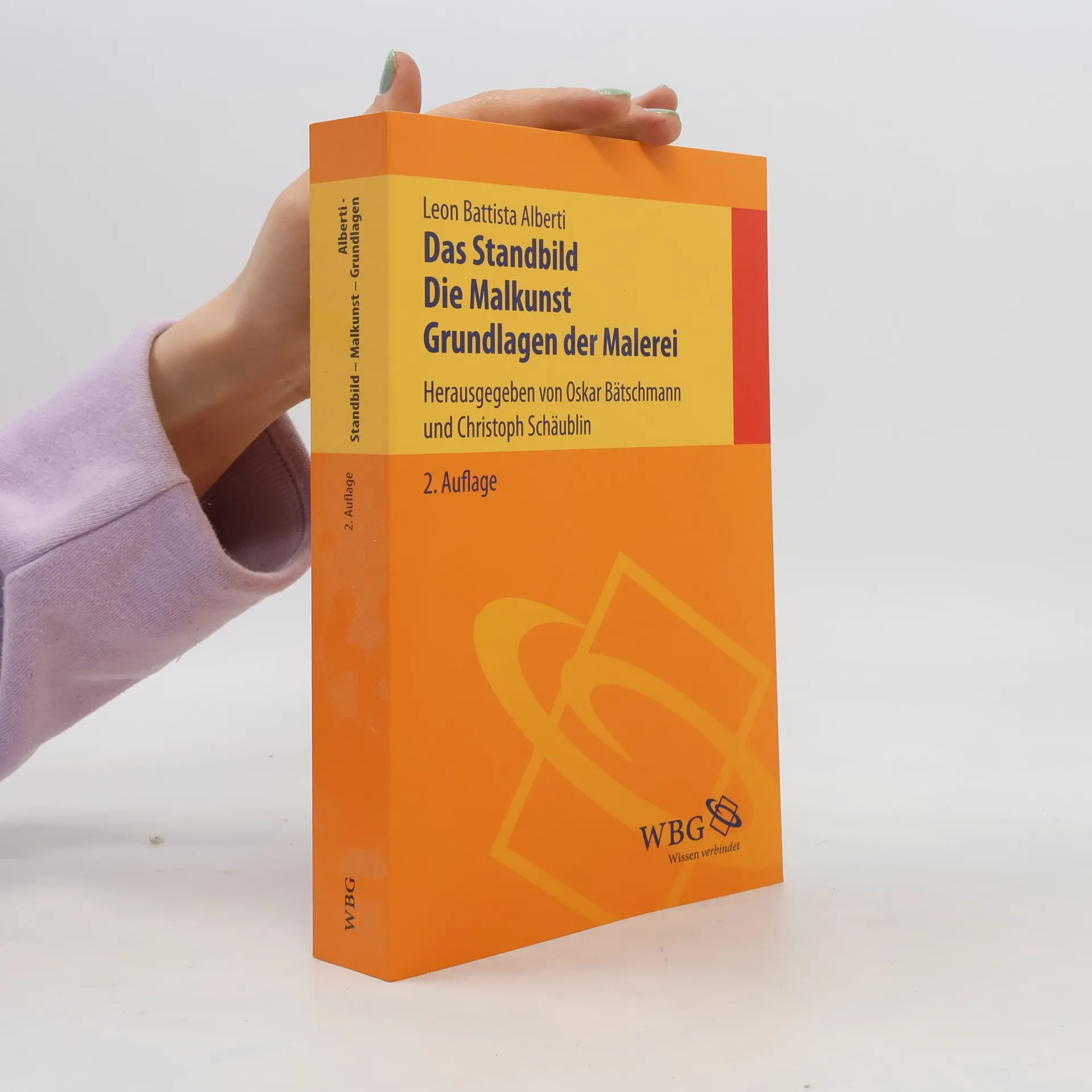
Mit der gemeinsamen Publikation der drei Schriften ›De Statua‹, ›De Pictura‹ und ›Elementa Picturae‹ (Das Standbild, Die Malkunst, Grundlagen der Malerei) verwirklicht das Buch ein Vorhaben Albertis, das bis zu dessen Tod 1472 nicht realisiert werden konnte. Die Texte erhellen das Kunstverständnis ihrer Entstehungszeit und geben Auskunft über die Optik, die Proportionslehre und die Messmethoden der Renaissance. Sie sind bis heute für die Theorie der Malkunst und der Skulptur von größter Bedeutung. Neben dem lateinischen Text Albertis, der von Kristine Patz an den Manuskripten überprüft wurde, steht parallel die deutsche Übersetzung von Christoph Schäublin. ›De Pictura‹ und ›Elementa Picturae‹ wurden damit erstmals ins Deutsche übersetzt, während ›De Statua‹ zuletzt 1877 von Janitschek ins Deutsche übertragen wurde. Die ausführliche Einleitung und die Kommentare zu den drei Texten dienen zusätzlich dem Verständnis. Sie stellen die Diskussion der Probleme innerhalb der Forschung dar, legen neue Ergebnisse vor und werden so zum Ausgangspunkt für weitere Forschungen. Das Buch enthält außerdem Dokumente zur Entstehungsgeschichte und Rezeption sowie ein vollständiges Verzeichnis der Manuskripte und gedruckten Ausgaben der drei Schriften in europäischen Sprachen und eine sorgfältig erarbeitete Bibliographie.
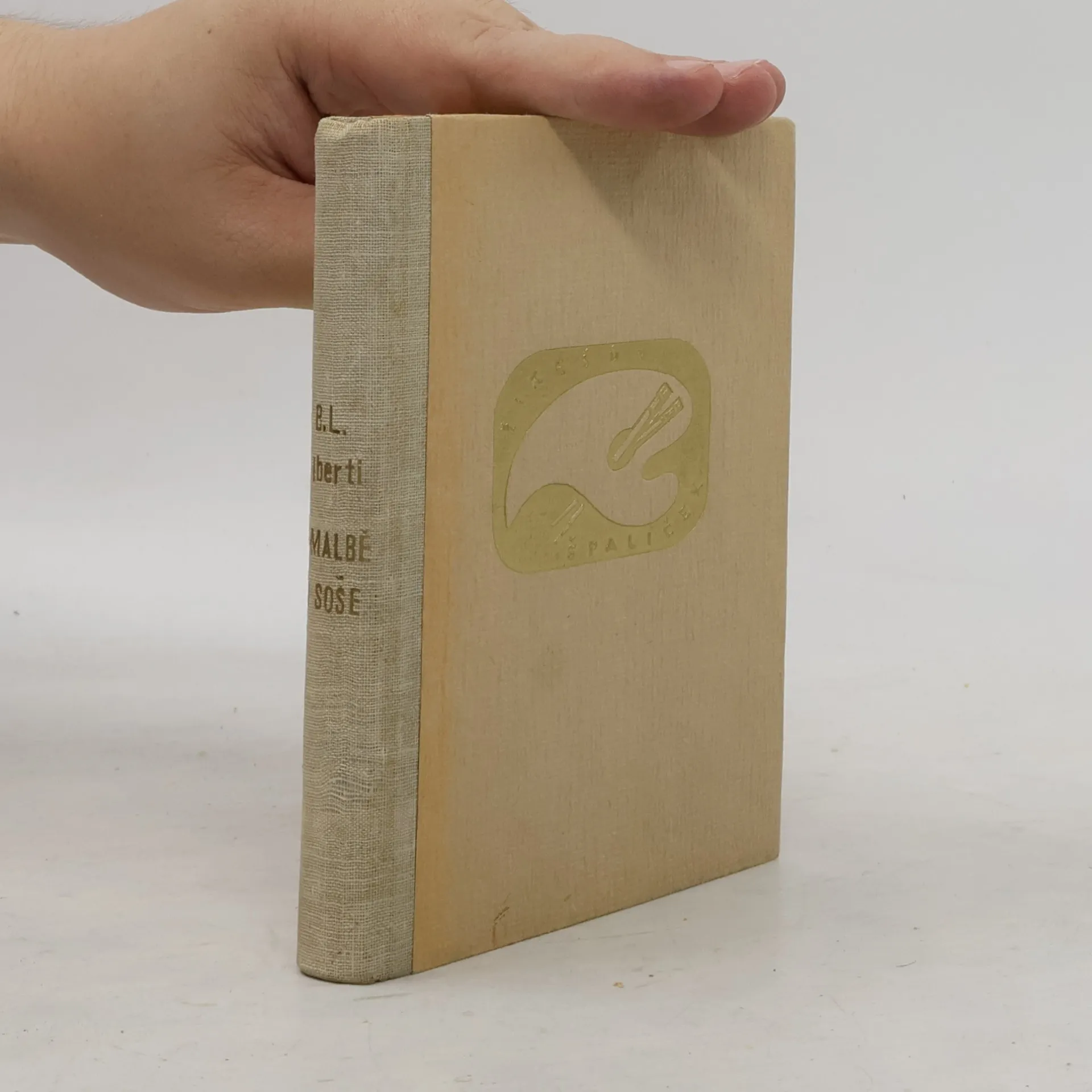
Vydáno v edici Žikešův špalíček o umění. Řada A, Výtvarné umění. Ve třech knihách O MALBĚ vykládá o malířské perspektivě, o systematice malby, obrysu, kompozici, koloritu, světle a stínu. o plastickém jevu na obrazech. o malířské tématice a malířské výchově. V bystrém pojednání O SOŠE všímá si všech ideových i technických problémů sochařství. Kromě toho popisuje svůj vlastní přístroj na bodování sochy. Z italštiny přeložil, poznámkami objasnil, studii o L. B. Albertim napsal, náčrty kreslil a obrázky sestavil F. Topinka. 9 nečíslovaných listů obrazových příloh, z toho jeden přeložený : ilustrace (některé barevné), 1 portrét, plány.
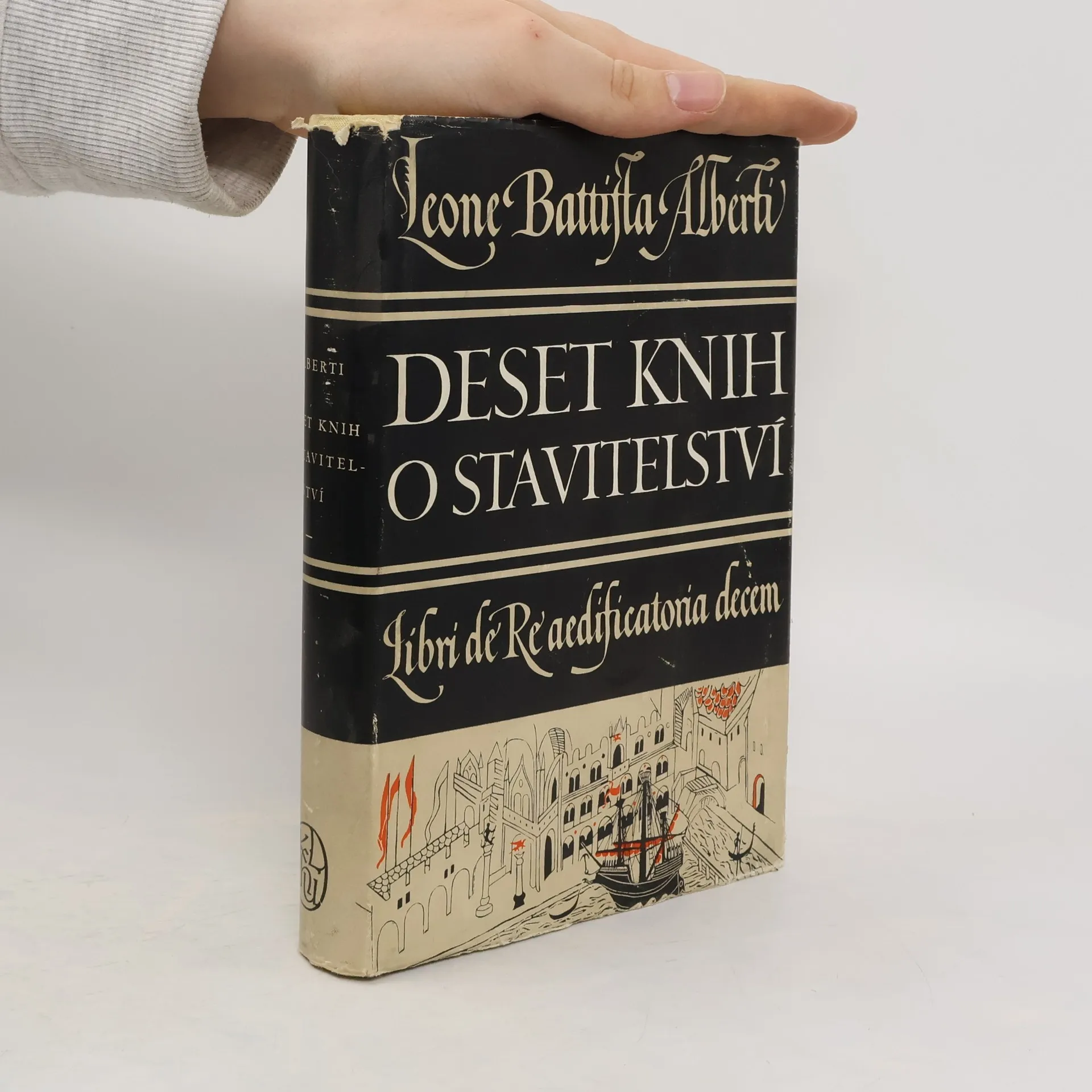
Spisovatel, zakladatel teorie architektury, usměrnil svým dílem napsaným kolem r. 1450 dosud nevyhraněný vývoj stavitelství. Za předlohu měl dílo Vitruviovo. V prvních pěti knihách odpovídá na různé otázky týkající se především stavebního materiálu, provedení a účelnosti staveb. Ve druhé části se oprošťuje od antických spisovatelů a věnuje se kompozičním otázkám architektury. Jeho spis ocenil i básník Lodovico Ariosto a vliv jeho myšlenek je patrný také v díle Michelangelově a Leonarda da Vinci. Dodnes jsou cenné stati o měřítku, rozvržení hmot, vztazích částí k celku apod. Alberti ukazuje na mnoha příkladech celistvé pojetí architektury a urbanismu, ono komplexní myšlení, které je nutné zdůrazňovat zvláště v současné době.
Vydáno v edici Žikešův špalíček o umění. Řada A, Výtvarné umění. Ve třech knihách O MALBĚ vykládá o malířské perspektivě, o systematice malby, obrysu, kompozici, koloritu, světle a stínu. o plastickém jevu na obrazech. o malířské tématice a malířské výchově. V bystrém pojednání O SOŠE všímá si všech ideových i technických problémů sochařství. Kromě toho popisuje svůj vlastní přístroj na bodování sochy. Z italštiny přeložil, poznámkami objasnil, studii o L. B. Albertim napsal, náčrty kreslil a obrázky sestavil F. Topinka. 9 nečíslovaných listů obrazových příloh, z toho jeden přeložený : ilustrace (některé barevné), 1 portrét, plány.