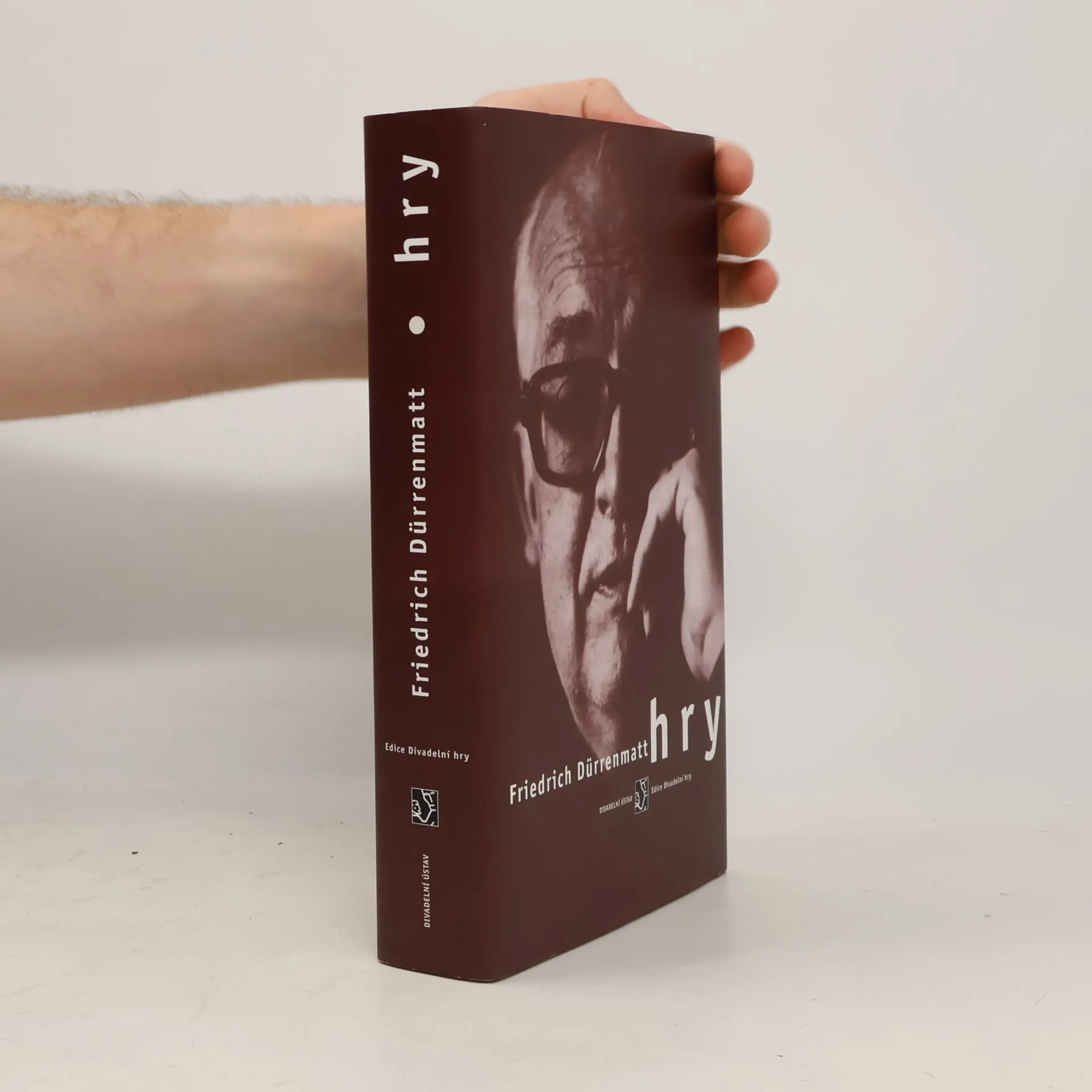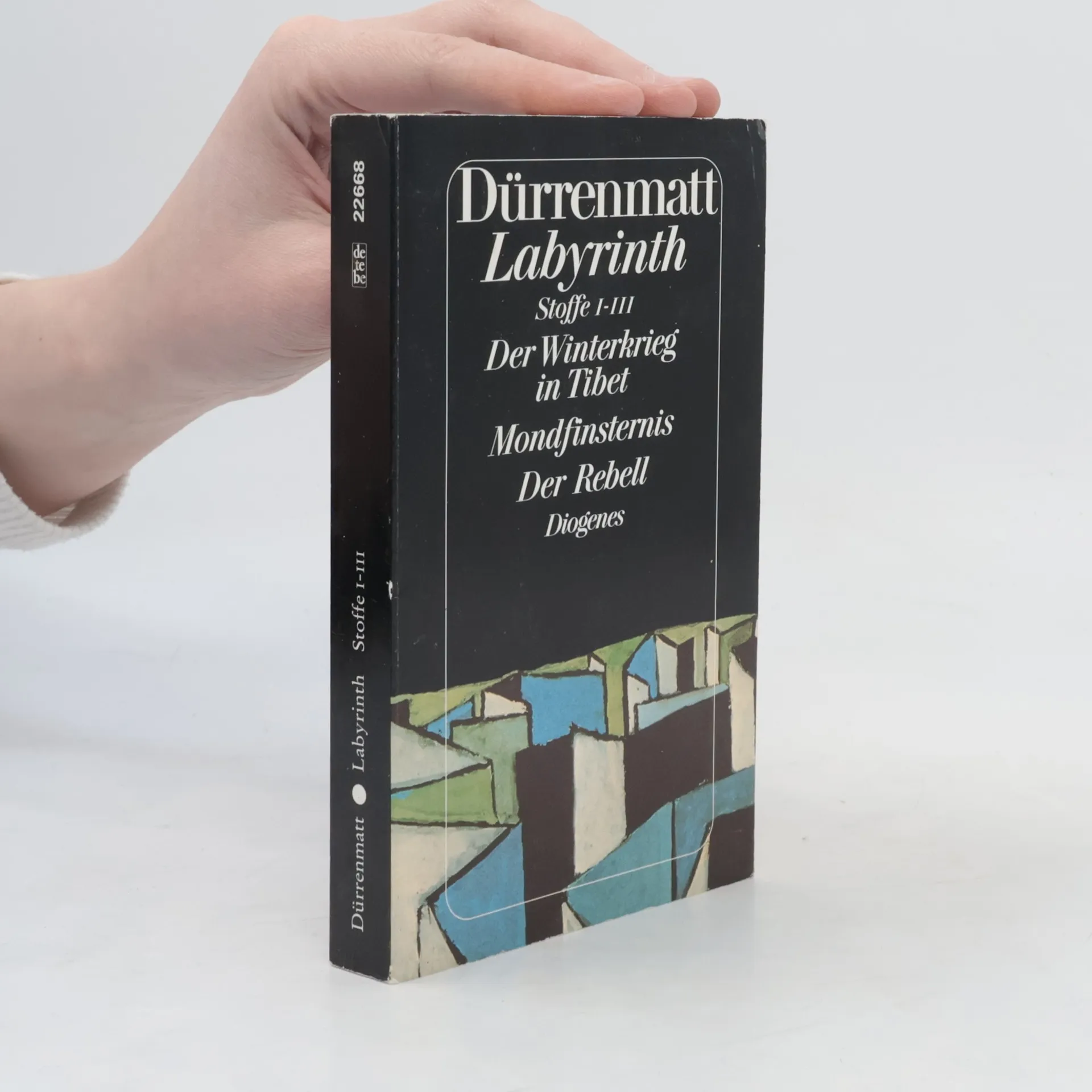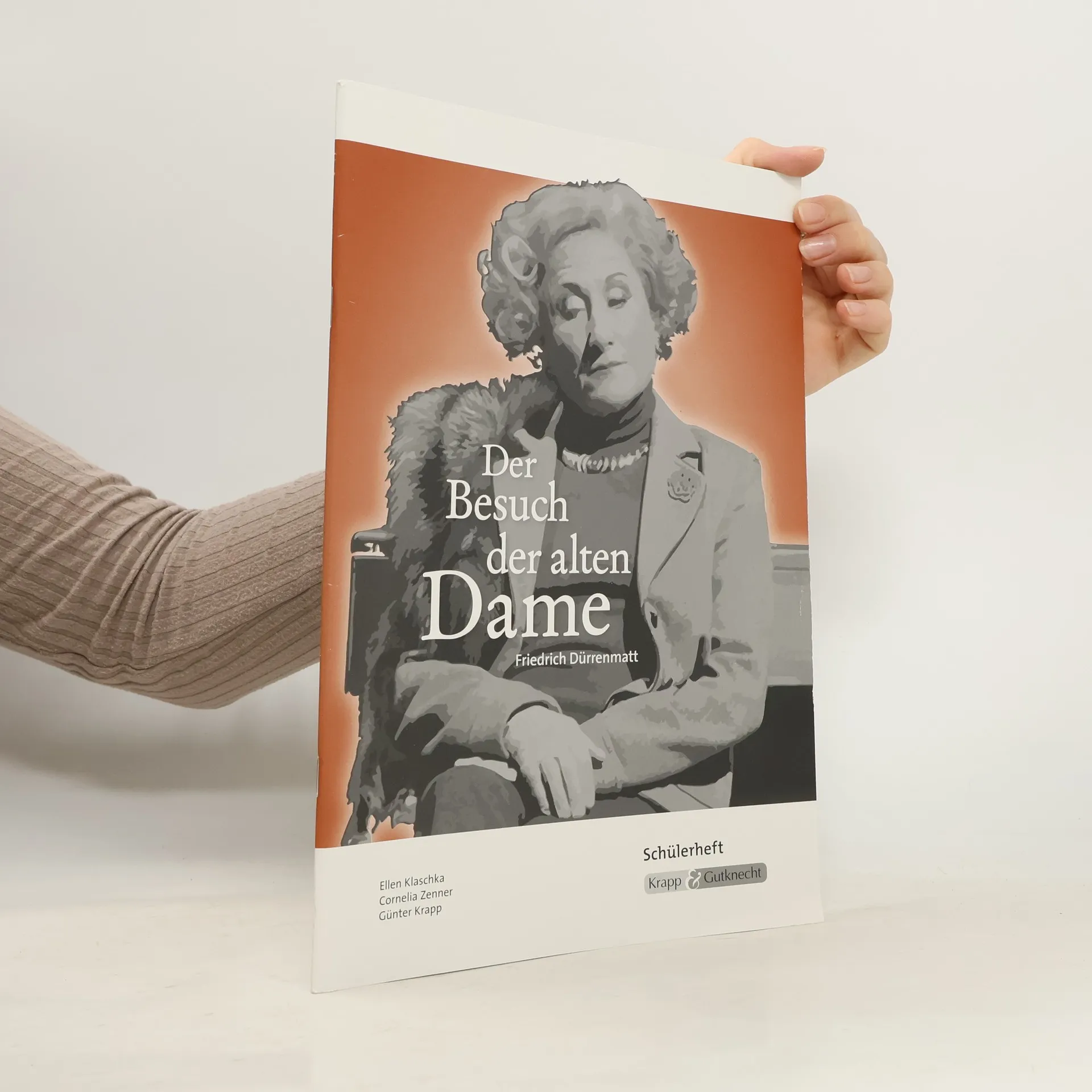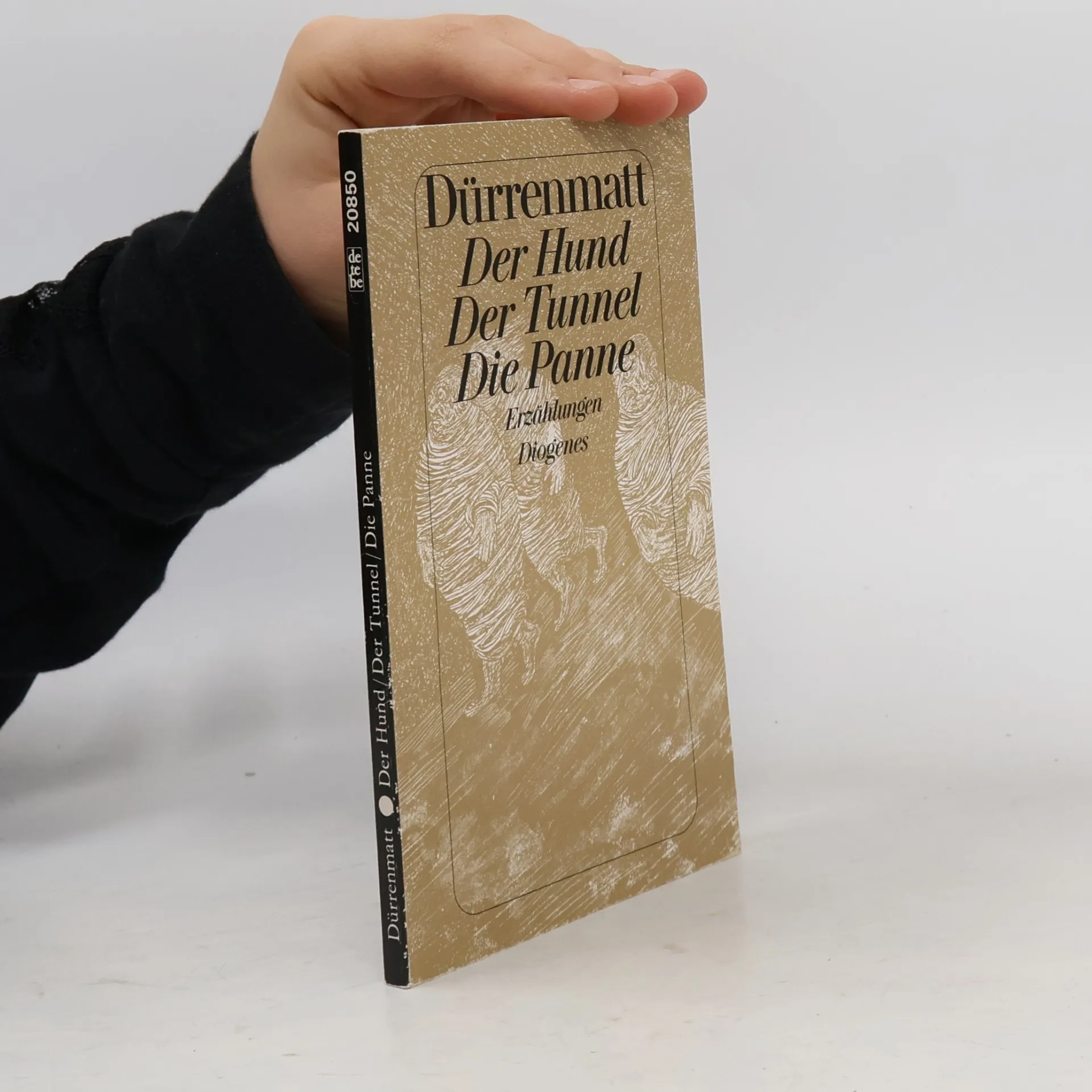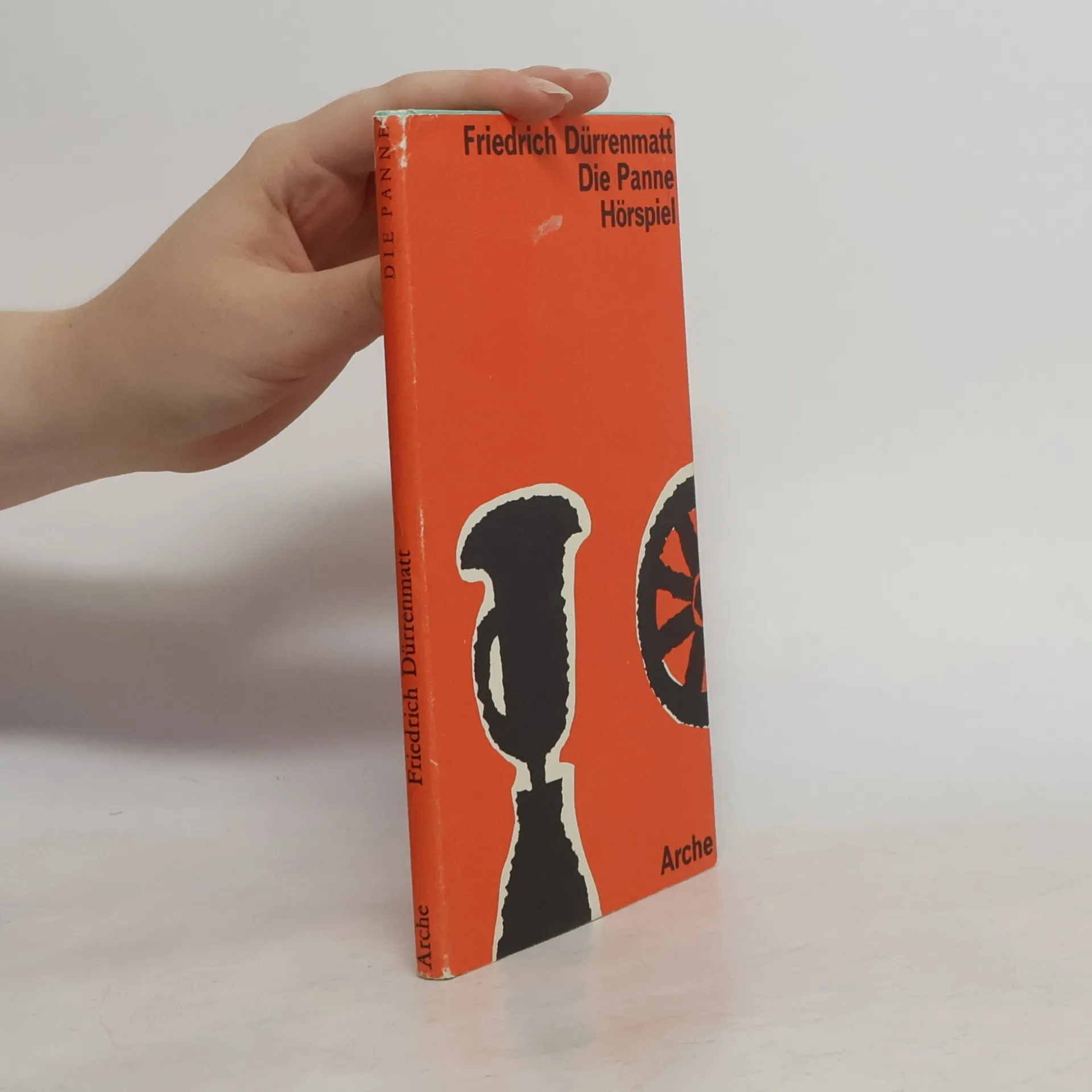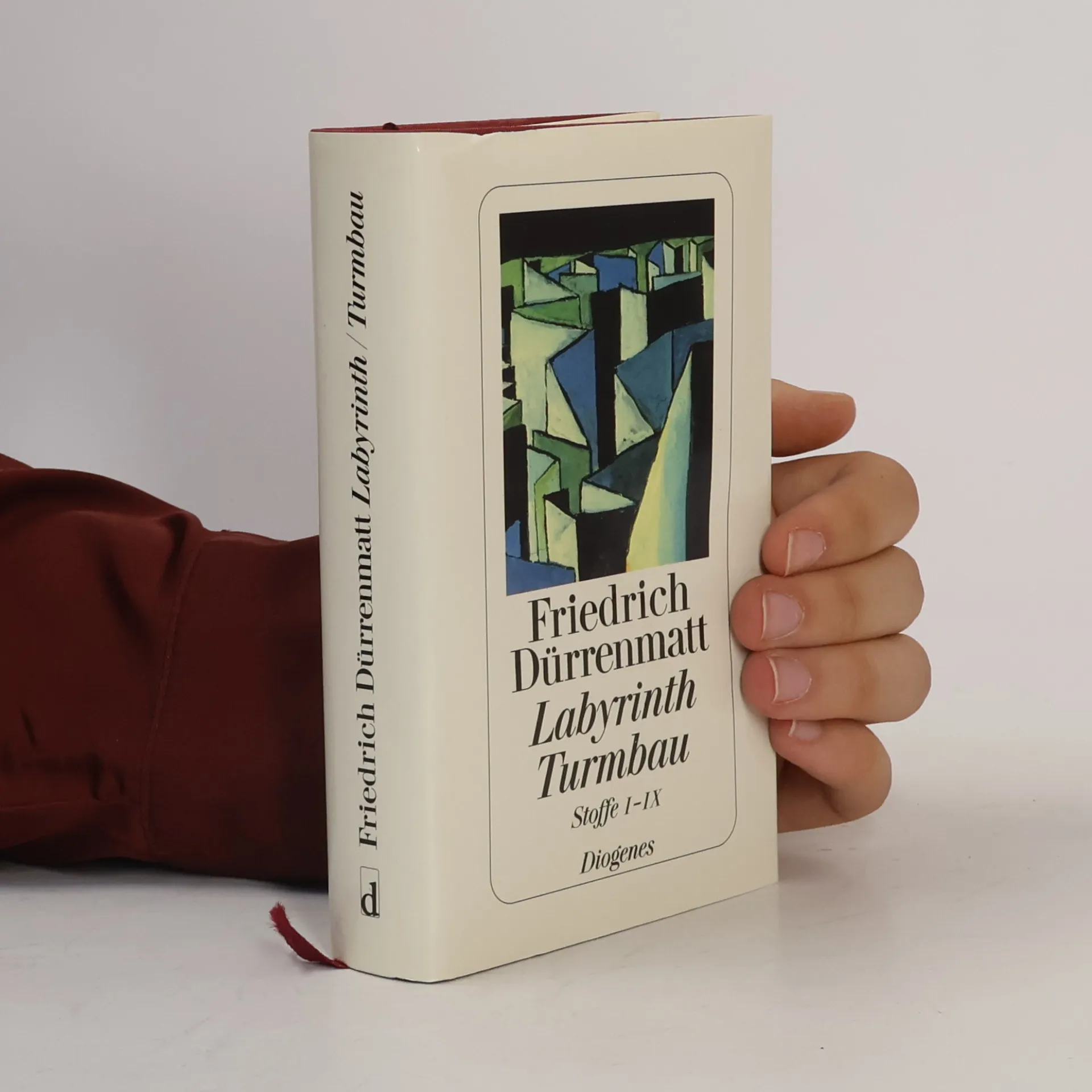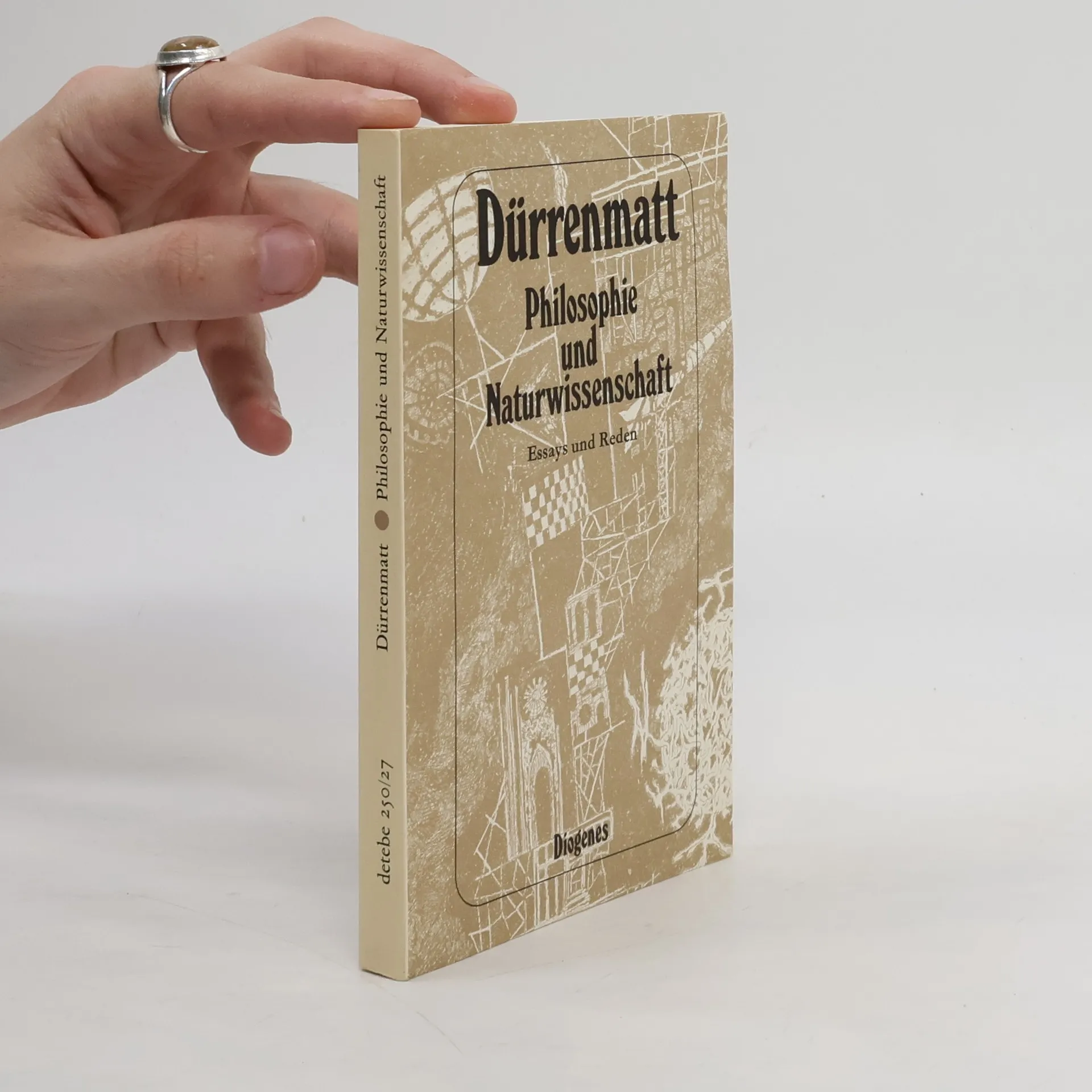
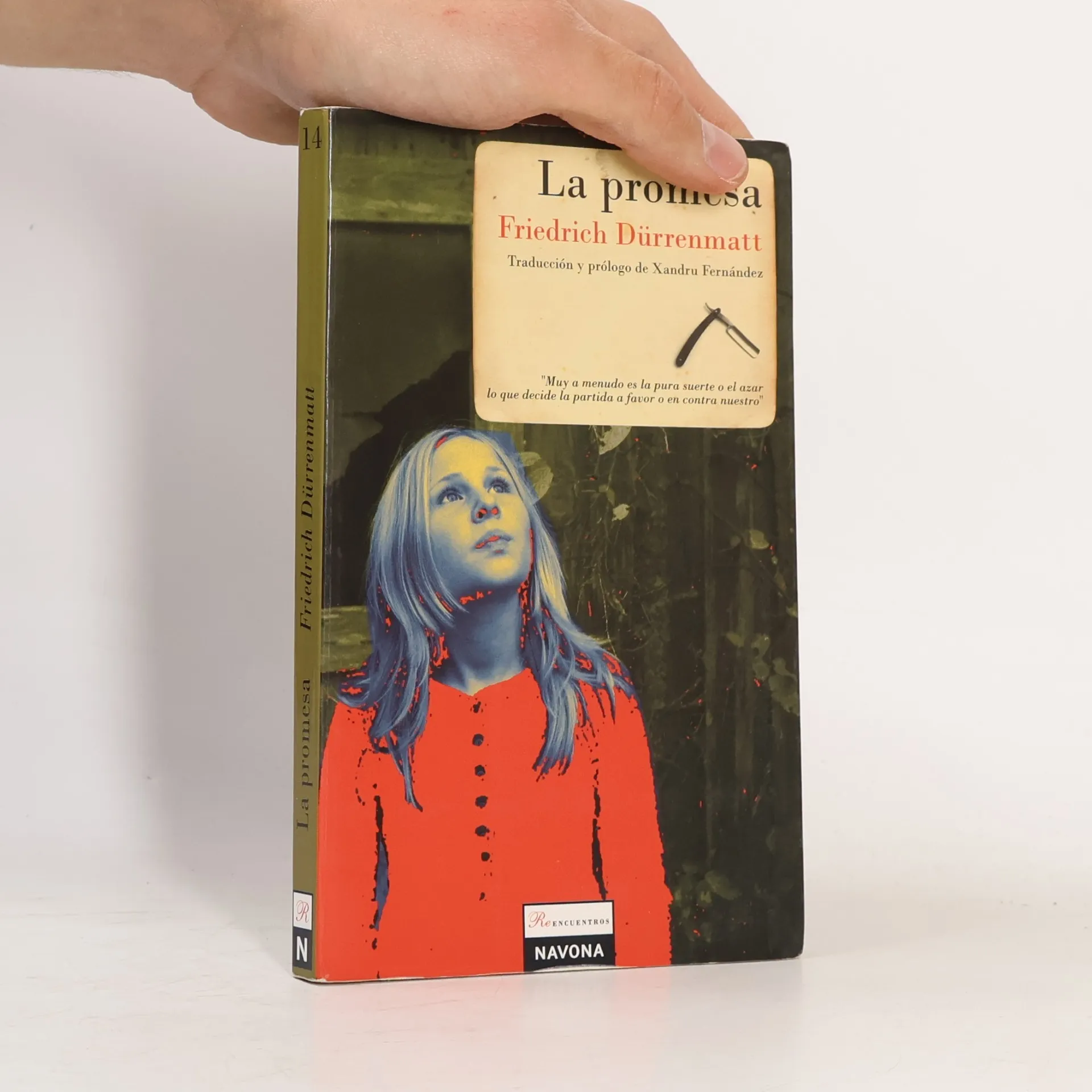
Friedrich Dürrenmatt Libros
Friedrich Dürrenmatt fue un dramaturgo y prosista suizo cuya obra reflejó profundamente las experiencias recientes de la Segunda Guerra Mundial. Como proponente del teatro épico, ganó fama por sus dramas vanguardistas, novelas de crimen filosóficamente profundas y sátiras a menudo macabras. Su escritura exploró los aspectos más oscuros de la naturaleza humana y las absurdidades de la existencia con un sentido único de humor negro. Dürrenmatt lidiaba con temas de culpa, justicia y moralidad en un mundo volátil.


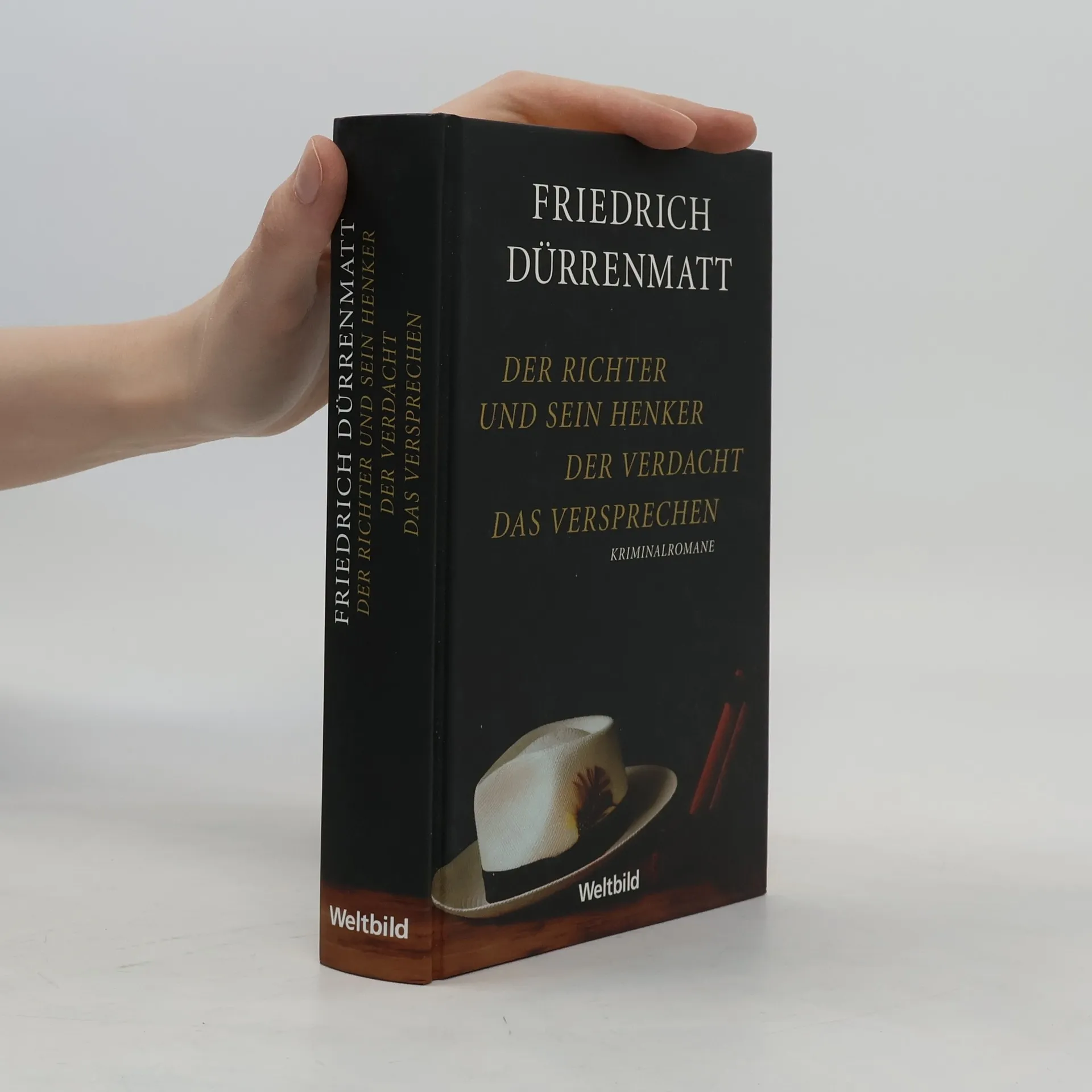
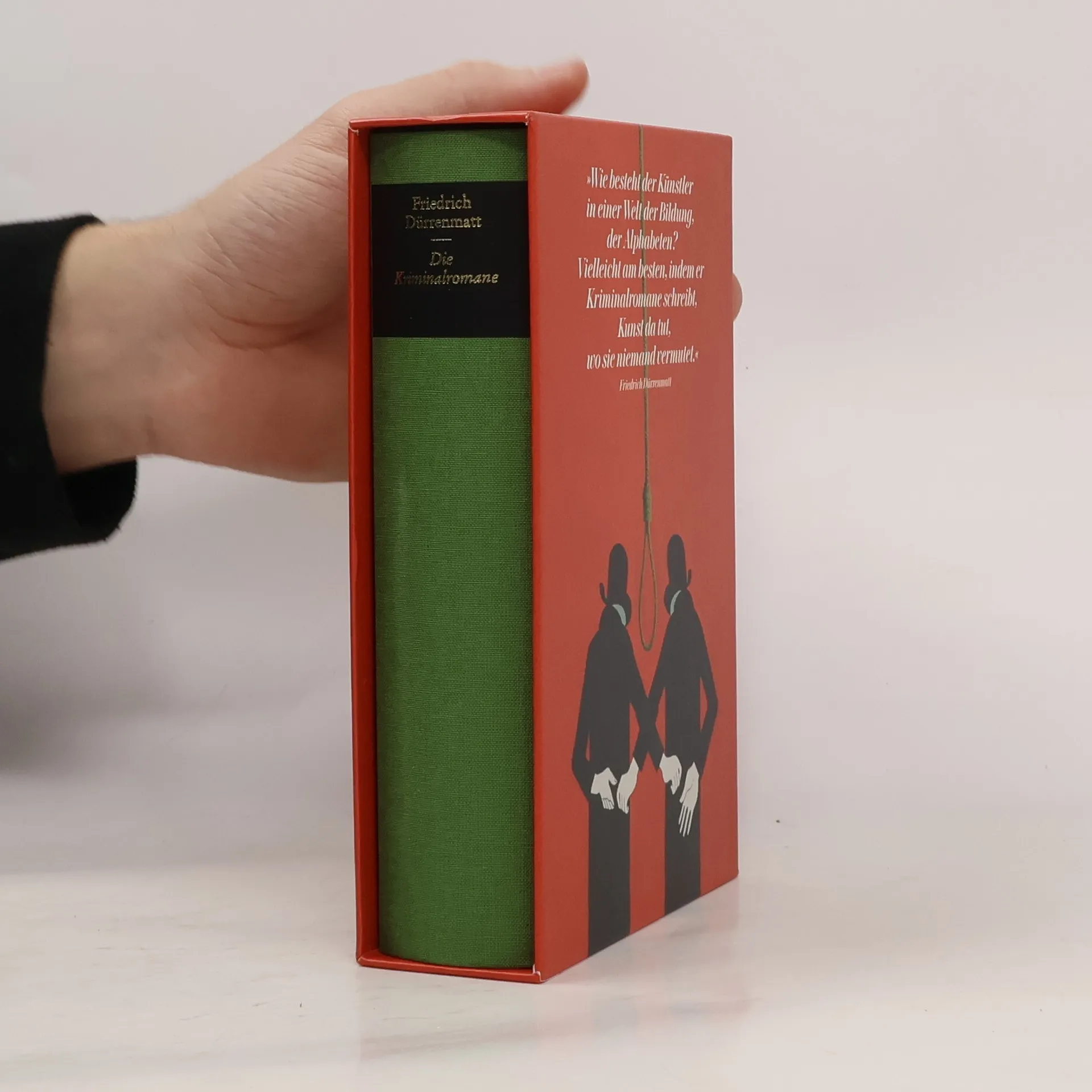
Muy escasos son al principio, los indicios de los que puede disponer el lector sobre este asunto criminal. Tampoco el comisario Bärlach, paladín contemporáneo de antiguos valores que no vacila en emplear medios ilícitos para que triunfe lo que él considera el Bien, sabe con precisión qué ocurre, y su apatía es sin duda tan inexplicable como su obstinación. No obstante, sabe adónde va y tiene su propia idea de justicia y de cómo administrarla. Los hechos, que se desarrollan prácticamente según la irresistible tentación del comisario de ajustarlos a su propia concepción de la Verdad, irán conduciéndonos hacia un desenlace inesperadamente cruel. Esta es la primera novela policiaca de Dürrenmatt y en ella ya se aprecia su maestría en mezclar sátira, ironía, observación, pensamientos e imaginación en una historia aparentemente anodina, como las que podrían ocurrirle a cualquier hijo de vecino.
The Stone World
- 240 páginas
- 9 horas de lectura
Depicts an American boy's childhood in Mexico, ensconced in a world comprised of communist European exiles, local union activists, street children and avant-garde artists like Frida Kahlo
The Visit, or The Old Lady Comes to Call
- 136 páginas
- 5 horas de lectura
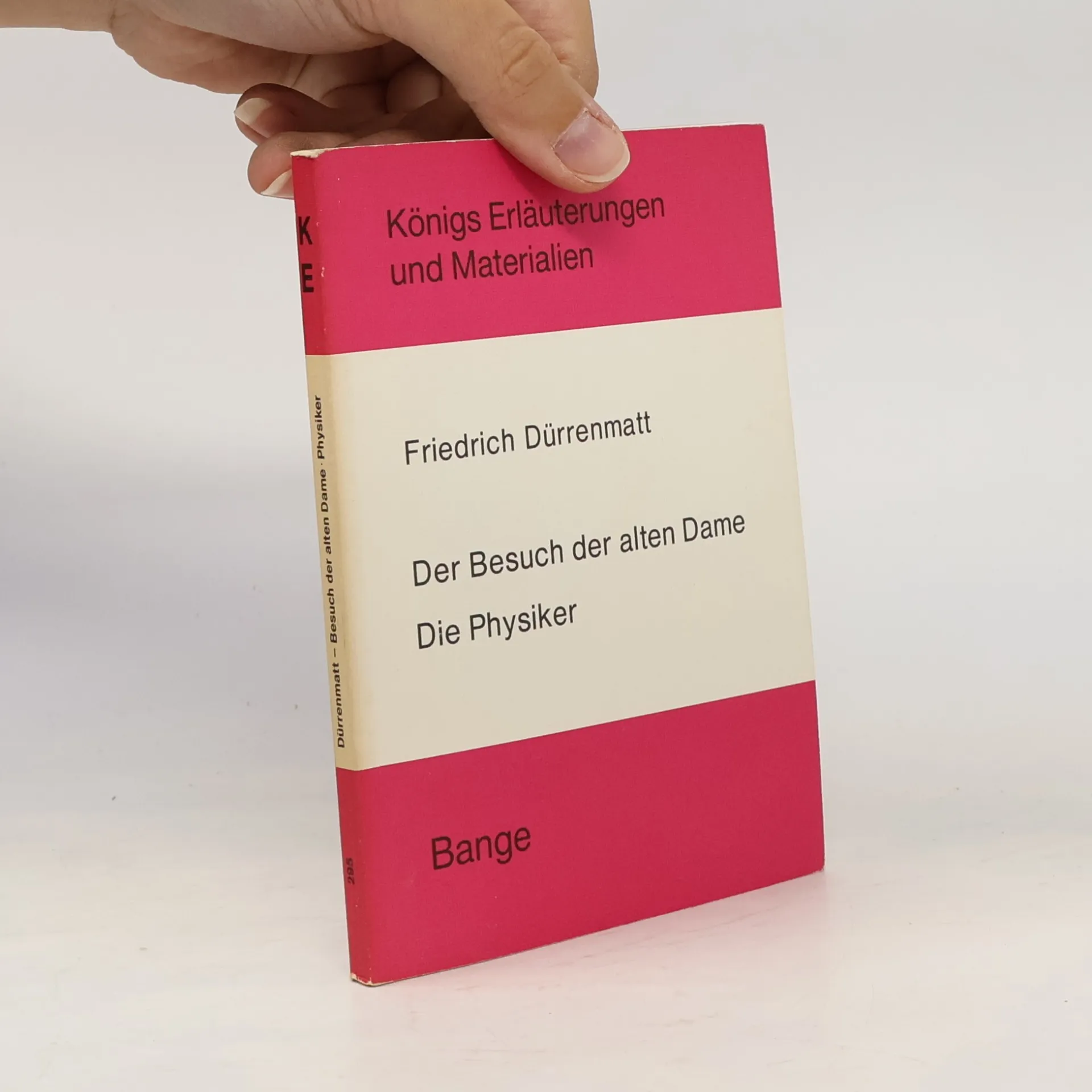
In the town of Slurry, New York, post-war recession has bitten. Claire Zachanassian, improbably beautiful and impenetrably terrifying, returns to her hometown as the world's richest woman. The locals hope her arrival signals a change in their fortunes, but they soon realise that prosperity will only come at a terrible price...
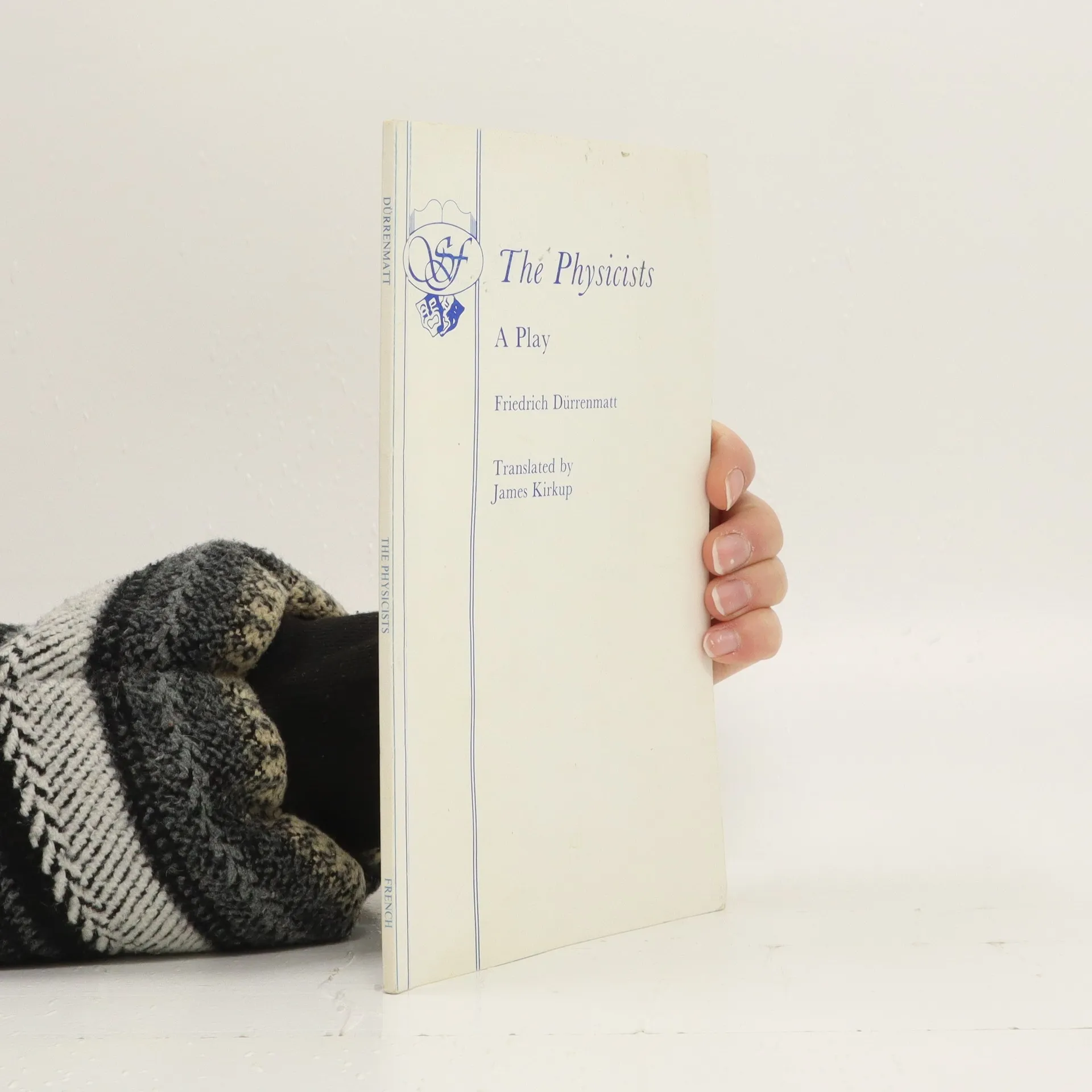
The physicists. A play.
- 64 páginas
- 3 horas de lectura
Physicists
- 112 páginas
- 4 horas de lectura
The world's greatest physicist, Johann Wilhelm Mobius, is in a madhouse, haunted by recurring visions of King Solomon. He is kept company by two other equally deluded scientists: one who thinks he is Einstein, another who believes he is Newton. It soon becomes evident, however, that these three are not as harmlessly lunatic as they appear. Are they, in fact, really mad? Or are they playing some murderous game, with the world as the stake? For Mobius has uncovered the mystery of the universe--and therefore the key to its destruction--and Einstein and Newton are vying for this secret that would enable them to rule the earth.

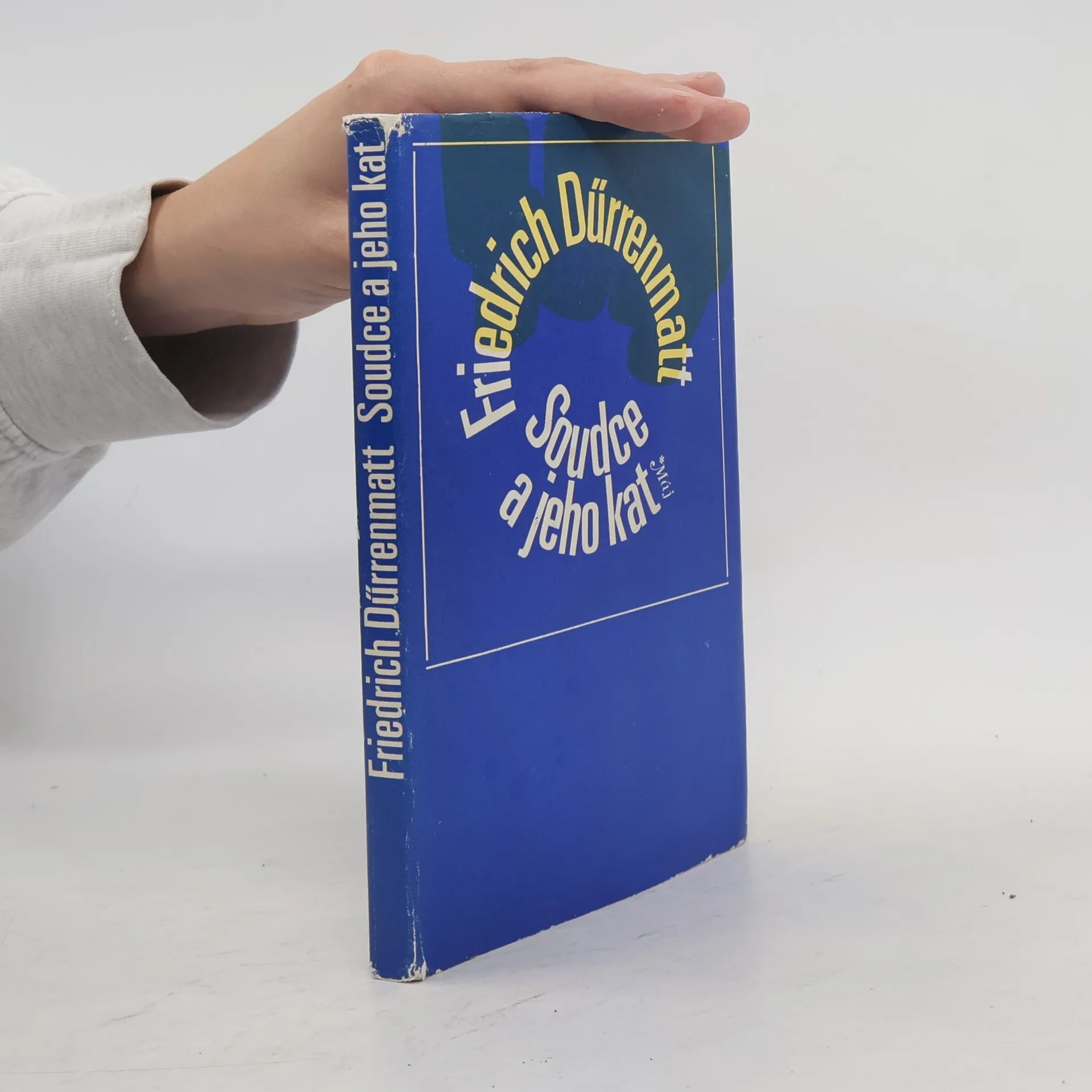
This volume offers bracing new translations of two precursors to the modern detective novel by Friedrich Dürrenmatt, whose genre-bending mysteries recall the work of Alain Robbe-Grillet and anticipate the postmodern fictions of Paul Auster and other contemporary neo-noir novelists. Both mysteries follow Inspector Barlach as he moves through worlds in which the distinction between crime and justice seems to have vanished. In The Judge and His Hangman , Barlach forgoes the arrest of a murderer in order to manipulate him into killing another, more elusive criminal. And in Suspicion , Barlach pursues a former Nazi doctor by checking into his clinic with the hope of forcing him to reveal himself. The result is two thrillers that bring existential philosophy and the detective genre into dazzling convergence.
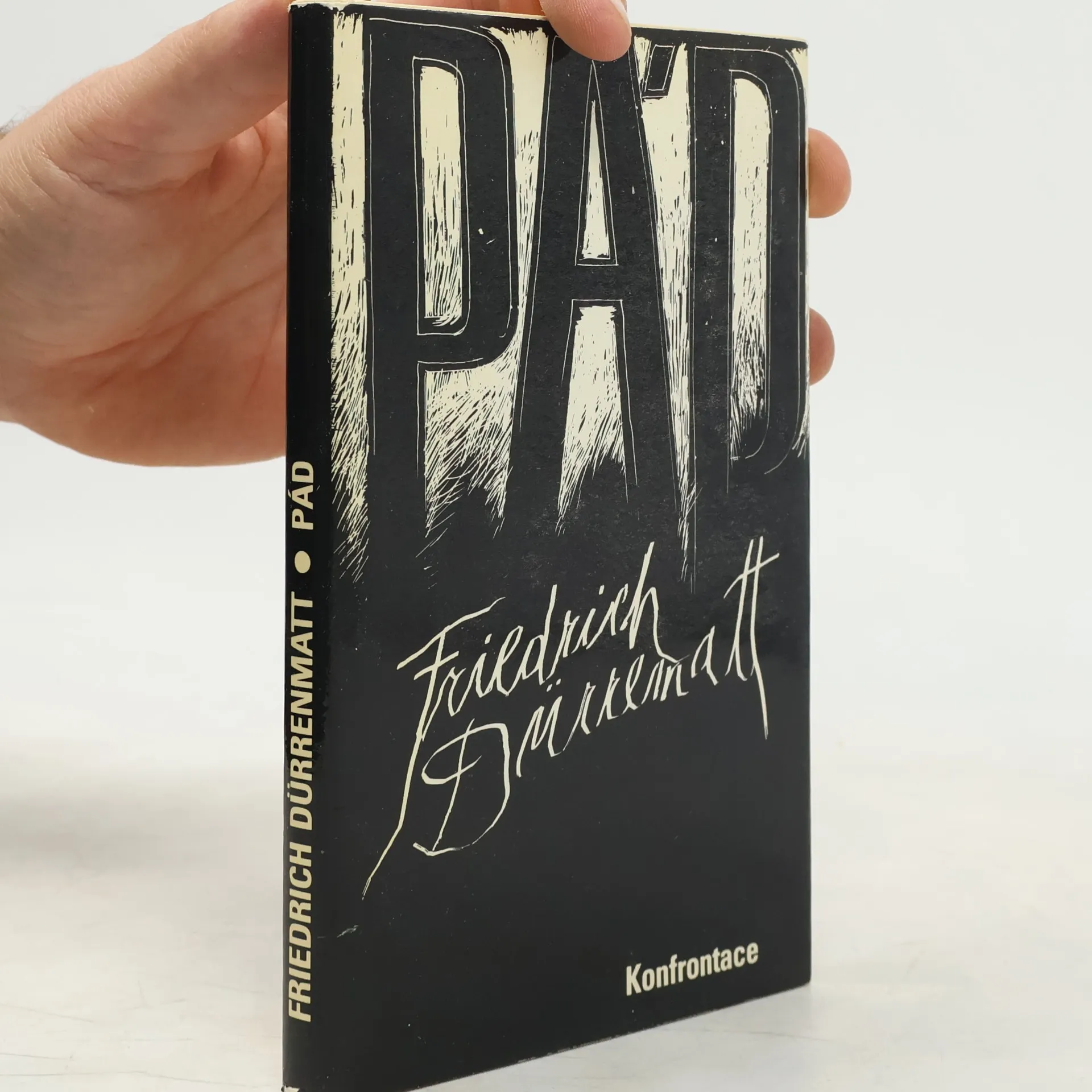
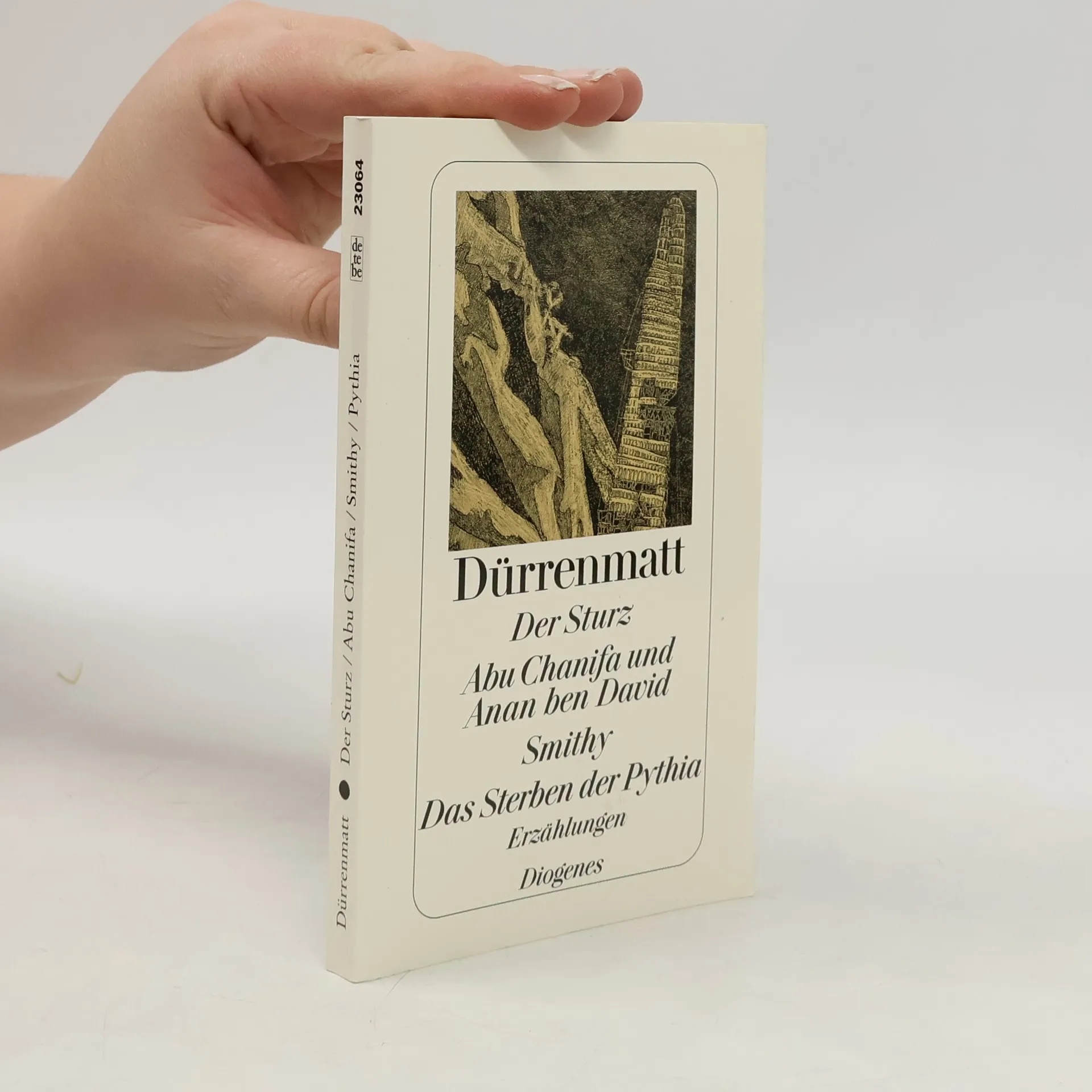
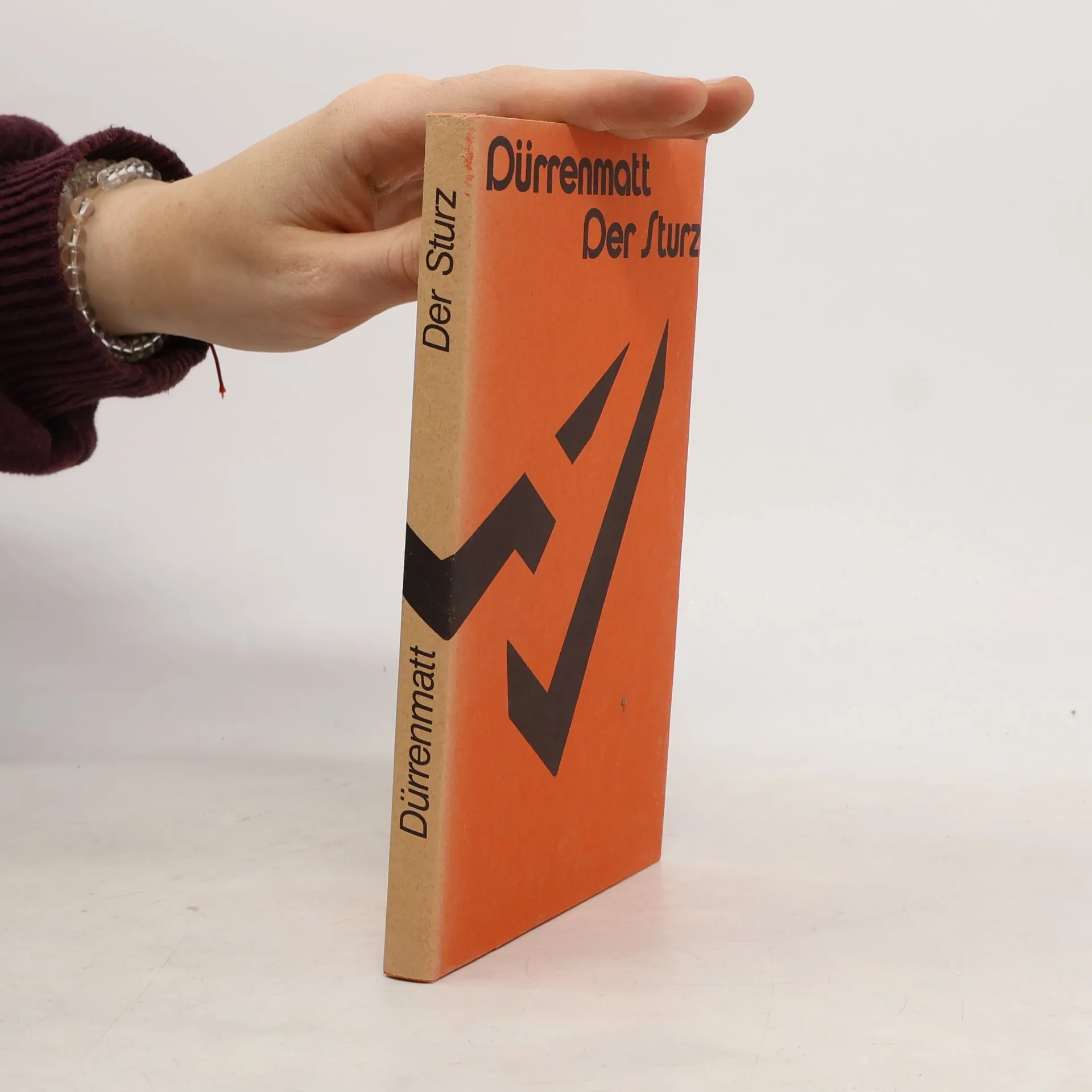
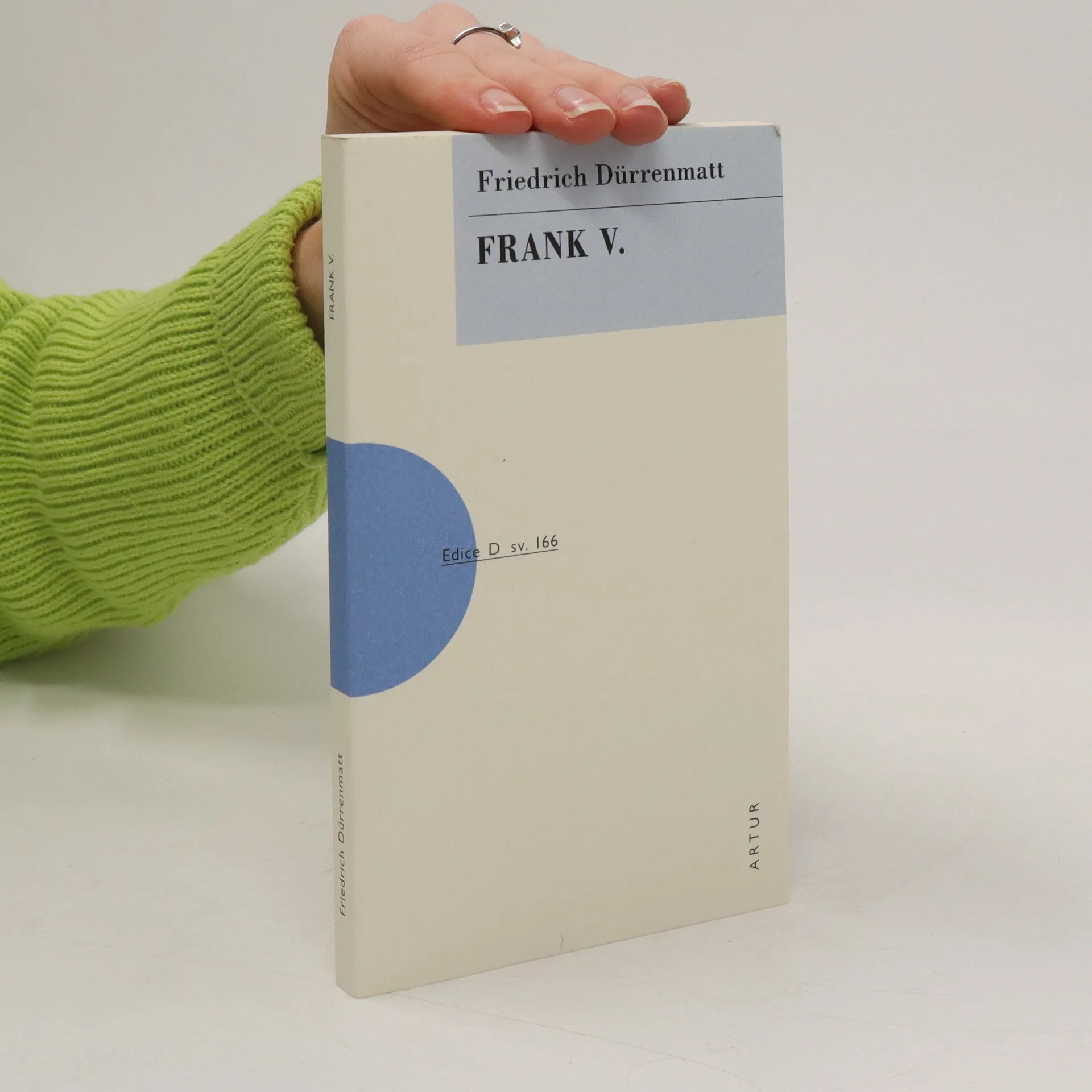
Pád
- 62 páginas
- 3 horas de lectura
Námět knihy je eminentně politický, jedinečnost v Dürrenmattově tvorbě: fiktivní zasedání sovětského Politbyra, končící vraždou diktátora. Členy tohoto nejvyššího grémia označuje autor písmeny, ostatně úmyslně, aby je zbavil rysů prokázaných historiky, aby je zredukoval do postav uměleckého díla. Vlastnosti jim jen zlehka přibásňuje, lze je identifikovat. O to mu však nejde. Čtenáří předvádí mechanismus diktatury, sovětstké diktatury, postavená a udržované strachem. V okamžiku, kdy jeden z členů Politbyra - a právě ten nejsměšnější, od kterého by to nikdo neočekával - strach přemůže, ze zoufalství nastoupí útěk dopředu - právě že strachu, že definitivně přohrál, - v okamžiku, kdy se diktátor A (Stalin) dopustí taktické chyby, se celá stavba samoděržaví hroutí, A padá, je přede všemi chladnokrevně, aniž protestuje, zardoušen. Na jeho místo nastupuje jiný, zasedací pořádek se změní, ale diktatura funguje dál, protože strach byl překonán pouze ve vztahu k A, nikoli ve vztahu k systému. Je ho nadále zapotřebí jako prostředníka ke vládě.