

David Clay Large Orden de los libros (cronológico)
Este autor se centra en los acontecimientos históricos y su impacto. Su obra se caracteriza por un análisis en profundidad y el deseo de comprender procesos sociales y políticos complejos. A través de su escritura, descubre conexiones ocultas y ofrece a los lectores una nueva perspectiva del pasado. Su experiencia en historia es evidente en su meticulosa investigación y narrativa cautivadora.


Konec evropské éry: Dějiny Evropy 1890-1990
- 654 páginas
- 23 horas de lectura
Ve svém proslulém historickém díle, které se dočkalo mnoha vydání a překladů do řady jazyků, sledují autoři postupné oslabování mezinárodní pozice Evropy jako mocenského a kulturního centra světa, které kdysi, plné moci a síly, určovalo osudy větší částí planety. Autorům jde především o vyzvednutí těch historických trendů, které proměňovaly jednotlivé části Evropy a tím i celý kontinent. Práce se přitom neomezuje jen na politickou, ekonomickou či technologickou dimenzi, ale zahrnuje i pohledy na ideové, duchovní klima doby a na osobnosti, které tak či onak ovlivnily světové dějiny.
Since its first publication over thirty years ago, The End of the European Era: 1890 to the Present has offered students a concise and authoritative historical narrative of the events that shaped twentieth-century Europe. The Fifth Edition retains these strengths while embracing recent developments and current research. The text covers a century of rapid and tumultuous change, from increased population and migration in the early 1900s through the ongoing unrest in the Balkans.
"Berlin" offers a captivating narrative of the city's tumultuous history, highlighting its role as a center of innovation and a symbol of modernity, injustice, and the Cold War. David Clay Large explores themes of inferiority, distrust, and the city's vibrant yet complex identity, framed by the unifications of 1871 and 1990.
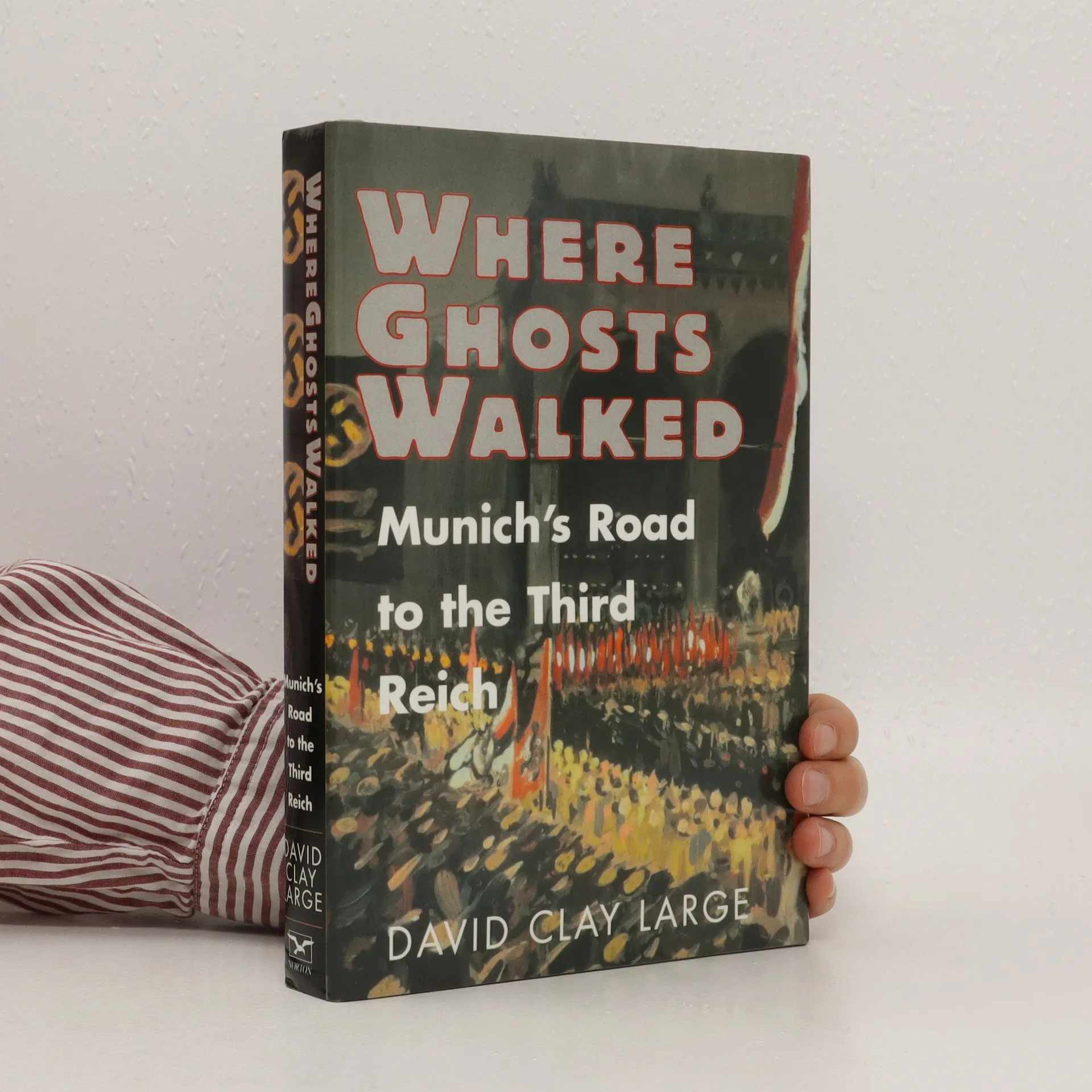
Where ghosts walked : Munich's road to the Third Reich
- 436 páginas
- 16 horas de lectura
The capital of the Nazi movement was not Berlin but Munich, according to Hitler himself. In examining why, historian David Clay Large begins in Munich four decades before World War I and finds a proto-fascist cultural heritage that proved fertile soil later for Hitler's movement. An engrossing account of the time and place that launched Hitler on the road to power. Photos.