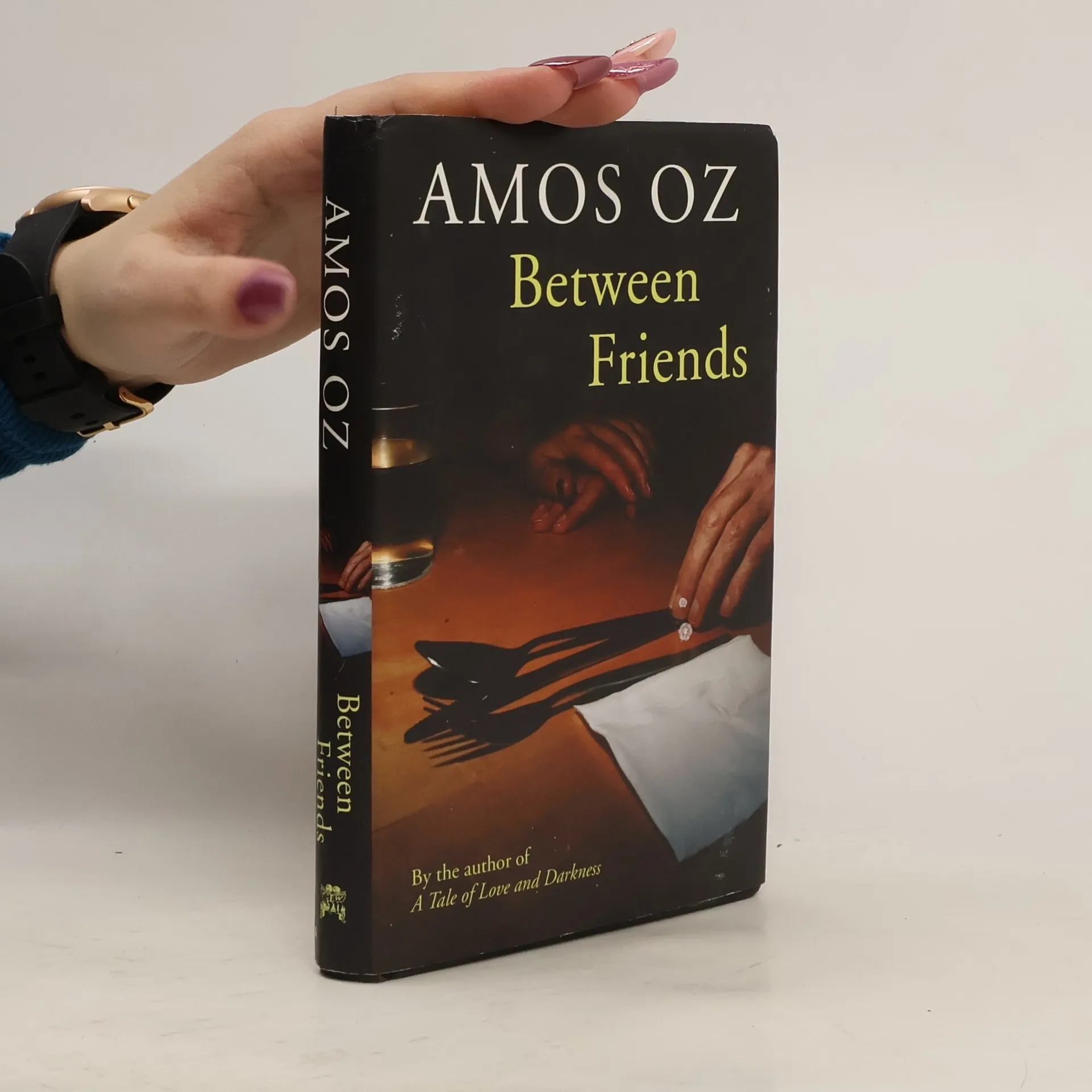
At the heart of each drama is a desire to be better, more principled and worthy of the community's respect. With his trademark compassion and sharp-eyed wit, Amos Oz leaves us with the feeling that what matters most between friends is the invisible tie of our shared humanity.
In a remote village, all animals and birds vanished years ago, leaving only a rebellious teacher and an old man to discuss these mythical creatures with the children, who have never seen them. Among them is a lonely boy who dreams of animals, howls like an owl, and ultimately becomes an outcast before disappearing. Maya, a brave girl, and her friend Matti decide to explore the surrounding woods, aware of the dangers, especially with Nehi the Mountain Demon lurking at night. Their adventure leads them to a hidden cave where they find the vanished boy, now content and self-sufficient. They stumble upon a beautiful garden paradise filled with animals, the domain of Nehi, who had stolen the creatures from the village. Once an outcast himself, Nehi seeks revenge for his mistreatment by luring children to his fortress Eden, where he has created a world where predators coexist with prey. He allows Maya and Matti to return home, hinting that one day, when cruelty fades and his thirst for vengeance diminishes, the animals might return to the village.
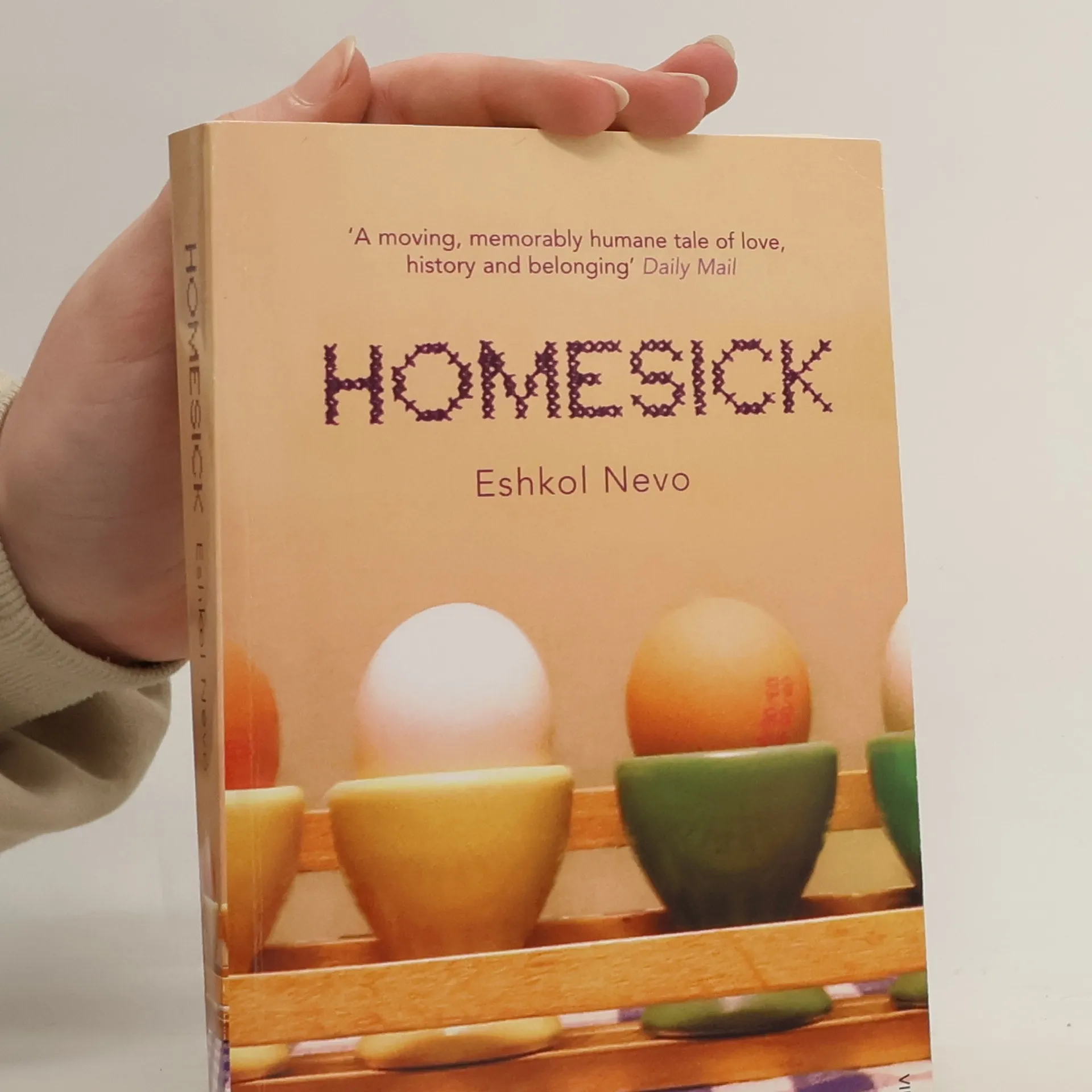
It is 1995 and Noa and Amir have decided to move in together. Noa is studying photography in Jerusalem and Amir is a psychology student in Tel Aviv, so they choose a tiny flat in a village in the hills, between the two cities. Their flat is separated from that of their landlords, Sima and Moshe Zakian, by a thin wall, but on each side we find a different home - and a different world. Homesick is a beautiful, clever and moving story about history, love, family and the true meaning of home.