Compra 10 libros por 10 € aquí!
Bookbot

Theodore Roszak

    15 de noviembre de 1933 – 5 de julio de 2011

    Theodore Roszak fue profesor emérito de historia, conocido principalmente por su obra fundamental que narró y explicó la contracultura europea y norteamericana de los años 60. Se le atribuye ampliamente la acuñación del término "contracultura". Su escritura profundiza en los fenómenos sociales y culturales con una profunda perspicacia.

    Theodore Roszak
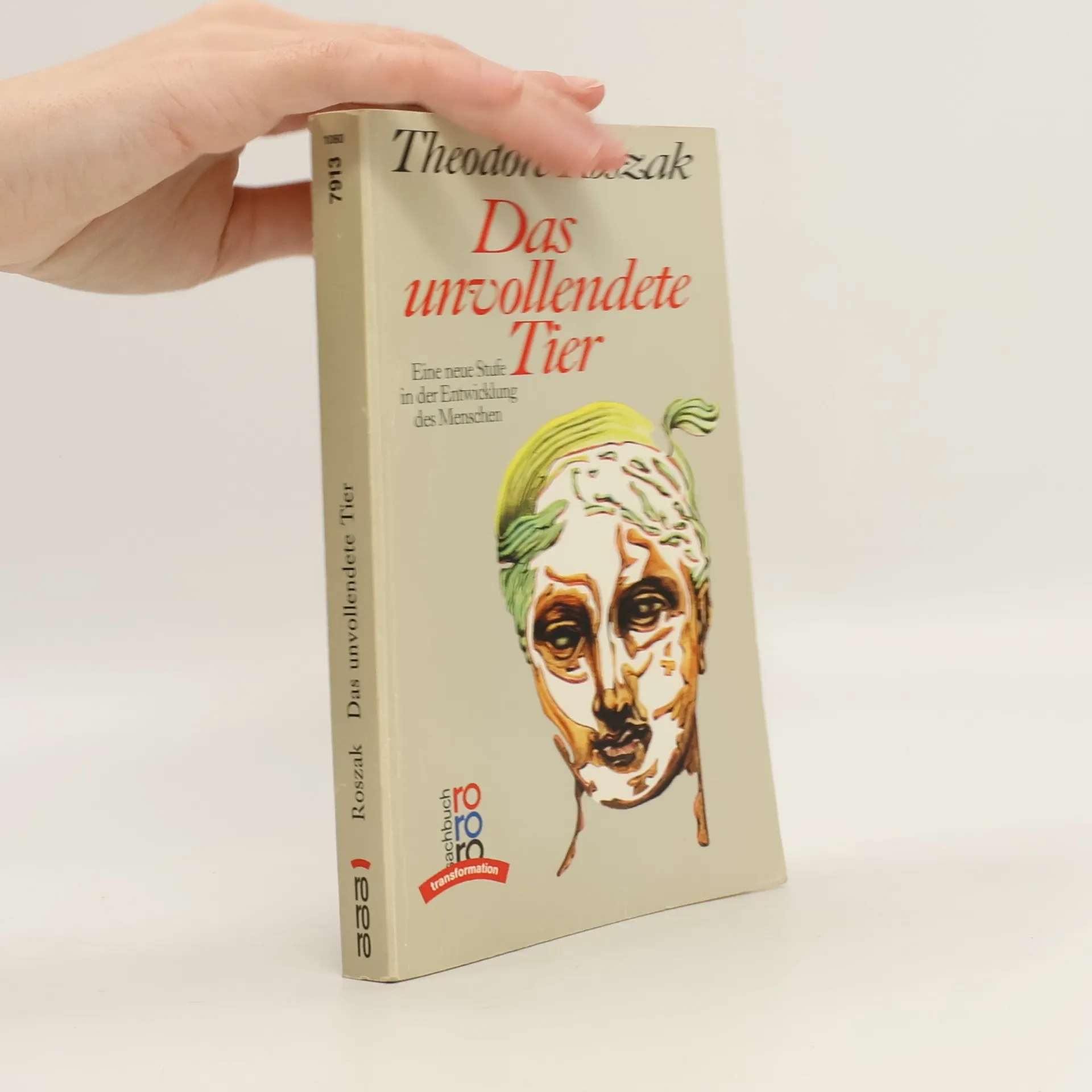
    Die Memoiren der Elizabeth Frankenstein. Roman
    The Cult of Information
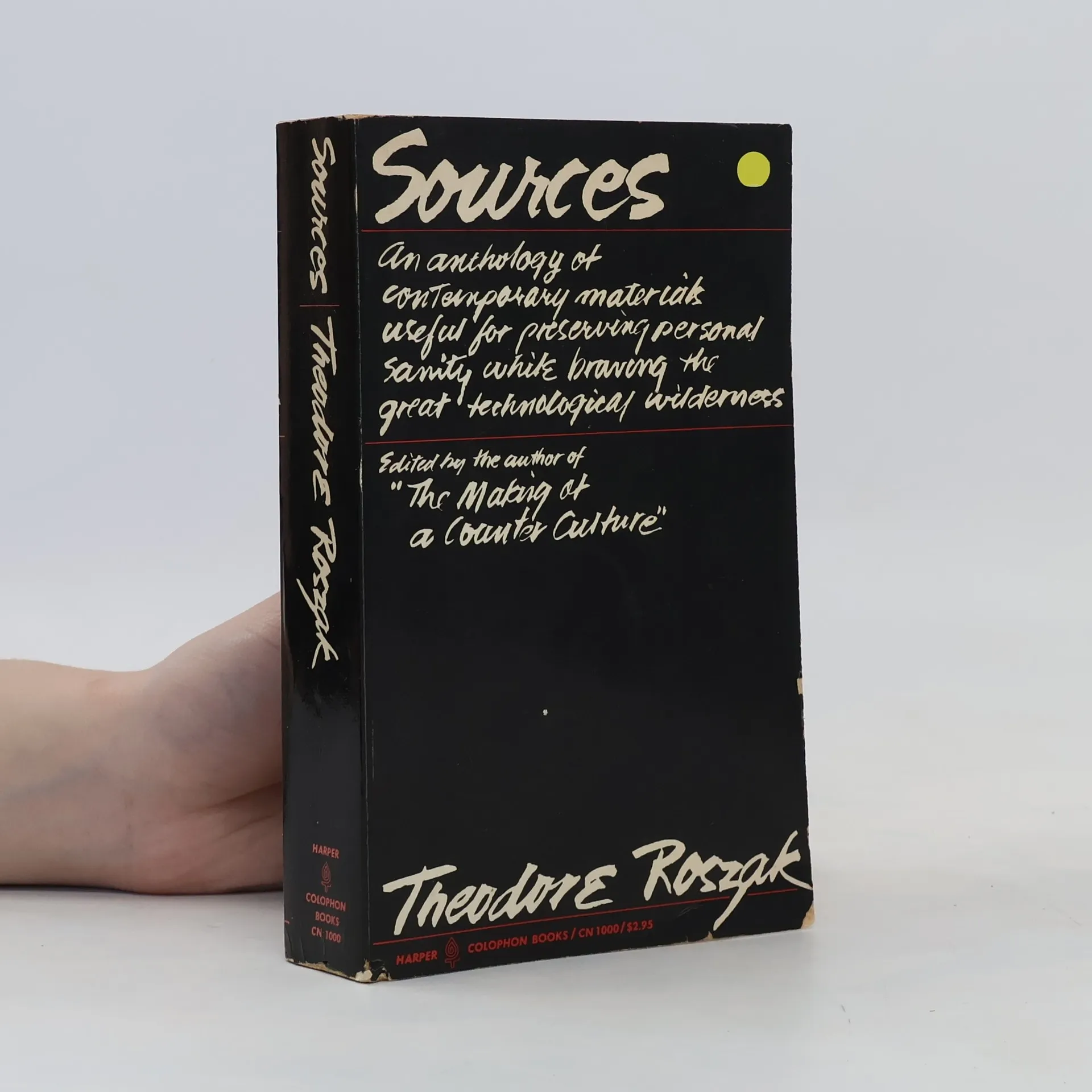
    Sources
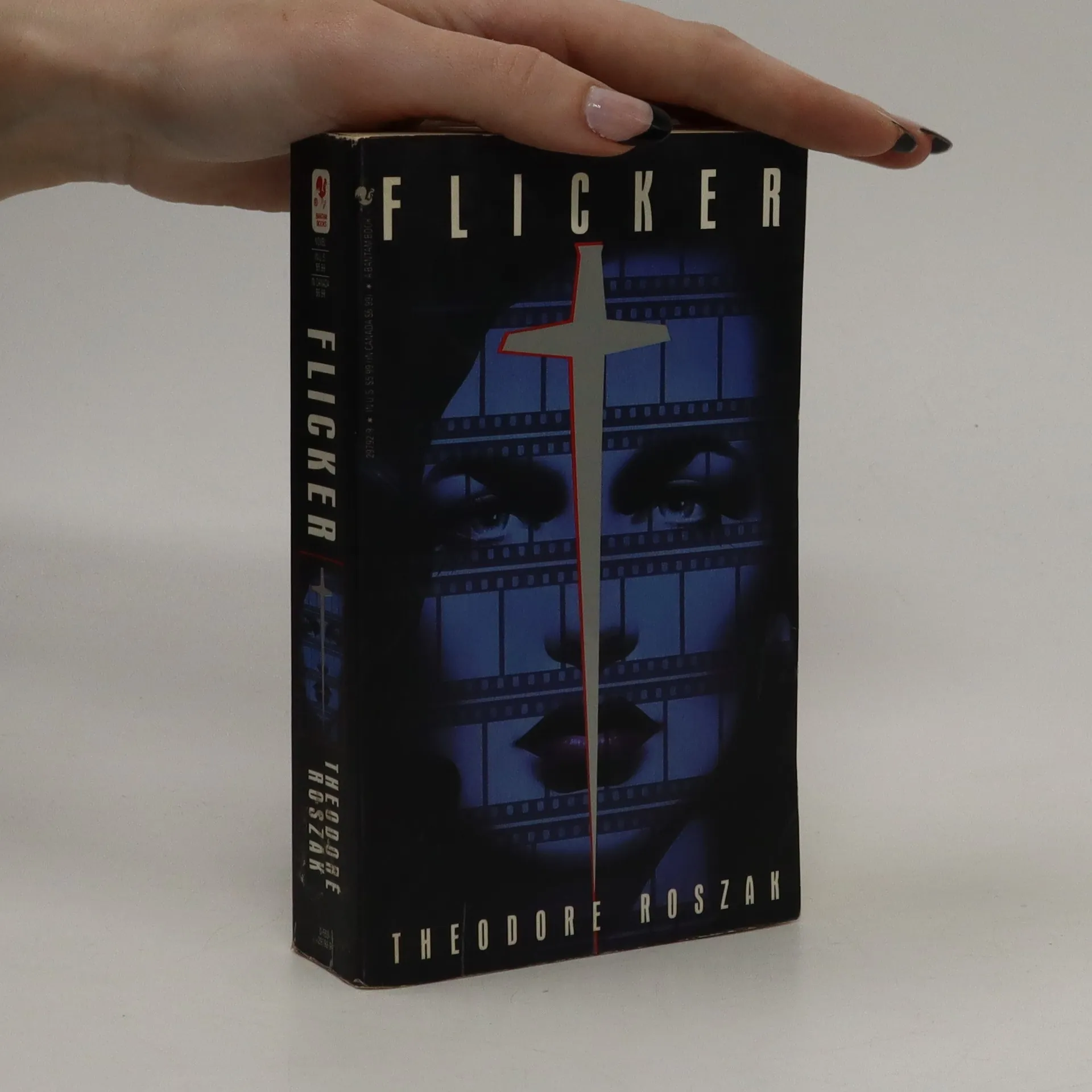
    Flicker
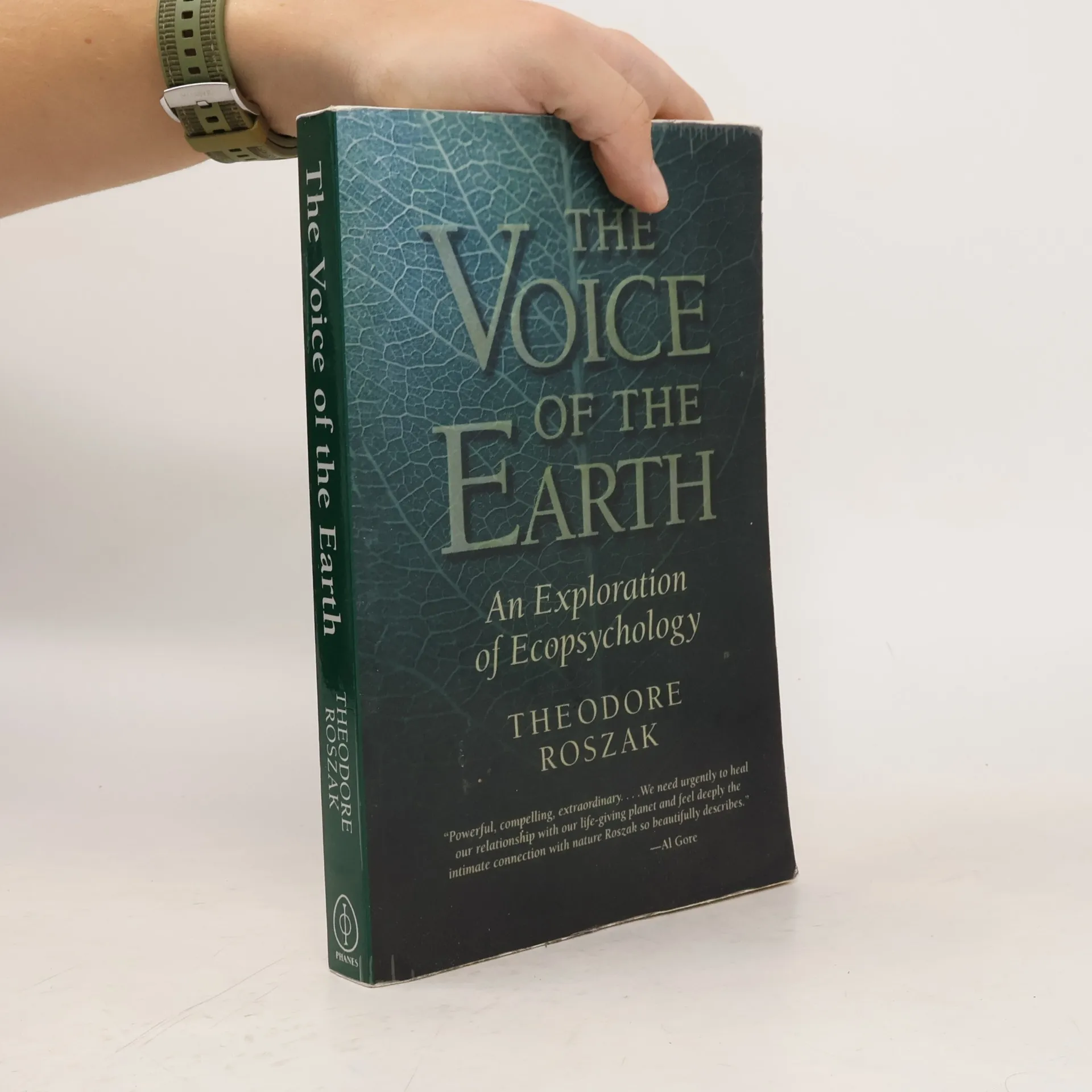
    Where the Wasteland Ends: Politics and Transcendence in Postindustrial Society
    The Cult of Information
    • 2016

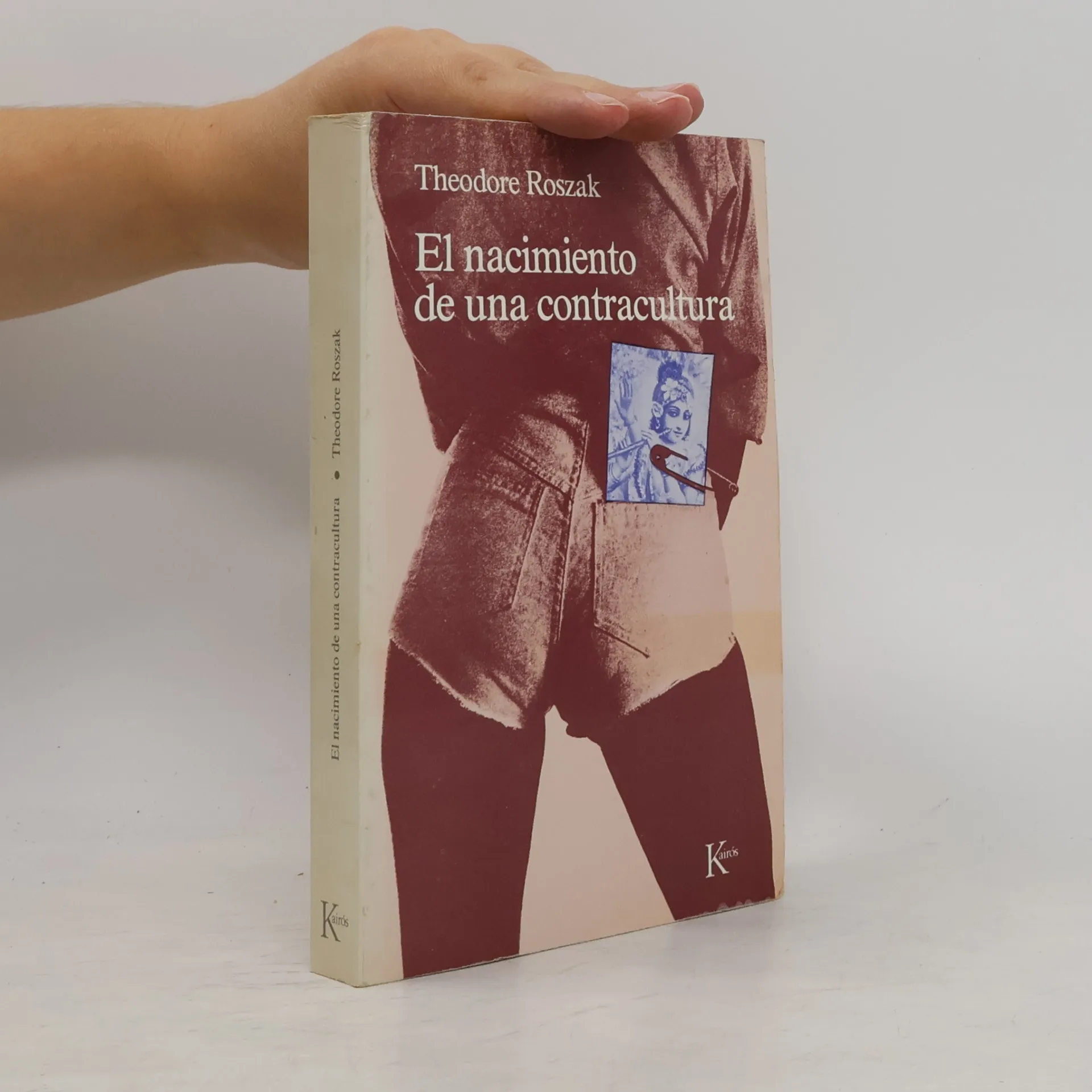
      Detailní rozbor několika myslitelů, kteří tehdejší mladistvou kontrakulturu ovlivnili nejsilněji – Herberta Marcuseho a Normana Browna, Allena Ginsberga a Paula Goodmana – ukazuje, jakým způsobem každý z nich zpochybňuje převládající vědecký pohled na svět a tím také podkopává základy technokracie. Následně obrací pozornost k „mýtu objektivního vědomí“ a tvrdí, že kultura, která potlačuje nebo degraduje vizionářskou zkušenost, se dopouští hříchu oslabování naší existence. Otázka stojící před námi totiž nezní „jak vědět?“ ale „jak žít?“. Nalezení odpovědi si žádá obnovu magického pohledu na svět, ze kterého vyrůstá lidská tvořivost i pospolitost. Roszakovi se tak s moudrým vhledem daří odhalovat hlubší smysl tehdejších studentských nepokojů, beatniků a hippies, psychedelického hnutí, rockové hudby, oživení okultismu a mysticismu, protestu proti americké válce ve Vietnamu i nevoli mladé generace stát se součástí bohaté technologické společnosti. V předmluvě z roku 1995 se Roszak krátce zamýšlí nad vývojem, jakým prošla kontrakultura od chvíle, kdy tento termín zavedl.

      Zrod kontrakultury – Úvahy o technokratické společnosti a mládeži v opozici
    • 2005

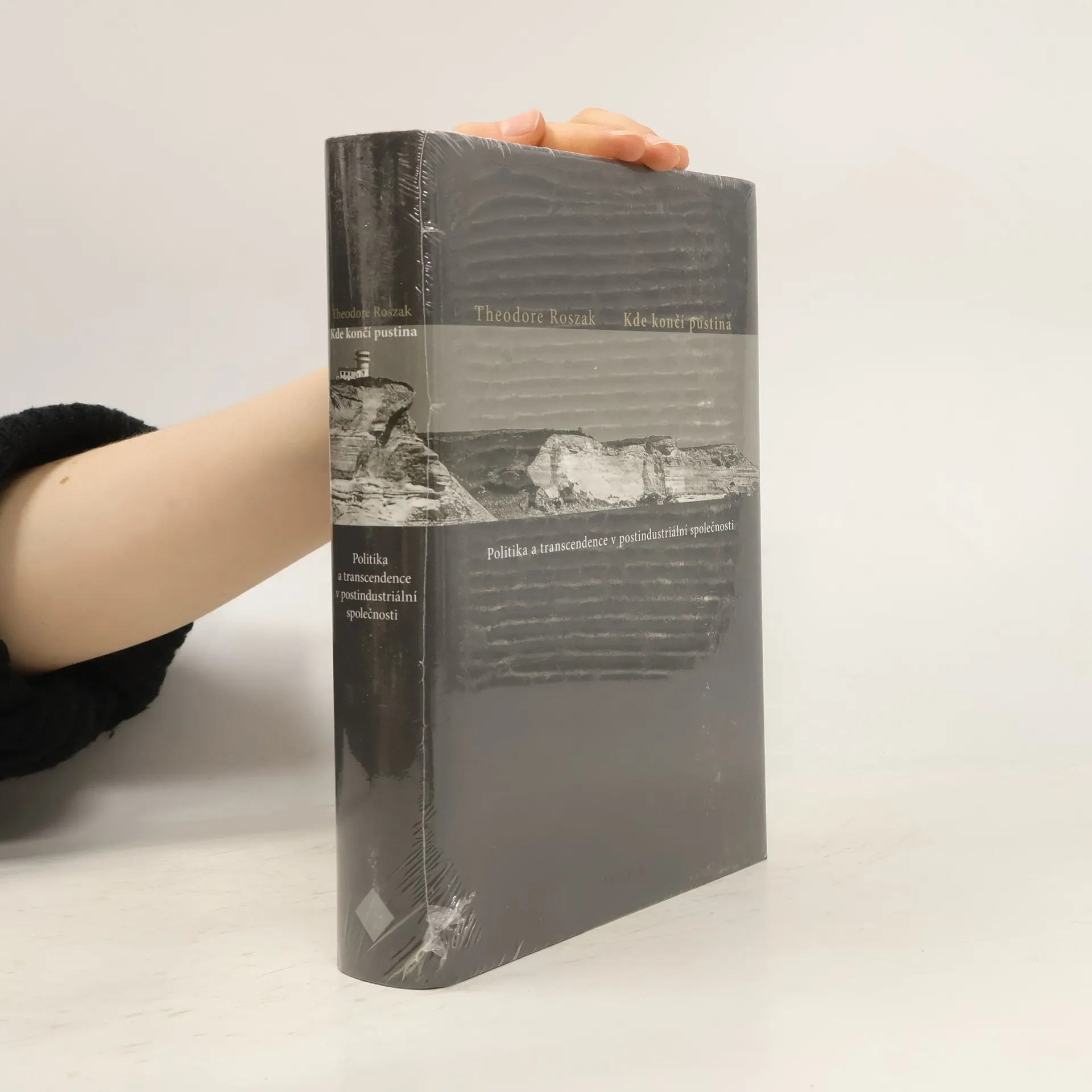
      Theodore Roszak, významný americký historik a sociolog 20. století, se proslavil v roce 1970 svým „sociologickým bestsellerem“, v němž analyzuje transformaci industriální kultury na kulturu postindustriální a vznik alternativních postojů mezi mládeží. V knize Kde končí pustina? se zabývá potlačením transcendentního rozměru lidské osobnosti v západní kultuře a jeho vlivem na rozvoj umělého životního prostředí a technokratické politiky v městsko-průmyslové společnosti. Roszak tvrdí, že smrt Boha se stala politickou realitou a represe náboženské vnímavosti se stala společenskou a ekonomickou nutností. Upozorňuje, že pro rozvoj městsko-průmyslové kultury byla stejně důležitá jako akumulace kapitálu. V díle zkoumá, jak byla náboženská cítění v průmyslové společnosti bezohledně potlačována. Roszak provází čtenáře dějinami západní kultury a ukazuje, jak „pradávnou gnózi“ nahradila dominantní materialistická koncepce. Usiluje o znovunalezení duchovního rozměru života a vyváženého vztahu k přírodě, předjímá ekologickou vnímavost a vyzývá vědeckou obec k podpoře duchovní regenerace. Jeho závěrečná slova o budoucí politice naznačují, že duchovní a ekologická obnova mohou radikalizovat společnost. Roszakova studie si zachovává naléhavost i na počátku třetího tisíciletí, neboť mnohé jeho úvahy se ukázaly jako pravdivé.

      Kde končí pustina. Politika a transcendence v postindustriální společnosti
    • 2004

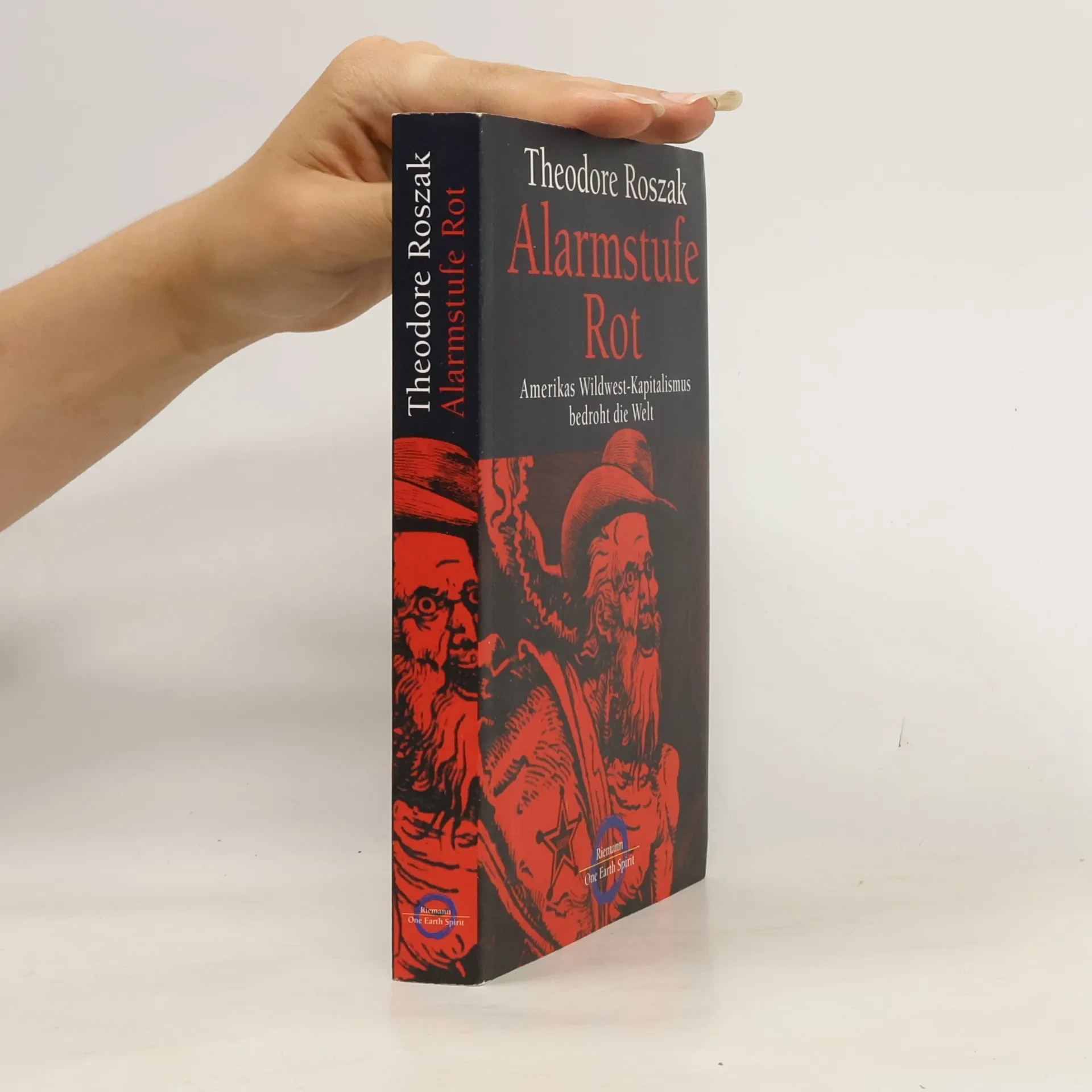
      Die neue herrschende Klasse in Amerika ist erzkonservativ, christlich-fundamentalistisch und besteht aus Marktradikalen, die den Pluralismus der offenen Gesellschaft bekämpfen. Sie steuern Amerika auf einen Kurs, der von religiösem Sendungsbewusstsein und Wirtschaftsimperialismus geprägt ist. Der international anerkannte Kulturkritiker Theodore Roszak analysiert, wie Amerika zu neuer Legitimität gelangen kann und welche Rolle Europa dabei spielt. In seiner tiefgehenden Untersuchung der letzten 30 Jahre amerikanischer Geschichte zeigt er auf, dass Amerika zur Bühne einer erstarkenden Rechten geworden ist. Diese Macht wird durch drei Säulen verkörpert: Die Corporados, eine Gruppe von Wirtschaftsmagnaten, deren Gier keine Grenzen kennt, symbolisiert durch den Enron-Skandal und die „Killer-CEOs“, die sich über Gesetze hinwegsetzen. Die Triumphalisten, eine politische Klasse, setzen auf militärische Aufrüstung, um wirtschaftliche Herausforderer zu ersticken. Schließlich die Fundamentalisten, religiöse Fanatiker, die eine christliche Weltordnung notfalls gewaltsam durchsetzen wollen. Roszak fordert Europa auf, diese Allianz von Wirtschaft, Militär und Religion zu erkennen, um die USA an ihre demokratischen Standards zu erinnern und sie in internationale Organisationen zurückzuführen.

      Alarmstufe Rot
    • 1997

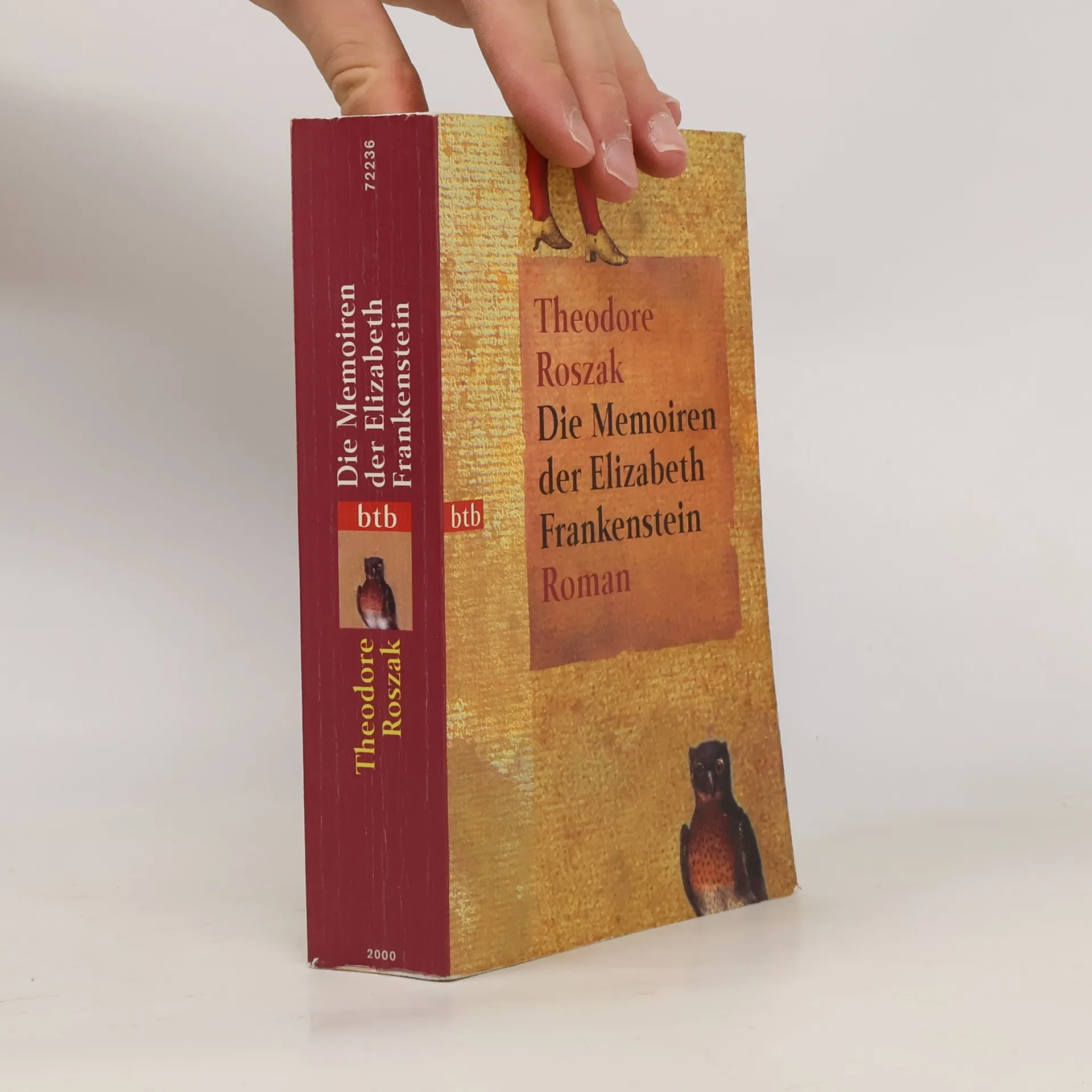
      Elizabeth Frankensteins geheime Aufzeichnungen enthüllen eine andere Geschichte: War sie wirklich das unschuldige Opfer von Victors Experimenten? Dieses Buch bietet ein emotional und erotisch aufgeladenes Gegenstück zu Mary Shelleys "Frankenstein".

      Die Memoiren der Elizabeth Frankenstein. Roman
    • 1994

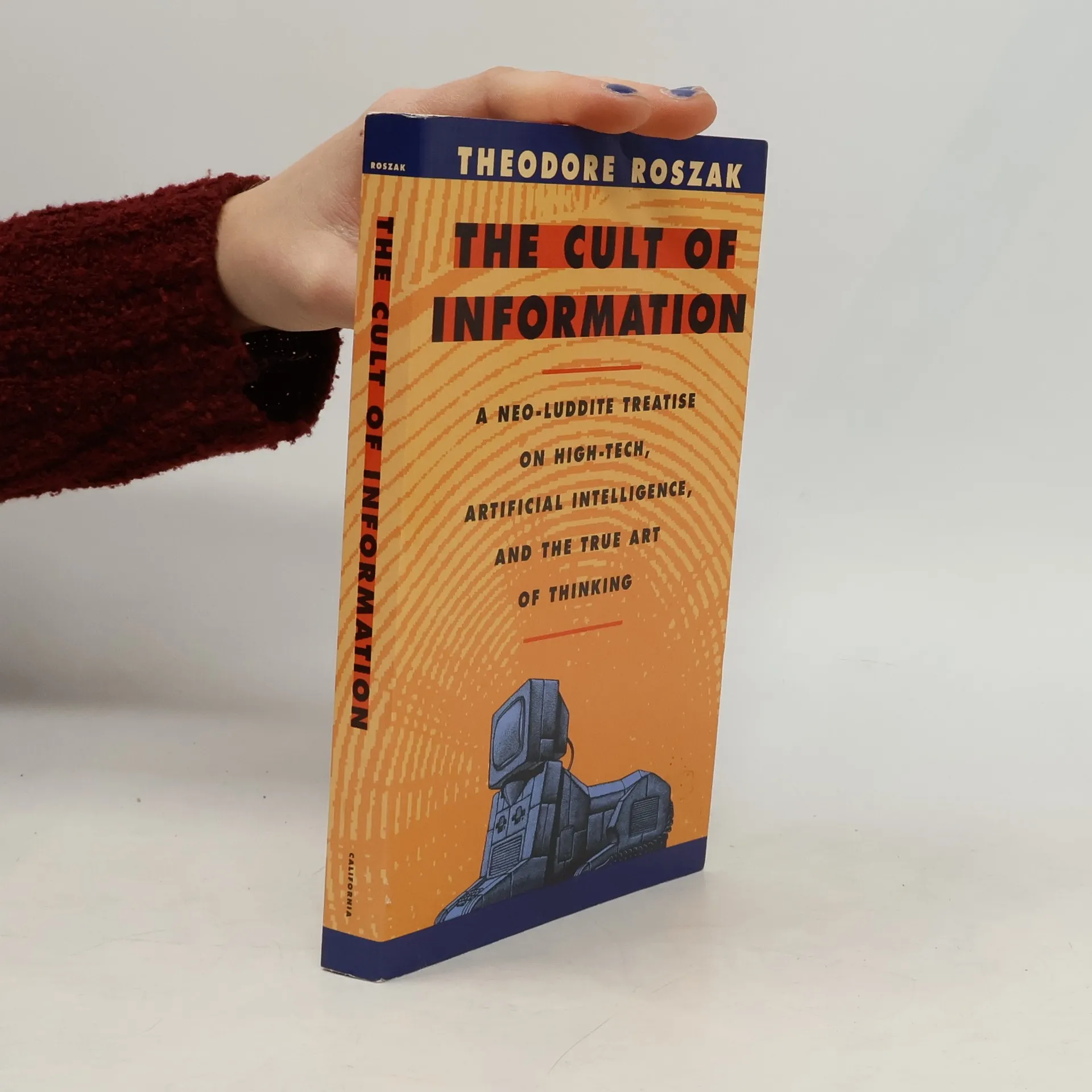
      The Cult of Information

      A Neo-Luddite Treatise on High-Tech, Artificial Intelligence, and the True Art of Thinking

      • 267 páginas
      • 10 horas de lectura

      As we devote ever-increasing resources to providing, or prohibiting, access to information via computer, Theodore Roszak reminds us that voluminous information does not necessarily lead to sound thinking. "Data glut" obscures basic questions of justice and purpose and may even hinder rather than enhance our productivity.In this revised and updated edition of The Cult of Information , Roszak reviews the disruptive role the computer has come to play in international finance and the way in which "edutainment" software and computer games degrade the literacy of children. At the same time, he finds hopeful new ways in which the library and free citizens' access to the Internet and the national data-highway can turn computer technology into a democratic and liberating force. Roszak's examination of the place of computer technology in our culture is essential reading for all those who use computers, who are intimidated by computers, or who are concerned with the appropriate role of computers in the education of our children.

      The Cult of Information
    • 1993

      Flicker

      • 592 páginas
      • 21 horas de lectura

      Twice nominated for the National Book Award, Roszak has penned a superbly-crafted novel that's sure to entertain--and send chills up your spine. The author of the highly acclaimed The Making of a Counterculture, Roszak provides a fast-paced narrative full of tangled conspiracies and dark obsessions. It's film noir at its darkest and most obsessive.

      Flicker
    • 1988
    • 1986

      An examination of the exaggerated claims made for computers and artificial intelligence. Despite the wonderful claims for the abilities of the computer and the hallowed tones of 'computerese', the author dares to suggest that perhaps the computer has been overdressed with false claims made by those with something to gain by it.

      The Cult of Information