John Lanchester es célebre por sus perspicaces novelas y obras de no ficción, que a menudo profundizan en las complejidades de la vida moderna. Su escritura se caracteriza por una observación aguda, ingenio inteligente y un talento para desvelar verdades más profundas sobre la sociedad. Lanchester explora el impacto de los cambios económicos y la globalización en individuos y comunidades. Su obra ofrece una perspectiva rica y que invita a la reflexión sobre el mundo contemporáneo.
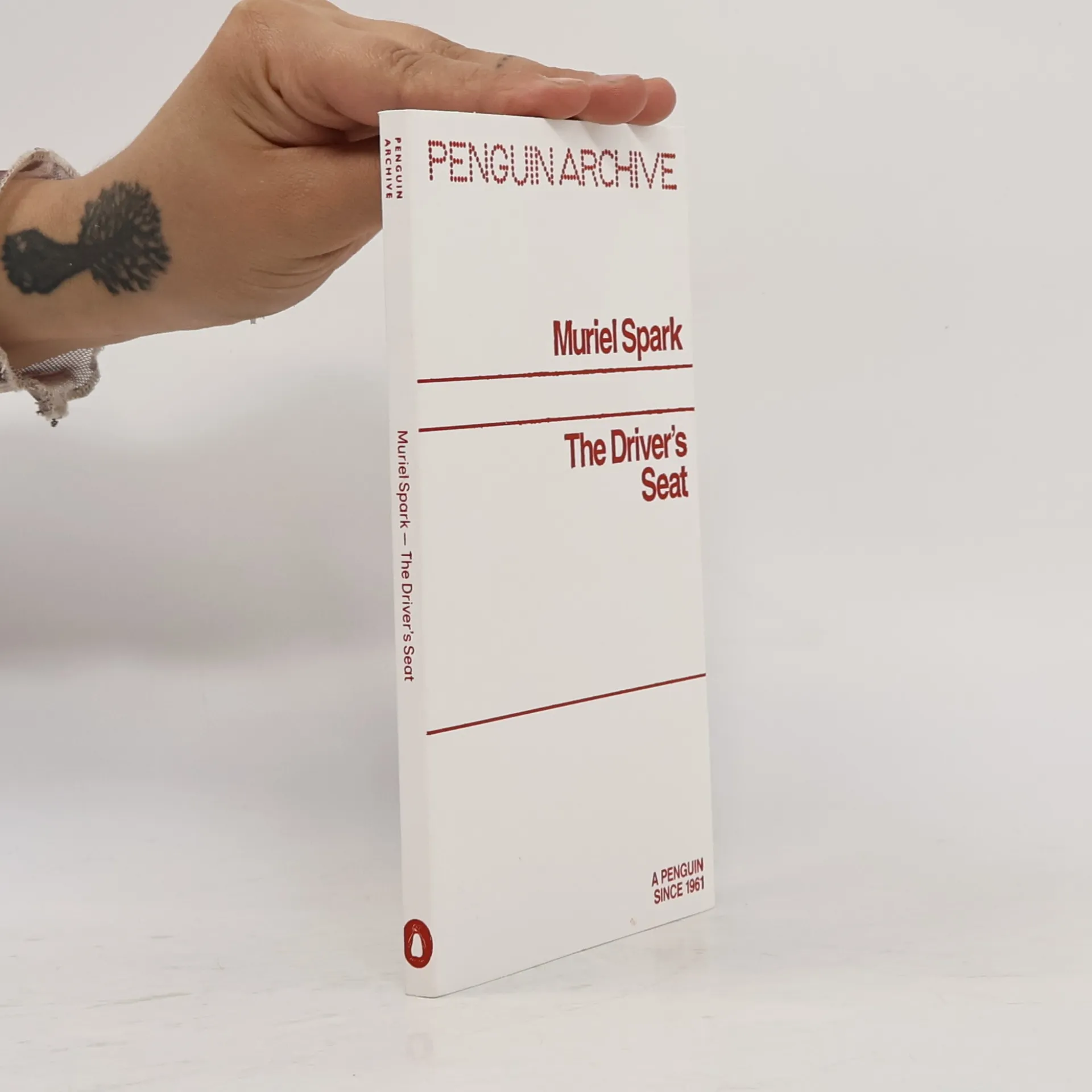
Muriel Spark claimed The Driver's Seat to be her best and creepiest novel. Once you have met her heroine Lise - heading for the holiday of a lifetime in an extraordinarily garish dress and with violence on her mind - you will understand why.
Selfie sticks with demonic powers. Cold calls from the dead. And the creeping
suspicion that none of this is real. Reality, and Other Stories is a gathering
of deliciously chilling entertainments from John Lanchester, the Booker-
nominated author of The Wall and Capital.
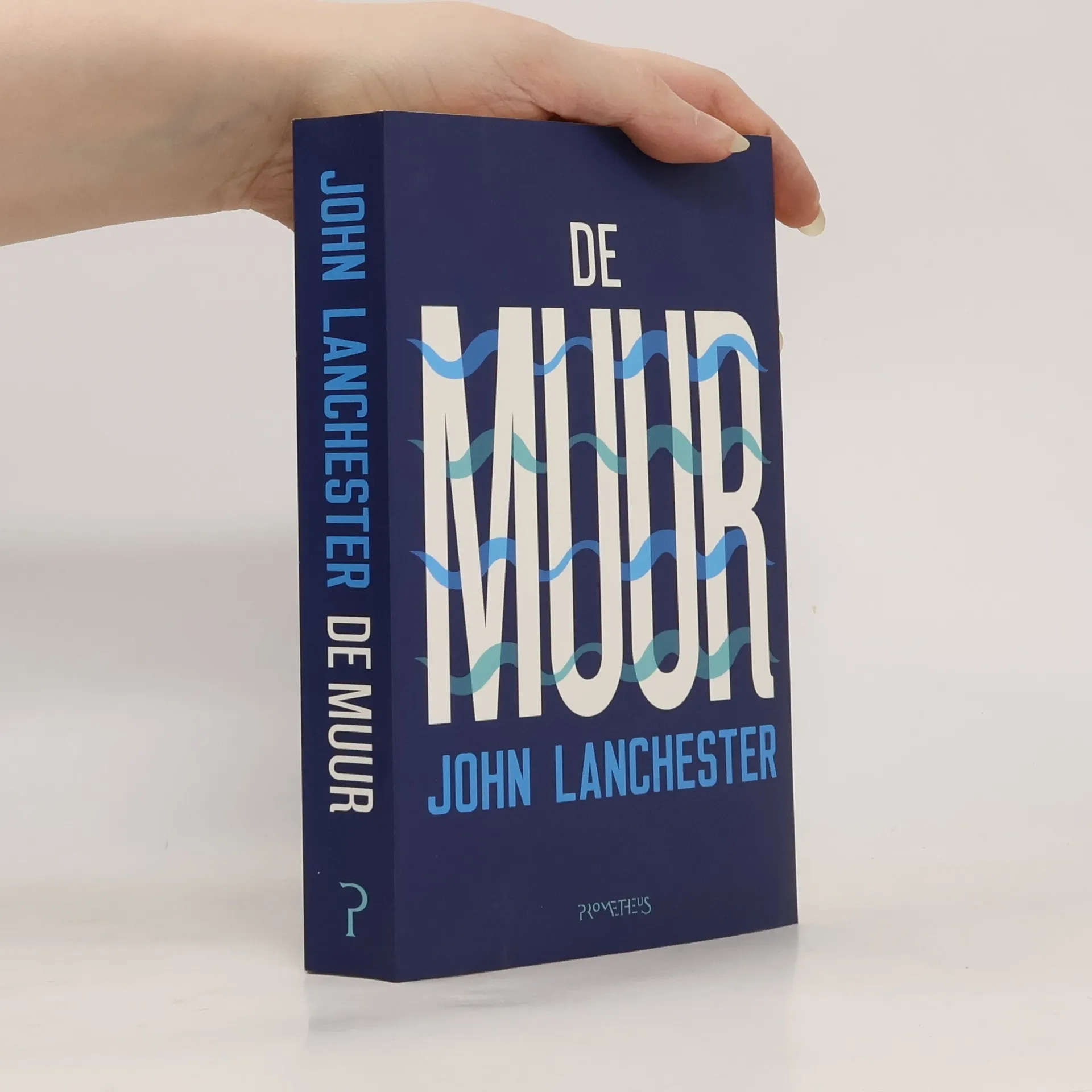
Het schrikbeeld van Engeland: het land wordt langs de kustlijn omringd door een enorme muur. Waar eens golven op stranden sloegen bevindt zich nu een massieve, duizenden kilometers lange betonnen grens. Dag en nacht patrouilleren er mensen op de muur, jonge mannen en vrouwen met geweren en het bevel alle vreemdelingen buiten te houden. Voor de achttienjarige Joseph Kavanagh is het de dagelijkse realiteit. Twee jaar van zijn leven moet hij, net als ieder ander, zijn plicht als verdediger vervullen. Iedere vluchteling die probeert binnen te dringen moet hij met geweld buitenhouden. Wie faalt wacht de dood, of wordt zelf naar zee verbannen. De muur is een angstaanjagende en zeer realistische roman over migratie en klimaatverandering, overleven in barre tijden, de kloof tussen jong en oud, maar ook over het menselijke vermogen tot empathie en liefde tijdens fundamentele onzekerheid. De muur beschrijft een wereld die onmiskenbaar de onze is, zij het onherstelbaar beschadigd.
'Masterly . . . A signal achievement . . . Remarkable.' Guardian 'A 1984 for our times.' Daily Express Kavanagh begins his time patrolling the Wall. If he's lucky, if nothing goes wrong, he only has to do two years of this. 729 more nights. The best thing that can happen is that he survives and gets off the Wall and will never have to spend another day of his life anywhere near it. But what if something did happen - if the Others came, if he had to fight for his life? Thrilling and heartbreaking, The Wall is about a troubled world you will recognise as your own - and about what might be found when all is lost.
The biggest problem for outsiders in the world of economics is that most of the time, we don't know what the hell the insiders are talking about. To know that, you have to understand the words they're using. This book explains everything from high-frequency trading to the difference between bullshit and nonsense.
This book explores the mysteries of the Underground, detailing its significance to London and beyond, while answering questions about the Tube, tube drivers, and where to find driver-point-of-view videos.
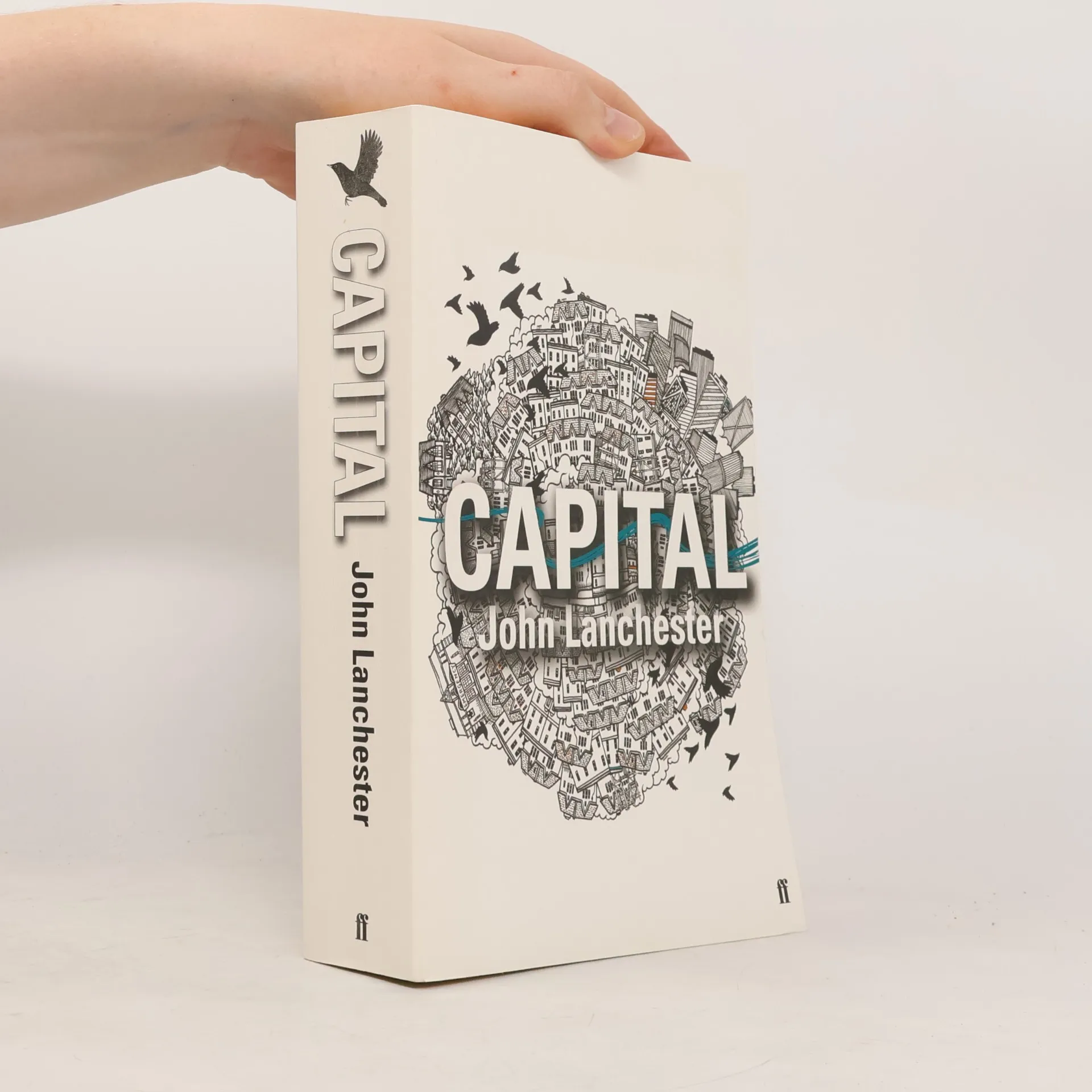
The residents of Pepys Road, London - a banker and his shopaholic wife, an elderly woman dying of a brain tumour, the Pakistani family who run the local shop, the young football star from Senegal and his minder - all receive anonymous postcards with a simple message: We Want What You Have. Who is behind it? What do they want? As the mystery of the postcards deepens, the world around Pepys Road is turned upside down by the financial crash and all of its residents' lives change beyond recognition over the course of the next year. From the bestselling author of Whoops! and How to Speak Money comes a post-financial crisis, state-of-the-nation novel told with compassion, humour and unflinching truth.
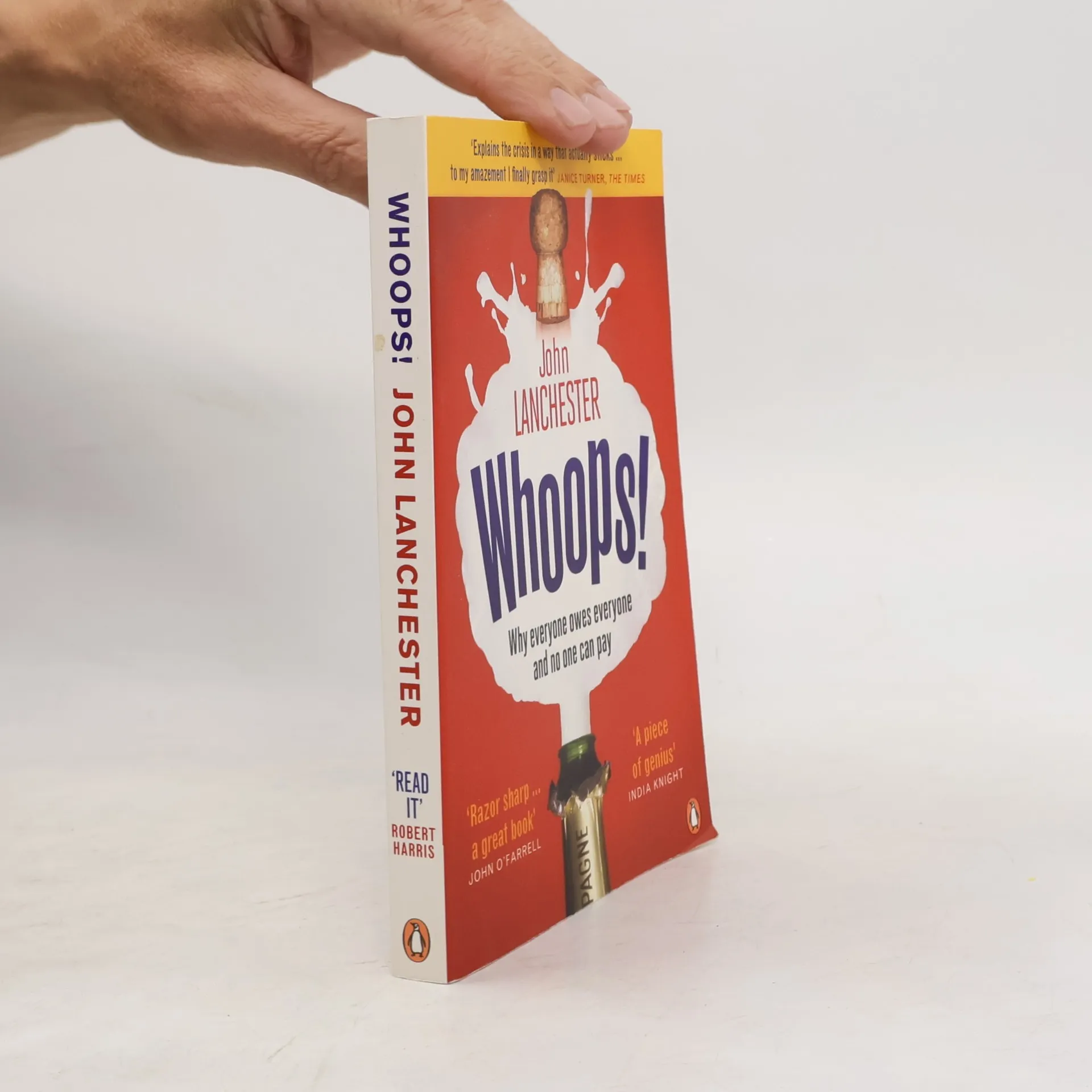
We are, to use a technical economic term, screwed. The cowboy capitalists had a party with everyone's money and now we're all paying for it. What went wrong? And will we learn our lesson - or just carry on as before, like celebrating surviving a heart attack with a packet of Rothmans? In Whoops he explains, in language everyone can understand, what really happened - and what on earth we do next.
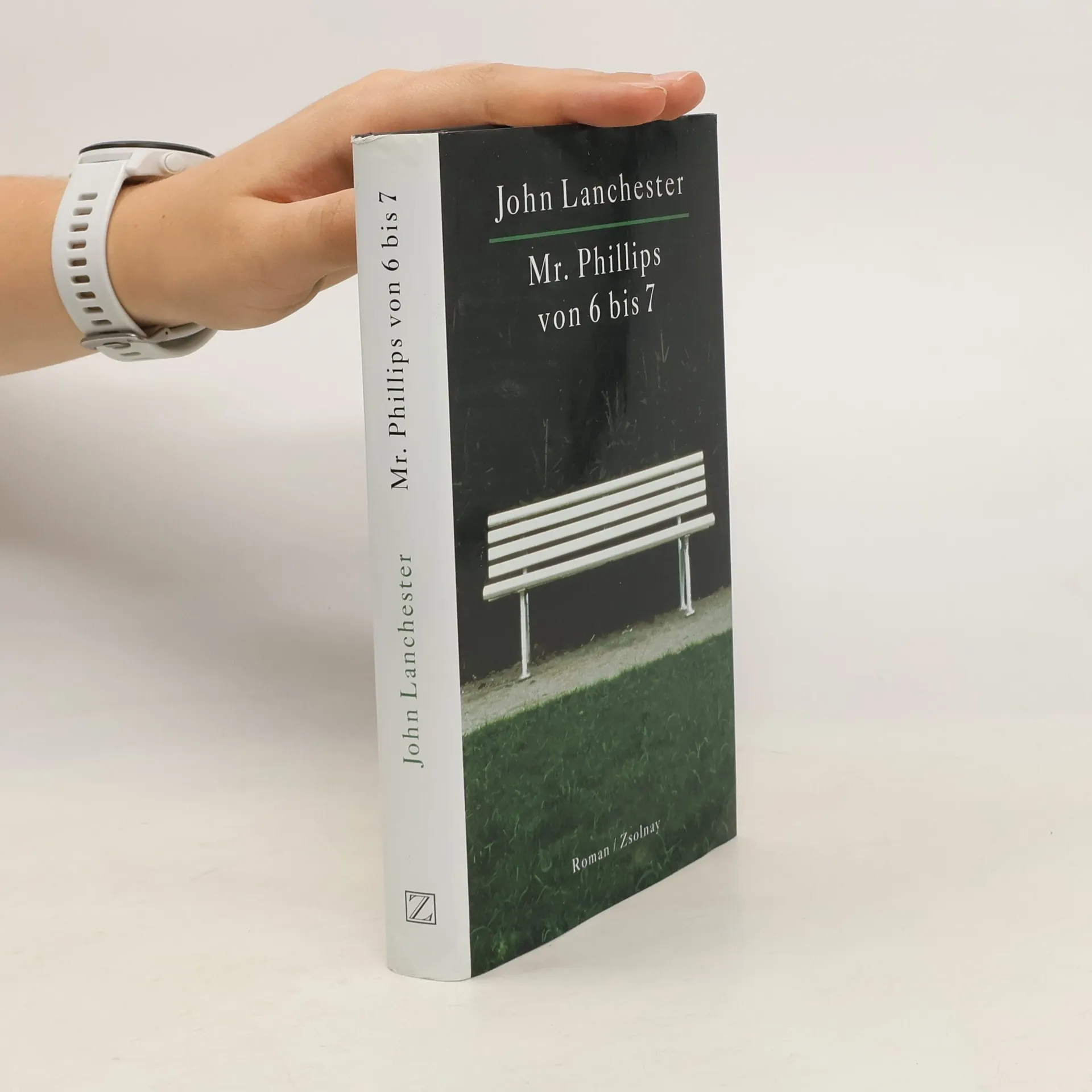
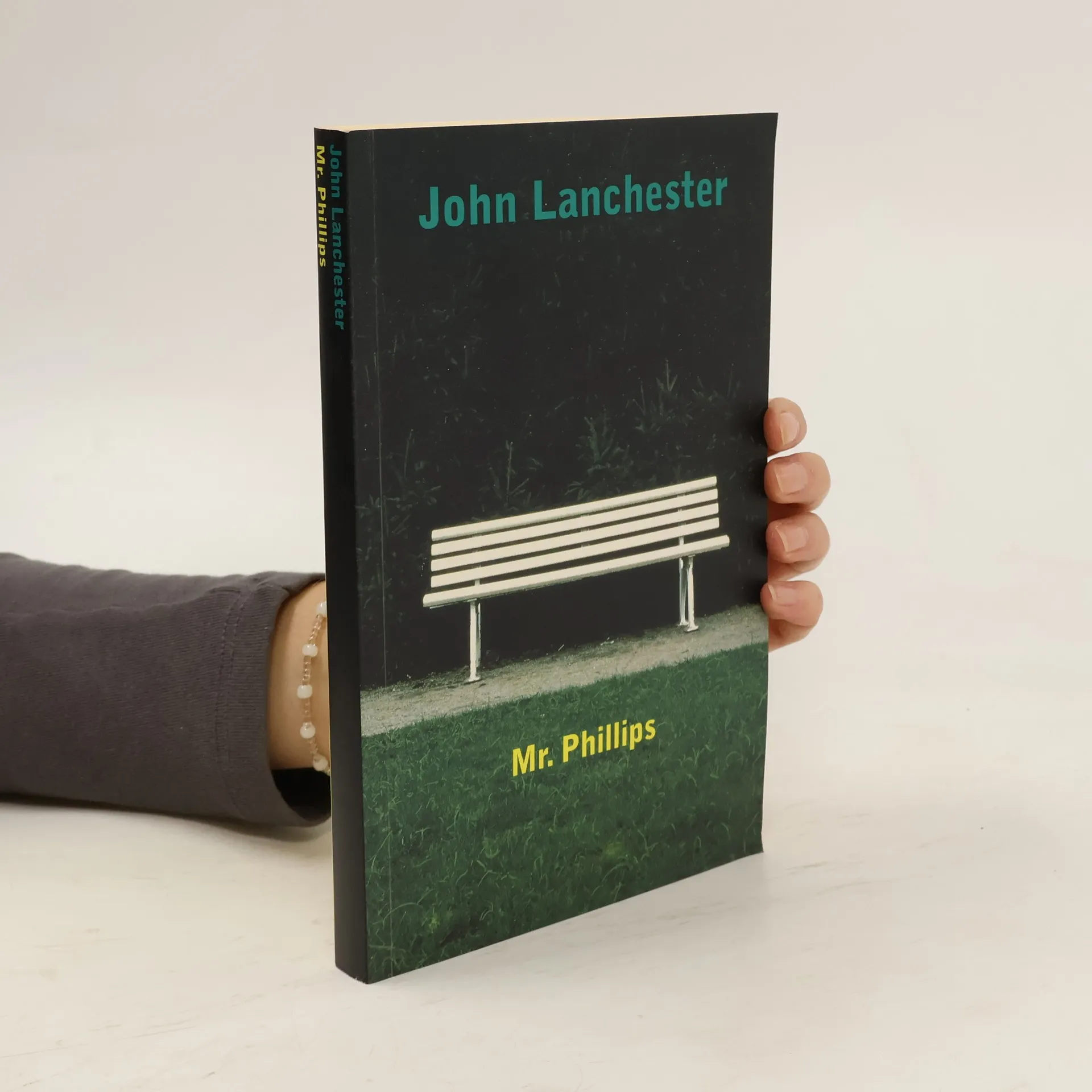
Erstaunliche Dinge ereignen sich an diesem einen Tag, zumindest aus der Sicht von Mr. Phillips, der ansonsten ein eintöniges Leben als Buchhalter führt. Er trifft einen berufsmäßigen Pornographen, wird Zeuge eines Banküberfalls und stirbt beinahe den Heldentod. Auf dem Weg durch das Dickicht von London errechnet Mr. Phillips, den Sex fast genauso beschäftigt wie sein Beruf, dass pro Jahr 17 000 nackte Frauen in englischen Magazinen zu sehen sind, und stellt sich die Frage, ob für den Eintritt ins Pornokino auch Mehrwertsteuer bezahlt werden muss. Abends, als er schließlich in seinen Vorort zurückkehrt, hat er noch immer keine Ahnung, wie er Mrs. Phillips beibringen soll, dass er seine Arbeit verloren hat. Das Porträt eines ganz gewöhnlichen Mannes und seiner Stadt - ein gefundenes literarisches Fressen für Zyniker und Moralisten gleichermaßen.
"One warm July morning Mr Phillips climbs out of bed, leaving Mrs Phillips dozing. He prepares for his commute into the city - but this is no ordinary Wednesday. It is a day on which Mr Phillips will chat with a pornographer, stalk a tv mini-celebrity, have lunch with an aspiring record mogul, and get caught up in a bank robbery. It is, as Mr Phillips comes to realise, the first day of the rest of his life - whether he wants it to be or not. All this is both better and worse than being at work. So why is Mr Phillips, a cautious middle-aged accountant, not behind his desk calculating the financial consequences of redundancies or recommending the savings to be made from more responsible use of yellow sticky note pads?"--Publisher's description.
Draws the reader, through descriptions of food and cooking, into a world of murder and art. Narrated by Tarquin, an ironist, epicurean and a snob, this novel is constructed around a series of seasonal menus, which unfold his autobiography.
Spurred on by admiration for his novelist half-brother and irritation at the
biography written about him by Mr Goodman ('his slapdash and very misleading
book'), the narrator, V, sets out to record Sebastian Knight's life as he
understands it. schovat popis