Tarkovsky's diaries were widely reviewed and considered to be a valuable
addition to his work. The diaries cover his film-making in the Soviet Union
and the increasing difficulties he encountered there followed by his exile in
Europe. The diaries are both professional and personal.
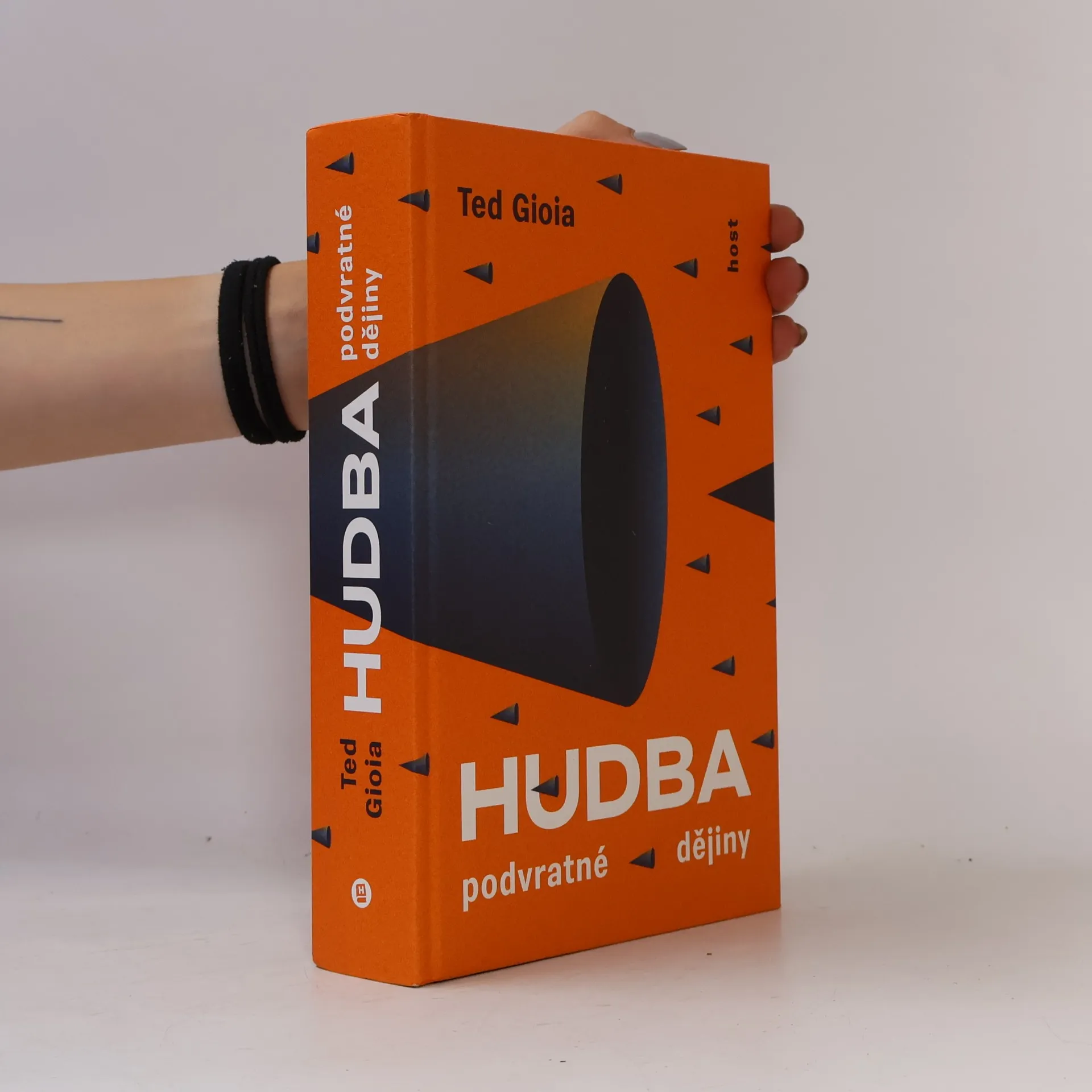
Dějiny možná píšou vítězové. Muziku však mají na svědomí rebelové.
Pro většinu lidí jsou dějiny hudby pouze matným pojmem ze školních učebnic, s nímž má jejich vlastní posluchačský zájem jen málo společného. Pestrému dvacátému století předcházejí portréty vážných skladatelů a napudrovaných paruk. Dál do minulosti už je jen doba chorálů, lidových písní, louten a temna. Archeologické nálezy a historické zkoumání však ukazují, že hudba člověka provází od počátku lidstva: písně byly důležitou součástí lovu i duchovního života, šumění lučních trav znělo jako koncert. Proč se tedy z dějin hudby staly nudné zástupy úspěšných mužů?
Hudební historik a kritik Ted Gioia ve své odvážné knize tvrdí, že to je dáno obecně revolučními možnostmi hudby. Společnost musela nejdříve rebely potlačit a až následně jejich inovace zpracovala do krotkého hudebního kánonu. Vyprávět dějiny hudby proto pro Gioiu znamená vyprávět příběhy odpadlíků a podivínů, kteří hledali nové způsoby, jak, kde a pro koho vyluzovat zvuky či jen poslouchat.
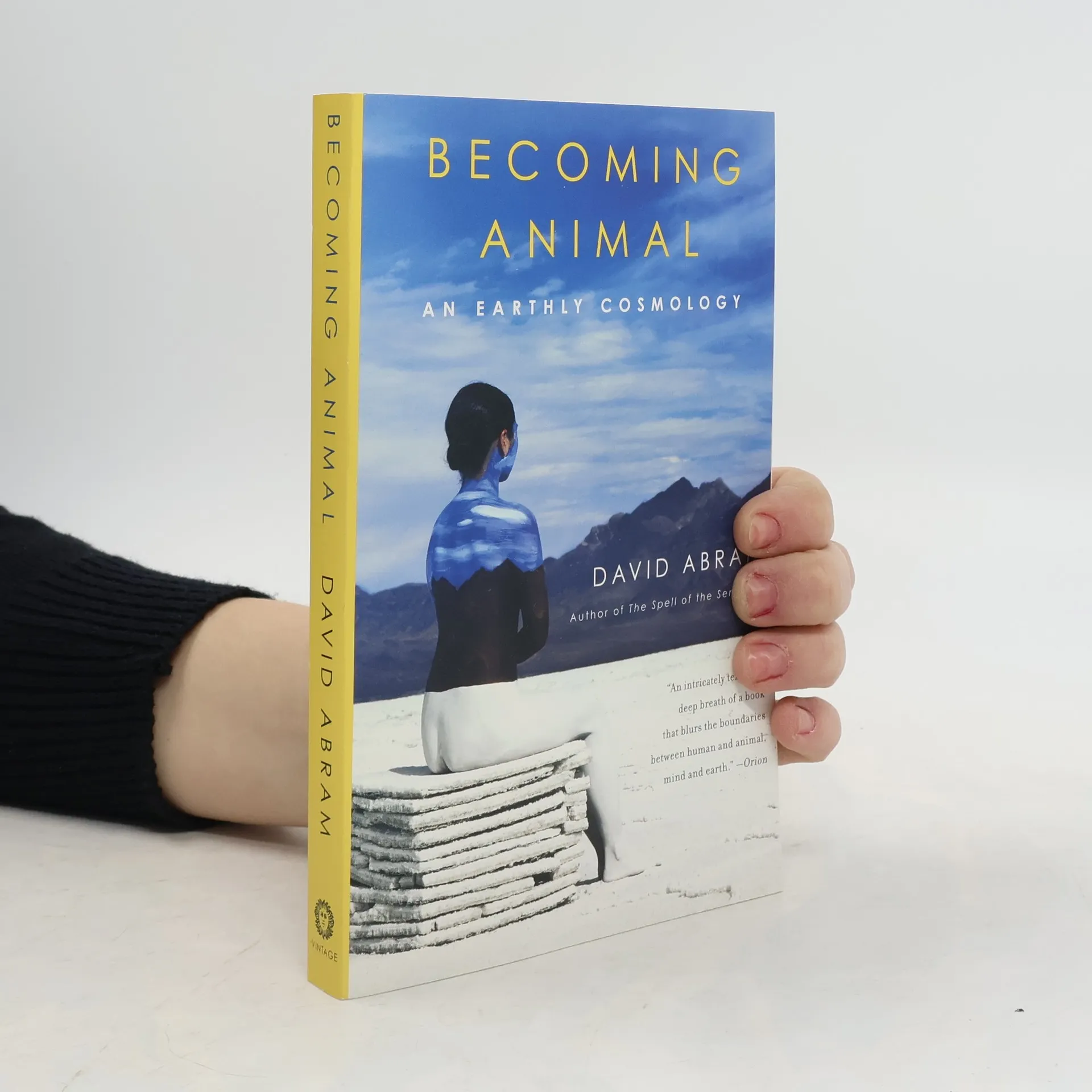
Between humanity and nature, there is no barrier, boundary, or difference. We are the same. We have just forgotten it. It is a common habit of Western culture to speak and write about the body, nature, or the physical world as something external, separate from human experience and thought. This separation has also made it possible to transform almost everything living and non-living into resources, bringing the planet to the brink of collapse. Therefore, to confront environmental problems, we cannot only address the consequences of human actions; we must also focus on the mental and cultural patterns that precede them. Philosopher David Abram presents such a transformation of thought in his remarkable book, Becoming Animal. However, this is not an intellectual transformation, but a physical one. Abram situates the human mind back to where it fled centuries ago, back to the earth, among stones and bird calls, into the immediate experience of the tangible world. He returns people among wildlife and animals back into humanity.
A delightfully captivating journey across the medieval world, seen through the eyes of those who travelled across itFrom the bustling bazaars of Tabriz, to the mysterious island of Caldihe, where sheep were said to grow on trees, Anthony Bale brings history alive in A Travel Guide to the Middle Ages, inviting the reader to travel across a medieval world punctuated with miraculous wonders and long-lost landmarks. Journeying alongside scholars, spies and saints, from western Europe to the Far East, the Antipodes, and the ends of the world, this is no ordinary travel guide, containing everything from profane pilgrim badges, Venetian laxatives and flying coffins to encounters with bandits and trysts with princesses.Using previously untranslated contemporary accounts from as far and wide as Turkey, Iceland, Armenia, north Africa, and Russia, A Travel Guide to the Middle Ages is a living atlas that blurs the distinction between real and imagined places, offering the reader a vivid and unforgettable insight into how medieval people understood their world.
El hombre sin rostro es el escalofriante relato de cómo un operativo de bajo nivel y mentalidad limitada del KGB ascendió a la presidencia de Rusia y, en un tiempo sorprendentemente corto, destruyó años de progreso, convirtiendo a su país nuevamente en una amenaza para su propio pueblo y para el mundo. Elegido como sucesor por la "familia" que rodeaba a un Boris Yeltsin enfermo y cada vez más impopular, Vladimir Putin parecía ser la elección perfecta para que la oligarquía lo moldeara según sus propios intereses. De repente, el niño que había permanecido en las sombras, soñando con gobernar el mundo, se convirtió en una figura pública, y su popularidad se disparó. Rusia y un Occidente enamorado estaban decididos a ver al líder progresista de sus sueños, incluso mientras él tomaba el control de los medios, enviaba a sus rivales políticos y críticos al exilio o a la muerte, y destruía el frágil sistema electoral del país, concentrando el poder en manos de sus cómplices. Como periodista que vivió en Moscú, Masha Gessen experimentó esta historia de primera mano y ha utilizado información y fuentes que ningún otro escritor ha explorado. Su relato de cómo un hombre "sin rostro" maniobró para alcanzar el poder absoluto y absolutamente corrupto tiene todos los elementos de un clásico de la narrativa de no ficción.
Maps fascinate us. They chart our understanding of the world and they log our progress, but above all they tell our stories. From the early sketches of philosophers and explorers through to Google Maps and beyond, Simon Garfield examines how maps both relate and realign our history.His compelling narratives range from the quest to create the perfect globe to the challenges of mapping Africa and Antarctica, from spellbinding treasure maps to the naming of America, from Ordnance Survey to the mapping of Monopoly and Skyrim, and from rare map dealers to cartographic frauds. En route, there are ‘pocket map’ tales on dragons and undergrounds, a nineteenth century murder map, the research conducted on the different ways that men and women approach a map, and an explanation of the curious long-term cartographic role played by animals.On the Map is a witty and irrepressible examination of where we've been, how we got there and where we're going.
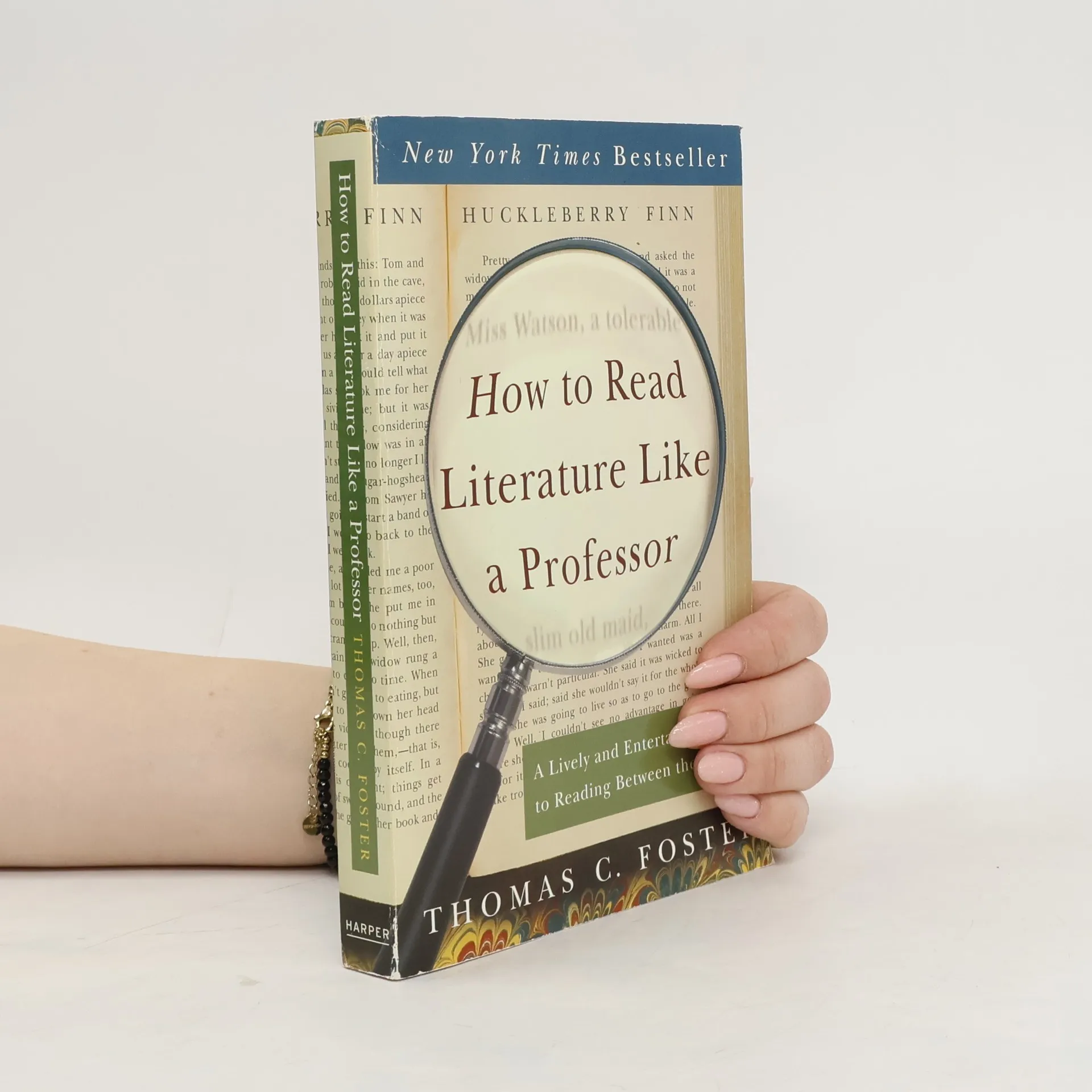
While many books can be enjoyed for their basic stories, there are often deeper meanings interwoven in these literary texts...How to Read Literature Like a Professor helps us to discover those hidden truths by looking at literature with the eyes—and the literary codes—of the ultimate professional reader: the college professor.What does it mean when a fictional hero takes a journey? Shares a meal? Gets drenched in a sudden rain shower? Often, there is much more going on in a novel or poem than is readily visible on the surface – a symbol, maybe, that remains elusive, or an unexpected twist on a character – and there's that sneaking suspicion that the deeper meaning of a literary text keeps escaping you.In this practical and amusing guide to literature, Thomas C. Foster shows how easy and gratifying it is to unlock those hidden truths, and to discover a world where a road leads to a quest; a shared meal may signify a communion; and rain, whether cleansing or destructive, is never just rain. Ranging from major themes to literary models, narrative devices and form, How to Read Like a Professor is the perfect companion for making your reading experience more enriching, satisfying and fun.
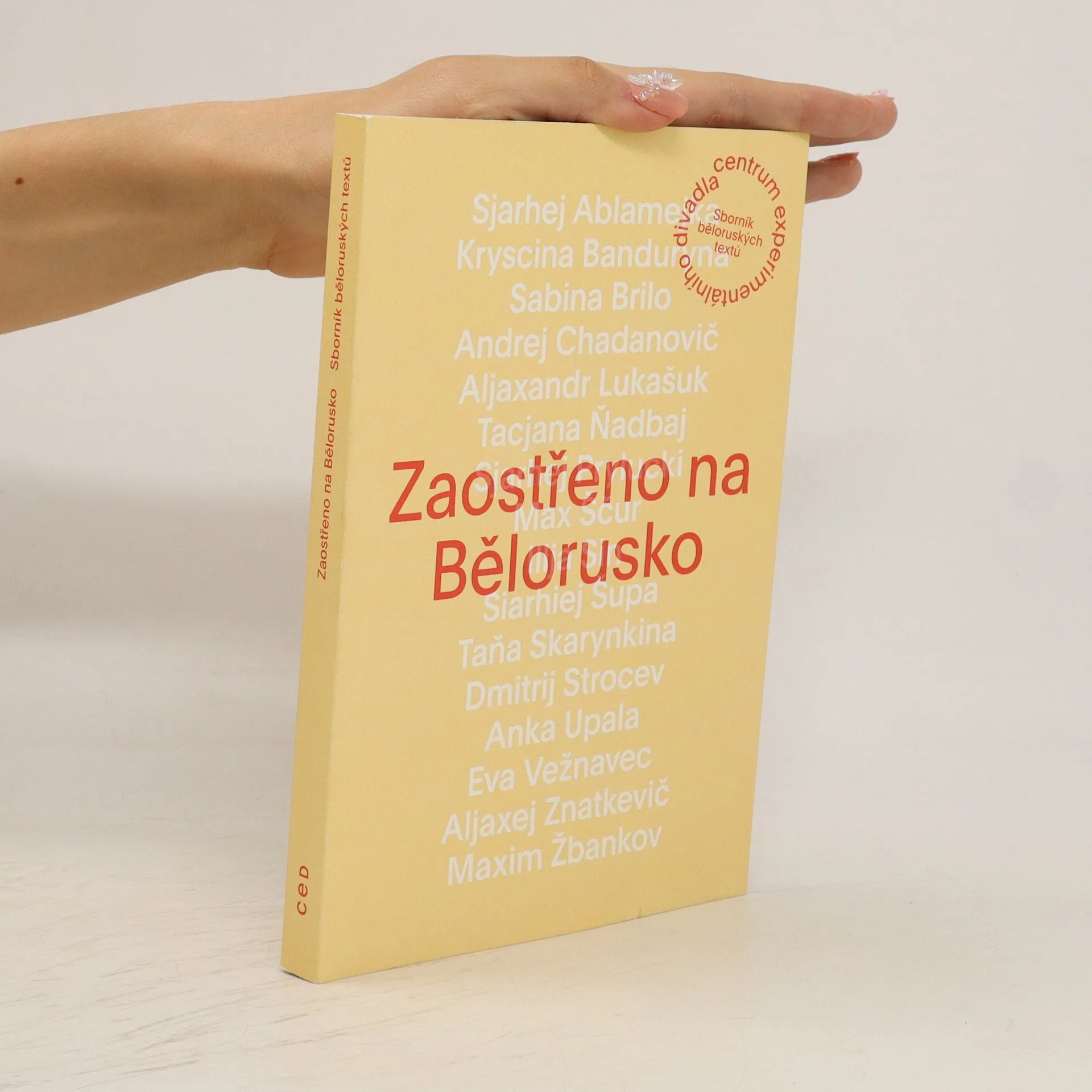
Sborník textů sedmnácti běloruských autorů, který je součástí projektu Zaostřeno na Bělorusko, realizovaného v průběhu mezinárodního knižního veletrhu Svět knihy v Praze roku 2021.Projekt i tato kniha si kladou za cíl přiblížit a informovat o nelehkém postavení předních představitelůsoučasné běloruské literatury, kteří z politických důvodů nemohou ve své zemi publikovat. Pro českého čtenáře se tak tento sborník stává příležitostí, aby se alespoň rámcově seznámil s důležitými osobnostmi dnešního běloruského písemnictví, jejichž texty, zde ponejvíce prezentované jako ukázky z poezie a prozaické tvorby, se v této antologii objevují.