The Sleeping Sovereign
- 310 páginas
- 11 horas de lectura
An examination of how the modern idea of constitutional referendums developed and how direct democracy became possible in modern states.


Richard Tuck es un destacado estudioso de la historia del pensamiento político. Sus obras abordan una amplia gama de temas, incluyendo la autoridad política, los derechos humanos, el derecho natural y la tolerancia. Su investigación se centra en pensadores clave y en la historia del pensamiento político desde Grotius y Hobbes hasta Kant. Tuck también se ocupa de los orígenes del pensamiento económico y sus problemas actuales.

An examination of how the modern idea of constitutional referendums developed and how direct democracy became possible in modern states.
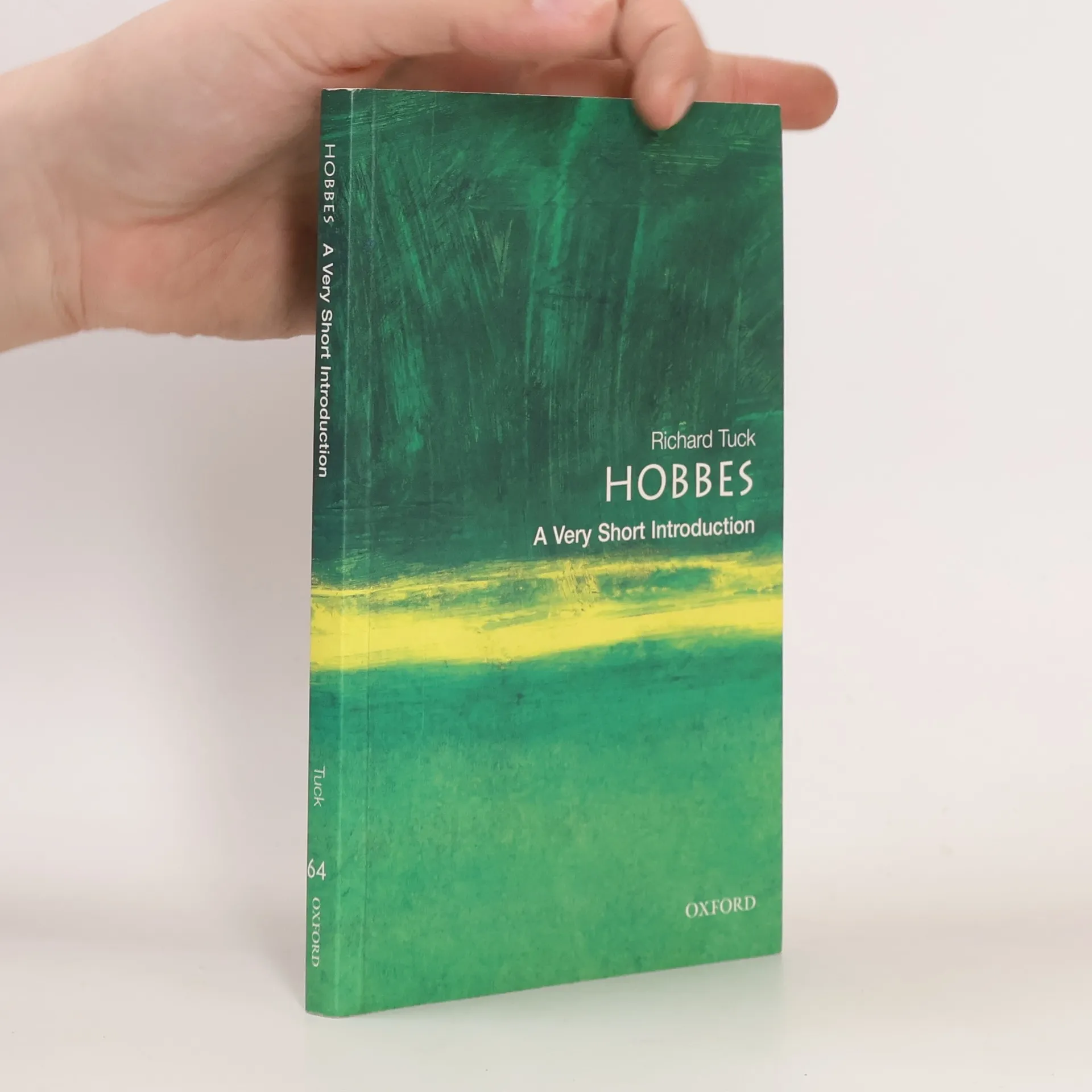
Thomas Hobbes, the first great English political philosopher, has had the reputation of being a pessimistic atheist. This study evaluates Hobbes's philosophy, describing him to have been passionately concerned with the refutation of scepticism, and to have developed a theory of knowledge, which rivalled that of Descartes in its importance.
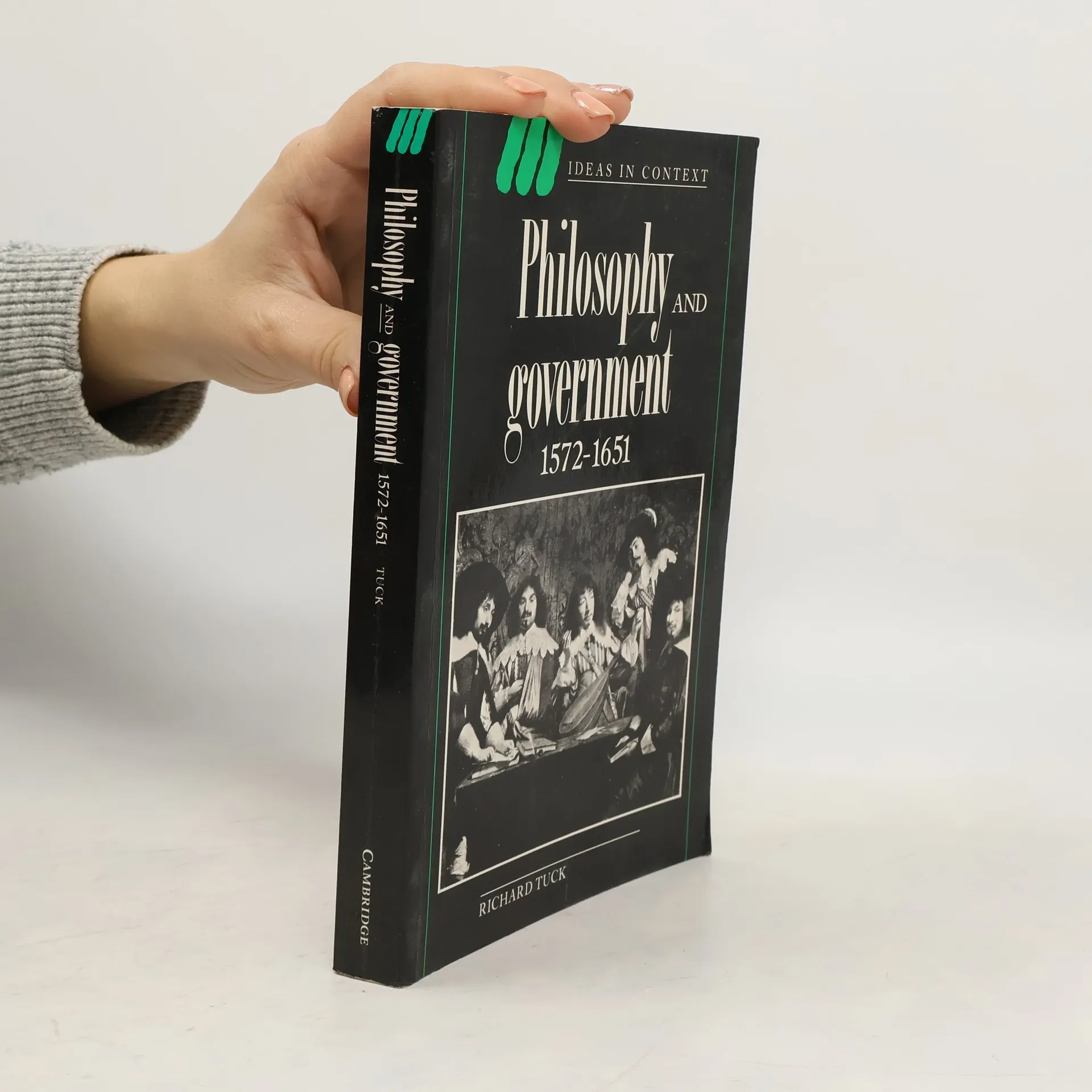
This major new contribution to our understanding of European political theory will challenge the perspectives in which political thought is understood. Framed as a general account of the period between 1572 and 1651 it charts the formation of a distinctively modern political vocabulary, based on arguments of political necessity and raison d'etat in the work of the major theorists. While Dr. Tuck pays detailed attention to Montaigne, Grotius, Hobbes and the theorists of the English Revolution, he also reconsiders the origins of their conceptual vocabulary in humanist thought--particularly skepticism and stoicism--and its development and appropriation during the revolutions in Holland and France. This book will be welcomed by all historians of political thought and those interested in the development of the idea of the state.