Am Himmel die Flüsse
- 592 páginas
- 21 horas de lectura


Elif Shafak es una aclamada novelista británica-turca cuyas obras son ampliamente leídas y profundamente conmovedoras. Escribiendo tanto en turco como en inglés, crea narrativas que profundizan en las complejidades de la identidad, la cultura y la política con un agudo sentido de los matices lingüísticos y la profundidad emocional. Su prosa se caracteriza por una rica paleta estilística, explorando las intersecciones de diversas experiencias y fomentando un compromiso reflexivo con la condición humana. Como destacada defensora de la justicia social, la escritura y la oratoria pública de Shafak desafían constantemente los límites y promueven el diálogo crítico.

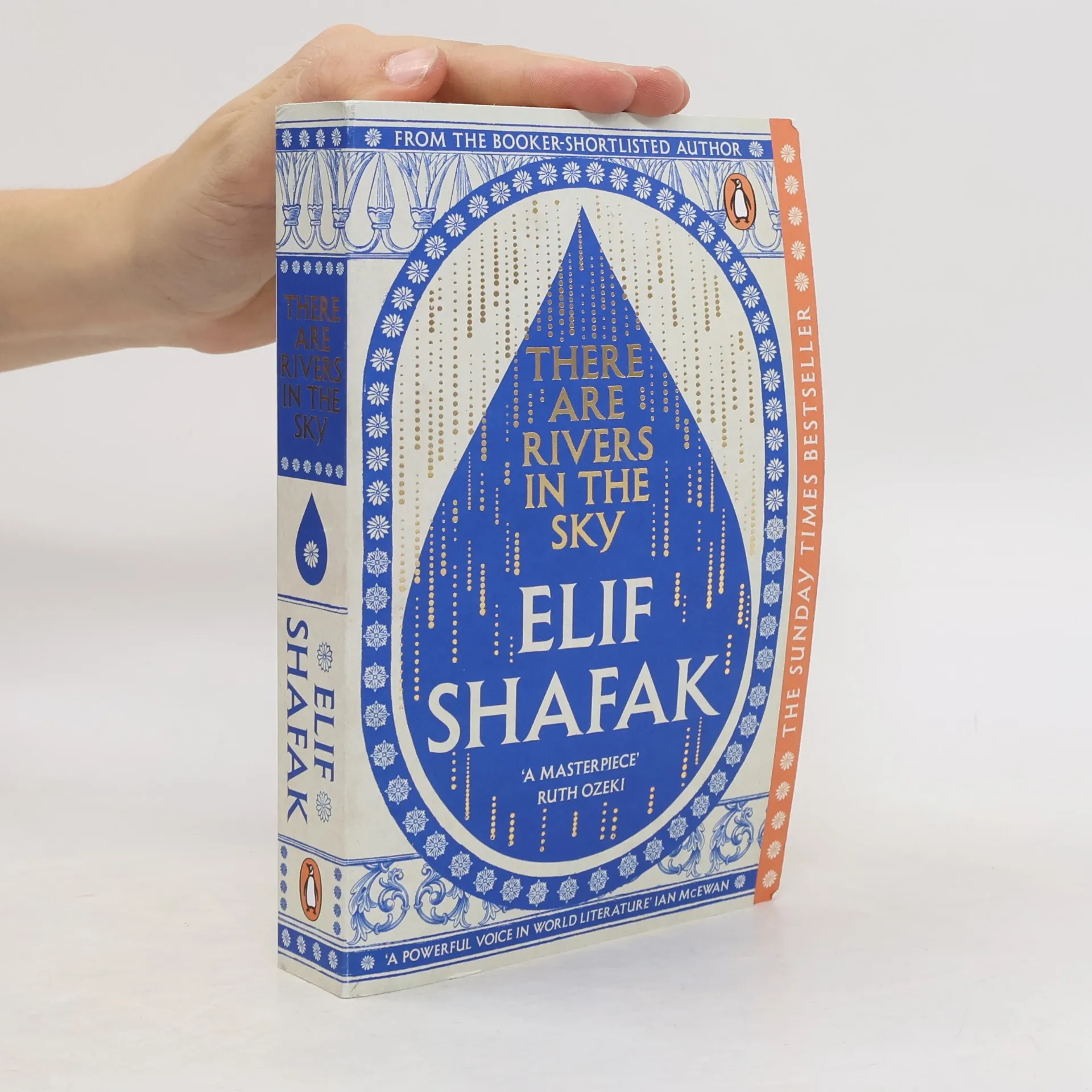


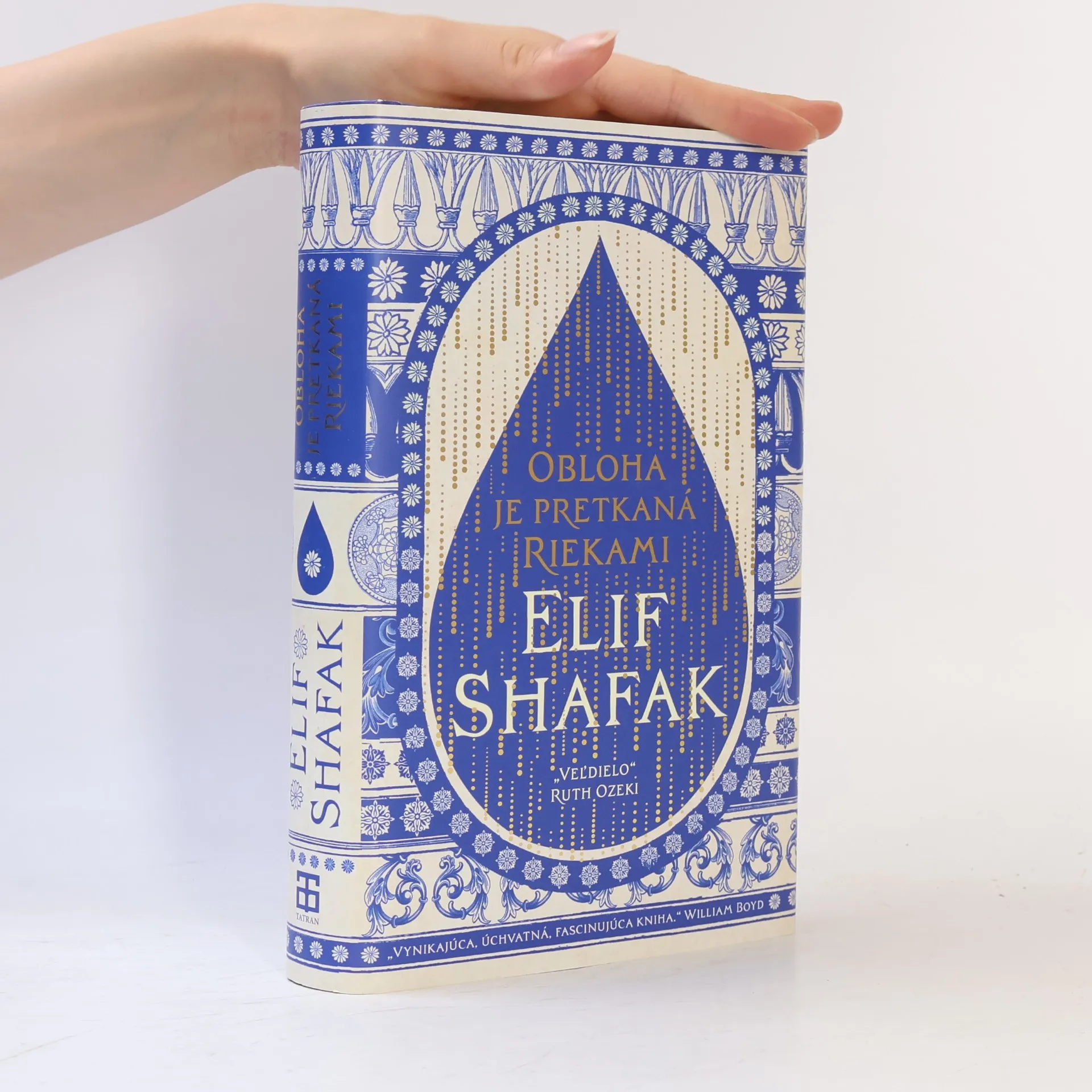
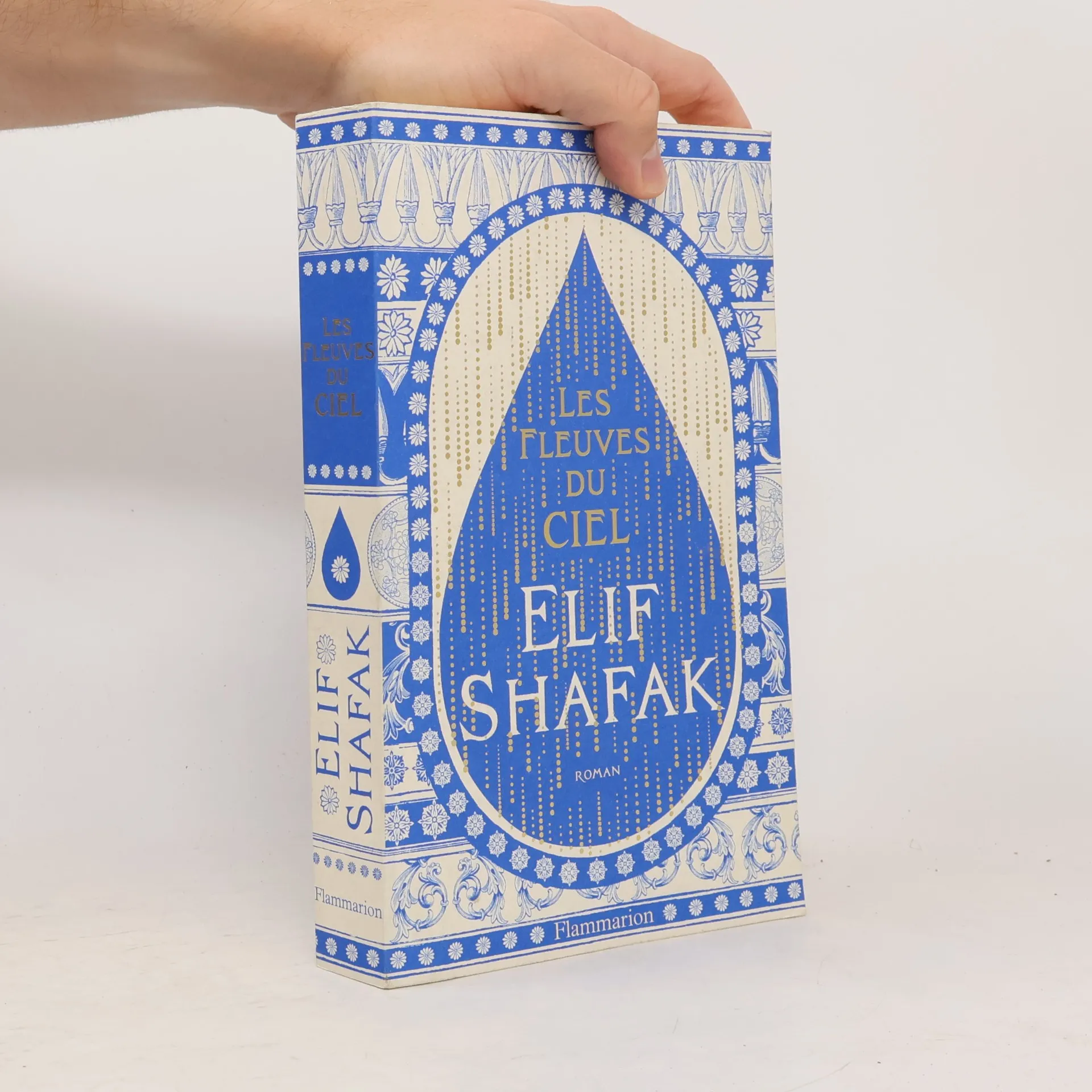
U davno doba na obali drevnog Tigrisa jednog je zlokobnog dana mala uplašena kap kiše pala na glavu slavnom asirskom kralju Ašurbanipalu. Otada ćemo put te čarobne kapljice pratiti kroz stoljeća, zemlje i kulture, a njezine će nas mijene odvesti novim junacima: jednom izvanrednom, pamćenju sklonom, dječaku koji se rodio na obali prljave Temze u viktorijanskom Londonu i nagluhoj jezidskoj djevojčici Narin, koja se 2014. s bakom uputila u dolinu Lališ, sveto mjesto njezina naroda. A u 2018. ovoj zanimljivoj družini priključit će se znanstvenica Zaleekhah koja se upravo smješta u svoj novi dom: brod za stanovanje na Temzi. U ovom je nevjerojatnom i očaravajućem romanu Elif Shafak krenula čudesnim tokovima vode, povijesti i ljudskih sudbina. Pred nama je još jedna priča natopljena beskrajnom empatijom za sve nesretne i odbačene. Iz drevnih ruševina izronit će slavni Ep o Gilgamešu i povezati dvije udaljene rijeke i tri nevjerojatne sudbine. Nad svima njima caruje voda - izvor života i predznak smrti. Voda pamti. Ljudi su ti koji zaboravljaju.

The narrative intertwines the lives of three individuals across different eras and locations, united by the theme of water. In ancient Mesopotamia, fragments of the Epic of Gilgamesh lie buried. In Victorian London, a gifted boy named Arthur escapes poverty through literature, while in modern Turkey, Narin faces a perilous journey amid conflict. Meanwhile, Zaleekhah, a hydrologist in London, seeks solace on a houseboat after personal loss. Elif Shafak's storytelling explores the connections between history, culture, and the enduring significance of water.
The new novel from the Booker-shortlisted, internationally bestselling author of The Island of Missing Trees and 10 Minutes 38 Seconds in This Strange World ***** There Are Rivers in the Sky is a rich, sweeping novel set between the 19th century and modern times, about love and loss, memory and erasure, hurt and healing, centred around three enchanting characters living on the banks of the River Thames and the River Tigris - their lives all curiously touched by the epic of Gilgamesh. ***** 'Elif Shafak is a unique and powerful voice in world literature' Ian McEwan 'Shafak makes a new home for us in words' Colum McCann 'One of the best writers in the world today' Hanif Kureishi
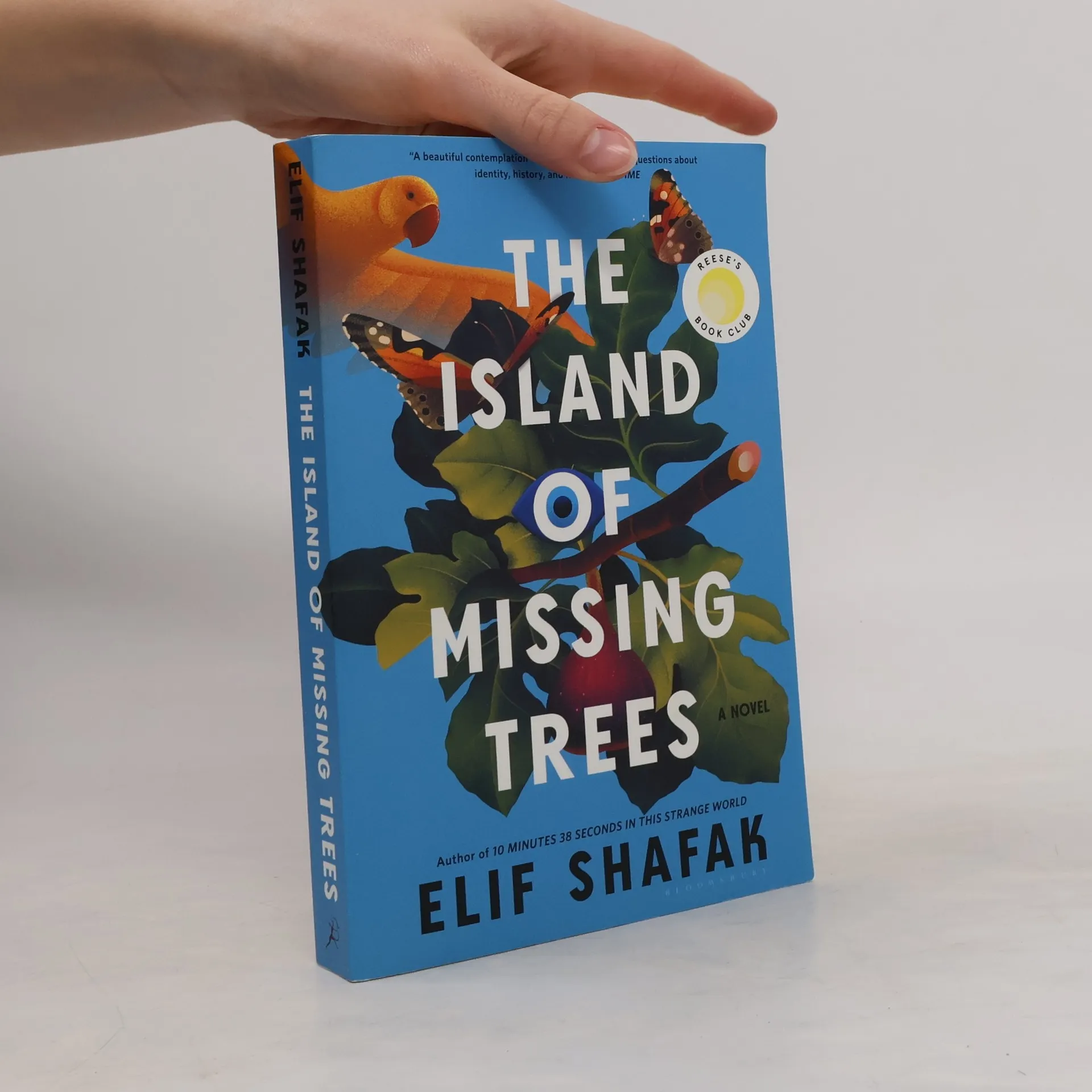
A novel about belonging and identity, love and trauma, nature and renewal, from the Booker-shortlisted author of 10 Minutes 38 Seconds in This Strange World.
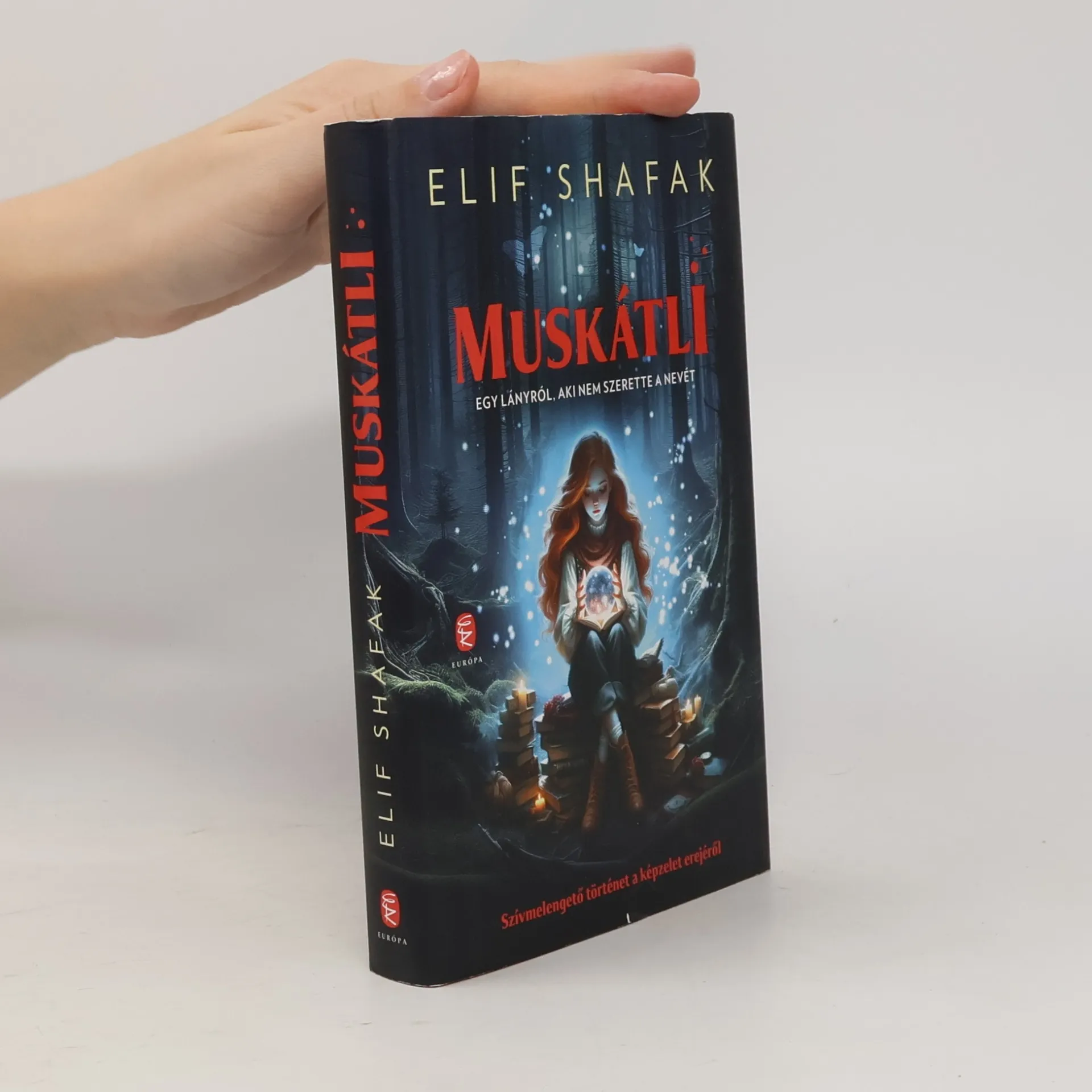
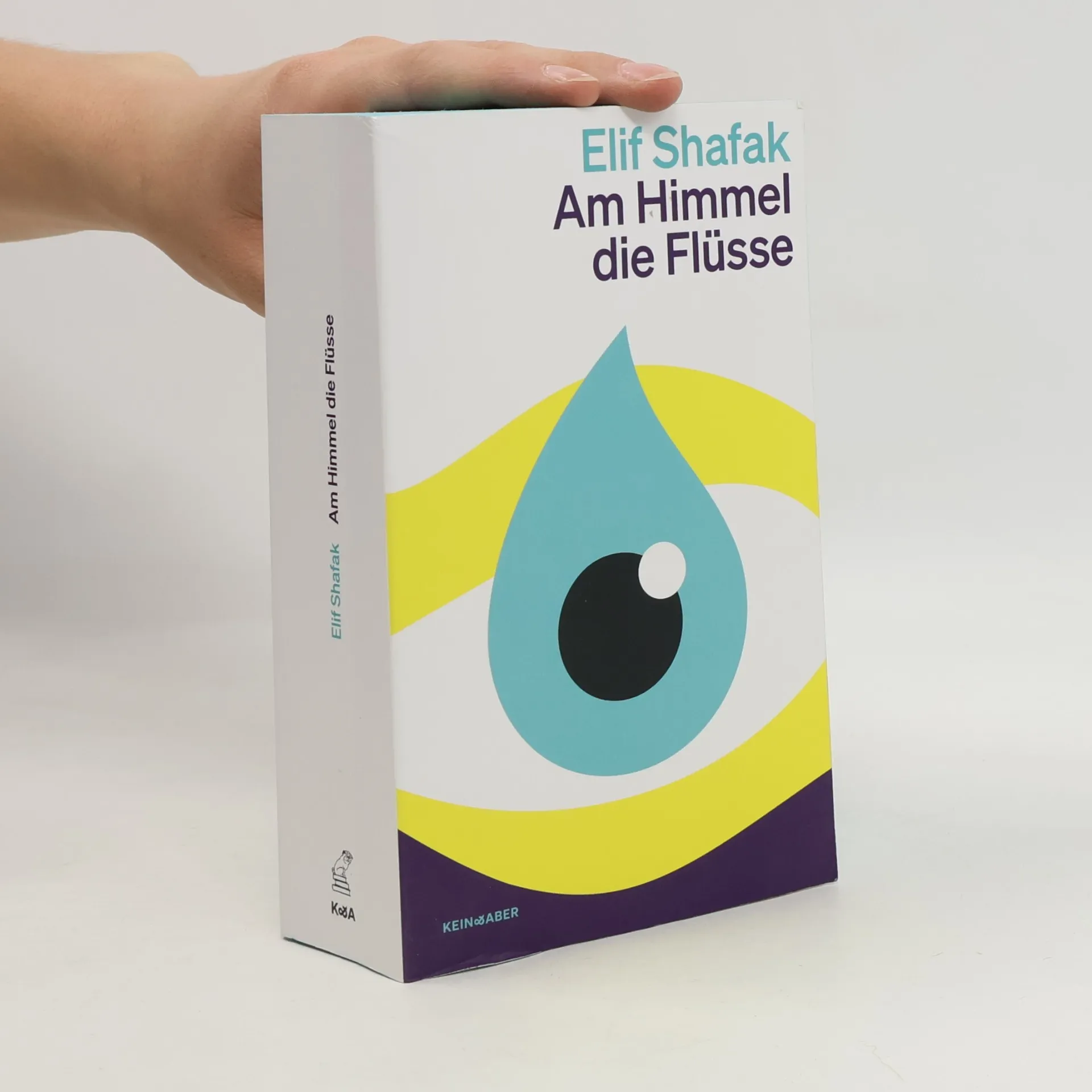
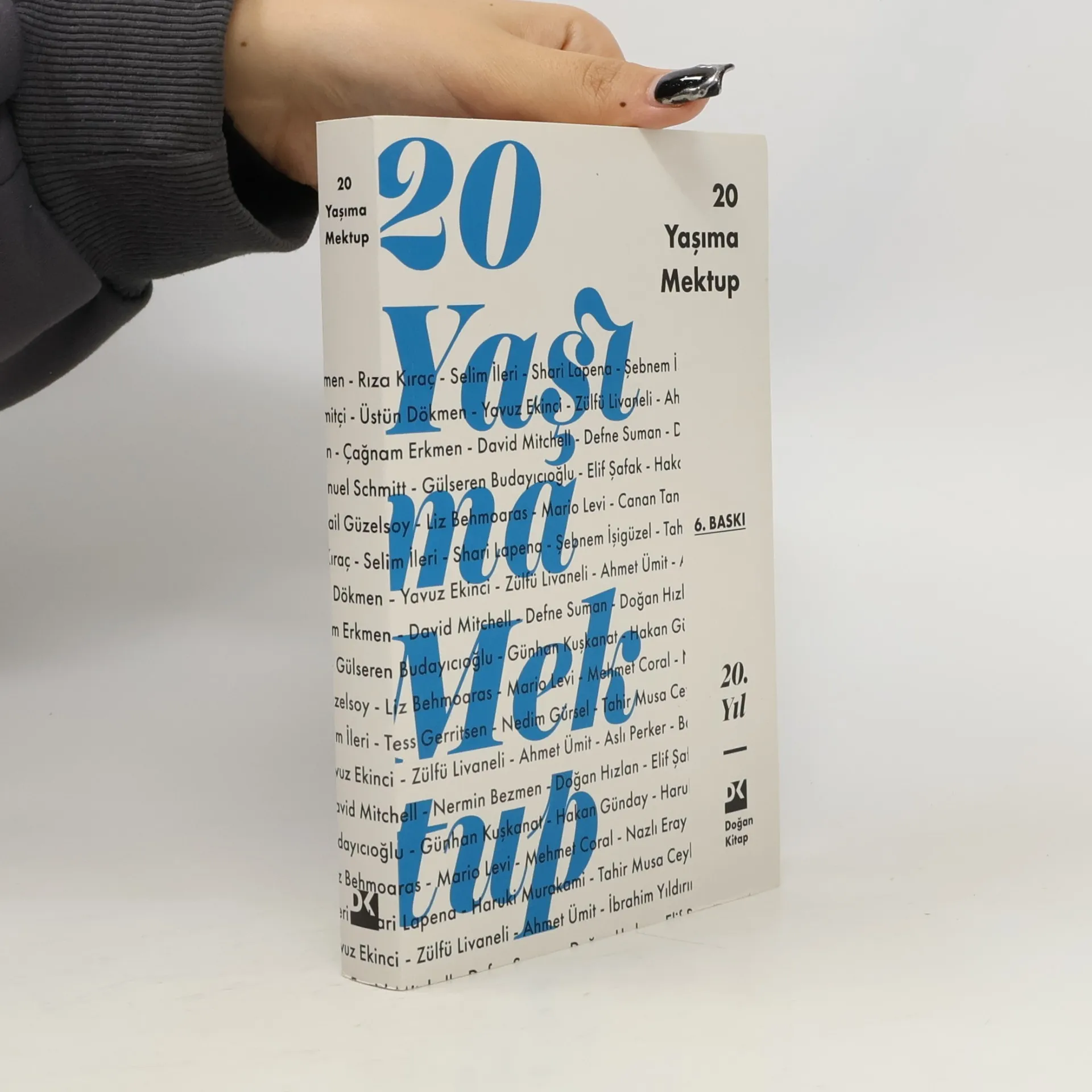
It feels like the world is falling apart. So how do we keep hold of our optimism? How do we nurture the parts of ourselves that hope, trust and believe in something better? And how can we stay sane in this world of division?In this beautifully written and illuminating polemic, Booker Prize nominee Elif Shafak reflects on our age of pessimism, when emotions guide and misguide our politics, and misinformation and fear are the norm. A tender, uplifting plea for optimism, Shafak draws on her own memories and delves into the power of stories to reveal how writing can nurture democracy, tolerance and progress. And in the process, she answers one of the most urgent questions of our time.
'In the first minute following her death, Tequila Leila's consciousness began to ebb, slowly and steadily, like a tide receding from the shore. Her brain cells, having run out of blood, were now completely deprived of oxygen. But they did not shut down. Not right away...' For Leila, each minute after her death brings a sensuous memory- the taste of spiced goat stew, sacrificed by her father to celebrate the long-awaited birth of a son; the sight of bubbling vats of lemon and sugar which the women use to wax their legs while the men attend mosque; the scent of cardamom coffee that Leila shares with a handsome student in the brothel where she works. Each memory, too, recalls the friends she made at each key moment in her life - friends who are now desperately trying to find her. . .
Sana kelimelerden kaleler yaptım. Hendekli, balkonlu, eflatun bayraklı, girişi saklı kocaman kaleler. Bir odasında bıraktım yüreğimi. Merasimsiz, habersiz, tantanasız ve beklentisiz usulca düşürüverdim elimden, olur da bulursan belki sevinirsin diye, öylesine. Sana harflerden sarmaşıklar ördüm; geceleri gözlerini kapadığında, uyku ile uyanıklık arası o tekinsiz aralıkta durduğunda, cinlerin meşveret alanında yapayalnız kaldığında koklarsın belki, hatırlarsın diye. Sana alfabeden kaftan diktim; azametle giyesin ve hiç üşümeyesin diye, kalın kadifeden, sırma ipliklerle. İşledim üzerine isminin baş harflerini, sessiz ve derinden, kimse bilmeden, sadece Yaradan'ın duyduğu bir yemin gibi. Sana noktalardan güller, virgüllerden bülbüller, ünlemlerden yaylalar, noktalı virgüllerden dağlar ve ovalar yaptım. Her bir imla işaretini özenle ekledim isminin büyüsüne. Çünkü sevmek, yeni bir dil inşa etmek demek. İki kişilik bir dil. Çünkü aşkın olduğu yerde muhakkak kelam vardır, sessizlik değil.
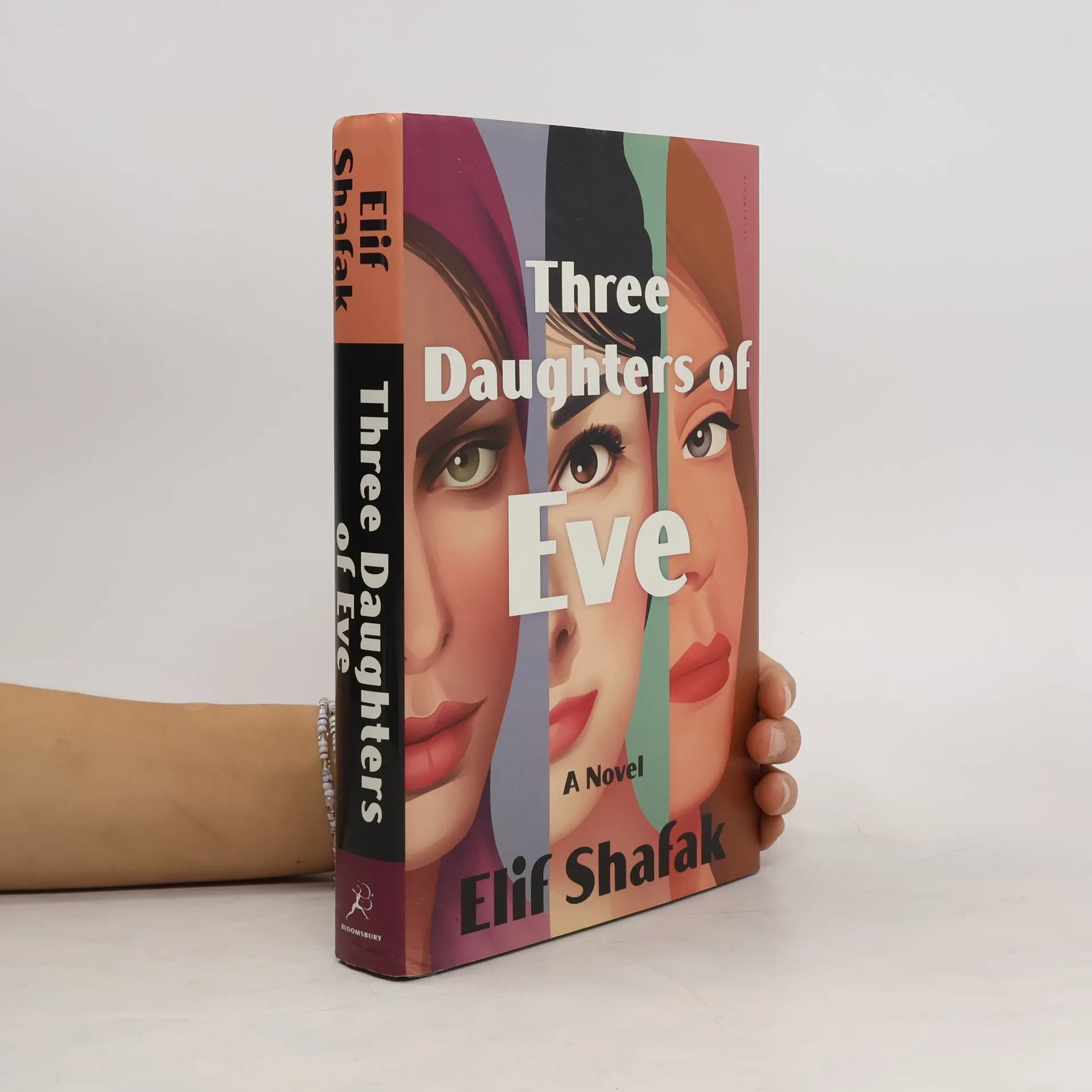
Peri, a married, wealthy, beautiful Turkish woman, is on her way to a dinner party at a seaside mansion in Istanbul when a beggar snatches her handbag. As she wrestles to get it back, a photograph falls to the ground--an old Polaroid of three young women and their university professor. A relic from a past--and a love--Peri had tried desperately to forget. Three Daughters of Eve is set over an evening in contemporary Istanbul, as Peri arrives at the party and navigates the tensions that simmer in this crossroads country between East and West, religious and secular, rich and poor. Over the course of the dinner, and amidst an opulence that is surely ill begotten, terrorist attacks occur across the city. Competing in Peri's mind, however, are the memories invoked by her almost-lost Polaroid, of the time years earlier when she was sent abroad for the first time, to attend Oxford University. As a young woman there, she had become friends with the charming, adventurous Shirin, a fully assimilated Iranian girl, and Mona, a devout Egyptian American. Their arguments about Islam and feminism find focus in the charismatic but controversial Professor Azur, who teaches divinity, but in unorthodox ways. As the terrorist attacks come ever closer, Peri is moved to recall the scandal that tore them all apart.
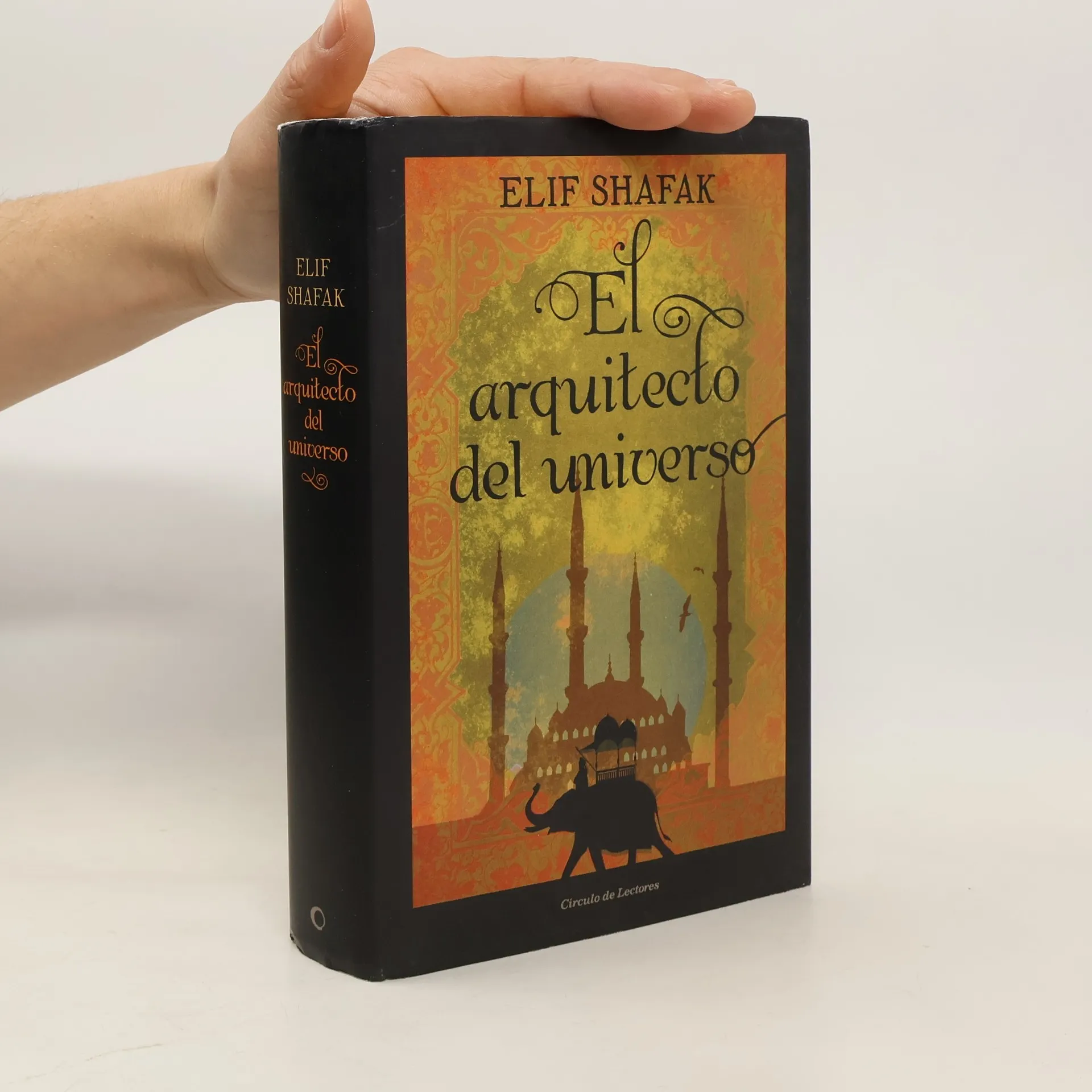
A colorful, magical tale set during the height of the Ottoman Empire, from the acclaimed author of The Island of Missing Trees (a Reese's Book Club Pick) Chosen for Camilla, Duchess of Cornwall’s “Reading Room” Book Club In this novel, Turkey’s preeminent female writer spins an epic tale spanning nearly a century in the life of the Ottoman Empire. In 1540, twelve-year-old Jahan arrives in Istanbul. As an animal tamer in the sultan’s menagerie, he looks after the exceptionally smart elephant Chota and befriends (and falls for) the sultan’s beautiful daughter, Princess Mihrimah. A palace education leads Jahan to Mimar Sinan, the empire’s chief architect, who takes Jahan under his wing as they construct (with Chota’s help) some of the most magnificent buildings in history. Yet even as they build Sinan’s triumphant masterpieces—the incredible Suleymaniye and Selimiye mosques—dangerous undercurrents begin to emerge, with jealousy erupting among Sinan’s four apprentices. A memorable story of artistic freedom, creativity, and the clash between science and fundamentalism, Shafak’s intricate novel brims with vibrant characters, intriguing adventure, and the lavish backdrop of the Ottoman court, where love and loyalty are no match for raw power.
Kararır gökyüzü bazen; kasvetli bulutlar kaplar semayı. Hayatın ritmi durağanlaşır, sohbetler bildikleşir, içimizde birikir yalnızlık hissi. Nasıl özleriz güneşi o zaman, griler içinde aradığımız bir tutam renk demeti. Peri tozu gibi, inceden. Gönülden yazılmış her roman, her hikâye, her kelime bir şemsparedir... Güneş parçası... Düşer omuzlarımıza, kar tanesi gibi usulca, yağmur gibi yıkar ruhumuzu, arındırır tozdan kirden tekdüzeliklerden...
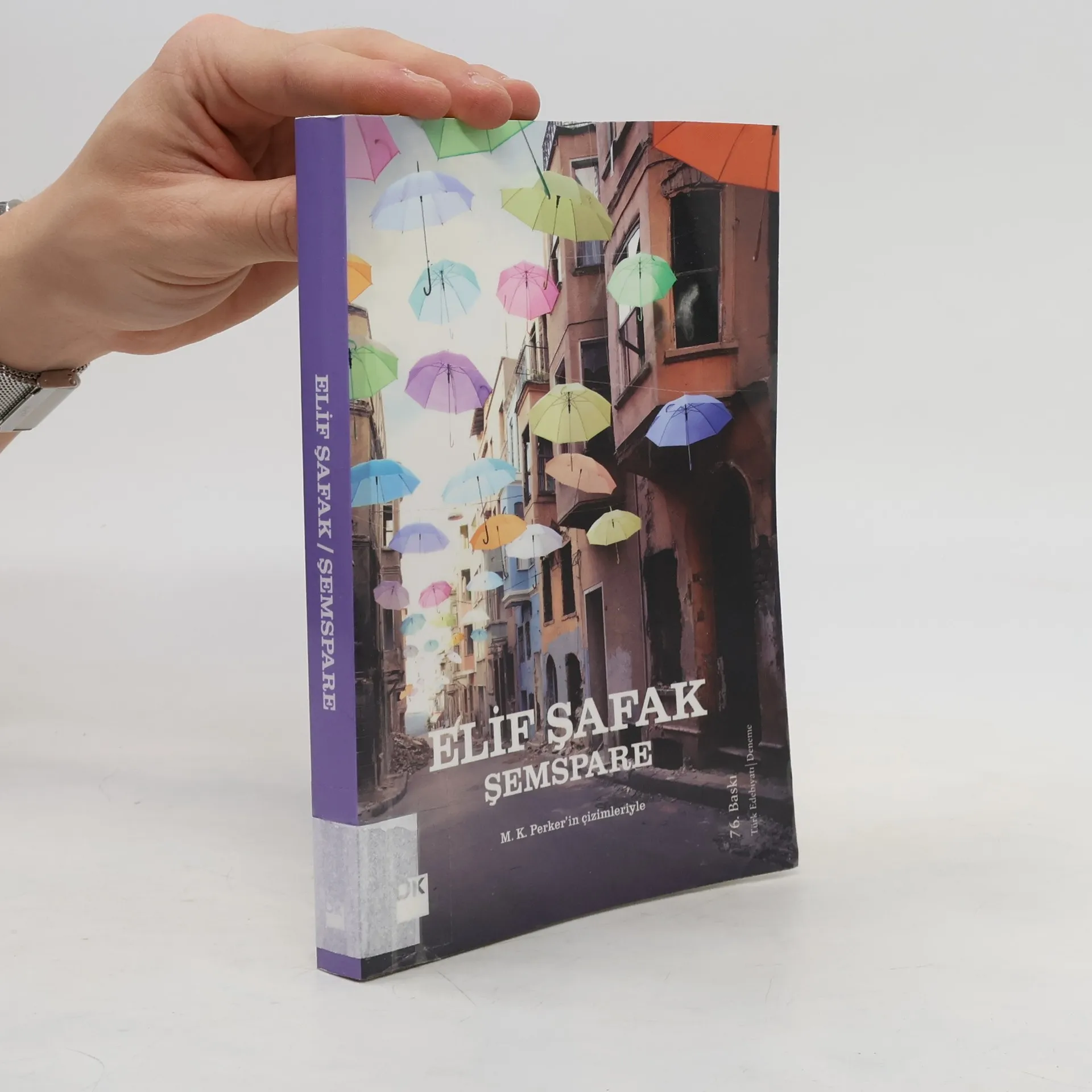
Tadına doyulmaz, kimi zaman kışkırtıcı, kimi zaman sakinleştirici ama ruhu hep özgür kalan yazılar.... İnsan ki eşrefi mahlukattır, içindeki semavi özü keşfetmekle yükümlüdür. Çıkacaksın yollara, kendine doğru git gidebildiğin kadar. Keşif boynumuzun borcudur. Kendimizi keşfetmek, aşkı keşfetmek, dünyayı keşfetmek, Ötekini keşfetmek... (…) Çakılı kalmamak sırf alışkanlıklardan ötürü demir attığın koylara. Çıkmak oralardan, geçmek dalgakıranların beri tarafına, bilmediğin memleketlere varmak, tatmadığın yemekler yemek, sözlerini anlamadığın şarkılarla içlenmek, risk almak, dağılmak ve parçalanmak ve hasret çekmek buram buram, gurbetin tadına bakmak ve kendini yabancının gözünden görmek, şaşırmak yeniden, şaşırmak bir çocuk gibi dünyanın hallerine, çeşitliliğine, güzelliğine, acımasızlıklarına... şaşırmak ölene kadar... şaşırma kabiliyetini hiç yitirmemek... budur son tahlilde Âdemoğullarına, Havvakızlarına kendilerini keşfettirten serüven.

La historia de una familia kurdo-turca que se traslada a Londres en los años 70 sirve de motor narrativo para contar el difícil encaje de tradiciones distintas.
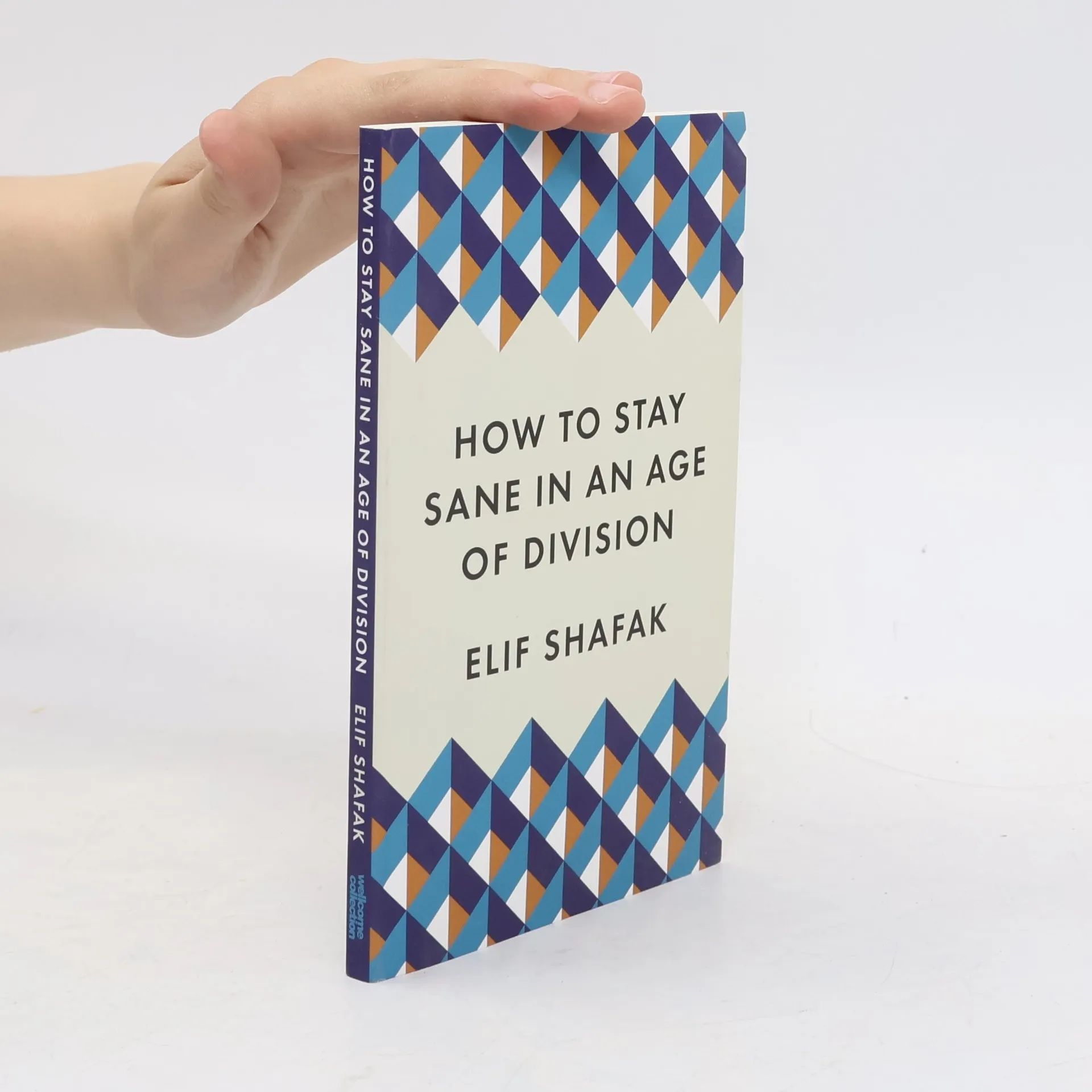
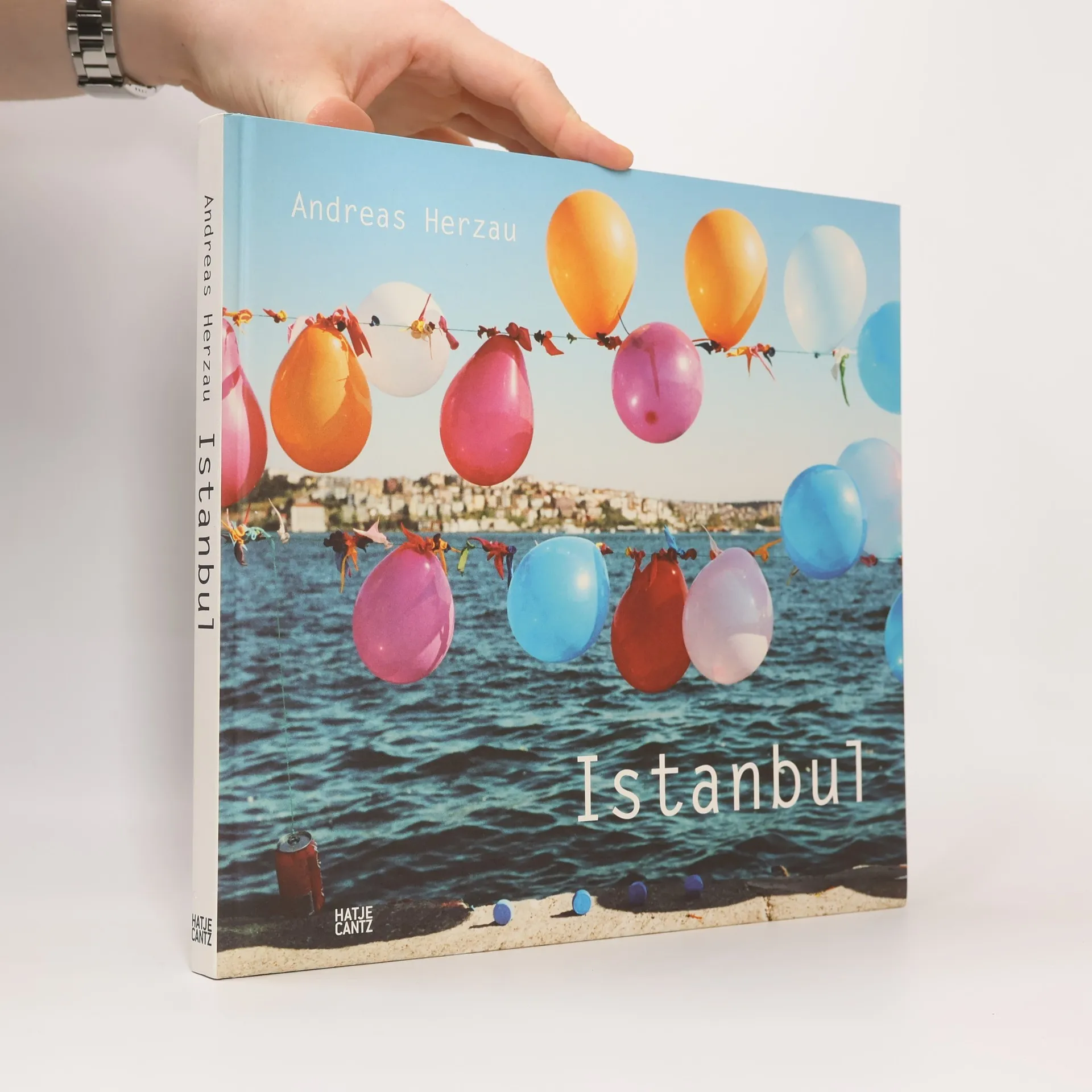
With an essay by renowned Turkish author Elif Safak.The debate surrounding Turkey’s potential membership in the European Union prompted Andreas Herzau to take a closer look at this country. Istanbul is situated at the border between Europe and Asia, and it was there that he found a concentrate of the challenges facing Turkey today. Yet the city also displays the opportunities that are open to the country as a whole. Herzau’s images capture precisely the many facets of the Turkish port: workers being ferried from one continent to the other, Muslims at prayer, people window shopping and looking at fashion advertising. Working with the genre of street photography, the photographer discovers the city on foot—watching, walking, and waiting until the pictures find him. In this way, the photographer creates spontaneous snapshots of public life. And since people from all walks of life are encountered on the street, the photographs reveal much about present-day conditions and a life between tradition and modernity.
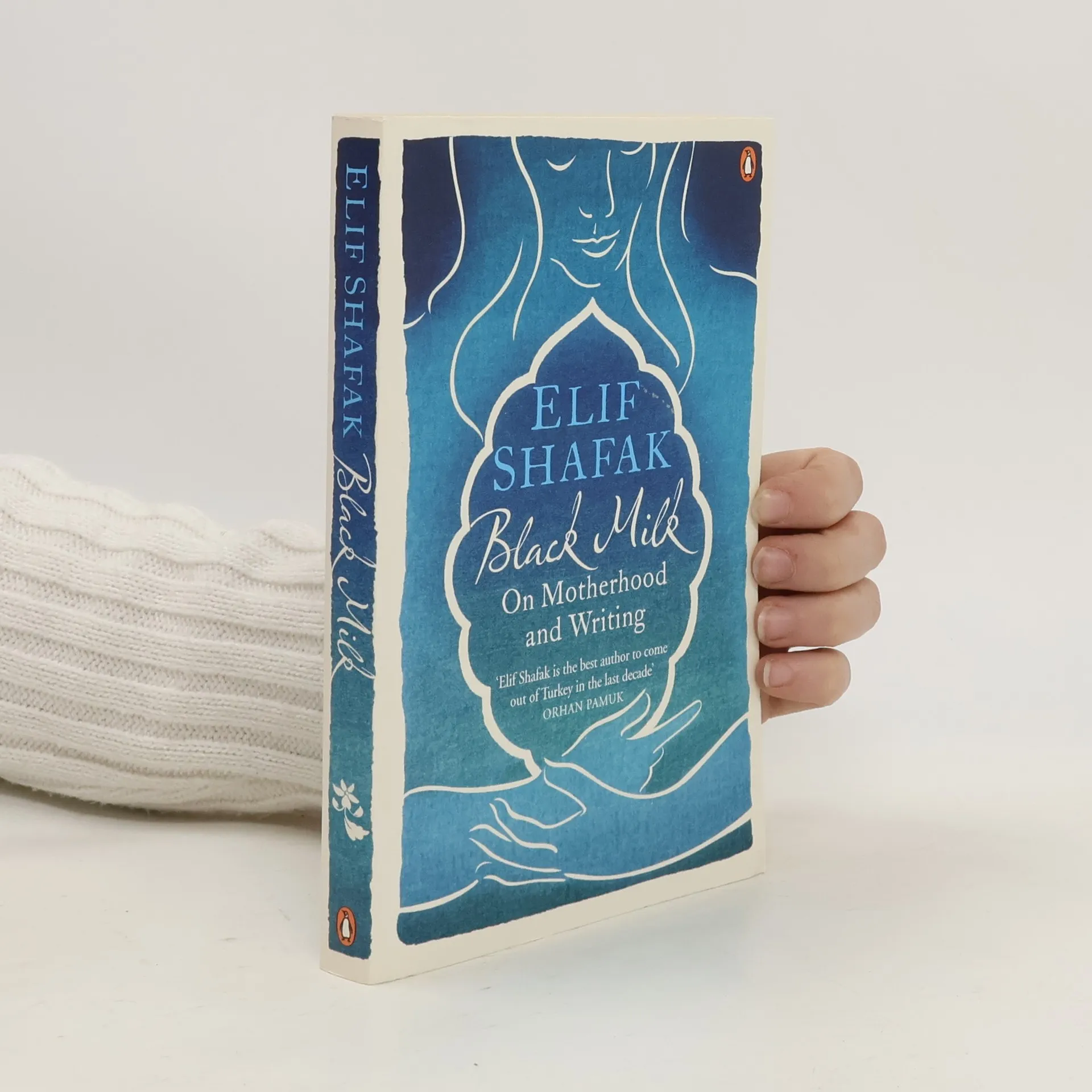
The author recounts her effort to balance her writing career and her parenting responsibilities, describing her battle with postpartum depression, her views on prominent women authors, and the many roles she embraced throughout her journey.
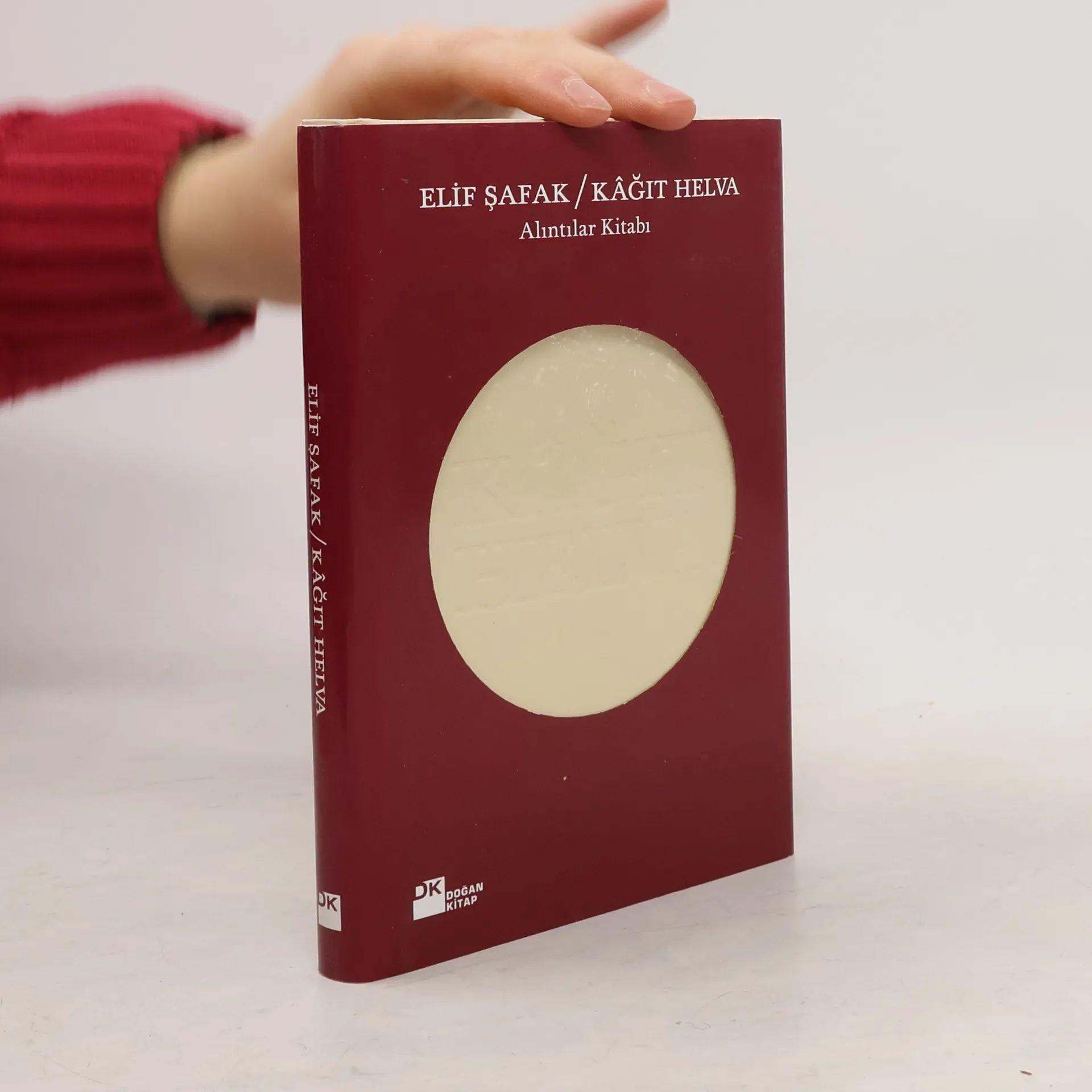
(...) Derken o yolculukta bir an geliyor, durup geriye bakma gereği duyuyorum. Geçtiğim yolları, uğradığım durakları, güzergah boyu karşılaştıklarımı anımsıyorum. Bu kitap dünden bugüne yazdıklarımdan ufacık bir seçkidir. Bir alıntılar kitabı. Karın doyursun diye değil, tadımlık niyetine. Kağıdın üzerine konmuş birkaç tatlı kelam. Kağıt Helva...
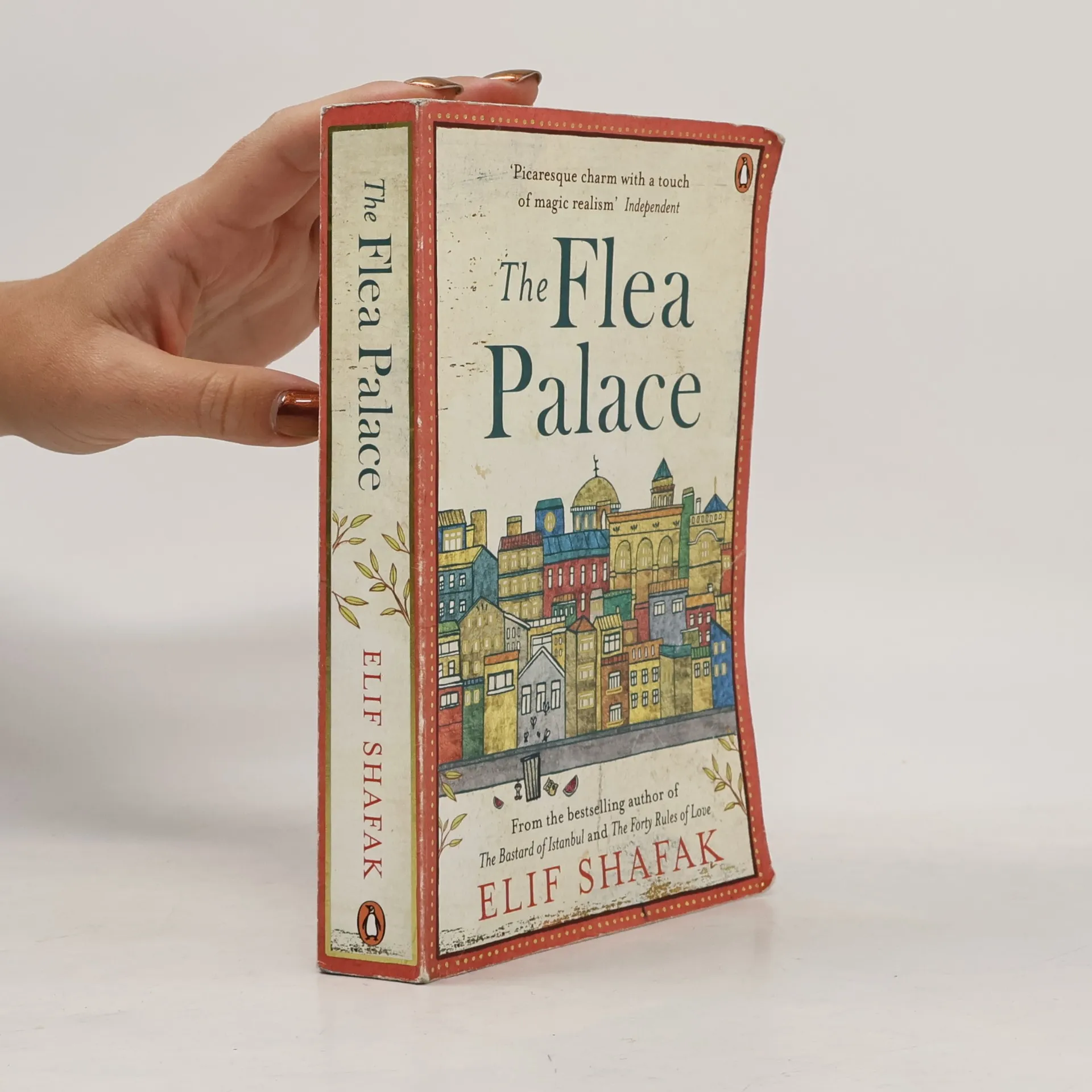
Set within a once-stately apartment block in Istanbul, The Flea Palace tells the story of Bonbon Palace, built by Russian noble émigré Pavel Antipov for his wife Agripina at the end of the Tsarist reign. It is now sadly dilapidated, flea-infested, and home to ten very different individuals and their families. Elif Shafak gives us a bird's-eye insight into each apartment, and we see their comic and tragic lives unfold.
From award-winning writer Elif Shafak, the Orange Prize long-listed author of The Forty Rules of Love and The Architect's Apprentice, The Gaze is a humorous and carnivalesque exploration of what it means to look and be looked at... An obese woman and her lover, a dwarf, are sick of being stared at wherever they go and so decide to reverse roles. The man goes out wearing make-up and the woman draws a moustache on her face. This elegant, unforgettable novel explores our desire to look at others. 'Beautifully evoked' The Times 'Original and compelling' TLS
Freundschaft und Liebe, Tradition und Veränderung, Sprache und Nationalität im Schmelztiegel des modernen Amerika. Wenn Omar eines in den wenigen Monaten in Boston gelernt hat, dann dies: Amerikaner lieben es, wenn sie Namen aussprechen können. Den Namen von jemand anderem zu lernen heißt, einen Teil seiner Existenz zu verstehen. Und so hat sich Ömer in Omar verwandelt, ist in eine WG mit Abed und Piyu gezogen und hat sich Hals über Kopf in die ausschweifende Amerikanerin Gail verliebt. Was Gail und Omar vereint, ist das Gefühl, nur in ihrer Beziehung sie selbst sein zu können. Auch wenn ihre Vorstellung vom amerikanischen Traum nicht dieselbe ist ... »Die Heilige des nahenden Irrsinns« – der erste Roman, den Elif Shafak auf Englisch geschrieben hat – fasziniert mit all den Themen, die ihr gesamtes Werk prägen: Identität, Kultur und Sprache.

Spiegel der Stadt ist ein fesselnder historischer Roman von Elif Shafak, der den Leser durch ein ernstes Thema unterhält. Die Handlung beginnt im Spanien der Inquisition im 17. Jahrhundert und erstreckt sich über Italien bis ins Osmanische Reich. Die jüdischstämmige Familie Pereira wird von der Inquisition verfolgt, wobei Neid der Auslöser für ihre Verfolgung ist. Eine verbotene Liebe dient als Vorwand für die nächtliche Verhaftung durch die Inquisitoren. Kurz vor der Katastrophe, dem Verbrennen auf dem Scheiterhaufen, gelingt es zwei Familienmitgliedern, nach Istanbul zu fliehen, wo sie eine neue Heimat unter den Sepharden finden. Im Mittelpunkt stehen große Gefühle, insbesondere die leidenschaftliche Liebe zwischen Isabel und Miguel, die die historische Realität greifbar machen. Gleichzeitig bietet der Roman einen realistischen Blick auf oft vergessene Dimensionen einer dunklen Phase der europäischen Geschichte. Die Aktualität des Werkes wird durch die Thematisierung der Beziehungen zwischen Judentum, Christentum und Islam verstärkt, die eine andere Vergangenheit aufweisen, als sie in der heutigen politischen und medialen Darstellung vermittelt wird. Shafak hinterfragt auch die exotischen Vorstellungen des "Orients" und karikiert dabei subtil bekannte türkische Schriftsteller.
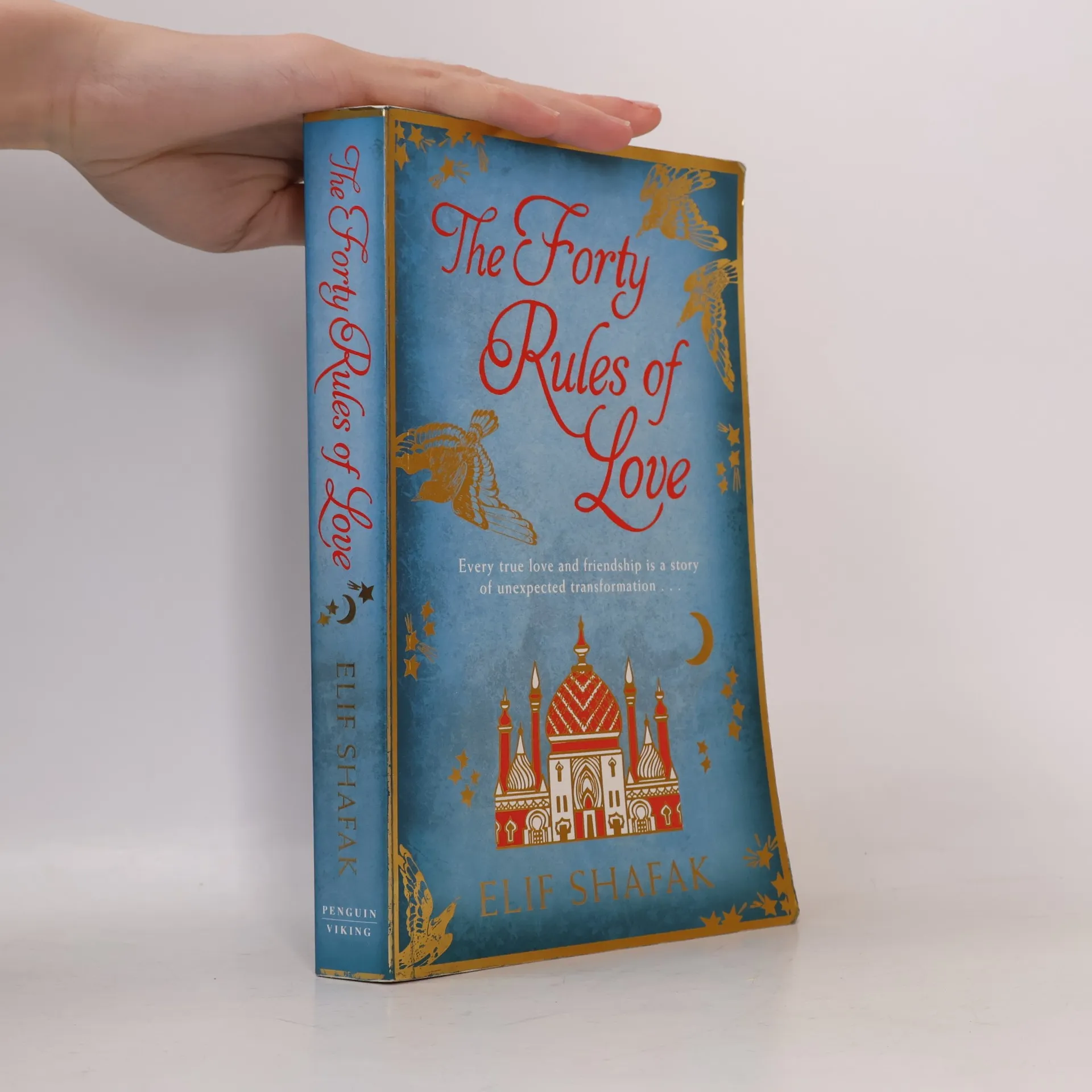
Ella Rubenstein is forty years old and unhappily married when she takes a job as a reader for a literary agent - and suddenly her life is transformed. Her first assignment is to read a novel about the ancient Sufi mystic, Rumi, who was transformed by the whirling dervish into a passionate poet and advocate of love. Slowly she realizes that his thirteenth-century life is starting to mirror her own, and in doing so it opens up exciting opportunities for her to embrace the dervish's timeless message for herself. This is a mesmerizing novel about finding love and inspiration in the most unlikely of places. 'With its timely, thought-provoking message . . . The Forty Rules of Love deserves to be a global publishing phenomenon.' Independent