
Bookbot

Peter Wilberg

    Peter Wilberg
    The New Yoga. Tantra Reborn
    Dreams, Music and the Many Faces of the Soul
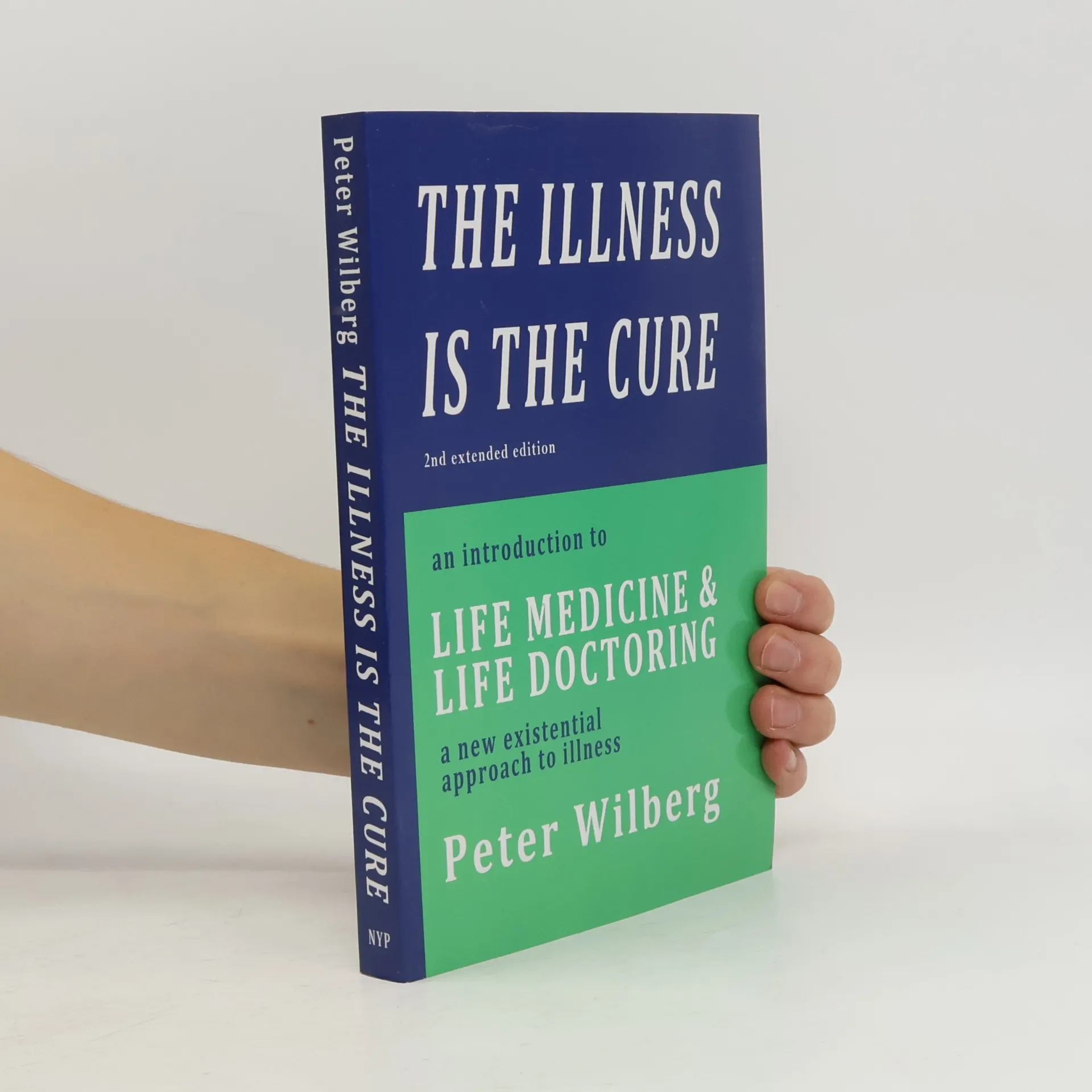
    The Illness is the Cure. 2nd Extended Edition
    Business English
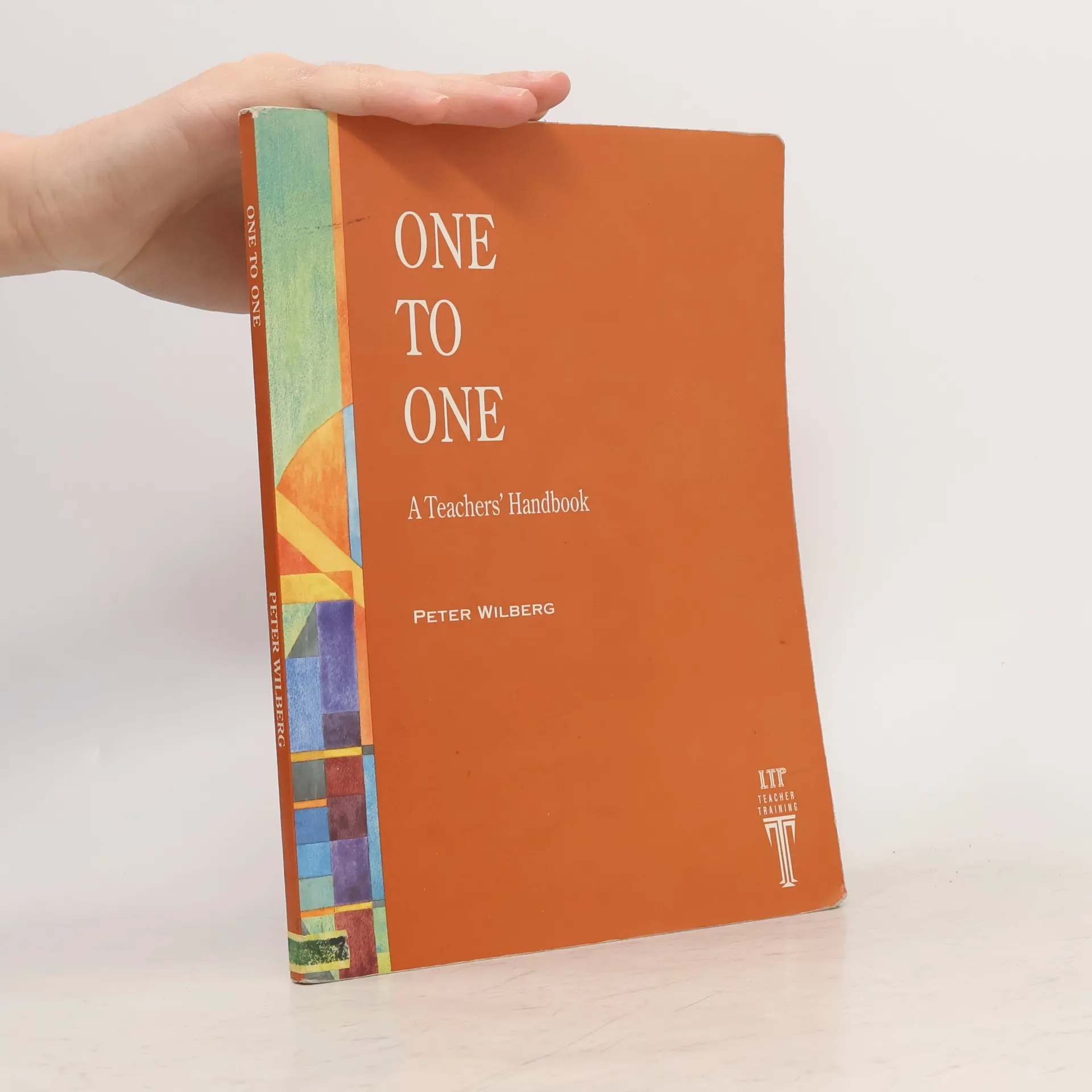
    One to one. A teachers' handbook
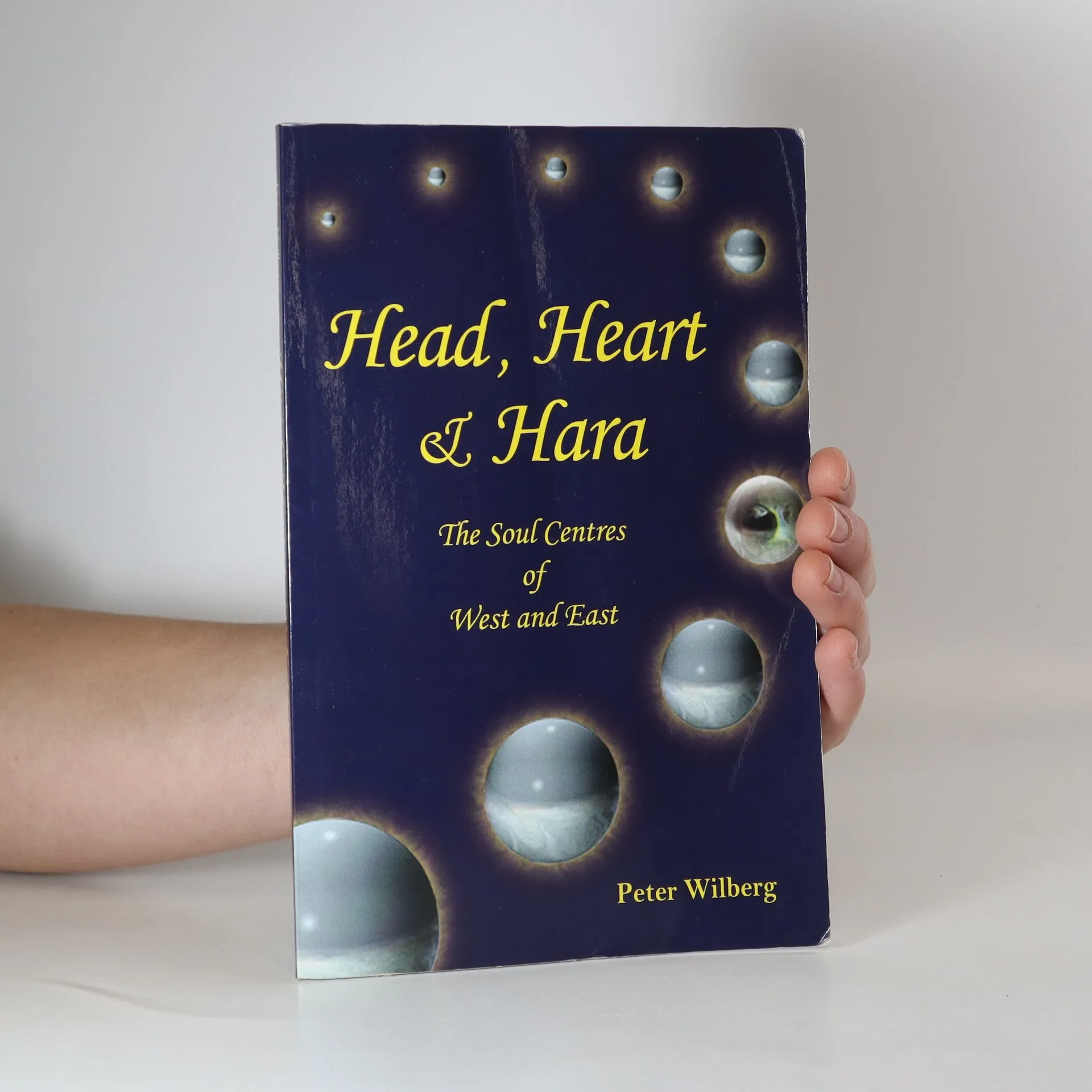
    Head, Heart and Hara
    • Head, Heart and Hara

      • 164 páginas
      • 6 horas de lectura

      An ancient Daoist saying tells us "When you are sick, do not seek a cure. Find your centre and you will be healed." The centre it refers to is located deep in the sensed interiority of our belly, that abode of the soul known in Japanese as hara. 'Depression' (a word with no equivalent in Japanese) is, in essence, a lack of hara. With hara awareness we not only recontact our own innermost soul depths and soul centre. We learn to make contact with others from that centre - to experience true intimacy of soul. Hara awareness is both an alternative to medical and psychiatric 'cures' and the basis for a genuinely psychological medicine - an anatomy of the soul-body. Head, Heart and Hara contrasts the head- and heart-centred culture of the West with the hara culture of Japan. It also shows how hara awareness can unite the primordial wisdom of both East and West. Peter Wilberg brings together the dao of Lao Tse and the logos of Heraclitus in a new spiritual anatomy of the soul and its body.
      Head, Heart and Hara
      4,0
    • One to one. A teachers' handbook

      • 168 páginas
      • 6 horas de lectura

      ONE TO ONE is a handbook for teachers of business and executive English. It provides teachers with an approach and highly practical ideas for the small group and one to one teaching situation.

      One to one. A teachers' handbook
      3,7
    • Business English

      • 159 páginas
      • 6 horas de lectura

      Libro usado en buenas condiciones, por su antiguedad podria contener señales normales de uso

      Business English
      2,5
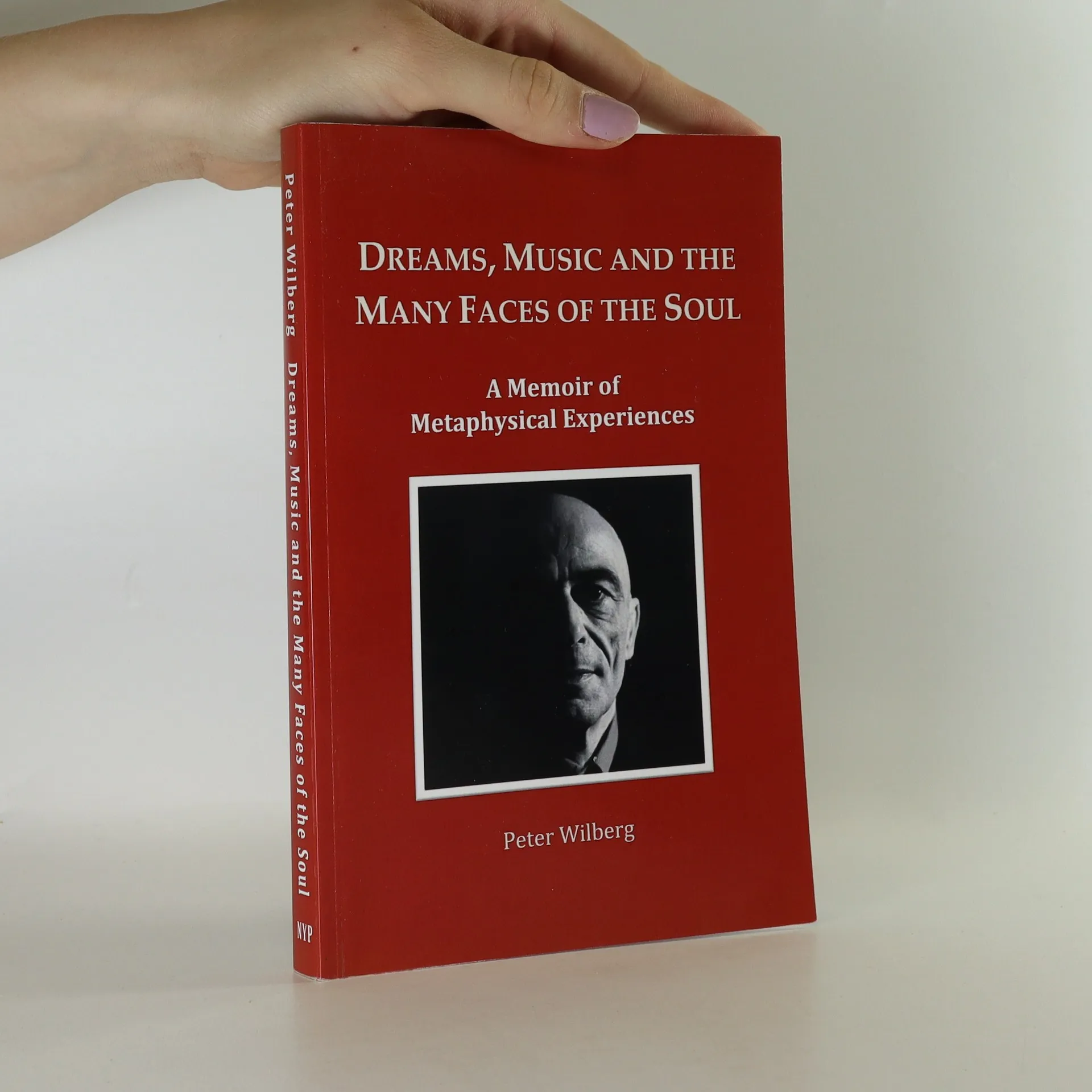
    • Dreams, Music and the Many Faces of the Soul

      • 220 páginas
      • 8 horas de lectura

      “What the philosopher is, is hard to learn, because it cannot be one has to ‘know’ it from experience.” “A that is a human being who constantly experiences, sees, hears … dreams extraordinary things.” Friedrich Nietzsche It is not often that an Oxford philosophy student spends his spare time flying over carefully tended college lawns. In this volume of selected memoirs, Peter Wilberg reveals himself as a philosopher in the Nietzschean one who has indeed experienced “extraordinary things”. In it, he offers us a glimpse into the lifetime of ‘metaphysical experiences’ which lie behind his numerous philosophical books and writings. Though many of these experiences would be considered ‘paranormal’, Peter Wilberg shows us how through them, he came to his own unique metaphysical or ‘paraphilosophical’ insights - for example into the nature and relation of ‘self’ and ‘soul’, the body and ‘out of body’ states, dreaming and music, language and sound, ‘mantra’, ‘yoga’ and ‘tantra’. He also presents a first-hand account of the origin and evolution of the original and extraordinary form of joint, face-to-face ‘pair meditation’ which became so central to his life and work as both philosopher and ‘yogin’, recounting some of the extraordinary dimensions of shared metaphysical knowledge and experiencing, both interpersonal and transpersonal, mystical and musical, esoteric and scientific, erotic and religious - into which they can lead.

      Dreams, Music and the Many Faces of the Soul
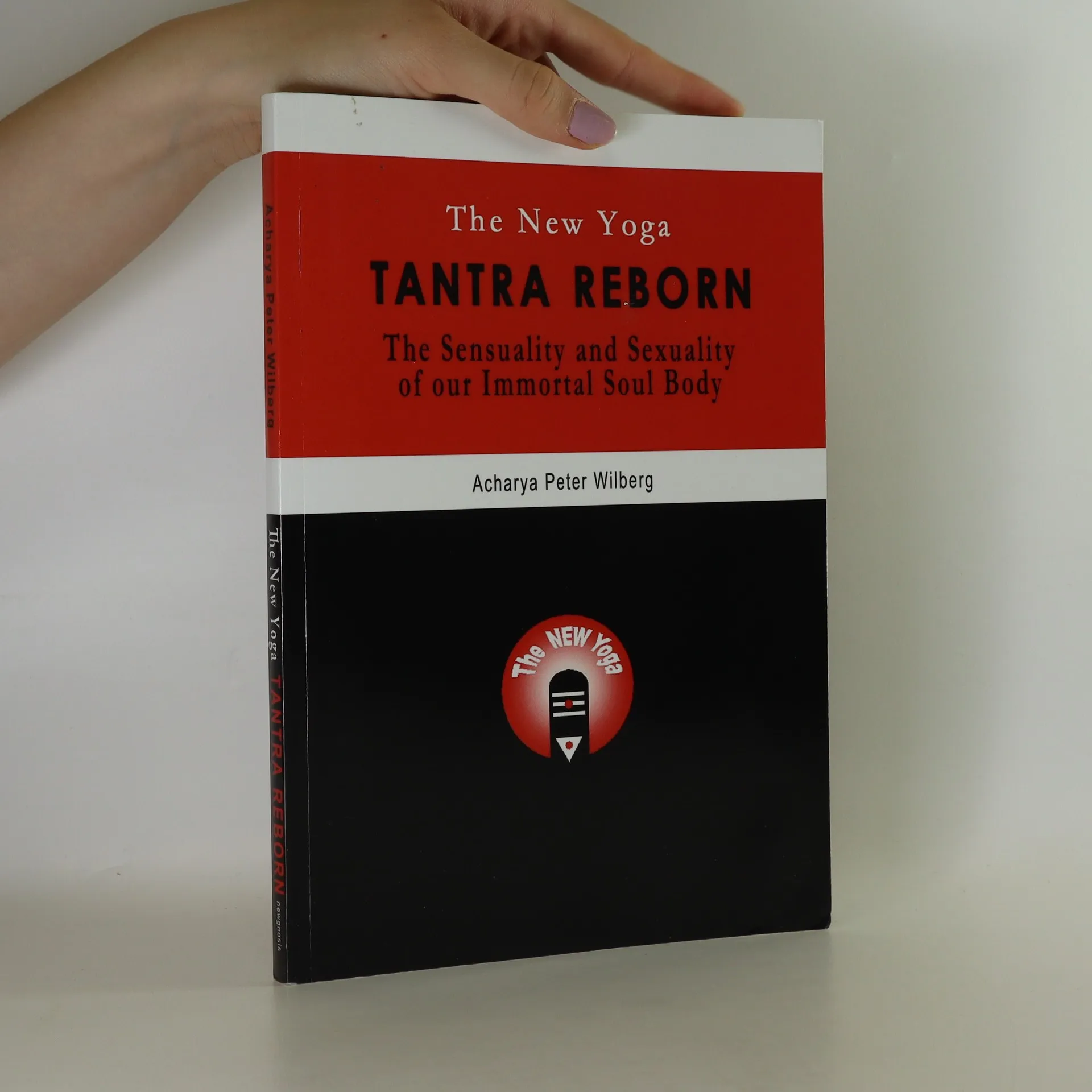
    • The New Yoga. Tantra Reborn

      • 162 páginas
      • 6 horas de lectura

      What would it be like to know that you are indeed immortal - that your physical body is but an outward form taken by your own eternal inner form or 'soul body'? What would it be like to experience this soul body as an awareness that is not bounded by your skin but pervades the entire universe - and that can merge with the awareness or 'soul' of others? In this way you can come to experience the bliss of true 'tantra' and 'tantric sex'. This is no mere sensual or spiritual intensification of biological sex but something much deeper - a deeply sensual and sexual intercourse of soul of a sort that requires no skin contact whatsoever - for its sole medium is our divine soul body. Tantra Reborn' introduces this wholly new understanding - and experience - of the tantric tradition and its sexual symbolism, as well as its basis 'The New Yoga'. For this is not a yoga of the physical body or of some 'energy body' but of the soul body itself - our body of sensual feeling awareness or 'soul'.

      The New Yoga. Tantra Reborn
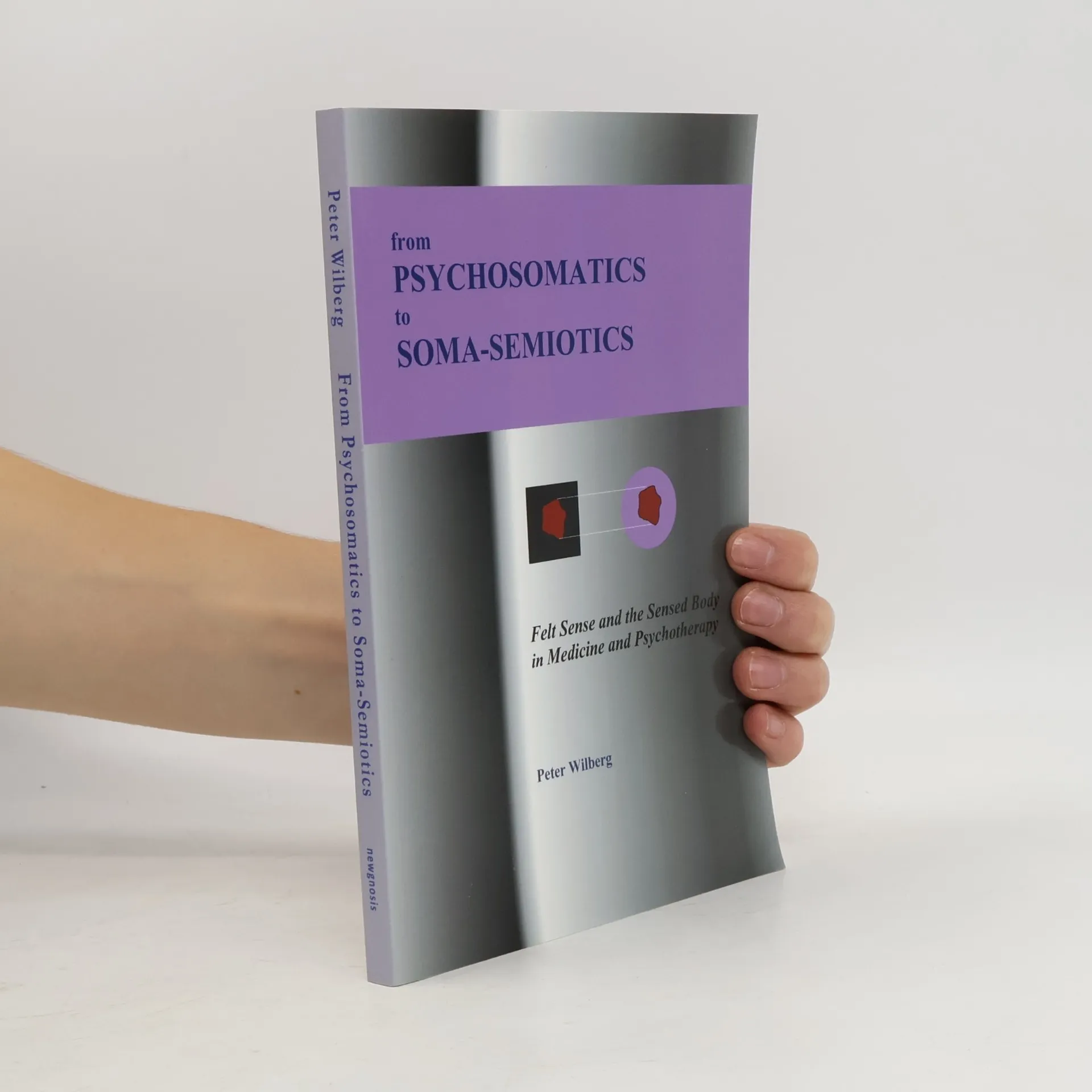
    • From Psychosomatics to Soma-Semiotics

      Felt Sense and the Sensed Body in Medicine and Psychotherapy

      • 212 páginas
      • 8 horas de lectura

      Semiotics is the study of 'signs' or 'signifiers' such as words. Psychotherapists seek to understand or interpret the verbal and behavioural signs of an individual's emotional dis-ease. Medical physicians and psychiatrists seek to diagnose both bodily and behavioural symptoms as signs of some organic 'disease' or 'disorder'. In doing so however, they make no semiotic distinction between the medically signified sense of an individual's symptoms and their directly felt or sensed significance - comparable to the felt sense or meaning of a word. Drawing on the work of Martin Heidegger, Jakob von Uexkull, Viktor von Weizsacker, Luis Chiozza, Arnold Mindell and others, Peter Wilberg brings out in an original way the profound medical as well as psychotherapeutic implications of Eugene Gendlin's method of Focusing with its key concept of 'felt sense' - the recognition that meaning or 'sense' is something that can itself be felt or sensed in an immediate bodily way, exploring in particular the relational dimension of 'bodily sensing'. Soma-semiotics is rooted in the principle that, as signs - and like dreams - somatic illnesses are an experience and expression of lived and felt meanings rather than simply a result of organic, biological, psychosocial, or psychosomatic 'causes'. A soma-semiotic understanding of illness can help both counsellors, therapists and medical professionals to used their own felt body to wordlessly sense and resonate a patient's felt dis-ease, thus coming to feel its meaning or sense directly rather than seeking only to signify that sense through medical terms or 'talking cures'. Consequently soma-semiotics also offers a new foundation for overcoming the on-going theoretical, institutional and professional separation between practitioners of 'psychotherapy' on the one hand and 'somatic' medicine on the other - a separation often maintained even in the personal lives of psychotherapists, and medical practitioners."

      From Psychosomatics to Soma-Semiotics
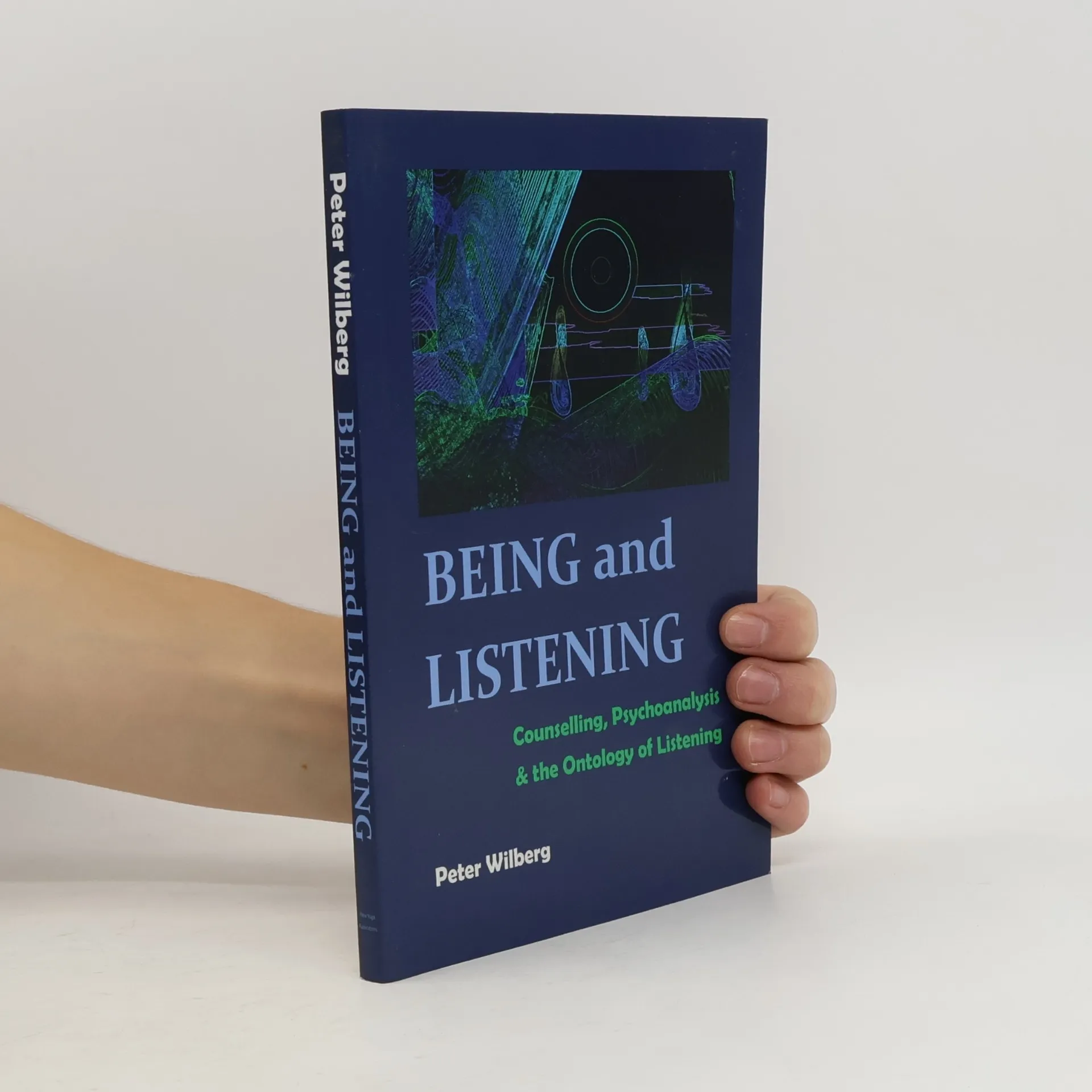
    • Being and Listening

      Counselling, Psychoanalysis and the Ontology of Listening

      • 182 páginas
      • 7 horas de lectura

      This book, the oldest and first of several publications by Peter Wilberg on the ontological dimension of listening in both psychotherapy and somatic medicine, is dedicated to the fulfilment of Martin Heidegger's hope that his thinking would ..".escape the confines of the philosopher's study and become of benefit to wider circles, in particular to a large number of suffering human beings." The German word for listening (zuhoren) belongs to a family of words including 'to hear' (horen), to belong (gehoren) and 'belonging together' (Zugehorigkeit). The essential unity or 'belonging together' of 'Being and Listening' was nowhere more strikingly affirmed than in a saying of the German thinker Martin Heidegger: "We hear, not the ear." This saying indicates that it is not bodies or ears but beings that hear. It also hints at a dimension of 'belonging together' or 'we-ness' in the activity of hearing and of listening. For how a human being addresses us, what they say to us - and the manner in which they say it - is itself and already a response to the way in which we are or are not listening to and 'hearing' them - the wavelength of our listening attunement to them. Conversely, as Heidegger goes on to say: ..".if we hear, something is not merely added to what the ear picks up; rather, what the ear perceives and how it perceives will already be attuned (gestimmt) and determined (bestimmt) by what we hear..." Such a Heideggerian 'language of listening', which speaks in a German vocabulary, may be unfamiliar to those whose approach to counselling is shaped by terminologies derived from Freud, Rogers or new 'cognitive' therapies. Yet it has a power to radically deepen our experience of what we call 'listening'; allowing us to understand it merely as a prelude to some form of therapeutic response - nor as a one among other counselling 'skills' or 'techniques' - but rather as our most primordial way of 'being with' and 'bearing with' another human being in pregnant silence. It through this capacity to patiently 'be' and 'bear with' another person's suffering that they in turn can come to be with and 'bear' it in a more patient way - thus granting it time to bear forth or give birth, not just to newly felt questions and insights, but to a whole 'inner bearing' towards their life world and relationships, i.e. to a new way of being - one itself rooted in a new way of listening.

      Being and Listening
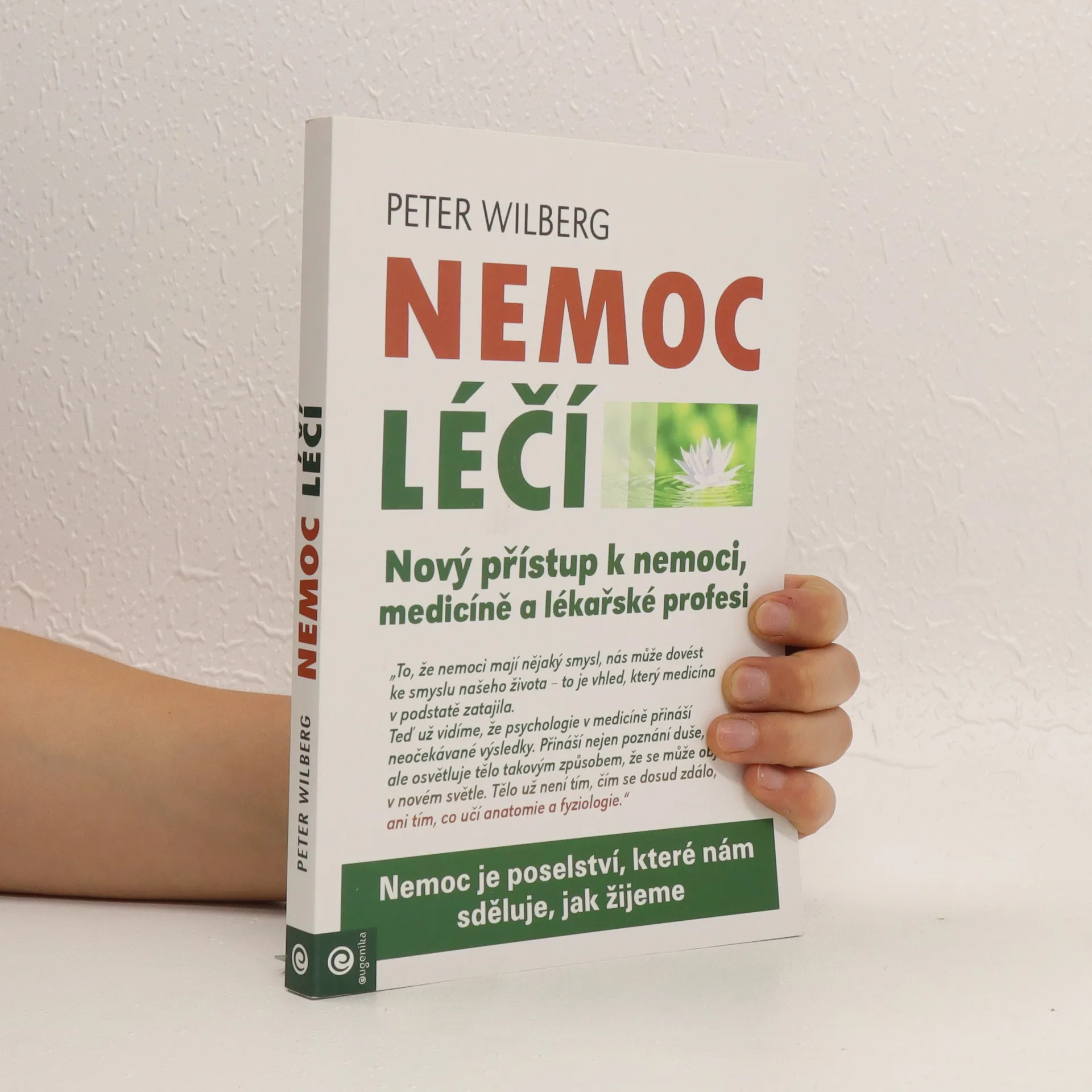
    • Nemoc léčí

      • 240 páginas
      • 9 horas de lectura

      Nový přístup k nemoci, medicíně a lékařské profesi Autor systematicky a empaticky zároveň tvoří koncept nového přístupu, který je načase zaujmout k medicíně, léčbě a prevenci nemocí. Navrhuje pro něj název "životní medicína" a "životní doktoring" a na příkladech názorně ukazuje, v čem by měl tento nový přístup spočívat. Zároveň rovněž analyzuje rozdíly mezi tímto novým konceptem a tradiční západní medicínou, ale i takzvanou alternativní medicínou (či různými léčitelskými metodami). Hlavní idea spočívá v tom, že nemoc je třeba chápat jako poselství, které se nám snaží sdělit něco důležitého o tom, jak žijeme a kde se zrovna nacházíme na své cestě. Takovýmto poselstvím se je samozřejmě třeba naučit rozumět, aby nám dávala smysl a plnila svůj účel. V tomto smyslu je úloha běžného doktora nebo lékaře, jehož v případě zdravotních problémů navštívíme, nesmírně důležitá. Doktor nám totiž může buď pomoct porozumět této svérázné řeči, anebo ji také mohou umlčet necelistvým, čistě tělesným, mechanickým přístupem a řešením.

      Nemoc léčí
      4,0