

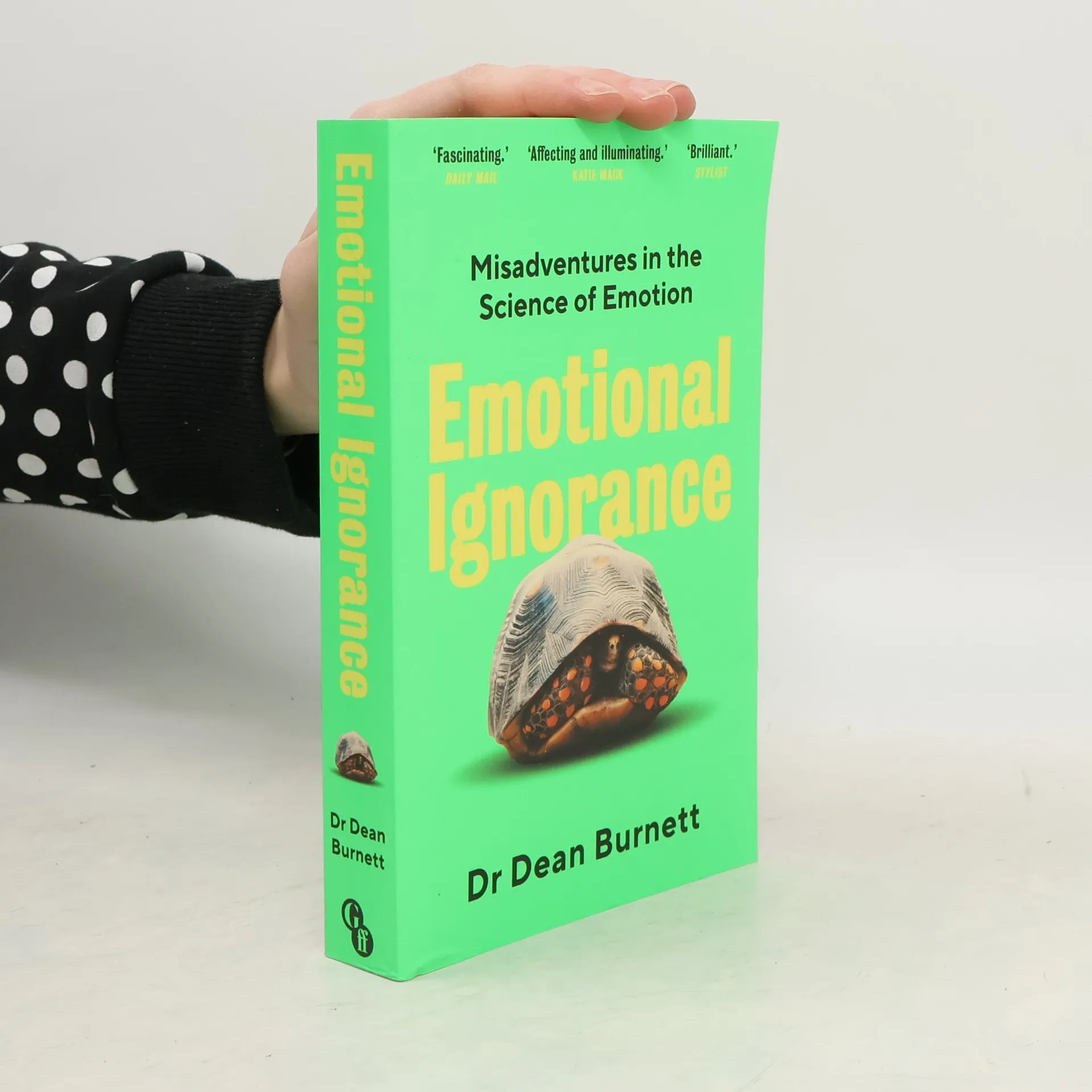
After losing his dad, a neuroscientist goes on a journey of discovery into where our emotions come from, what purpose they serve, and why they make us feel the way they do.
Dean Burnett Orden de los libros (cronológico)
Dean Burnett es un neurocientífico y profesor de psiquiatría, célebre por su columna satírica de ciencia en The Guardian y sus aclamados libros internacionales. Combina magistralmente su experiencia en neurociencia y psiquiatría con humor y habilidad para contar historias. Su escritura se caracteriza por agudas observaciones del cerebro y el comportamiento humano, a menudo reveladas a través de explicaciones atractivas y accesibles. Las obras de Burnett profundizan en las complejidades de la mente con una perspectiva única que no solo informa, sino que también entretiene y provoca la reflexión en los lectores.



Why Your Parents Are Driving You Up the Wall and What To Do About It
- 336 páginas
- 12 horas de lectura
"Get up or you'll miss the best part of the day!" "You treat this place like a hotel.""Can you just put that phone down for one minute?!"After years of reliable performance, has something recently gone wrong with your parents? Do you find yourself stressed out, arguing about the most ridiculous things? Do you feel like you're processing the same world with entirely different brains? Would all of you like to fix things?There are hundreds of books for parents about how to deal with their teenagers. For the first time, doctor of brains and international bestselling author, Dean Burnett has written a book FOR teenagers to understand just what on earth is going on. From why parents are obsessed with tidiness, to why they won't let you get enough sleep and generally why they don't seem to get anything, this guide covers all the major parental malfunctions.By understanding the science behind where your parents are coming from, you'll know exactly how to troubleshoot conflict when it occurs and even fix it before it does.You'll never be able to remove arguments completely. But imagine what you'd be capable of if you weren't wasting all that time and energy arguing about tidying your room.
El cerebro feliz
La explicación científica de dónde se origina la felicidad y por qué
- 408 páginas
- 15 horas de lectura
The pursuit of happiness is one of the most common and enduring quests of human life. It’s what drives us to get a job, fall in love, watch stand-up comedy, go to therapy, have questionable obsessions, and come home at the end of the day. But where does happiness come from, and why do we need it so much? Is lasting, permanent happiness possible—or should it be? And what does any of this have to do with the brain? In this delightful sequel to Idiot Brain , neuroscientist Dean Burnett explores these questions. He combines the latest research and theories about how the brain works with interviews and contributions from relevant individuals, such as relationship experts, psychology professors, comedy writers, celebrities, millionaire gurus, and pretty much anyone else involved in bringing about happiness in others. Distinguished by Burnett’s signature wit and curiosity, Happy Brain elucidates our understanding of what happiness actually is, where it comes from, and what exactly is going on in our brains when we’re in a cheery state. Humorous and enlightening, Happy Brain explores a fascinating aspect of modern neuroscience and, in the process, reveals something about what it means to be human.
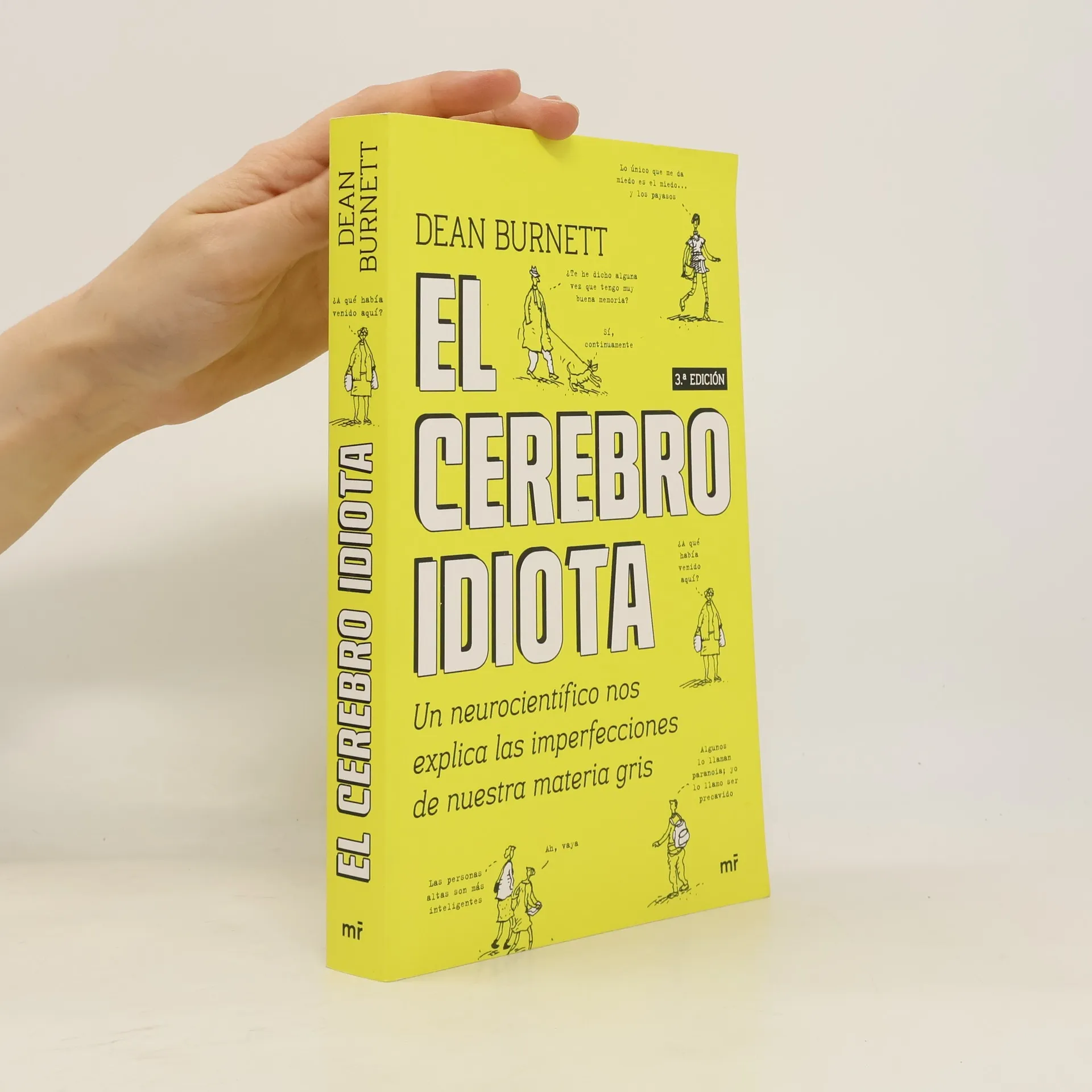
El cerebro idiota
Un neurocientífico nos explica las imperfecciones de nuestra materia gris - 3.ª edición
- 408 páginas
- 15 horas de lectura
¿Por qué pierde discusiones con personas que saben mucho menos que usted? ¿Por qué recuerda a esa mujer pero no su nombre? ¿Por qué, tras una ruptura, se queda en el sofá, hecho un ovillo? La respuesta radica en las peculiaridades de nuestro cerebro. A pesar de ser considerado brillante y avanzado, el cerebro humano es desordenado y falible. Por ejemplo, su memoria es egoísta y las teorías de conspiración surgen de un cerebro sano. Sorprendentemente, el alcohol puede incluso mejorar nuestra memoria. En este libro, el neurocientífico Dean Burnett nos guía a través de los entresijos de nuestra materia gris y blanca, explorando las imperfecciones del cerebro humano y su impacto en nuestras acciones y experiencias. Con un estilo ameno y basado en estudios de expertos, esta obra es perfecta para quienes se han preguntado por qué su cerebro parece sabotear su vida y qué sucede en su interior. *Nota del editor: Se recomienda leer el libro antes de intentar aplicar esta teoría en la práctica.