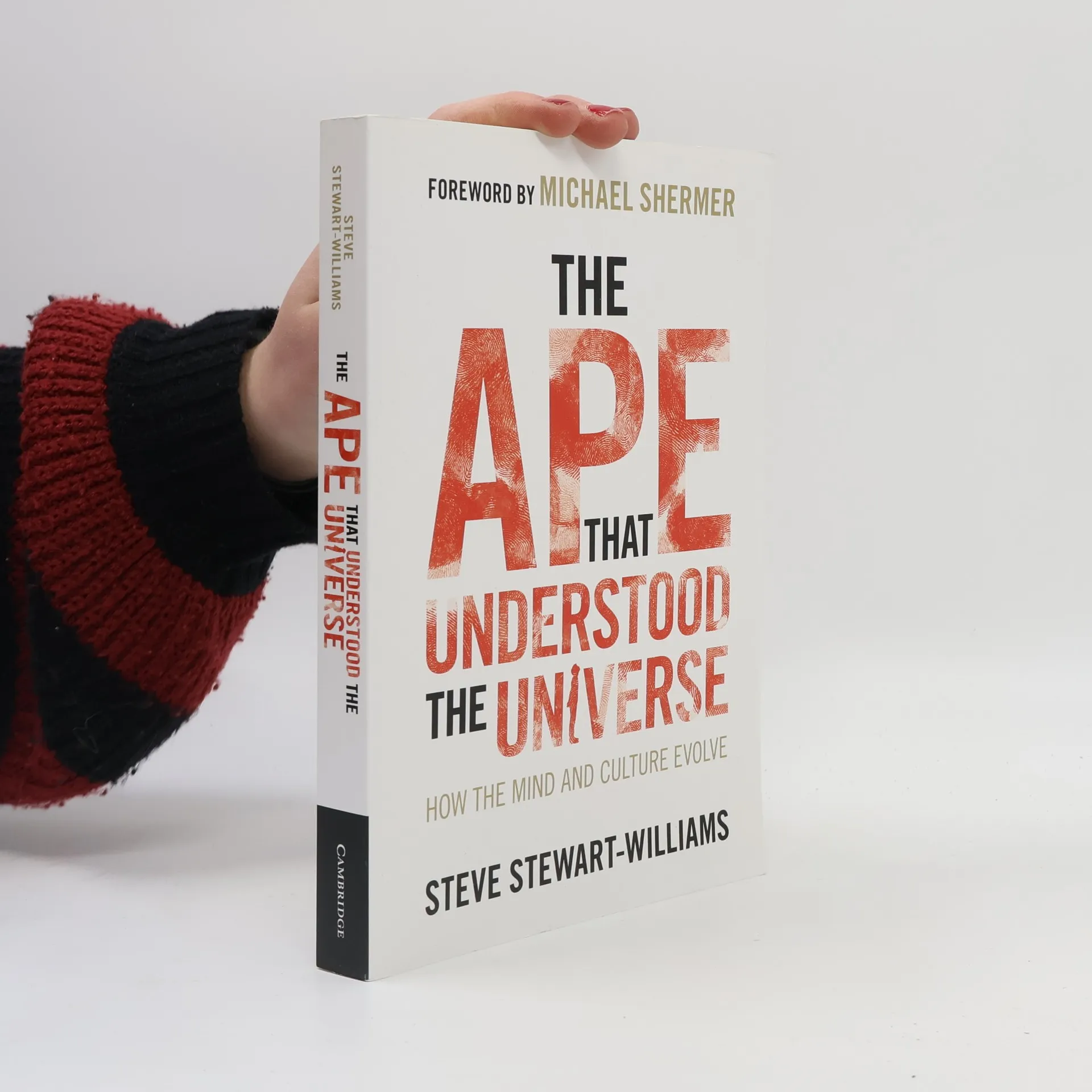
Exploring the complexities of the human mind, this work employs evolutionary psychology and cultural evolutionary theory to provide insights to an alien scientist. It delves into the origins of human behavior, thought processes, and cultural developments, offering a unique perspective on what makes humanity distinct. Through this imaginative lens, the book seeks to unravel the intricacies of human nature and the evolutionary factors that shape our psychology and culture.
Michael Shermer Libros
8 de septiembre de 1954
Michael Shermer se dedica a la investigación y refutación de afirmaciones pseudocientíficas y sobrenaturales, lo que refleja un profundo compromiso con la historia de la ciencia y la promoción de la investigación escéptica. Escribe para un público amplio, explorando las fronteras del conocimiento y la creencia humana. Su obra desafía a los lectores a adoptar un pensamiento crítico y un enfoque racional ante la información que encuentran en el mundo moderno.



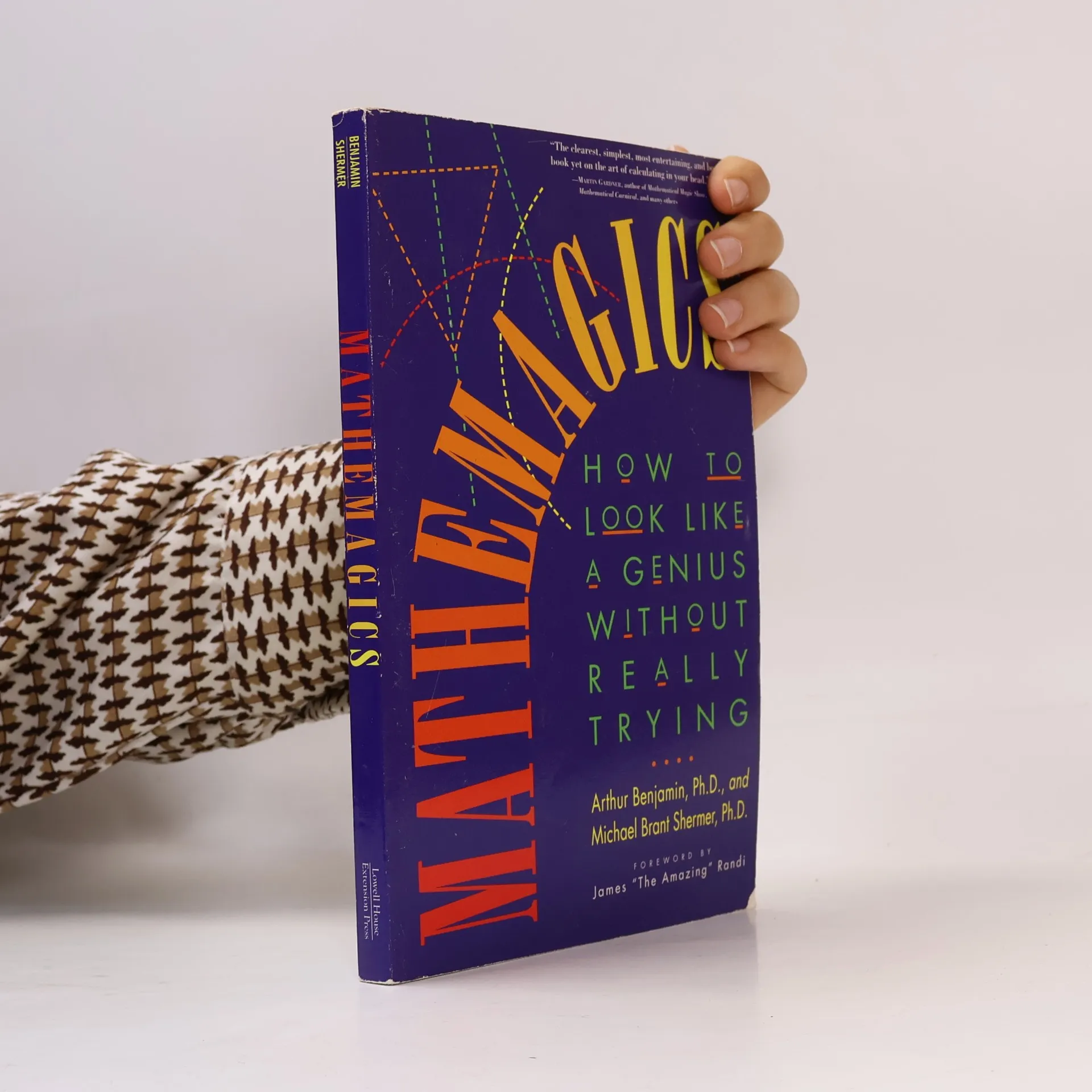
Secrets of lightning calculation and how to perform mind-boggling mental feats.
Bestselling author Shermer presents a comprehensive and provocative theory on how beliefs are born, formed, reinforced, challenged, changed, and extinguished.
Denying history : who says the Holocaust never happened and why do they say it?
- 330 páginas
- 12 horas de lectura
Denying History takes an in-depth look at those claiming the Holocaust never happened, exploring their motivations. While many dismiss Holocaust deniers as antisemitic neo-Nazis not deserving response, historians Michael Shermer & Alex Grobman have immersed themselves in their minds & culture. They've interviewed deniers, read their literature, monitored their Web sites, attended their conferences, debated them, even traveled thru Europe to conduct research at the extermination camps. Uncovering a complex social movement, the authors go deeper than ever before in not only trying to understand deniers' motives, but also refuting their points. In the process, they show how one can be certain the Holocaust happened &, for that matter, how one confirms any historical event.List of IllustrationsForewordA Note on TerminologyAcknowledgmentsIntroductionFree Speech & HistoryInside the Denial MovementArguments & RefutationsTruth & HistoryEpilogueNotesBibliographyIndex
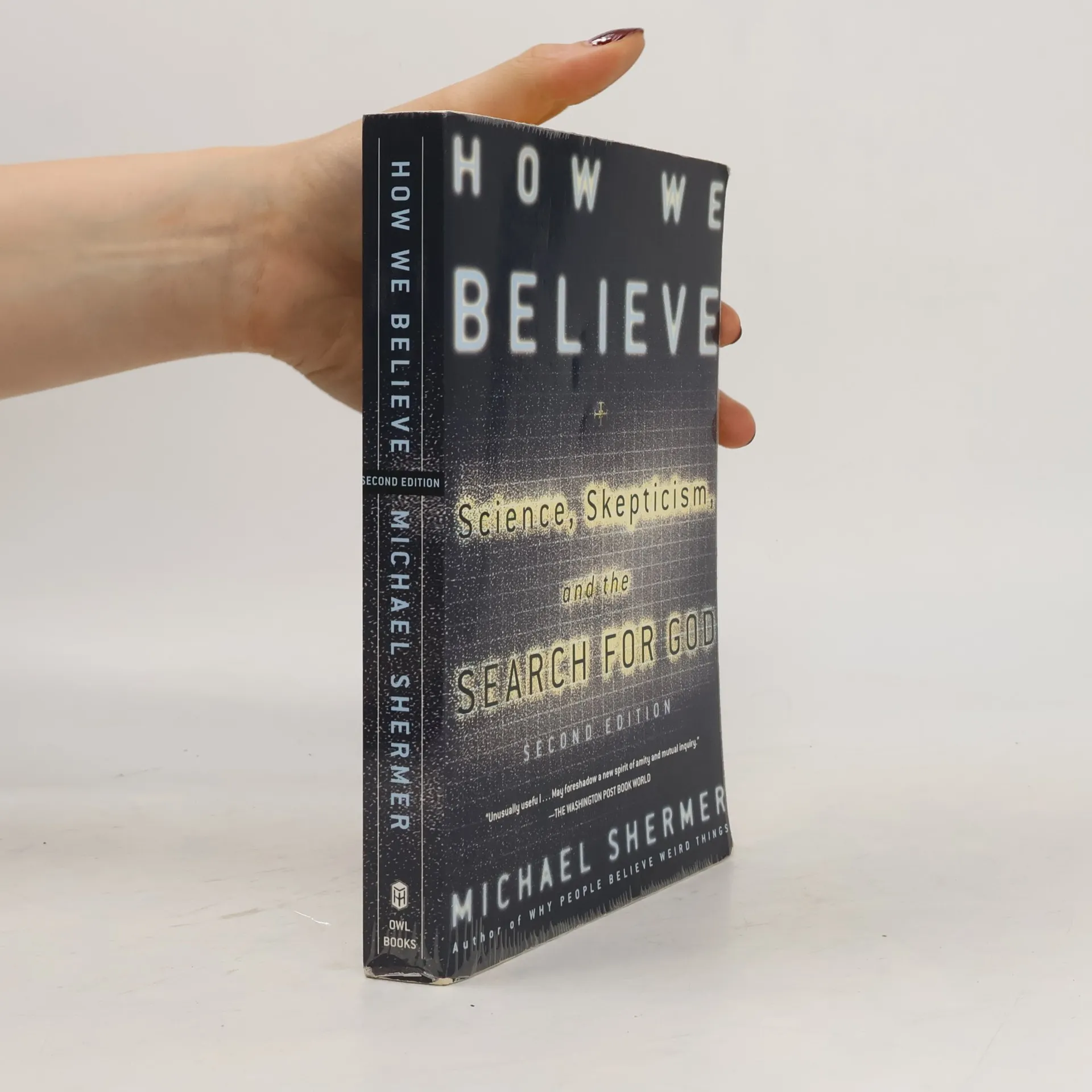
How We Believe
Science, Skepticism, and the Search for God - Second Edition
- 330 páginas
- 12 horas de lectura
A new edition covering the latest scientific research on how the brain makes us believers or skepticsRecent polls report that 96 percent of Americans believe in God, and 73 percent believe that angels regularly visit Earth. Why is this? Why, despite the rise of science, technology, and secular education, are people turning to religion in greater numbers than ever before? Why do people believe in God at all?These provocative questions lie at the heart of How We Believe , an illuminating study of God, faith, and religion. Bestselling author Michael Shermer offers fresh and often startling insights into age-old questions, including how and why humans put their faith in a higher power, even in the face of scientific skepticism. Shermer has updated the book to explore the latest research and theories of psychiatrists, neuroscientists, epidemiologists, and philosophers, as well as the role of faith in our increasingly diverse modern world.Whether believers or nonbelievers, we are all driven by the need to understand the universe and our place in it. How We Believe is a brilliant scientific tour of this ancient and mysterious desire.
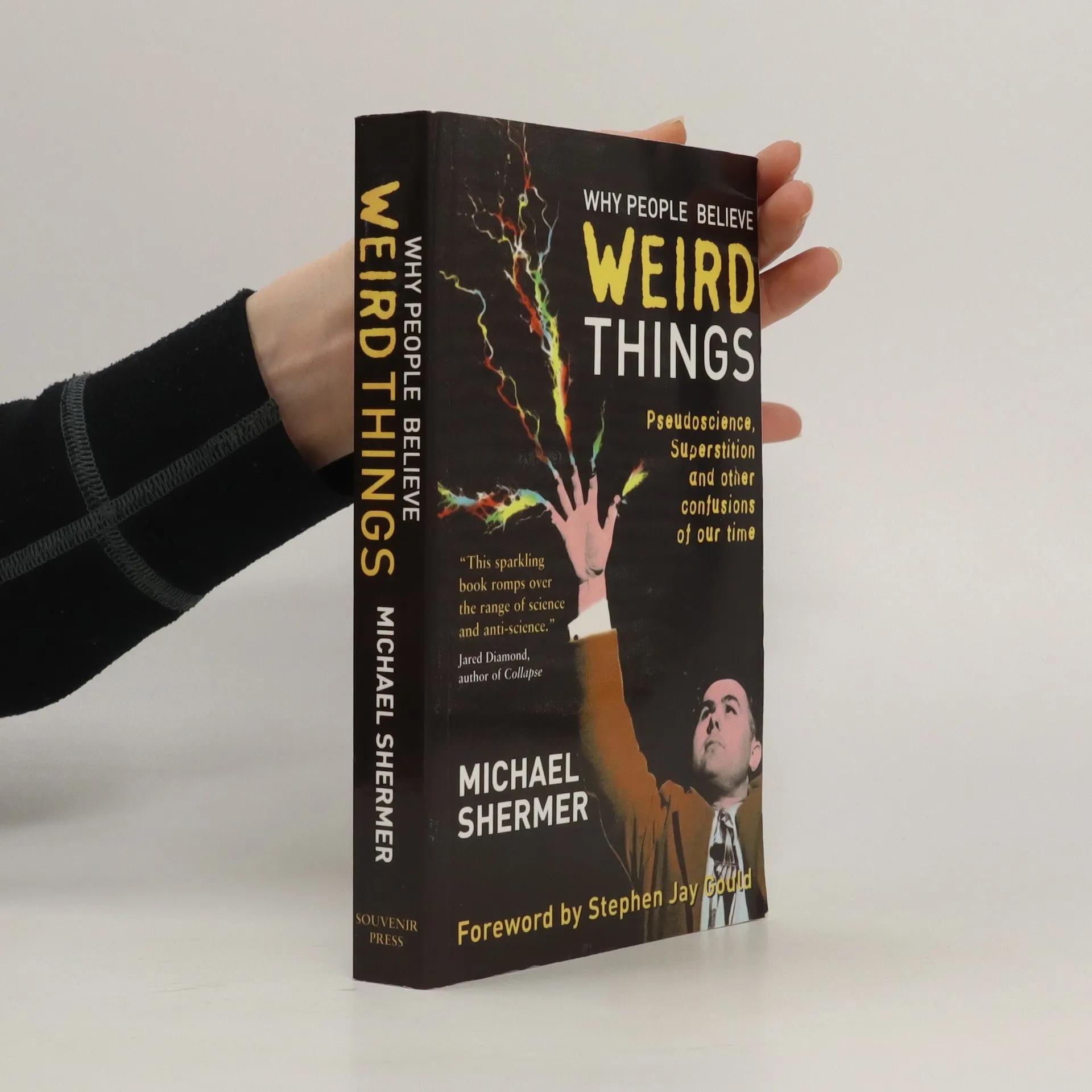
UFO abductions...television sychics...creationism...Holocaust denial. Faced with the rapid changes and anxiety of modern life, many people are turning to the alluring comforts of pseudoscience and the occult. In Why People Believe Weird Things, science historian Michael Shermer, the publisher of Skeptic magazine and director of the Skeptics Society, explores the very human reasons we find supernatural phenomena, conspiracy theories, and cults so appealing. Shermer also reveals the darker and more fearful side of wishful thinking, including Holocaust denial, creationism, the recovered memory movement, alien abduction experiences, the satanic ritual abuse scare and other modern witch crazes, extreme Afrocentrism, and ideologies of racial superiority. A compelling and often disturbing portrait of our immense capacity for self-delusion, Why People Believe Weird Things celebrates the scientific spirit and the joy to be found in rationally exploring the world's greatest mysteries even if many of the questions remain unanswered. Foreword by Stephen Jay Gould. 20 illustrations. --This text refers to an out of print or unavailable edition of this title.
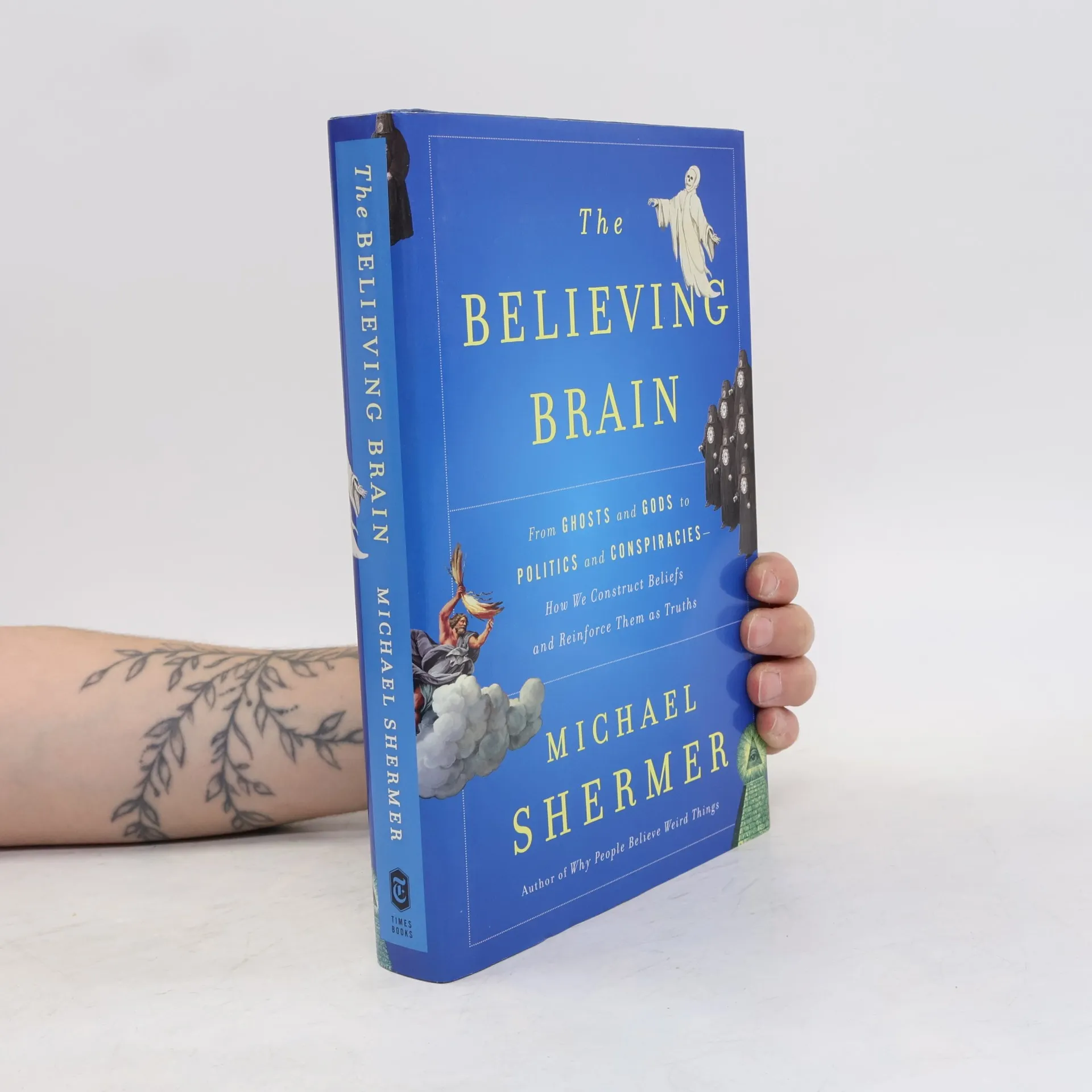
The Believing Brain
From Ghosts and Gods to Politics and Conspiracies How We Construct Beliefs and Reinforce Them as Truths
- 400 páginas
- 14 horas de lectura
In this comprehensive and provocative work, bestselling author Michael Shermer explores how beliefs are born, formed, reinforced, challenged, changed, and extinguished. Drawing on thirty years of research, Shermer, a psychologist and historian of science, challenges traditional views on belief formation. He posits that beliefs come first, with explanations following. The brain acts as a belief engine, processing sensory data to identify patterns and infusing them with meaning. These patterns evolve into beliefs, which the brain then seeks to confirm, creating a positive-feedback loop that reinforces them. Shermer details the cognitive tools our brains use to treat these beliefs as truths. Throughout the narrative, he offers numerous real-world examples from various domains, including politics, economics, religion, conspiracy theories, the supernatural, and the paranormal. Ultimately, he argues that science is the most effective means of assessing whether a belief aligns with reality.
The Science of Good and Evil
Why People Cheat, Gossip, Care, Share, and Follow the Golden Rule
- 370 páginas
- 13 horas de lectura
Exploring the evolution of morality, this work delves into the intersection of science and philosophy, presenting a thorough investigation into how moral principles have developed over time. The author, a bestselling writer, provides insights that are both accessible and thought-provoking, making complex ideas understandable. This book is recognized for its engaging narrative and depth of analysis, appealing to readers interested in the foundations of ethical behavior and the human experience.
Giving the Devil his Due
- 366 páginas
- 13 horas de lectura
This book is for all readers who care about science and reason, humanism and secularism, the progress of humanity, and the advancement of morals and values. It also advocates for the protection and continued expansion of human rights, such as civil rights, women's rights, LGBT+ rights, and animal rights.
The Mind of the Market
How Biology and Psychology Shape Our Economic Lives
- 336 páginas
- 12 horas de lectura
The book offers an engaging exploration of behavioral, evolutionary, and neuropsychology, presenting intriguing insights and stories that highlight the complexities of human behavior. Through captivating narratives, it delves into the science behind our actions and decisions, making complex concepts accessible and fascinating to readers. The author’s storytelling prowess enhances the understanding of psychological principles, making it an enlightening read for those interested in the intricacies of the human mind.
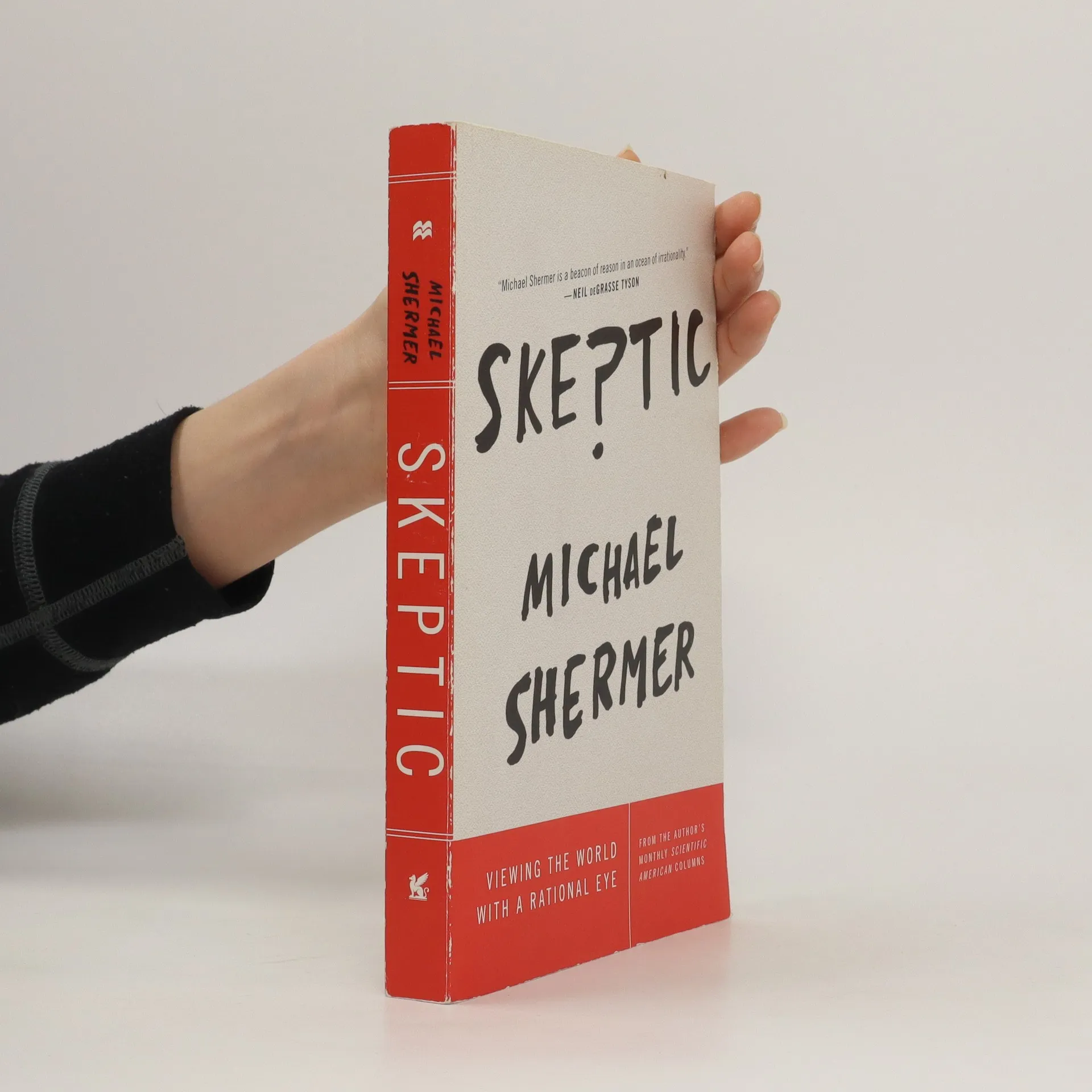
Skeptic
- 304 páginas
- 11 horas de lectura
Collected essays from bestselling author Michael Shermer's celebrated columns in Scientific American For fifteen years, bestselling author Michael Shermer has written a column in Scientific American magazine that synthesizes scientific concepts and theory for a general audience. His trademark combination of deep scientific understanding and entertaining writing style has thrilled his huge and devoted audience for years. Now, in Skeptic, seventy-five of these columns are available together for the first time; a welcome addition for his fans and a stimulating introduction for new readers.
Homo credens. Perché il cervello ci fa coltivare e diffondere idee improbabili
- 455 páginas
- 16 horas de lectura
Perché crediamo in quello che crediamo? Perché il nostro cervello ci spinge a farlo. È infatti una sorta di motore di credenze: raccoglie informazioni dai sensi e con naturalezza genera convinzioni che si incanalano in schemi predefiniti e che ci sembrano perfettamente plausibili. Così plausibili che siamo pronti a difenderle a oltranza. Anche quando non lo sono, e anche quando tutti — a partire dagli scienziati — le ritengono estremamente improbabili. Credere in idee improbabili è estremamente probabile! Nessuno può considerarsi immune da questo rischio, che pervade ogni ambito della vita umana: religione, politica, economia… Michael Shermer ci spiega come possano formarsi nella nostra mente tante false credenze. Ma ci indica anche la strada per identificarle, e cercare così di arrivare a comprendere la realtà con cognizione di causa.
This explains everything : deep, beautiful, and elegant theories of how the world woks
- 432 páginas
- 16 horas de lectura
In This Explains Everything, John Brockman, founder and publisher of Edge.org, asked experts in numerous fields and disciplines to come up with their favorite explanations for everyday occurrences. Why do we recognize patterns? Is there such a thing as positive stress? Are we genetically programmed to be in conflict with each other? Those are just some of the 150 questions that the world's best scientific minds answer with elegant simplicity. With contributions from Jared Diamond, Richard Dawkins, Nassim Taleb, Brian Eno, Steven Pinker, and more, everything is explained in fun, uncomplicated terms that make the most complex concepts easy to comprehend.
Mathe-Magie
Der große Doppelband
Arthur Benjamin, Mathematikprofessor und Bestsellerautor, präsentiert in "Mathe-Magie" und "Mathe-Magie für Durchblicker" eine spannende Reise durch die Mathematik. Er zeigt, wie Mathematik im Alltag wirkt, mit faszinierenden Eigenschaften wie der Zahl 9 und der Unendlichkeit von Pi. Ideal für Leser ab 11 Jahren.
Heilungsversprechen
- 249 páginas
- 9 horas de lectura
Bei allem Fortschritt - noch immer ist die Medizin Tummelplatz esoterischer Quacksalber und Brutstätte „wissenschaftlicher“ Mythen. Die sogenannte Alternativ-Medizin profitiert dabei von den Ängsten und Hoffnungen der Patienten ebenso wie von der berechtigten Kritik an der „Drei-Minuten-Medizin“. Der dritte Band der Reihe Skeptisches Jahrbuch untersucht einige der wichtigsten Phänomene auf dem „Heilungs-Markt“. Aus dem Inhalt: TT und ich (Emily Rosa) * Das „Emily-Ereignis“ (Larry Sarner) * Brauchen wir Wunderheiler? (Irmgard Oepen) * Krebsheiler Hamer und die „Eiserne Regel“ der Medien (Krista Federspiel) * Alternative Beratung (Harry Edwards/Karen Stollznow) * Anthroposophische Medizin am Beispiel Mistel (Barbara Burkhard) * Erfolge der Homöopathie - nichts als Placebo-Effekte und Selbsttäuschung? (Jürgen Windeler/Rainer Wolf) * In den Haiknorpel beißen (Lynn McCutcheon) * Krank durch Elektrosmog? (Peter Kröling) * Aufstieg und Fall des zahnärztlichen Quecksilbers: Gefährdung oder Irreführung? (Don Wilson) * Warum falsche Therapien zu wirken scheinen (Barry L. Beyerstein) * Was Ihr Arzt Ihnen nicht erzählen wird (Steven Novella) * Das Mittel mag natürlich sein, aber wirkt es? (Stephen Basser) * Die umhertreibende Gebärmutter (Botulin Saxx) u. v. m.
Dlaczego jesteśmy ateistami
- 408 páginas
- 15 horas de lectura