Bookbot

Peter Gössel

    1 de enero de 1956
    Bauhaus
    Close to the Wind
    Furniture Design : twentieth-Century
    Case study houses
    Architecture in the Twentieth Century
    Arquitectura del siglo XX
    • Arquitectura del siglo XX

      • 600 páginas
      • 21 horas de lectura

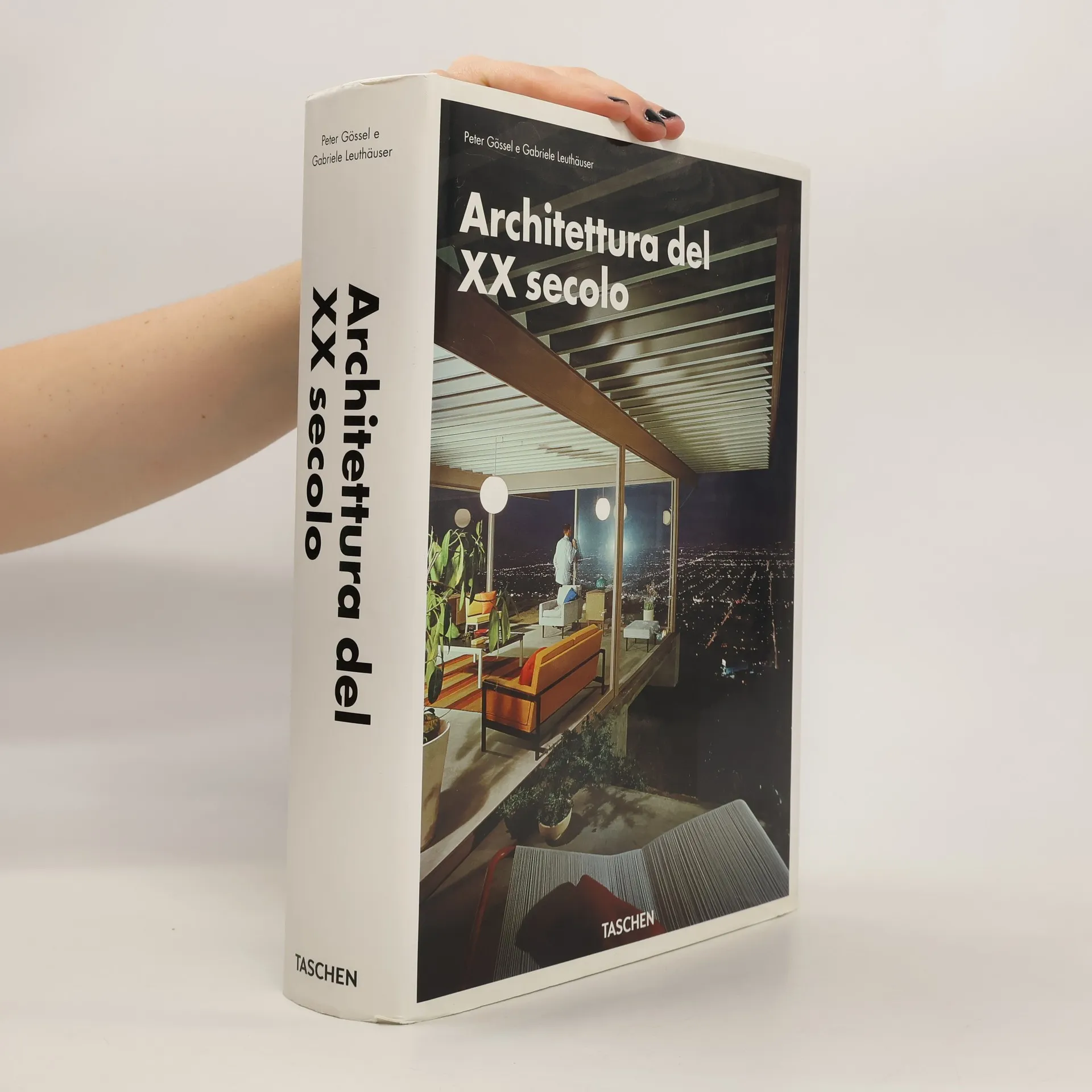
      La arquitectura del siglo XX es un compendio de nombres ilustres, movimientos y grandes ideas. Este libro de TASCHEN ofrece un recorrido cronológico por las corrientes arquitectónicas, acompañadas de fotos, planos y biografías de arquitectos destacados, reflejando el impacto social y los cambios en la construcción moderna.

      Arquitectura del siglo XX
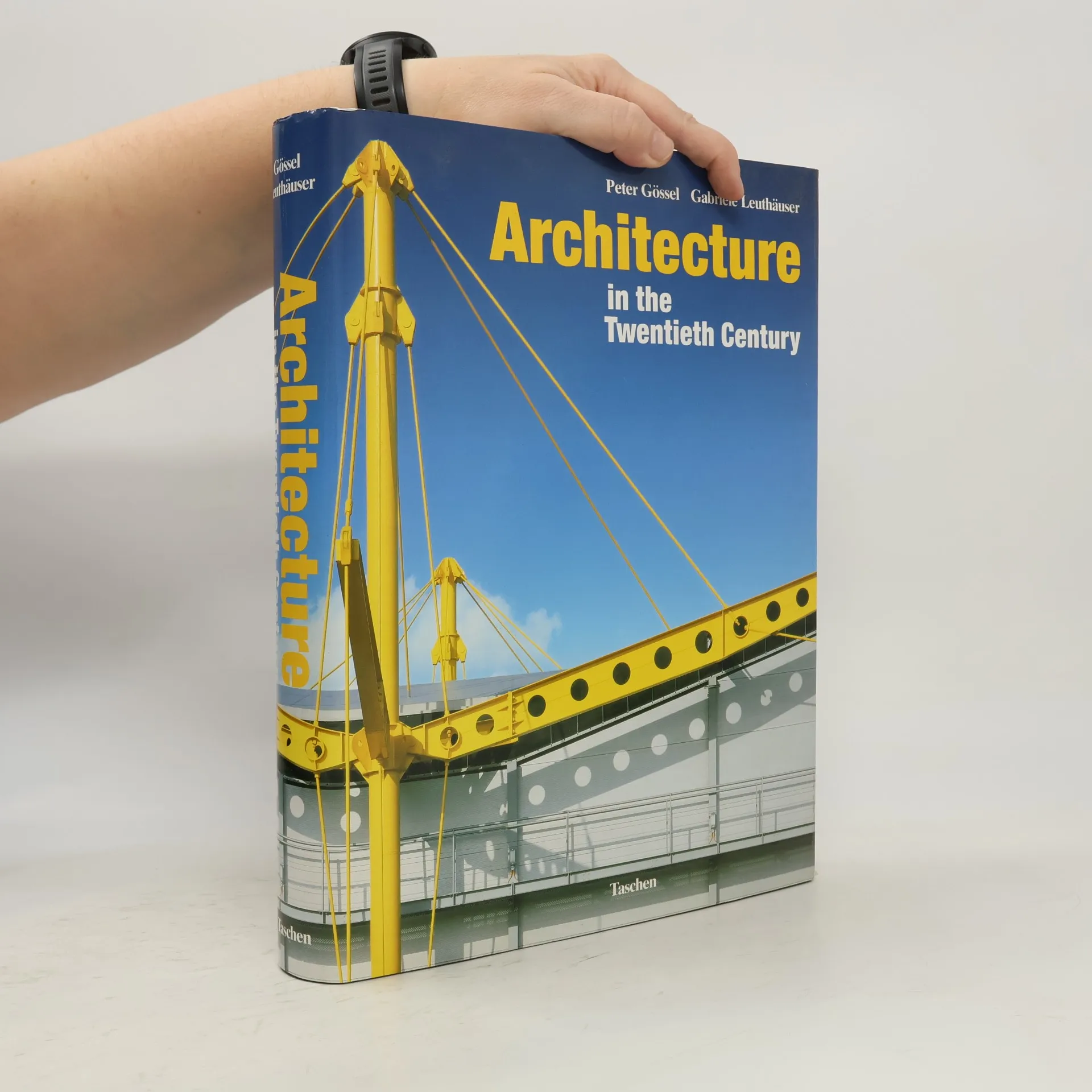
    • The best is back (and now it's even better)The classic Taschen textbook is back with a vengeance. This updated, revised edition of Architecture in the Twentieth Century includes coverage up until 2001, more color photos, more architect biographies, new chapters on deconstructivism and the new living architecture ... it all adds up to the best review of 20th-century architecture you could hope for. From Frank Lloyd Wright to Gaudi to Frank O. Gehry to Shigeru Ban and all the best stuff in between, it's all here. The chronologically organized chapters put it all into perspective, illustrated by hundreds of large-format photos as well as a plenitude of drawings and floor plans. The biographical appendix covers all of the century's greatest architects, including today's new talents. An indispensable reference work and an absolute must for all lovers of architecture!
      Architecture in the Twentieth Century
      4,4
    • Case study houses

      • 96 páginas
      • 4 horas de lectura

      El programa Case-Study-House (1945–1966) fue único en la historia de la arquitectura estadounidense. Con el apoyo de la revista Arts & Architecture, el programa buscó responder al auge de la construcción de la posguerra con prototipos de casas modernas que fueran fáciles de replicar y asequibles para el estadounidense promedio. Las Case-Study-Houses, principalmente ubicadas en el área de Los Ángeles, comprendían 36 casas modelo encargadas a arquitectos de renombre como Richard Neutra, Raphael Soriano, Craig Ellwood, Charles y Ray Eames, Pierre Koenig, Eero Saarinen, A. Quincy Jones y Ralph Rapson. Se buscó utilizar técnicas y materiales modernos que se habían desarrollado o mejorado durante la guerra. Los resultados del programa pretendían redefinir el hogar moderno y tener un impacto que trascendiera las fronteras de Estados Unidos. Este guía compacto incluye todas las Case-Study-Houses con más de 150 fotos y planos, así como un mapa que muestra la ubicación de todas las casas, incluidas las que ya no existen.

      Case study houses
      4,4
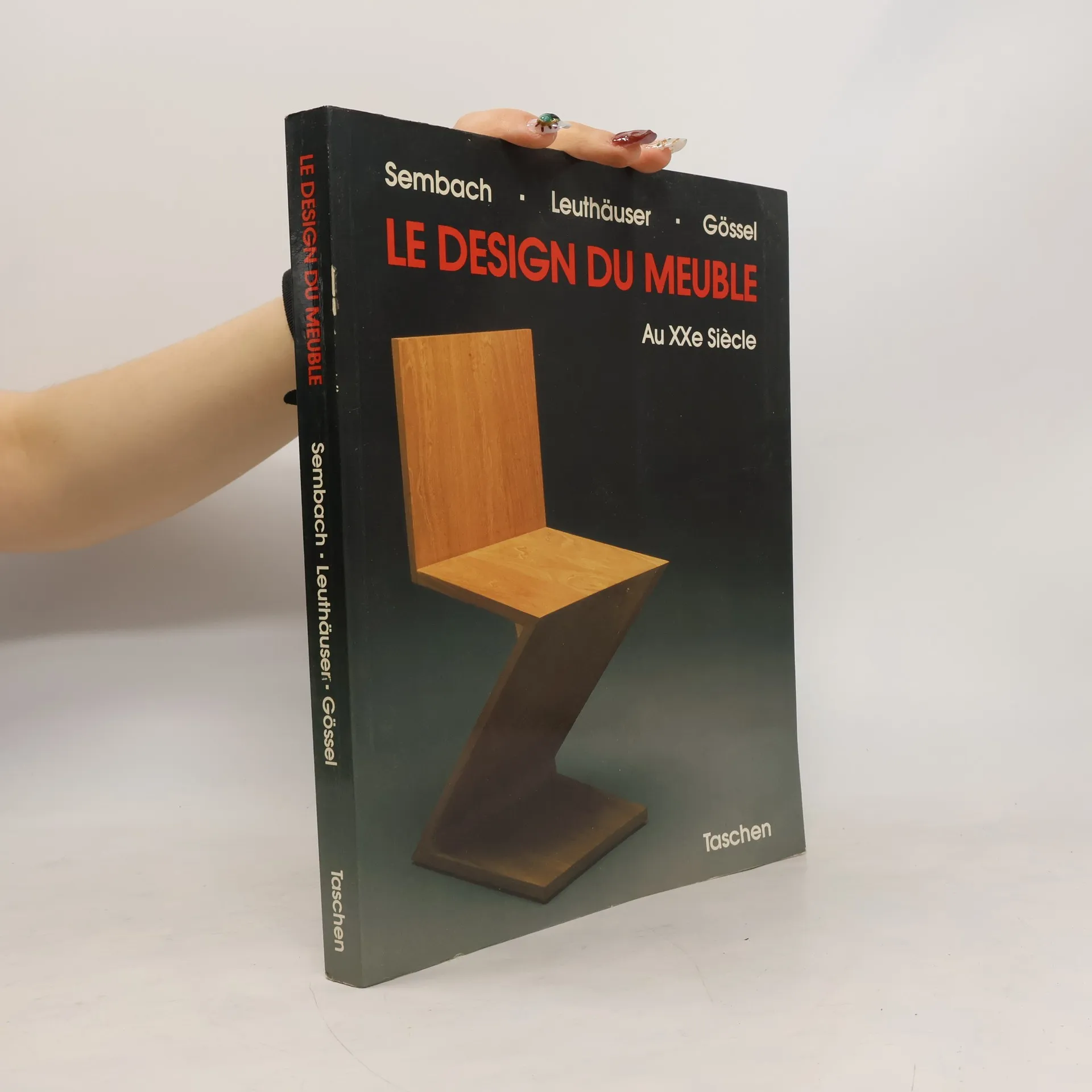
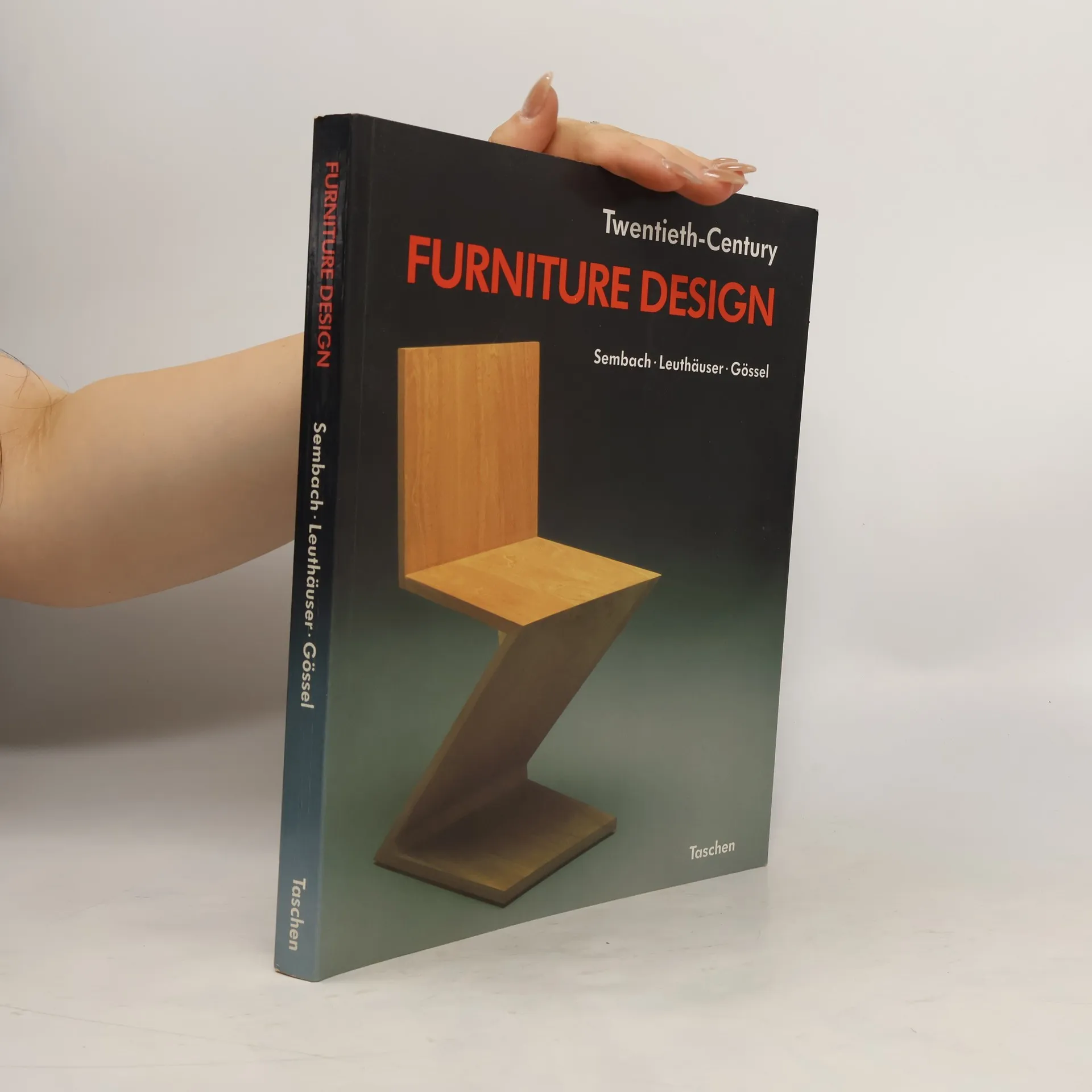
    • Status symbols that define the spirit of the age Designers of genius. Henry van de Velde, Charles Rennie Mackintosh and Josef Hoffmann. Le Corbusier and Emile Jacques Ruhlmann. Charles Eames, Ettore Sottsas and Philippe Starck. At their hands furniture came into its own. The twentieth century transformed interiors into sets - and on those sets the creations of these designers played the star parts. This is a book about status symbols that express the character of their owners but, more than that, define the spirit of the age.

      Furniture Design : twentieth-Century
      4,5
    • Close to the Wind

      • 352 páginas
      • 13 horas de lectura

      Thrilling story of sailing and rescue from international hero, Pete Goss

      Close to the Wind
      4,3
    • Bauhaus

      • 256 páginas
      • 9 horas de lectura

      En solo catorce años, entre las dos guerras mundiales, la escuela de arte y diseño Bauhaus revolucionó la Modernidad. Con ideales utópicos, creó una conexión innovadora entre arte, artesanía y técnica, que se implementó en diversos medios como el cine, el teatro, la escultura y la cerámica. Este libro documenta trabajos realizados a través de escritos, estudios, fotografías, bocetos, planos y modelos, dando vida al espíritu del Bauhaus. Los contenidos incluyen desde imágenes de actividades grupales hasta dibujos de enseñanza de Paul Klee, así como planes de construcción y objetos de diseño, como un elegante cenicero de Marianne Brandt. Estos documentos son testimonio de una comunidad creativa idealista que repensó el diseño y aspiró a un futuro mejor para las personas modernas. El libro presenta el Bauhaus no solo como un movimiento pionero del modernismo, sino también como un ejemplo destacado de educación artística, donde la expresión creativa y las ideas innovadoras dieron lugar a productos bellos y funcionales. Entre los artistas destacados se encuentran Josef Albers, Marianne Brandt, Walter Gropius, Gertrud Grunow, Paul Klee, Ludwig Mies van der Rohe y Lilly Reich.

      Bauhaus
      4,3
    • Frank Lloyd Wright

      • 96 páginas
      • 4 horas de lectura

      Un edificio de Frank Lloyd Wright (1867-1959) es siempre inconfundiblemente individual y evoca a la vez toda una era. Los diseños de Wright se caracterizan principalmente por su adaptación orgánica al entorno y por el uso de acero y vidrio, que hace que la transición entre el espacio interior y exterior sea fluida. Esta cuidadosa compilación presenta en un volumen accesible las obras más importantes del vasto y revolucionario legado del arquitecto estadounidense más famoso. La recopilación, basada en el acceso ilimitado a los Archivos Frank Lloyd Wright en Taliesin, Arizona, abarca todo el espectro de la obra de Wright, incluyendo proyectos que nunca se realizaron. La exposición abarca desde las primeras casas de pradera hasta el concepto de "casa usoniana" representado por Fallingwater, las construcciones en Tokio y ejemplos progresivos de "arquitectura viva", hasta proyectos posteriores como el Museo Guggenheim en Nueva York y la visión fantástica de una mejor futuro en la "ciudad viva". El autor, Bruce Brooks Pfeiffer, quien fue alumno de Wright en la década de 1950, presenta investigaciones recientes sobre Wright y comparte sus propias percepciones sobre estos hitos de la arquitectura.

      Frank Lloyd Wright
      4,1
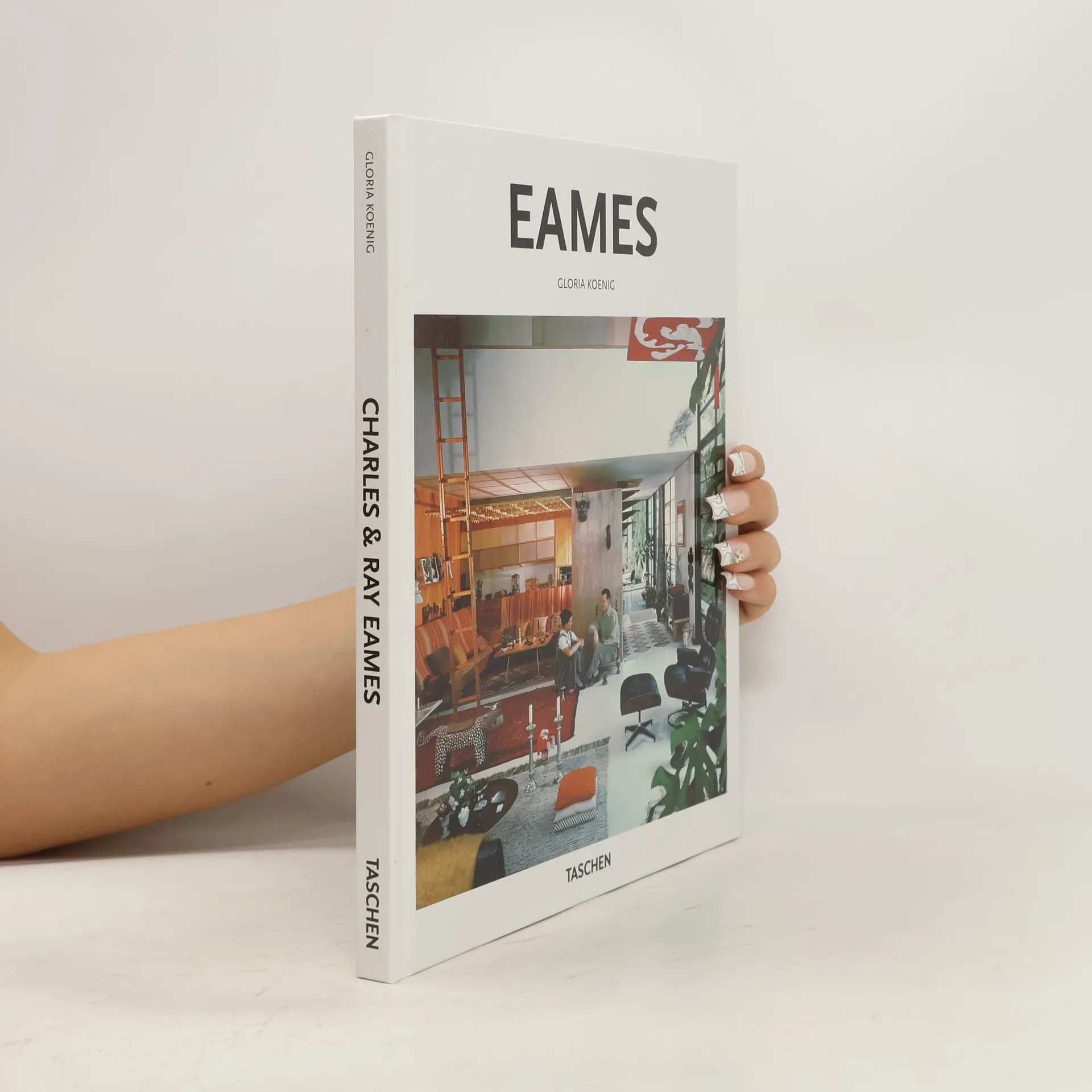
    • Eames

      • 96 páginas
      • 4 horas de lectura

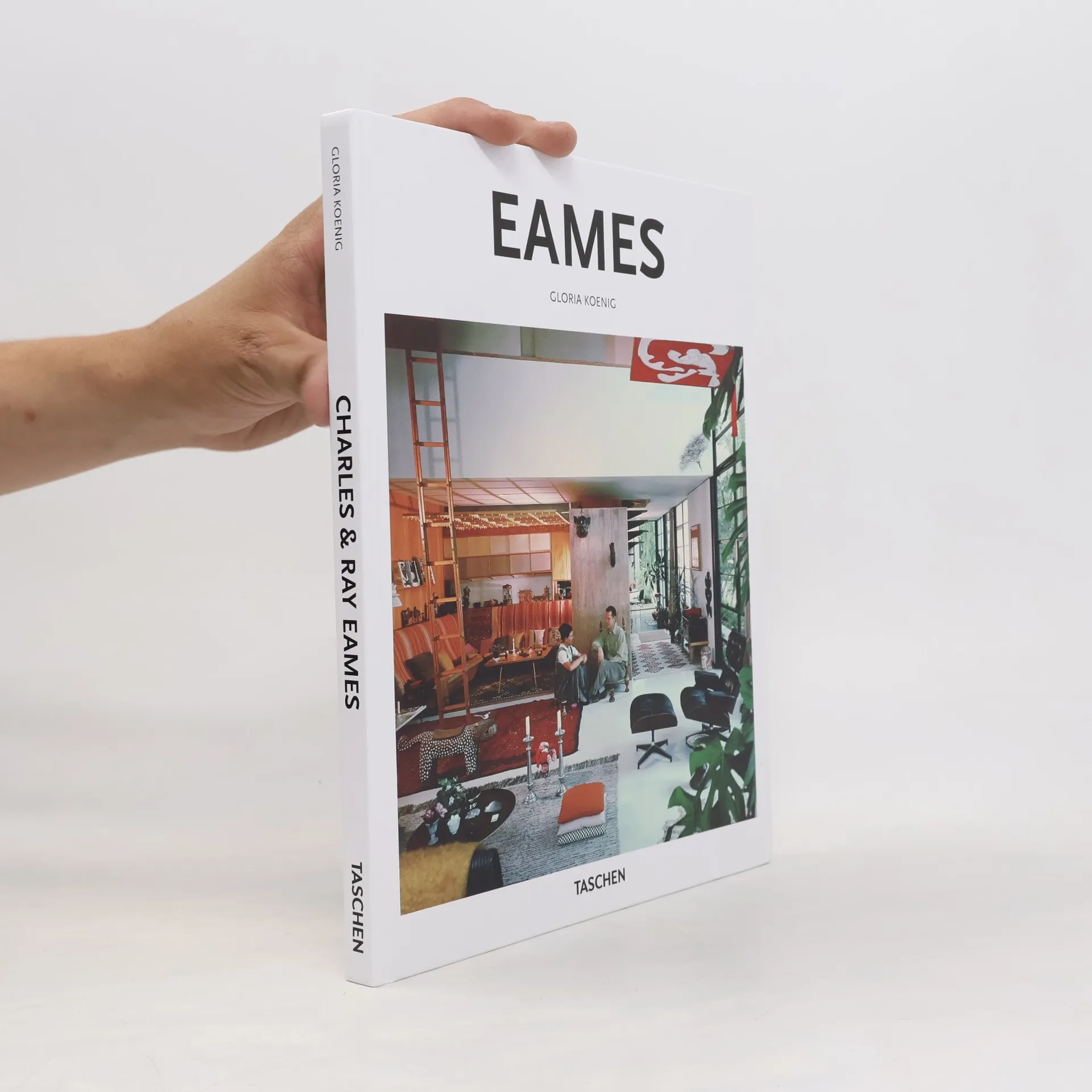
      Creative duo Charles and Ray Eames were one of the most transformative forces in design history: through furniture, photography, architecture, textile design, industrial design, and film, the husband and wife defined a new, multifunctional modernity. Discover all aspects of their illustrious repertoire and its revolutionary impact on...

      Eames
      4,1
    • Mies van der Rohe

      • 96 páginas
      • 4 horas de lectura

      Köln. 23 cm. 96 p. : principalmente il. Encuadernación en tapa blanda de editorial. Traducción, Amparo Conde Pérez. Bibliografía. Mies van der Rohe, Ludwig (. 1886-1969). Arquitectura-. S. XX .. Este libro es de segunda mano y tiene o puede tener marcas y señales de su anterior propietario. 3822828580; 9783822828588

      Mies van der Rohe
      4,1
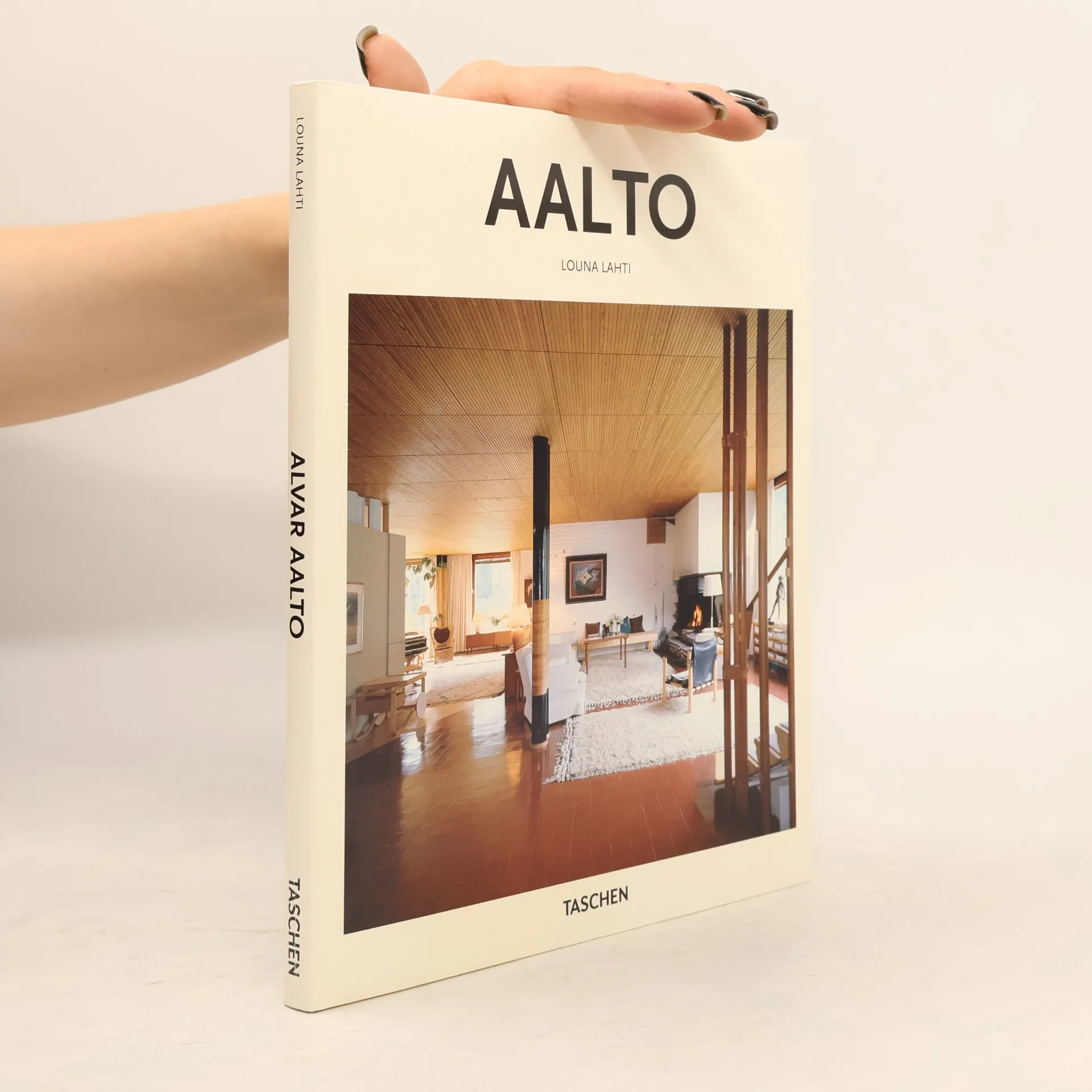
    • Aalto

      • 96 páginas
      • 4 horas de lectura

      Discover the gentler face of modernism in this introduction to Alvar Aalto, the Finnish architect who defied the slick geometries set by the International Style to prioritize soft, poetic, undulating forms. Whether a villa, a sauna, or a lamp design, Aalto's organic structures championed environmentally sound and progressive design with a...

      Aalto
      3,9
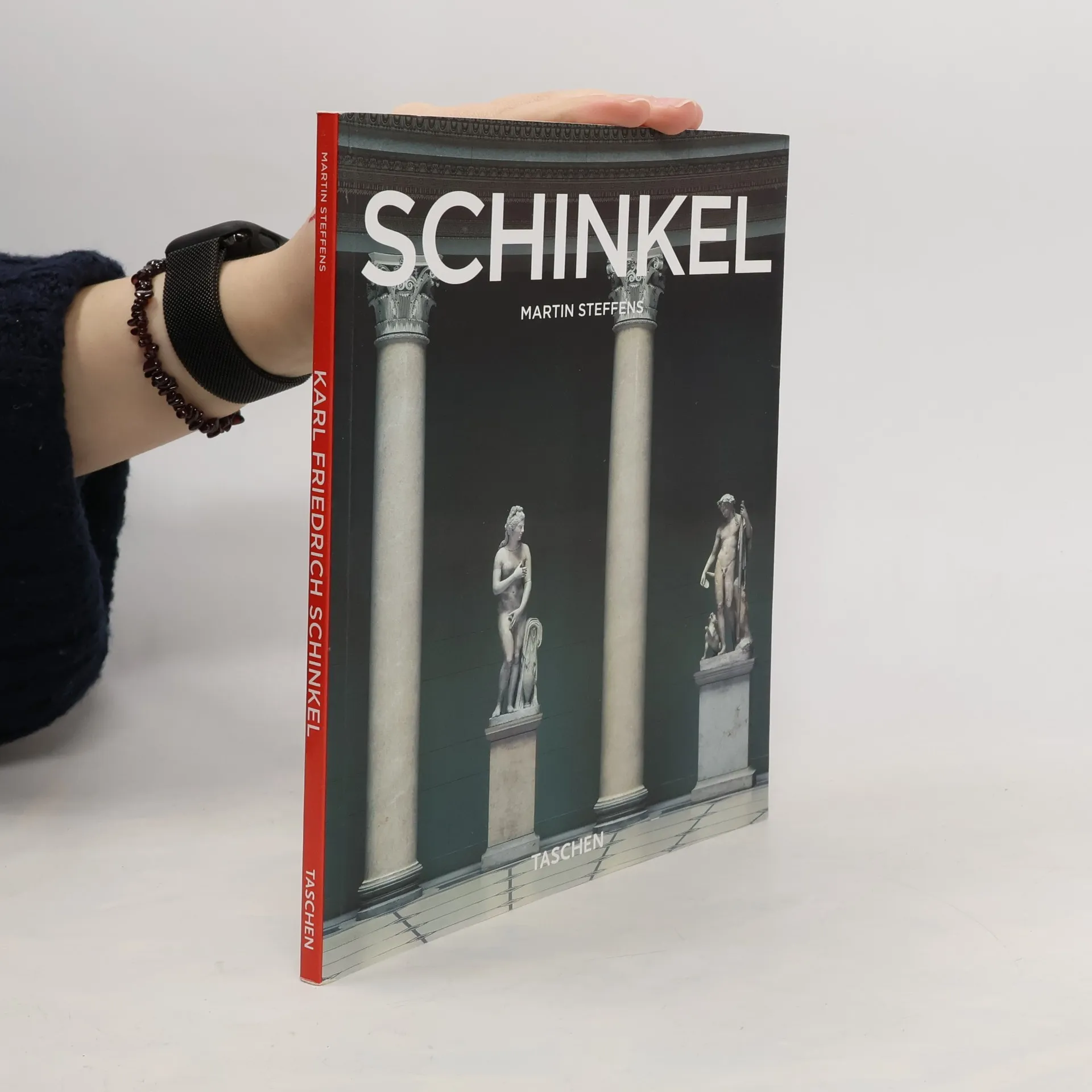
    • The Modernist outsider "The essence of the artistic design in building – like all art – indeed provides meaning for man’s existence and in itself it confirmes its result that became form." - Hans Scharoun German architect Hans Scharoun (1893-1972) studied and practiced architecture his entire adult life but did not build a major building until 1963 when his impressive Berlin Philharmonie finally came to life. The fact that he stayed in Germany during the Second World War prevented him from realizing grandiose projects and caused him to concentrate more on interiors than exteriors for many years. Nevertheless, Scharoun`s sculptural designs, influenced by the expressionist-utopian circle "Gläserne Kette" of which he was a member, did not go unnoticed and were among the best of his generation. About the Each book in TASCHEN’s Basic Architecture Series

      Taschen Basic Architecture: Karl Friedrich Schinkel
      3,7
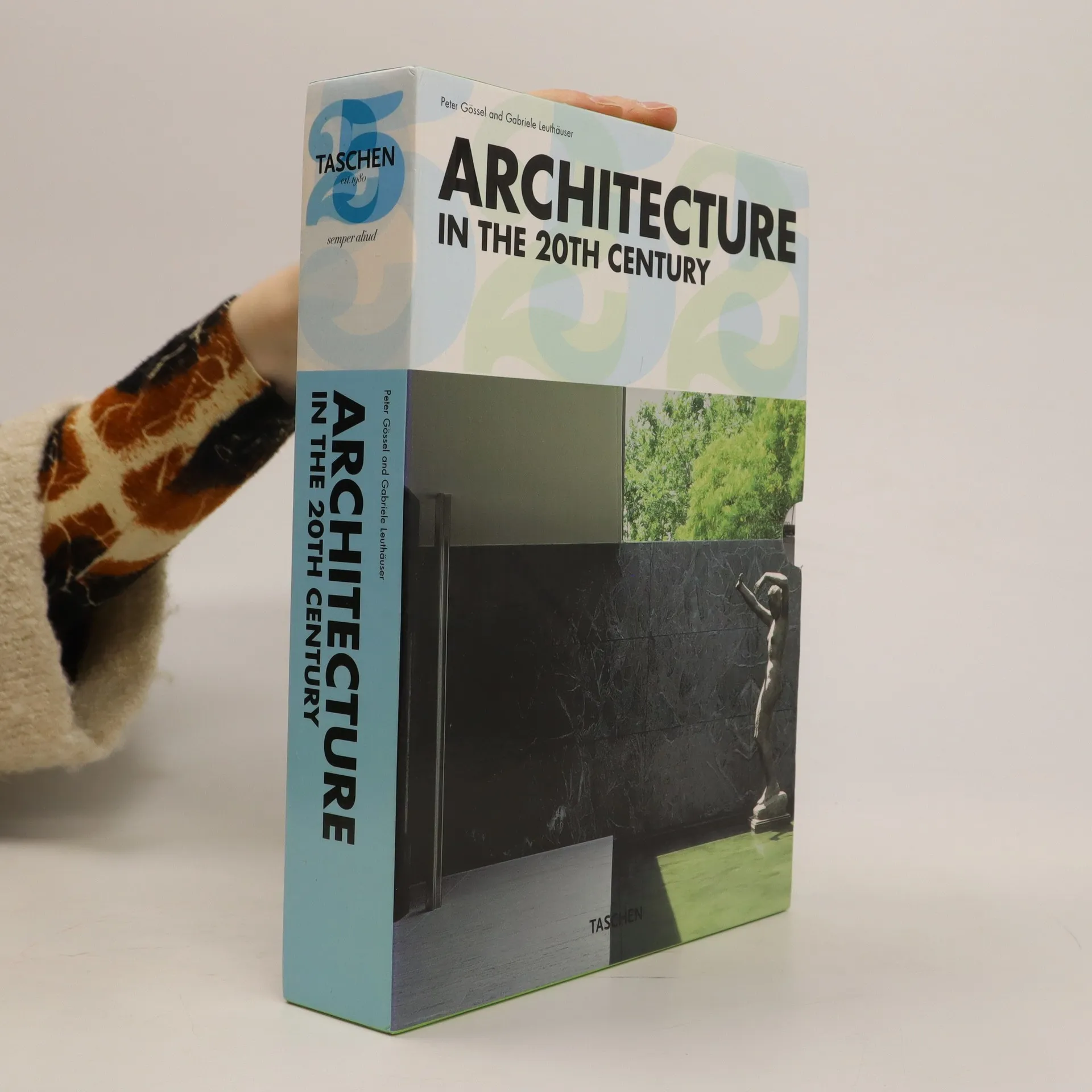
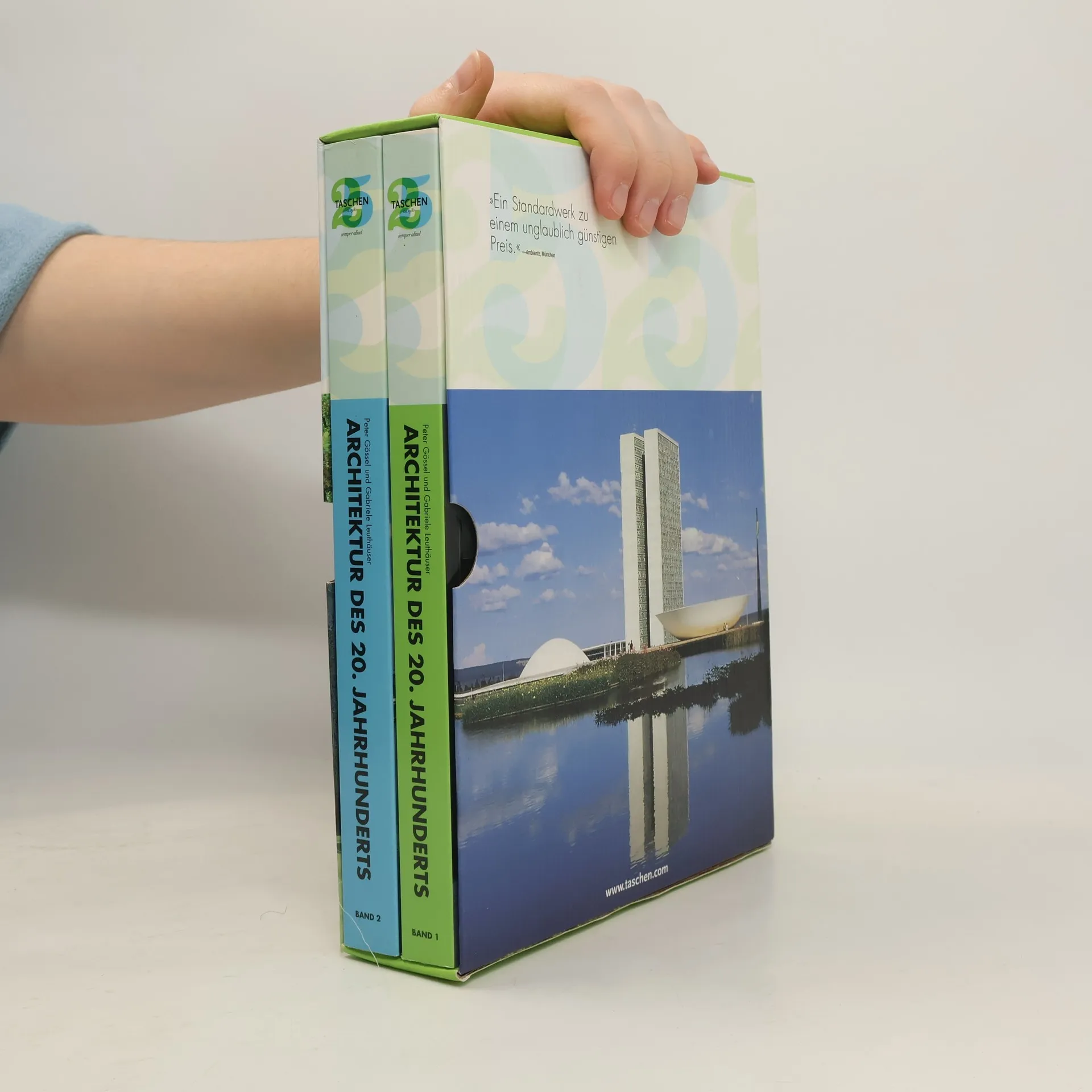
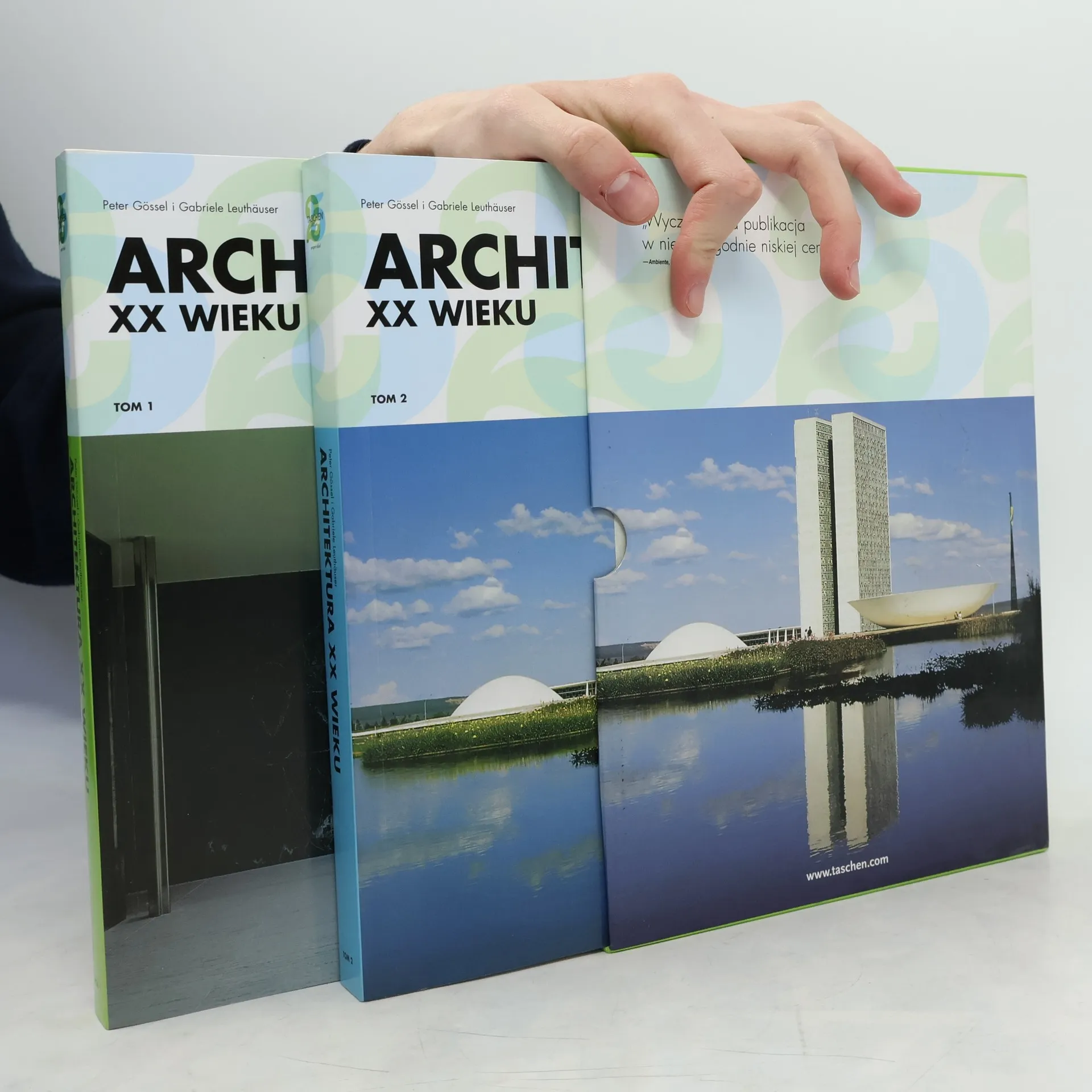
    • The ultimate architectural reference work (TASCHEN's 25th anniversary special edition) This is the be-all-end-all reference work for architecture in the 20th century. From Frank Lloyd Wright to Gaudi to Frank O. Gehry to Shigeru Ban and all the best stuff in between, it's all here. The chronologically organized chapters put it all into perspective, illustrated by hundreds of large-format photos as well as a plenitude of drawings and floor plans. The biographical appendix covers all of the century's greatest architects, including today's new talents. This special expanded edition, presented in two volumes packaged in a slipcase, brings our classic title up to date with coverage up until the present day, more color photos, more architect biographies, and new chapters on recent architectural trends and movements.

      Architecture in the 20th century. Volume 1 and 2
      3,7
    • L'architecture du XXe siècle

      • 431 páginas
      • 16 horas de lectura

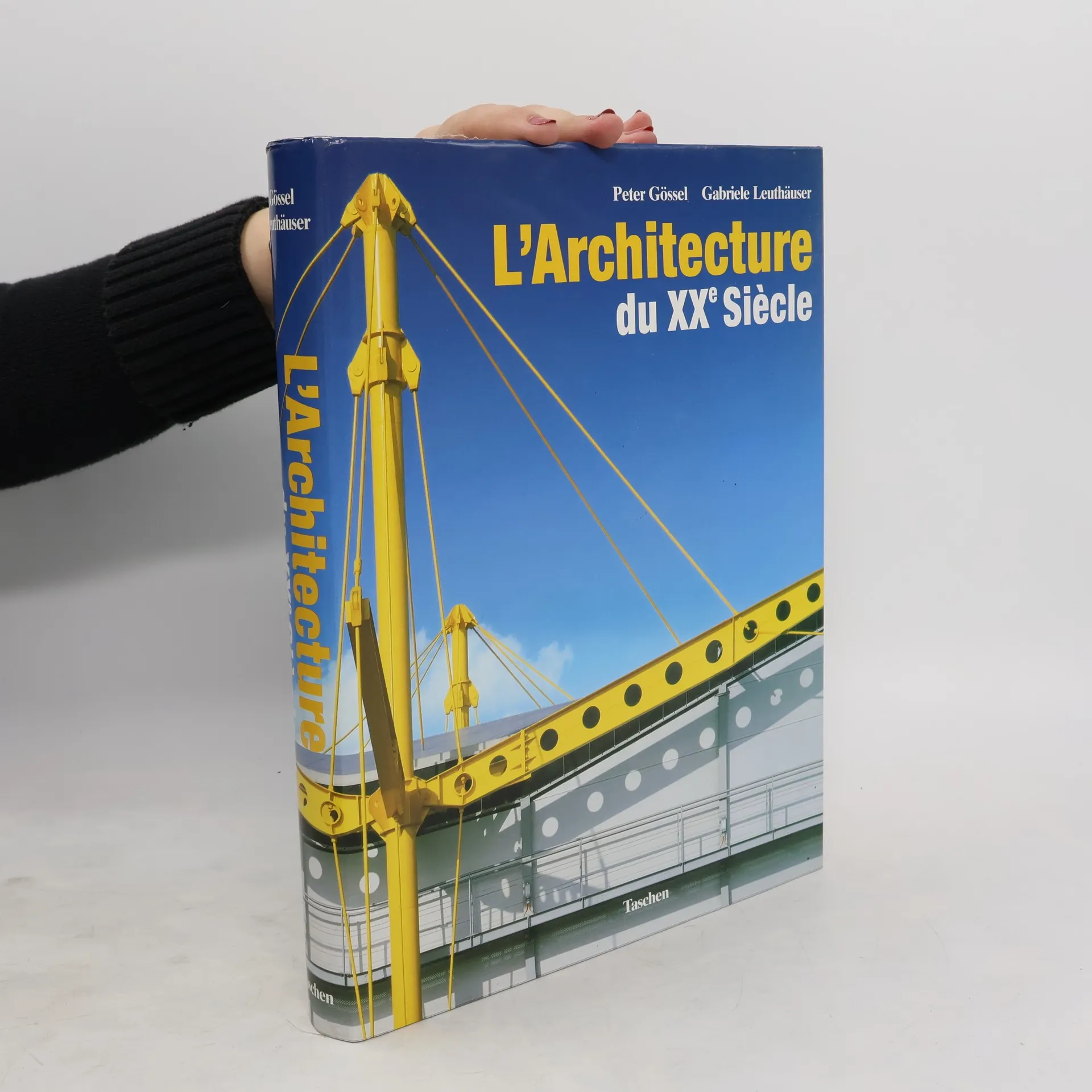
      Ce livre présente l'architecture du 20e siècle, mettant en avant des figures emblématiques comme Adolf Loos et Frank Lloyd Wright, ainsi que des mouvements tels que le Bauhaus et le Postmodernisme. Avec des chapitres chronologiques, des photos, des plans et des biographies, il offre un aperçu captivant de l'évolution architecturale et des débats de cette époque.

      L'architecture du XXe siècle
      1,5
    • Die "Architektur des 20. Jahrhunderts - Band 1-2" bietet eine umfassende Analyse der architektonischen Entwicklungen und Strömungen des vergangenen Jahrhunderts. Die Bände decken eine Vielzahl von Themen ab, darunter die Entstehung moderner Baustile, die Rolle von bedeutenden Architekten und die Auswirkungen gesellschaftlicher Veränderungen auf die Architektur. Im ersten Band liegt der Schwerpunkt auf den frühen Bewegungen wie dem Jugendstil, dem Bauhaus und der modernen Architektur, die durch innovative Materialien und Techniken geprägt sind. Wichtige Persönlichkeiten wie Le Corbusier, Walter Gropius und Ludwig Mies van der Rohe werden eingehend behandelt. Der zweite Band erweitert die Perspektive und untersucht die postmoderne Architektur sowie aktuelle Trends und Herausforderungen, einschließlich Nachhaltigkeit und urbaner Entwicklung. Die Autoren analysieren bedeutende Bauwerke und deren Einfluss auf die städtische Landschaft, wobei sie sowohl historische als auch zeitgenössische Beispiele heranziehen. Die Publikation ist reich an Illustrationen und Fotografien, die die behandelten Themen visuell unterstützen und dem Leser einen tiefen Einblick in die architektonische Vielfalt des 20. Jahrhunderts bieten.

      Architektur des 20. Jahrhunderts- Band 1-2