
Compra 10 libros por 10 € aquí!
Bookbot

John J. Mearsheimer

    John J. Mearsheimer es un distinguido profesor de ciencias políticas cuyo trabajo profundiza en las complejidades de la política internacional. Es conocido por su riguroso análisis de las dinámicas de poder de los estados y su impacto en la seguridad global. La erudición de Mearsheimer se caracteriza por una perspectiva marcadamente realista, que enfatiza la lucha perpetua por el poder y la seguridad dentro de un sistema internacional anárquico. Su enfoque crítico de la política exterior y sus teorías sobre el realismo ofensivo han moldeado significativamente el discurso académico.

    John J. Mearsheimer
    Liddell Hart and the Weight of History
    Why Leaders Lie
    Conventional Deterrence
    The tragedy of Great Power politics
    The Israel lobby and U.S. foreign policy
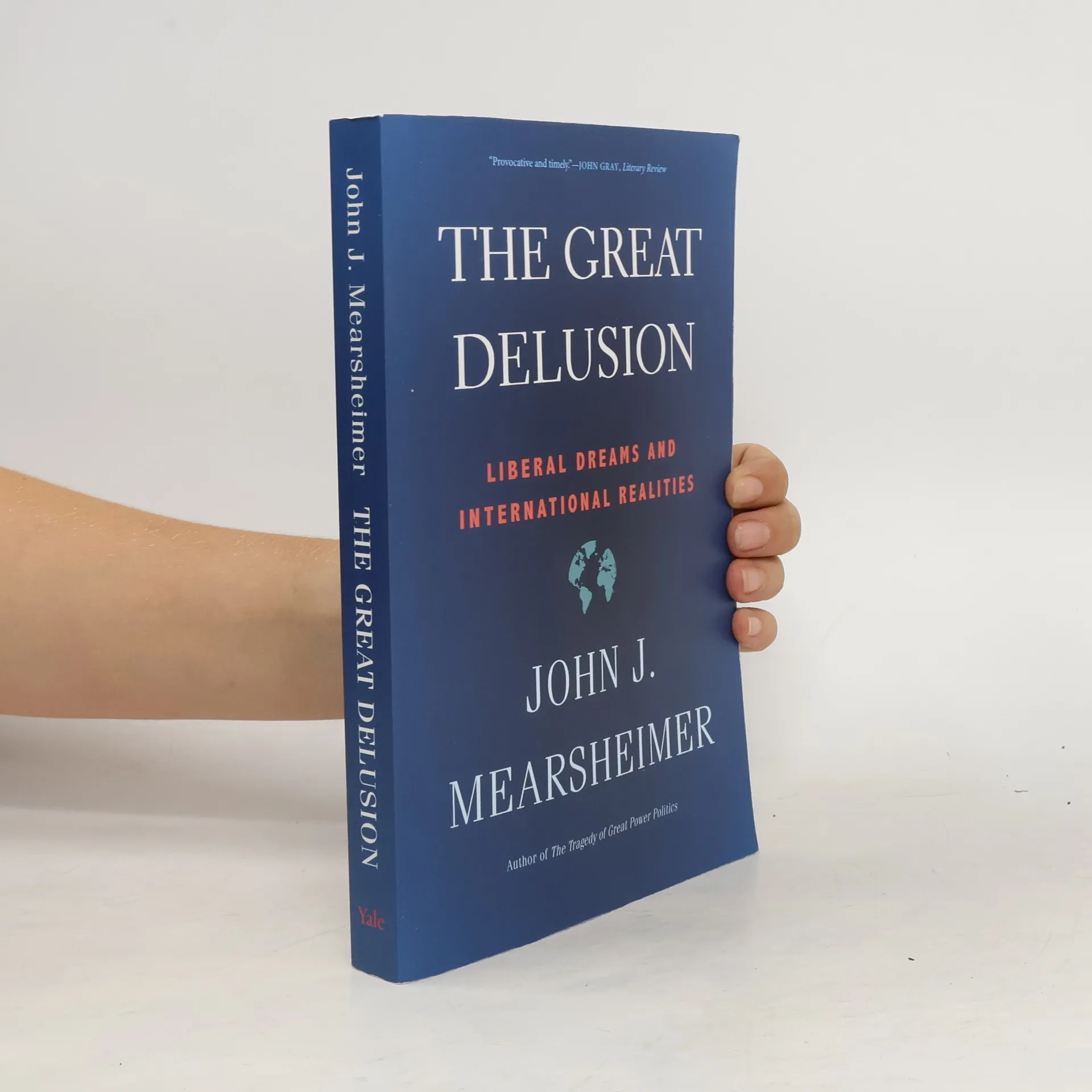
    The Great Delusion
    • The Great Delusion

      • 328 páginas
      • 12 horas de lectura

      "In this major statement, the renowned international-relations scholar John Mearsheimer argues that liberal hegemony, the foreign policy pursued by the United States since the Cold War ended, is doomed to fail. It makes far more sense, he maintains, for Washington to adopt a more restrained foreign policy based on a sound understanding of how nationalism and realism constrain great powers abroad. It is widely believed in the West that the United States should spread liberal democracy across the world, foster an open international economy, and build institutions. This policy of remaking the world in America's image is supposed to protect human rights, promote peace, and make the world safe for democracy. But this is not what has happened. Instead, the United States has ended up as a highly militarized state fighting wars that undermine peace, harm human rights, and threaten liberal values at home. Mearsheimer tells us why this has happened"--Amazon.com.
      The Great Delusion
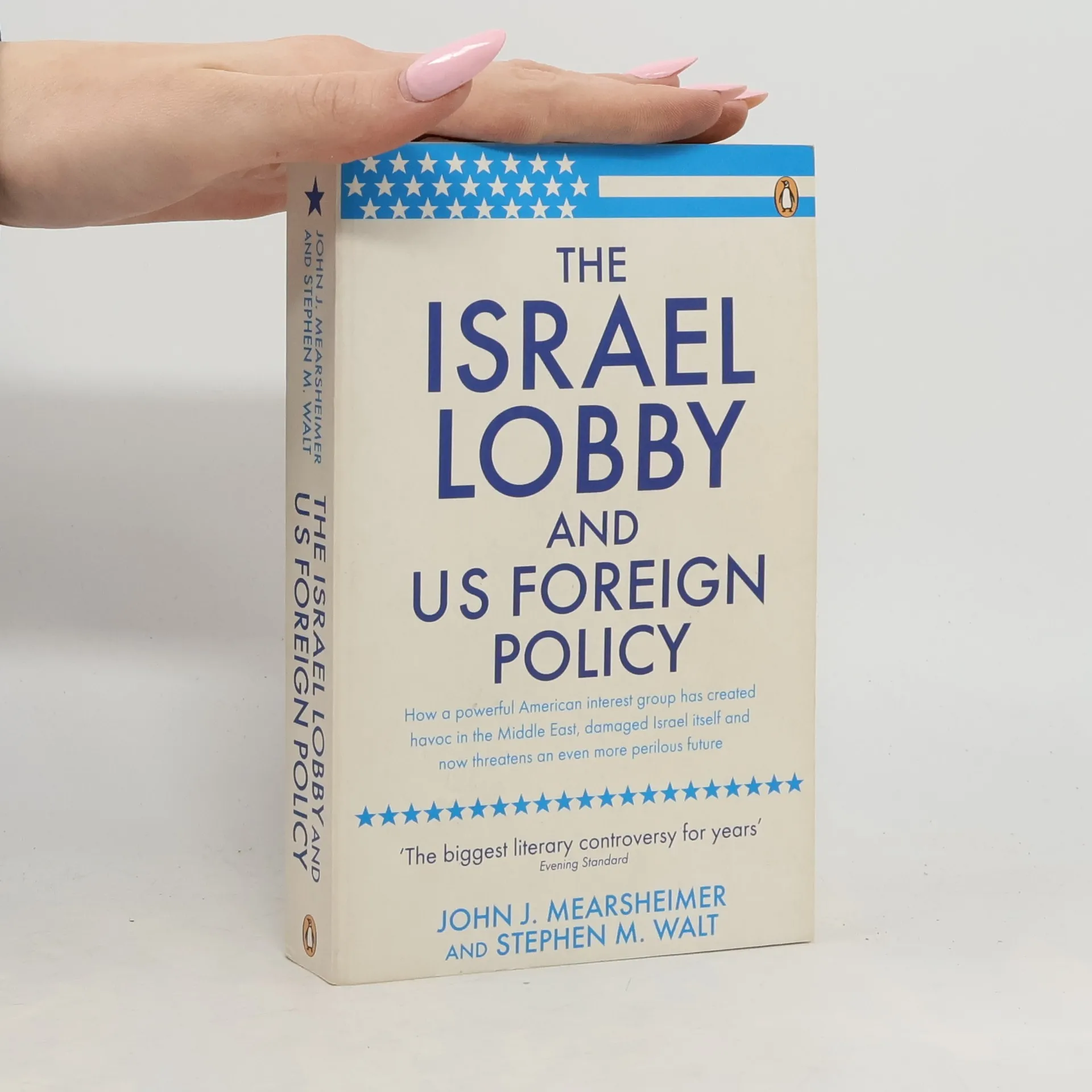
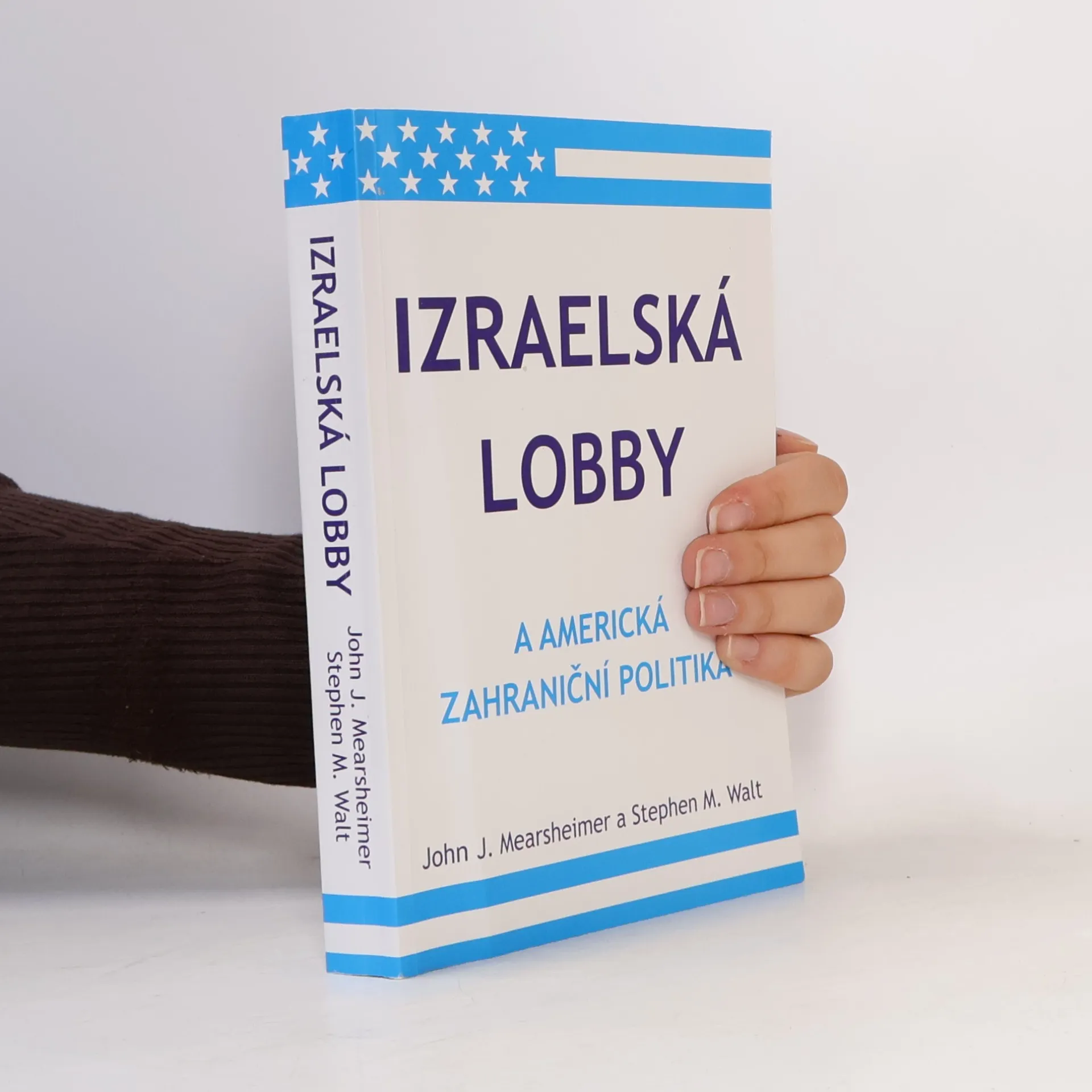
    • The Israel lobby is a loose coalition of right-wing individuals and organisations that actively works to shape U.S. foreign policy. Here, the authors claim that there is something deeply worrying about the Israel lobby's influence on U.S. foreign policy.

      The Israel lobby and U.S. foreign policy
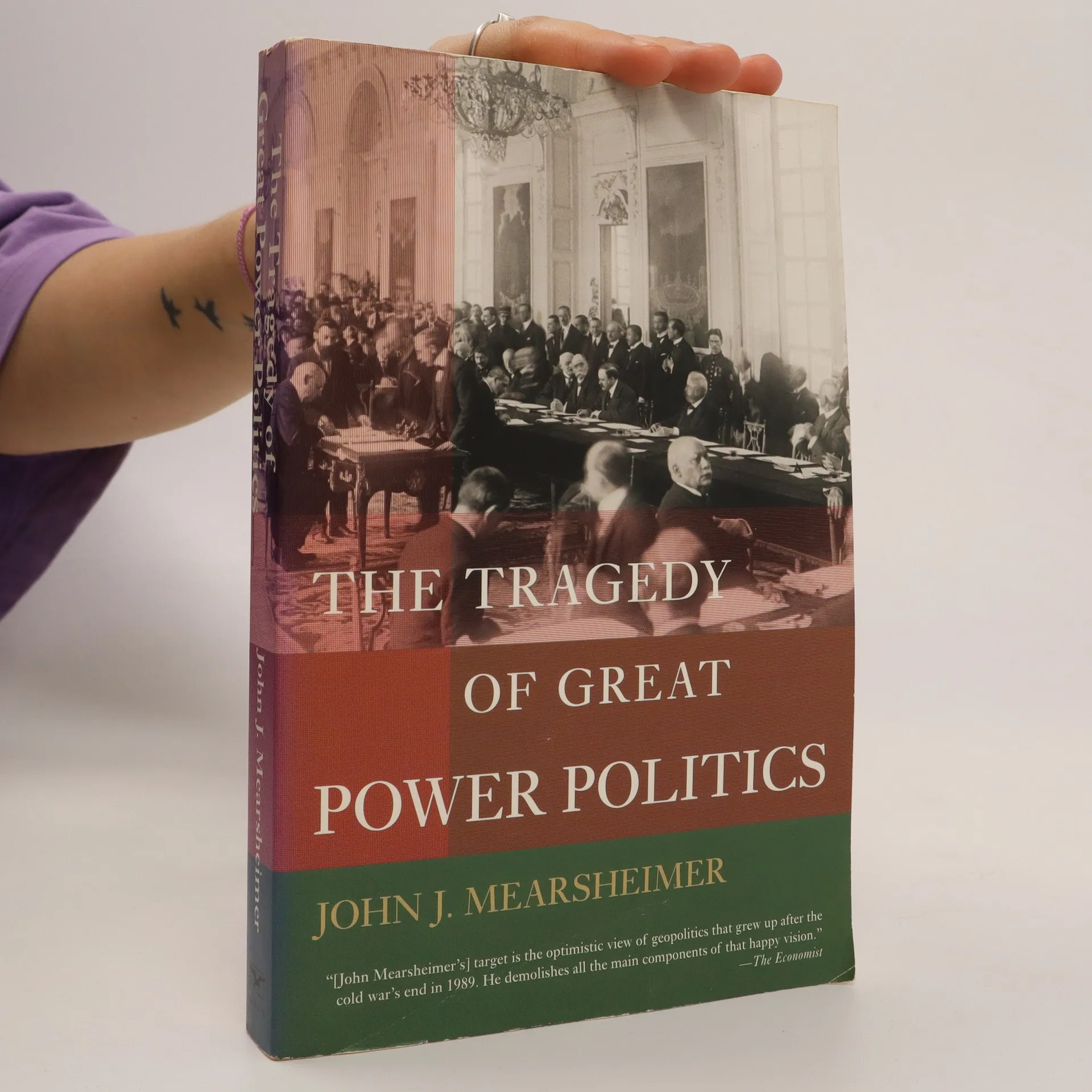
    • The tragedy of Great Power politics

      • 555 páginas
      • 20 horas de lectura

      "A superb book....Mearsheimer has made a significant contribution to our understanding of the behavior of great powers."― The National Interest , Barry R. Posen A decade after the cold war ended, policy makers and academics foresaw a new era of peace and prosperity, an era in which democracy and open trade would herald the "end of history." The terrorist attacks of September 11, 2001, sadly shattered these idyllic illusions, and John Mearsheimer's masterful new book explains why these harmonious visions remain utopian. To Mearsheimer, great power politics are tragic because the anarchy of the international system requires states to seek dominance at one another's expense, dooming even peaceful nations to a relentless power struggle. Mearsheimer illuminates his theory of offensive realism through a sweeping survey of modern great power struggles and reflects on the bleak prospects for peace in Europe and northeast Asia, arguing that the United States's security competition with a rising China will intensify regardless of "engagement" policies. "This is the definitive work on offensive realism."― Choice

      The tragedy of Great Power politics
    • Conventional Deterrence

      • 296 páginas
      • 11 horas de lectura

      Conventional Deterrence is a book about the origins of war. Why do nations faced with the prospect of large-scale conventional war opt for or against an offensive strategy? John J. Mearsheimer examines a number of crises that led to major conventional wars to explain why deterrence failed.

      Conventional Deterrence
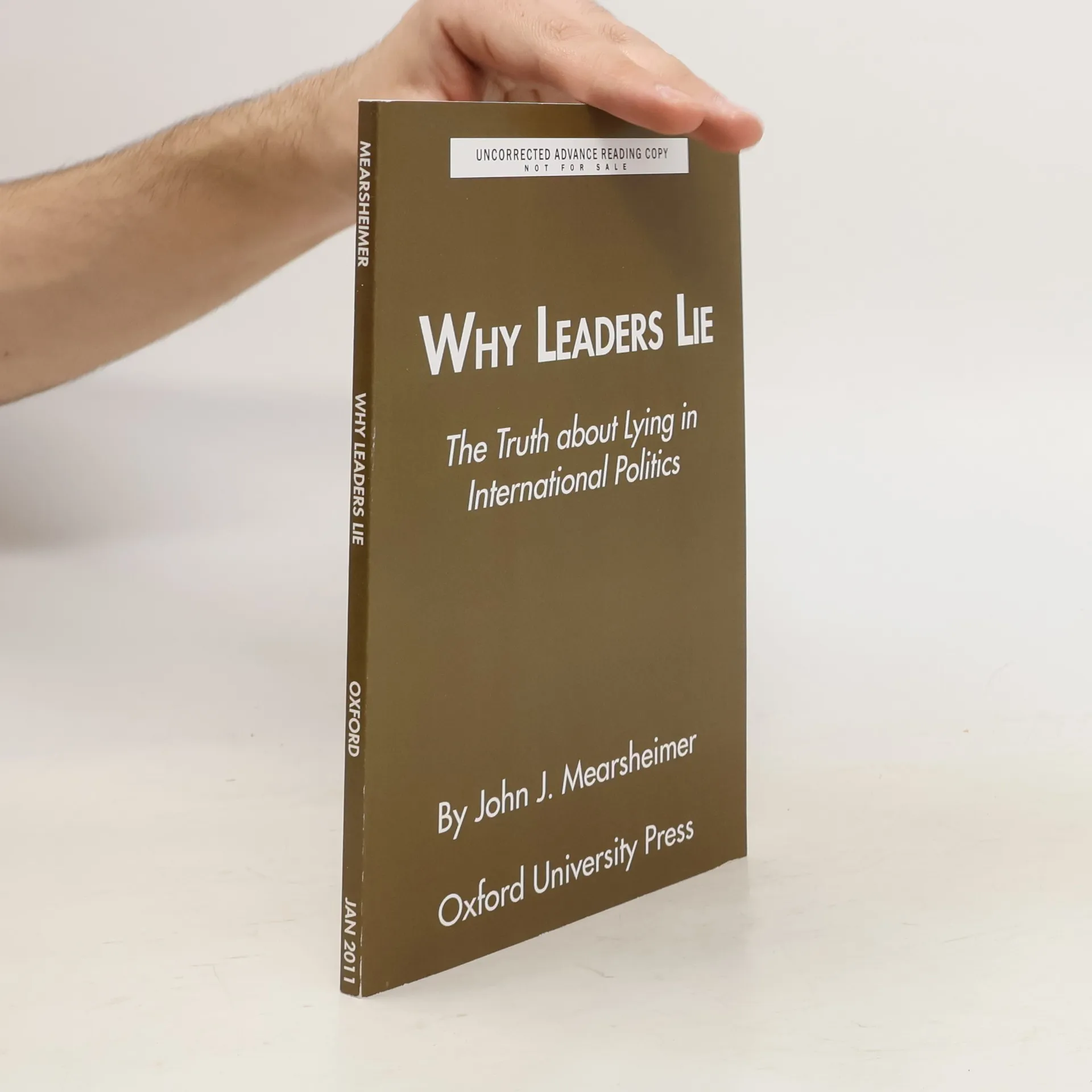
    • Why Leaders Lie

      The Truth About Lying in International Politics

      • 142 páginas
      • 5 horas de lectura

      Presents an analysis of the lying behavior of political leaders, discussing the reasons why it occurs, the different types of lies, and the costs and benefits to the public and other countries that result from it, with examples from the recent past.

      Why Leaders Lie
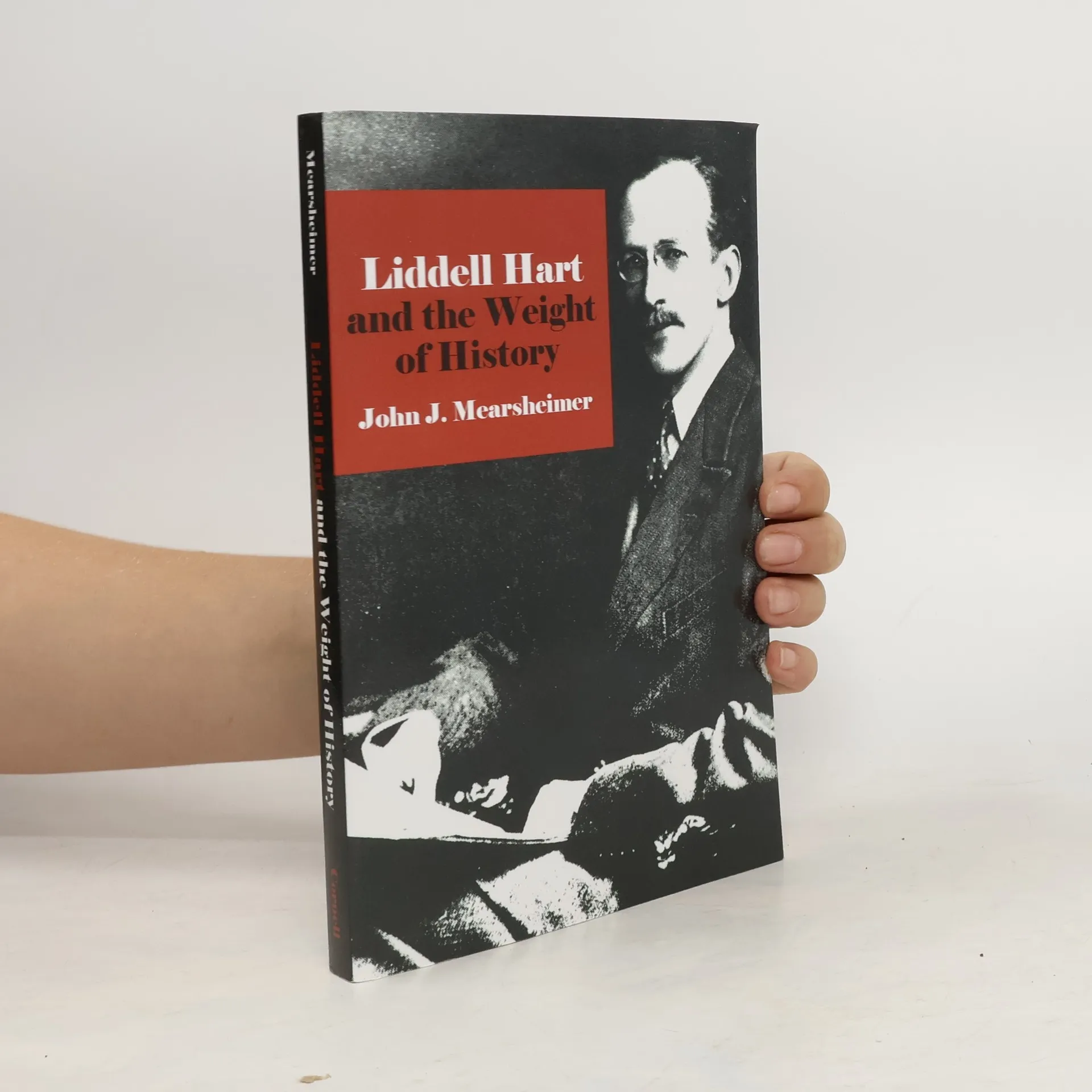
    • Liddell Hart and the Weight of History

      • 248 páginas
      • 9 horas de lectura

      This troubling book offers a striking illustration of how history can be used and abused-how a gifted individual can create their own self-serving version of the past.

      Liddell Hart and the Weight of History
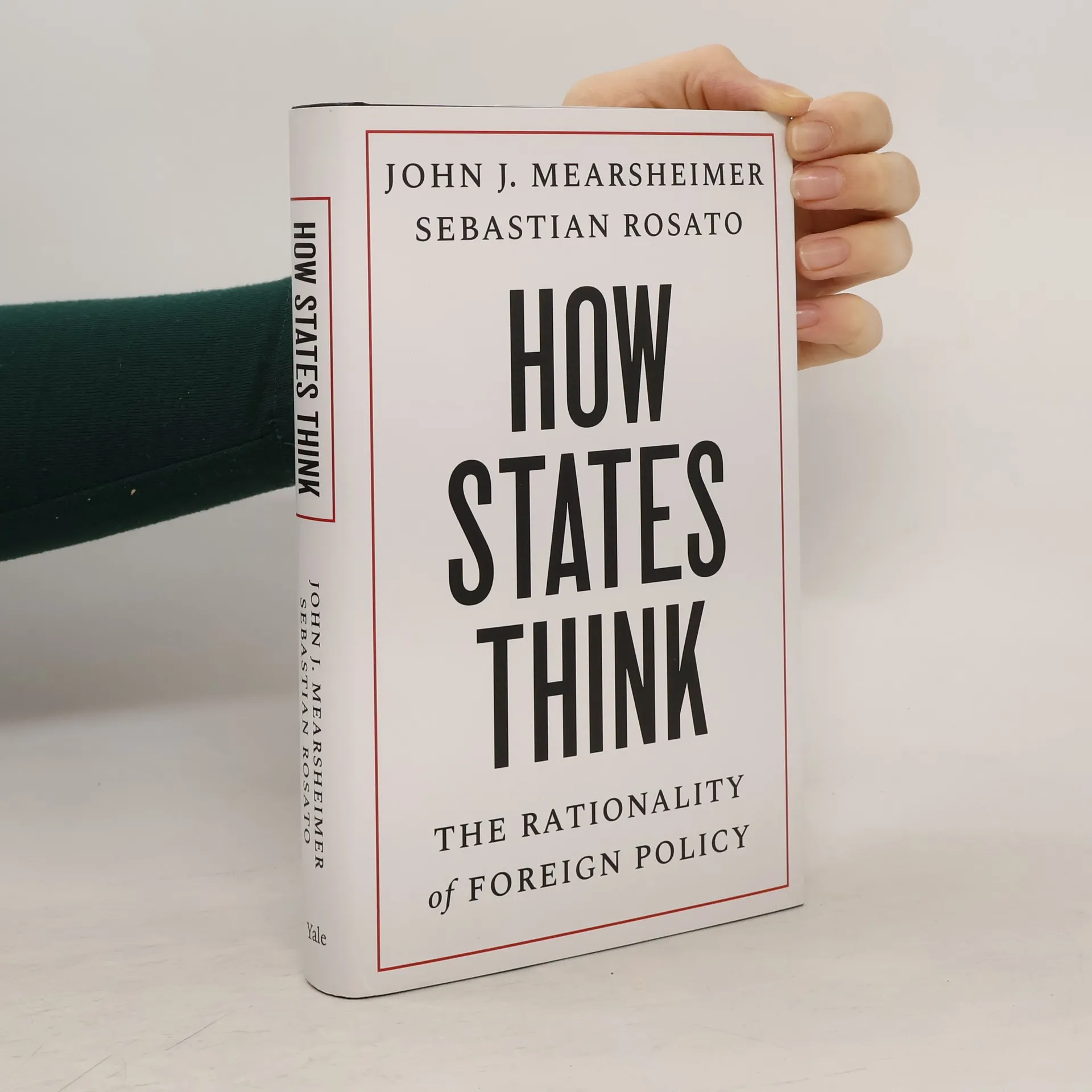
    • A groundbreaking examination of a central question in international relations: Do states act rationally?

      How States Think
    • Mluvit o vlivu lobby na americkou zahraniční politiku je obtížné, aniž by člověk čelil obviněním z antisemitismu nebo byl označen za sebeobviňujícího Žida. Kritika izraelských politik nebo otázek ohledně podpory Izraele je v slušné společnosti problematická. Americká bezpodmínečná podpora Izraele je zřídka zmiňována, protože lobby se snaží zajistit, aby veřejná debata odrážela jejich strategické a morální argumenty. Reakce na knihu bývalého prezidenta Jimmyho Cartera ilustruje tento jev. Carterova kniha je osobní výzvou k obnovení americké účasti v mírovém procesu, založená na jeho dlouholetých zkušenostech. I když lze zpochybnit jeho důkazy nebo nesouhlasit s jeho závěry, jeho cílem je mír mezi oběma národy, přičemž hájí právo Izraele na bezpečný život. Přesto, když naznačuje, že izraelské politiky na okupovaných územích připomínají apartheid a upozorňuje, že pro-izraelské skupiny komplikují mírové snahy, čelí silné kritice. Carter byl obviněn z antisemitismu a dokonce i z podpory nacismu, což ukazuje na obtížnost otevřené diskuse o těchto tématech.

      Izraelská lobby a americká zahraniční politika
    • Fascynująca książka jednego z najwybitniejszych badaczy stosunków międzynarodowych, profesora Johna J. Mearsheimera, analizuje idealistyczne złudzenia dotyczące polityki międzynarodowej oraz błędy intelektualne, które je generują. Autor wskazuje na kluczowe czynniki decydujące o postępowaniu państw, formułując surowe oskarżenie wobec amerykańskiej polityki ostatnich trzydziestu lat, z jej wiarą w koniec historii i możliwość eksportu liberalnej demokracji. Książka jest manifestem realizmu politycznego oraz wezwaniem do powściągliwości i uznania ograniczeń narzucanych przez rzeczywistość. Mearsheimer oferuje polityczną trzeźwość i rozsądne wyjaśnienia teraźniejszości, które potwierdzają jego oceny. Narodowe interesy oraz polityka siły wracają na scenę, a gra mocarstw zaczyna się na nowo. Autor podkreśla, że państwa, takie jak Polska, mogą zyskać, odrabiając lekcje politycznego realizmu. Książka jest apelem do umiarkowania w polityce zagranicznej, ukazując zalety realizmu w przeciwieństwie do liberalnych krucjat, które często prowadzą do konfliktów. Przepełniona zrównoważonym myśleniem, oddziela fakty od emocji, stawiając na mądrze rozumiane interesy narodowe.

      Wielkie złudzenie
    • Jak działają mocarstwa rywalizujące o bezpieczeństwo i potęgę? Aby zrozumieć politykę światową, kluczowe jest pojęcie racjonalności w decyzjach głów państw. Mearsheimer i Rosato argumentują, że racjonalne decyzje wynikają z deliberatywnego procesu i są oparte na wiarygodnych teoriach. Większość państw działa racjonalnie, nawet jeśli nie zawsze prowadzi to do sukcesu. Autorzy sięgają do historii, analizując decyzje przywódców, takich jak George W. Bush czy Władimir Putin, w kontekście ważnych wydarzeń, jak wojny światowe czy zimna wojna. Wskazują, że zakładanie irracjonalności przeciwnika prowadzi do katastrof, jak wojna na Ukrainie, a działania takie jak wojna w Iraku powinny być poprzedzone racjonalnym namysłem. Książka jest apelem do decydentów polityki zagranicznej, aby podejmowali racjonalne deliberacje i starali się zrozumieć perspektywę swoich rywali. Mearsheimer i Rosato podważają przekonanie, że decyzje państw są kierowane emocjami czy chaosem, twierdząc, że polityka zagraniczna opiera się na uporządkowanych procedurach i wiarygodnych teoriach. Argumentacja jest logiczna, a tezy poparte dowodami.

      Jak myślą państwa. Racjonalność w polityce zagranicznej