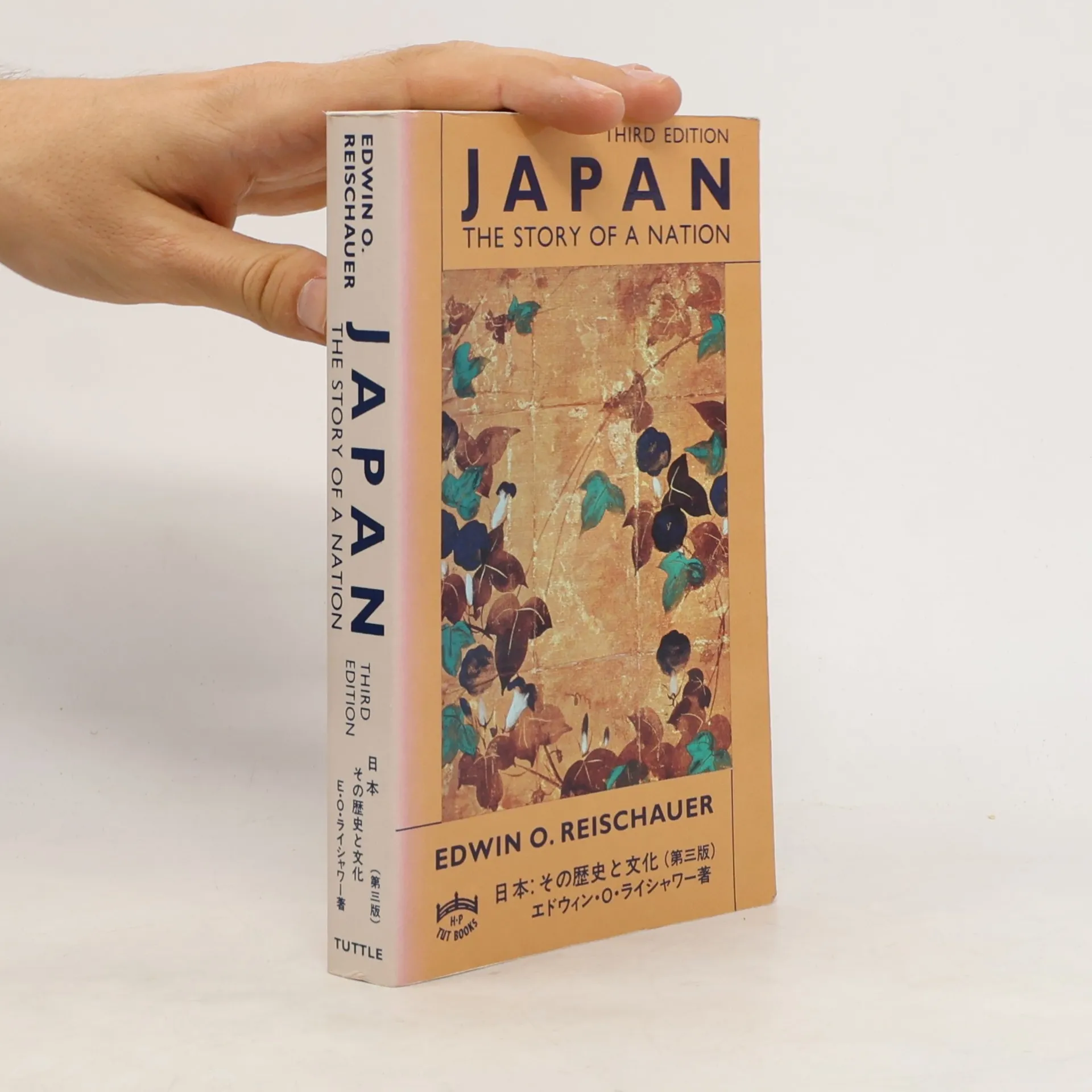
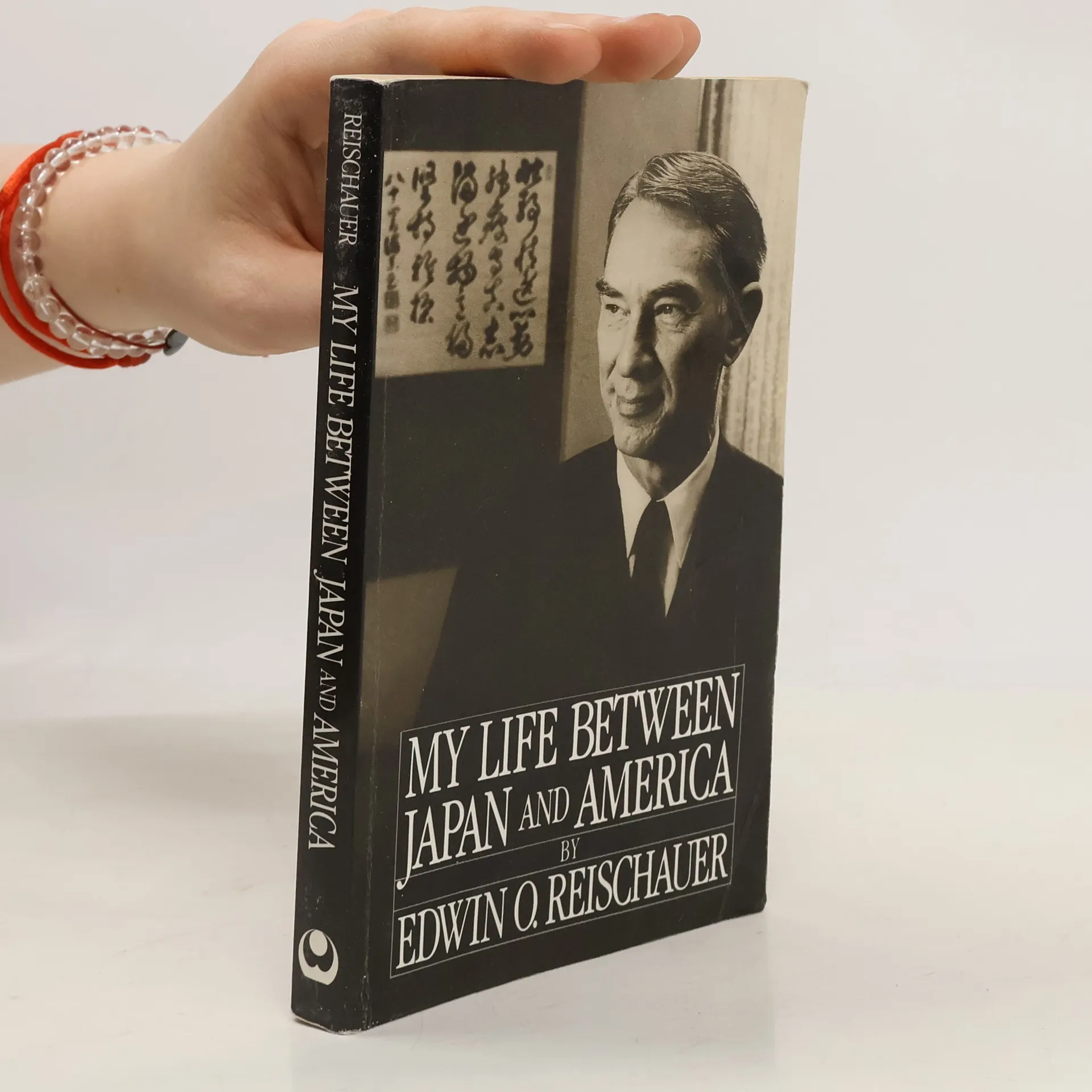
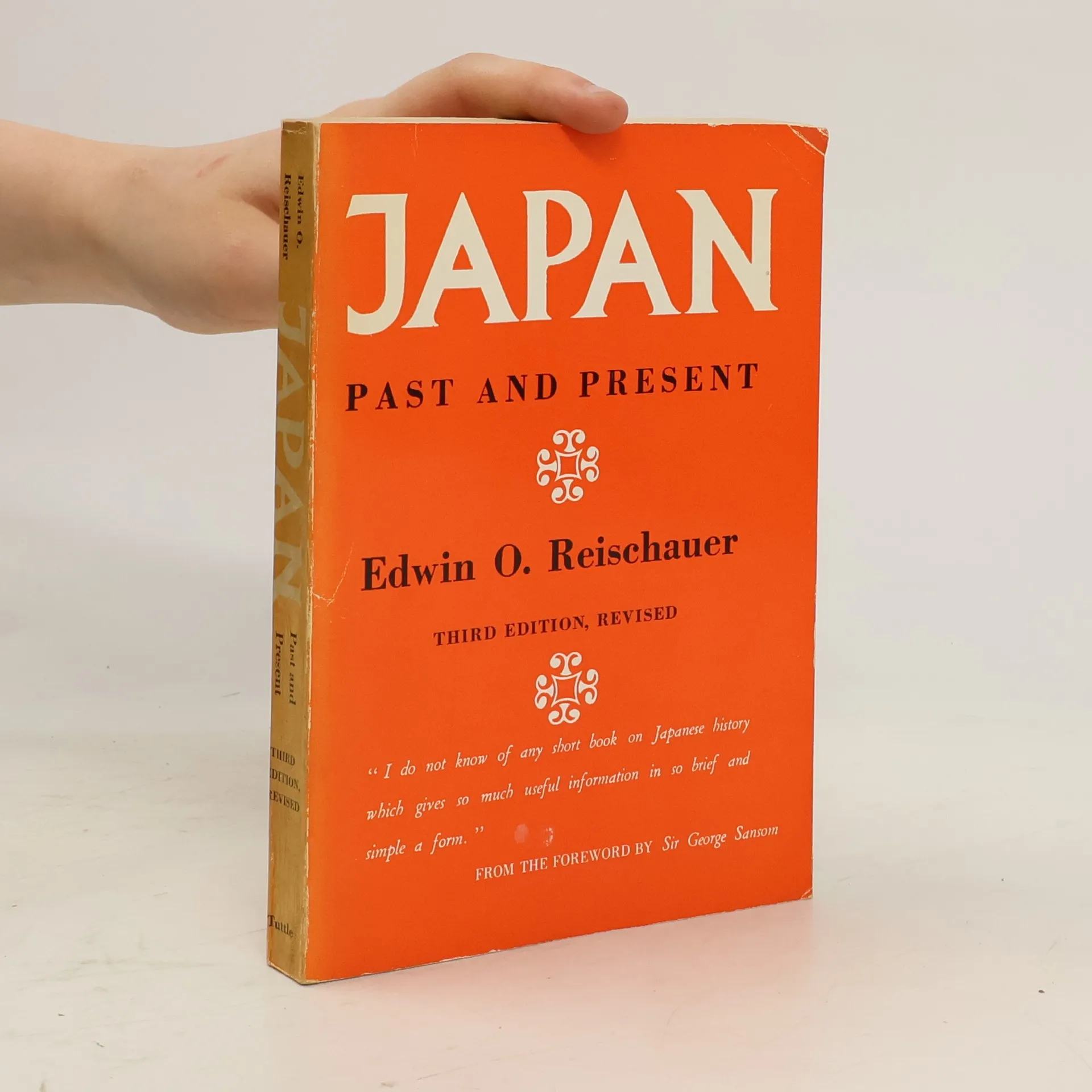
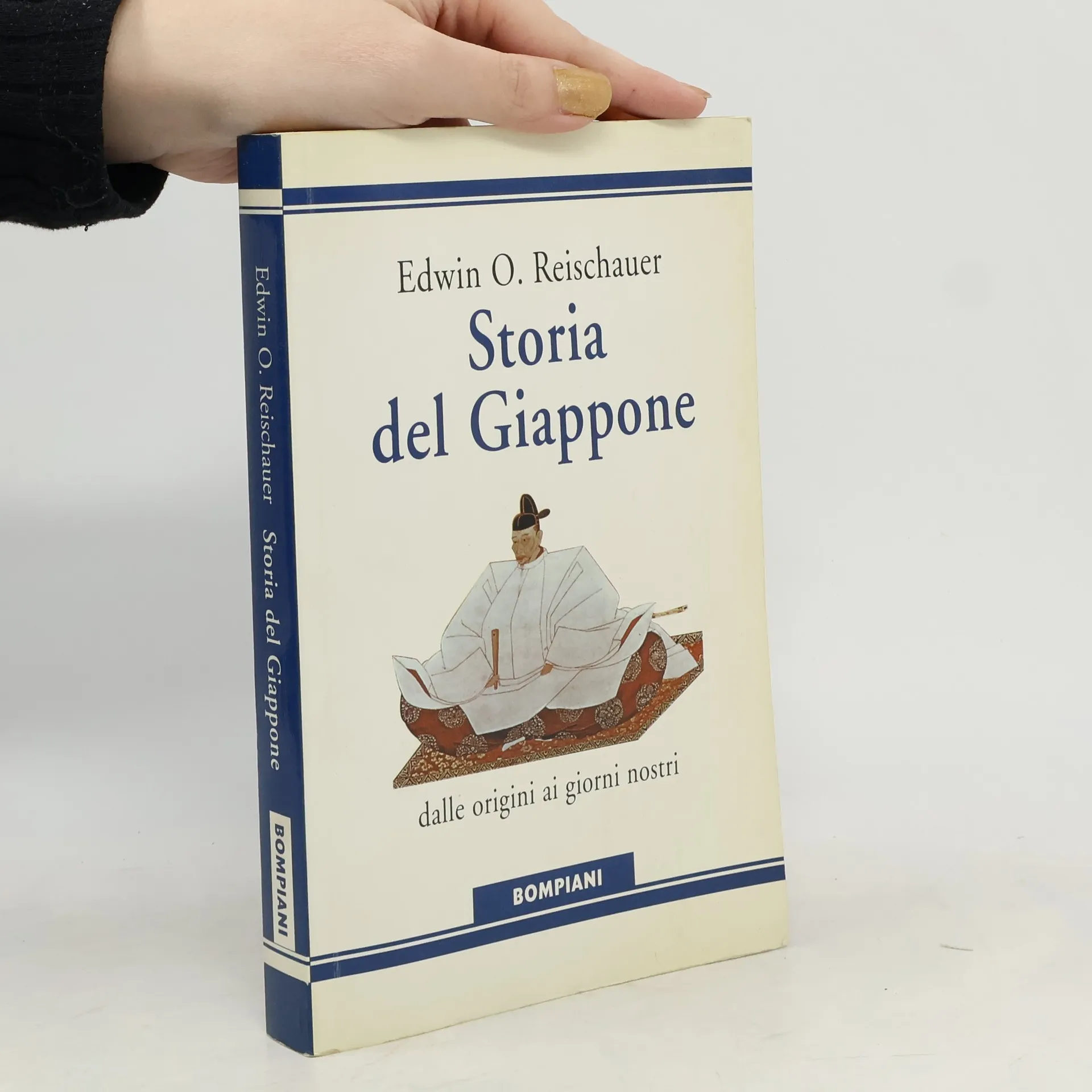
The author, son of American missionaries, describes his childhood in Japan, his work as a Harvard professor, his term as U.S. ambassador to Japan, and his efforts to promote U.S.-Japanese understanding.
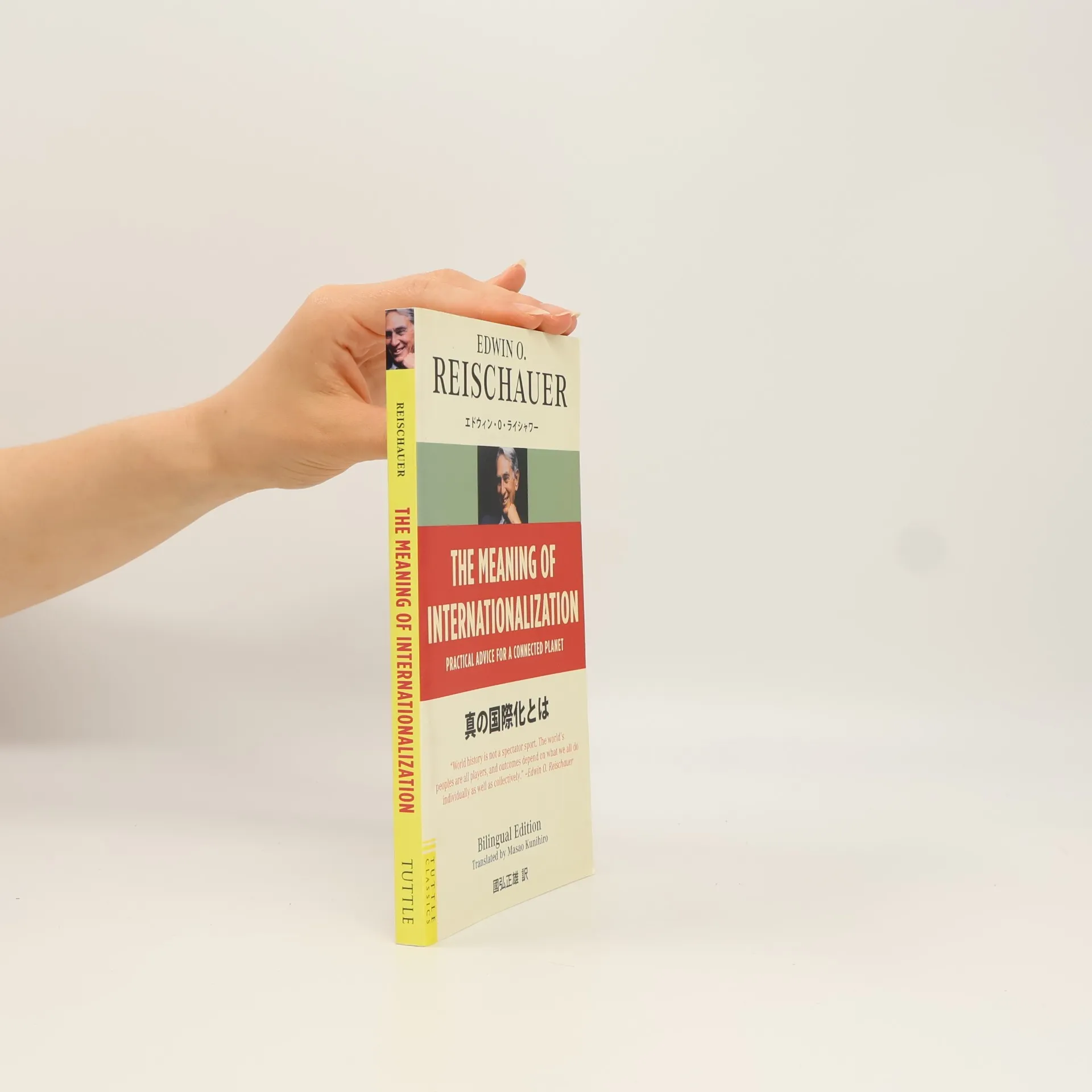
In The Meaning of Internationalization , Edwin O. Reischauer—former American Ambassador to Japan and one of the world's most acclaimed scholars of Japanese life and culture—delivers a heartfelt message to the Japanese people on the need to look beyond their borders at the changing nature of the world. Reischauer stresses the need to adapt in order to survive and thrive in the new reality that our ever-shrinking world is bringing about—a message that resonates even more deeply today and applies not just to Japan, but to every country in the new global economy.
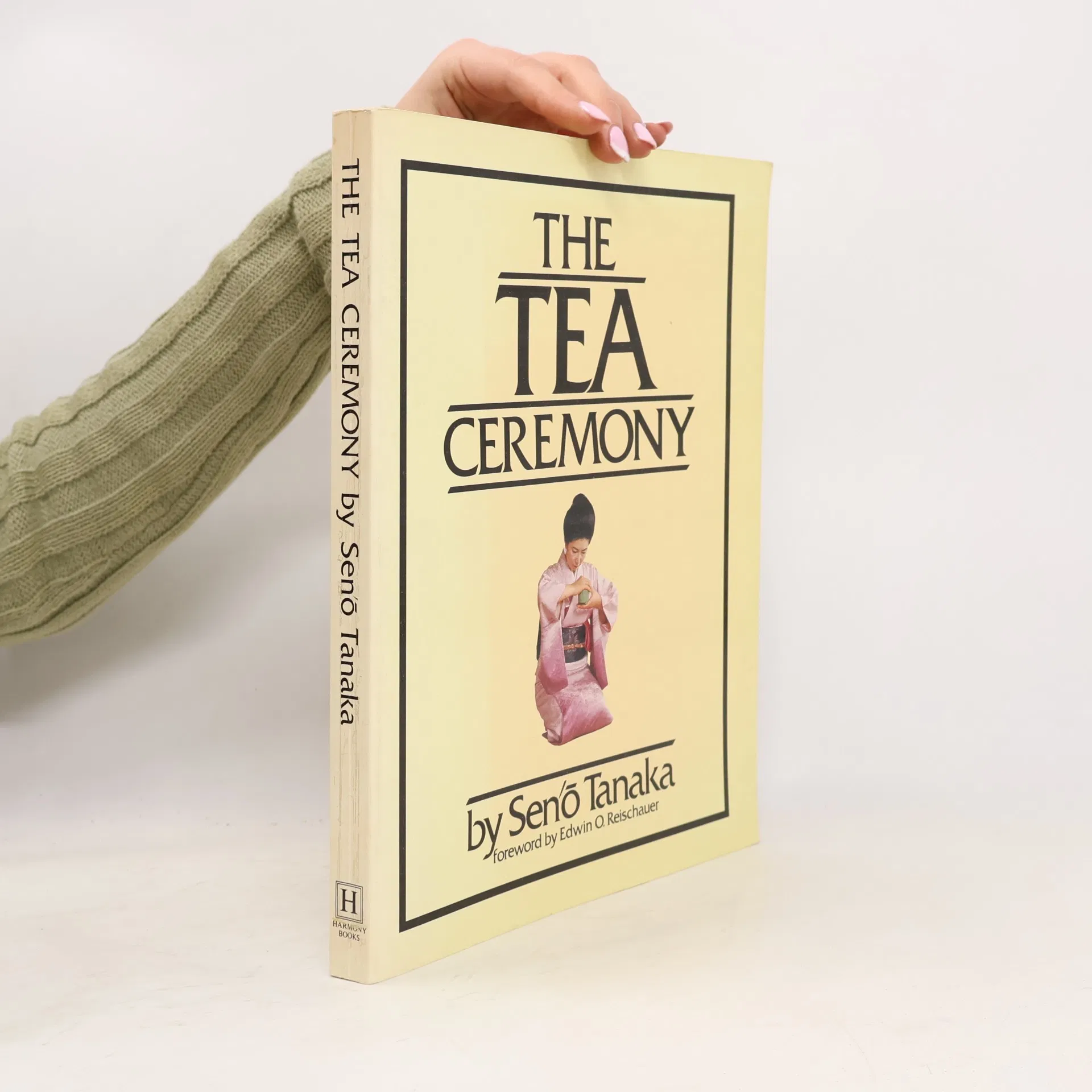
In Japan, serving tea is both an art and a spiritual discipline. The tea ceremony offers an opportunity to appreciate the aesthetics of the tea room, the tactile experience of holding the bowl, and the joy of sharing a moment with friends. With roots tracing back to the twelfth century, it is deeply intertwined with architecture, landscape gardening, ceramics, painting, flower arrangement, and Zen Buddhism.
Written by contemporary tea masters, this work provides a comprehensive exploration of the origins and evolution of the tea ceremony. The authors examine all aspects of the ritual, including art, architecture, incense, flowers, and Zen influences, illustrating how the study of tea can lead to spiritual insight and tranquility.
Originally published in 1973, this extensively revised edition features a rewritten text, new photographs, and line drawings. Over 75 step-by-step images of the tea ritual, including close-ups, enhance the reader's understanding. New line drawings highlight key elements of the ceremony, while bilingual charts of tea terms offer additional resources for those interested in further study.
This lavish edition enriches the literature on tea, capturing the aesthetic spirit at the heart of the ritual, with over 330 photographs and illustrations of tea houses, gardens, utensils, and scenes from the ceremony, along with appendices detailing famous tea houses, tea terms, and a glossary.
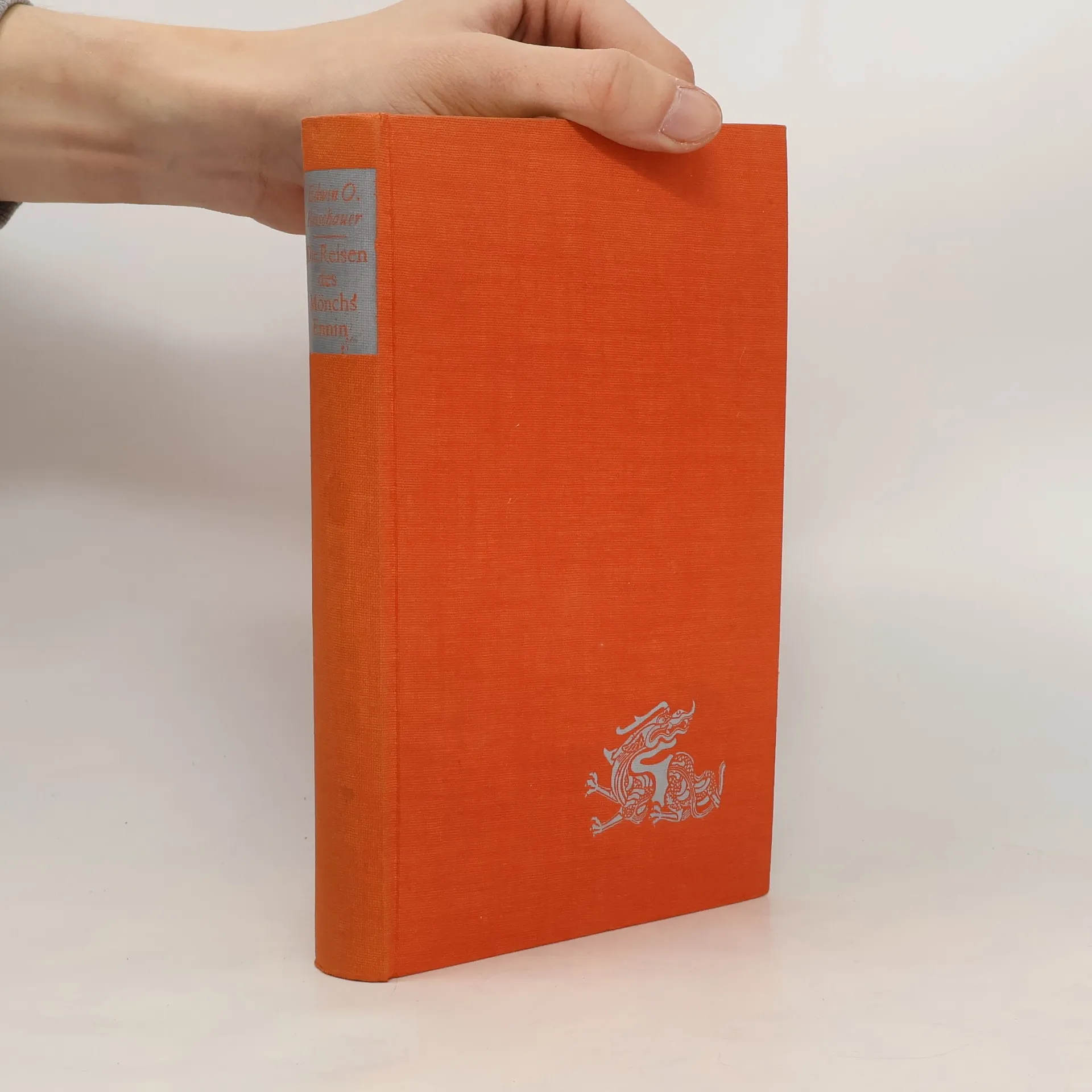
The narrative offers a vivid reconstruction of ninth-century China through the eyes of Ennin, a Japanese Buddhist monk. His extensive travel diary chronicles his journey to seek Buddhist texts and spiritual growth, detailing his experiences in North China and life in Ch'ang-an. The book provides unique insights into the culture, daily life, and religious practices of the time, showcasing the intersection of personal exploration and historical context.
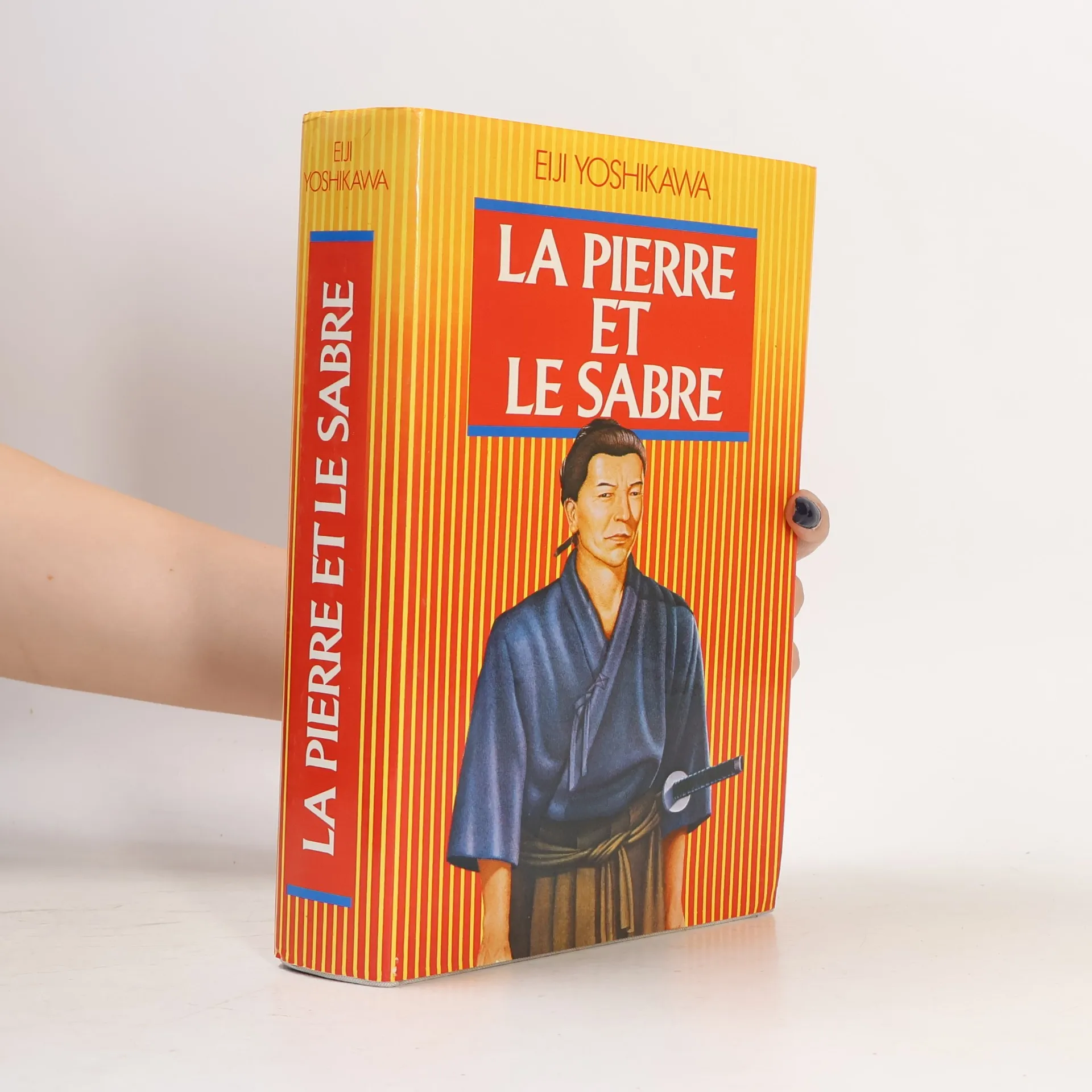
Dans le Japon du XVIIe siècle, le jeune Takezó devient le samouraï Miyamoto Musashi et n'a plus qu'un seul but : tendre à la perfection. Dépasser ses sentiments et persévérer pour s'améliorer, se perfectionner et parvenir à comprendre le sens profond de la vie en développant son art, l'art du combat. Duel après duel, il crée son propre style. Son parcours initiatique, mariant aventures, amour et quête de soi, nous entraîne dans une grande fresque épique. Un chef-d'œuvre !
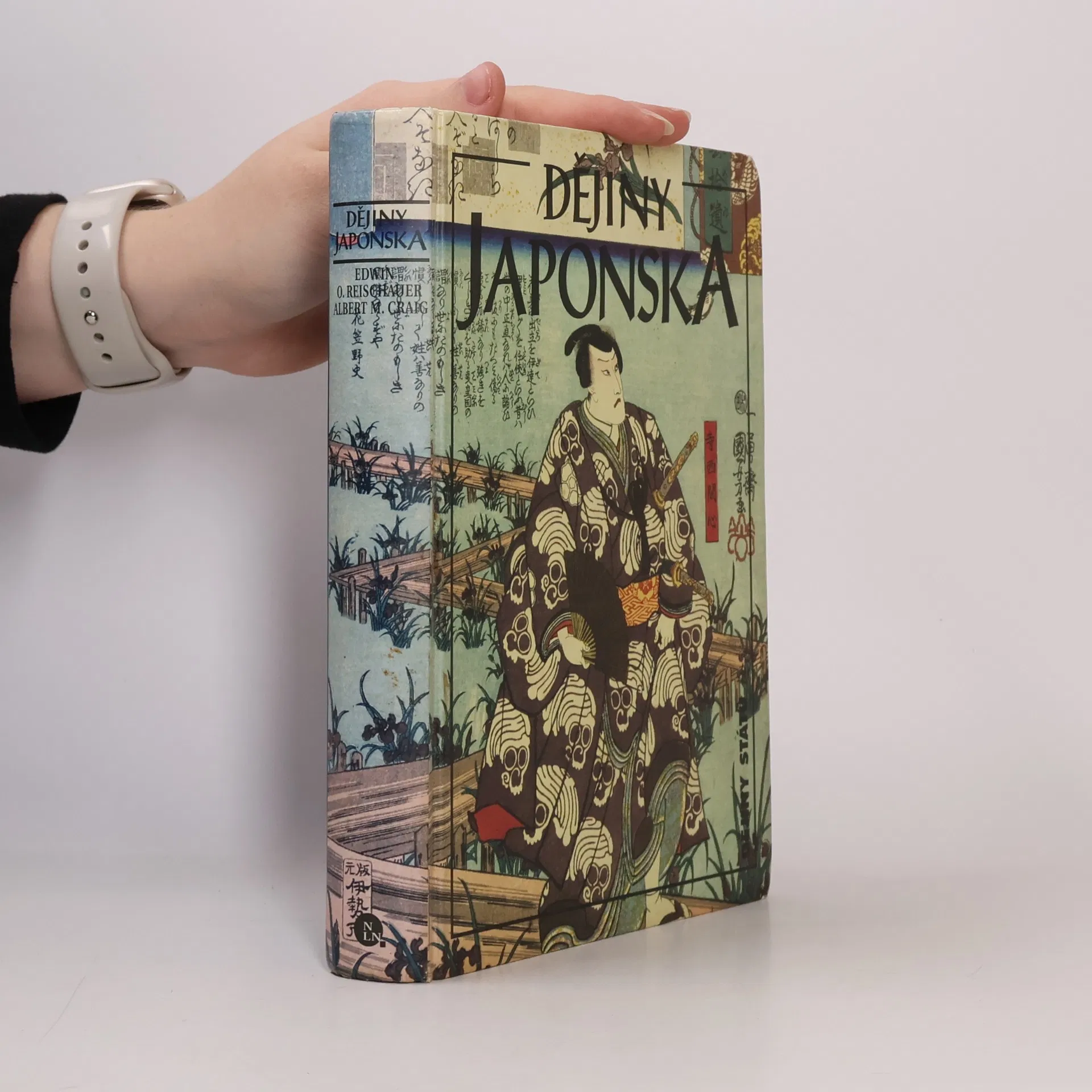
Histoire du Japon et des Japonais. 1, Des origines à 1945 retrace l'évolution historique du Japon depuis ses débuts jusqu'à la fin de la Seconde Guerre mondiale, explorant les événements clés, les figures marquantes et les transformations culturelles qui ont façonné la nation japonaise.