



Bookbot

Růžena Ostrá

    24 de enero de 1932 – 30 de diciembre de 2020
    Růžena Ostrá
    Vznešené paní z 12. století,1. - 3. díl
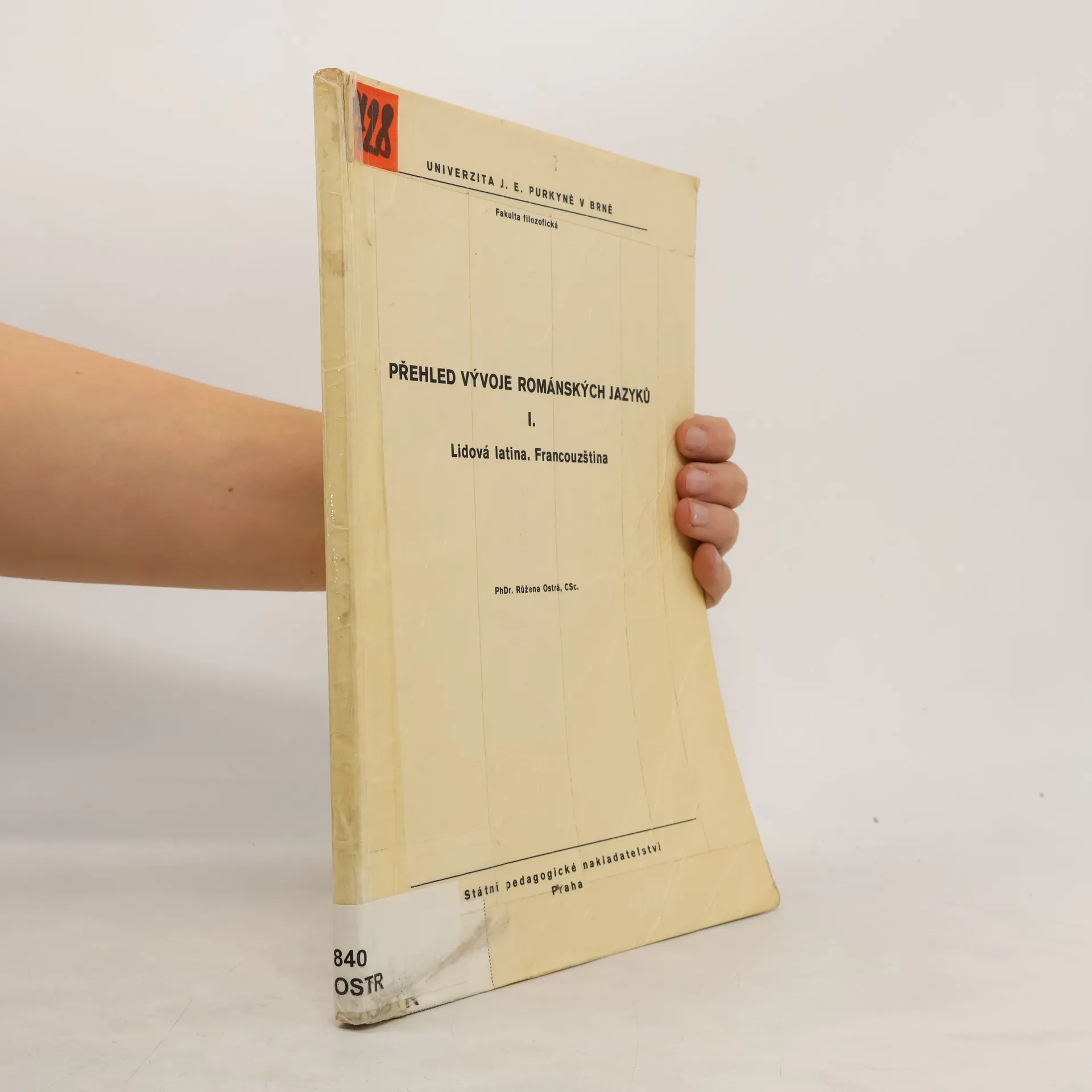
    Přehled vývoje románských jazyků I.
    Structure onomasiologique du travail en Français
    Serie Piper: Die Rache Gottes
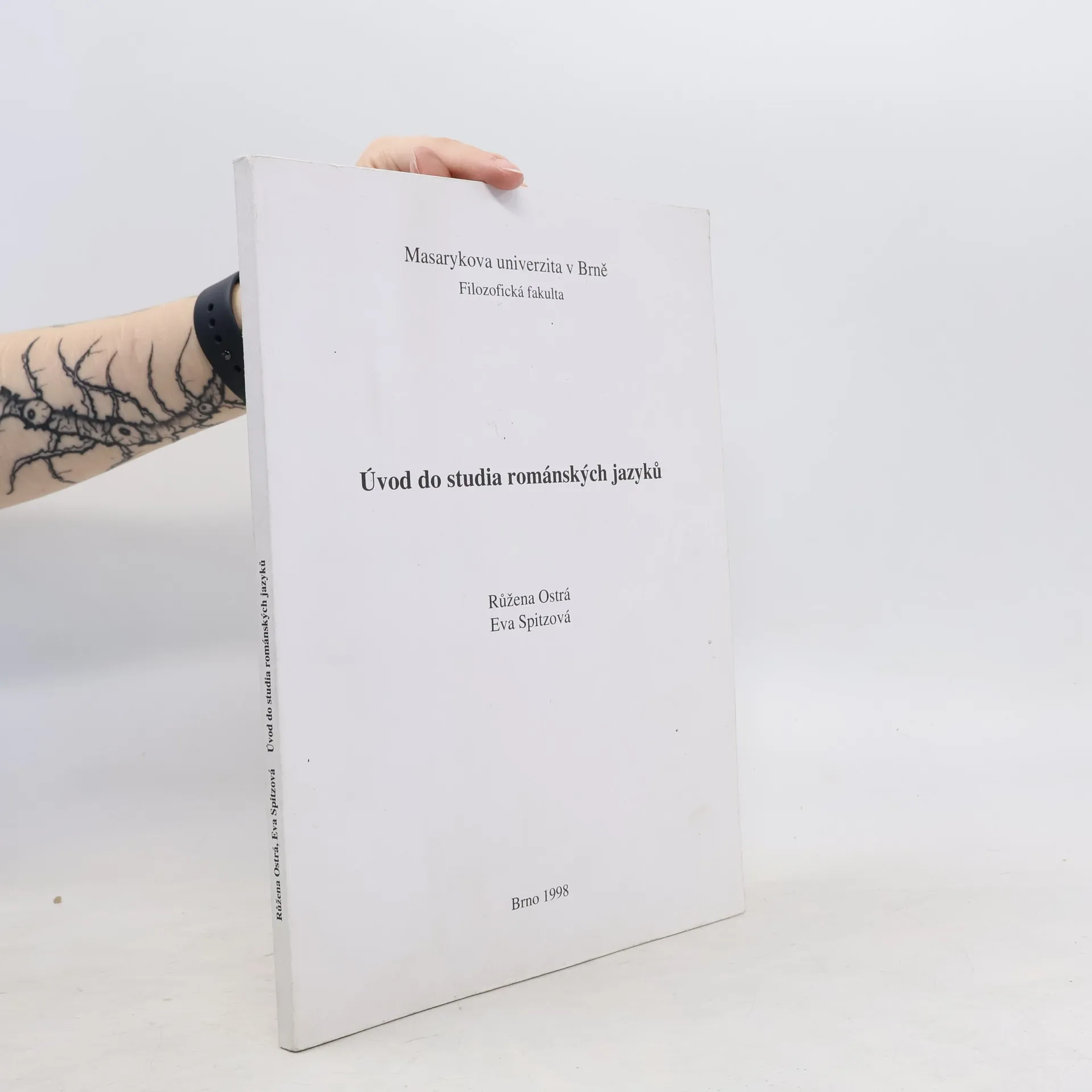
    Úvod do studia románských jazyků
    • Úvod do studia románských jazyků

      • 175 páginas
      • 7 horas de lectura

      Skripta mají dát přehled po jazykovědné problematice románských jazyků. Je určeno posluchačům romanistiky filosofických fakult, ale snad poslouží také jako základní příručka všem zájemcům o vědecké studium románských jazyků. Skriptum se skládá ze 3 částí: 1) Obecně jazykovědná část obsahuje základní teoretické poučení o jazyce a o klasifikaci jazyků (I. a II.kapitola). 2) Část romanistická je věnována původu, diferenciaci a současnému stavu románských jazyků (III., IV. a V.kapitola). 3) Poslední část je věnována vývoji jazykovědy se zvláštním zřetelem k romanistice (VI.kapitola). První část vypracovala E.Spitzová, druhou část R.Ostrá a poslední část je společným dílem obou autorek

      Úvod do studia románských jazyků
      3,4
    • Serie Piper: Die Rache Gottes

      Radikale Moslems, Christen und Juden auf dem Vormarsch

      • 315 páginas
      • 12 horas de lectura

      In this translation of a best-selling French work, Gilles Kepel, a leading authority on Islamic societies, presents a compelling account of the resurgence of religious belief in the modern world, focusing on radical movements within Christianity, Judaism, and Islam. While much has been written about contemporary religious fundamentalisms, Kepel critiques the term as inadequate for understanding revivalist movements globally. He examines a spectrum of groups, from American Protestant televangelists to ultra-Orthodox Jews and Islamic militants, arguing that these movements resist modernity and secularism but are not merely reactions to them. Instead, they embody the complexities of contemporary society, with militant memberships comprised of young, educated individuals seeking to recreate society based on their sacred texts. Each group employs strategies from above, aiming to seize state power, and from below, working to influence the masses and control daily lives. Kepel posits that today's religious movements, much like historical workers' movements, reveal societal ills and provide a critical lens through which to examine our world at the millennium's end. Their insights, regardless of agreement, offer a significant critique of contemporary society.

      Serie Piper: Die Rache Gottes
      3,3