
Luxuriating in her fading moneyed world and regardless of the increasingly
hostile forces outside, she and her brother snub the lucrative scheme of
Lopakhin, a peasant turned entrepreneur, to save the family estate.
Uncle Vanya, derived in part from a reworking of the earlier The Wood Demon, was first performed in 1899 as the third of Chekhov's four dramatic masterpieces has been described as the least pleasant and most bitter of Chekhov's plays. Set in an almost closed private and provincial world, it essentially deals with waste, at a number of levels of plot and character, and with the pathetic futility of pointless labours and fruitless relationships. It's tone of resignation at the failure of a doomed rebellion against unalterable circumstances, together with the relative absence for much of the play of plot or action, has to be sent along side its naturalism and modernity: the difficulty in communication is one of its outstanding features. This edition features the full text in Russian, an Introduction in English, notes and vocabulary to contextualise the play.
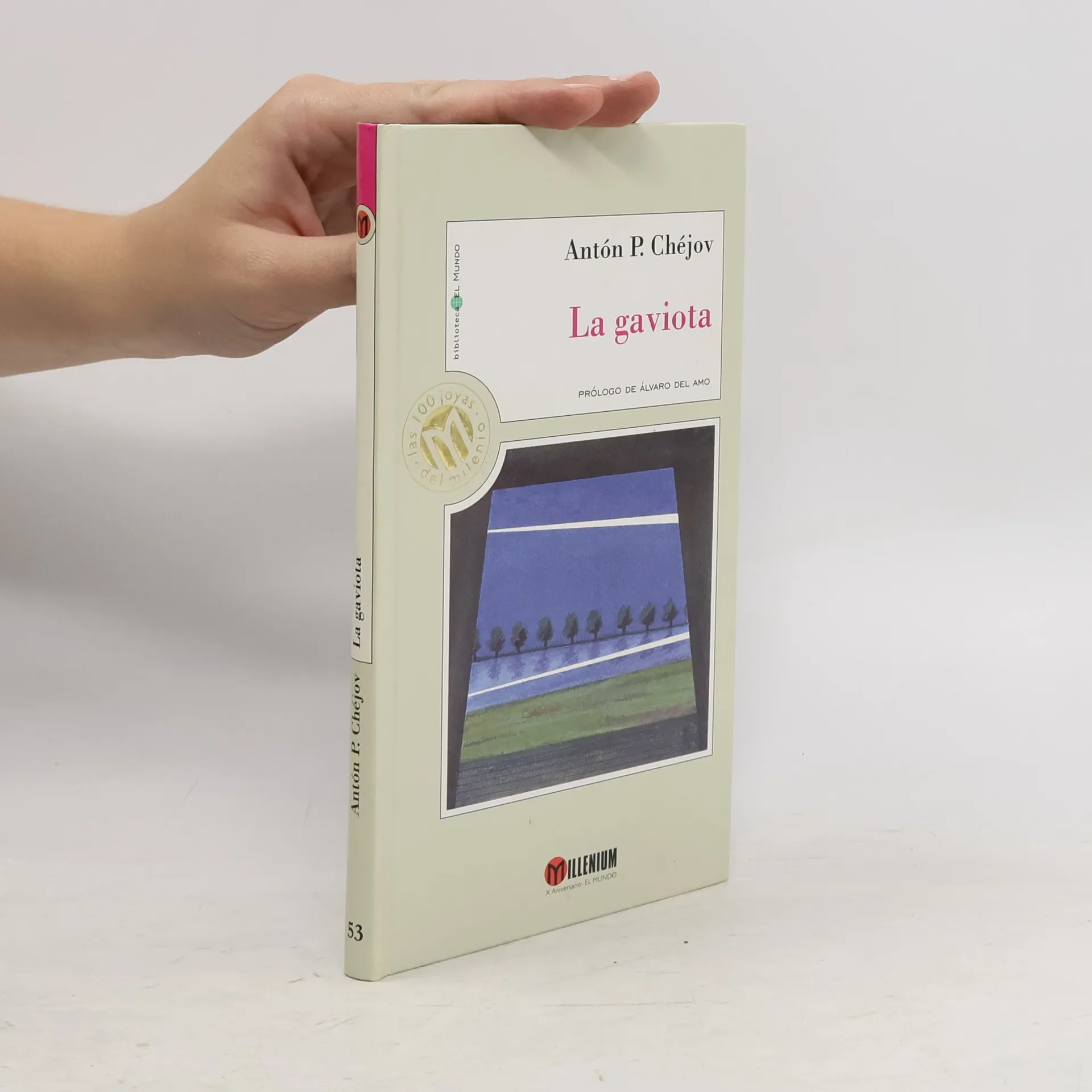
La gaviota (en ruso: "Чайка", Chayka) es una pieza teatral en cuatro actos de Antón Chéjov escrita en 1896; es la primera de las que son generalmente consideradas las cuatro obras maestras del dramaturgo y escritor ruso. Se centra en los conflictos románticos y artísticos entre cuatro personajes: La ingenua Nina, la anteriormente gloriosa actriz Irina Arkádina, el dramaturgo experimental Konstantín Tréplev, hijo de Arkádina, y el famoso escritor Trigorin.
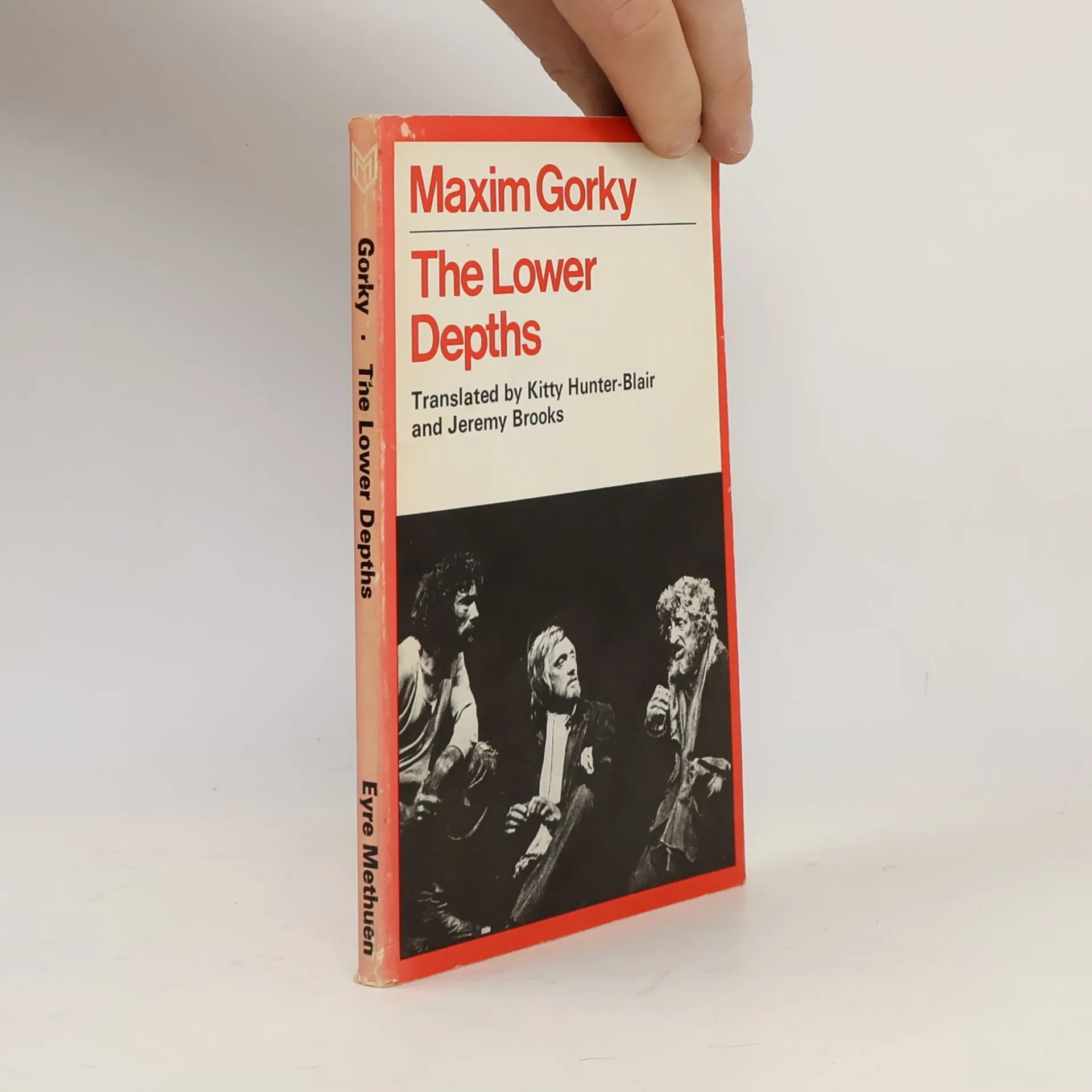
Maxim Gorky, a prominent Russian writer and political activist, is celebrated for his impactful literature and was nominated for the Nobel Prize in Literature five times. His diverse experiences traveling across the Russian Empire and holding various jobs significantly shaped his writing style and themes. Gorky's work often reflects the struggles and resilience of the human spirit, drawing from the rich tapestry of his life experiences.
"Nikolai Ivanov, approaching middle-age, has lost all passion for life. No longer in love with his wife, riddled with debt, and in danger of losing his estate, Ivanov finds himself trapped in a stasis he cannot shake-dragging all of those in his orbit down with him. While his family and friends rally around him trying to help, Ivanov only seems to sink further into the darkness that threatens to consume him. A new translation of Chekhov's character study of a man undone by his own spiritual malaise"-- Provided by publisher
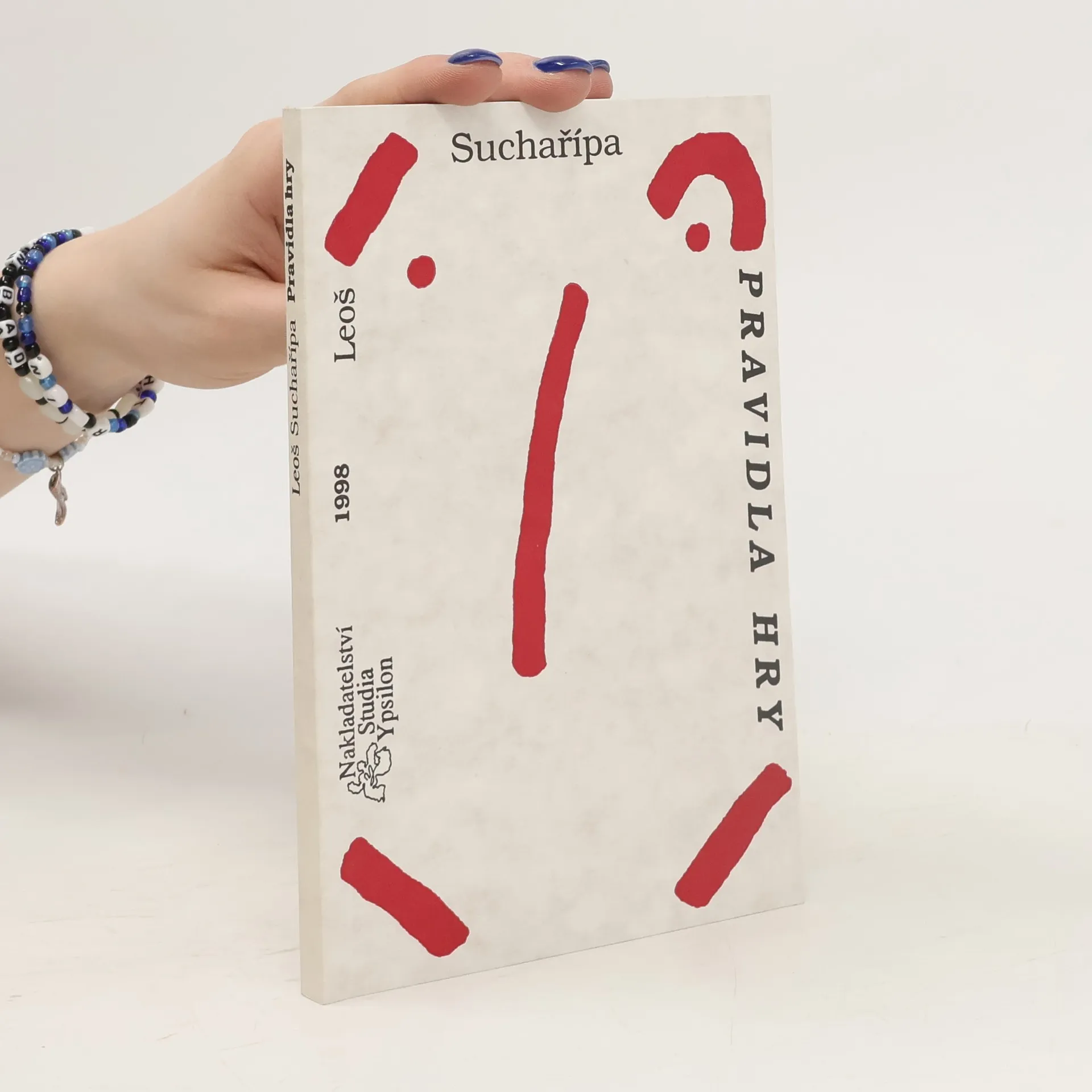
Pravidla hry přiníšejí významné Suchařípovy kritické analýzy z 60. let. Společným jmenovatelem je úsilí o analýzu a pojmenování všech prvků a souvislostí, které vstupují do hry při vnímání divadelního díla.
V Suchařípových textech se odráží vystupňovaná divadelní aktivita 60. let. Nejsou však jen svědectvím o době, v níž vznikaly, ale mají i nadčasovou platnost. Řada jeho analýz patří svou myšlenkovou pronikavostí dodnes k výstavním skvostům české teatrologie. Vyzařuje z nich tatáž osobitost, jakou vnímáme ze Suchařípova autorského hereckého projevu.