

The book explores the life of Theodore Hamerow, a historian born in Warsaw in 1920, who grew up in Poland and Germany amidst a vibrant Yiddish theater scene, thanks to his parents' involvement with the Vilna Company. It delves into the significant movement within the Eastern European Jewish community that aimed to establish a secular Jewish culture centered around the Yiddish language in the decades leading up to World War II. The narrative highlights the cultural and historical context of Jewish identity during this transformative period.
Theodore S. Hamerow Orden de los libros (cronológico)
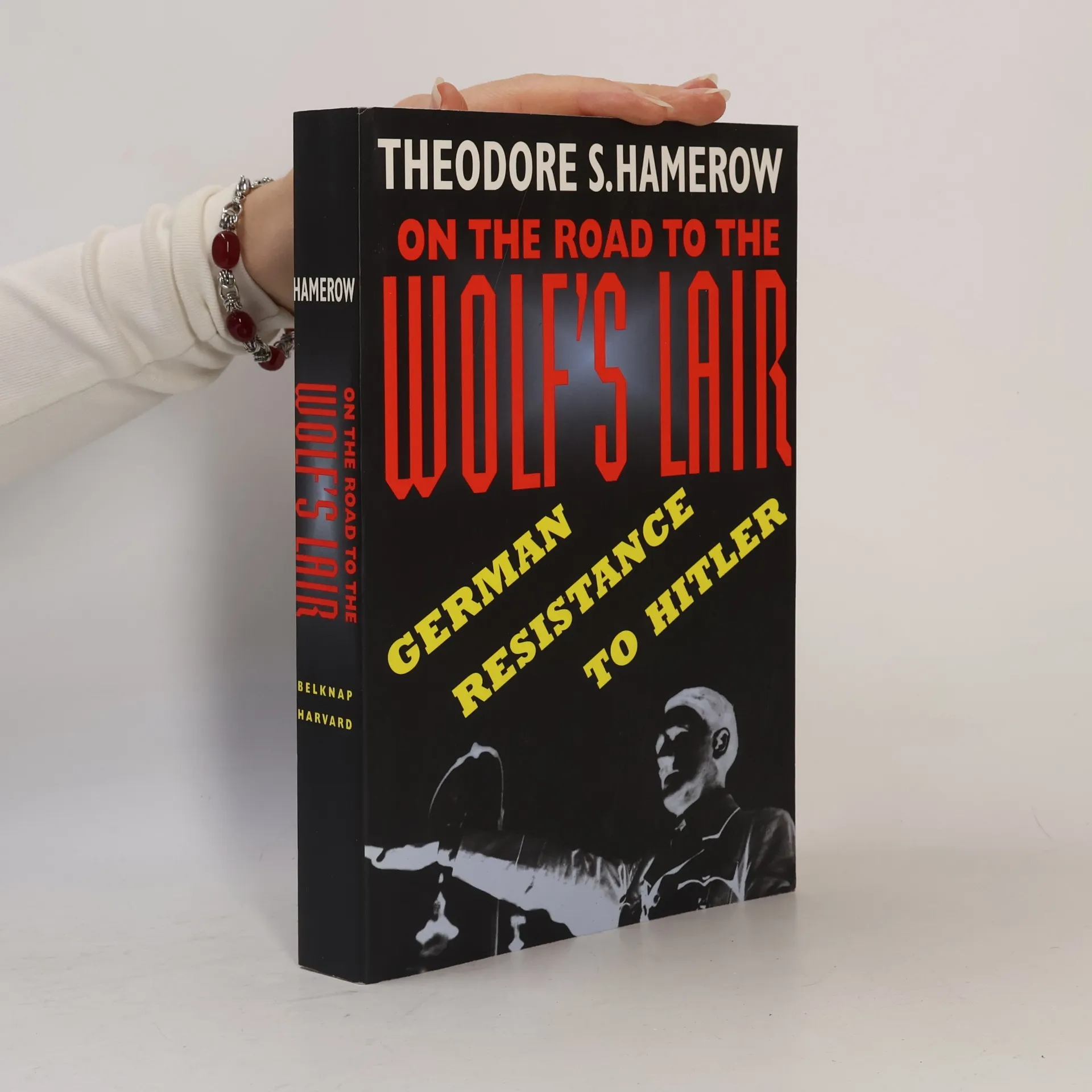


In the beginning, high-ranking army officers, civil servants, and religious leaders supported Hitler, believing it was in Germany's national interest. However, they ultimately sacrificed their lives to assassinate him. This book explores the complex journey of these unlikely resisters, who transformed from elitist, militaristic supporters into martyrs for a universal ideal. Rather than being isolated figures doomed to failure by the Nazi regime, these individuals emerged from within the Third Reich, leveraging their cultural, administrative, and military positions to form a systematic opposition. Their gradual awakening to the regime's evils is a dramatic narrative, marked by compromise, vacillation, and a struggle against their own conscience, alongside the intrigue of political resistance. The author follows these men as they grapple with guilt and contrition for their previous support of a murderous regime, illustrating how their moral reckonings and higher ideals ultimately prevailed over ingrained habits. This unsparing history reveals the resisters as real people with complex motives and evolving characters, contributing to our understanding of the fall of the Third Reich and the nature of historical inquiry itself. The narrative highlights the emergence of a collective moral conscience within a destructive environment.