Compra 10 libros por 10 € aquí!
Bookbot

Neil MacGregor

    16 de junio de 1946

    Este autor explora las profundas conexiones entre el arte, la historia y la civilización humana. Su obra profundiza en cómo los artefactos y las obras de arte narran las historias del pasado, dan forma a nuestro presente e influyen en nuestro futuro. Con énfasis en temas universales y una perspectiva global, busca desvelar cómo el patrimonio compartido de la humanidad, a través del arte, trasciende las fronteras culturales y nacionales.

    Neil MacGregor
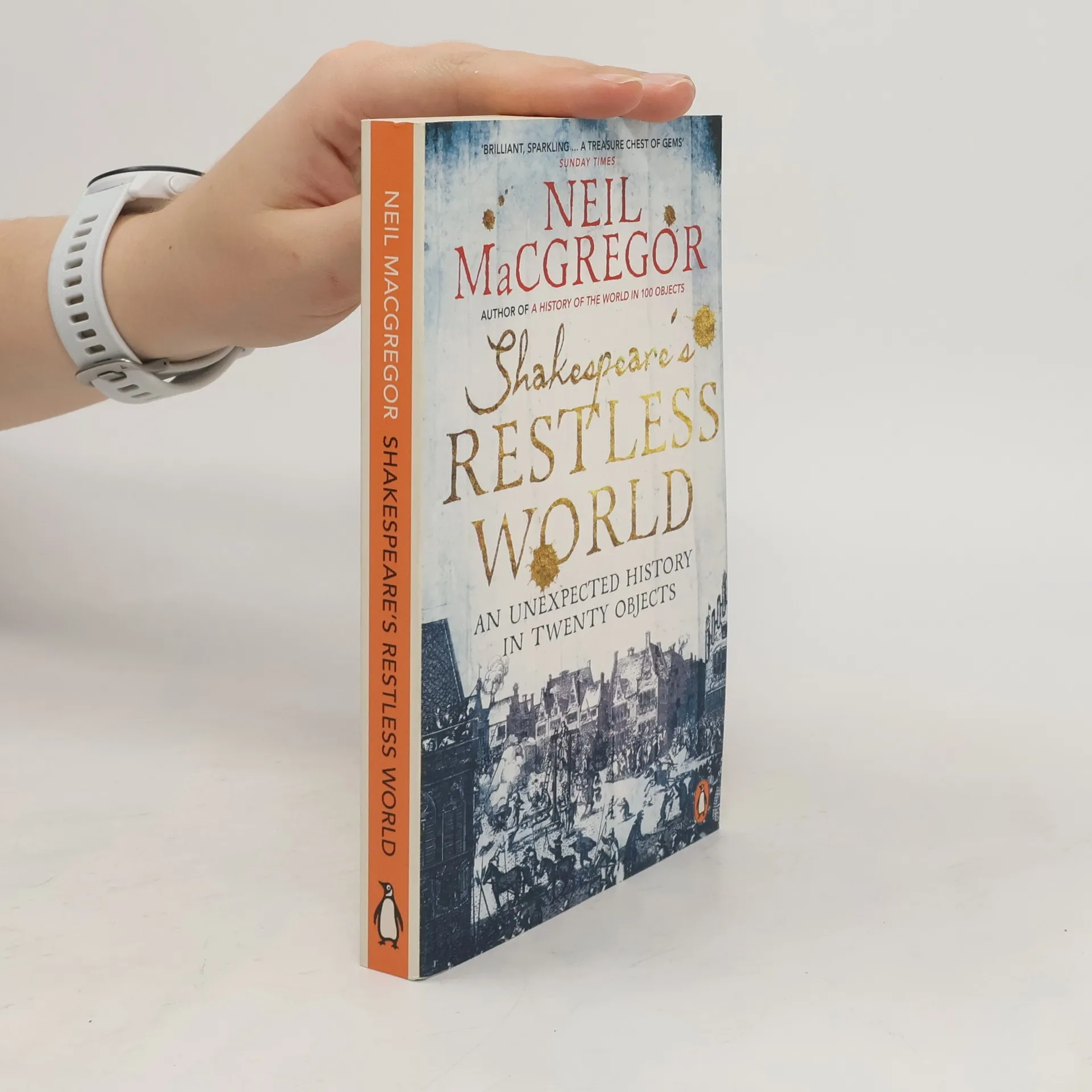
    Shakespeare's Restless World. Shakespeares ruhelose Welt, englische Ausgabe
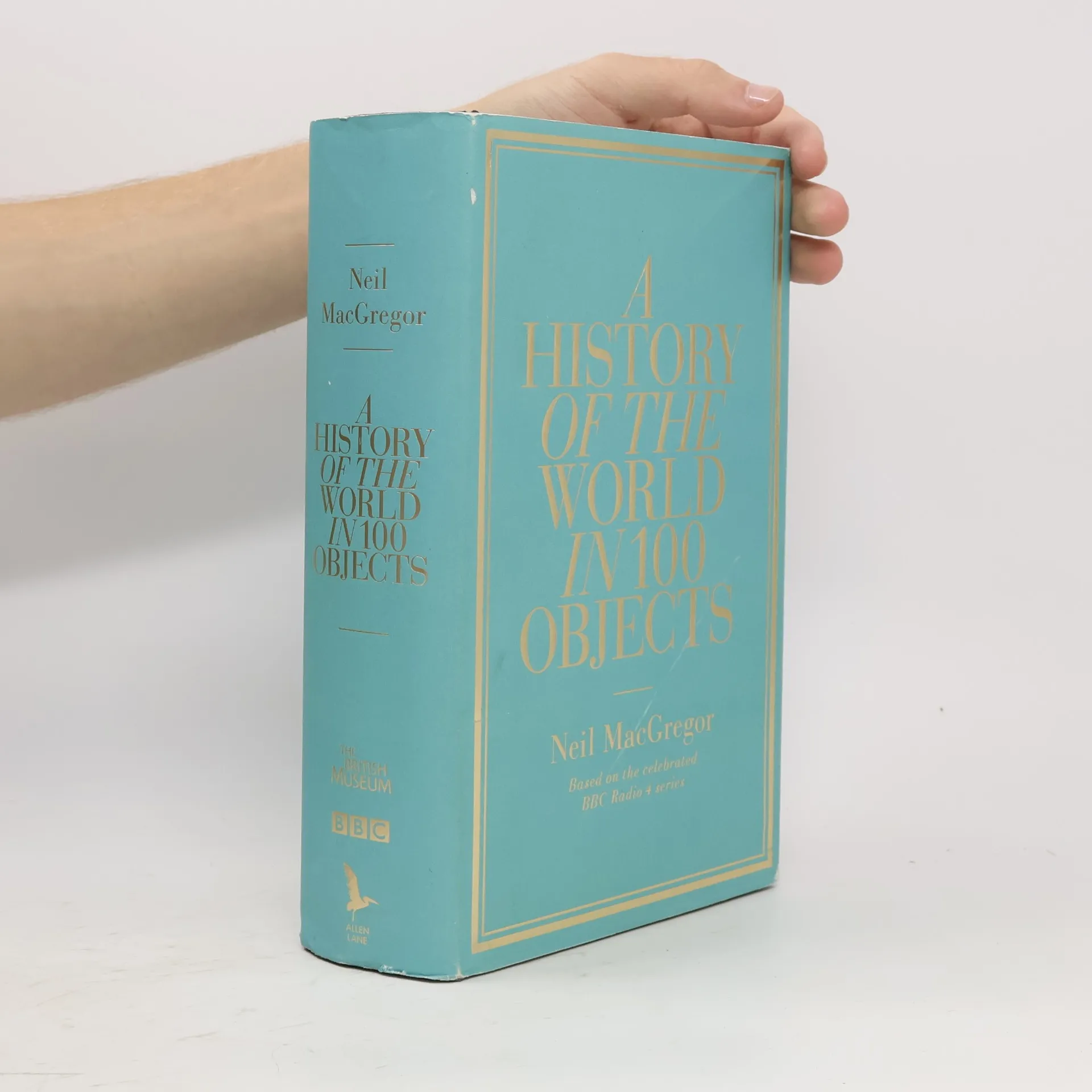
    A history of the world in 100 objects
    Saint Francis of Assisi
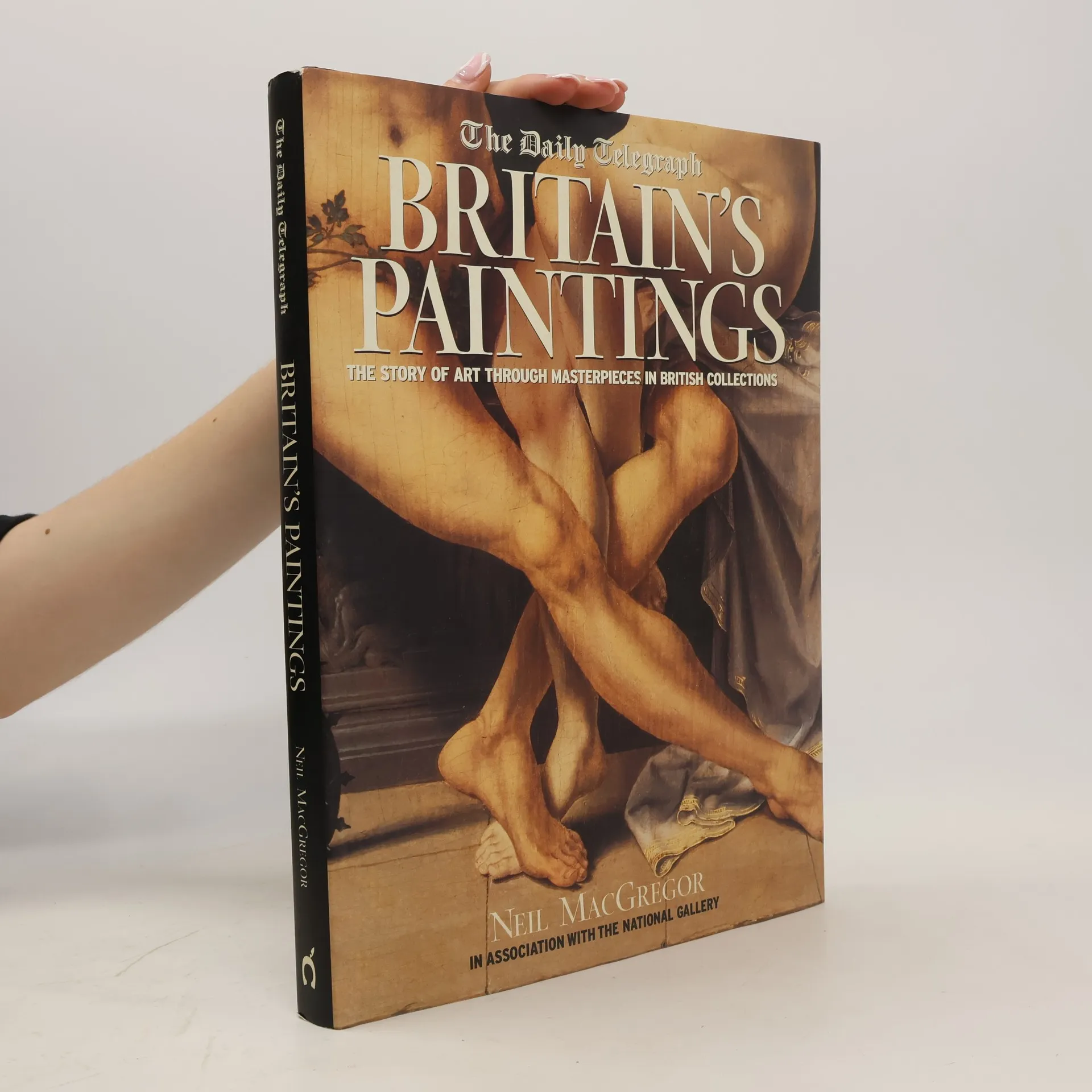
    Britain's Paintings
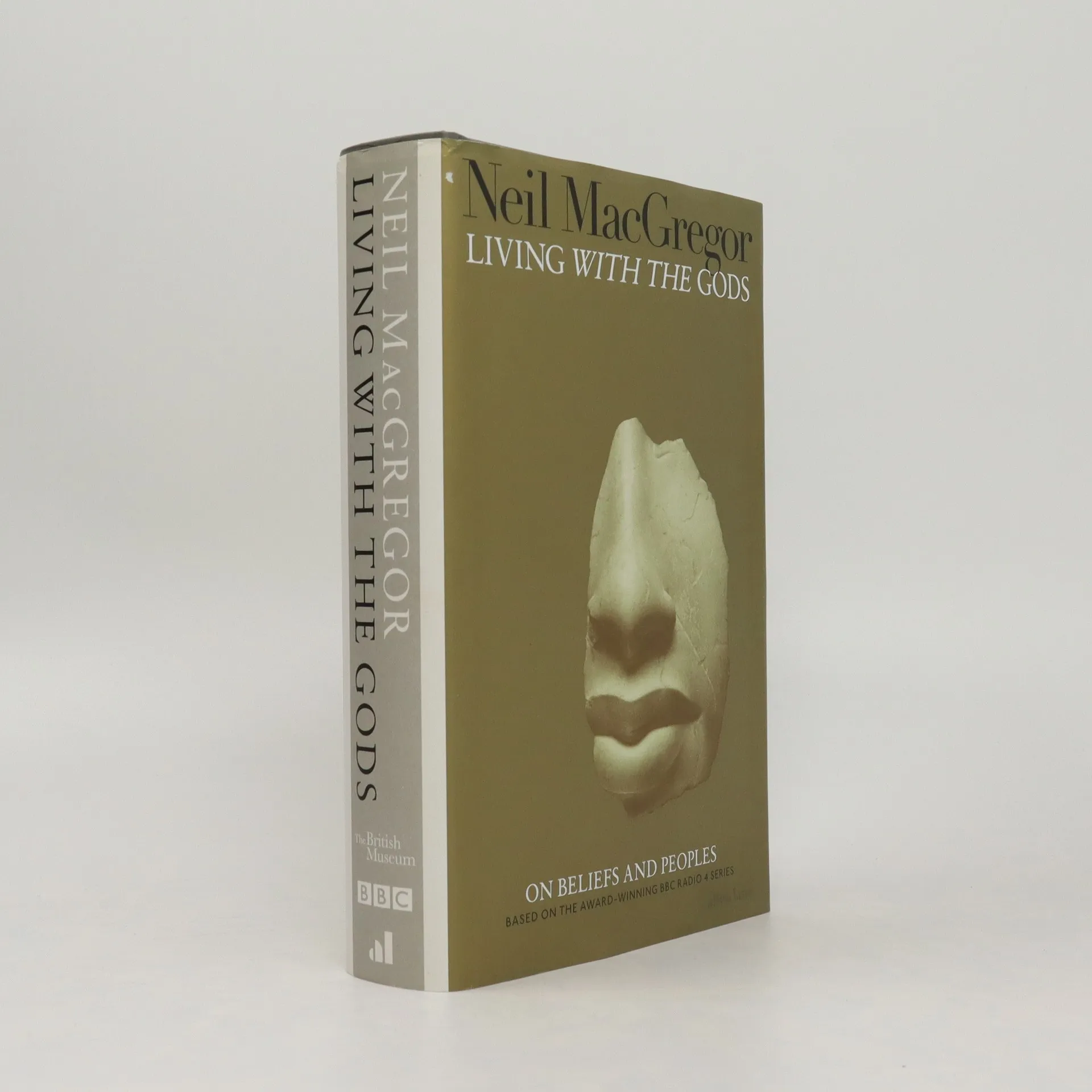
    Living with the Gods
    Germany : memories of a nation
    • Germany : memories of a nation

      • 640 páginas
      • 23 horas de lectura

      German history may be inherently fragmented, but it contains a large number of widely shared memories, awarenesses and experiences; examining some of these is the purpose of this book. Beginning with the fifteenth-century invention of modern printing by Gutenberg, MacGregor chooses objects and ideas, people and places which still resonate in the new Germany - porcelain from Dresden and rubble from its ruins, Bauhaus design and the German sausage, the crown of Charlemagne and the gates of Buchenwald - to show us something of its collective imagination. There has never been a book about Germany quite like it

      Germany : memories of a nation
    • Living with the Gods

      • 624 páginas
      • 22 horas de lectura

      Traces the ways in which different societies have understood and articulated their places in the cosmic scheme. It examines mankind's beliefs not from the perspective of institutional religions but according to how shared narratives have shaped societies - and what happens when different narratives run up against each other

      Living with the Gods
    • Britain's Paintings

      • 200 páginas
      • 7 horas de lectura

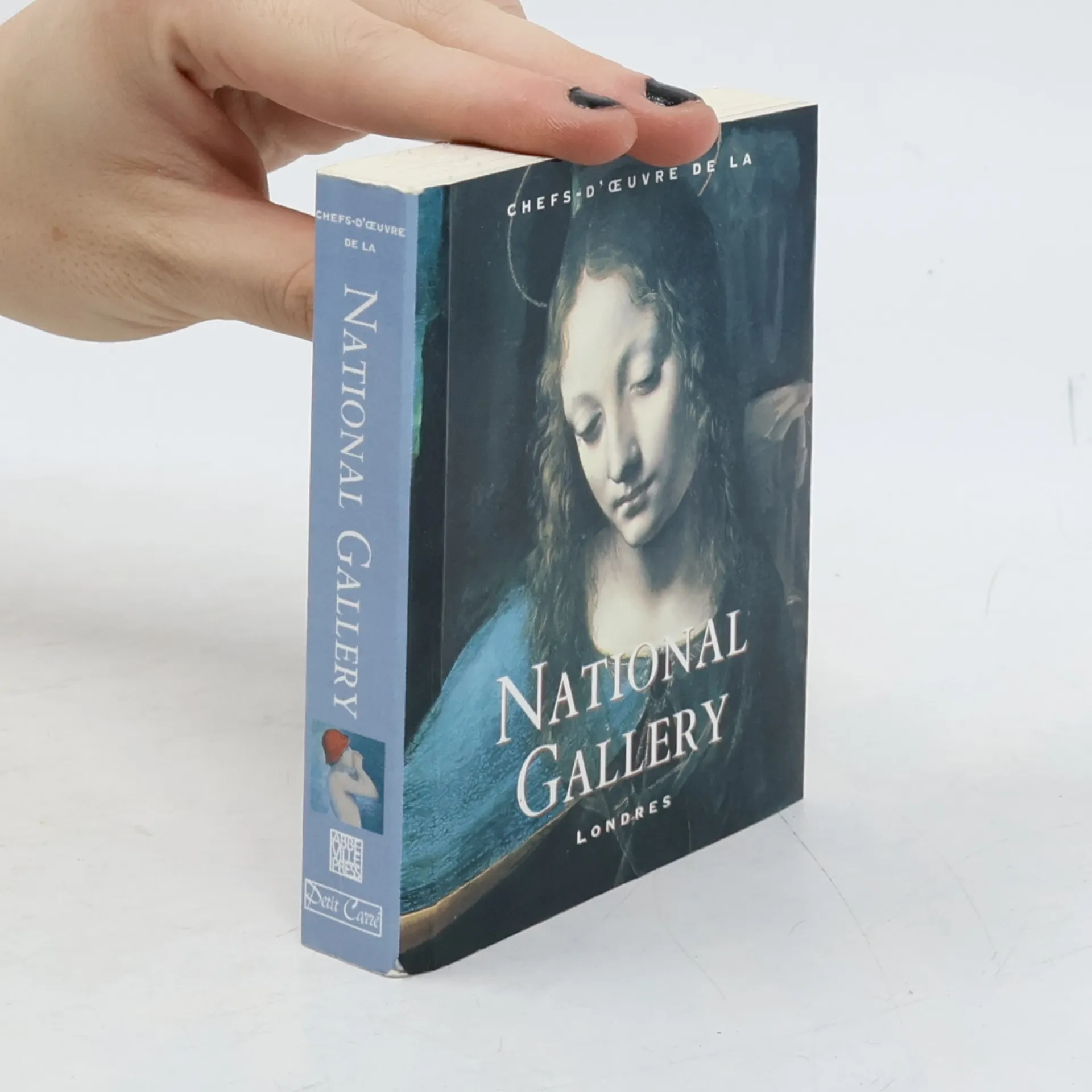
      Britain has one of the world's finest collections of Western art. From Raphael to Reynolds, from Botticelli to Bacon, amazing paintings grace the walls of our galleries, museums, historic houses and palaces. Neil MacGregor has set out to demonstrate the richness of the paintings that this country enjoys. The book is arranged by theme as opposed to chronology, identifying the major ideas that have inspired artists all over the world for many centuries. There is also a richly illustrated chronology of artists complete with biographical notes and where they can be seen in Britain as well as a comprehensive guide to the Galleries of England, Scotland and Wales.

      Britain's Paintings
    • Exploring the life, imagery and lasting appeal of Saint Francis of Assisi (1182-1226), this landmark book features a core of important historic paintings representing the saint by Giotto, Sassetta, Caravaggio, Zurbaran and El Greco.

      Saint Francis of Assisi
    • A history of the world in 100 objects

      • 615 páginas
      • 22 horas de lectura

      Deals with the history of humanity, using objects which previous civilisations have left behind them, often accidentally, as prisms through which we can explore past worlds and the lives of the men and women who lived in them

      A history of the world in 100 objects
    • The Elizabethan age was a tumultuous time, when long-cherished certainties were crumbling and life was exhilaratingly uncertain. Shakespeare's Restless World uncovers the extraordinary stories behind twenty objects from the period to re-create an age at once distant and yet surprisingly familiar. From knife crime to belief in witches, religious battles to the horizons of the New World, Neil MacGregor brings the past to life in a fresh, unexpected portrait of a dangerous and dynamic era. 'Fascinating ... filled with anecdotes and insights, eerie, funny, poignant and grotesque ... another brilliant vindication of MacGregor's understanding of physical objects to enter deep into our fore-fathers' mental and spiritual world' Christopher Hart, Sunday Times 'Enjoyable and intriguing, an absorbing evocation ... he draws us into the minds of the Elizabethan and Jacobean audience. Next time you see one of the plays reading this book will make those first audiences seem real to you' Peter Lewis, Daily Mail 'How gripping are these tales from a lost world. And what a world Shakespeare's was - adventurous, melancholy, rich and plagued by beggary, courteous and quarrelsome, sceptical and credulous' Daily Telegraph 'Elegant, informative ... provides stimulating insights' Anne Somerset, Spectator

      Shakespeare's Restless World. Shakespeares ruhelose Welt, englische Ausgabe
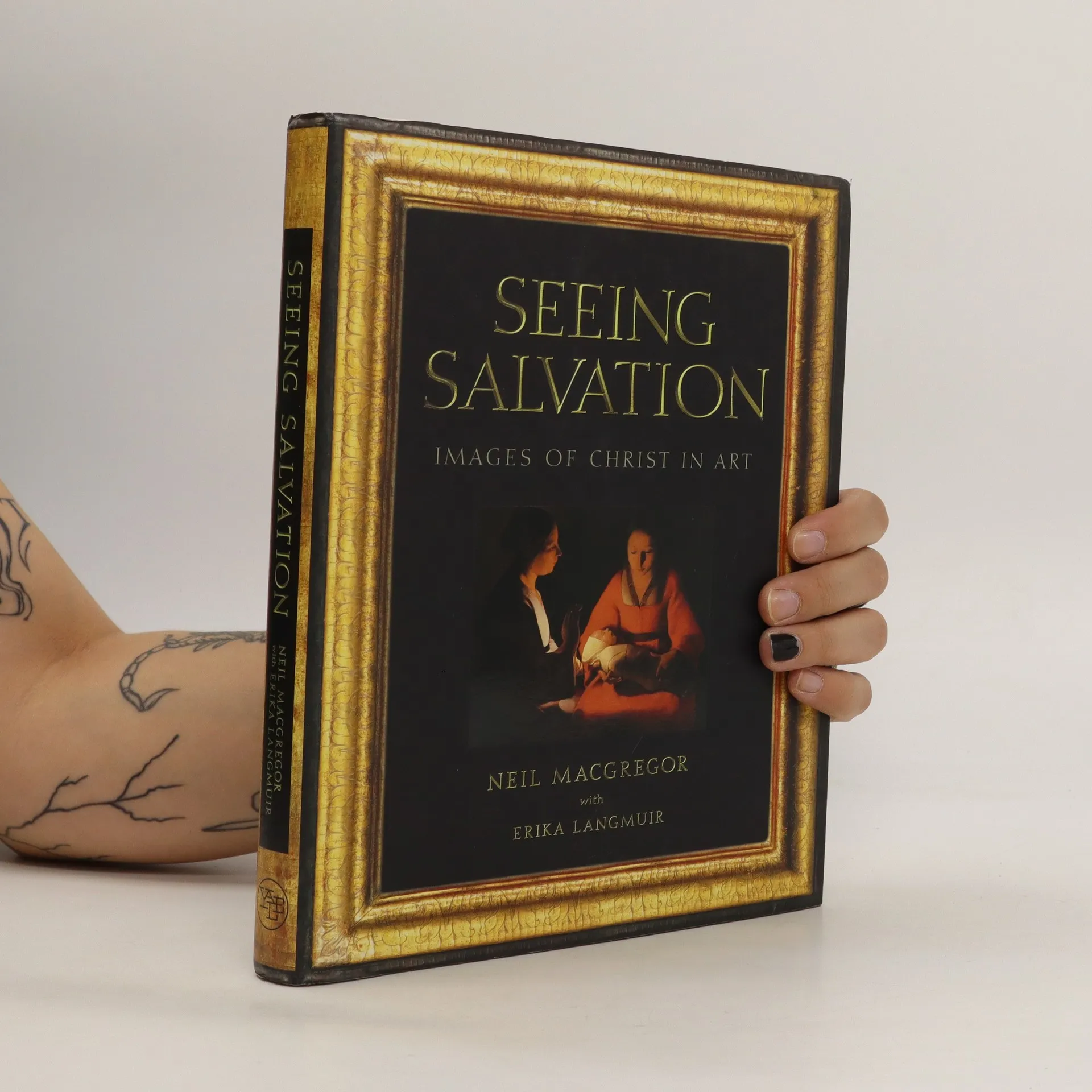
    • The life and death of Christ have profoundly influenced Western European art for nearly two millennia, allowing artists to explore universal themes of love, hope, heroism, and suffering. Without contemporary descriptions of Jesus' appearance, his portrayal in art has varied, reflecting the spiritual perspectives of artists, the desires of patrons, and the needs of viewers. In this richly illustrated work, Neil MacGregor examines how artists from diverse cultures and eras have depicted Christ's story, tracing the evolution of his recognizable image. He explores representations in high art and popular craft found in galleries, churches, museums, and even market stalls, illustrating the development of Christian culture since Christ's birth. MacGregor highlights how certain artworks reveal societal views of Christ and the creators' inner struggles. For instance, Michelangelo's successive Pieta sculptures document his evolving faith and personal anguish, while Rembrandt's revisions of his Crucifixion etching reflect his changing perceptions and a more somber outlook on life. Ultimately, MacGregor asserts that images of Christ continue to resonate powerfully with both believers and nonbelievers, offering valuable insights into our lives today, just as they did when created.

      Seeing Salvation: Images of Christ in Art
    • A lucid introduction to the chilling but clear system of thought of the most notorious anti-Semite in history

      How to Read Hitler
    • Ein 40.000 Jahre alter Löwenmann aus Elfenbein, eine goldene Qibla aus dem 16. Jahrhundert und ein Kreuz aus Lampedusa – Neil MacGregor bringt diese Objekte mit unnachahmlicher Eleganz zum Sprechen. Sein neues Werk führt uns auf eine faszinierende Reise durch die Welt der Götter und Religionen. Von der Arktis bis Indien, von Mexiko bis Japan und vom antiken Rom bis zum modernen Afrika wird erzählt, wie religiöse Überzeugungen das Leben von Gemeinschaften, das Verhältnis zwischen Individuum und Staat sowie unser Selbstbild prägen. Die Entscheidung, wie wir mit unseren Göttern leben, beeinflusst auch, wie wir miteinander leben. Alle bekannten Gesellschaften teilen ein Ensemble von Glaubenssätzen, die über das individuelle Leben hinausweisen und einen wesentlichen Teil der gemeinsamen Identität bilden. Diese Überzeugungen definieren und spalten uns mit singulärer Macht und sind in der heutigen Welt treibende politische Kräfte. Obwohl die Glaubenssätze meist religiöser Natur sind, ist das Buch keine Geschichte der Religion oder ein Plädoyer für den Glauben. Es geht um die Geschichten, die unser Leben prägen, und die verschiedenen Weisen, wie Gesellschaften ihren Platz in der Welt imaginieren. Durch historische Betrachtungen und globale Perspektiven wird untersucht, was geteilte Glaubensüberzeugungen für das öffentliche Leben bedeuten und wie sie die Beziehungen zwischen Individuum und Staat formen.

      Leben mit den Göttern
    • Während Shakespeare unvergängliche Werke wie “Romeo und Julia”, “Hamlet” oder “Othello” schrieb, ging die Welt durch eine Epoche tiefgreifender Veränderungen. Seit der Entdeckung Amerikas hatten sich die Horizonte Europas dramatisch erweitert, die Reformation spaltete die Christenheit, ein ganzes Weltbild geriet ins Wanken. Neil MacGregor führt uns mitten hinein in diese aufregende Zeit - und mitten hinein in die Stücke William Shakespeares. Ob er uns das Schwert eines Edelmanns oder die Wollmütze eines Handwerksburschen, einen Glaskelch aus Venedig oder Münzen aus Marrakesch vorstellt - immer weiß Neil MacGregor in den zwanzig Kapiteln dieses Buches eines der Themen zu illuminieren, die Shakespeares Zeitalter prägten: die Globalisierung, die Glaubenskämpfe, die Pest, der Islam, die Magie - und uns zugleich vertraut zu machen mit einem der aufregendsten Dichter der Weltliteratur. Das Resultat ist ein hinreißend lebendiges, glänzend geschriebenes und in vielem überraschendes Portrait der gefährlich aufgewühlten Welt von William Shakespeare. (Quelle: www.buchhandel.de).

      Shakespeares ruhelose Welt