Bookbot

Joyce Crick

    Oxford Reads Kafka. The Metamorphosis and Other Stories
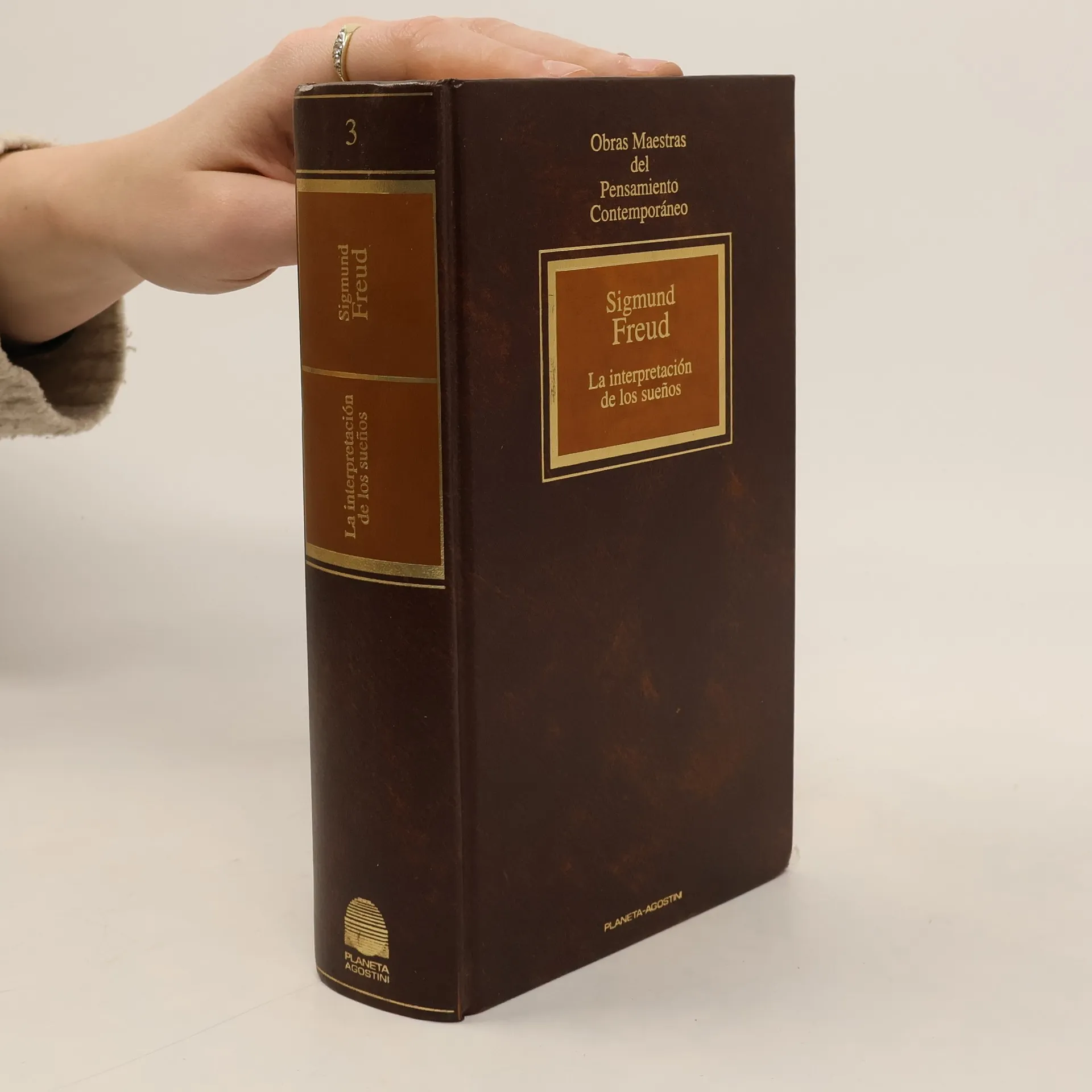
    La Interpretación de los sueños
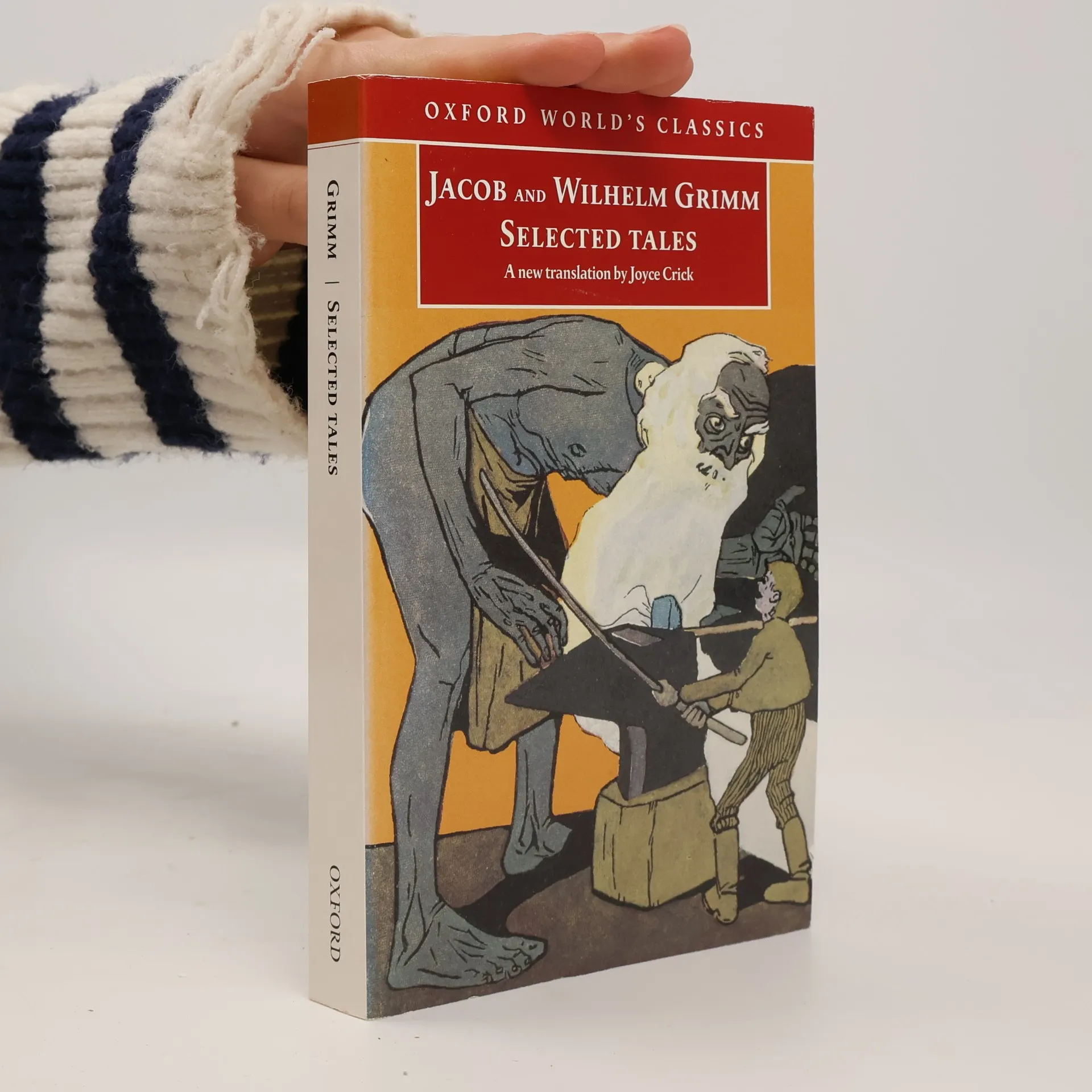
    Selected tales
    • Selected tales

      • 404 páginas
      • 15 horas de lectura

      'Once upon a time in mid-winter, when the snowflakes were falling from the sky like down, a queen was sitting and sewing at a window ...' The tales gathered by the Grimm brothers are at once familiar, fantastic, homely, and frightening. They seem to belong to no time, or to some distant feudal age of fairytale imagining. Grand palaces, humble cottages, and the forest full of menace are their settings; and they are peopled by kings and princesses, witches and robbers, millers and golden birds, stepmothers and talking frogs. Regarded from their inception both as uncosy nursery stories and as raw material for the folklorist the tales were in fact compositions, collected from literate tellers and shaped into a distinctive kind of literature. This new translation mirrors the apparent artlessness of the Grimms, and fully represents the range of less well-known fables, morality tales, and comic stories as well as the classic tales. It takes the stories back to their roots in German Romanticism and includes variant stories and tales that were deemed unsuitable for children. In her fascinating introduction, Joyce Crick explores their origins, and their literary evolution at the hands of the Grimms.

      Selected tales2005
      4,0
    • La obra de Sigmund Freud inaugura la teoría del análisis de los sueños, describiendo esta actividad como la vía regia hacia el conocimiento del inconsciente en la vida anímica. Freud sostiene que los sueños son una realización alucinatoria de deseos, convirtiéndose en un acceso privilegiado al inconsciente mediante un método interpretativo basado en la asociación libre de símbolos. En el texto, Freud expone sistemáticamente su primera teoría sobre el aparato psíquico, señalando que existe una técnica psicológica para interpretar sueños. Al aplicar este procedimiento, cada sueño se revela como un producto psíquico con sentido, que puede ser ubicado dentro del ajetreo anímico de la vigilia. Además, busca aclarar por qué los sueños aparecen como ajenos e irreconocibles, remontándose a las fuerzas psíquicas que los generan. Desde la perspectiva freudiana, los sueños son formas de "cumplimiento de deseo", intentos del inconsciente para resolver conflictos, ya sean recientes o antiguos. Sin embargo, la información inconsciente suele presentarse de manera perturbadora, y un "censor" en el preconsciente impide que pase sin alteraciones a la conciencia. Aunque durante el sueño este censor es más laxo, el inconsciente debe deformar su contenido para evadir la censura, lo que hace que las imágenes oníricas a menudo requieran una profunda interpretación para revelar las estructuras del inconsciente.

      La Interpretación de los sueños1999
      3,6