In this book, Steven Feuerstein, a leading expert on Oracle PL/SQL, compiles his extensive experience in programming and teaching into a guide of PL/SQL "best practices" for writing code that is readable, maintainable, and efficient. Many developers prioritize error-free programs but overlook the consequences of poorly written code on system performance and long-term maintainability. This concise reference presents Feuerstein's recommendations for excellent PL/SQL coding, addressing common developer queries such as code formatting, naming conventions, maintainability of packages, efficient database querying, and consistent error handling across teams. The book features 120 best practices organized by topic, offering insights into the program development process, coding style, SQL integration, data structures, control structures, exception handling, and program construction. Additionally, it includes a pull-out quick reference card and provides code examples for each best practice on the O'Reilly website. Serving as a companion to O'Reilly's larger Oracle PL/SQL texts, this compact guide is an essential resource for serious developers, ensuring they have the tools to enhance their coding practices effectively.
Steven Feuerstein Libros



Written by one of the world's leading experts on the Oracle PL/SQL language, this text offers extensive exercises in all skill levels covering major features of the language. Also provides a primer to the PL/SQL language.
A complete reference to all of the built-ins, including the new packages available with Oracle8, this book provides extensive examples and comes with a disk containing an online tool developed by RevealNet, Inc., that provides point-and-click access to the many files of source code and online documentation developed by the authors.
The authors have revised and updated this bestseller to include both the Oracle8i and new Oracle9i Internet-savvy database products.
Oracle PL-SQL language
- 99 páginas
- 4 horas de lectura
This pocket reference condenses the most vital information from Oracle PL/SQL programming into an accessible quick reference that summarizes the basics of PL/SQL - block structure, fundamental language elements, data structures, control statements, and use of procedures, functions and packages.
Oracle PL/SQL Language Pocket Reference
- 190 páginas
- 7 horas de lectura
The fifth edition of this popular pocket reference puts the syntax of specific PL/SQL language elements right at your fingertips, including features added in Oracle Database 12c. Whether you're a developer or database administrator, when you need answers quickly, the Oracle PL/SQL Language Pocket Reference will save you hours of frustration
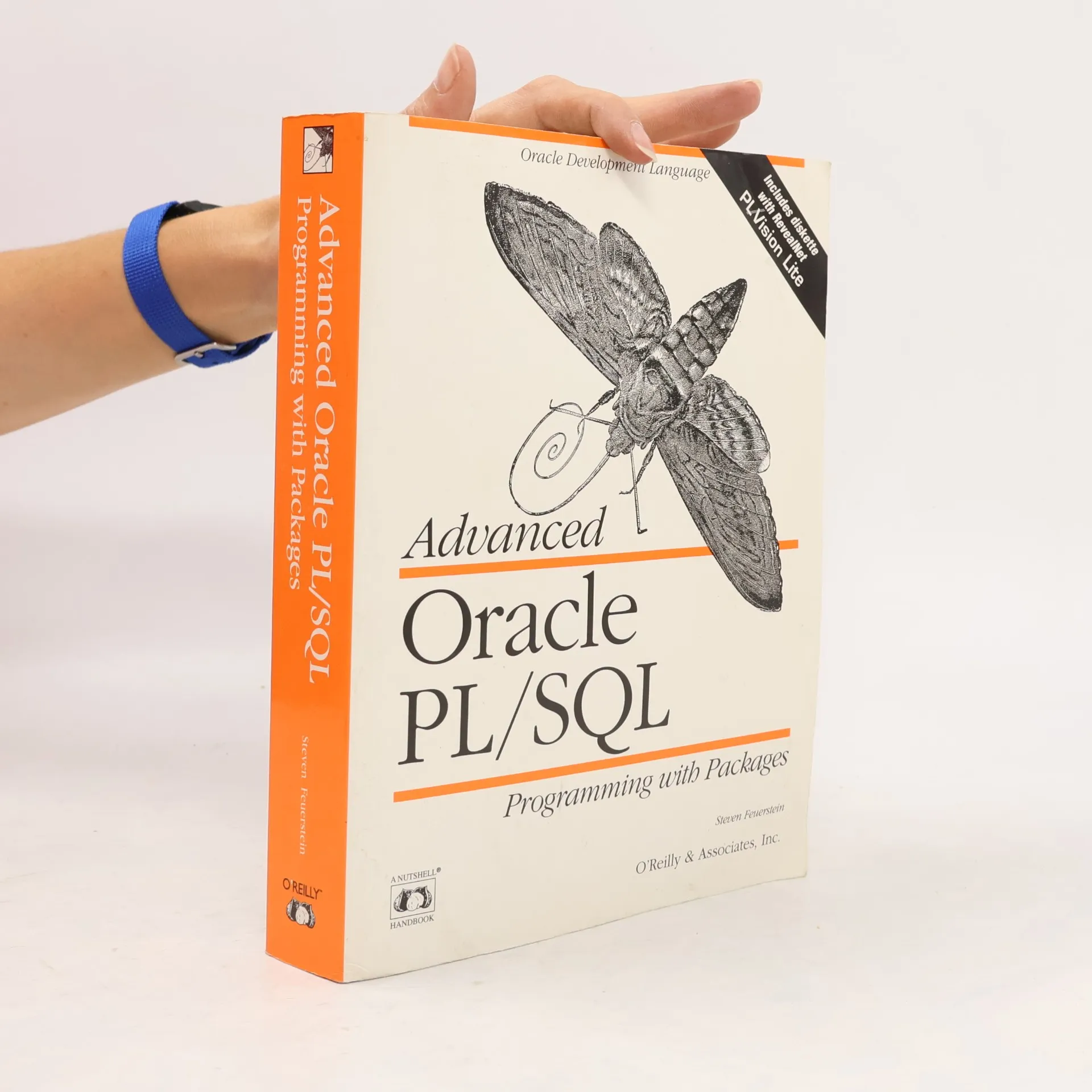
Advanced Oracle PL-SQL
- 661 páginas
- 24 horas de lectura
This text provides coverage of the world of PL/SQL packages. It aims to teach the user how to construct packages and learn how to build them properly. The disk contains a full-use shareware version of PL/Vision.
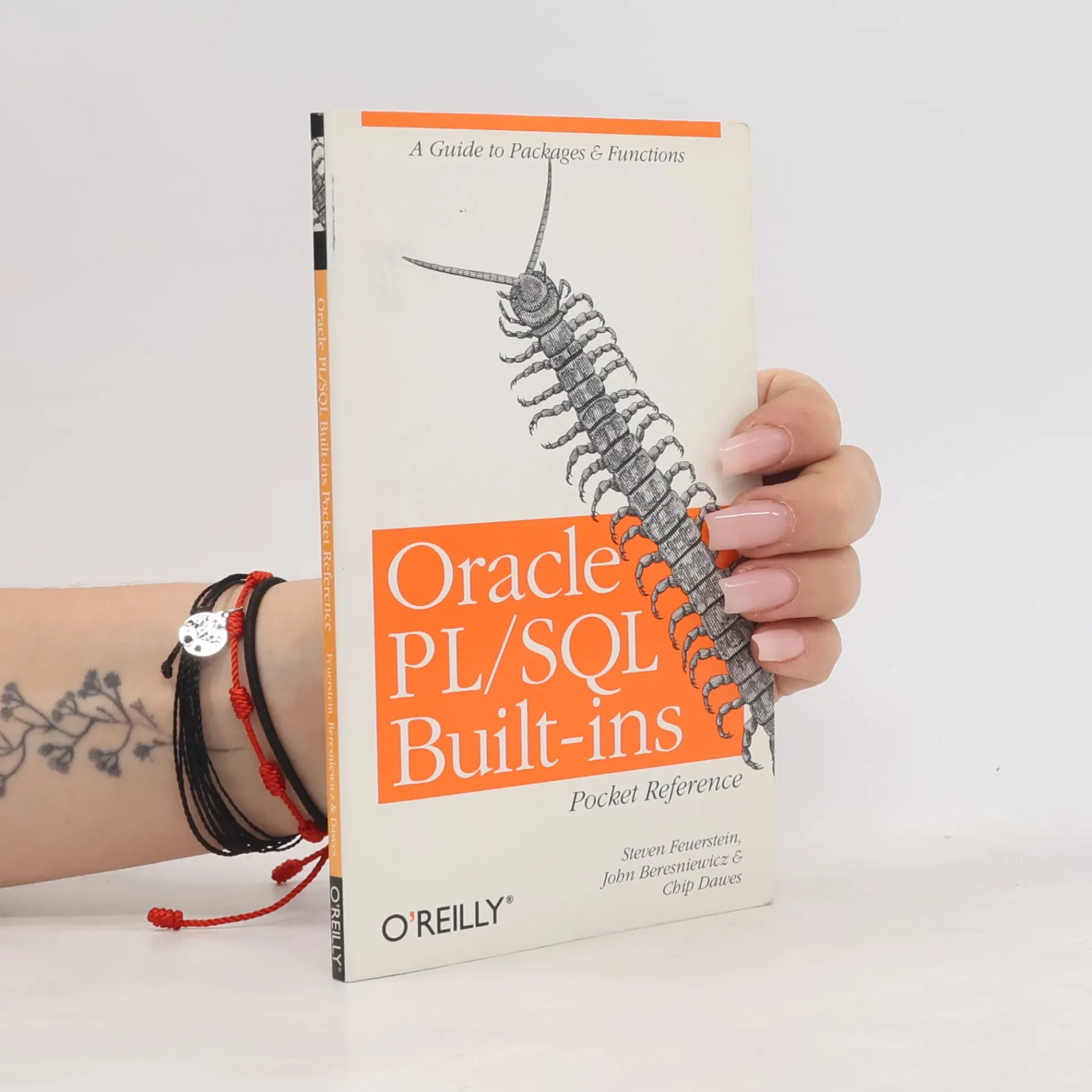
Oracle PL/SQL Built-ins Pocket Reference
- 78 páginas
- 3 horas de lectura
This pocket reference offers quick-access information to utilize Oracle Corporation's built-in functions and packages, including those introduced in Oracle8. Oracle's PL/SQL language provides procedural extensions to SQL and a growing array of development tools. Among its most valuable features are built-in functions and packages, which minimize coding efforts. Functions operate on specific data types, returning results that streamline programming. Functions are categorized as follows: - **Character functions** handle character data (e.g., CONCAT, LENGTH, REPLACE). - **Date functions** work with dates (e.g., SYSDATE, LAST_DAY). - **Numeric functions** manage numeric data (e.g., CEIL, POWER). - **LOB functions** deal with large object data (e.g., EMPTY_BLOB, EMPTY_CLOB). - **Conversion functions** perform data type conversions (e.g., TO_CHAR, TO_NUMBER). - **Miscellaneous functions** include GREATEST and UID. Built-in packages, collections of PL/SQL objects, enhance PL/SQL's capabilities. These packages, created by Oracle and stored in the database, are accessible from various programming environments. Notable packages include DBMS_SQL for executing dynamic SQL, DBMS_PIPE for inter-session communication, DBMS_JOB for job scheduling, and DBMS_LOB for handling large objects. The reference illustrates how to call commonly used functions and packages, including RESTRICT REFERENCES pragmas, exceptions, constants, and data struct
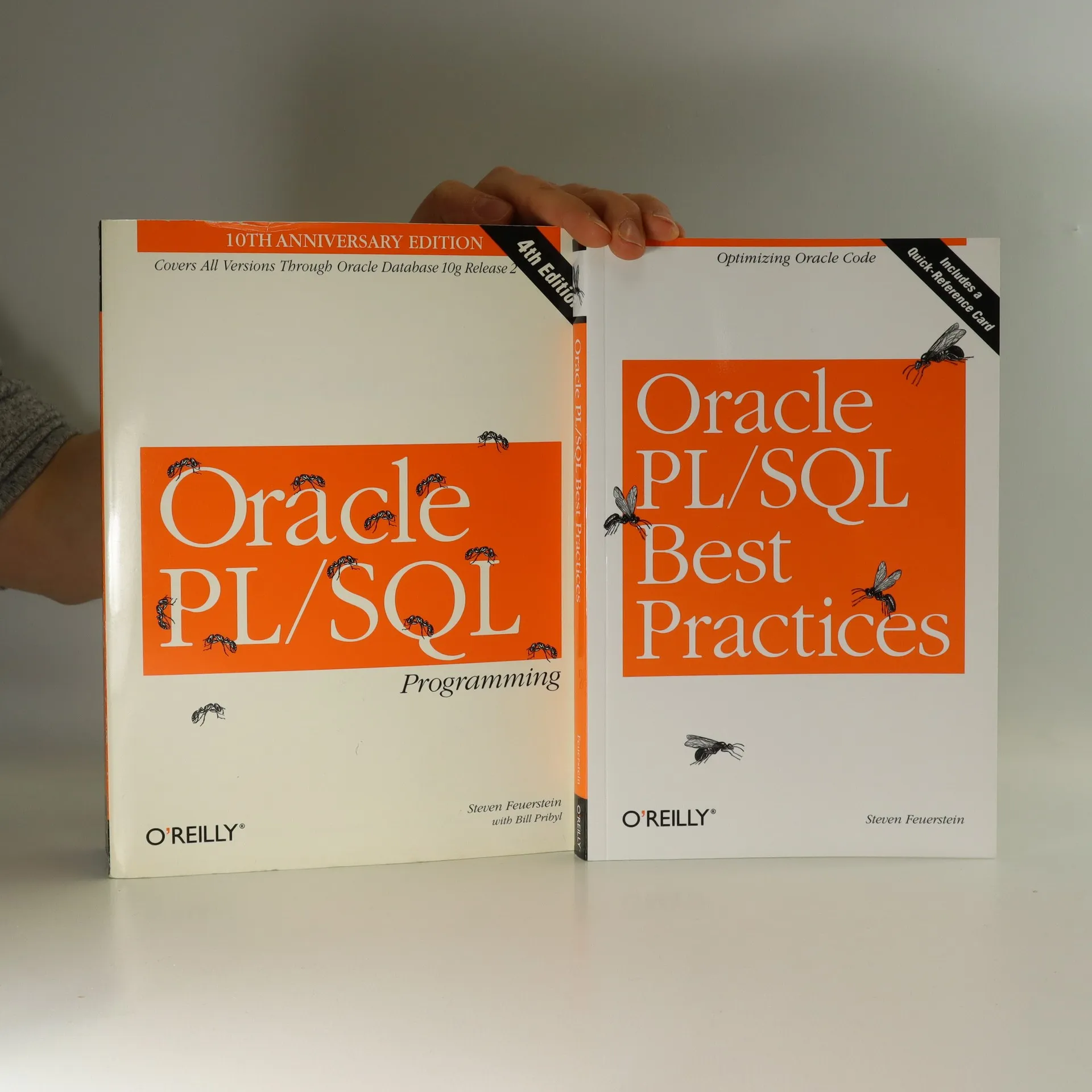
Oracle PL/SQL: Programming + Best Practices
- 2 volúmenes
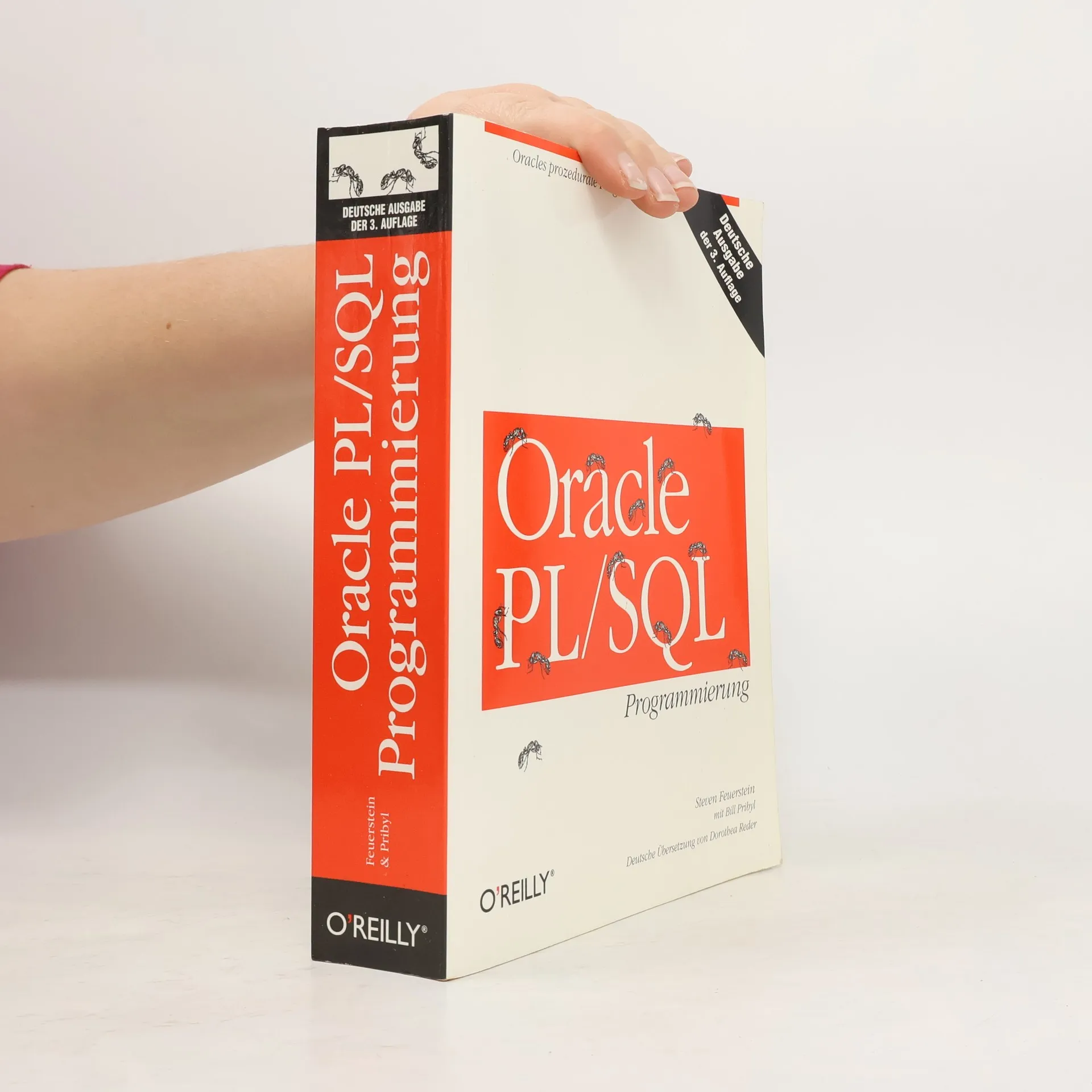
Oracle-PL-SQL-Programmierung
- 1096 páginas
- 39 horas de lectura
Als das beste Oracle PL/SQL-Programmierhandbuch der Oracle-Community angesehen, bietet dieses umfassende Werk alles, was Sie benötigen, um das Potenzial der prozeduralen Sprache von Oracle auszuschöpfen. Es behandelt die Funktionen und Möglichkeiten von PL/SQL bis zur Oracle-Datenbankversion 12c Release 1. Hunderte von Tausenden von PL/SQL-Entwicklern haben in den letzten zwanzig Jahren von diesem Buch profitiert. Mit umfangreichen Codebeispielen und einem lebhaften Sinn für Humor werden die Grundlagen der Sprache erklärt, fortgeschrittene Codierungstechniken erkundet und bewährte Praktiken bereitgestellt, um reale Probleme zu lösen. Lernen Sie, PL/SQL-Programme schnell zum Laufen zu bringen, mit klaren Anweisungen zum Ausführen, Nachverfolgen, Testen, Debuggen und Verwalten von Code. Verstehen Sie die neuen Funktionen der Version 12.1, einschließlich der ACCESSIBLE_BY-Klausel, WITH FUNCTION und UDF-Pragma sowie BEQUEATH CURRENT_USER für Ansichten und neuen bedingten Kompilierungsdirektiven. Nutzen Sie eine Vielzahl von Codebeispielen, von einfachen bis hin zu wiederverwendbaren Paketdiensten. Optimieren Sie die PL/SQL-Leistung mit Funktionen wie dem Funktionsresultatscache und Oracle-Dienstprogrammen wie PL/Scope und dem PL/SQL-hierarchischen Profiler. Erstellen Sie modulare, leicht wartbare PL/SQL-Anwendungen mit Paketen, Prozeduren, Funktionen und Triggern.
Oracle PL-SQL - Oracle8i features
- 262 páginas
- 10 horas de lectura