Lineages of the Feminine
- 336 páginas
- 12 horas de lectura
"A leading anthropologist and historian places current controversies about sex and gender in the long history of the male/female relationship"-- Provided by publisher


Emmanuel Todd es un historiador, antropólogo y sociólogo francés cuya investigación examina las estructuras familiares en todo el mundo y sus conexiones con sistemas de creencias, ideologías y estructuras políticas. Investiga cómo los eventos históricos han dado forma a estos patrones y cómo se reflejan en ellos. El trabajo de Todd ofrece una lente única sobre fenómenos culturales y políticos globales a través del prisma de las dinámicas familiares. Sus análisis descubren vínculos profundos entre la vida personal y los procesos sociales más amplios que impulsan el desarrollo humano. Su erudición es crucial para comprender cómo se forman y transforman las sociedades a escala global.


"A leading anthropologist and historian places current controversies about sex and gender in the long history of the male/female relationship"-- Provided by publisher
In many developed countries, confusion about the contemporary state of the world is palpable. What was once taken for granted is now being questioned, prompting a desire to understand our current situation and future trajectory. In this insightful work, leading sociologist Emmanuel Todd sheds light on our predicament by reconstructing the historical dynamics of human societies from the Stone Age to today. He moves away from attributing special significance to the economy and instead offers an anthropological perspective, emphasizing the long-term dynamics of family systems and their connections to religion and ideology. This approach contrasts the unconscious societal level with the conscious realms of economy and politics. Todd also examines the transformative impact of education, which helps explain the varied historical paths of advanced nations and their increasing divergence. This divergence is evident in phenomena such as the rise of the Anglosphere, the dual nature of Homo americanus, Donald Trump's electoral success, and the contrasting ambitions of Germany and China. Additionally, he explores the emergence of stable authoritarian democracy in Russia, Japan's new introversion, and recent turbulent events in Europe, including Brexit. Todd's analysis highlights that today's massive transformations are more influenced by deep-rooted ethnic diversity than by the homogenizing effects of globalization.
In the wake of the attack on the offices of Charlie Hebdo in Paris on 7 January 2015, millions took to the streets to demonstrate their revulsion, expressing a desire to reaffirm the ideals of the French Republic: liberte, egalite, fraternite.
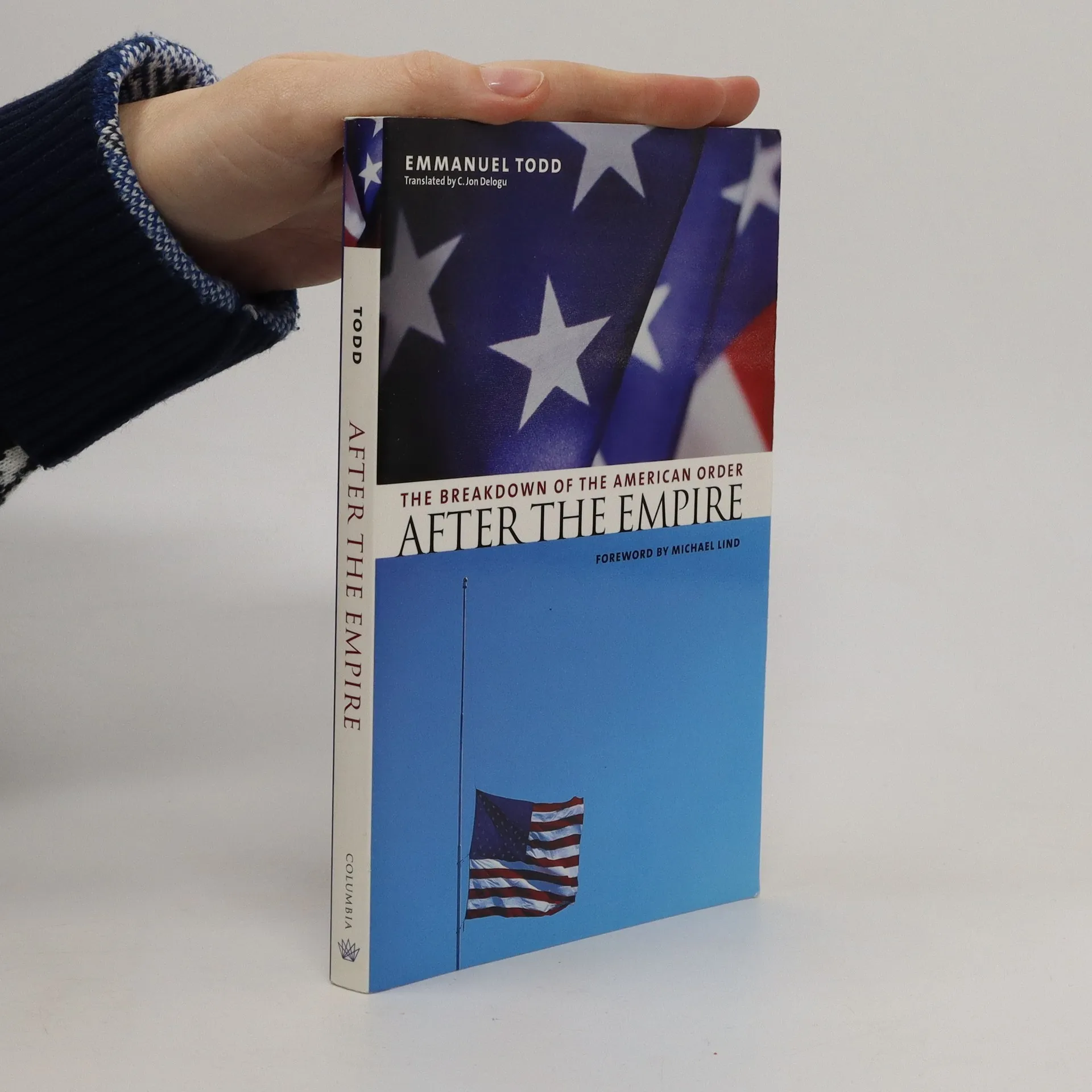
Widely reviewed and critically praised, Emmanuel Todd's After the Empire predicts that the United States is forfeiting its superpower status as it moves away from traditional democratic values of egalitarianism and universalism, lives far beyond its means economically, and continues to anger foreign allies and enemies alike with its military and ideological policies. As America's global dominance evaporates, Todd foresees the emergence of a Eurasian alliance bringing together Europe, Russia, Japan, and the Arab-Islamic world.Todd calmly and straightforwardly takes stock of many negative trends, including America's weakened commitment to the socio-economic integration of African Americans, a bulimic economy that increasingly relies on smoke and mirrors and the goodwill of foreign investors, and a foreign policy that squanders the country's reserves of "soft power" while its militaristic arsonist-fireman behavior is met with increasing resistance. Written by a demographer and historian who foresaw the collapse of the Soviet Union, this original and daring book cannot be ignored.
The Transformation of Muslim Societies Around the World
The book challenges the prevailing narrative of an impending clash between Western/Christian and Muslim/Arab civilizations, arguing instead for a potential rapprochement. It highlights the contrasting demographic trends and cultural gaps but emphasizes a more nuanced understanding rooted in Enlightenment ideals. Through measured analysis, it suggests that these two civilizations may find common ground, countering media portrayals of inevitable conflict. The exploration of historical and cultural connections offers a fresh perspective on contemporary relations.
Quarante ans de discours économique du Front national passés au crible. Suivi d'un entretien avec Emmanuel Todd
"Pauvres actionnaires !". C'est sans ironie que, en 1986, les dputs Front national lanaient ce cri d'alarme. Jean-Marie Le Pen s'autoproclamait alors le "Reagan franais", adepte d'une "rvolution fiscale" qui supprimerait l'impt sur le revenu, pourfendeur de "l'tat Kapo" et des "perversions de l'tatisme". Sa fille Marine Le Pen raconte aujourd'hui le contraire et s'en prend "aux marchs financiers, aux milliardaires qui dtricotent notre industrie et jettent des millions d'hommes et de femmes de notre pays dans le chmage, la prcarit et la misre. Oui, il faut en finir avec le rgne de l'argent-roi". Depuis quand, se demande Franois Ruffin, un peu embt, depuis quand le Front national cause comme a, un peu comme lui Qu'est-ce qui relve de l'imposture, ou du vernis social Qu'est-ce qui, l'inverse, est profondment ancr dans le discours du FN Pour y rpondre, l'auteur a plong dans quatre dcennies de littrature frontiste. Citant les professions de foi et les tracts du FN depuis sa fondation, il passe les thmes en revue : "Etat", "impts", "service public", "entreprise", "Europe", "mondialisation", "ingalits". Une recherche mene sans hystrie ni complaisance.
Emmanuel Todd apporte une contribution majeure à l'anthropologie en explorant le rôle des types familiaux dans les trajectoires de modernisation. Il démontre que la diversité des structures familiales traditionnelles éclaire les différentes voies de développement. Par exemple, la carte du communisme est liée à la famille communautaire, où l'autorité paternelle coexiste avec l'égalité entre frères. À l'inverse, la famille nucléaire anglaise, bien que libérale dans les relations parent-enfant, ne valorise pas l'égalité, ce qui a favorisé l'individualisme et le libéralisme politique anglo-saxons. Todd analyse également la famille nucléaire égalitaire du Bassin parisien, qui soutient l'idée d'équivalence entre hommes et peuples, et la famille souche, caractérisée par l'autorité paternelle et l'inégalité des frères, qui a influencé des idéologies ethnocentriques en Allemagne et au Japon. À travers une enquête de vingt ans sur les structures familiales de groupes préindustriels, Todd identifie une forme originelle commune : la famille nucléaire. Il retrace le processus de différenciation ayant conduit à l'émergence des divers types anthropologiques avant le déracinement urbain et industriel. En adoptant une approche diffusionniste, il révèle que l'Europe, en tant que périphérie de l'Ancien monde, conserve des formes familiales archaïques, restant proche de cette forme originelle. Malgré son avance temporaire en développement, l'Euro
krize ekonomiky, kultury a náboženství
L'élection de Nicolas Sarkozy semble avoir placé la France en état d'apesanteur : cadeaux fiscaux aux plus riches, socialistes passés à droite, atlantisme, exhibitionnisme présidentiel, désignation de boucs émissaires immigrés ou musulmans, etc., etc. Dénoncer l'action de Nicolas Sarkozy ne suffit pas. C'est en partie grâce à ses défauts qu'il a été élu. Sous la diversité des symptômes, c'est d'une véritable crise de la démocratie qu'il s'agit. Pour la comprendre, il faut identifier, au présent et dans la longue durée de l'histoire, ces facteurs lourds que sont le vide religieux, la stagnation éducative, la nouvelle stratification sociale, l'impact destructeur du libre-échange, l'appauvrissement des classes moyennes, l'égarement des classes supérieures. Emmanuel Todd ne ménage personne, dans aucun camp. Son approche permet de comprendre pourquoi la société française hésite entre ethnicisation et retour de la lutte des classes. Elle oblige à se demander si les hommes politiques, incapables de manipuler plus longtemps notre «démocratie d'opinion», ne vont pas devoir purement et simplement supprimer le suffrage universel. A moins que, cédant à la pression de la société, ils n'acceptent d'envisager une nouvelle politique économique, protectionniste à l'échelle européenne.
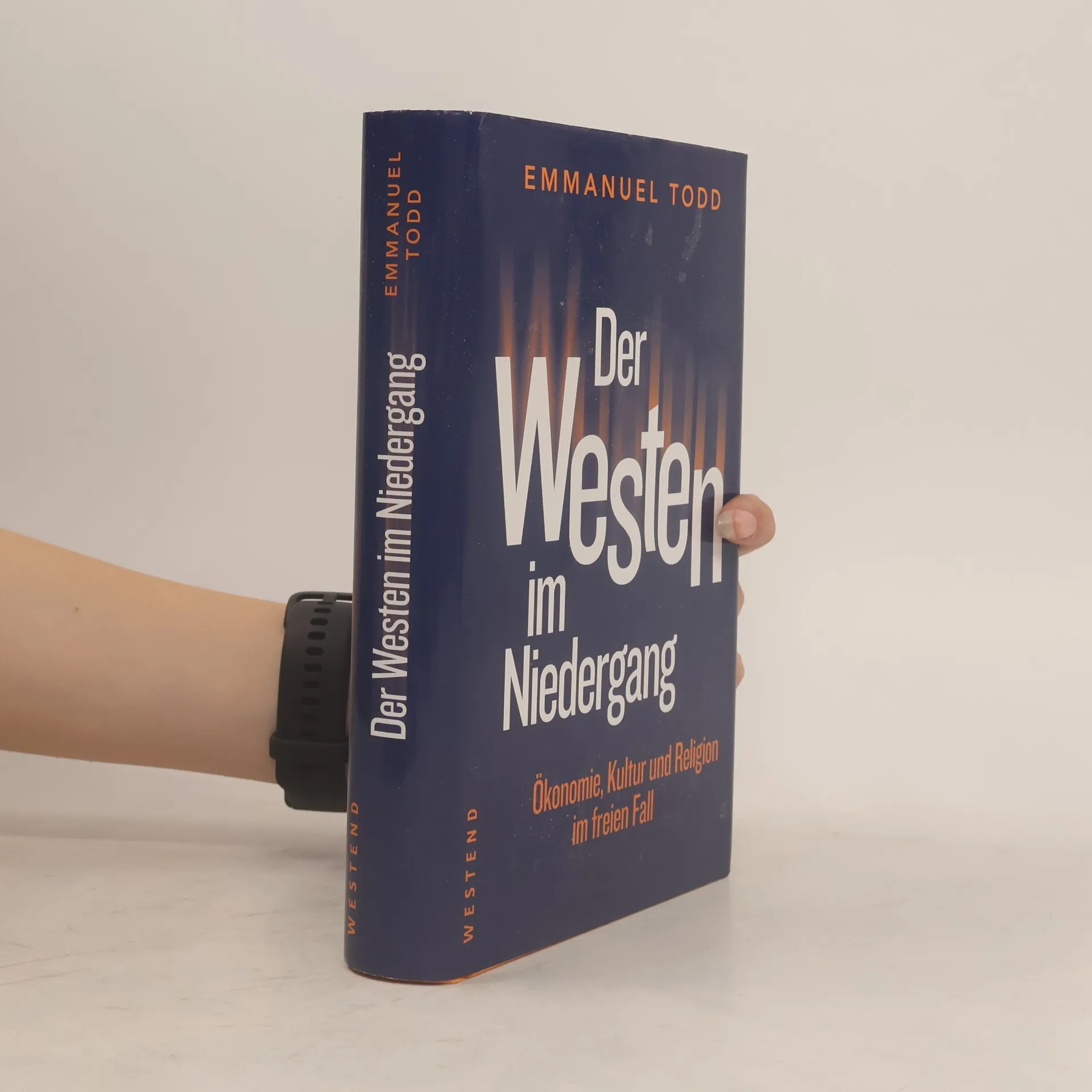
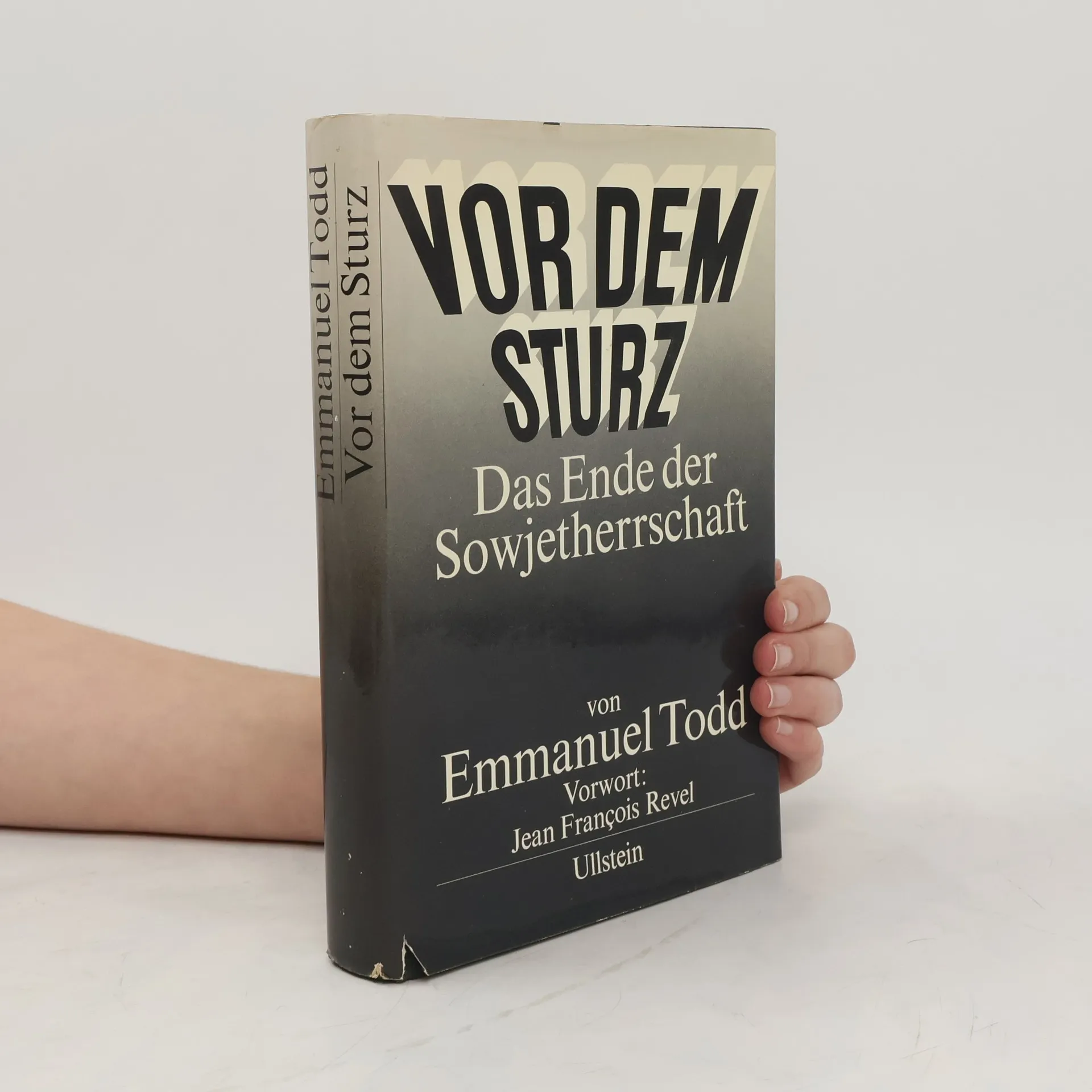
Emmanuel Todd, ein angesehener Historiker und Anthropologe, prognostiziert den Niedergang der westlichen Welt, bedingt durch kulturellen und religiösen Verfall sowie wirtschaftlichen Rückgang. Die Krise Russlands nach der Sowjetunion führte zu einem Vakuum, das auch die USA und den Westen erfasste, während Russland sich stabilisierte.
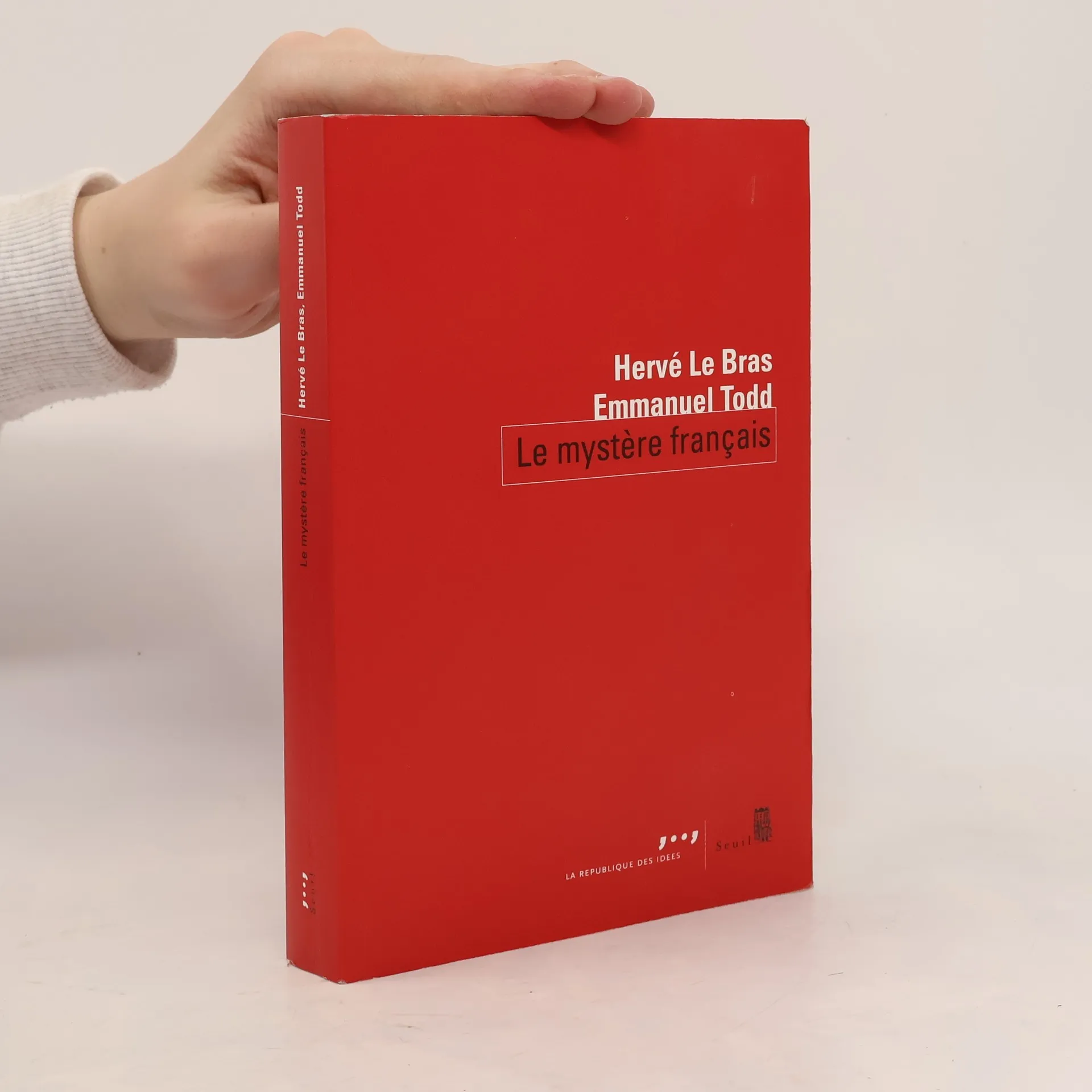
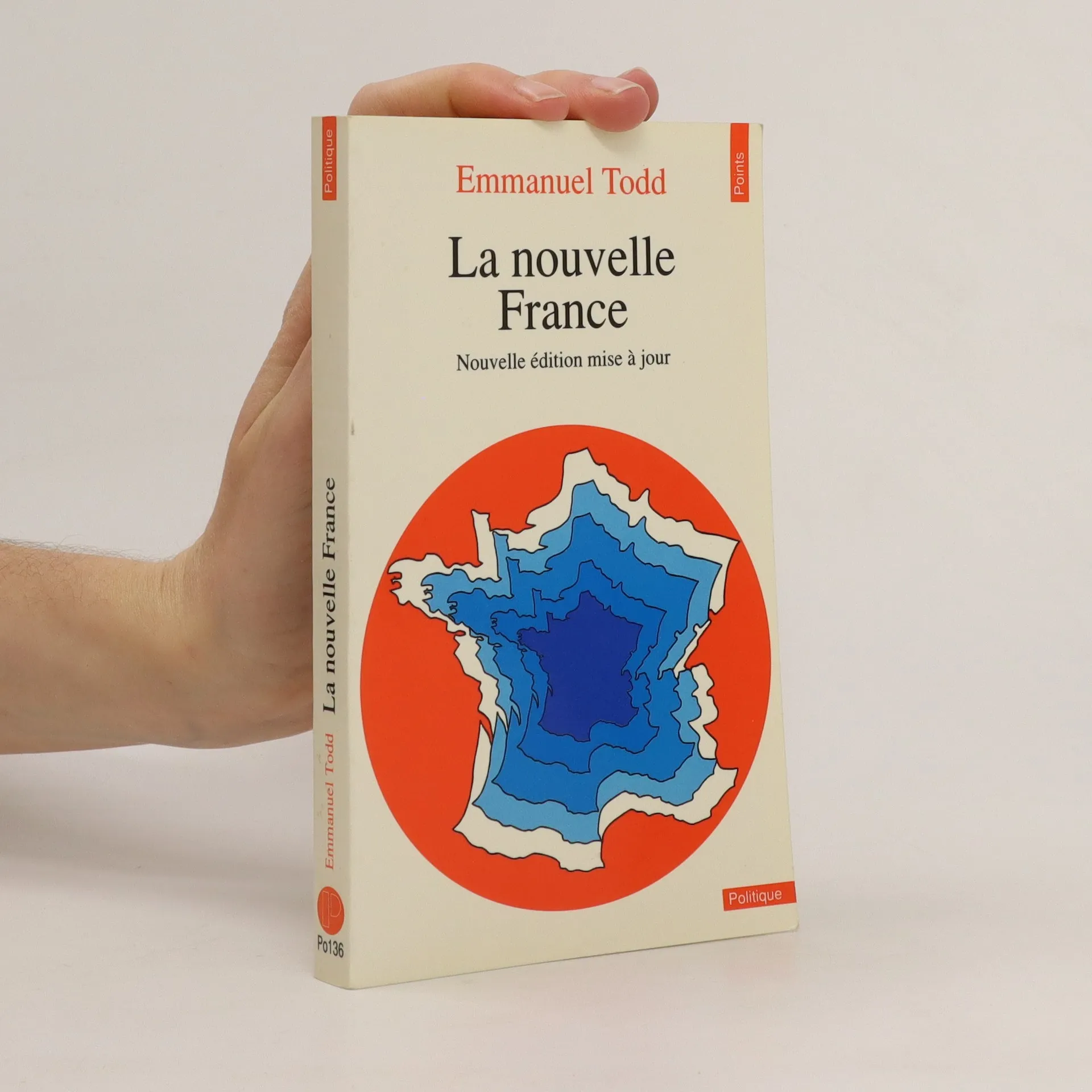
"La France ne se sent pas bien. Pour comprendre son mal, nous l’avons passée au scanner de la cartographie la plus moderne. Cent vingt cartes permettent d’observer, renaissant sans cesse, la diversité des mœurs françaises.Entre 1980 et 2010, une mémoire des lieux a bizarrement guidé, dans l’Hexagone, une transformation sociale accélérée. Ascension éducative, émancipation des femmes, bouleversement du mariage, fécondité, crise industrielle, immigration, mutation des classes sociales, inégalités, chômage, problèmes scolaires, métamorphose politique : tous les changements respectent, retrouvent ou revivifient des espaces anthropologiques et religieux anciens. Leur examen permet un diagnostic : notre pays souffre d’un déséquilibre nouveau entre les espaces anthropologiques et religieux qui le constituent. Son cœur libéral et égalitaire, qui fit la Révolution française, est affaibli. Sa périphérie, autrefois fidèle à l’idéal de hiérarchie, et souvent de tradition catholique, est désormais dominante. Nos dirigeants, parce qu’ils ignorent tout du mode de fonctionnement profond de leur propre pays, aggravent sa condition par des politiques inadaptées."
Emmanuel Todd hat es vorausgesagt: Der Islamismus ist am Ende. Die Revolutionen von Tunesien über Ägypten bis Libyen haben gezeigt, dass die arabische Welt viel moderner ist, als wir glauben. Anhand von Geburtenzahlen und Alphabetisierungsgrad wies Todd schon vor Jahren nach, dass die muslimischen Länder von den Werten des Westens unterwandert werden. Doch jetzt geht er weiter und zeigt, was der arabische Frühling für unser Verständnis von Demokratie bedeutet: Wie viel Freiheit braucht Europa? Welche Rolle will Deutschland in Zukunft spielen?
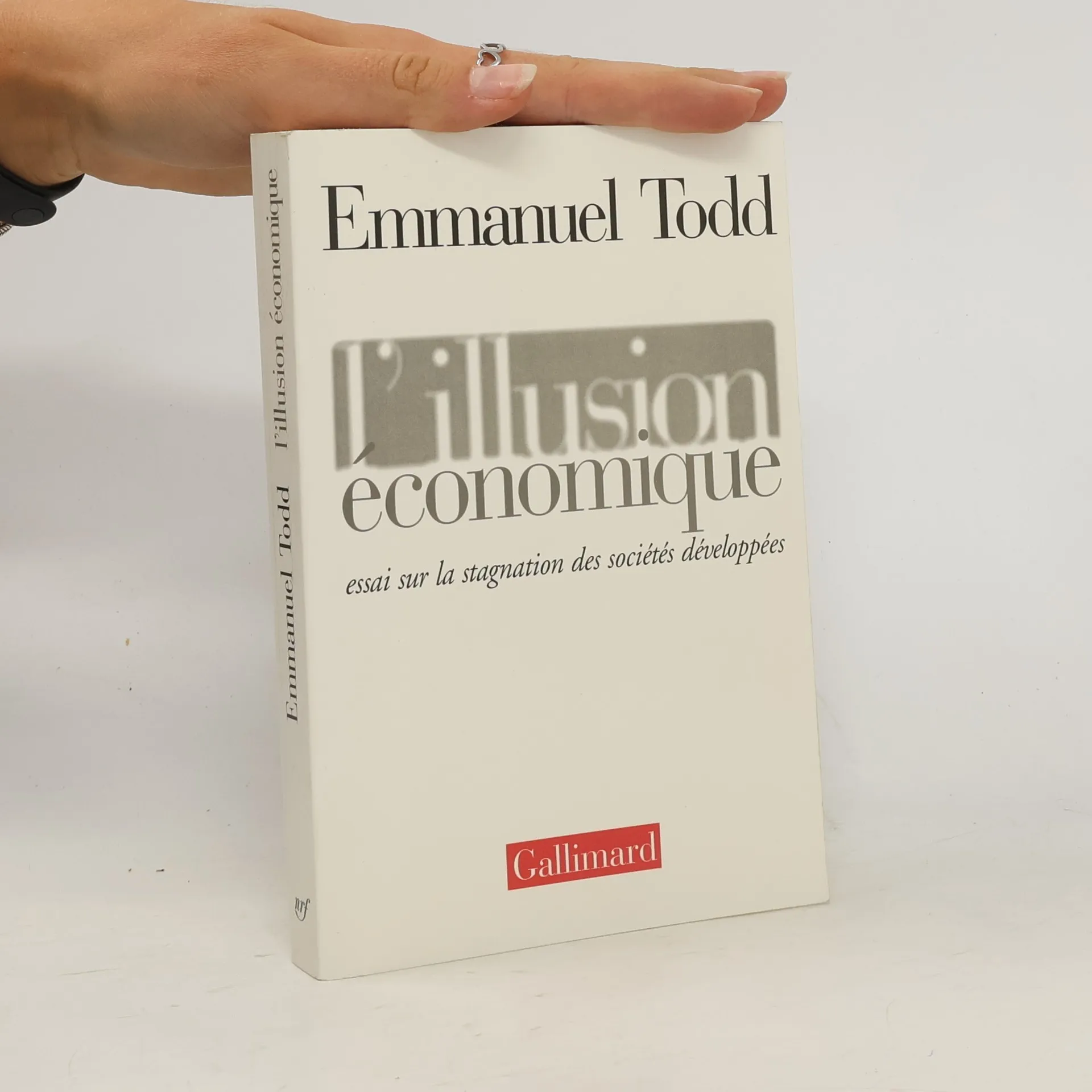
Dans cet ouvrage, l'auteur s'applique à démontrer que la mondialisation est à la fois une réalité et une illusion. [SDM].
La République plus forte que la mondialisation
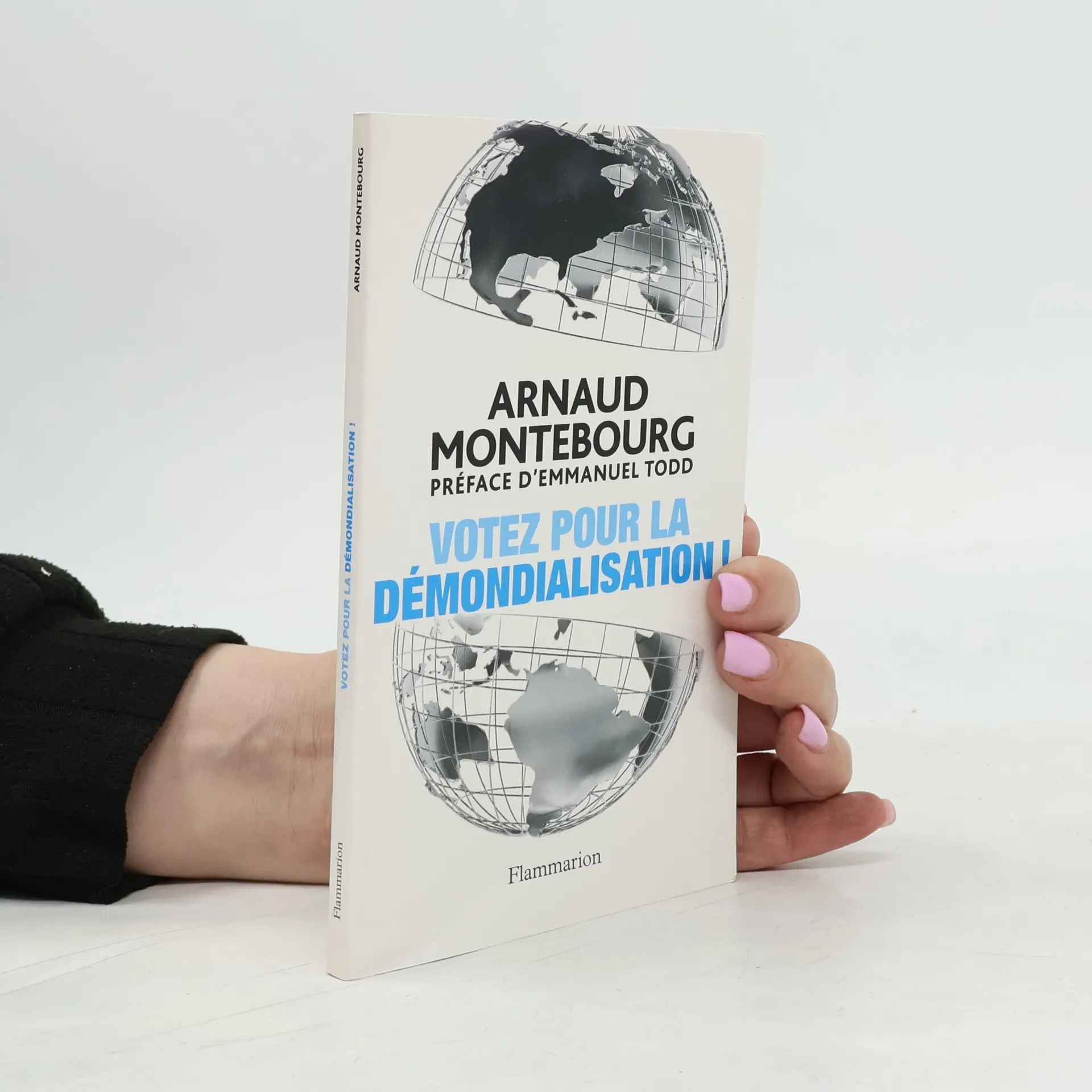
Votez pour la démondialisation ! Vous faites partie de ces millions de Français qui ne vivent que de leur travail ou aimeraient en vivre. Pour vous, le quotidien de la mondialisation c'est la désindustrialisation, la précarité, l'appauvrissement et le déclassement, l'explosion des inégalités, la destruction des services publics, la montée de la dette, les délocalisations... Pour lutter contre ces fléaux, une seule solution : la démondialisation, véritable remise à l'endroit d'un système devenu fou. La démondialisation vous concerne. Car c'est la protection des travailleurs du Nord et du Sud, la préférence pour les salaires et la protection sociale plutôt que les dividendes boursiers. C'est la conversion écologique du système productif et la révolution industrielle verte, le retour des usines en Europe et la reprise en main de notre destinée. Les primaires de la gauche, les 9 et 16octobre prochains, sont l'occasion de faire ce choix : alors, votez pour elle !
French
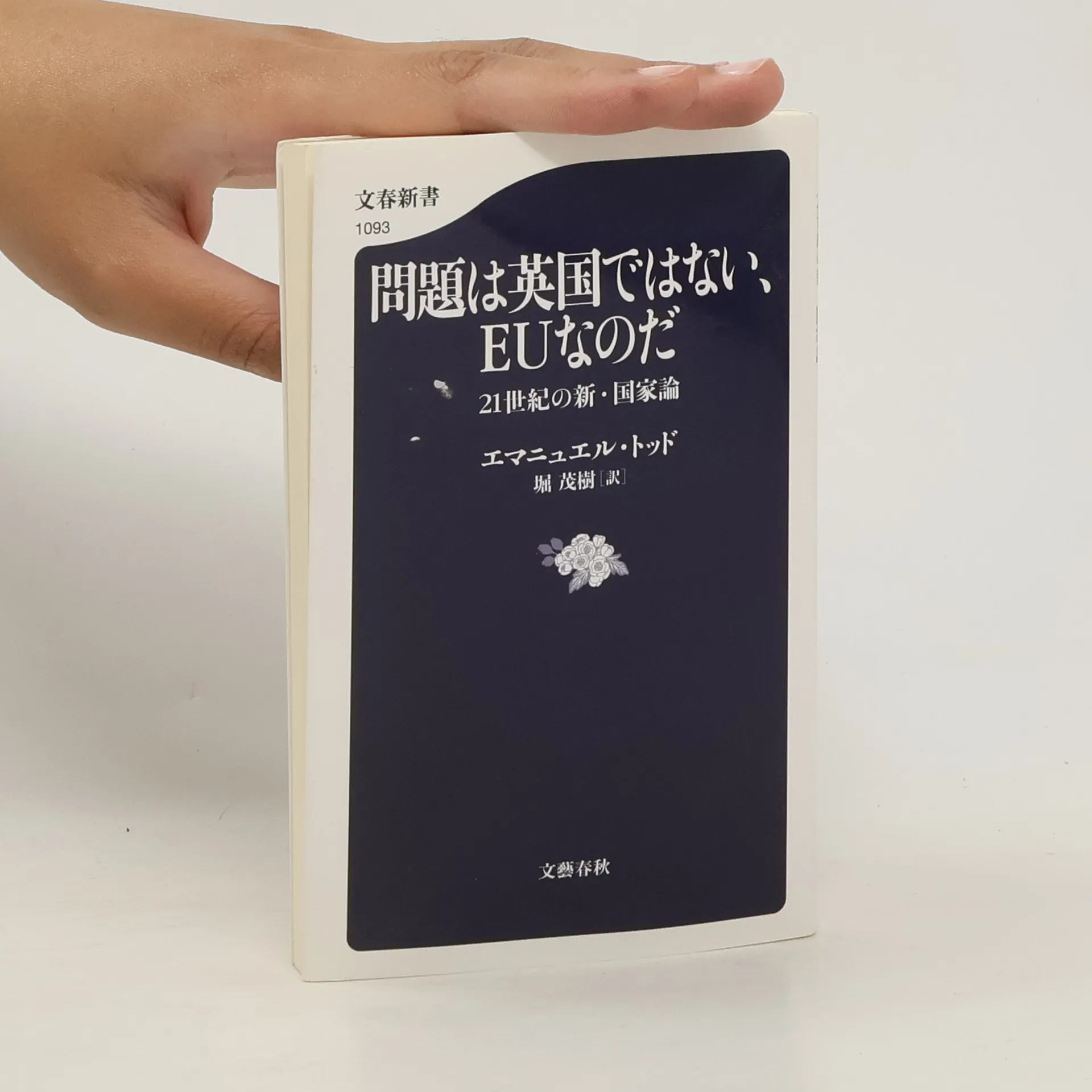
英国EU離脱とトランプ旋風は、英米という発祥地でのグローバリズムの終焉と「国家」への回帰を意味する。家族構造の変遷が明らかにする「国家」の重要性。未来は歴史から見えてくる!
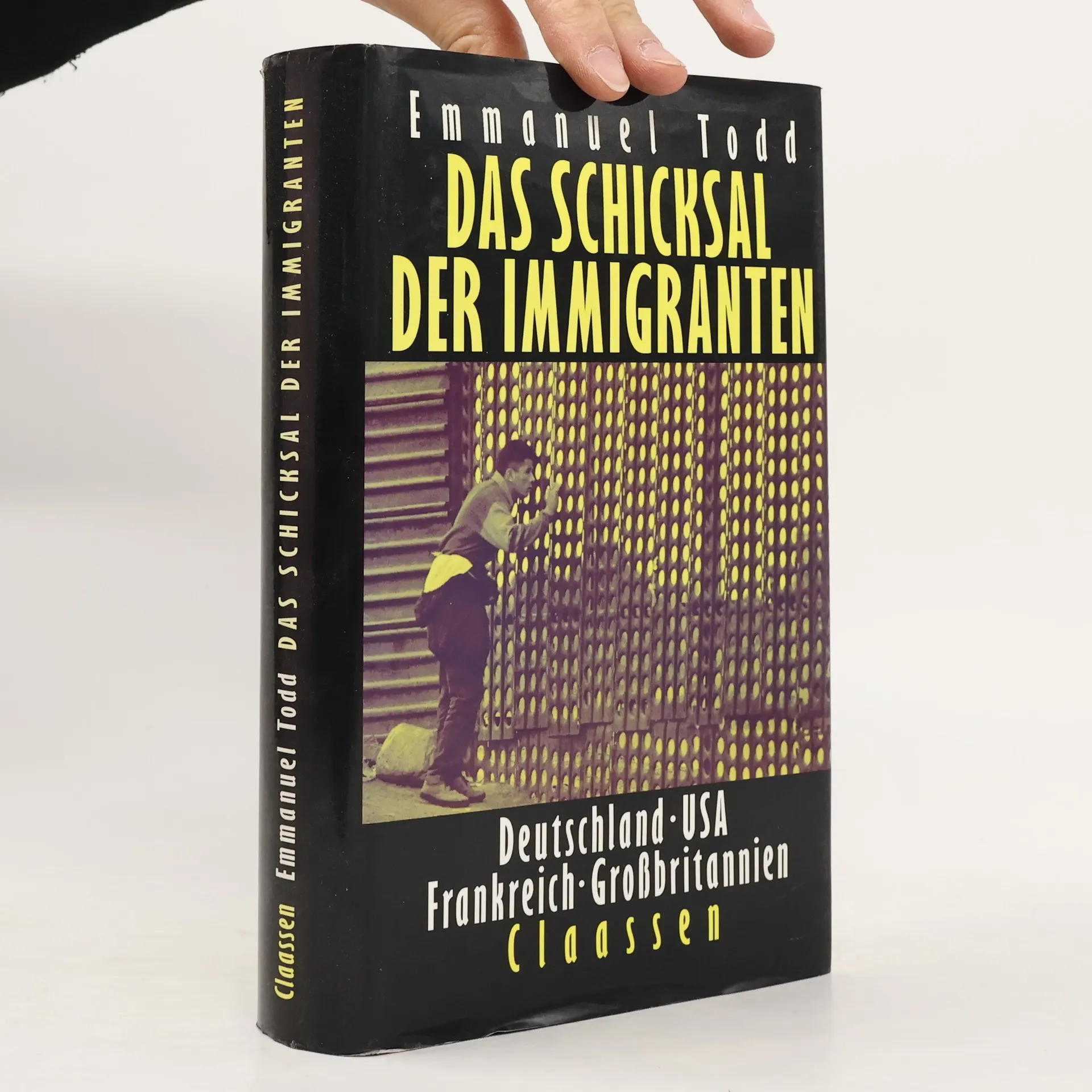
Die vier großen Einwanderungsländer unserer Zeit - die USA, Großbritannien, Frankreich und Deutschland gehen sehr unterschiedlich mit Immigranten um. Der Autor vergleicht die unterschiedlichen Einstellungen gegenüber Fremden in den vier großen Ländern
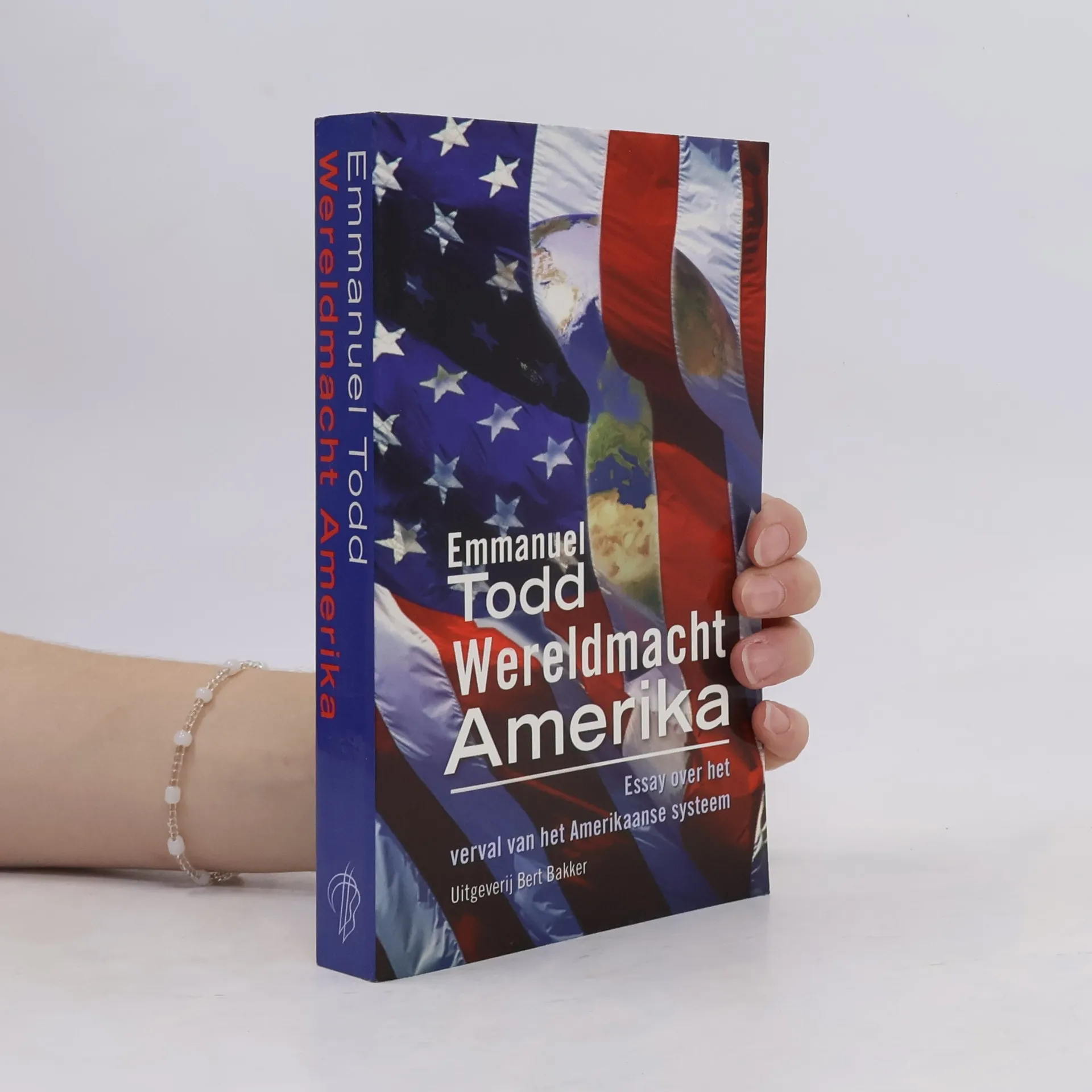
Essay over het verval van de Verenigde Staten als grootmacht, de potentiële groei van Europa, Japan en Rusland tot eigen machtsblokken en de modernisering en stabilisering van de derde wereld.