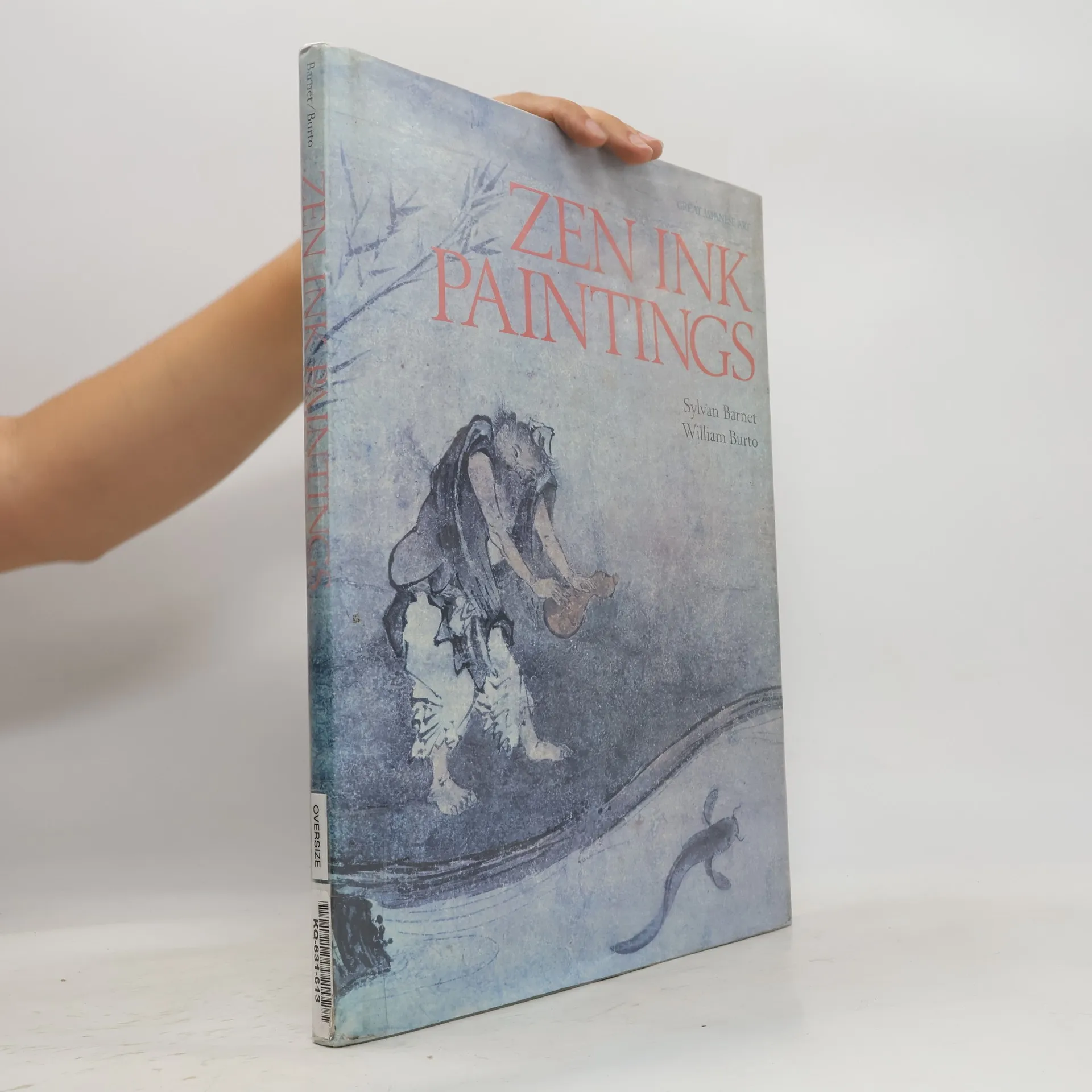
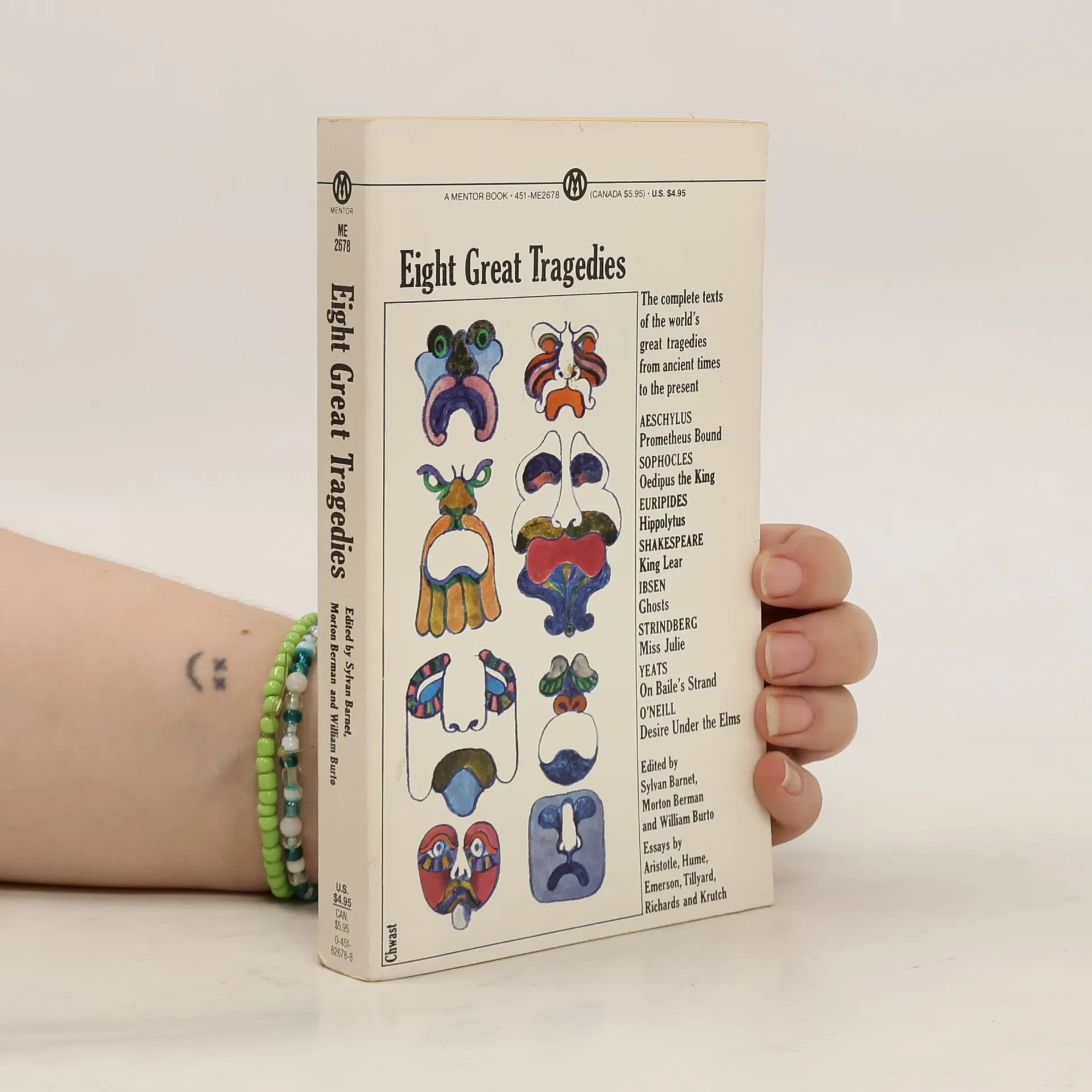
Sylvan Barnet es un crítico literario y erudito shakesperiano estadounidense cuyo trabajo profundiza en el arte de escribir. Su amplio conocimiento de Shakespeare es evidente en sus numerosos libros y artículos, así como en su papel como editor general de la serie Signet Classics Shakespeare. Más allá de Shakespeare, Barnet también explora las complejidades del arte japonés a través de ensayos ocasionales coescritos con William Burto. Sus escritos ofrecen profundas ideas sobre obras literarias y temas artísticos.
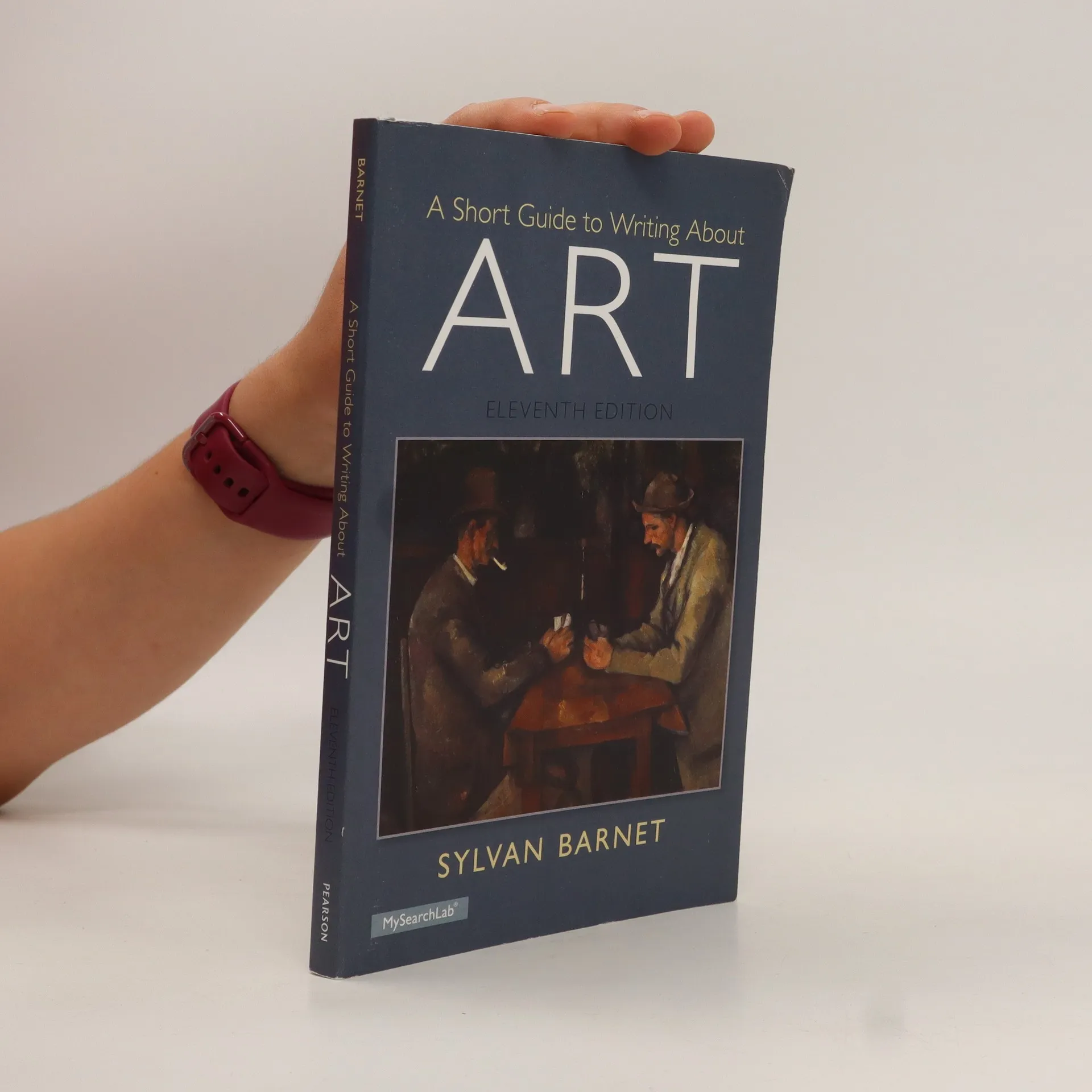
"A Short Guide to Writing About Art provides you with the tools to effectively articulate ideas about art. You'll analyze drawings, paintings, photographs, sculptures, and architecture, as the text guides you in writing a formal analysis, a research paper, a review of an exhibition, an essay, and more."--
Oscar Wilde and the young highly talented comic artist Tom Bouden, what an incredible and fantastic mixture! The story of Earnest retold in modern American style, illustrated by a great comic artist.
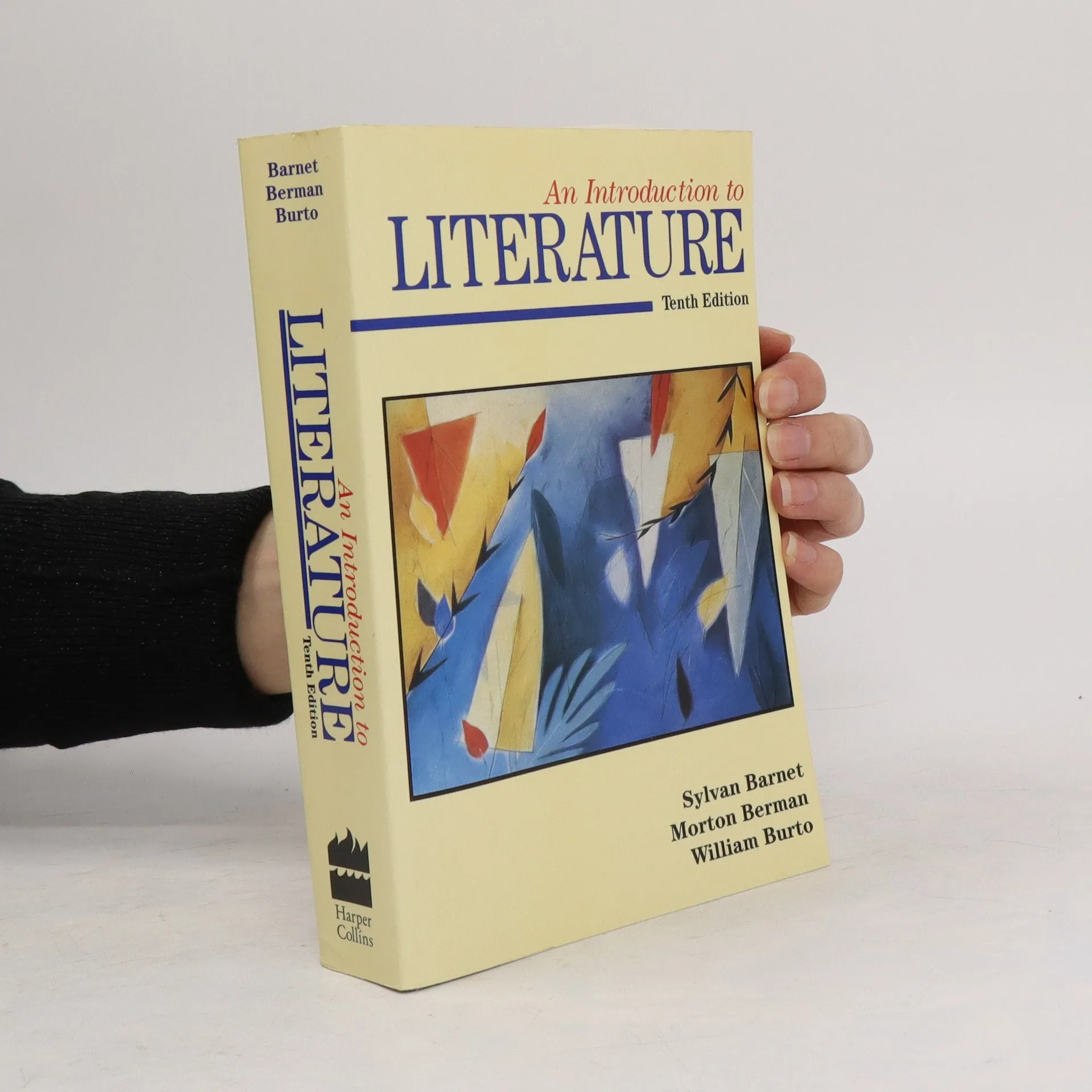
This edition includes 19 new stories, 49 poems and 7 new plays consisting largely of emerging contemporary and multicultural voices, giving students and instructors a range of selections from both new and established writers.
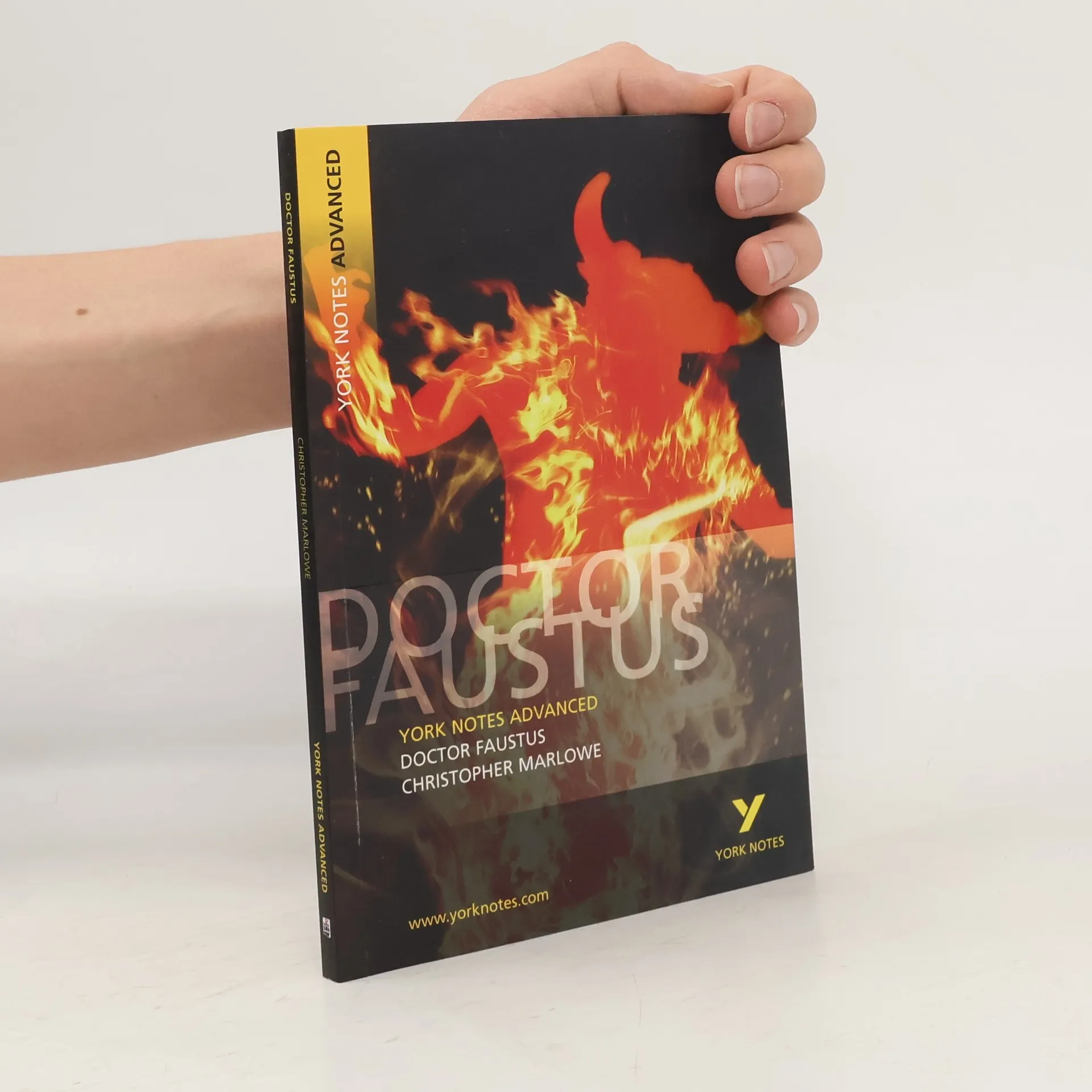
'York Notes' offer an approach to English literature that aims to fully
reflect student needs. They are filled with summaries, commentaries, exam
advice, margin and textual features to offer a wider context to the text and
encourage a critical analysis. schovat popis
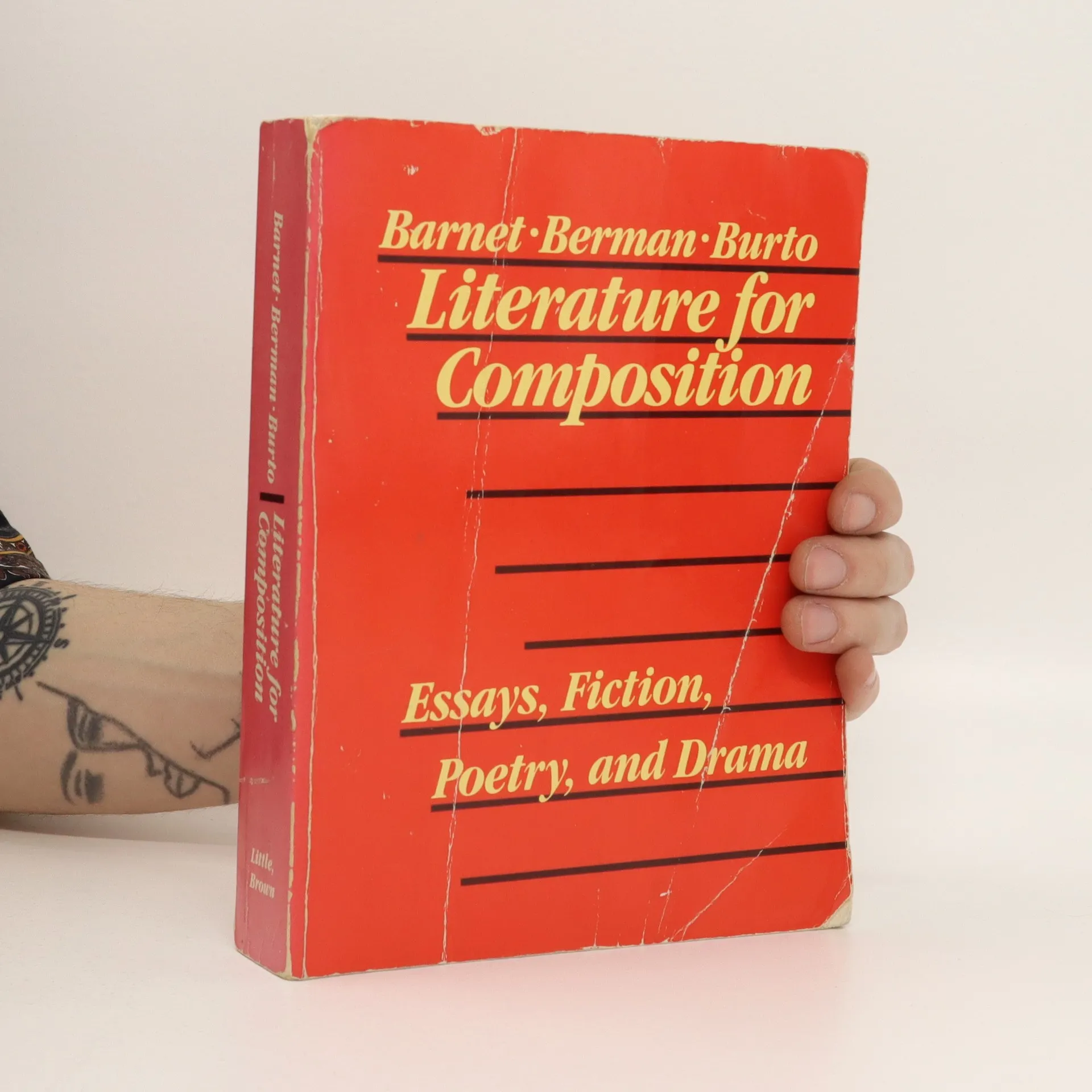
"Literature for Composition" offers the finest writing and argument coverage, helpful discussions of the literary elements, compelling case studies, and a diverse array of selections. The book includes complete coverage of the writing process, three chapters devoted to argument, complete chapters on interpretation and evaluation, coverage of the literary elements and the study of visual images, and case studies. The book opens with five chapters devoted to reading, writing, and argument. An entire chapter on critical thinking equips readers with a foundation upon which to study the chapters on the literary forms that follow. An anthology is organized around six engaging themes. Special chapters on visuals and film along with ten case studies offer additional resources. For those interested in the study and composition of literature.
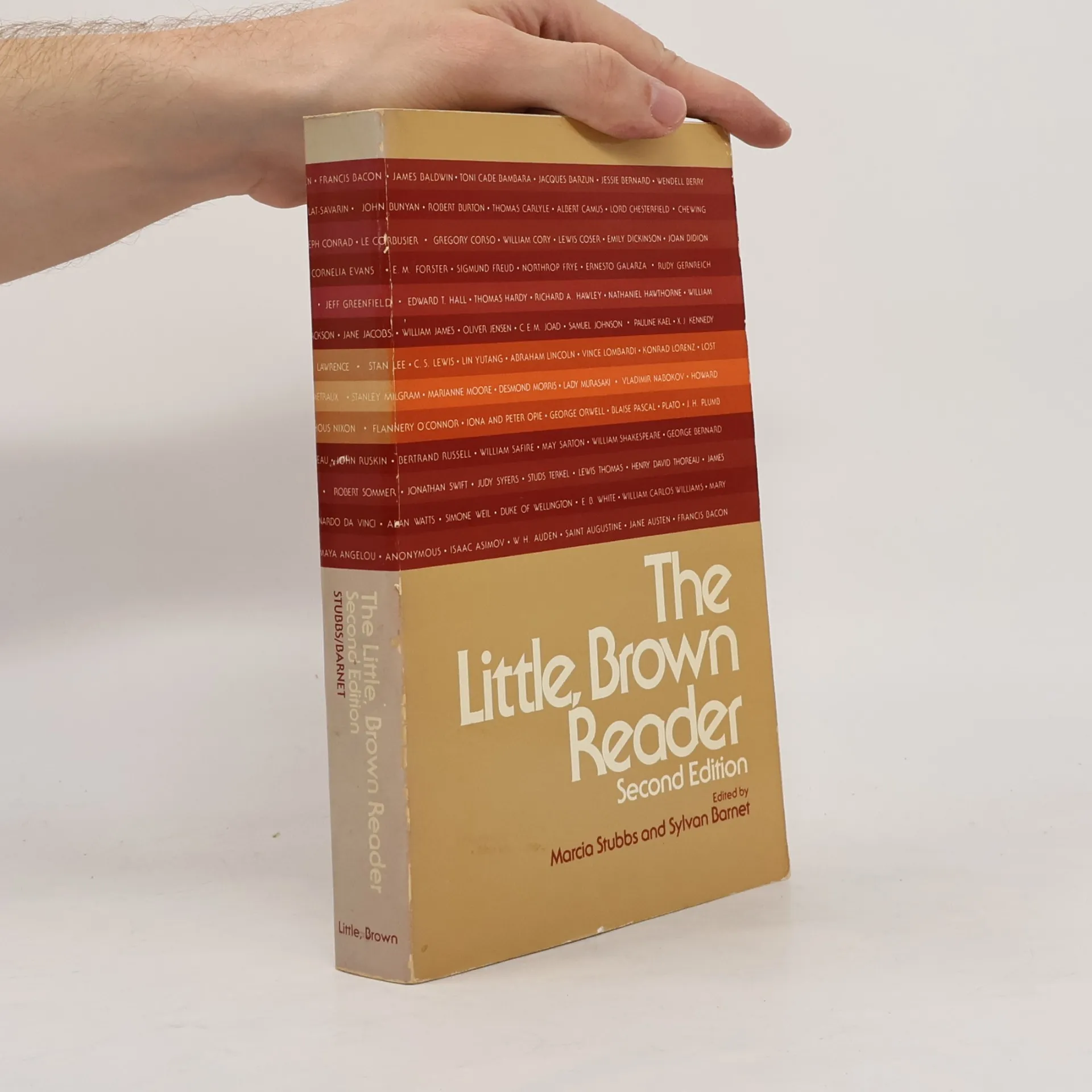
The Little, Brown Reader, one of the best-known and most respected thematic readers available today, continues its tradition of excellence by bringing together contemporary and classic readings with extensive critical reading and writing instruction and numerous illustrations. The strength of The Little, Brown Reader has always been its distinctive collection of readings and its unmatched apparatus; the Tenth Edition enhances both features, further improving the text's focus on critical thinking and writing. Little Brown works in every classroom—a range of themes and a flexible format encourage a variety of teaching styles. The readings are well balanced with selections by well-known writers, new writers, and students. General Interest: Improving writing