

More significant for Christianity in the twentieth century than the discoveries of the Nag Hammadi and the Dead Sea Scrolls is the growing awareness of the works of Rudolf Steiner. Until The Burning Bush, no Bible commentary had incorporated the remarkable spiritual insights of anthroposophy. Edward Reaugh Smith combines his extensive knowledge of traditional biblical scholarship with years of concentrated study of hundreds of Steiner titles. The result is a Bible commentary informed by anthroposophical insight. Because of its radical newness, The Burning Bush, as an introductory volume to a complete series, deviates from the normal commentary mode, presenting a series of essays on terms and phrases of critical importance to a deeper comprehension of the biblical message. It includes an extensive bibliography of Steiner's works as well as numerous charts, diagrams, and cross-references, making this a tremendously valuable research tool. Edward Reaugh Smith's lifelong search for the deeper meaning of the Bible expresses itself in this work.
Edward W. L. Smith Libros
Edward W. L. Smith es un autor versátil cuya extensa obra abarca numerosos géneros. Su escritura a menudo profundiza en temas psicológicos trascendentales, explorando la mente y el comportamiento humanos con una perspicaz profundidad. El estilo de Smith es elogiado por su habilidad para fusionar el rigor académico con una narrativa cautivadora, ofreciendo a los lectores una experiencia enriquecedora y que invita a la reflexión. Su obra incita a la reflexión, revelando las complejidades de la condición humana.
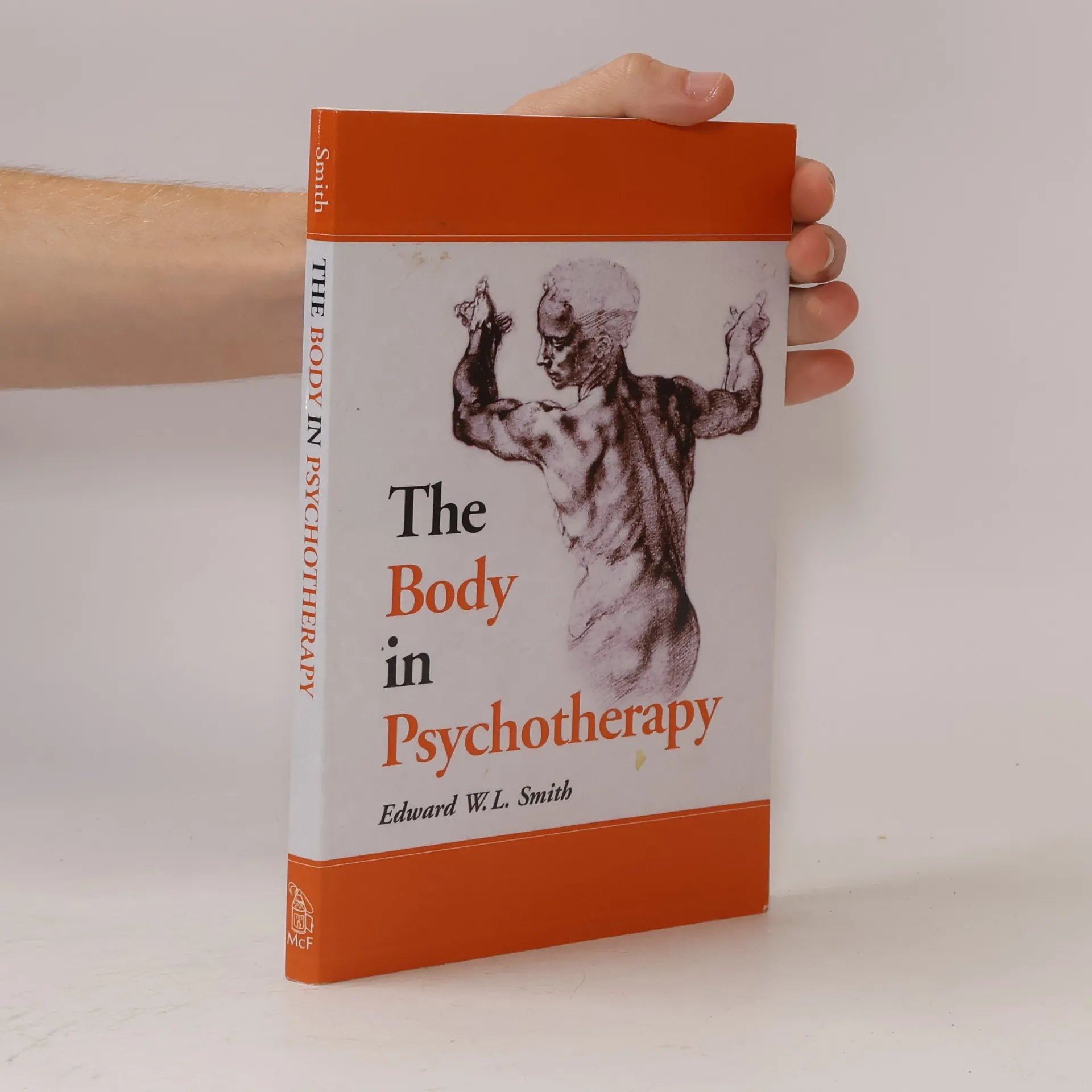

The Body in Psychotherapy
- 199 páginas
- 7 horas de lectura
This acclaimed work, first published in 1985, presents in full detail, the most effective aspects of bioenergetics, Gestalt therapy, psychomotor therapy, Reichian orgonomy, and many others, are fully detailed, along with a wealth of practical therapeutic techniques. This book is divided into four parts: the historical and theoretical perspective; the body as the locus of personality assessment; the body as the locus of psychotherapeutic intervention; and personal and ethical considerations.