

In 1950, China claimed sovereignty over Tibet, leading to decades of unrest and resistance, defining the country today. In Eat the Buddha, Barbara Demick chronicles the Tibetan tragedy from Ngaba, a defiant town on the eastern edge of the Tibetan plateau where dozens of Tibetans have shocked the world since 2009 by immolating themselves. Following the stories of the last princess of the region, of Tibetans who experienced the struggle sessions of Mao's Cultural Revolution, of the recent generations of monks and townsfolk experiencing renewed repression, Demick paints a riveting portrait of recent Tibetan history, opening a window onto Tibetan life today, and onto the challenges Tibetans face while locked in a struggle for identity against one of the most powerful countries in the world
Barbara Demick Orden de los libros (cronológico)
Barbara Demick es una periodista estadounidense cuyo trabajo se centra en profundas historias humanas de sociedades cerradas. Su estilo de reportaje penetra en temas sociales y políticos complejos, acercando a los lectores las vidas de personas comunes en condiciones extremas. Su enfoque combina la precisión periodística con la empatía, permitiéndole descubrir los matices de la experiencia humana donde la información es escasa. Se dedica principalmente a documentar el impacto de los regímenes represivos y los conflictos bélicos en individuos y comunidades.



Escape from Camp 14
- 205 páginas
- 8 horas de lectura
Twenty-six years ago, Shin Dong-hyuk was born inside Camp 14, one of five sprawling political prisons in the mountains of North Korea. This is the gripping, terrifying story of his escape from this no-exit prison-- to freedom in South Korea
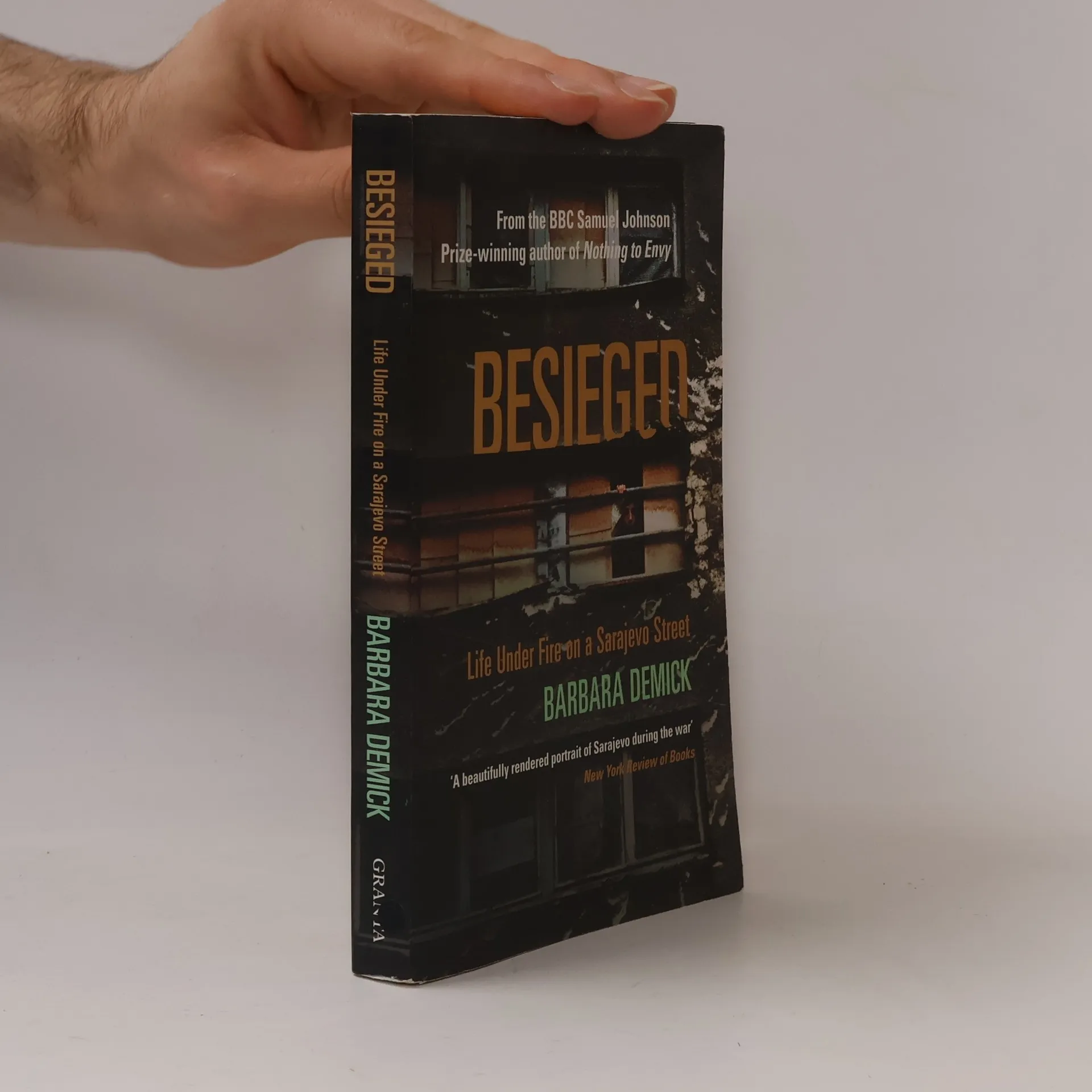
Twenty years after the siege of Sarajevo, BBC Samuel Johnson Prize winner Barbara Demick revisits her compelling account of living in a city under fire.
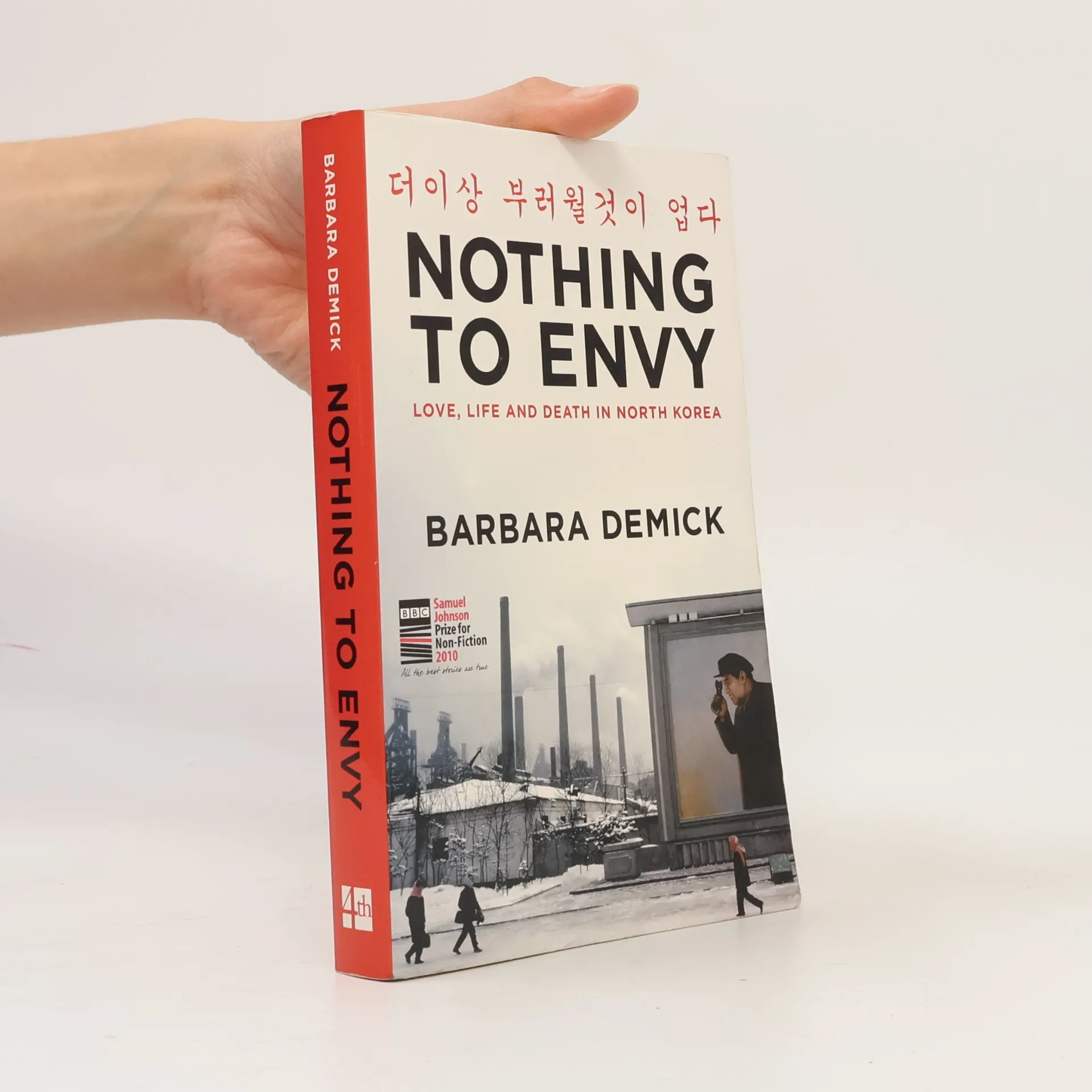
WINNER OF THE 2010 SAMUEL JOHNSON PRIZE FOR NON-FICTION What if George Orwell's vision in Nineteen Eighty-four was a reality? Imagine a world where everything is black and white, except for the red letters on propaganda signs, and where spies monitor your facial expressions at political rallies. This is the reality in North Korea, the only country that has chosen to remain disconnected from the Internet. Under the rule of a dictator, the nation is shrouded in mystery and control, yet 22 million people live, work, and dream of a different life. Journalist Barbara Demick spent a decade exploring North Korea's strange politics and regulations. Her journey led her to Mi-ran, a young woman defector who shared her experiences of growing up in a land where cinema thrived during times of electricity and where teenage romances blossomed. Through Mi-ran's narrative, Demick uncovers a more human side of North Korea. In her work, she retraces the lives of Mi-ran and five other North Koreans, revealing their ambitions, struggles, and the profound costs of living in such a bizarre society. Their stories paint a haunting portrait of resilience amid oppression.