Flannery O. ConnorOrden de los libros (cronológico)
Flannery O’Connor fue una autora estadounidense distintiva, celebrada por su perspectiva única sobre la vida en el sur de EE. UU. y sus profundas creencias católicas. Sus obras se caracterizan por un humor agudo, imágenes inquietantes y exploraciones de la gracia y la redención en entornos plagados de violencia y lo grotesco. O’Connor creó magistralmente personajes que lidian con la fe, el pecado y lo divino, a menudo en momentos inesperados y dramáticos. Su escritura continúa cautivando a los lectores por su intensidad y honestidad descarnada.
Featuring thirty-one stories, this collection includes twelve previously unpublished works by O'Connor that were not part of her two lifetime collections, "Everything That Rises Must Converge" and "A Good Man Is Hard to Find." The anthology showcases her distinctive voice and keen observations of human nature, offering readers a deeper understanding of her literary contributions and the themes she explored throughout her career.
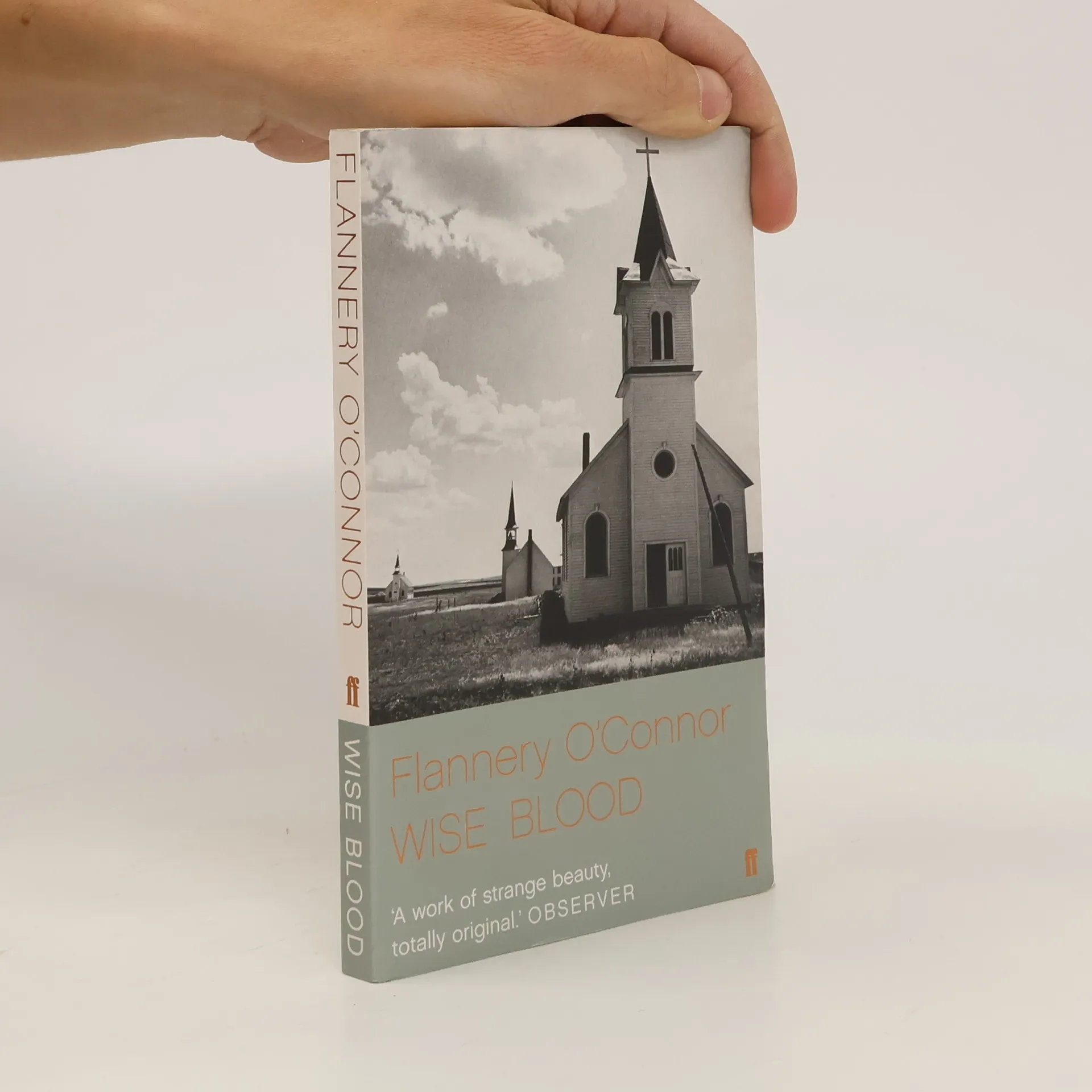
Flannery O’Connors Storys spielen in den Südstaaten, dem Kernland des konservativen Amerika. Mit meisterhafter Präzision entwirft sie Schauplätze und Figuren – engstirnige, selbstgerechte Provinzler, deren gottesfürchtige Existenz durch Eindringlinge gestört wird: Wie der Outlaw, der im vollen Bewusstsein seiner Niedertracht eine wehrlose Dame erschießt. Oder der Landstreicher, der die taubstumme Farmerstochter heiratet, um das Auto der Farmerin zu ergaunern. Mit unbestechlichem Blick für groteske Situationen und mit beißender Ironie legt Flannery O’Connor den Finger in Wunden ihrer Zeit, die heute wieder aufgebrochen sind: Rassismus, und eine diffuse Angst vor dem Fremden.
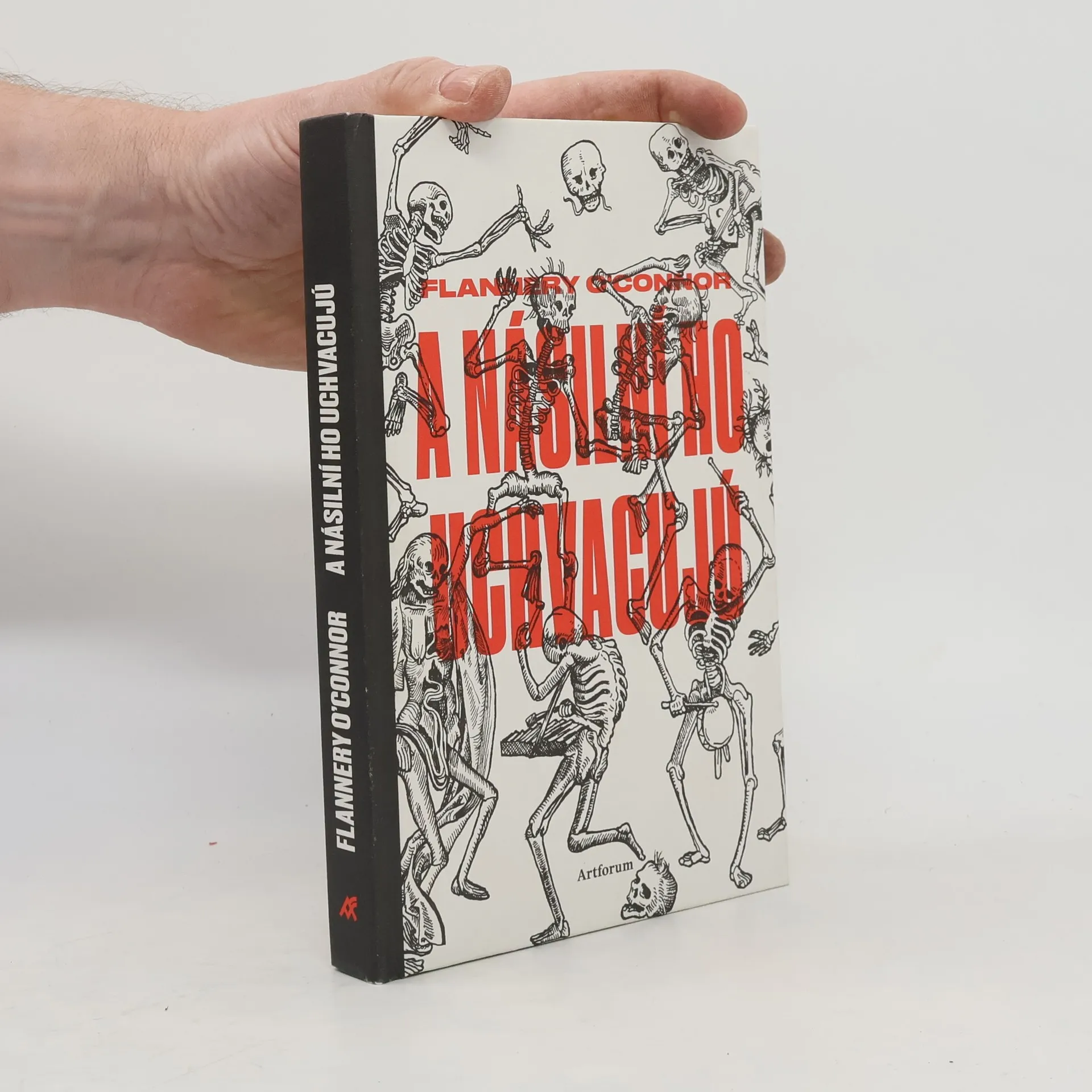
Keď v rozpadajúcej sa usadlosti pod horúcim slnkom pánu Bohu za chrbtom umiera starý fanatický čudák, čo sa vyhlasuje za proroka, chlapec Francis Marion Tarwater ostáva v dome sám. Jediný priateľ, ktorého má, sídli v jeho hlave a pravidelne sa mu prihovára. Starý muž chcel, aby si aj chlapec vybral profétske chodníčky, prijal Kristov kríž. Ale Tarwater má svojský rozum, iné plány... Alebo nie? Alebo predsa len áno?
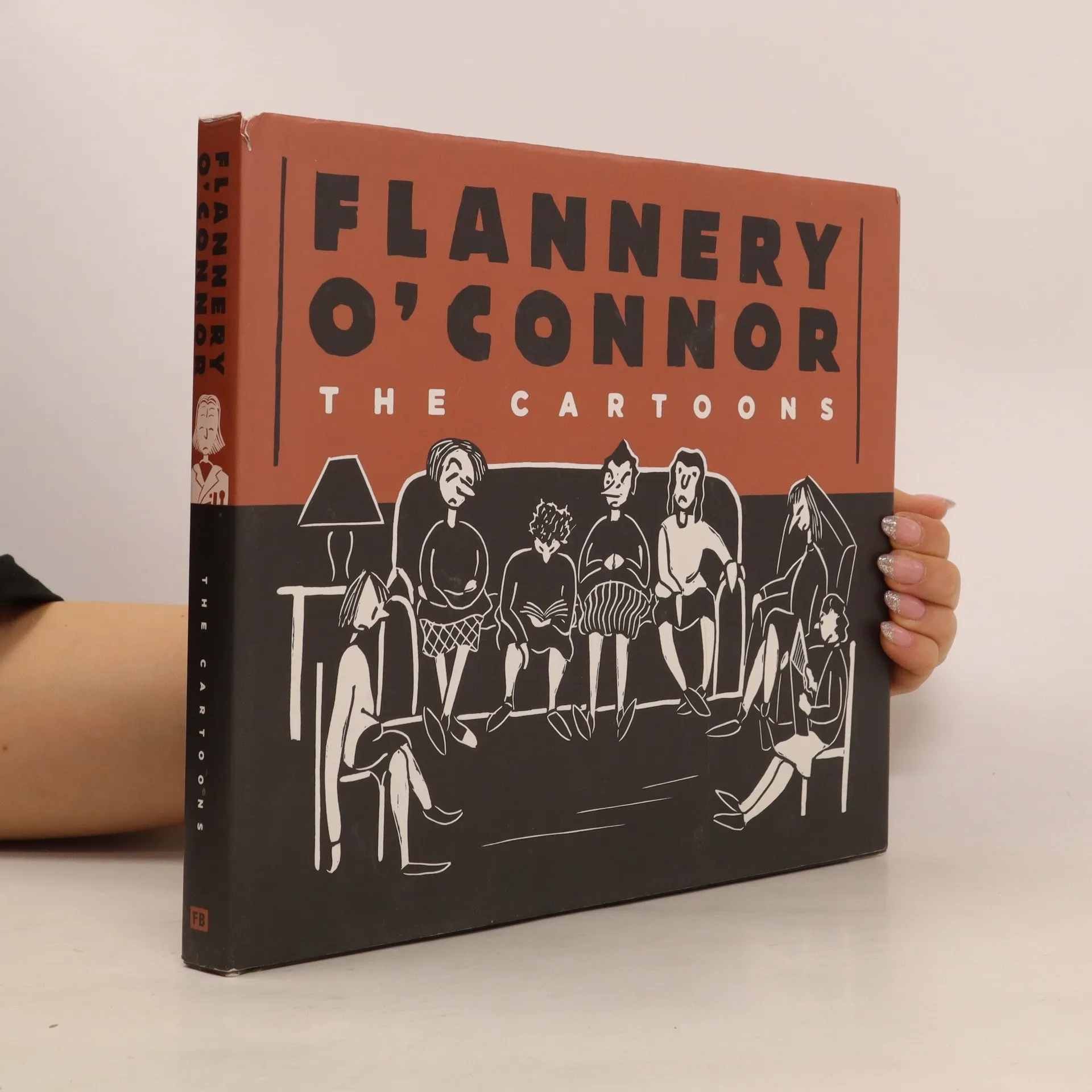
Flannery O’Connor was among the greatest American writers of the second half of the 20th century; she was a writer in the Southern tradition of Eudora Welty, William Faulkner, and Carson McCullers, who wrote such classic novels and short stories as Wise Blood, The Violent Bear It Away, and “A Good Man is Hard to Find.” She is perhaps as well known for her tantalizing brand of Southern Gothic humor as she is for her Catholicism. That these tendencies should be so happily married in her fiction is no longer a surprise. The real surprise is learning that this much beloved icon of American literature did not set out to be a fiction writer, but a cartoonist. This seems to be the last well-kept secret of her creative life.
Además de sus extraordinarios cuentos, Flannery O Connor, unas de las escritoras fundamentales del siglo XX, publicó también dos novelas excelentes, ahora reunidas, por primera vez en castellano, en este volumen. Sangre sabia, publicada en 1952, cuenta la historia de Hazel Motes quien, tras servir en el ejército, regresa al evangélico y profundo sur de los Estados Unidos. Allí empieza a librar una guerra privada contra la religiosidad de la comunidad y, en particular, contra Asa Hawkes, el predicador y su degenerada hija quinceañera. Presa de la desesperación, Hazel encuentra su propia religión, La Iglesia sin Cristo. En 1960, O Connor publicaba su segunda y última novela, Los violentos lo arrebatan, donde el huérfano Francis Marion Tarwater y su sobrino, el maestro de escuela Rayber, desafían la profecía de su difunto tío según la cual Tarwater se convertirá en profeta. A partir de entonces, Tarwater vive una íntima batalla entre su fe innata y las voces que le llaman a ser profeta, mientras Rayber trata de llevarle a un mundo más razonable y moderno. Lúcida y tormentosa, radical y sobrecogedora, la obra de Flannery O Connor constituye una de las aventuras más intensas de la literatura de todos los tiempos.
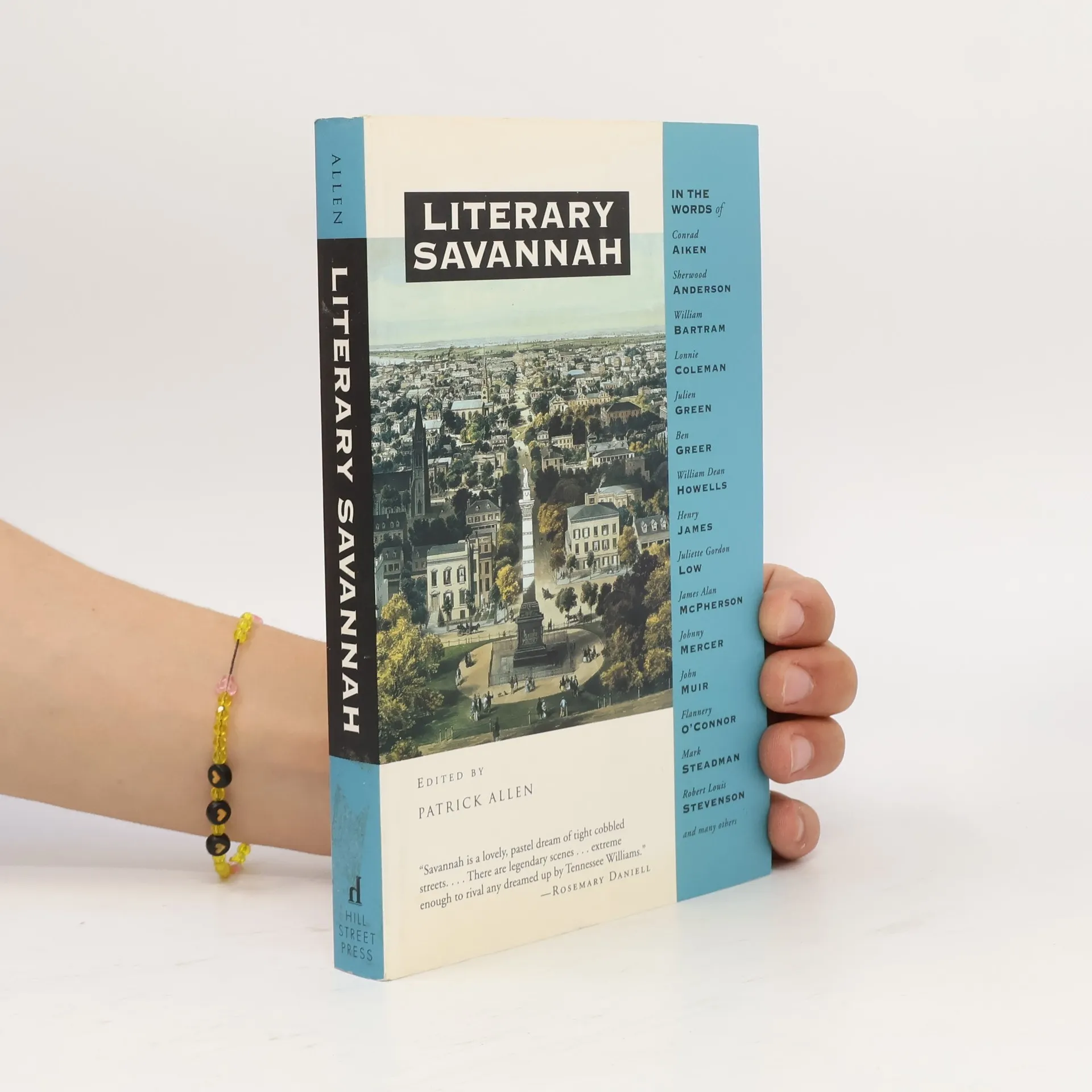
The statues of Savannah's Monument Square are silent. The statue of the solemn girl in Bonaventure Cemetery -- made famous in John Berendt's blockbuster book, Midnight in the Garden of Good and Evil -- can't speak. Only Savannah's literary monuments can give voice to the diverse history of one of America's greatest cities; one that has for centuries inspired fascination worldwide.
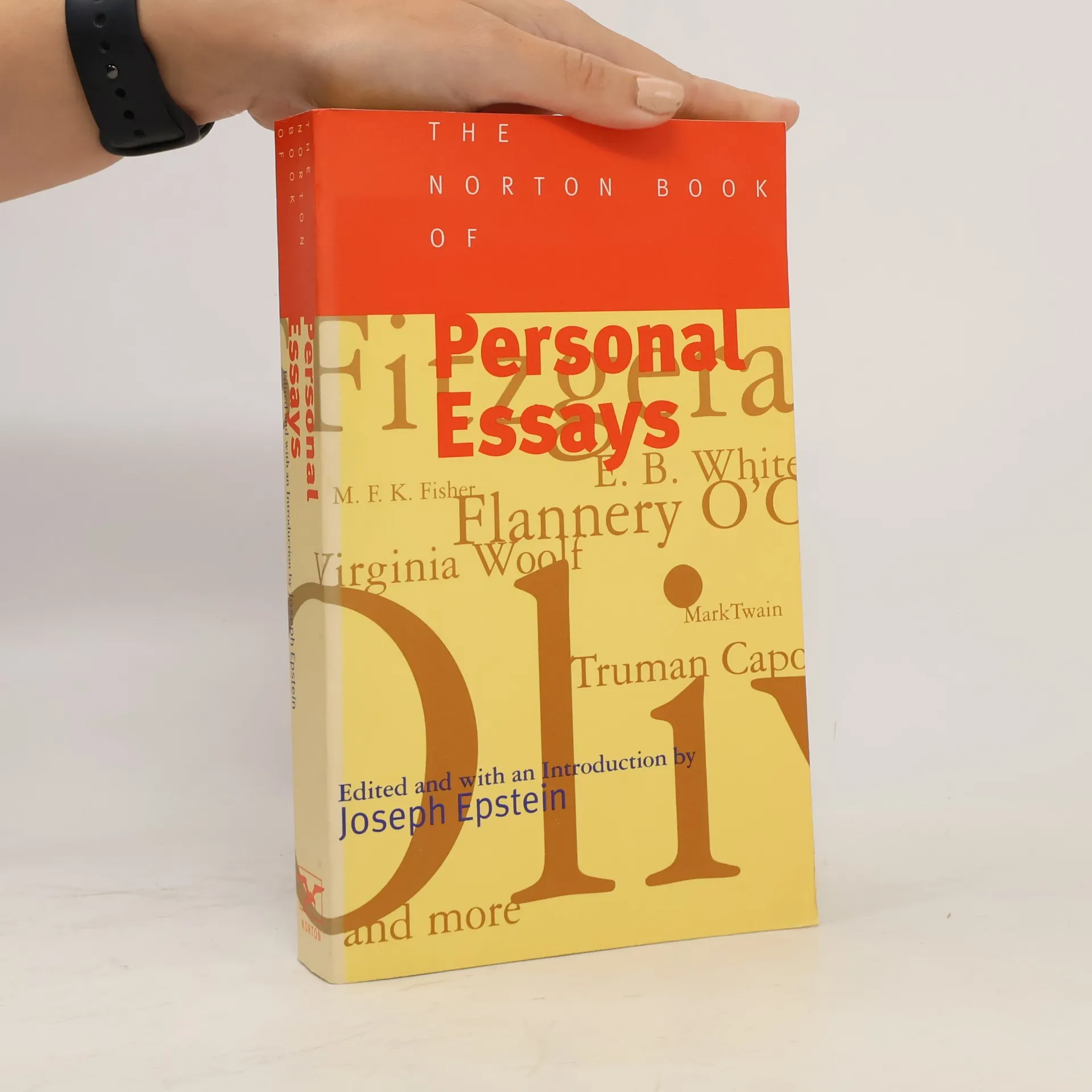
In this anthology of twentieth-century essays, some of our most-admired American and British writers express their lively, candid, entertaining, thoughtful, andabove allvarious opinions. Topics range from Tangier to a lake in Maine, from racial conflict to sky diving, from the expectations we bring to travel to the athletics of the table. The essays are selected and introduced by Joseph Epstein, himself a leading contemporary practitioner of the form. Most prominent in each essay is the distinctive style of the essayist; style, as Epstein points out in his introduction, is not only what keeps literature alive but also a personal way of looking at the world.Blending the profound and the buoyant, the traditional and the new, the expected and the surprising, The Norton Book of Personal Essays offers a basketful of delights sure to find a permanent place on readers' shelves. Mark Twain, Max Beerbohm, Virginia Woolf, Willa Cather, M. F. K. Fisher, F. Scott Fitzgerald, E. B. White, Oliver Sacks, H. L. Mencken, Truman Capote, and Flannery O'Connor are among the contributors to this volume. The chief principle of selection has been the pleasure that essays, operating at their highest power, always give.
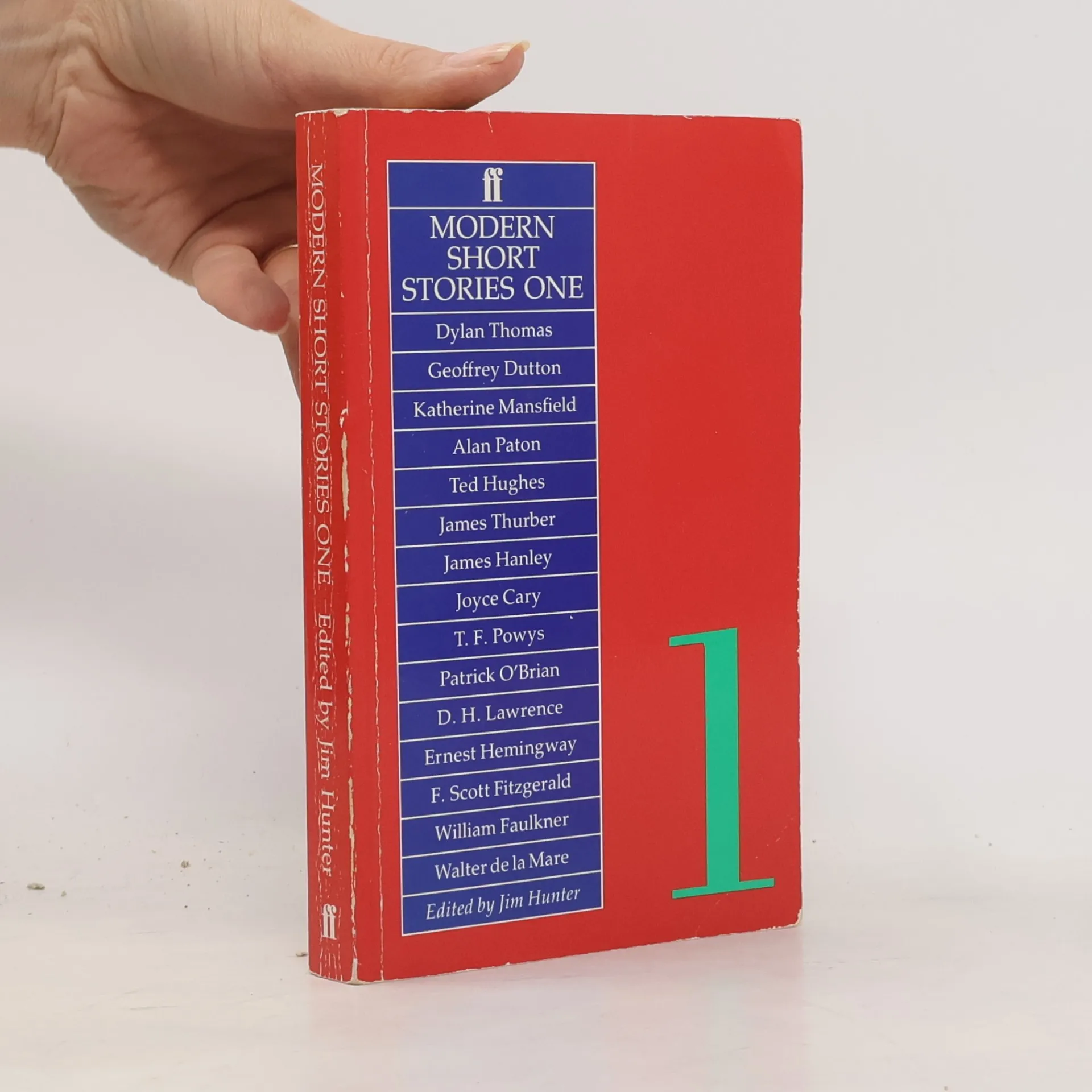
This collection is a companion to the long-established and highly successful Modern Short Stories One and its essential aims are the same: to offer stories of high literary quality which, though written for adults, can be enjoyed and appreciated by adolescents. The fifteen stories included are by distinguished writers from Africa, America, Australia, India, Ireland, Italy and Great Britain; and within their artistic context several of them deal with the special personal and social concerns of society today.The collection includes stories by the likes of Dorothy Parker, Maeve Binchy, Garrison Keillor, Peter Carey, Flannery O'Connor and Nadine Gordimer.
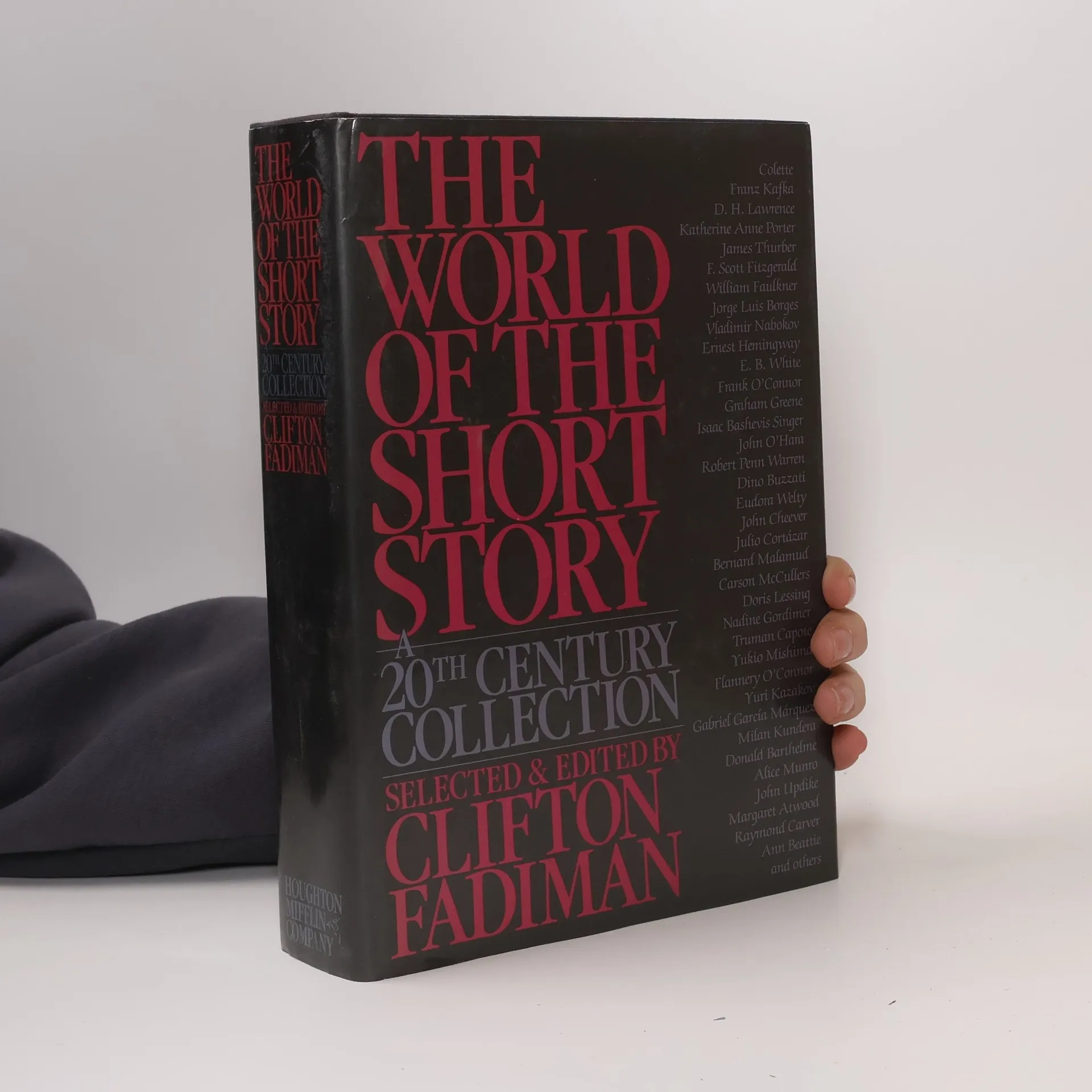
At age 82, Clifton Fadiman continues his prolific publishing career, here presenting 62 of the world's best short stories from 16 countries. His criteria? "Each story had to be both interesting and of high literary merit." Fadiman fulfills both requirements and much more, offering a cornucopia of superior 20th-century writers that includes Franz Kafka, D. H. Lawrence, Isaac Babel, F. Scott Fitzgerald, William Faulkner, Ernest Hemingway, John Cheever, Sean O'Faolain, Graham Greene, Robert Penn Warren, Colette, John Updike, Donald Barthelme, and James Thurber. (Regrettably, J. D. Salinger is not included due to lack of permission.) Here is a truly remarkable collection of this century's short stories that readers from all over the world will read with delight.
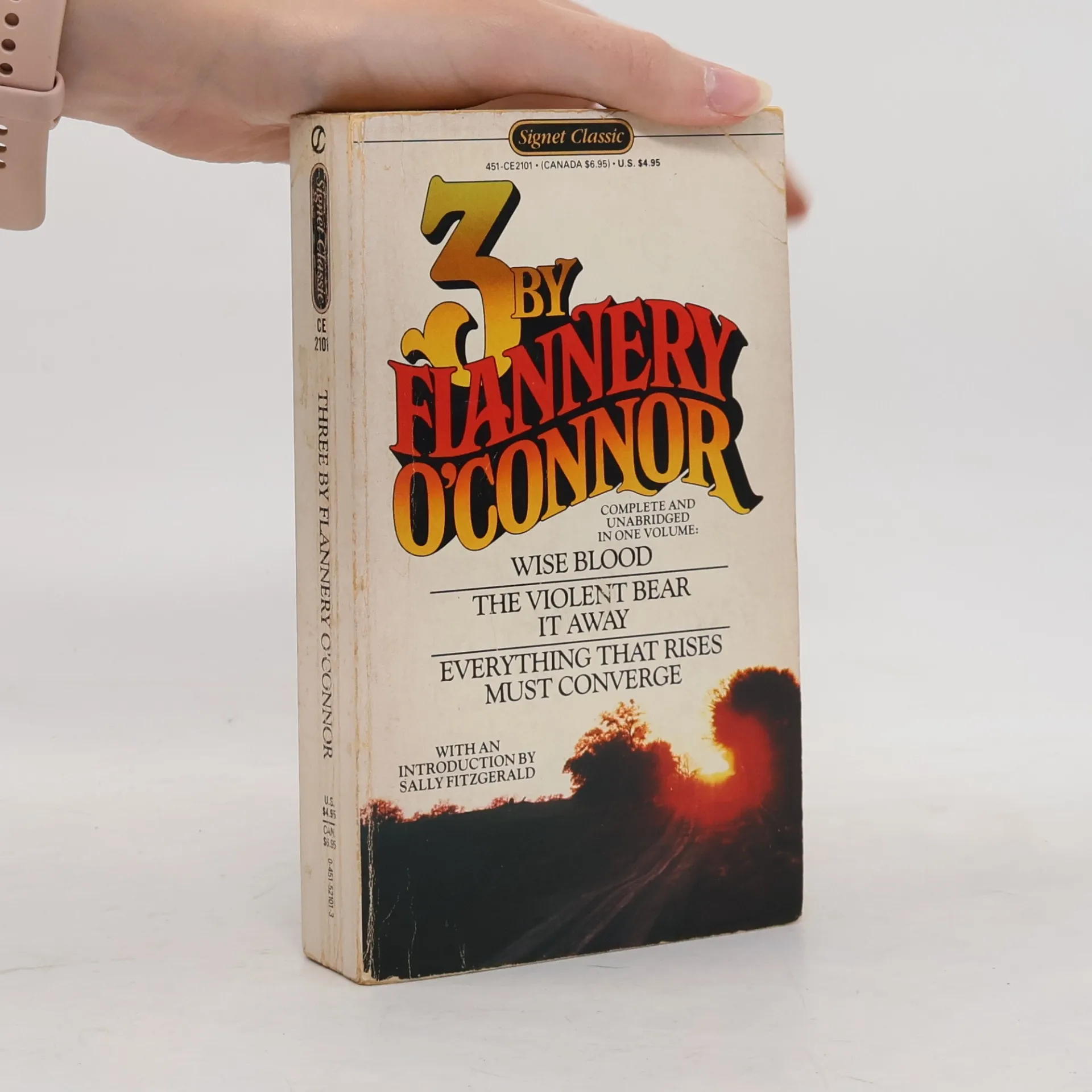
The quintessential Southern writer, O'Connor wrote fiercely comic, powerful fiction. This anthology includes the masterpieces Wise Blood , The Violent Bear it Away , and Everything that Rises Must Converge .
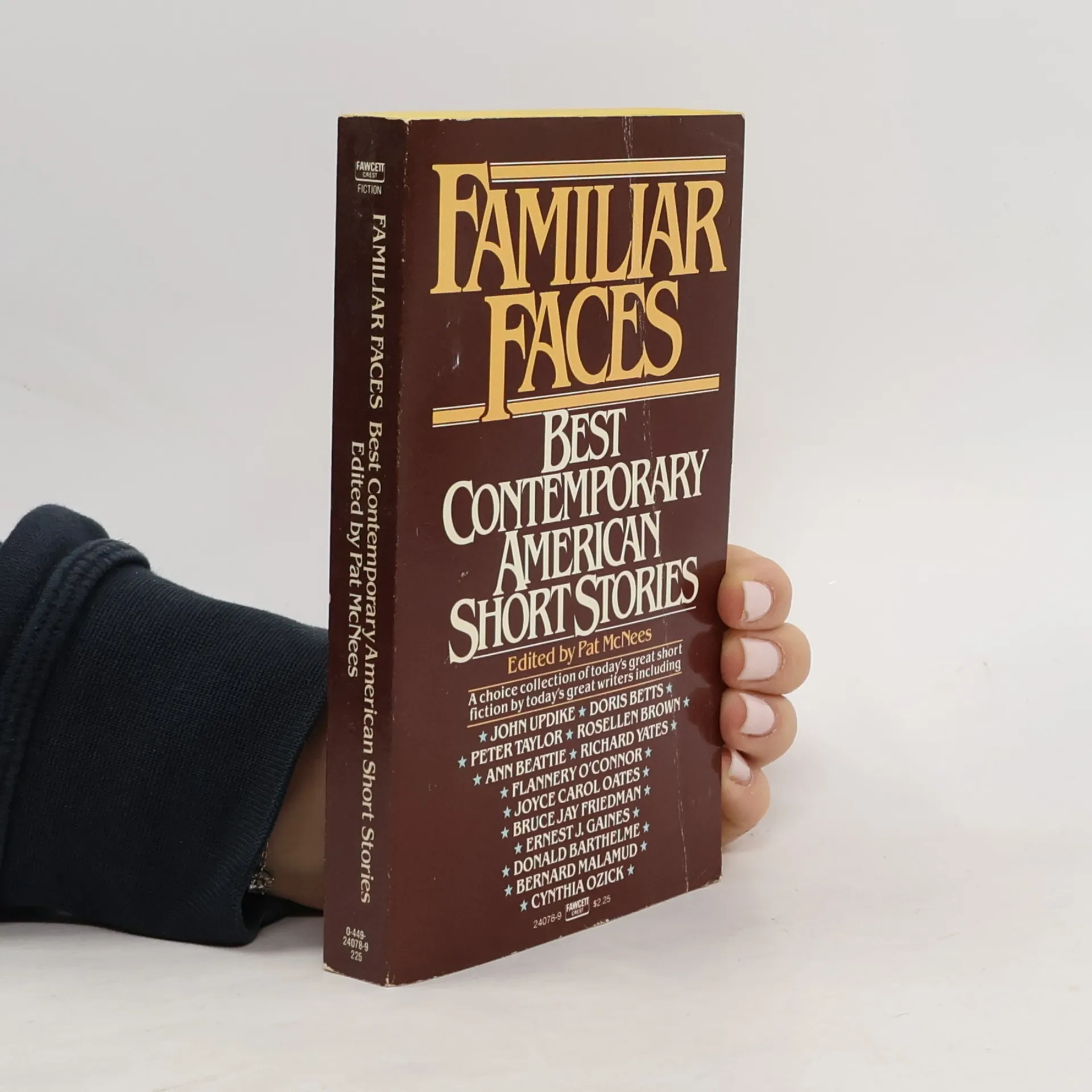
The conflicts of common people in everyday situations are revealed from many angles in a collection of stories assembled to offer an impression of contemporary American life
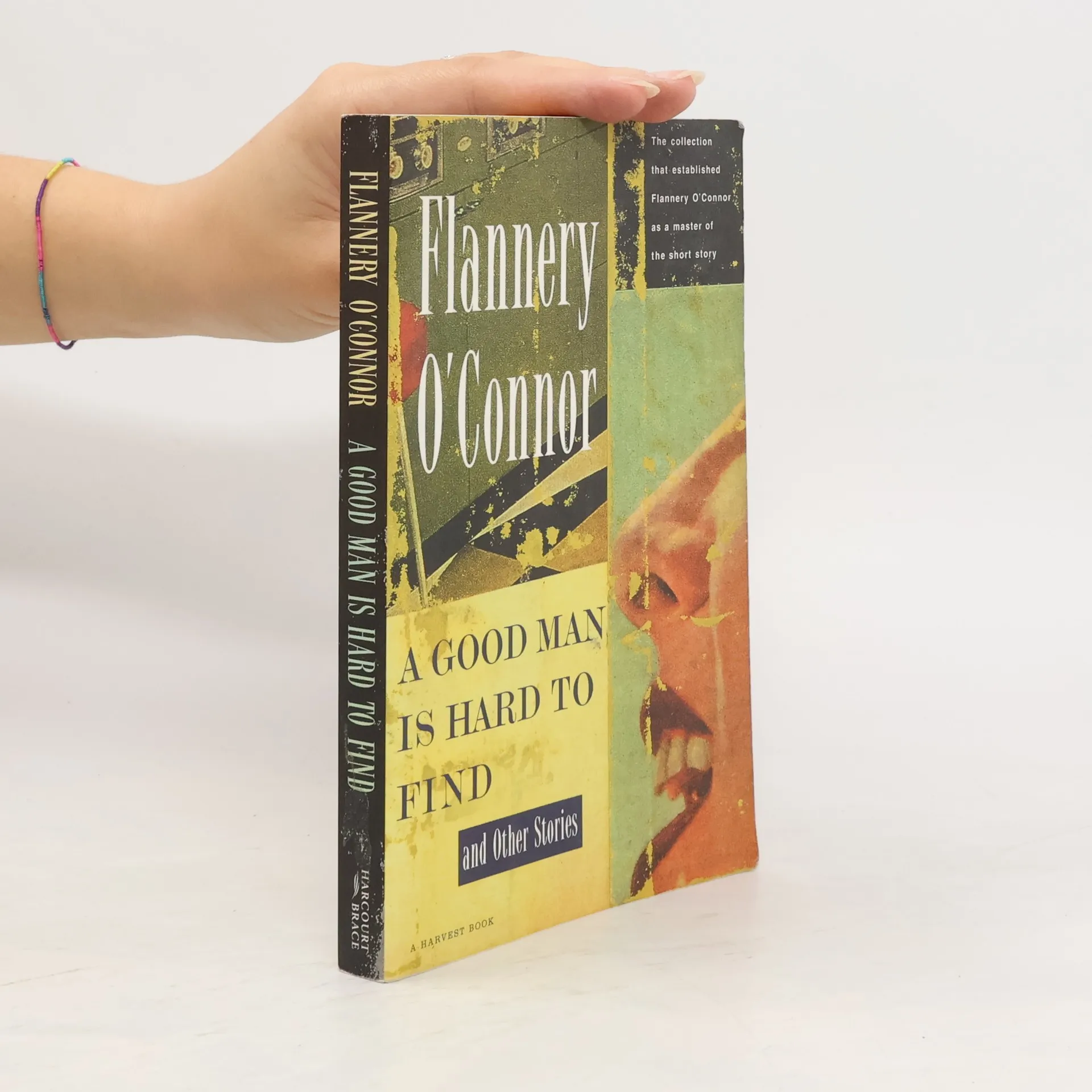
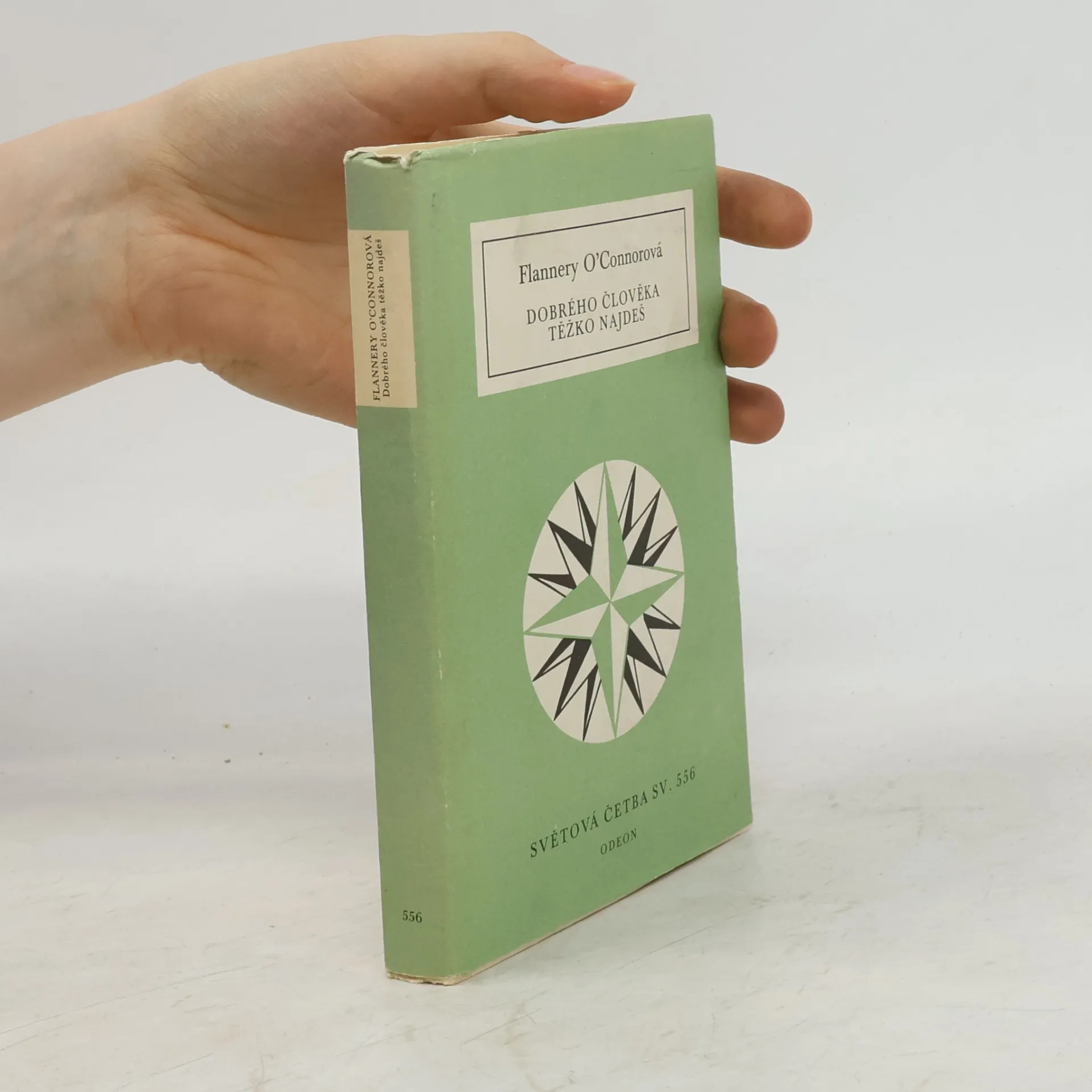
The collection that established O'Connor's reputation as one of the American masters of the short story. The volume contains the celebrated title story, a tale of the murderous fugitive The Misfit, as well as The Displaced Person and eight other stories
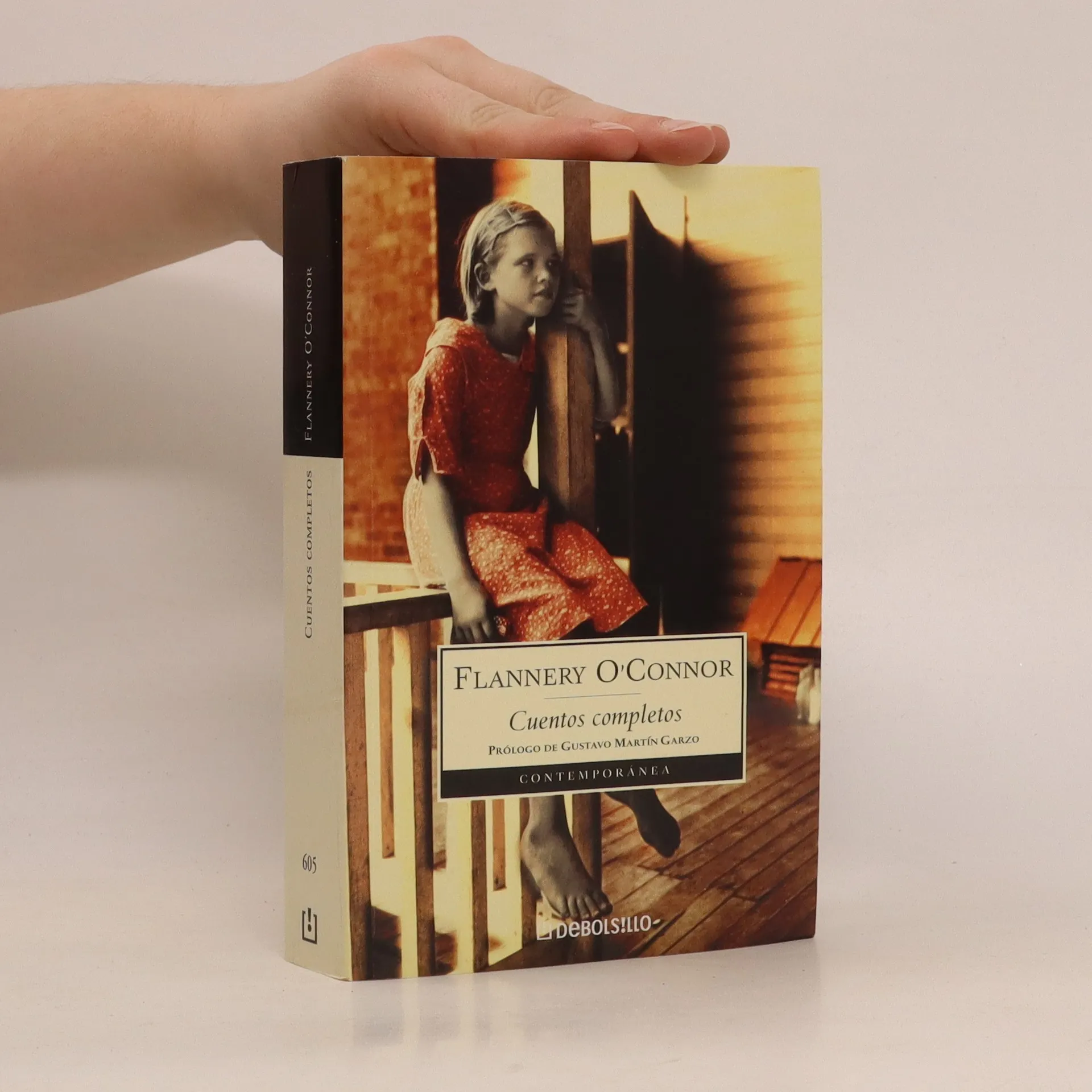
La publicación de este extraordinario volumen establece firmemente la monumental contribución de Flannery O'Connor a la ficción estadounidense. Contiene un total de treinta y una historias, incluidas doce que no aparecen en las únicas dos colecciones de cuentos que O'Connor reunió en su corta vida. O'Connor publicó su primera historia, "El geranio", en 1946, mientras trabajaba en su maestría en la Universidad de Iowa. Organizada cronológicamente, esta colección muestra que su última historia, "Día del juicio", enviada a su editor poco antes de su muerte, es una versión brillantemente reescrita y transformada de "El geranio". En conjunto, estas historias revelan un talento vivo y penetrante que nos ha brindado algunas de las ficciones más poderosas y perturbadoras del siglo XX.
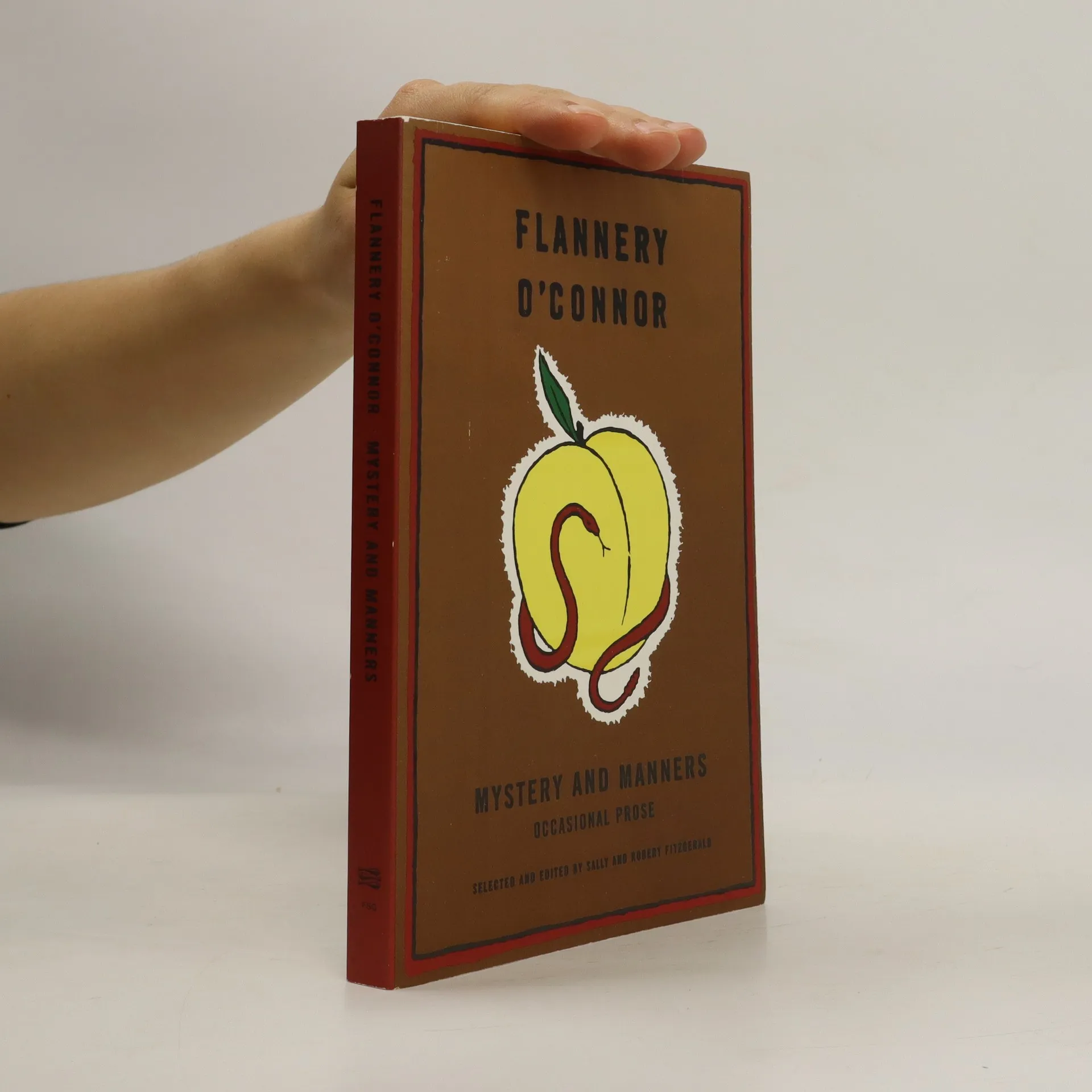
The essays and articles in this volume are concerned mainly with the art of fiction--its quality, in regional writing; its nature and its aims; and its relatino to the writer's religion.