The Invention of the Land of Israel : from Holy Land to Homeland
- 304 páginas
- 11 horas de lectura
Groundbreaking new work from the controversial author of The Invention of the Jewish People


Shlomo Sand es un profesor de historia cuyo trabajo examina críticamente los conceptos de nacionalismo y memoria colectiva. Desafía las narrativas históricas establecidas, centrándose en la naturaleza construida de las identidades nacionales y el papel de la interpretación histórica. La escritura de Sand se caracteriza por un enfoque intelectual riguroso que anima a los lectores a cuestionar las suposiciones fundamentales sobre las naciones y su pasado. Su erudición es significativa por su contribución a los debates en curso sobre identidad, historia y pertenencia.



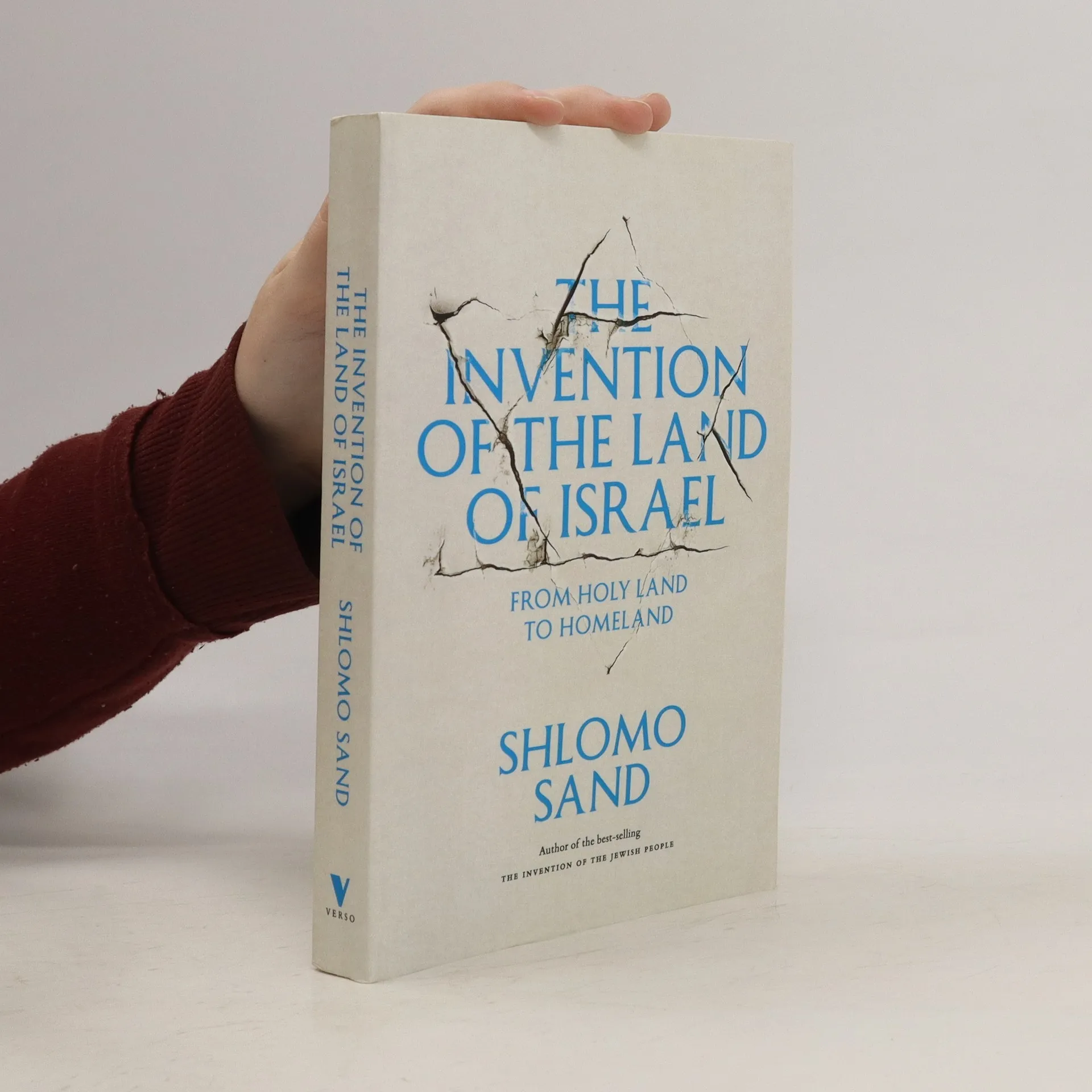
Groundbreaking new work from the controversial author of The Invention of the Jewish People
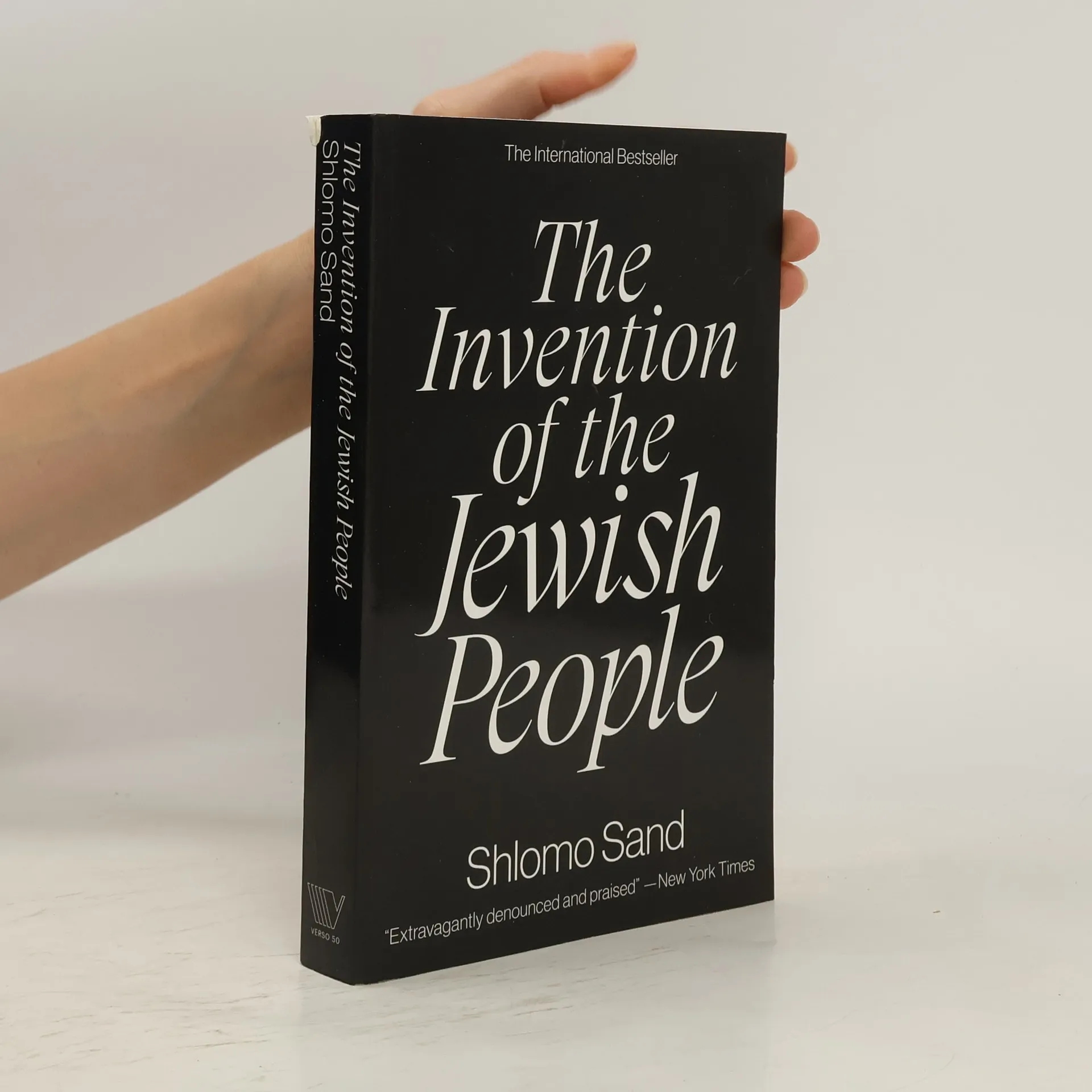
"Exploding the myth that there was a forced Jeweish exile in the first century at the hands of the Romans, Israeli historian Shlomo Sand argues that most modern Jews descend from converts, whose native lands were scattered across the Middle East and Eastern Europe. In the process, Sand dismantles the founding myth of the Jewish homeland, This new edition, ten years after the book's first publication in English, includes a new introduction that revisits the controversy the book continues to ignite."--From back cover
The book explores the long-standing Israeli-Palestinian conflict, particularly in light of recent violent escalations. Shlomo Sand, an Israeli historian, critiques the viability of the two-state solution, arguing it has become a hollow promise amid ongoing settlement expansions and systemic inequalities faced by Palestinians. He delves into historical perspectives within Zionism that advocate for a bi-national federation, proposing that an egalitarian state where Israelis and Palestinians coexist as equals may be the only feasible path towards lasting peace.
The author of the bestselling The Invention of the Jewish People introduces two classic texts by a founding figure in the study of nationalism.
Shlomo Sand was born in 1946, in a displaced person’s camp in Austria, to Jewish parents; the family later migrated to Palestine. As a young man, Sand came to question his Jewish identity, even that of a “secular Jew.” With this meditative and thoughtful mixture of essay and personal recollection, he articulates the problems at the center of modern Jewish identity. How I Stopped Being a Jew discusses the negative effects of the Israeli exploitation of the “chosen people” myth and its “holocaust industry.” Sand criticizes the fact that, in the current context, what “Jewish” means is, above all, not being Arab and reflects on the possibility of a secular, non-exclusive Israeli identity, beyond the legends of Zionism.
The book explores the current state of the Left, highlighting its apparent decline despite historical resilience. It examines the disconnect between ongoing social struggles and the lack of support for traditional left parties, suggesting that while citizens continue to challenge dominant political regimes, these efforts fail to coalesce into robust movements. The analysis delves into the reasons behind this global decline and considers the implications for future political dynamics and activism on the Left.
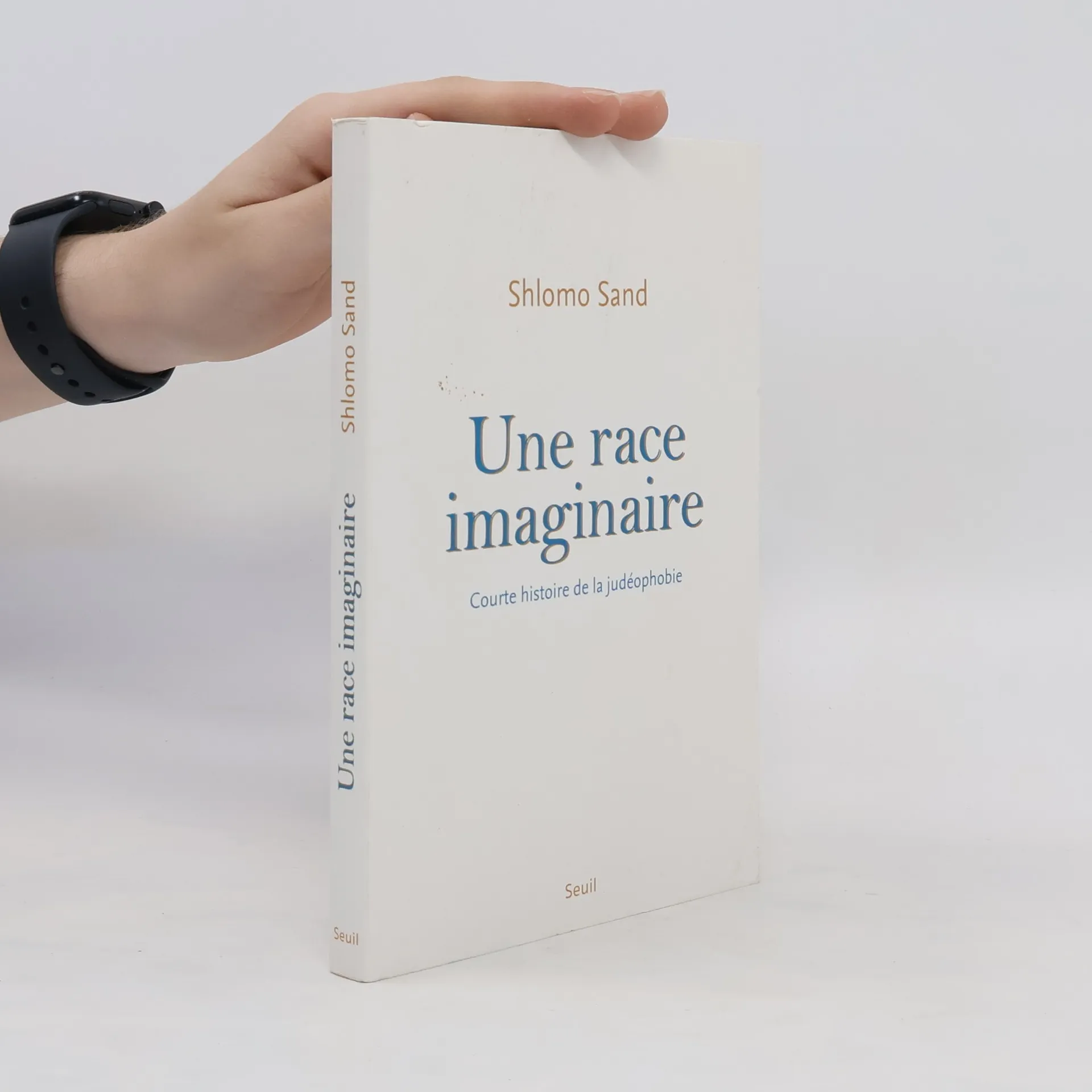
"Le présent livre dépasse l'interminable débat sur l'antisémitisme et l'antisionisme, et lui donne de nouvelles et stimulantes dimensions. Il remonte aux débuts de l'histoire de la judéophobie, et remet en cause l'idée selon laquelle le christianisme se serait édifié après et en opposition au judaïsme. Au contraire, estime-t-il, et malgré le présupposé chronologique, c'est bien le judaïsme qui s'est constitué sous la pression du christianisme, s'accommodant du même coup des termes du procès que lui ont fait, des siècles durant, ses ennemis. Ce renversement est riche de bénéfices intellectuels et politiques. Il rend caduque la mauvaise querelle assimilant l'antisionisme à l'antisémitisme (celle-là même qui fut relancée par Emmanuel Macron), et nourrit des questionnements parfaitement contemporains : « Jusqu'à quel point, écrit Shlomo Sand, le sionisme, né comme une réponse de détresse à la judéophobie moderne, n'en a-t-il pas été le miroir ? Dans quelle mesure, par un processus dialectique complexe, le sionisme a-t-il hérité des fondements idéologiques qui ont, de tout temps, caractérisé les persécuteurs des juifs ?" -- [édition]
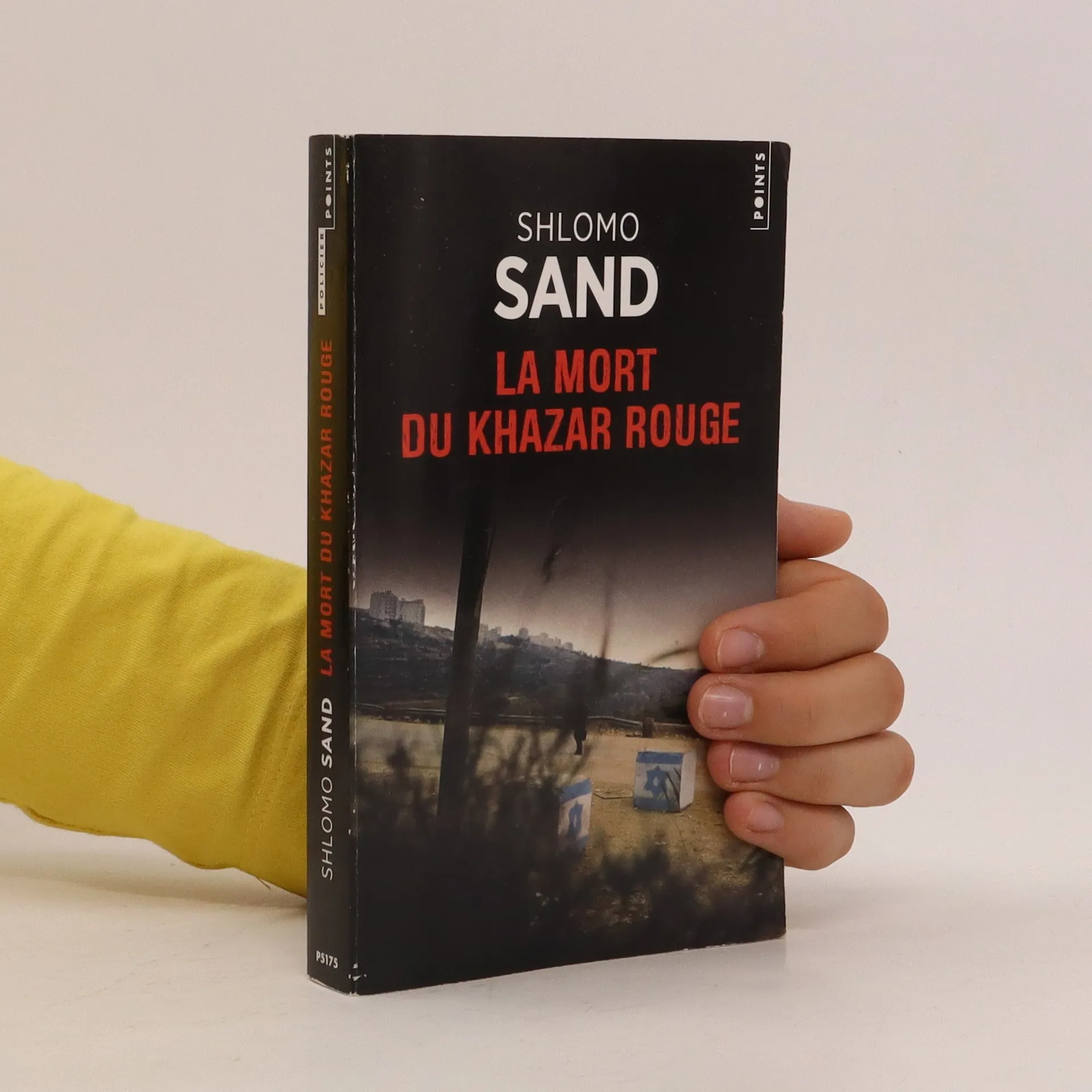
" Comprendre une partie de l'Histoire des Juifs avec une intrigue bien ficelée ! "EUROPE 1Tout commence par la découverte du cadavre d'Yitzhak Litvak, un célèbre historien enseignant à l'université de Tel-Aviv. L'enquête, confiée à un commissaire arabe israélien, Émile Morkus, piétine, d'autant que ce meurtre n'est bientôt que le premier d'une série. Vingt ans plus tard, à la suite d'un nouvel assassinat, Morkus va enfin pouvoir démêler le vrai du faux, les passions et les raisons, la justice des hommes et celle de l'État.Dans ce polar riche en rebondissements, Shlomo Sand a l'art de mettre en relief les problématiques qui déchirent la société israélienne.Professeur émérite à l'université de Tel-Aviv, Shlomo Sand est l'auteur de plusieurs essais, dont Comment le peuple juif fut inventé (Fayard, 2008), livre qui a suscité de nombreuses controverses, et Une race imaginaire – Courte histoire de la judéophobie (Le Seuil, 2020). La Mort du Khazar rouge est son premier roman.Traduit de l'hébreu par Michel Bilis