This engaging history of dynastic power in medieval Europe explores the role of family dynamics and family consciousness in the politics of royal and imperial dynasties. From royal marriages and the birth of sons, to female sovereigns, mistresses and wicked uncles, Robert Bartlett casts fresh light on an essential feature of the medieval world.
Robert Bartlett Libros
Este autor se especializa en historia medieval, ofreciendo a los lectores una mirada fascinante al pasado a través de su escritura. Sus obras profundizan en momentos y figuras cruciales de la era con profundidad analítica. Los lectores apreciarán su habilidad para dar vida a la historia a través de una investigación meticulosa y una narrativa atractiva. Su escritura sirve como un puente entre la historia académica y una audiencia literaria más amplia.

This exploration delves into the contemporary discontent with modern Enlightenment ideals, positing that the celebrated "death of God" has led to a subsequent decline in reason. The author examines how these philosophical shifts have shaped current societal views and challenges the foundations of rational thought in the wake of spiritual and intellectual upheaval.
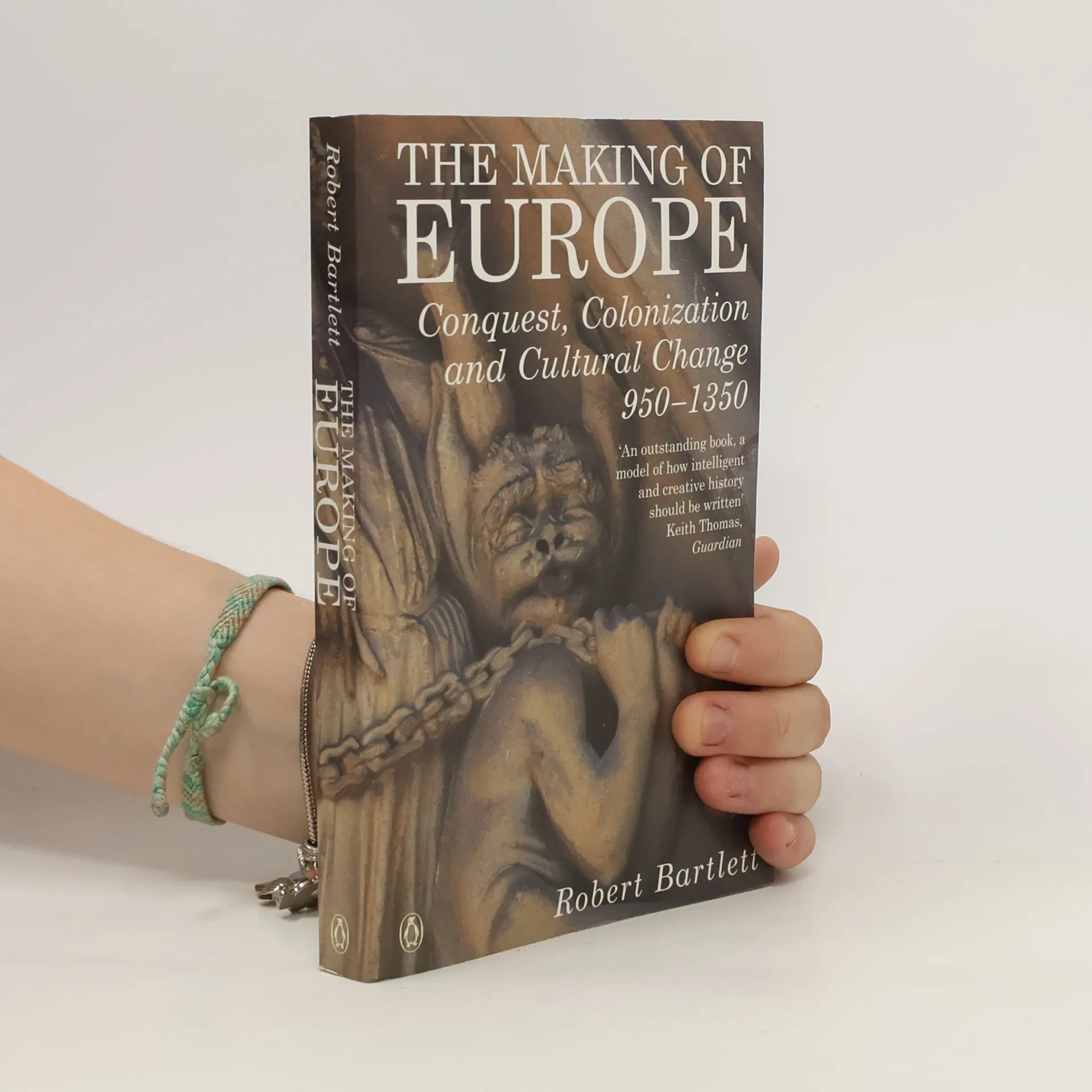
The Making of Europe
- 448 páginas
- 16 horas de lectura
A wave of internal conquest, settlement and economic growth in Europe during High Middle Ages transformed it from a world of small separate communities into a network of powerful kingdoms. This book shows how Europe was itself a product of colonization, as much as it was later a colonizer, and what this did to shape the continent and the world.
Medieval Panorama
- 336 páginas
- 12 horas de lectura
"Medieval Panorama covers every aspect of medieval life: religion - the single most dominant force of the whole period - and medieval man's extraordinary preoccupation with guilt, redemption and the fate of the soul; the political structure and the lifestyle of the ruling class - knighthood and chivalry, feasting and hunting, ceremony and the ruthless exercise of power; the immense wealth of medieval art, with spectacular illustrations of architecture, manuscript illumination, sculpture, and stained glass; the lives, emotions and beliefs of ordinary people, including their experience of social relations, work, sex, and death; the inner world of medieval man - alchemy, magic and witchcraft, astronomy, courtly love, and Arthurian romance; the fascinating and unfamiliar world outside Christendom, and how it interacted with and influenced medieval Europe." This book also includes biographies of key personalities, from Charlemagne to Wycliffe, timelines, maps, glossary, gazetteer, and bibliography.
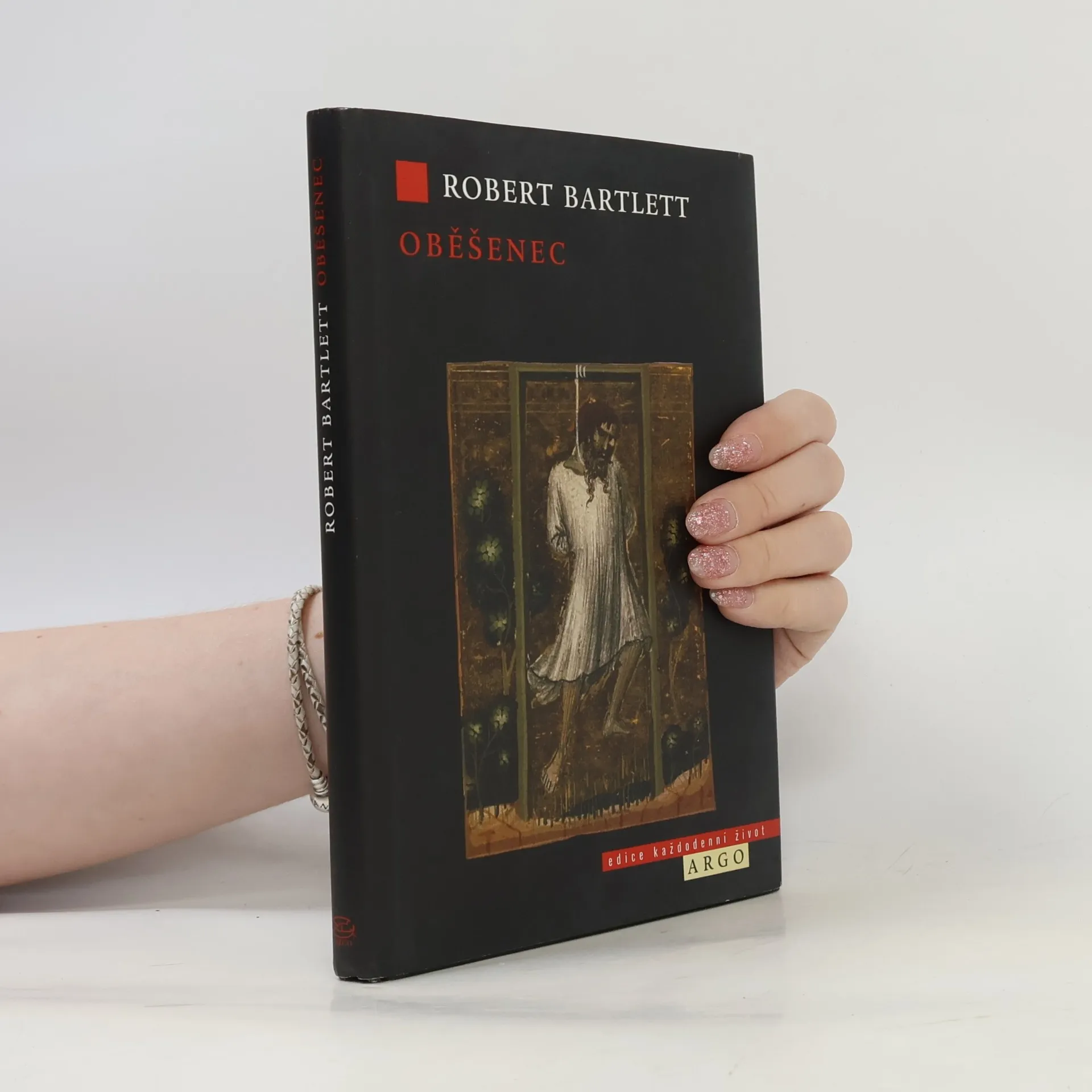
Oběšenec
- 148 páginas
- 6 horas de lectura
Esej amerického medievisty Roberta Bartletta je mistrnou sondou do antrologie 13. století. Autor v ní zkoumá vztah středověkých lidí k zázračnu jako součásti soudobých náboženských a společenských představ. Na příkladu Velšana Viléma Cragha, odsouzeného k smrti oběšením a následně zázračně vzkříšeného biskupem Tomášem z Cantilupe, rozkrývá meandry utváření kolektivní paměti několik let po zázračném vzkříšení. Během vyšetřování při snaze o Tomášovu kanonizaci svědci z nejrůznějších sociálních vrstev vzpomínají na okolnosti Vilémova oživení. Zároveň však mimoděk vypovídají o složitých vztazích v pohraničním území, kde uplatňovali své pravomoci jak pomezní šlechta, tak anglický král, a kde se mísily staré velšské obyčeje s anglickými zvyklostmi.
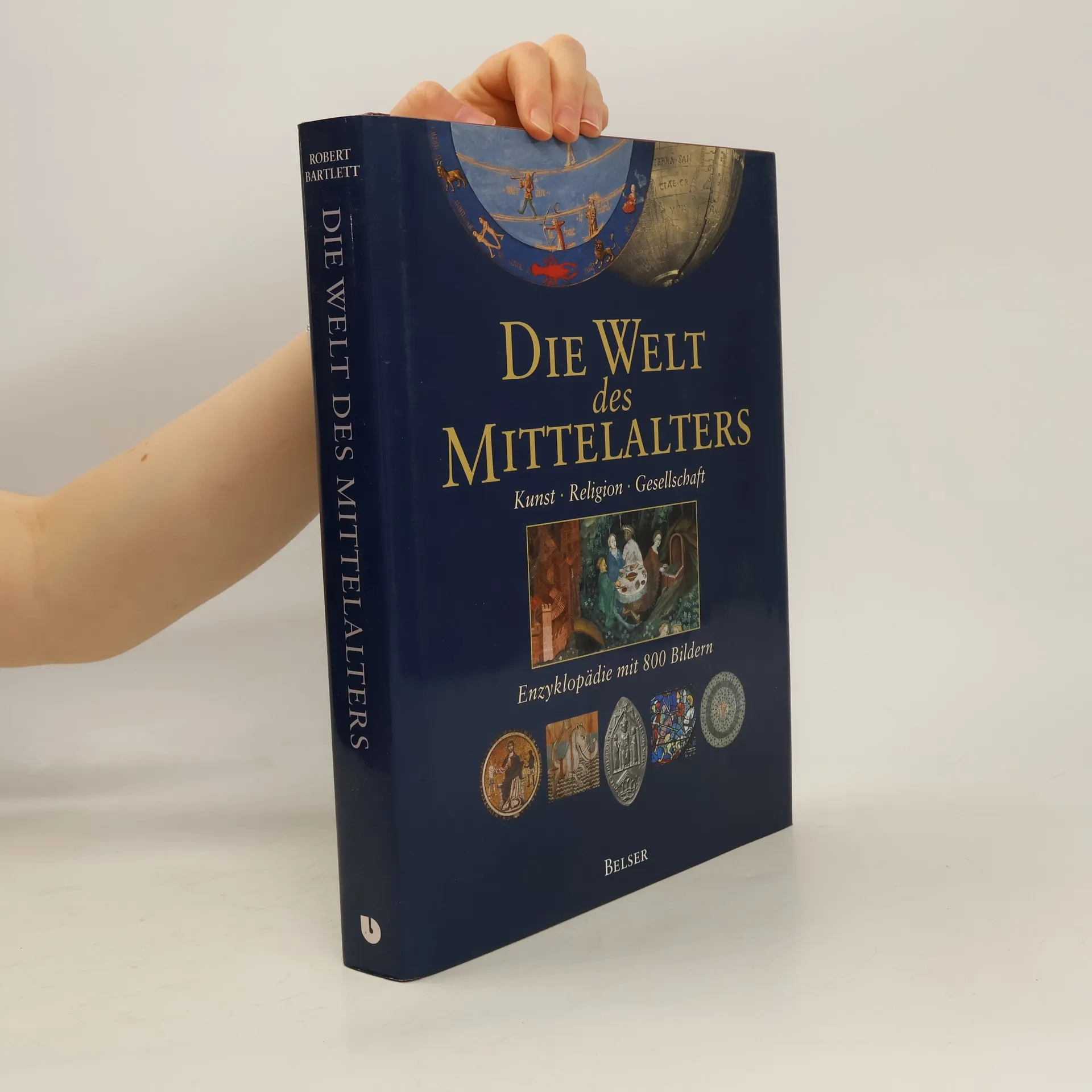
Die Welt des Mittelalters
- 336 páginas
- 12 horas de lectura
Belser, Stuttgart, 2015. 336 S. mit 1 Frontispiz und zahlreichen Abbildungen sowie 4 Karten, Pappband, quart - sehr gutes Exemplar / Daniela Tivig -
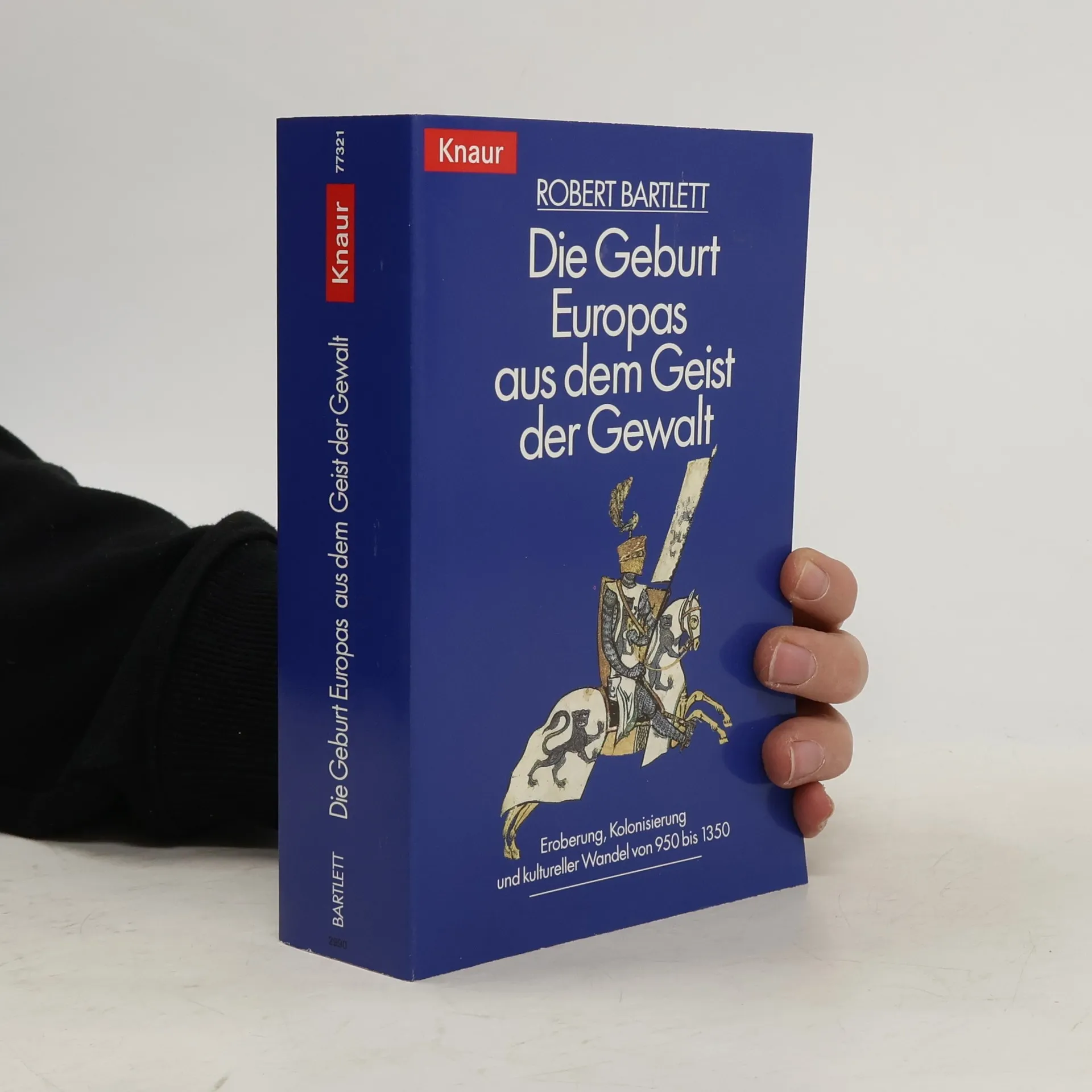
Die Geburt Europas aus dem Geist der Gewalt
Eroberung, Kolonisierung und kultureller Wandel von 950 bis 1350
- 751 páginas
- 27 horas de lectura
From our twentieth-century perspective, we tend to think of the Europe of the past as a colonizer, a series of empires that conquered lands beyond their borders and forced European cultural values on other peoples. This provocative book shows that Europe in the Middle Ages was as much a product of a process of conquest and colonization as it was later a colonizer.From our twentieth-century perspective, we tend to think of the Europe of the past as a colonizer, a series of empires that conquered lands beyond their borders and forced European cultural values on other peoples. This provocative book shows that Europe in the Middle Ages was as much a product of a process of conquest and colonization as it was later a colonizer.