Fascinada desde niña por el pasado y las personas que lo habitaron, la obsesión de toda la vida de esta autora por la historia comenzó con una curiosidad infantil por lo invisible. Tras obtener un doctorado en historia de la ciencia, la medicina y la tecnología en la Universidad de Oxford, se ha dedicado a hacer la historia accesible y atractiva. A través de su popular sitio web y su serie de YouTube, ofrece una mirada humorística pero perspicaz a los aspectos más curiosos de nuestro pasado. Su libro debut profundiza en el brutal mundo de la cirugía victoriana, relatando la búsqueda de un cirujano para revolucionar el campo.
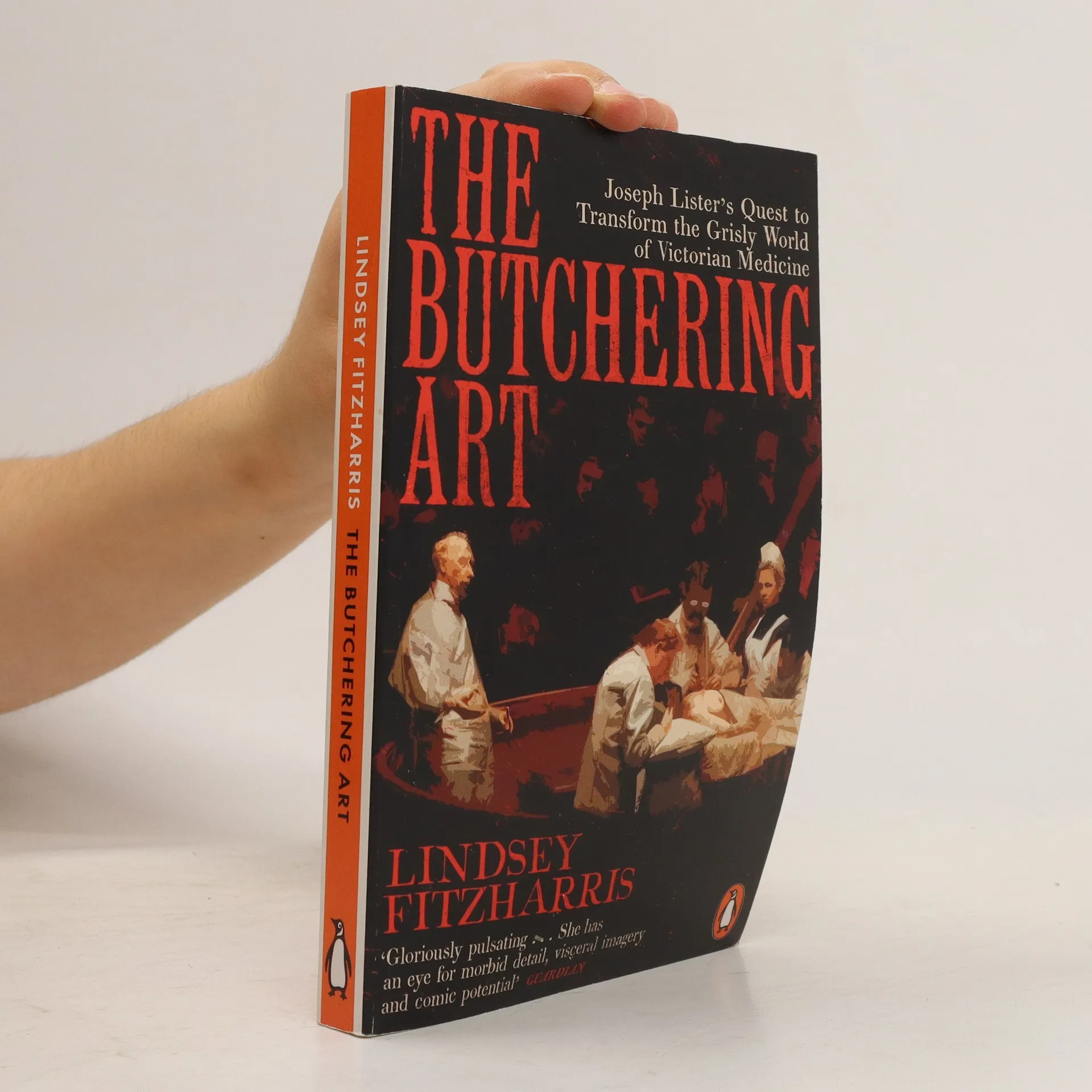
A dramatic account of how 19th-century Quaker surgeon Joseph Lister developed an antiseptic method that indelibly changed medicine, describes the practices and risks of early operating theaters as well as the belief systems of Lister's contemporaries.
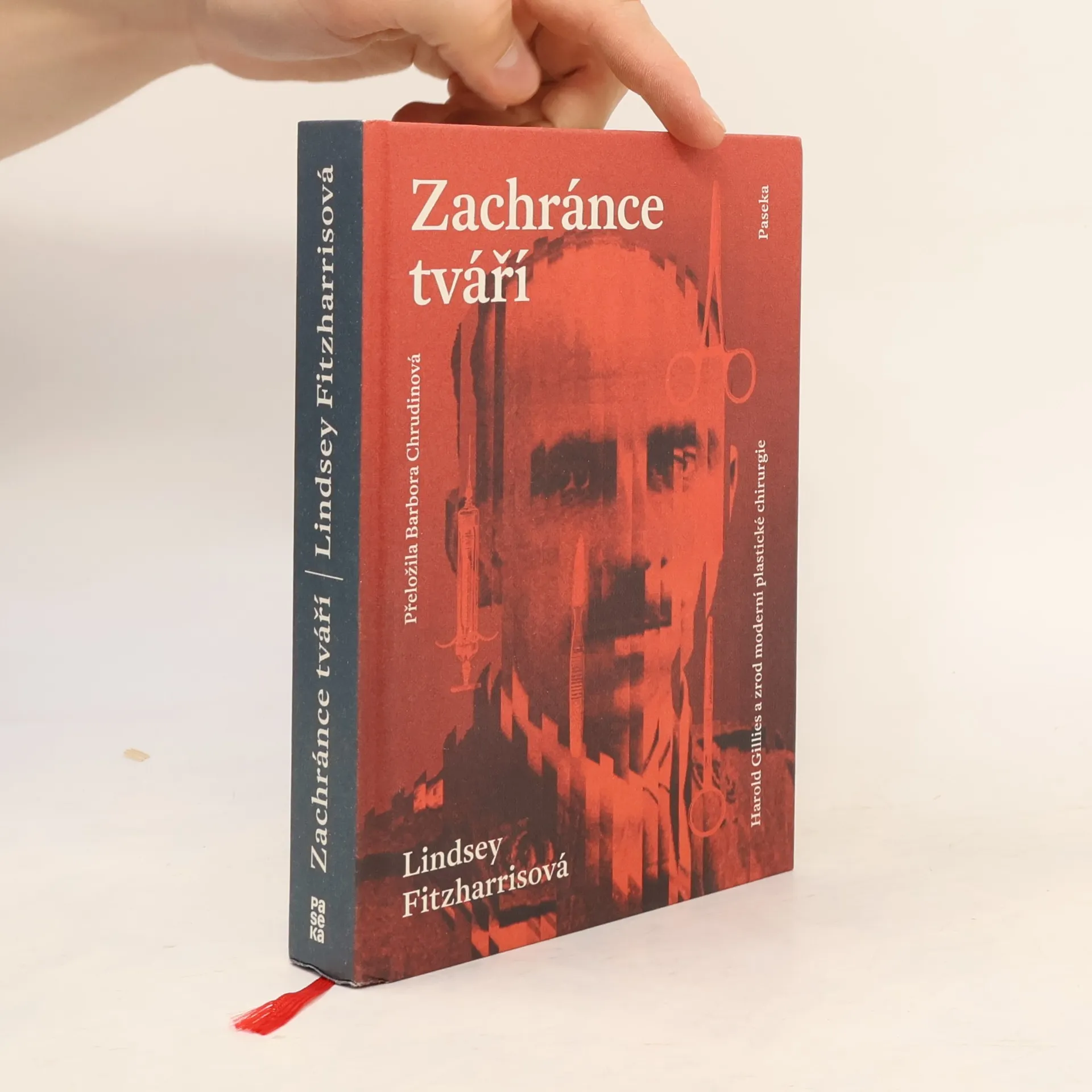
This poignant story chronicles the visionary surgeon who transformed the lives of First World War heroes through groundbreaking plastic surgery. As the war unleashed devastating new weaponry, countless soldiers suffered severe facial injuries, highlighting the stark gap between military technology and medical care. While many survived their wounds, disfigured soldiers often faced societal rejection instead of the honor they deserved.
Award-winning historian Lindsey Fitzharris narrates the remarkable journey of Harold Gillies, a pioneering plastic surgeon who committed himself to restoring the identities of a brutalized generation. After witnessing the horrific injuries on the front lines, Gillies returned to Britain to establish one of the first hospitals dedicated to facial reconstruction in Sidcup. There, he assembled a dedicated team of doctors, nurses, and artists to help recreate what had been lost.
In a society that celebrated soldiers with lost limbs as heroes while stigmatizing those with facial disfigurements, Gillies not only restored faces but also revived spirits. Meticulously researched and grippingly told, this account intertwines Gillies's innovative surgical techniques with the poignant stories of the soldiers he helped, showcasing the powerful intersection of medicine and art, and the extraordinary courage and imagination that emerged amidst relentless horror.
Od výstřelu prvního kulometu na západní frontě bylo jasné, že vojenská technologie mnohonásobně překonala možnosti lékařské vědy. Mnozí z vojáků první světové války, kteří průmyslové vraždění přežili, opouštěli armádu se znetvořením a těžko představitelným traumatem. Zatímco ztráta končetiny učiní z veterána hrdinu, člověk bez obličeje se stává monstrem. Ten, kdo mu tvář navrátí, zachrání jeho identitu i duši.
Válečná brutalita je živnou půdou lékařského pokroku. Dokladem je i příběh Harolda Gilliese, otce moderní plastické chirurgie. Gilliesovo oddělení v londýnské Královnině nemocnici se stalo laboratoří medicínských vynálezů a inovací a také prostředím, kde se setkávaly dramatické osudy pacientů, kteří se díky lékařově obětavosti a profesnímu umění navracejí zpět do života.
Stejně jako ve své předchozí knize Umění řezničiny píše historička vědy Lindsey Fitzharrisová sugestivně a jazykem blízkým beletrii.