Bookbot

Liviu Rebreanu

    27 novembre 1885 – 1 settembre 1944

    Liviu Rebreanu se erige como un novelista rumano fundamental, cuyas obras exploran las complejidades de la psique humana y las luchas sociales con una profunda perspicacia. Su estilo realista y su magistral caracterización iluminan las vidas de personas comunes, exponiendo sus conflictos internos y presiones externas. Rebreanu se centró en temas como la propiedad de la tierra, los dilemas morales y las complejidades de las relaciones humanas, creando retratos perdurables de la sociedad rumana. Su legado literario se define por su cruda honestidad y profunda comprensión de la naturaleza humana, consolidándolo como una voz esencial en la literatura rumana.

    Liviu Rebreanu
    Jon
    Výbuch hněvu
    Adam și Eva
    Katastrofa a jiné novely
    Forest of the Hanged
    Ciuleandra
    • Ciuleandra

      • 196 páginas
      • 7 horas de lectura

      Set in the interwar period, this psychological thriller follows Puiu, an aristocrat who commits a shocking crime by murdering his wife after a palace ball. To evade the consequences of his actions, his father orchestrates a plan to have him committed to a mental asylum rather than face a public trial. The narrative delves into themes of guilt, family loyalty, and the complexities of mental health, captivating Romanian readers with its intense psychological exploration.

      Ciuleandra
      4,0
    • Forest of the Hanged

      • 352 páginas
      • 13 horas de lectura

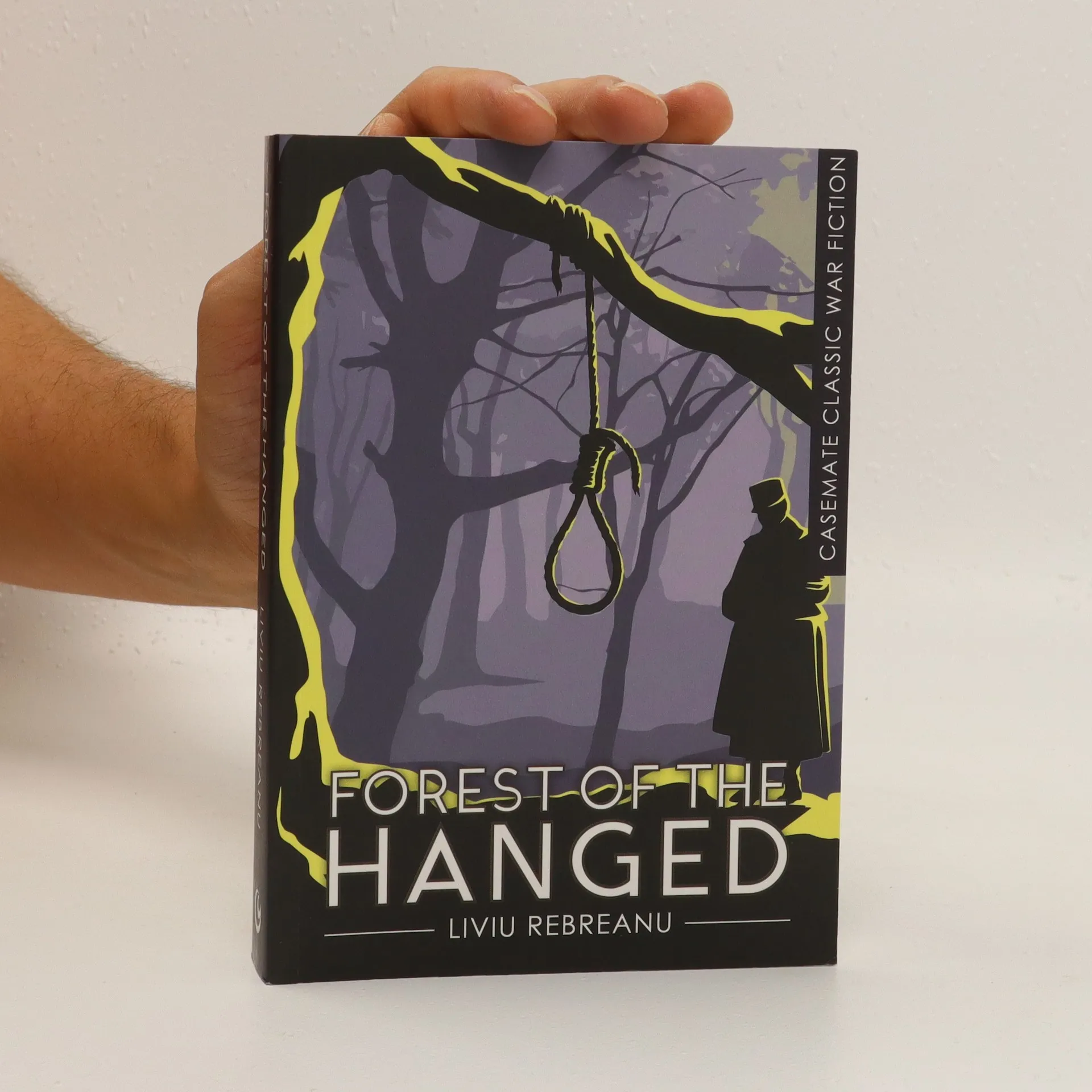
      During the First World War, just behind the eastern front, there was a forest, where Austrians and Hungarians used to hang deserters. To this place came Apostol Bologa, a young Romanian officer eager to serve his country. Born in a Romanian region of Transylvania which was then under Hungarian rule, he had naturally enough joined the Austro-Hungarian army. But soon Romania itself entered the war, and Bologa found himself fighting his own people. Forest of the Hanged asks a fundamental question about war: namely, why does a man fight? Apostol condemns an officer to death for desertion and attempting to give information to the enemy. He watches the execution of the officer with satisfaction until he witnesses a fellow soldier s grief and pity for the dead man. At this point his world shifts. His growing self-doubt and uncertainty lead him to question beliefs he once held without question. Unprepared for his own reaction when he is once again called to sit on a court martial, he finds that he too must go to the forest. This very rare, richly descriptive novel lays bare the inner conflict engendered by a total war, yet seldom expressed."
      Forest of the Hanged
      3,7
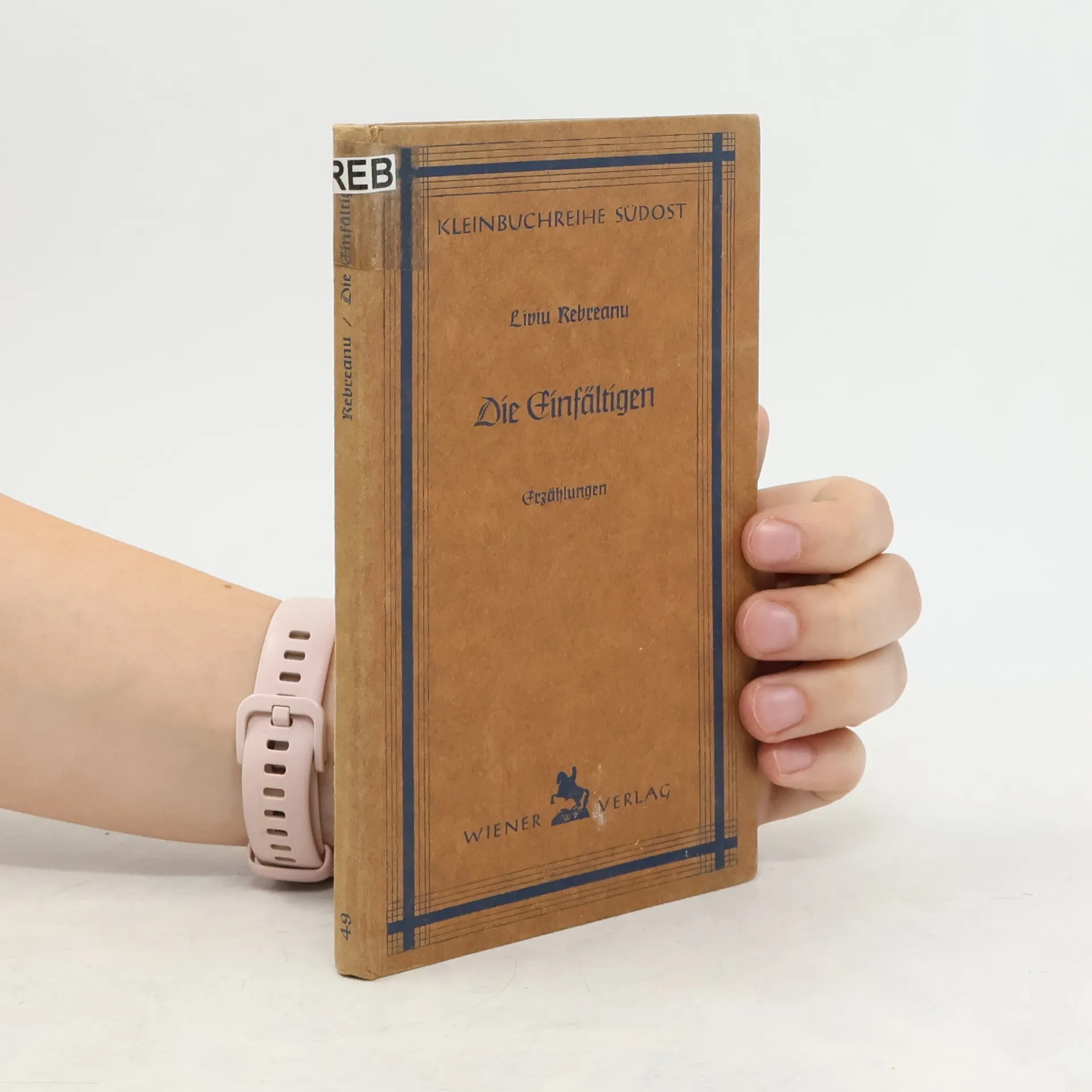
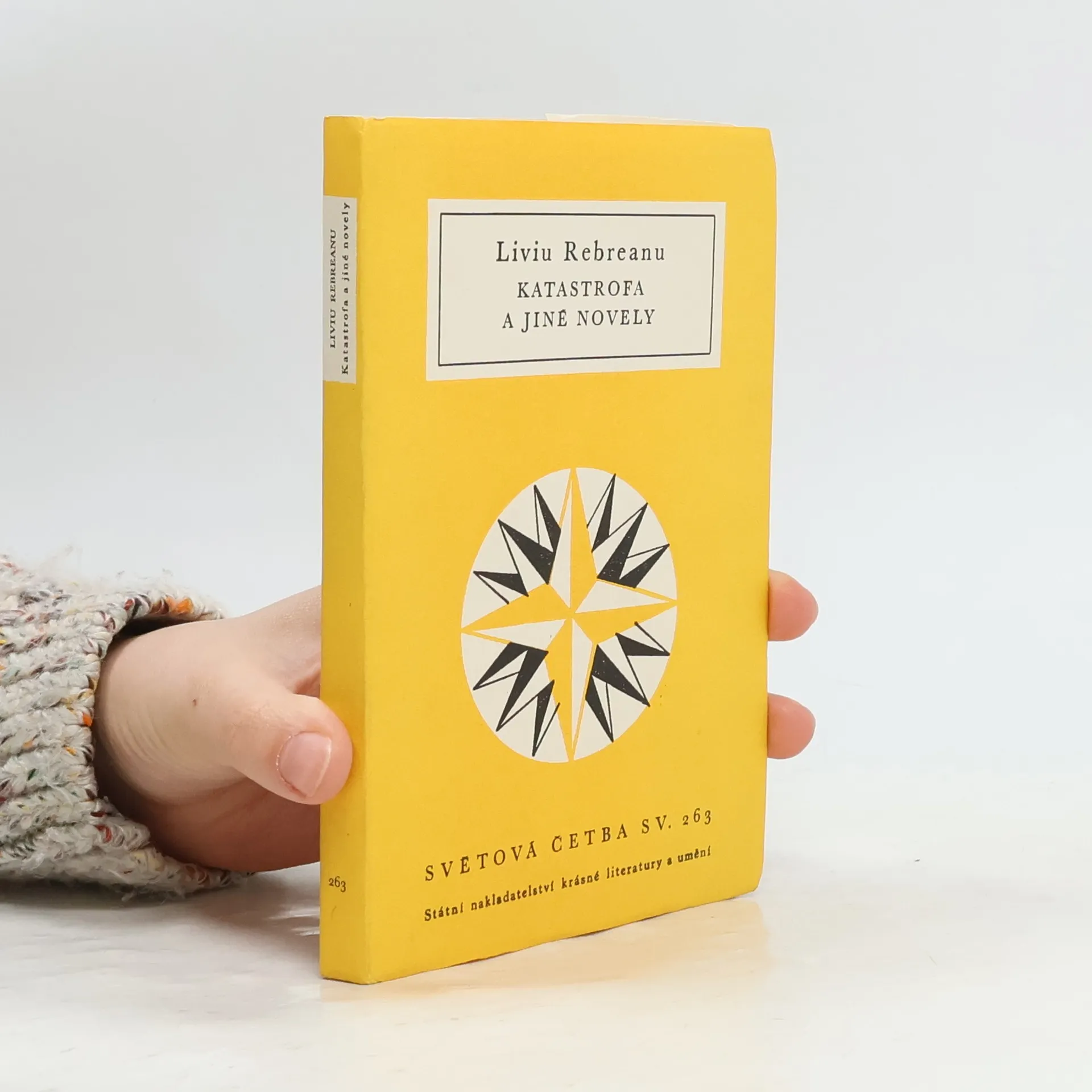
    • Deset novel rumunského spisovatele, znalce lidských duší i poměrů rodné země v období kapitalismu. Zachytil v nich vesměs smutné osudy prostých lidí, kteří tu vlivem společenského řádu a jinde zase svou nedostatečností prožívají drobné i velké tragédie a poznávají jen rub a tíhu života.

      Katastrofa a jiné novely
      4,2
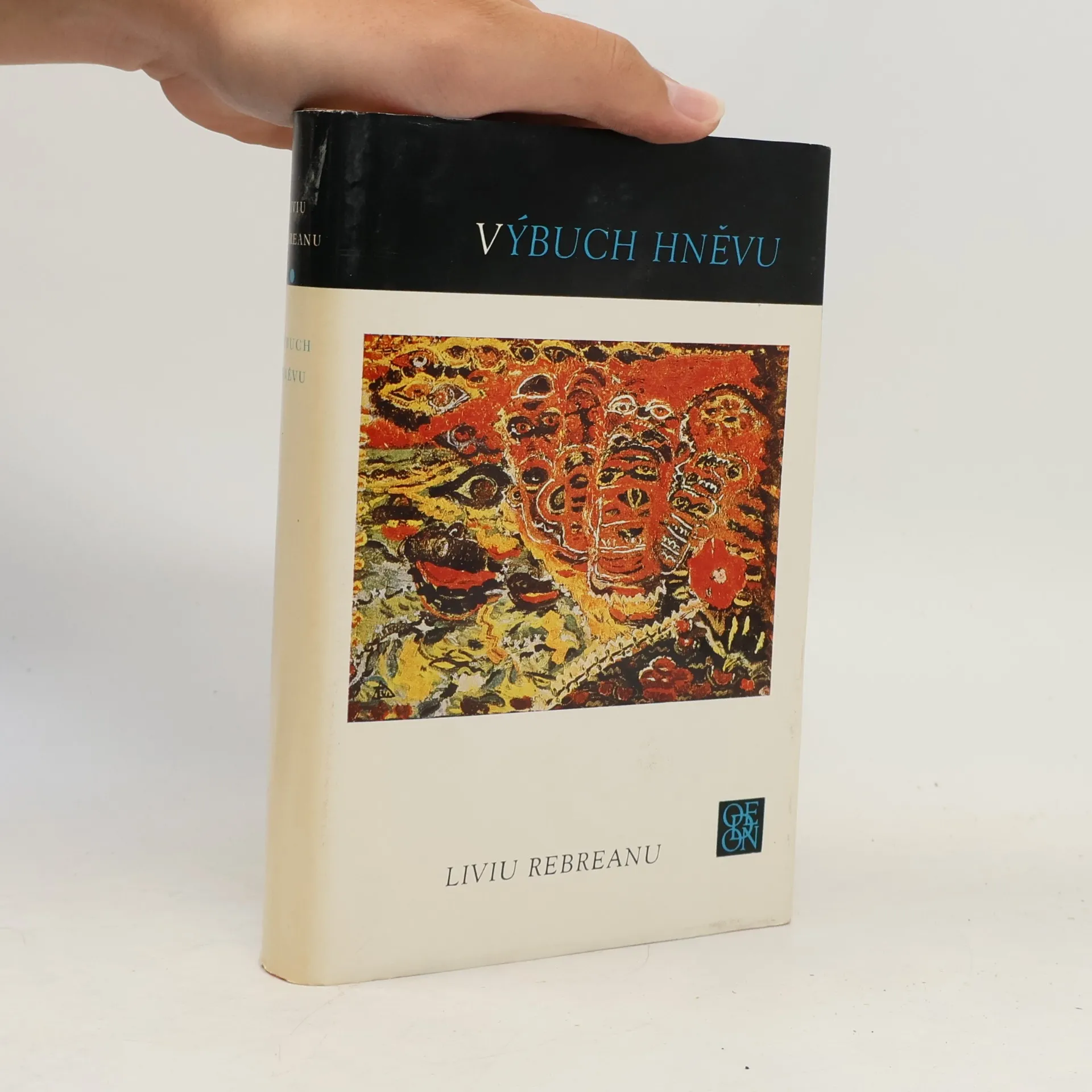
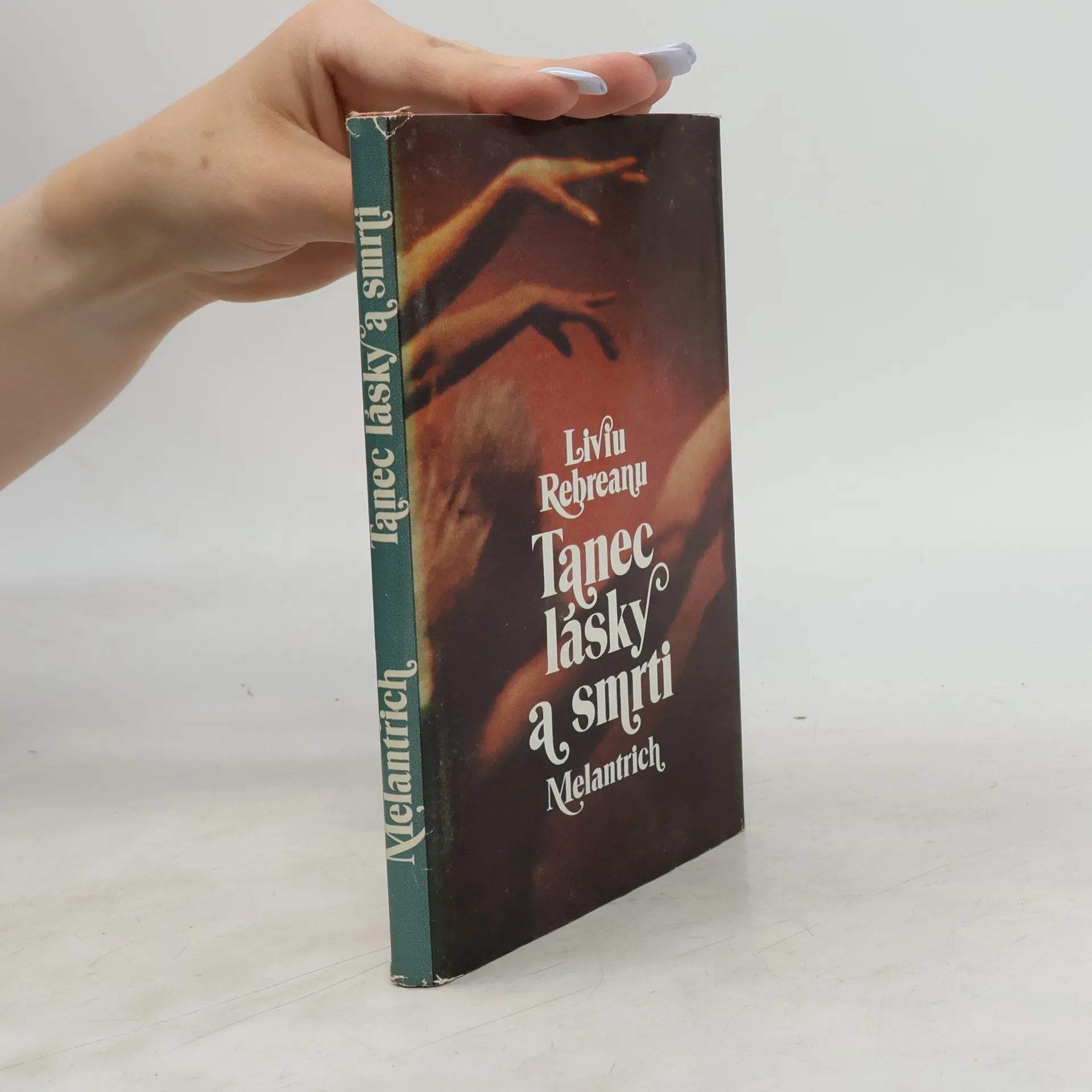
    • Přední rumunský spisovatel první poloviny dvacátého století podává v románě široce koncipovaný obraz rumunské společnosti v r. 1907, kdy došlo k tragickému selskému povstání. Zástupu postav z nejrůznějších vrstev společnosti, jako je např. postava novináře a básníka, velkostatkáře,jeho syna-humanisty, jeho mondénní manželky, dominuje kolektivní hrdina dramatu - dav vykořisťovaných rolníků a bezzemků, vydrážděný bídou k zoufalým činům. Svým pozoruhodným ztvárněním se kniha přiřadila k významným dílům moderní rumunské literatury.

      Výbuch hněvu
      3,4
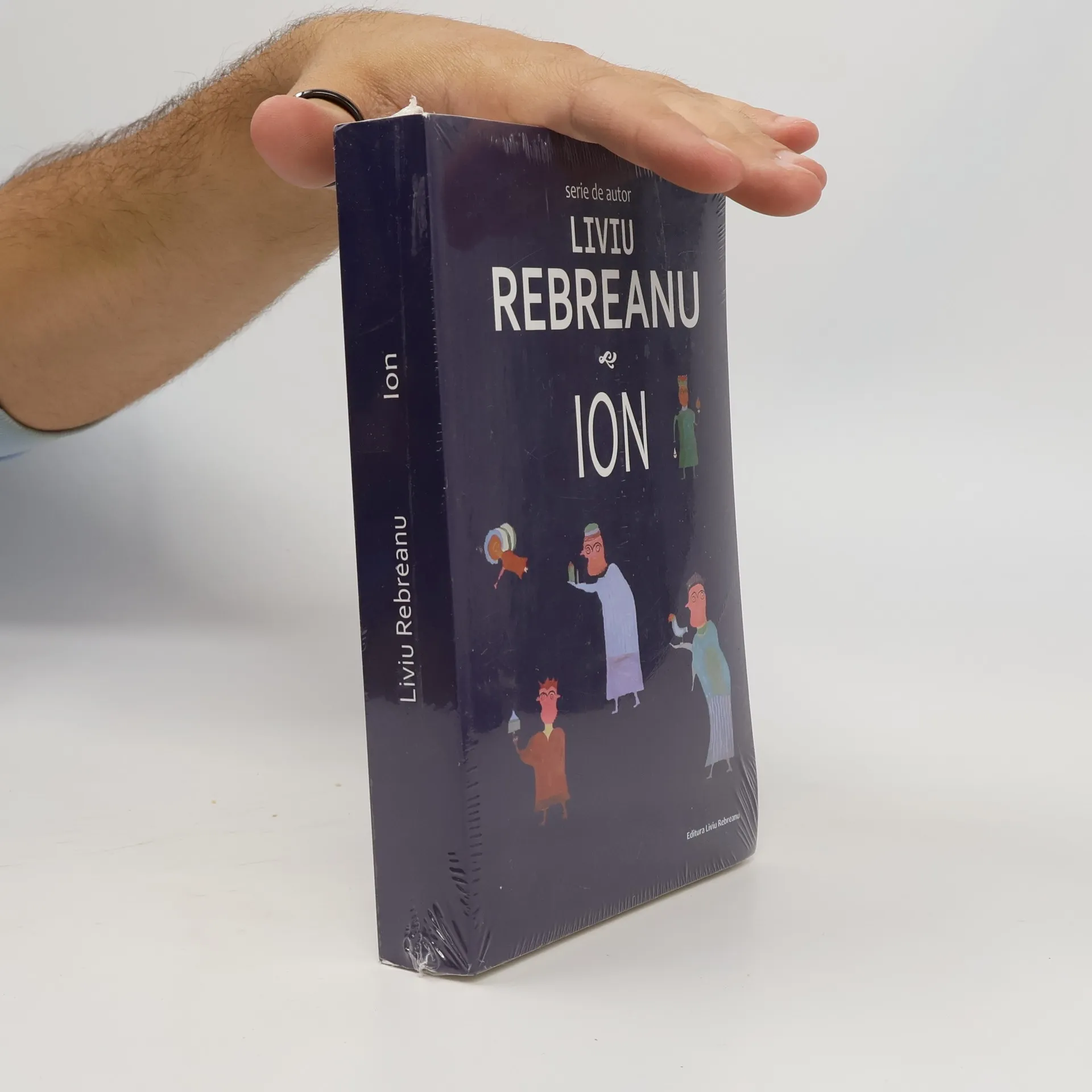
    • Mistrovský román rumunského kritického realisty kreslí obraz sedmihradské vesnice z doby autorova mládí v tehdejším Rakousku-Uhersku a s ním zachycuje i základní problém rolnické otázky – boj o půdu. V příběhu ctižádostivého bezzemka Iona ztvárňuje tragédii člověka, který v touze pomajetku zrazuje svou lásku i lidské hodnoty.

      Jon
      3,4