

Mustafa Kemal Atatürk, dem sich die Biographie M. Sükrü Hanioglus tiefgehend und differenziert widmet, wird 1932 der erste Präsident der neu gegründeten Republik Türkei. Als Machtpolitiker und Symbolfigur eines neuen starken Nationalbewusstseins verändert und modernisiert er sein Land nach westlichem Vorbild. Er bricht mit alten Traditionen, schafft Sultanat und Kalifat ab, orientiert sich an europäischer Gesetzgebung und sorgt für die Gleichstellung der Frauen. Seine Veränderungen brachten ihm den Beinamen Atatürk (Vater der Türken) ein und generierten einen regelrechten Personenkult um ihn. Der Autor stellt Leben und Wirken dieses beeindruckenden Staatsmannes umfassend vor. Er zeigt, welche Strömungen und Ideen den Gründer der modernen Türkei beeinflussten und in welchem historischen Klima er lebte, um schließlich ein Land von Grund auf zu verändern. Dabei blickt er auch auf die Wirkung und Wahrnehmung Atatürks in der heutigen Türkei.
M. Şükrü Hanioğlu Orden de los libros (cronológico)
Este autor es profesor de historia del Imperio Otomano tardío en la Universidad de Princeton desde 2005. Su trabajo académico profundiza en los pensamientos y actividades de Abdullah Cevdet, una figura clave en el movimiento de los Jóvenes Turcos. Con una profunda comprensión de las corrientes políticas e intelectuales de la era otomana tardía, su escritura ilumina el período formativo de la moderna República Turca.

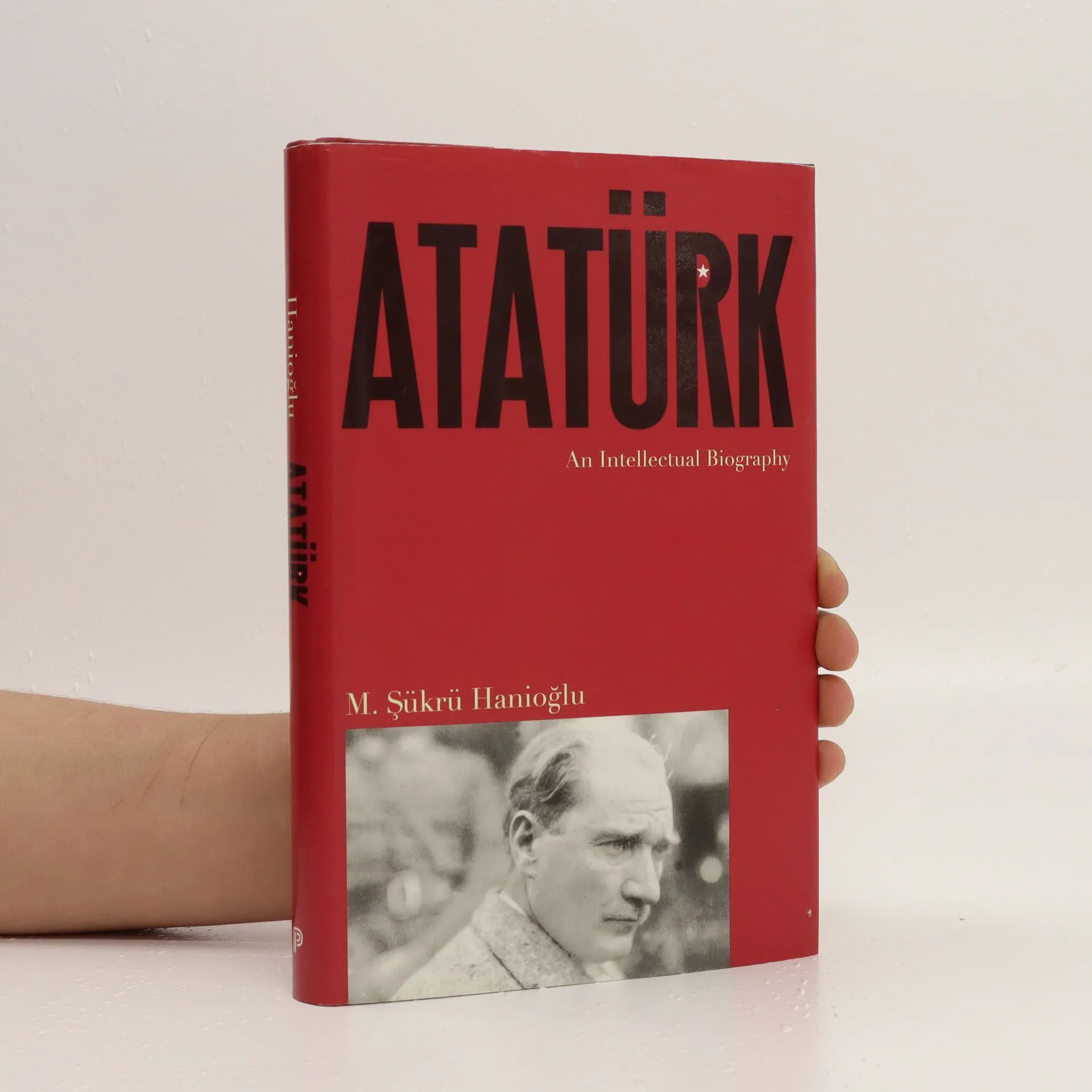
Atatürk: An intellectual biography
- 273 páginas
- 10 horas de lectura
When Mustafa Kemal Ataturk became the first president of Turkey in 1923, he set about transforming his country into a secular republic where nationalism sanctified by science. This book provides a look at the intellectual life of the Turkish Republic's founder.
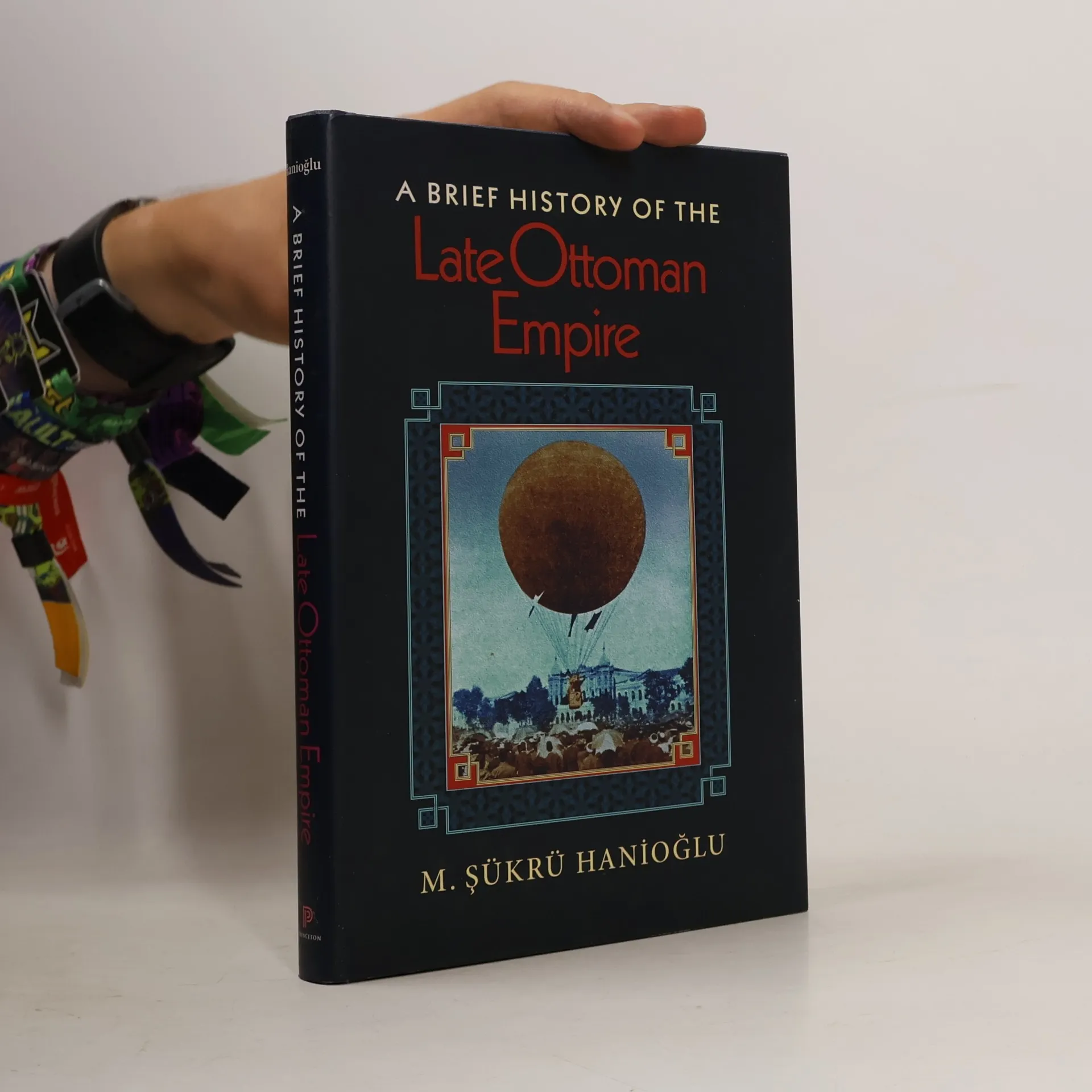
A Brief History of the Late Ottoman Empire
- 241 páginas
- 9 horas de lectura
At the turn of the nineteenth century, the Ottoman Empire spanned three continents, showcasing remarkable ethnic and cultural diversity among its estimated thirty million inhabitants. This period was marked by significant social change and volatility. The narrative provides a concise overview of the late empire from 1789 to 1918, focusing on broad historical trends rather than isolated events. M. Sukru Hanioglu highlights the imperial struggle for centralization against strong opposition from local rulers, nationalist movements, and foreign powers. He delves into the socioeconomic transformations that accompanied this struggle and the empire's responses to modernity's challenges. This history is crucial for understanding modern Turkey and its connections to European and global histories. Hanioglu vividly depicts Ottoman society's multifaceted nature—cultural, diplomatic, intellectual, literary, military, and political—drawing from imperial archives and documents to present an authentic portrayal, countering postimperial nationalist narratives. This work is essential for anyone interested in the enduring legacy of the Ottoman Empire and its impact on contemporary issues.