Compra 10 libros por 10 € aquí!
Bookbot

Michail Michajlovič Bachtin

    5 de noviembre de 1895 – 7 de marzo de 1975
    Michail Michajlovič Bachtin
    Chronotopos
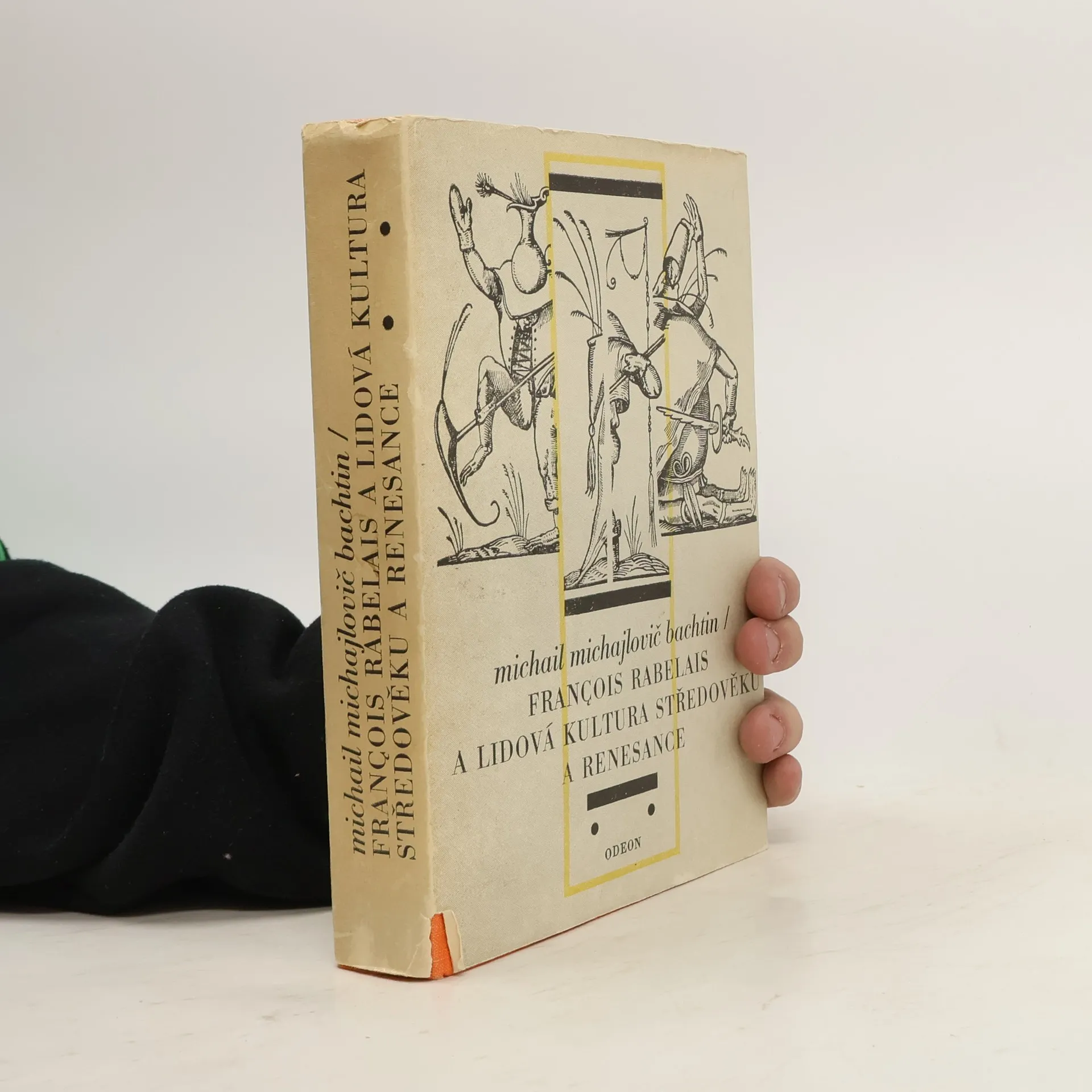
    François Rabelais a lidová kultura středověku a renesance
    Román jako dialog
    Rabelais und seine Welt
    The Formal Method in Literary Scholarship: A Critical Introduction to Sociological Poetics
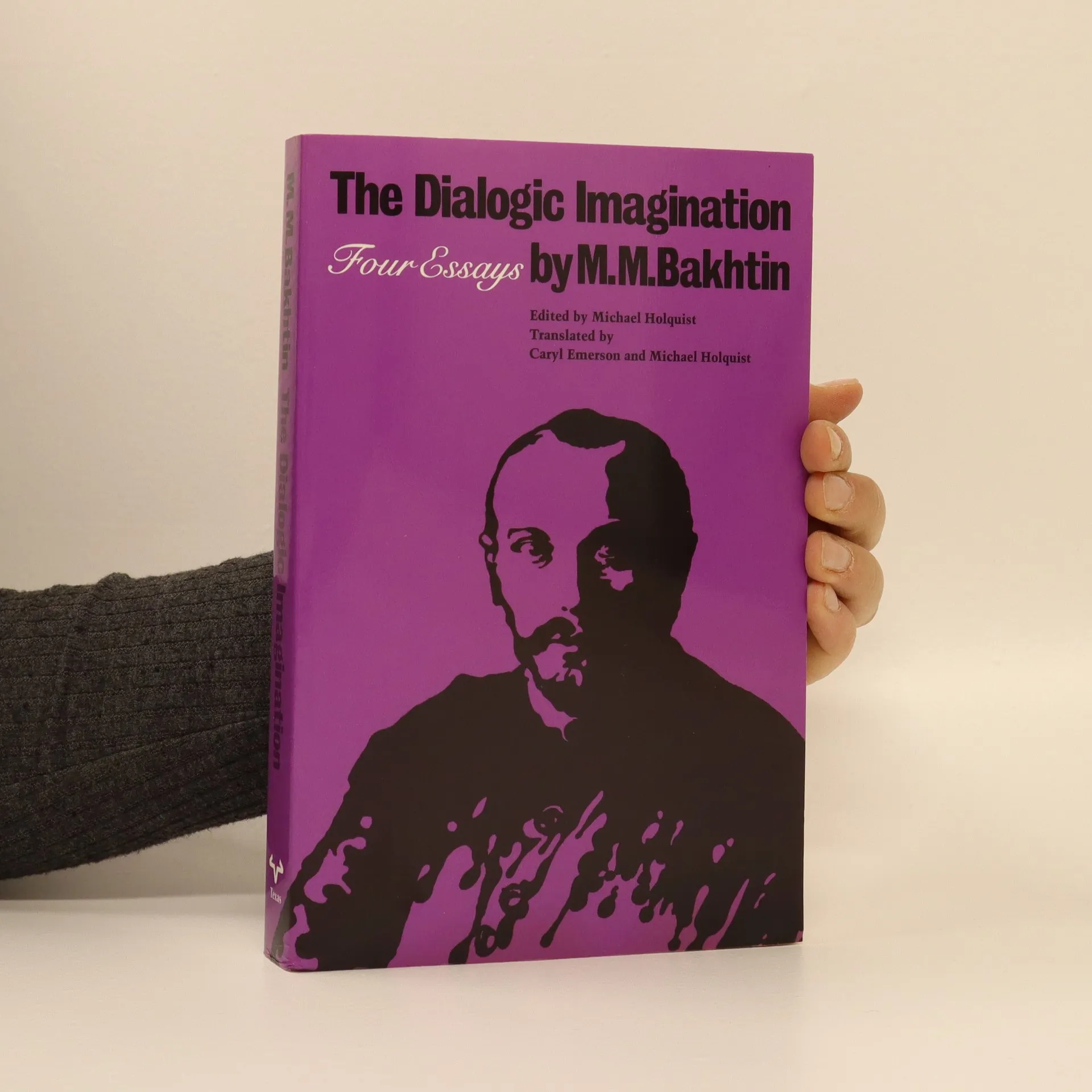
    The dialogic imagination: Four essays
    • The dialogic imagination: Four essays

      • 444 páginas
      • 16 horas de lectura

      These essays reveal Mikhail Bakhtin (1895-1975)—known in the West largely through his studies of Rabelais and Dostoevsky—as a philosopher of language, a cultural historian, and a major theoretician of the novel. The Dialogic Imagination presents, in superb English translation, four selections from Voprosy literatury i estetiki (Problems of literature and esthetics), published in Moscow in 1975. The volume also contains a lengthy introduction to Bakhtin and his thought and a glossary of terminology. Bakhtin uses the category "novel" in a highly idiosyncratic way, claiming for it vastly larger territory than has been traditionally accepted. For him, the novel is not so much a genre as it is a force, "novelness," which he discusses in "From the Prehistory of Novelistic Discourse." Two essays, "Epic and Novel" and "Forms of Time and of the Chronotope in the Novel," deal with literary history in Bakhtin's own unorthodox way. In the final essay, he discusses literature and language in general, which he sees as stratified, constantly changing systems of subgenres, dialects, and fragmented "languages" in battle with one another.
      The dialogic imagination: Four essays
    • Rabelais und seine Welt

      Volkskultur als Gegenkultur

      • 546 páginas
      • 20 horas de lectura

      Michail M. Bachtin (1885-1975) hat in diesem Werk in Auseinandersetzung mit der russischen und deutschen Ästhetik und dem Saussureschen Sprachbegriff eine eigene semiotische Literaturtheorie entwickelt. Entfaltet wird sie am Beispiel des Werkes von François Rabelais. Denn um diesen Klassiker der Weltliteratur zu verstehen, ist nach Bachtin eine grundlegende Neuformulierung (literar-)ästhetischer und kulturtheoretischer Fragestellungen erforderlich. Welches ist die Relation eines literarischen Werkes zu seinem Kontext? In welcher Beziehung steht es zu den kulturellen und literarischen Traditionen - bei Rabelais heißt dies: in welcher Weise hat die volkstümliche Lachkultur sein Werk geprägt?

      Rabelais und seine Welt
    • Literárně-teoretická studie věnovaná problematice románu, jeho folklórnímu původu a vývoji jednotlivých románových žánrů. Kniha shrnuje studie z půlstoletí autorovy tvůrčí aktivity, představující ucelený pohled na danou problematiku: Epos a román (o metodologii zkoumání románu), Promluva v románu, Z předhistorie románové promluvy, Čas a chronotop v románu (Studie z historické poetiky), Rabelais a Gogol (Umění slova a lidová smíchová kultura), Problém obsahu, materiálu a formy ve slovesné umělecké tvorbě.

      Román jako dialog
    • Práce významného sovětského literárního vědce je spíše než monografií o francouzském renesančním spisovateli pojednáním o podstatě, projevech a vývoji lidové smíchové kultury ve středověku a za renesance, přičemž autor zkoumá především tři projevy této kultury - karnevalové slavnosti, parodickou slovesnost a femiliární hovorovou řeč. Takto koncipovaný výklad lidové smíchové kultury vytváří přitom základnu pro interpretaci neobyčejného množství rozmanitých děl a projevů z různých národních kultur, takových, které nebyly dosud uspokojivě pochopeny a vyloženy.

      François Rabelais a lidová kultura středověku a renesance
    • Chronotopos

      • 242 páginas
      • 9 horas de lectura

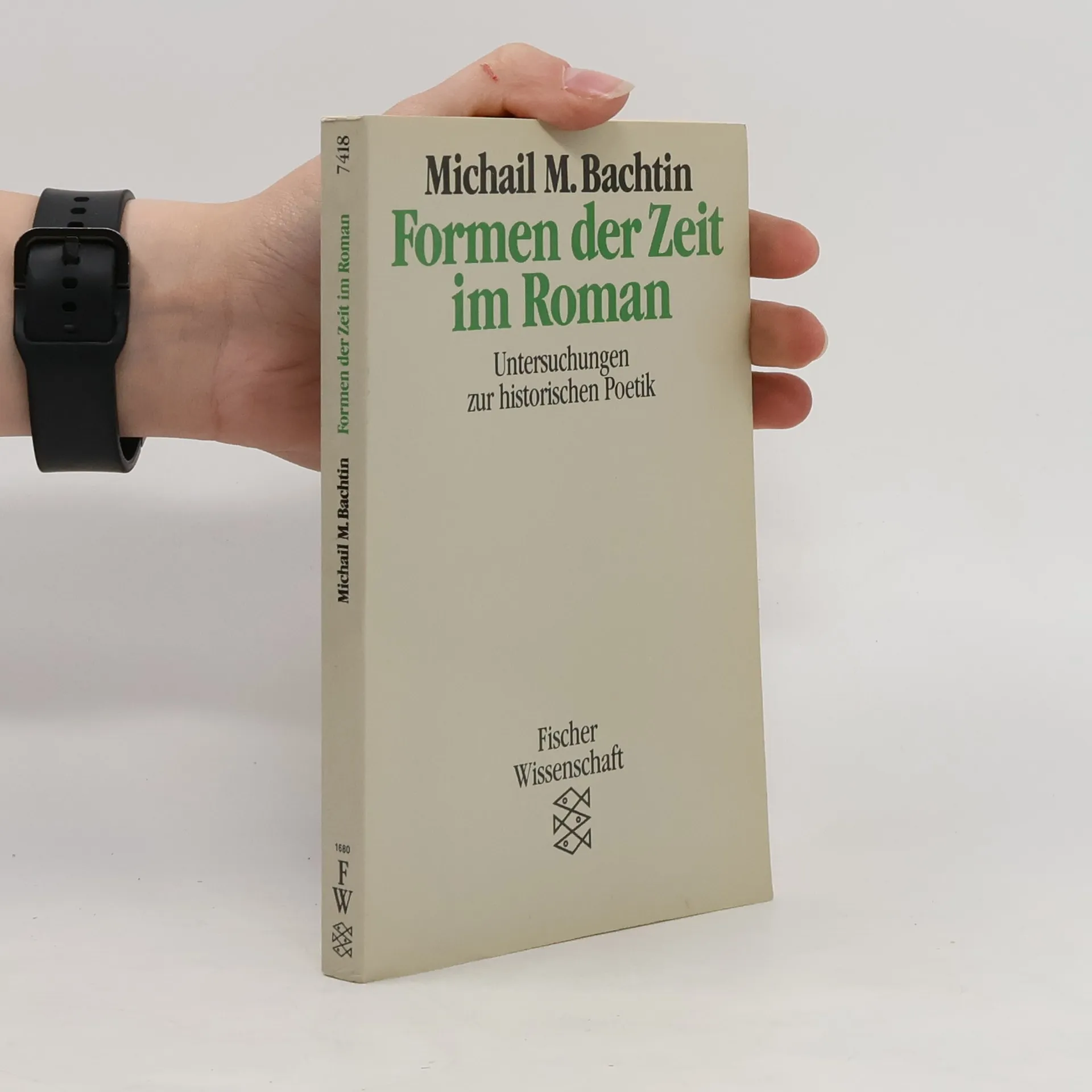
      Als Michail M. Bachtins 1973 beendeter Essay zum Chronotopos erstmals in deutscher Übersetzung erschien, stand die Bachtin-Rezeption hierzulande ganz im Zeichen von Karnevalismus, Polyphonie und Dialogizität. Der Vorschlag des Autors, die Kategorie des Raums in der Romananalyse stärker zu gewichten, stieß auf vergleichsweise geringes Interesse. Aus heutiger Perspektive erweist sich sein Hinweis auf die untrennbare Einheit von Raum und Zeit im Roman als früher Beitrag zu einer Theorieentwicklung, die gegenwärtig als der spatial turn diskutiert wird. Die Wiederauflage des vergriffenen Essays Formen der Zeit und des Chronotopos im Roman mit einem Nachwort, das Bachtins »Raumzeit« theoriegeschichtlich kontextualisiert, möchte Anschlußmöglichkeiten für die aktuellen Raumdebatten in den Geschichts-, Sozial- und Literaturwissenschaften eröffnen.

      Chronotopos
    • Unser Band vereinigt Aufsätze, die in den Jahren 1919-1974 entstanden sind. Sie gelten dem ästhetischen Problem des Wechselverhältnisses von Inhalt, Material und Form in der Wortkunst, der Struktur- und Funktionsgeschichte des Wortes im Roman, dem Gegensatz von offizieller und inoffizieller Lachkultur bei Rabelais und Gogol sowie einer Kritik der strukturalistischen Literaturwissenschaft.

      Die Ästhetik des Wortes