
Bookbot

Jack David Eller

    David Eller es un antropólogo cultural cuyo trabajo profundiza en la naturaleza de la religión y la creencia. Investiga cómo se construye la fe y cómo se manifiesta en las sociedades, basándose en una extensa investigación de campo. Su análisis del ateísmo revela que es más que una simple falta de creencia en dioses, significando a menudo un rechazo de la creencia misma. Eller combina hábilmente la indagación científica con la perspicacia filosófica para explorar estos complejos temas.

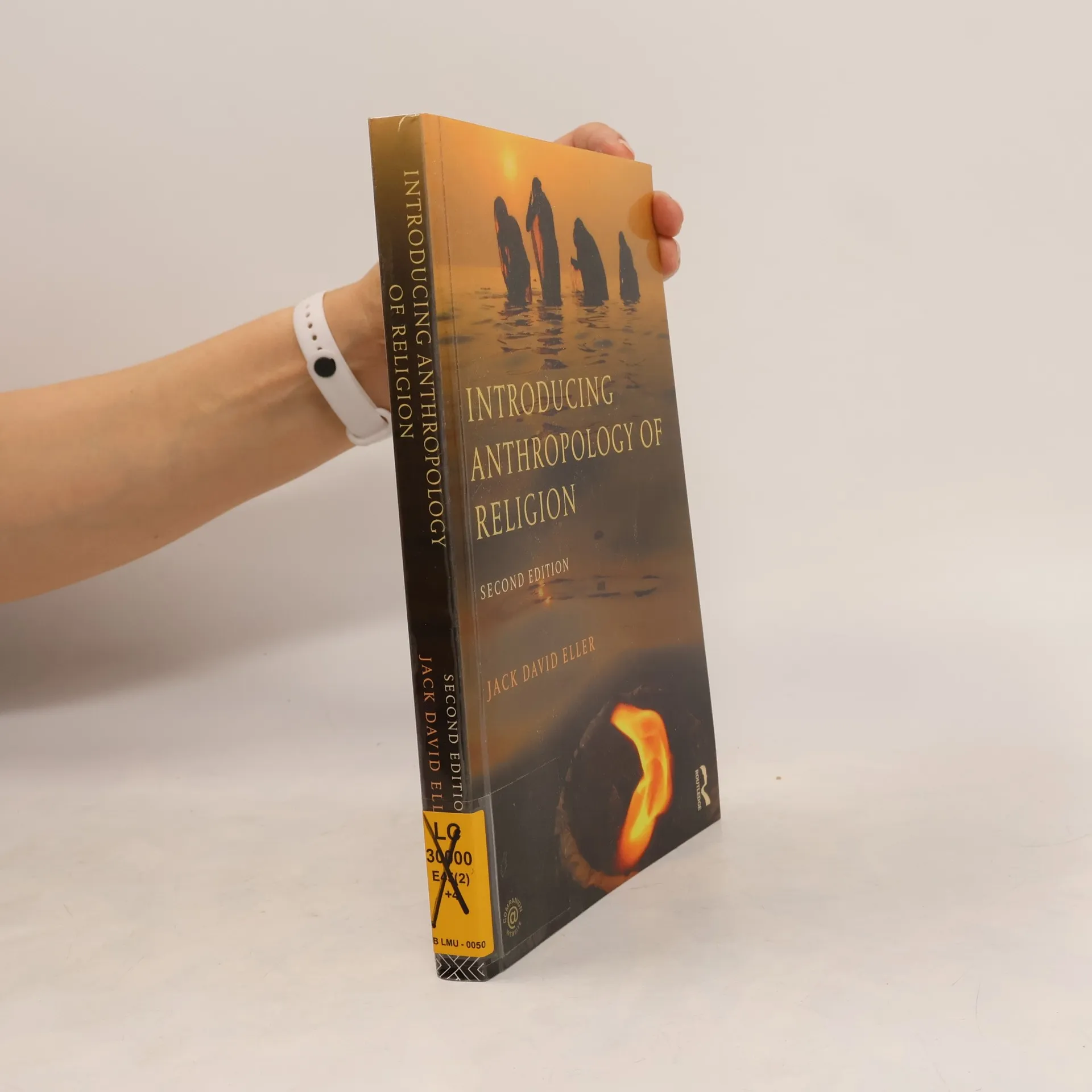
    Introducing Anthropology of Religion
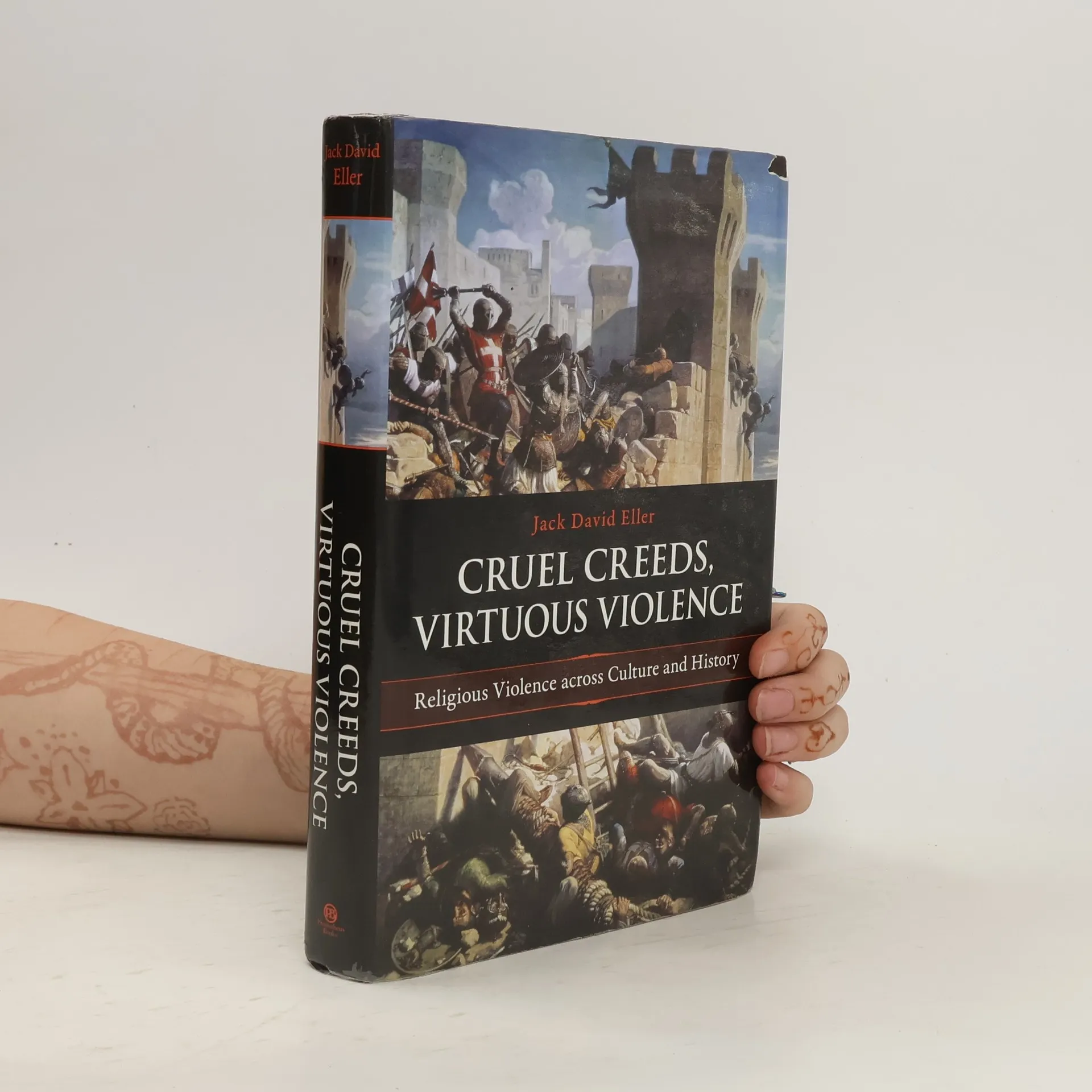
    Cruel Creeds, Virtuous Violence
    • Introducing Anthropology of Religion

      • 356 páginas
      • 13 horas de lectura

      This clear and engaging guide introduces students to key areas of the field and shows how to apply an anthropological approach to the study of religion in the contemporary world. Written by an experienced teacher, it covers major traditional topics including definitions, theories and beliefs as well as symbols, myth and ritual. The book also explores important but often overlooked issues such as morality, violence, fundamentalism, secularization, and new religious movements. The chapters all contain lively case studies of religions practiced around the world. The second edition of Introducing Anthropology of Religion contains updated theoretical discussion plus fresh ethnographic examples throughout. In addition to a brand new chapter on vernacular religion, Eller provides a significantly revised chapter on the emerging anthropologies of Christianity and Islam. The book features more material on contemporary societies as well as new coverage of topics such as pilgrimage and paganism. Images, a glossary and questions for discussion are now included and additional resources are provided via a companion website.

      Introducing Anthropology of Religion2014
    • Cruel Creeds, Virtuous Violence

      Religious Violence Across Culture and History

      • 451 páginas
      • 16 horas de lectura

      This illuminating, in-depth studypresents a wealth of case material, demonstrating the many manifestations of religious violence-not just war and terrorism, which are the focus of so many discussions of religiously motivated violence-but also more prevalent forms. The author, an anthropologist, devotes separate chapters · sacrifice (both animal and human); · self-mortification (including self-injury, asceticism, and martyrdom); · religious persecution (from anti-Semitic pogroms to witchhunts); · ethno-religious conflict (including such hotspots as Sri Lanka, Northern Ireland, and the former Yugoslavia); · religious wars (from the ancient Hebrews' wars and the Christian Crusades to Islamic jihad and Hindu righteous wars); · and religious homicide and abuse (spousal abuse, genital mutilation, and "dowry death," among other manifestations). In the final chapter, "Religion and Nonviolence," the author examines nonviolent and low-conflict societies and considers various methods of managing conflict. This book goes a long way toward helping us understand the nature of violence generally, its complicated connections with religion, and how society in the future might avoid being blindsided by the worst aspects of human nature.

      Cruel Creeds, Virtuous Violence2010
      3,8