

Bookbot

Milton Friedman

    Milton Friedman fue un economista estadounidense galardonado con el Premio Nobel e intelectual público que realizó contribuciones significativas a los campos de la economía y la estadística. Su trabajo demostró la complejidad de la política de estabilización y le valió el Premio Nobel de Economía. Friedman fue un firme defensor de la libertad económica y es considerado uno de los economistas más influyentes del siglo XX, cuyas ideas moldearon profundamente la dirección de la civilización.

    Why Government Is the Problem (Essays in Public Policy)
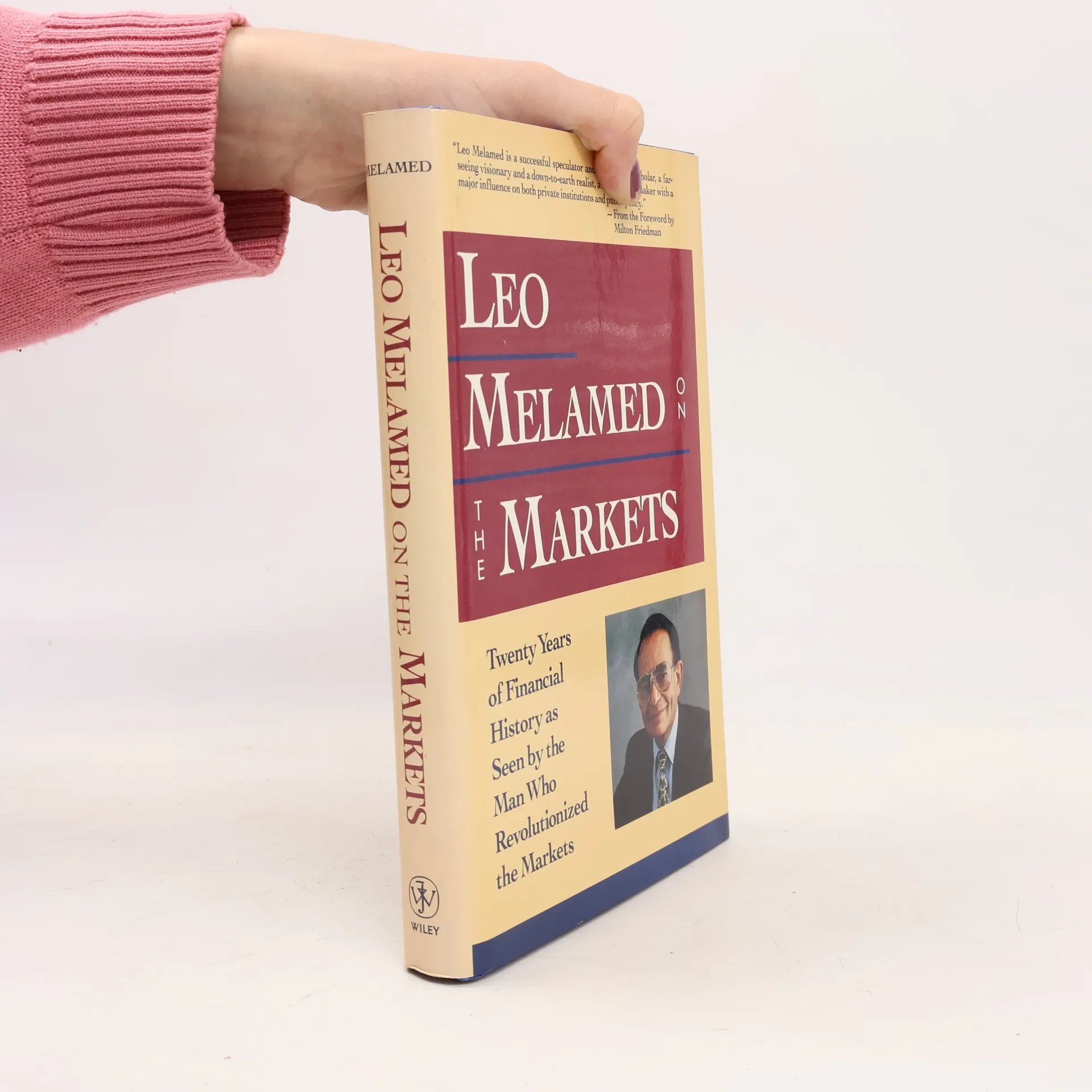
    Leo Melamed on the Markets
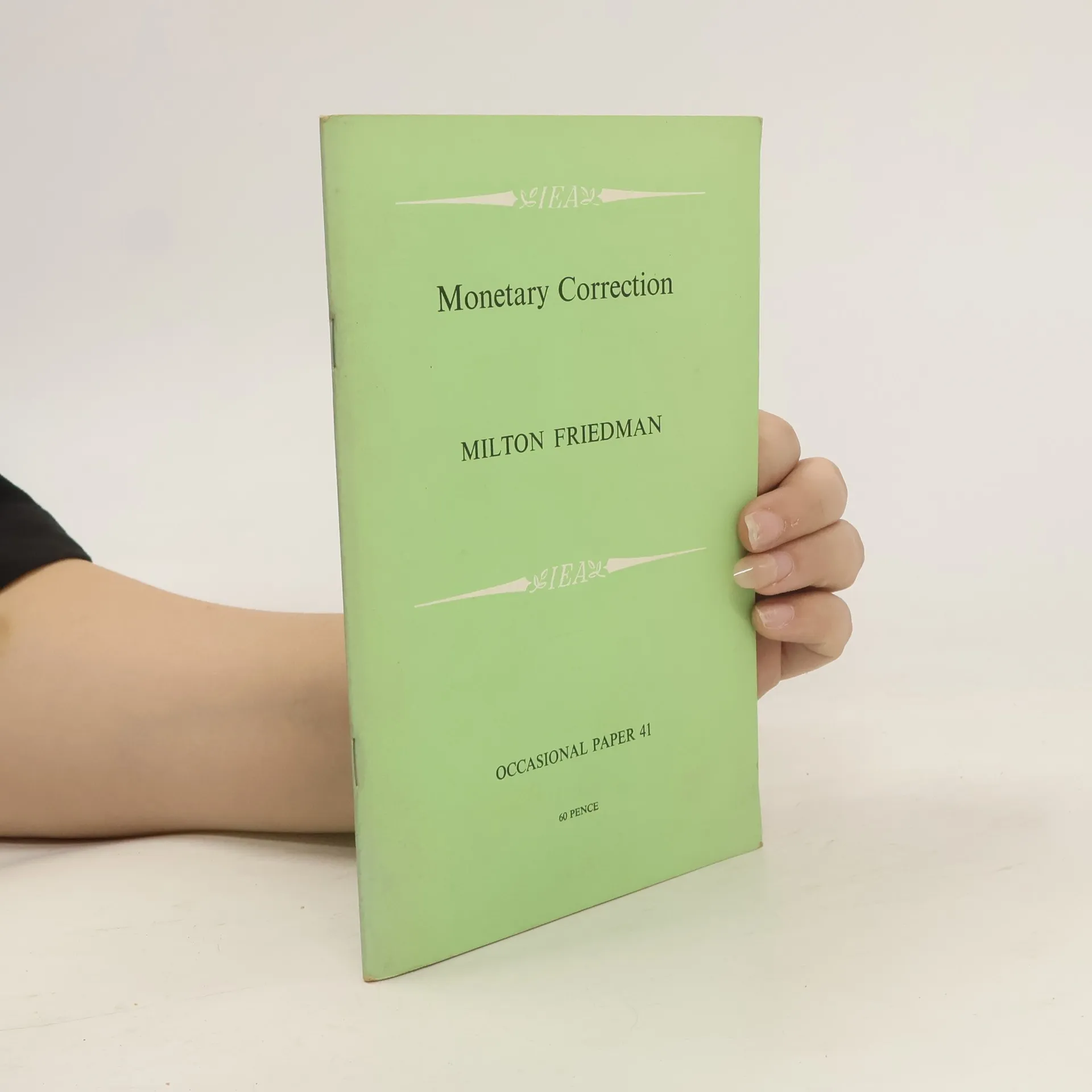
    Monetary correction
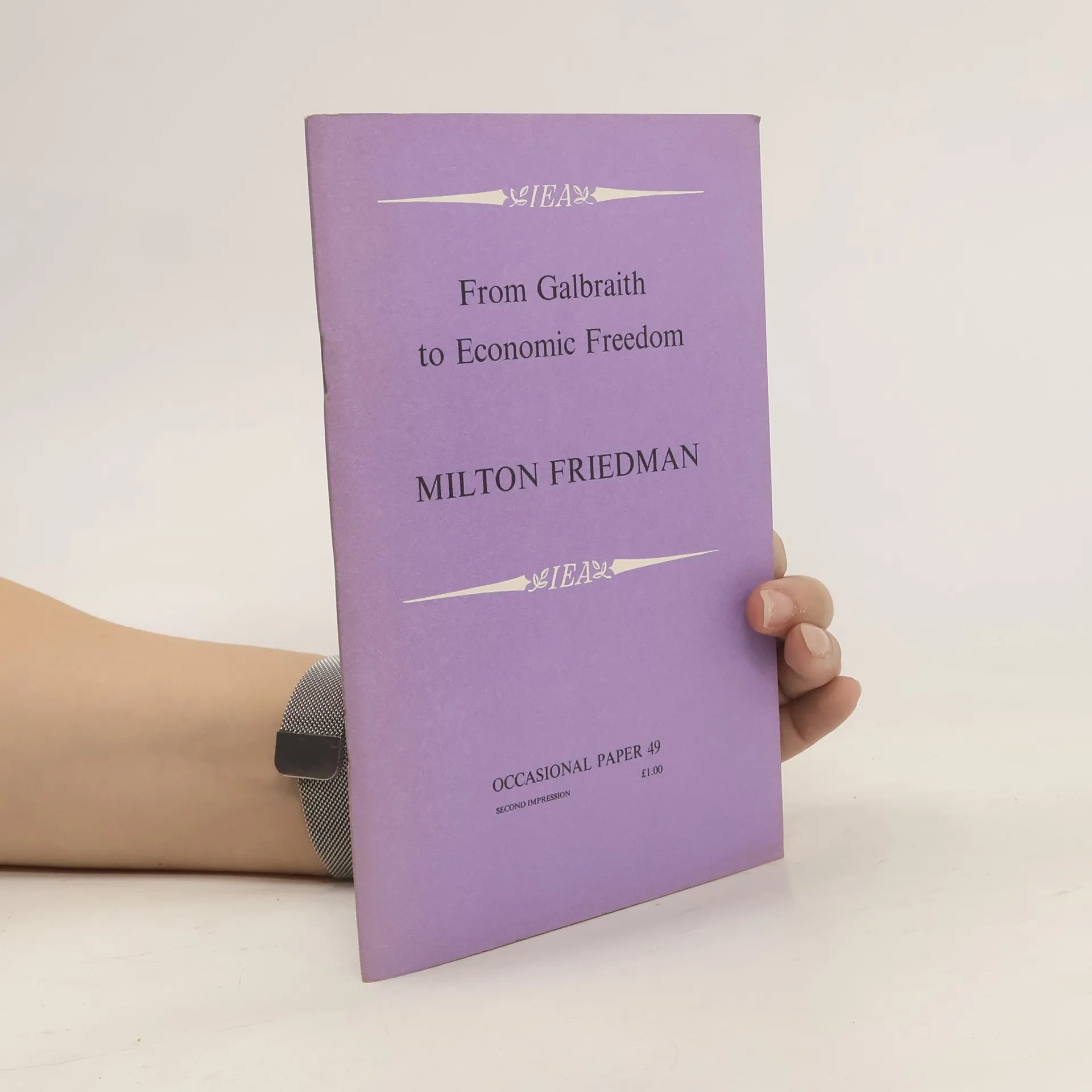
    From Galbraith to Economic Freedom
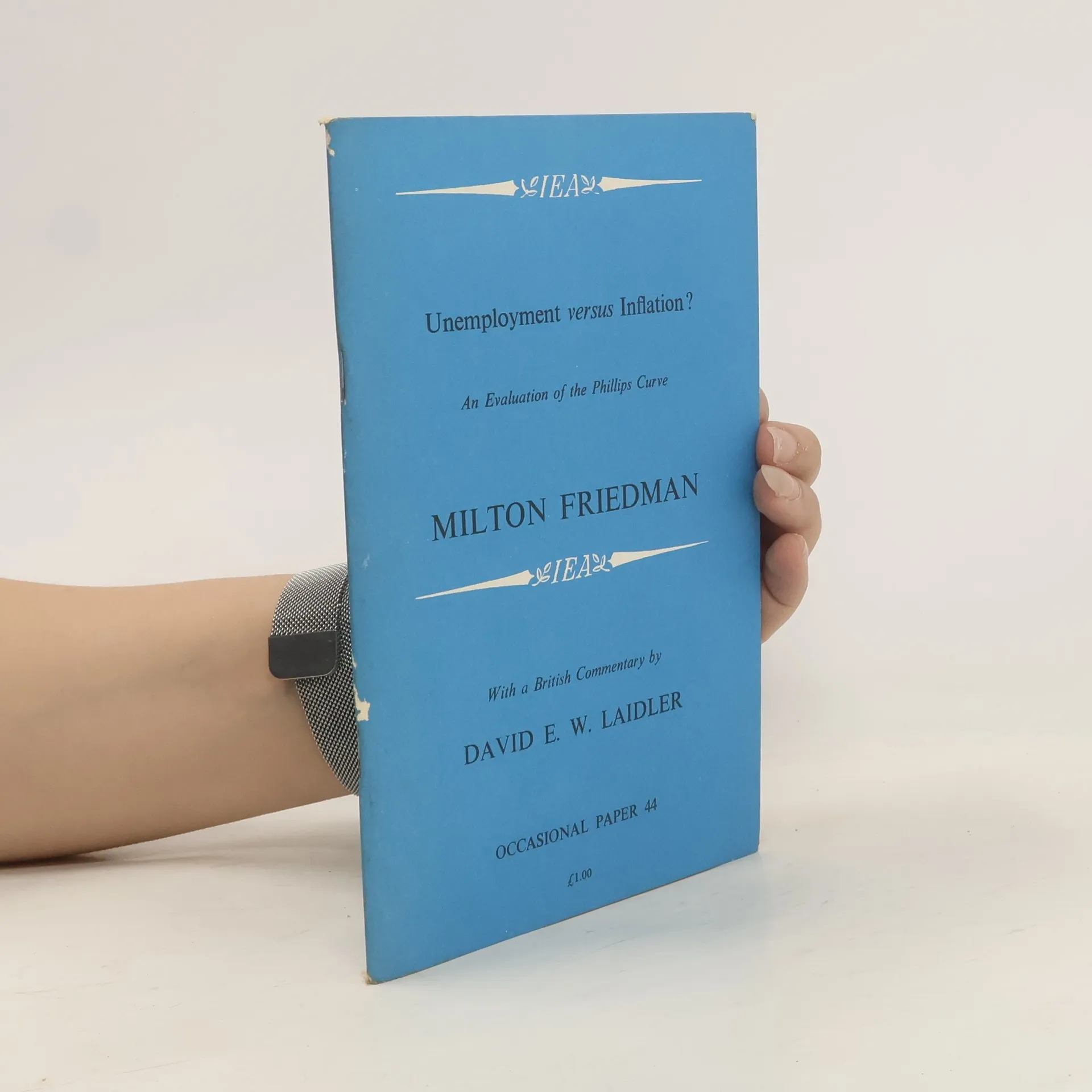
    Unemployment versus Inflation? An Evaluation of the Phillips Curve
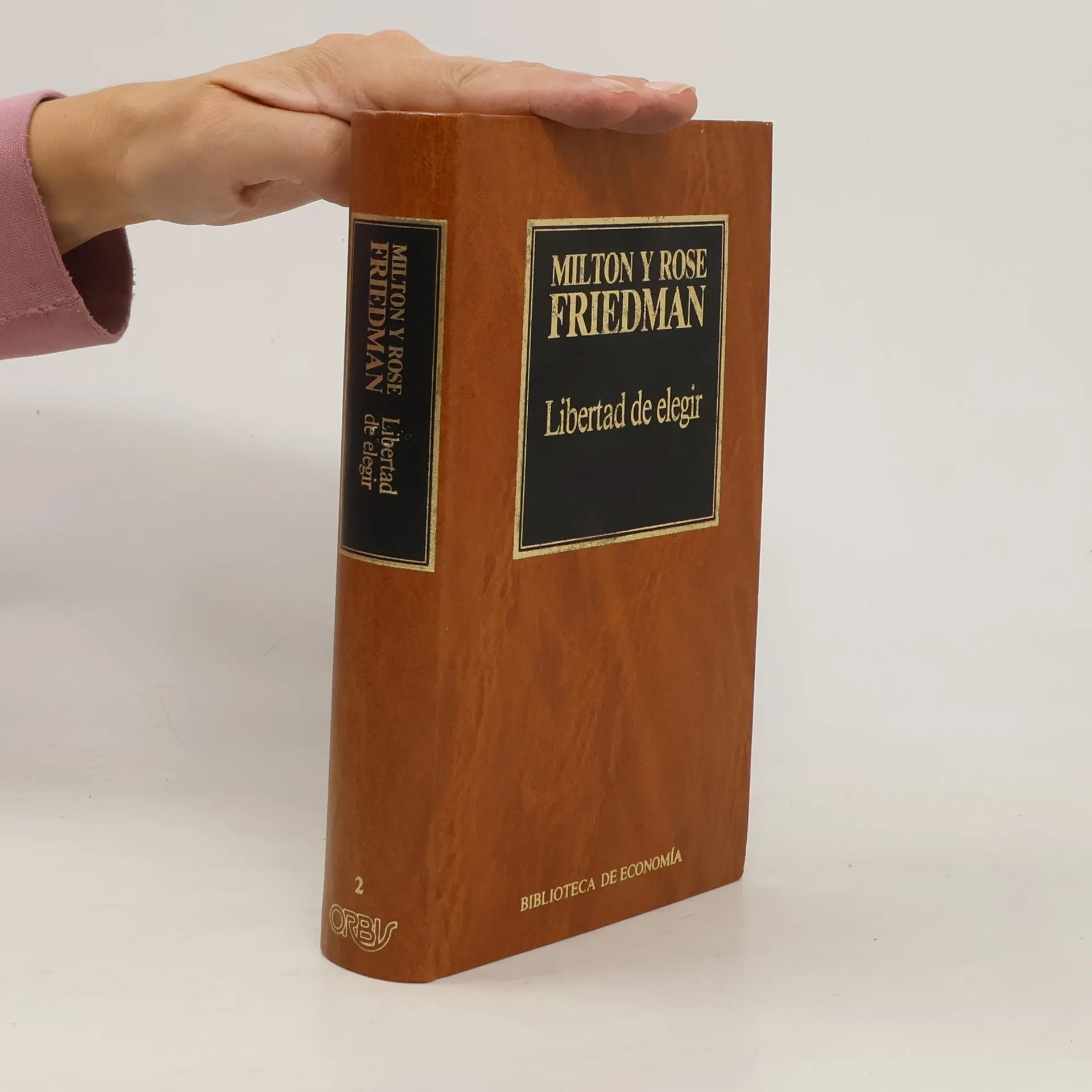
    Libertad de elegir
    • Libertad de elegir

      • 436 páginas
      • 16 horas de lectura

      Libertad de elegir es una obra excepcional que ha influido en los destinos económicos de numerosos países. A pesar del tiempo transcurrido desde su primera publicación, sigue siendo un análisis bien documentado y fascinante sobre las relaciones sociales en el estado actual. La obra examina los mecanismos del ejercicio del poder, los objetivos que lo guían y el papel que desempeñan las autoridades y sus diversas agencias en la vida del ser humano contemporáneo. También ilustra los efectos de esta influencia en la vida de sociedades enteras y de individuos particulares.

      Libertad de elegir
      4,2
    • Leo Melamed on the Markets

      Twenty Years of Financial History as Seen by the Man Who Revolutionized the Markets

      • 304 páginas
      • 11 horas de lectura

      A riveting inside look at the turbulent, controversial world of the futures markets through the eyes of the man who made them what they are today. Melamed relates how he helped create the futures markets and the changes they wrought in the financial world of the 1980s, the importance of futures markets to the global economy, the debate over them in the wake of the 1987 crash and the future of electronic global markets.

      Leo Melamed on the Markets
    • Why Government Is the Problem (Essays in Public Policy)

      Milton Friedman.

      • 18 páginas
      • 1 hora de lectura

      The major social problems of the United States—deteriorating education, lawlessness and crime, homelessness, the collapse of family values, the crisis in medical care—have been produced by well-intended actions of government. That is easy to document. The difficult task is understanding why government is the problem. The power of special interests arising from the concentrated benefits of most government actions and their dispersed costs is only part of the answer. A more fundamental part is the difference between the self-interest of individuals when they are engaged in the private sector and the self-interest of the same individuals when they are engaged in the government sector. The result is a government system that is no longer controlled by "we, the people." Instead of Lincoln's government "of the people, by the people, and for the people," we now have a government "of the people, by the bureaucrats, for the bureaucrats," including the elected representatives who have become bureaucrats. At the moment, term limits apear to be the reform that promises to be most effective in curbing Leviathan.

      Why Government Is the Problem (Essays in Public Policy)