
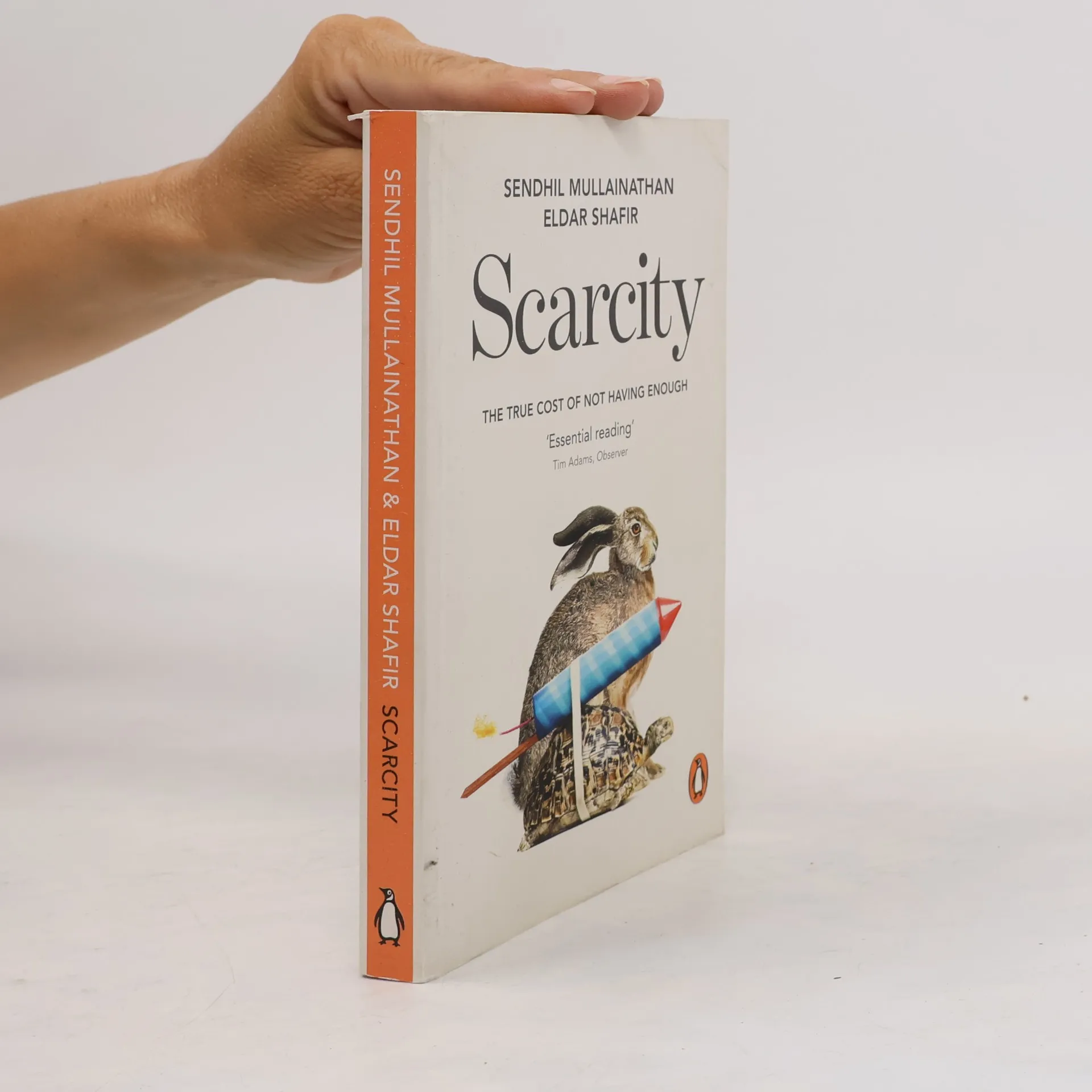
Audiobook: 8 hrs and 47 mins. This examination delves into how scarcity—and our flawed responses to it—shapes our lives and society. It explores questions like why successful people often procrastinate, why poverty endures, and why lonely individuals struggle to connect. These seemingly unrelated issues are linked by a mindset shaped by scarcity. Drawing on behavioral science and economics, the authors illustrate that scarcity creates a shared psychology among those managing with less. For instance, busy individuals mismanage their time similarly to how the financially strained handle their money. This scarcity dynamic explains why dieters struggle with temptation, why students and busy professionals face time management challenges, and why sugarcane farmers exhibit improved decision-making post-harvest. By framing problems through the lens of scarcity, the authors clarify the complexities of modern life. They share personal anecdotes and draw unexpected connections that bring their research to life. The insights provided offer a fresh perspective on why the poor remain impoverished and the busy remain overwhelmed, while also suggesting strategies for individuals and organizations to better navigate scarcity for improved satisfaction and success.
Eldar Shafir Libros


Schaarste
Hoe gebrek aan tijd en geld ons gedrag bepalen
In dit boek bieden Harvard-econoom Sendhil Mullainathan en Princeton-psycholoog Eldar Shafir een baanbrekend nieuw perspectief op menselijk gedrag. Sleutelwoord: schaarste. Mentale scherpte is de gunstige bijwerking van schaarste; het leeuwendeel van het boek gaat echter over de destructieve gevolgen ervan. Aan de hand van eigen onderzoek en spraakmakende voorbeelden tonen de auteurs aan dat de gevolgen van schaarste veel verder gaan dan tot nu toe bekend. Ze presenteren uiteenlopende gedragsexperimenten die aantonen hoe schaarste het denkvermogen van mensen verlamt. Armoede zorgt er voor dat men moeilijk nieuwe vaardigheden aan kan leren en gebrek aan tijd leidt ertoe dat we steeds onverstandigere beslissingen nemen. Deze inzichten hebben verregaande gevolgen op vele terreinen (onder andere armoedebestrijding, scholing, obesitas, verkeersveiligheid en werkloosheid).