

Bookbot

Matthew Alexander

    Cinemeducation
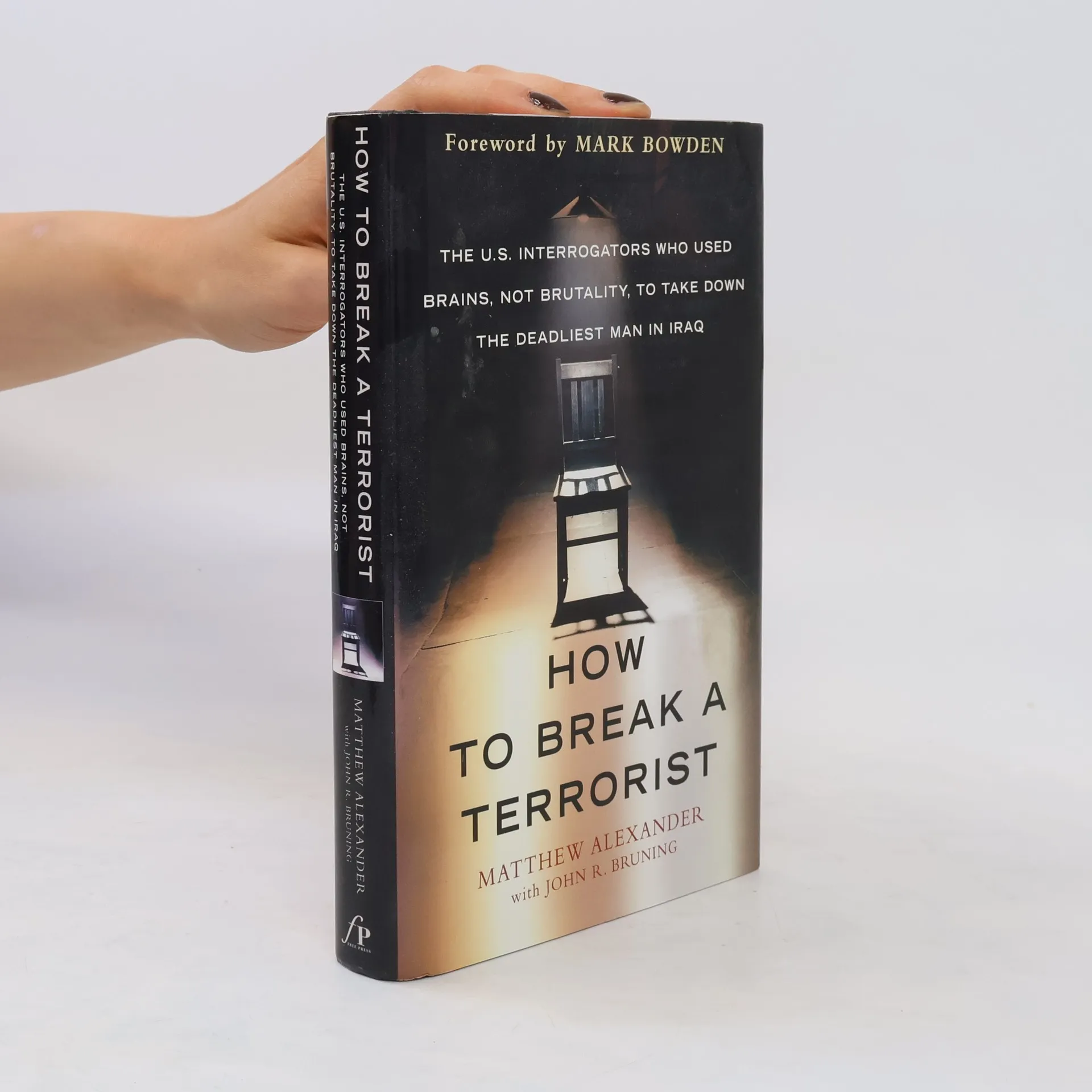
    How to Break a Terrorist
    • How to Break a Terrorist

      The U.S. Interrogators Who Used Brains, Not Brutality, to Take Down the Deadliest Man in Iraq

      • 288 páginas
      • 11 horas de lectura

      Finding Abu Musab al Zarqawi, the leader of Al Qaeda in Iraq, was a top priority for the U.S. military, even more so than capturing Osama bin Laden. Brutal tactics were employed to extract intelligence from Zarqawi's associates, but these efforts yielded no results. Following the Abu Ghraib scandal, the military introduced a new approach to interrogation. Matthew Alexander, a former criminal investigator leading a specialized team, provides an insider's view of this shift toward more humane interrogation techniques and their remarkable success. The intelligence that led to the June 7, 2006, airstrike on Zarqawi's safe house stemmed from well-planned interrogations that avoided torture and coercive methods. Instead, Matthew and his team focused on understanding their subjects: their motivations, affiliations, and what they sought to protect. Each day, they engaged with a diverse array of suspects, from egomaniacs to horrified clerics, using negotiation and psychological tactics to great effect. However, Matthew's dedication to these methods sometimes put him at odds with his superiors and jeopardized his career. This gripping narrative transcends a typical war memoir, serving as a reminder that we need not adopt our enemy's methods to defeat them. Matthew's adaptive strategies have proven to be vital in the fight against global terrorism.

      How to Break a Terrorist
      4,1
    • Cinemeducation

      Using Film and Other Visual Media in Graduate and Medical Education

      • 696 páginas
      • 25 horas de lectura

      This companion volume outlines a comprehensive approach to integrating film into graduate and medical education, offering a variety of film excerpts ready for classroom use. Each excerpt includes details such as counter time, release year, actor names, a brief description of the film and highlighted scene, along with discussion questions. Dedicated chapters explore reality television, mainstream TV, music videos, documentaries, and YouTube, providing a structured examination of human experiences. Contributions from authors across five continents result in 49 chapters addressing diverse topics pertinent to medical and postgraduate healthcare education. Key issues include substance abuse, gambling, tragedy, diabetes, heart disease, chronic illness, obstetrics, and mental health challenges. Films depict healthcare professionals in both positive and negative lights, presented with rich detail. The text covers a broad range of specialties and health careers, converging on the theme of compassion in the medical experience. This resource is ideal for both undergraduate and postgraduate classrooms, appealing to healthcare educators across various fields, including psychology, social services, dentistry, and veterinary science.

      Cinemeducation