

Bookbot

James C. Kaufman

    Are We Free? Psychology and Free Will
    Applied Intelligence
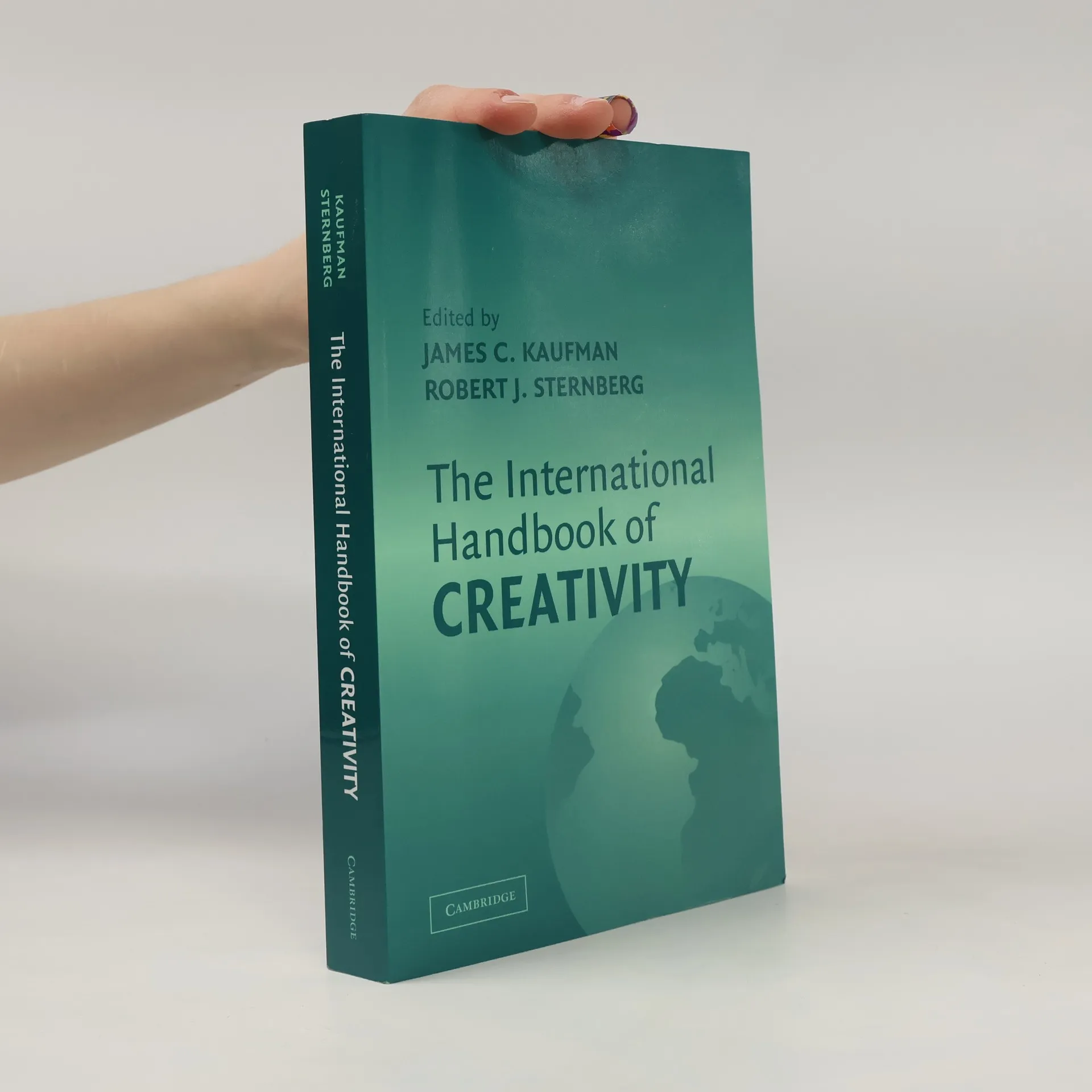
    The International Handbook of Creativity
    • The International Handbook of Creativity

      • 540 páginas
      • 19 horas de lectura

      What constitutes a creative person? Different cultures have different perspectives on what it means to be creative, yet it is nearly always the American or Western perspective that is represented in the psychological literature. The goal of this handbook is to present a truly international and diverse set of perspectives on the psychology of human creativity. Distinguished international scholars have contributed to this book's chapters on the history and current state of creativity research and theory in their respective parts of the world. Much of the work discussed has never before been available in English.

      The International Handbook of Creativity
      4,7
    • Applied Intelligence

      • 432 páginas
      • 16 horas de lectura

      Typical texts develop students' knowledge while only minimally developing the general skills they will need for success in school and in life. The goal of our text is to assist students in acquiring the most important skills for facing the diverse challenges life presents. The book contains an overview of theories of intelligence, but itself is based in large part on a theory according to which individuals need creative skills to generate new ideas and a vision for the future, analytical skills to make sure that the vision is a good one, and practical skills to execute the ideas and to persuade other people of their value. The book considers key skills in problem solving, logical reasoning, analysis of arguments, knowledge acquisition, creative and practical thinking, automatizing information processing, and avoiding life traps that derail even the most intelligent among us.

      Applied Intelligence
      3,9
    • Are We Free? Psychology and Free Will

      psychology and free will

      • 356 páginas
      • 13 horas de lectura

      Do people have free will, or is this belief an illusion? If free will exists, what form does it take, and how does it influence behavior? Can it be studied scientifically? These questions are central to the exploration in this book. While individuals often act as if they possess free will, feeling in control of their decisions and treating others similarly, psychological science typically overlooks this concept. The book examines whether psychology can accommodate free will and how leading psychologists view its role in behavior. Recent research and theoretical work on free will are discussed, alongside the philosophical dilemmas it presents, such as the relationship between determinism and free will and the significance of consciousness. Additionally, it features insights from prominent philosophers on how psychology can inform longstanding philosophical debates about this uniquely human belief. This collection of essays is aimed at social scientists and thoughtful readers interested in the complexities of free will and its implications for human behavior.

      Are We Free? Psychology and Free Will